


What Tool is Used for Digging? Garden Digging Tools

























About What Tool is Used for Digging? Garden Digging Tools - Walmart.com
When you ask what tool is used for digging, you usually need a clear match for your soil, hole size, and planting job. You can compare digging tools by tool type, material, handle style, and hole depth, so your yard work feels more precise.
If you're planting bulbs, setting posts, or moving starts, you need a digging tool that fits the task instead of forcing extra effort. You can sort options faster when you know how a trowel, spade, hand digger, or post-hole digger changes your results.
What tool is used for digging?
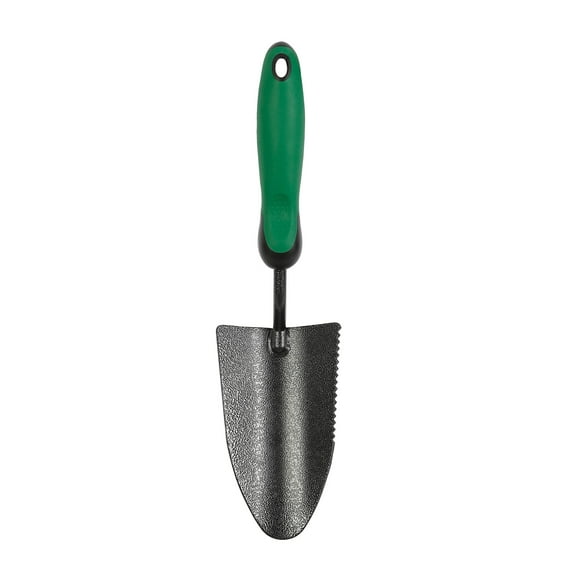
If you're handling small planting jobs, you may choose a trowel or transplanter for neat holes and closer control. If you're opening larger spaces, you may reach for a spade or post-hole digger for deeper cuts.
When your soil feels packed or rocky, you should compare blade shape and shaft length before you choose. You can use narrow blades for tighter planting spaces, while wider heads help you move more soil with each pass.
You can narrow your search by focusing on the job first, then matching the tool type. You may want these common use-based choices before you compare finishes or handle materials.
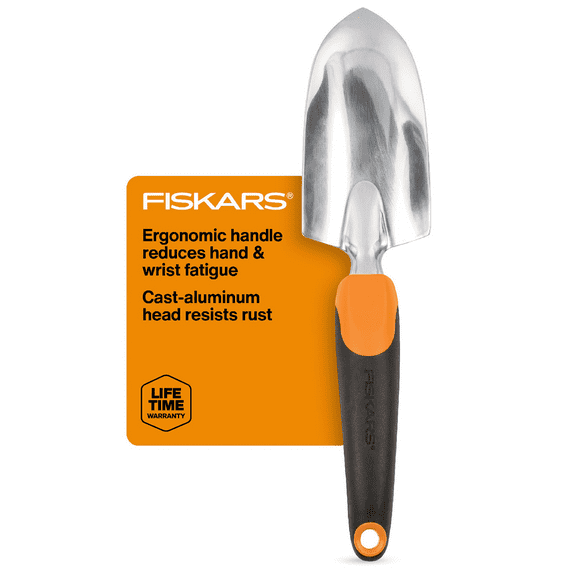
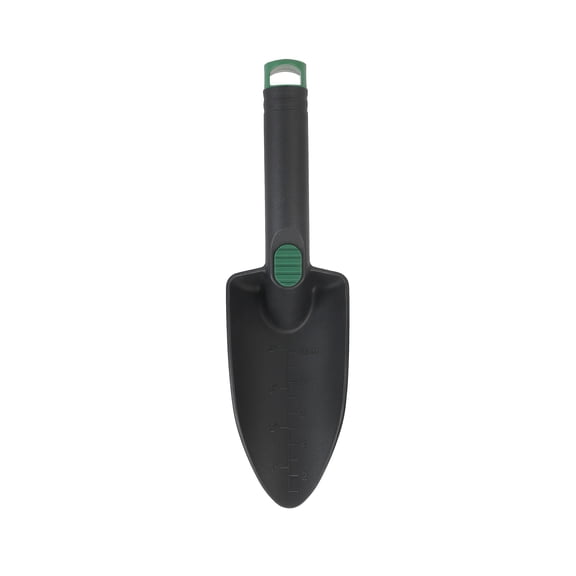
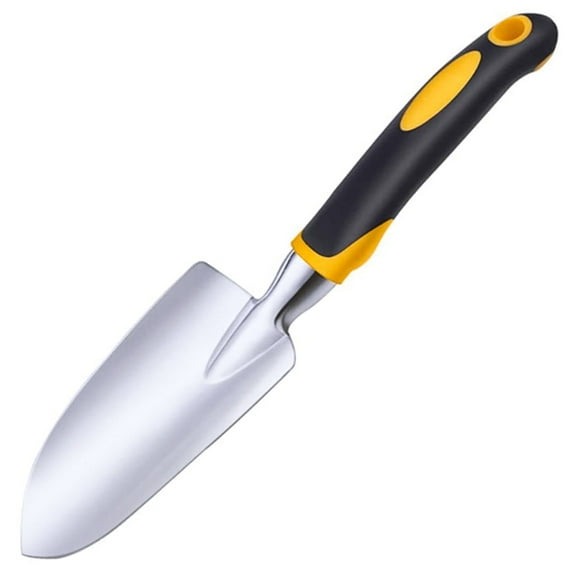
- You can use a trowel for bulbs, annuals, and container gardening.
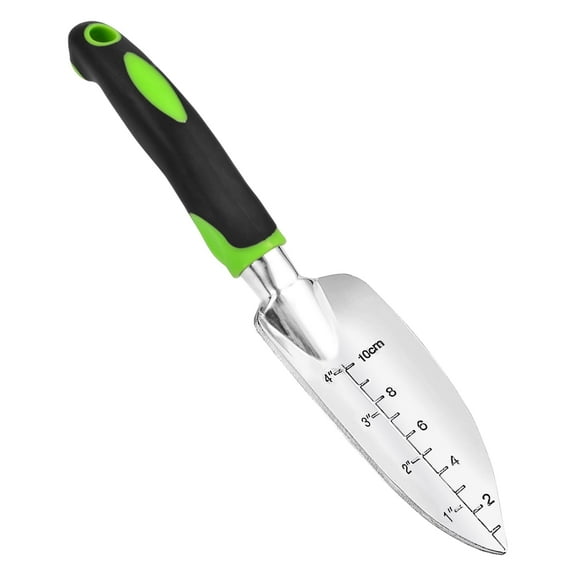
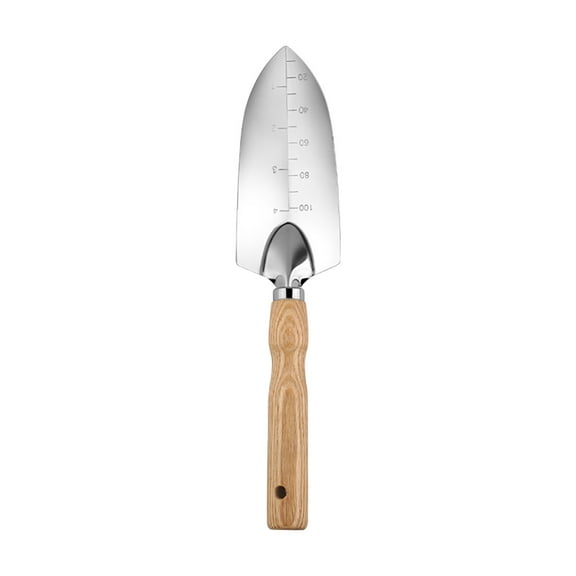
- You can use a transplanter when you need a narrow plant digging tool for roots and starter plants.
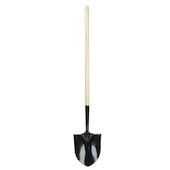
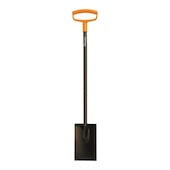
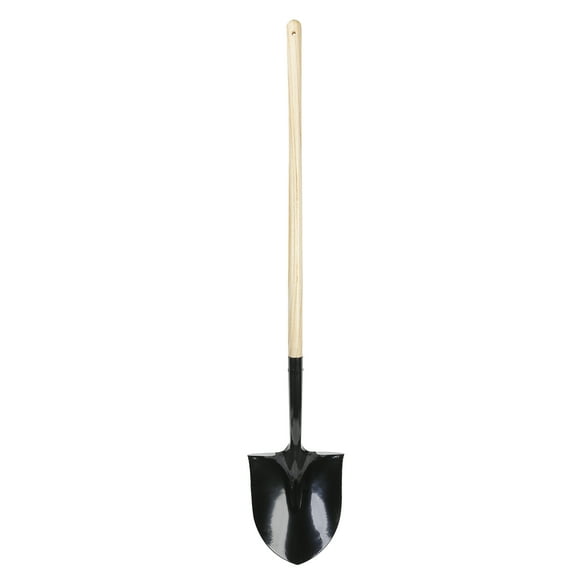
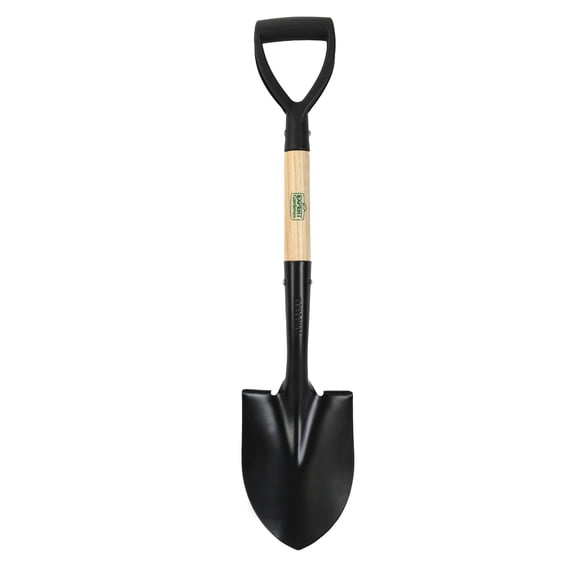
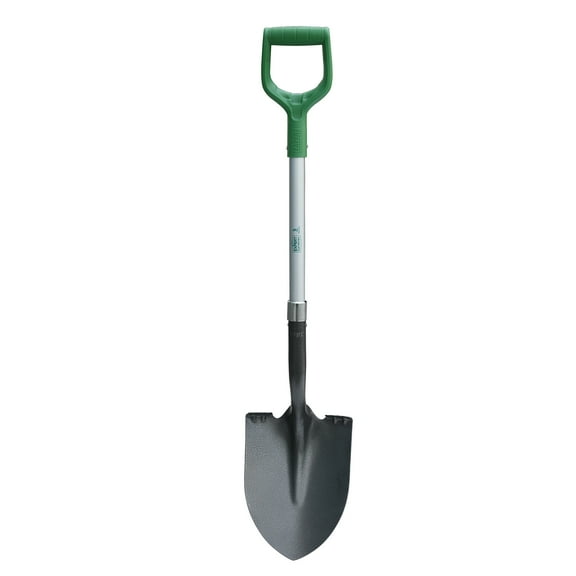
- You can use a spade when you need straight edges for borders, slicing sod, or larger planting holes.
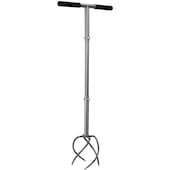
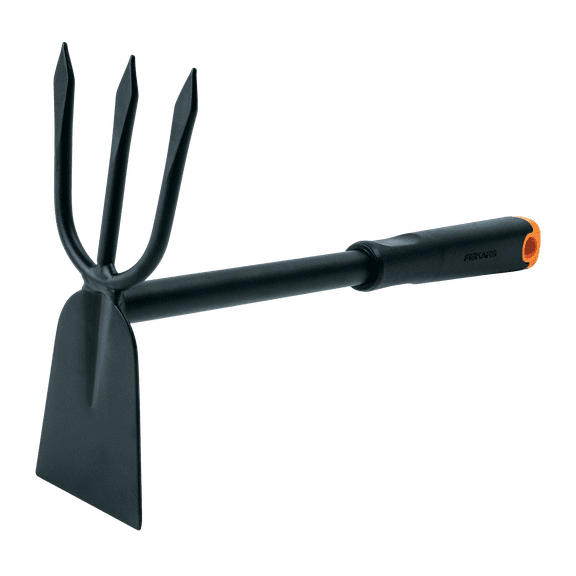
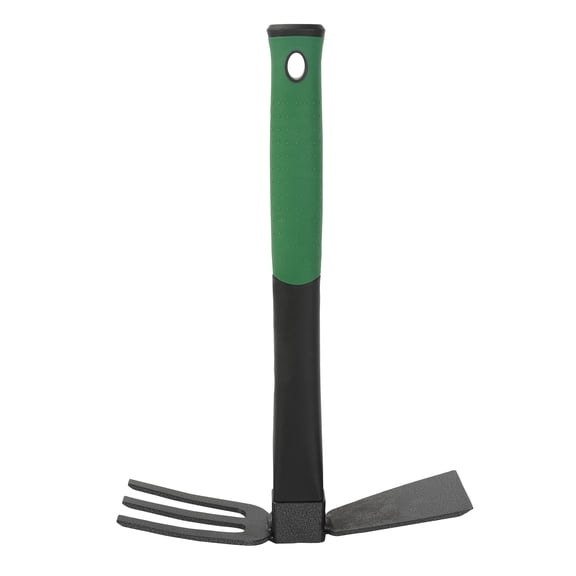
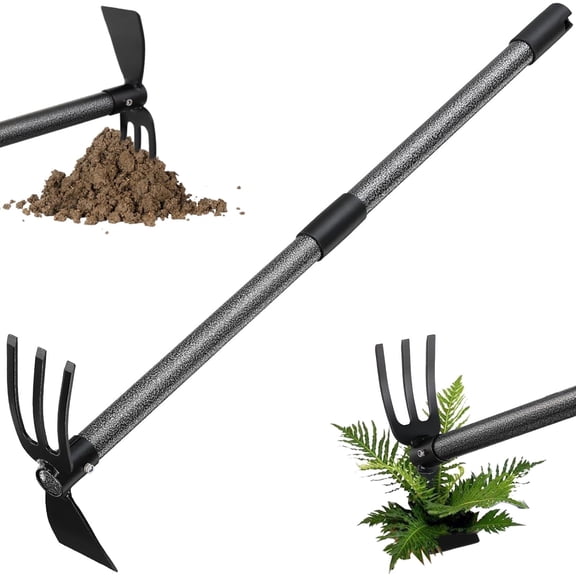
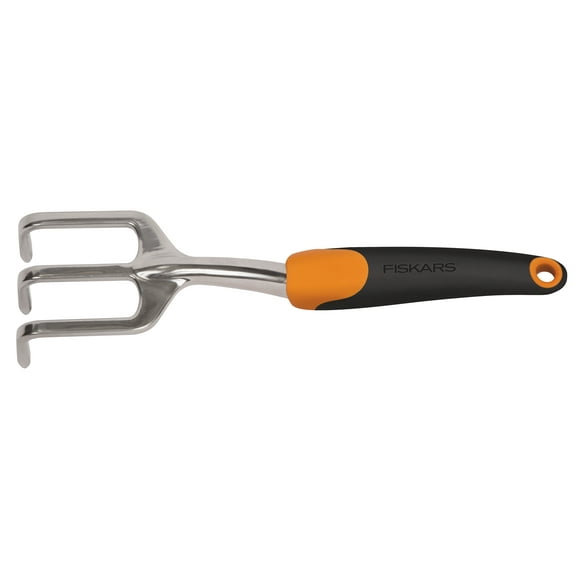
- You can use a hand digger when you need compact control in raised beds or dense garden rows.
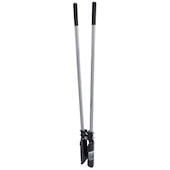
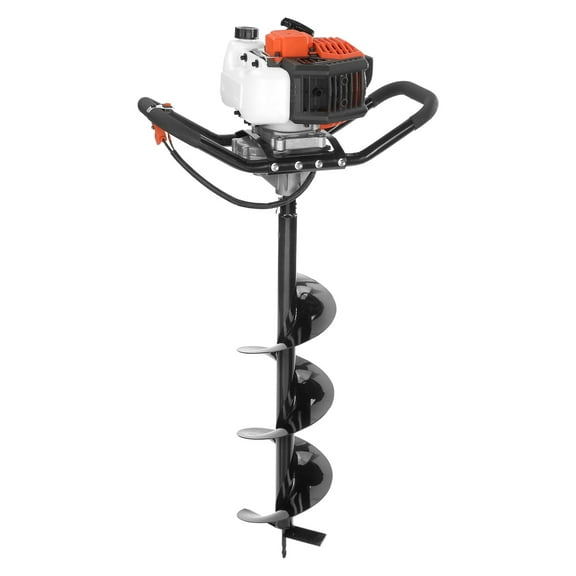
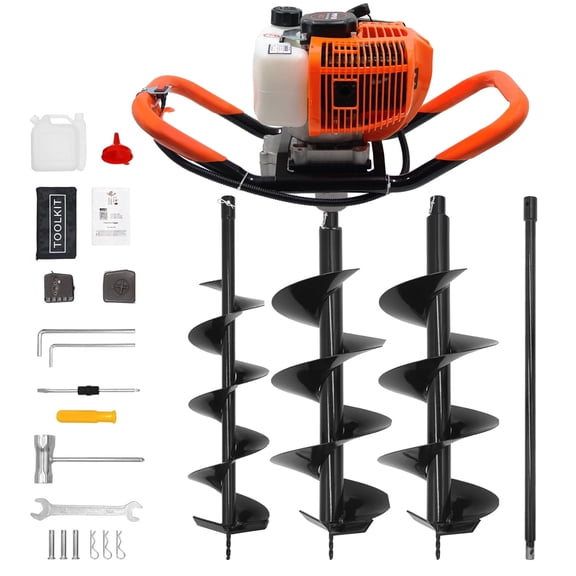
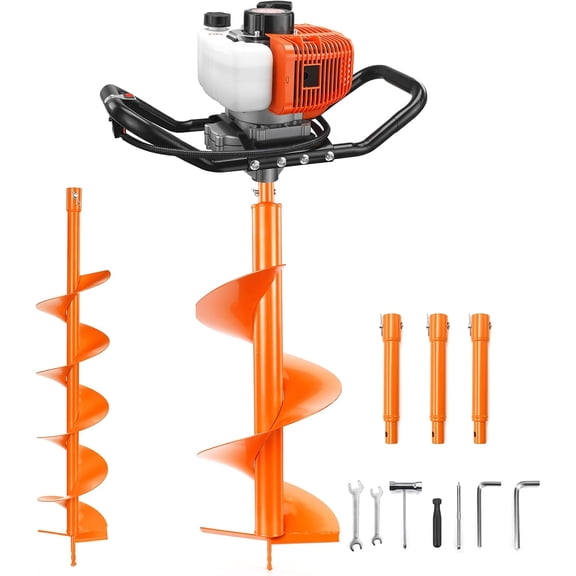
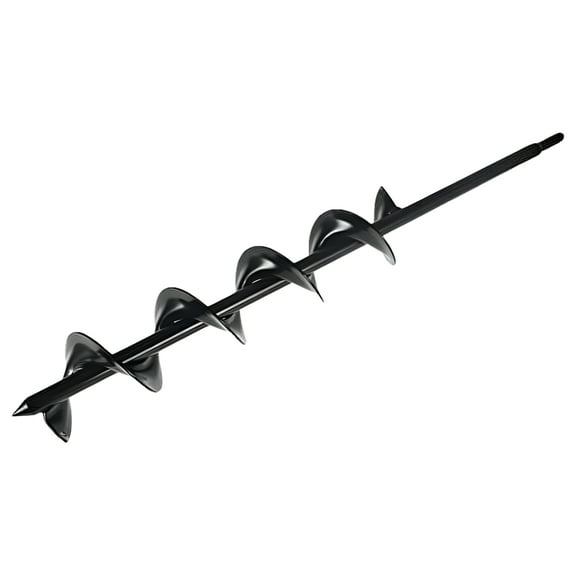
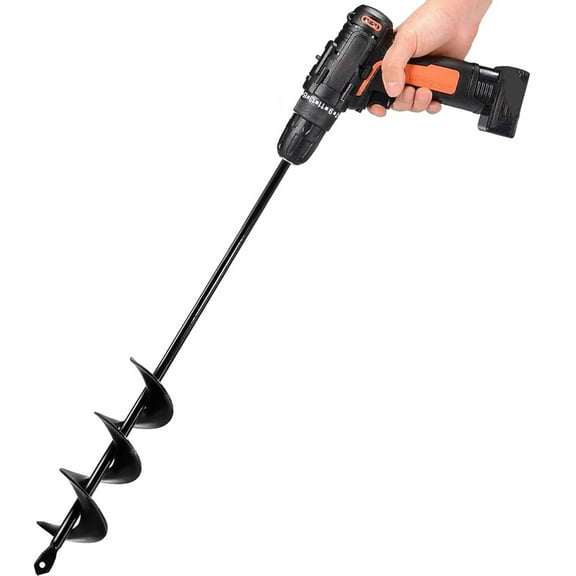
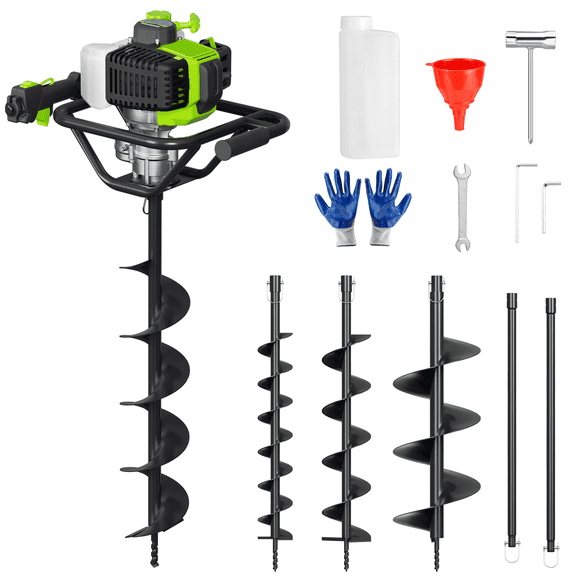
- You can use a post-hole digger when you need deeper, round holes for fence posts or deck supports.
Choosing a digging tool by type and application
If you're comparing tools for digging holes, you should start with the diameter and depth you need. You can finish faster when the blade measurements match your planting plan or post size.
For bulbs and small flowers, you may prefer hand gardening tools with a narrower profile and lighter feel. You can place plants with less disruption to nearby roots and less loose soil around each opening.
When you're transplanting seedlings or herbs, you should consider a transplanter with depth markings on the blade. You can keep spacing and planting depth more consistent across garden beds.
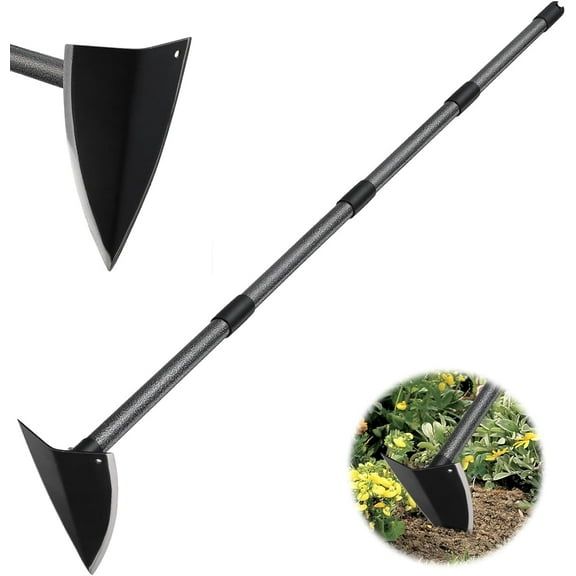
If you're edging beds or opening wider holes for shrubs, you may want a spade with a flatter blade. You can cut cleaner lines through sod and shape the hole walls with more control.
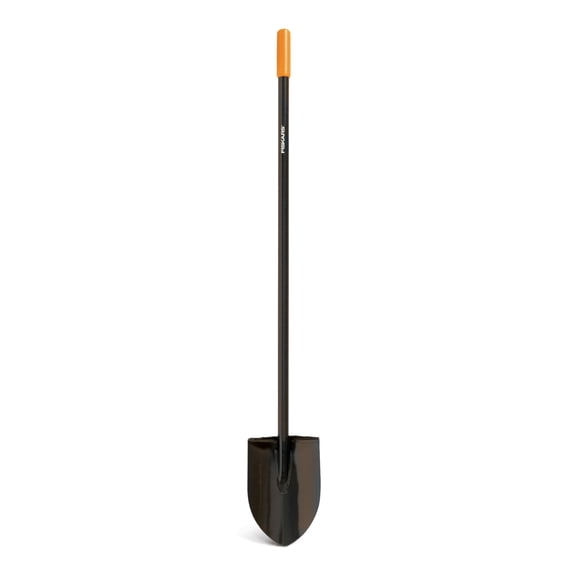
For deeper projects, you should compare equipment for digging holes with longer shafts and two-hand operation. You can reach the depth you need for outdoor structures without relying on small hand motions alone.
Comparing material, blade strength, and connection design
If your soil runs hard or full of clay, you should compare carbon steel, stainless steel, and cast aluminum carefully. You can match blade strength and rust resistance to the ground conditions you face most.
Carbon steel often suits heavier digging because you get strong blade support under pressure. You should check the finish and care needs, because your tool may need drying after wet soil work.
Stainless steel can help you clean off sticky soil more easily after planting and bed prep. You may prefer it when your tools stay outdoors between tasks or see frequent moisture.
Cast aluminum can feel lighter in your hand, which may help during quick garden touch-ups. You should compare thickness and intended use, because lighter materials suit lighter digging jobs.
If you're reviewing technical details, you should look at steel tensile strength as a clue to blade durability. You can expect stronger steel to resist bending when you push into compacted soil.
You should also inspect how the head connects to the handle before you choose garden diggers. You can look for welded joints or one-piece forged construction when you want a steadier feel during repeated use.
Picking handle types and hand gardening tools for comfort
If you dig for longer stretches, you should compare ergonomic grip, wood handle, and fiberglass handle designs. You can reduce hand fatigue when your grip feels secure and your handle fits your reach.
Ergonomic grip handles can feel easier to hold when your tasks involve repeated scooping or twisting. You may notice better control when you're planting annuals, loosening soil, or working in containers.
Wood handles can give you a traditional feel and solid balance in many garden settings. You should check the shape and finish, because your comfort depends on how the handle sits in your palm.
Fiberglass handles can work well when you want a sturdy feel with lower upkeep. You may prefer them for tools for digging that stay in sheds, garages, or changing weather conditions.
If you're choosing between short and long tools, you should measure the reach your project requires. You can use compact hand gardening tools for beds and pots, while longer shafts help with deeper ground work.
Matching digging tools to real yard projects
If you're planting spring bulbs, you may want a plant digging tool with a narrow blade and clear depth control. You can make uniform holes and keep nearby bulbs undisturbed.
When you're refreshing raised beds, you may choose hand diggers or trowels for close planting areas. You can work between established herbs, greens, and flowers without opening oversized gaps.
If you're moving perennials, you should compare transplanters and spades based on root ball size. You can lift smaller plants neatly, while larger blades help you shape broader transplant holes.
When you're installing fence posts or mailbox supports, you need tools for digging holes with extra depth and leverage. You can compare shaft length and jaw width to match the post dimensions you plan.
If your yard has compacted clay, you should lean toward stronger steel blades and reinforced joints. You can push into firmer ground with fewer pauses and a steadier motion.
For lighter soil and quick planting sessions, you may prefer lighter hand gardening tools with ergonomic grips. You can move from potting bench to flower bed with less strain on your hands.
When you choose digging tools by task, soil, material, and handle style, you get cleaner holes and steadier control. You can finish planting, transplanting, and ground prep with tools that fit the work from the first scoop.