

Dinner Tonight

Make meal planning & prep easier
Simple ingredients for a full day’s menu.

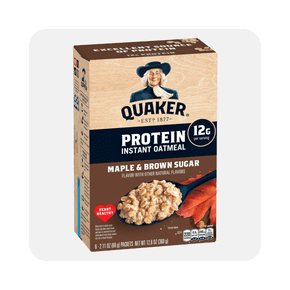
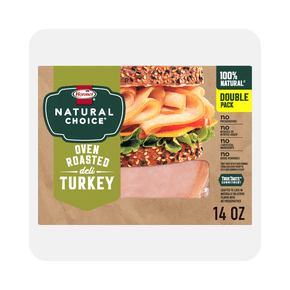
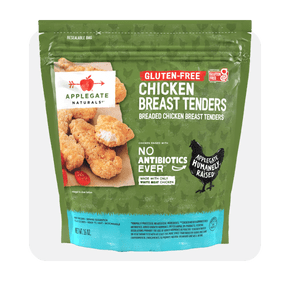

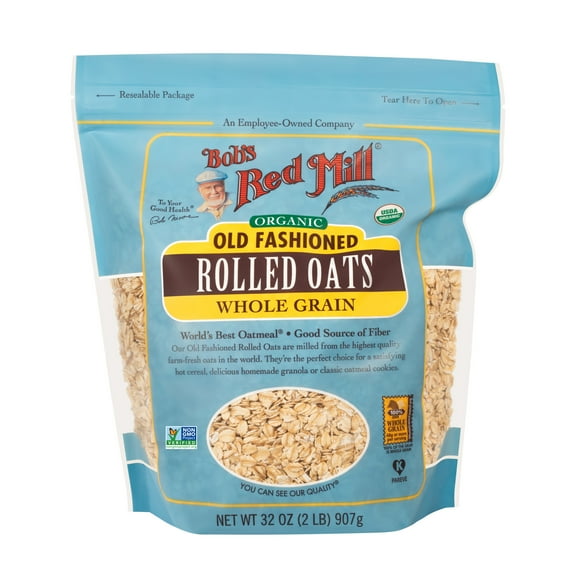





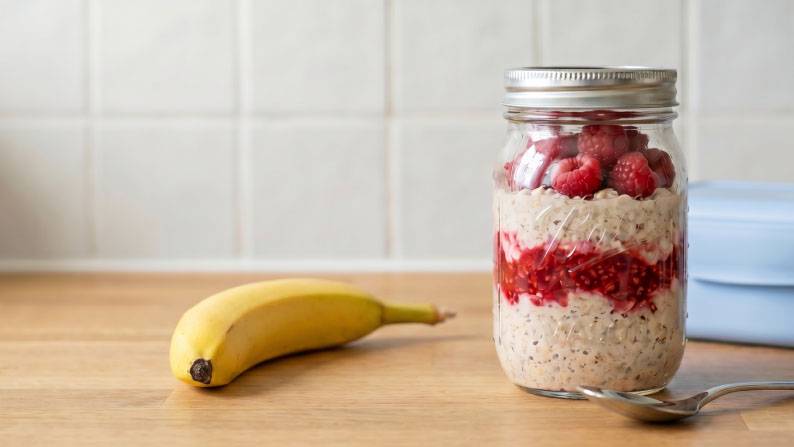
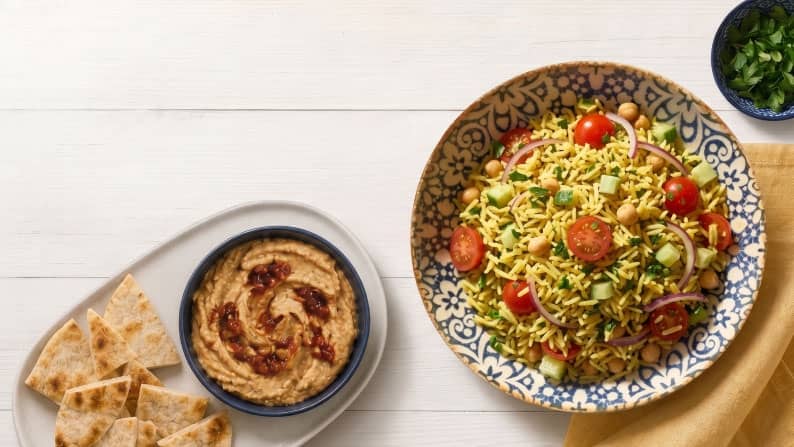

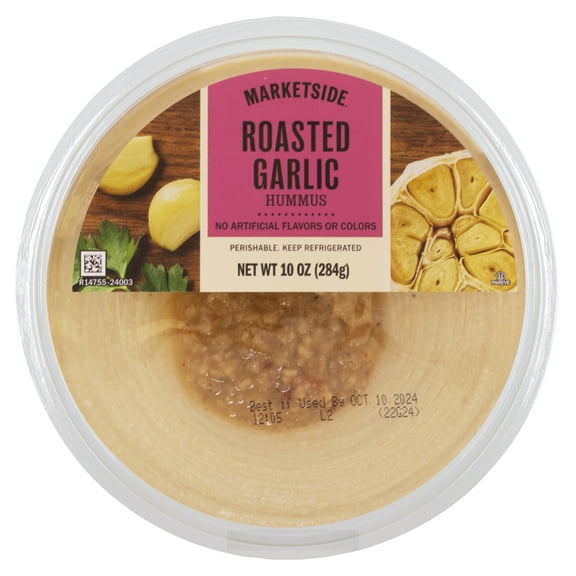


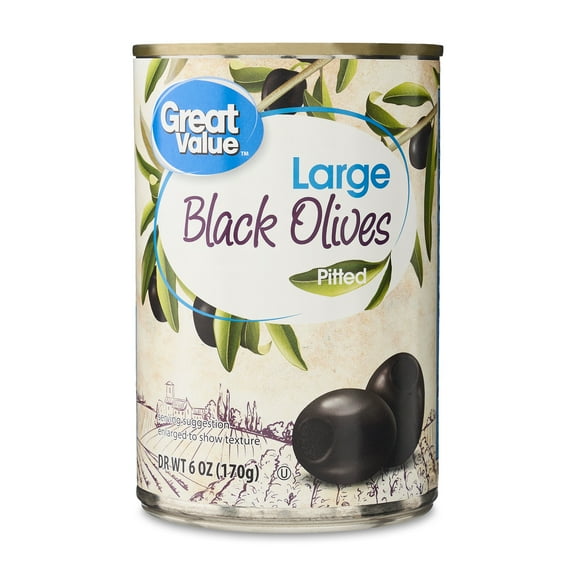


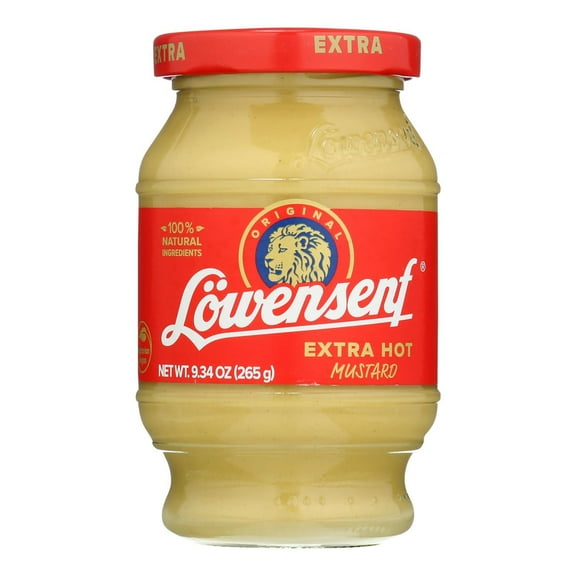

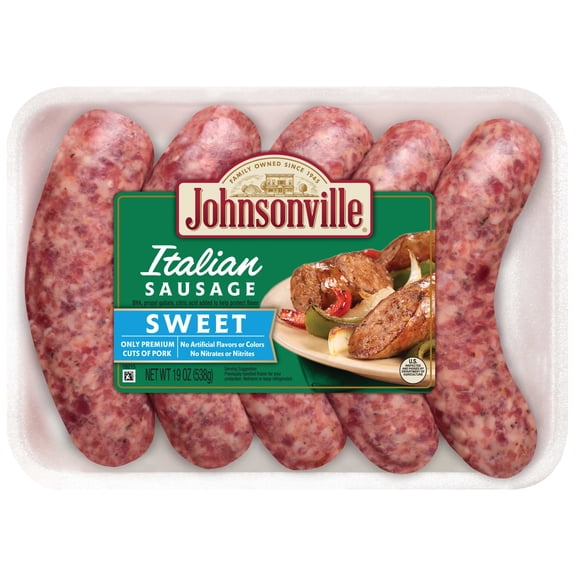
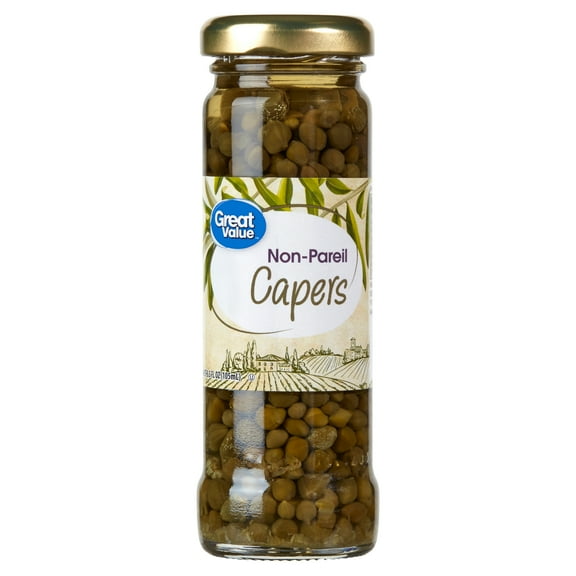


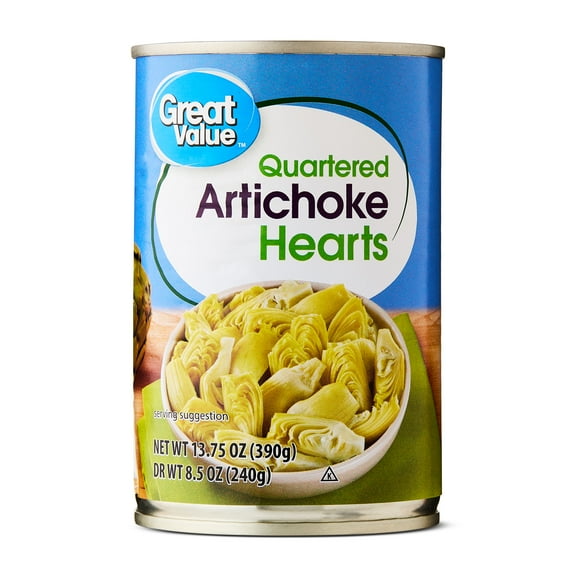






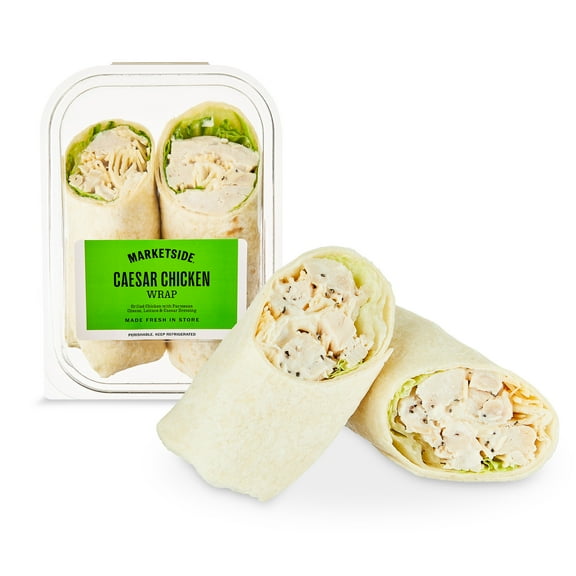
Need solutions fast

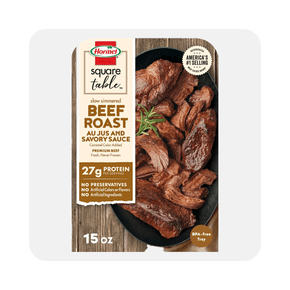
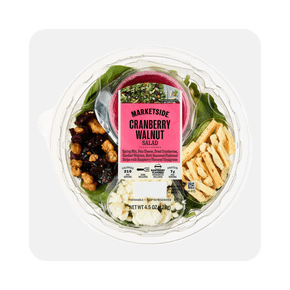


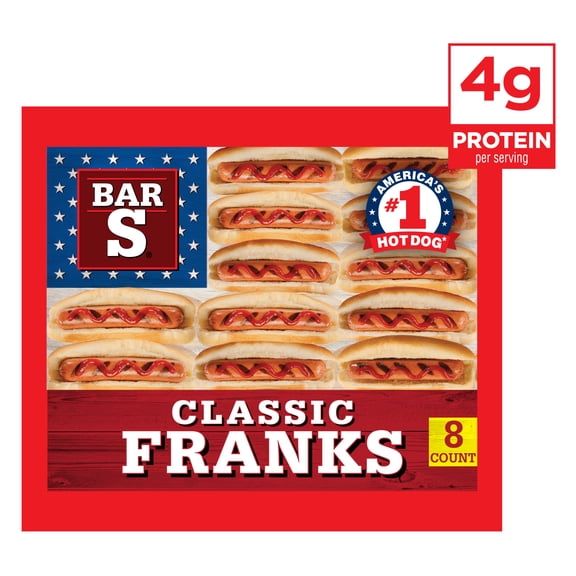

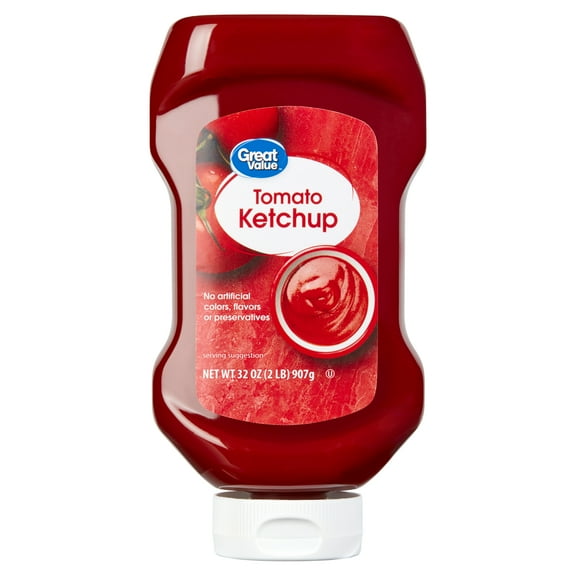
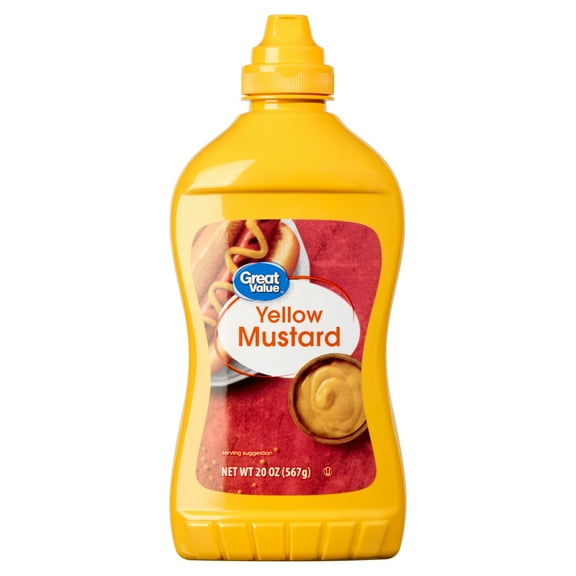
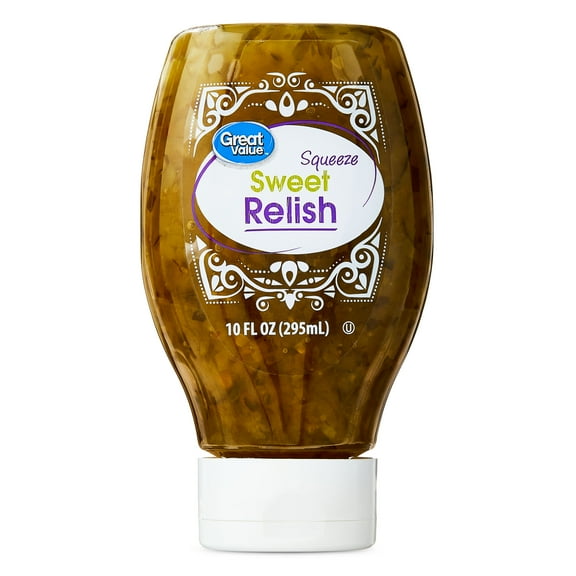



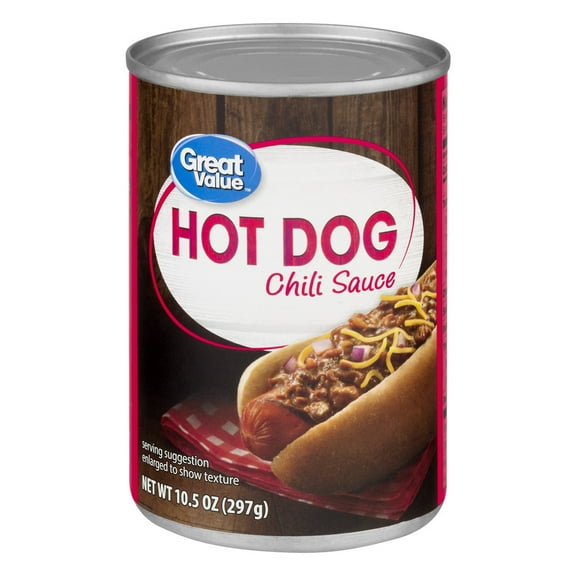
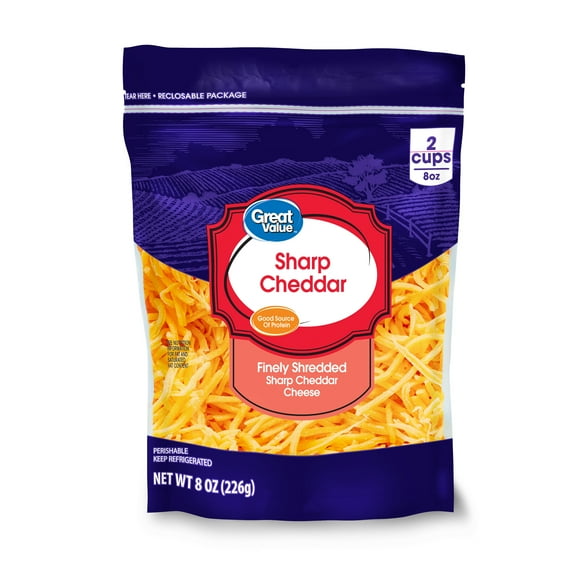
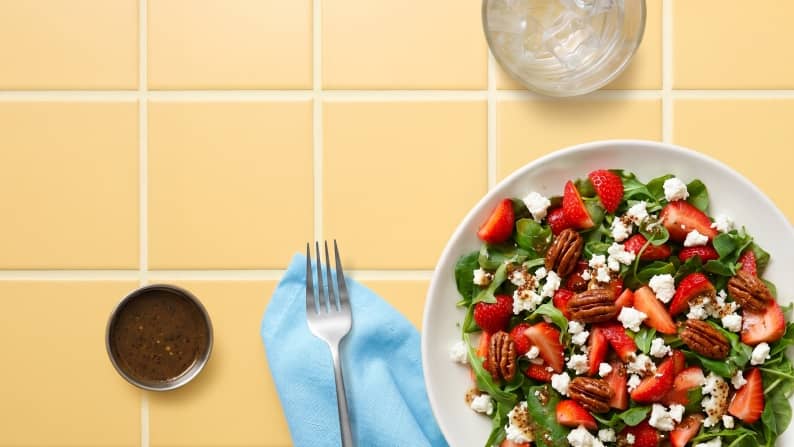
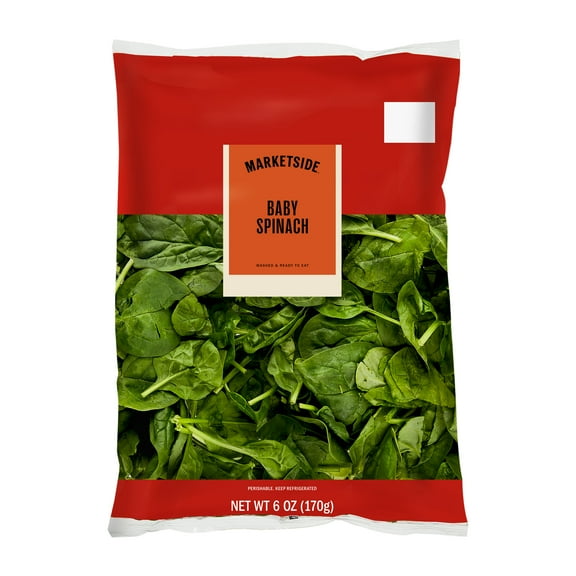
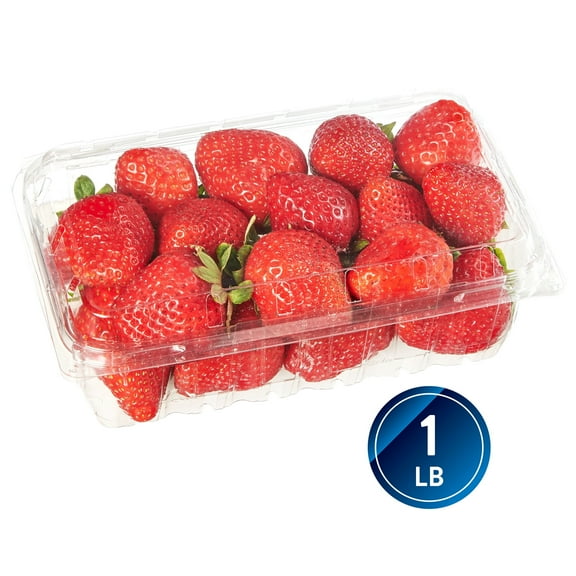

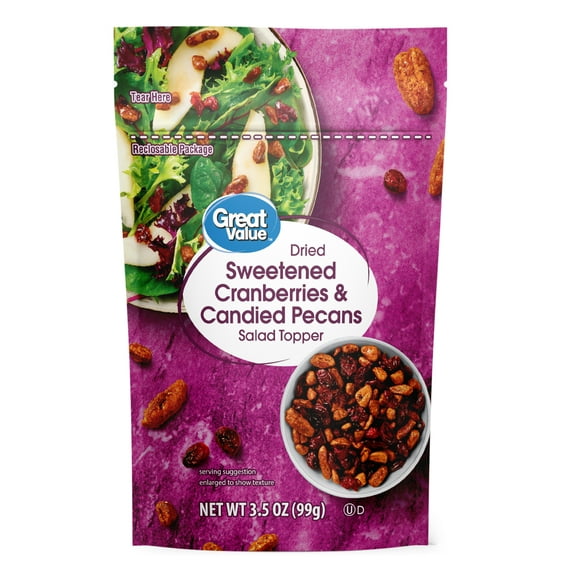

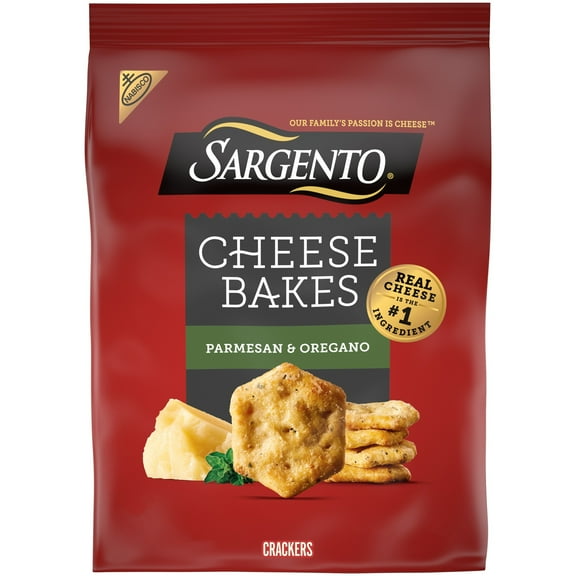


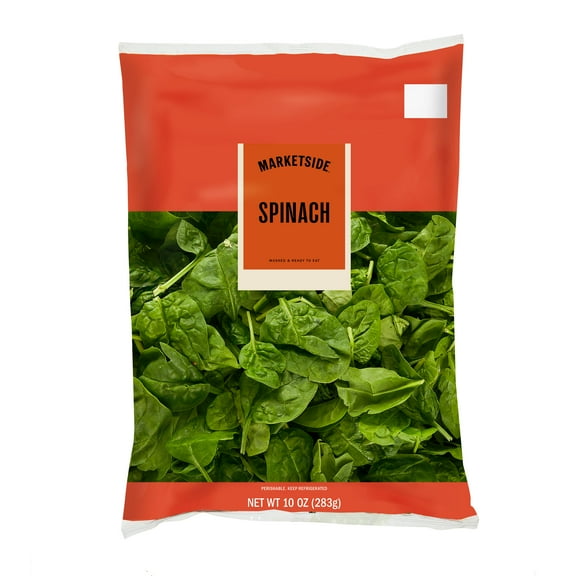
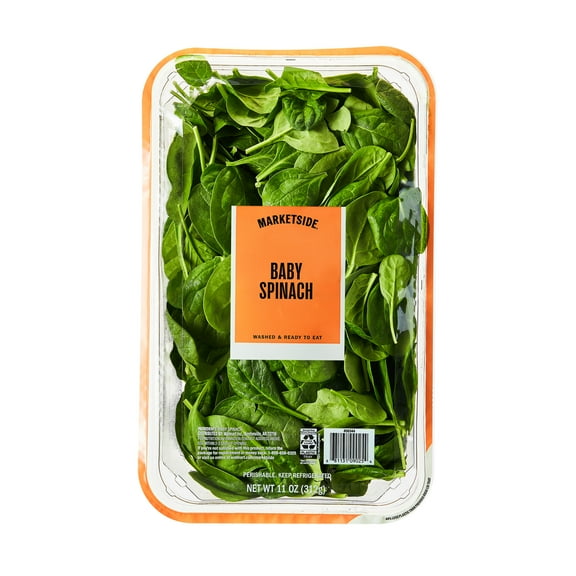
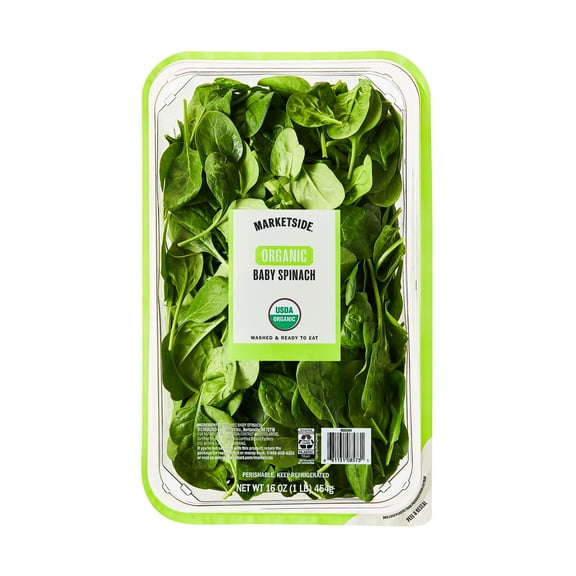


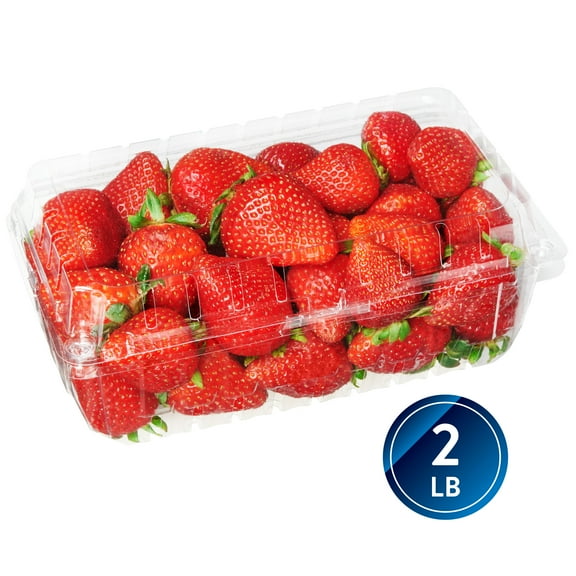

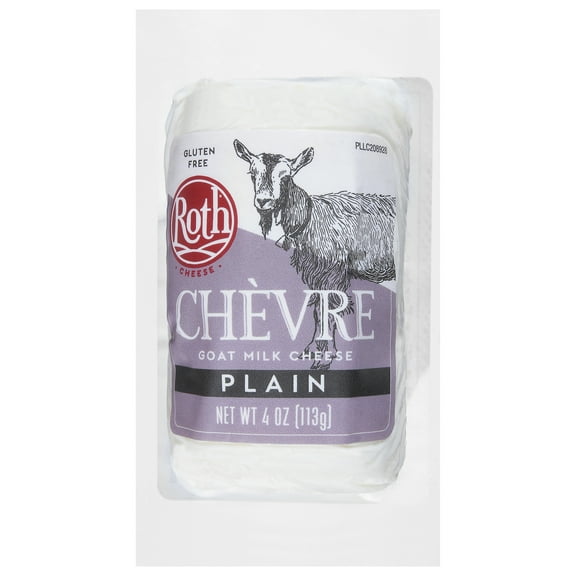
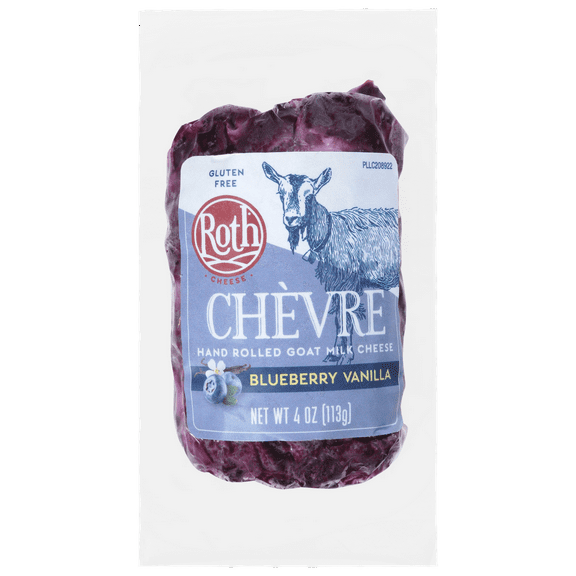
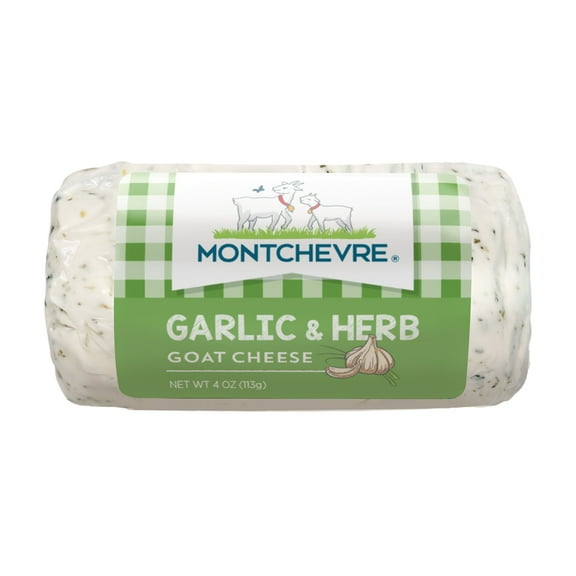
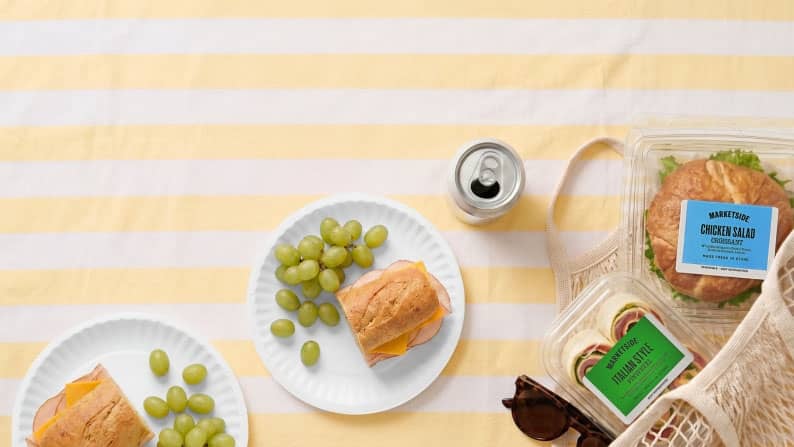
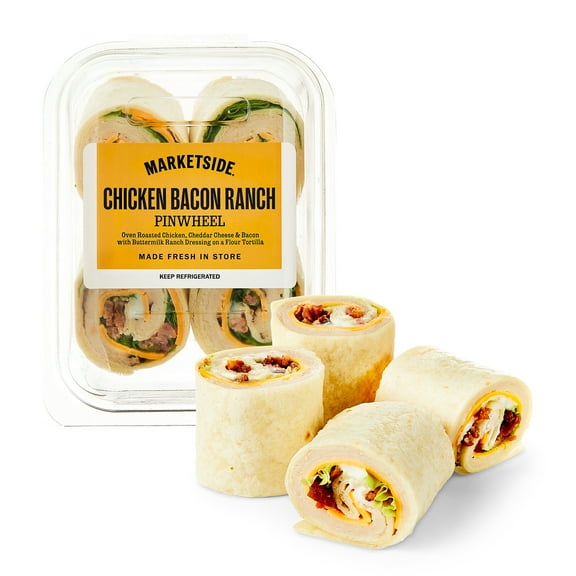
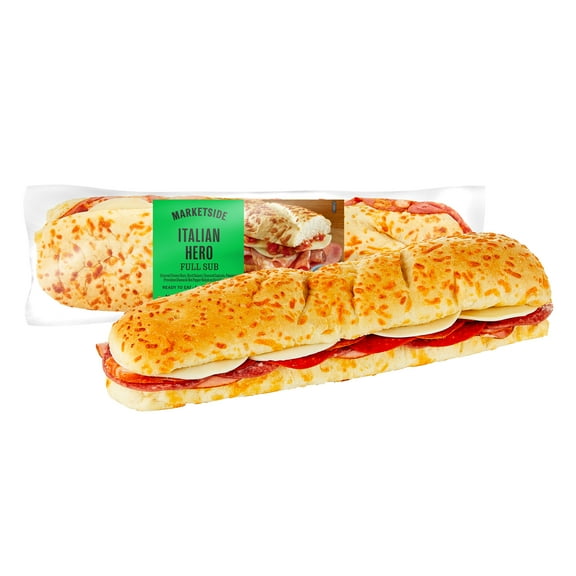
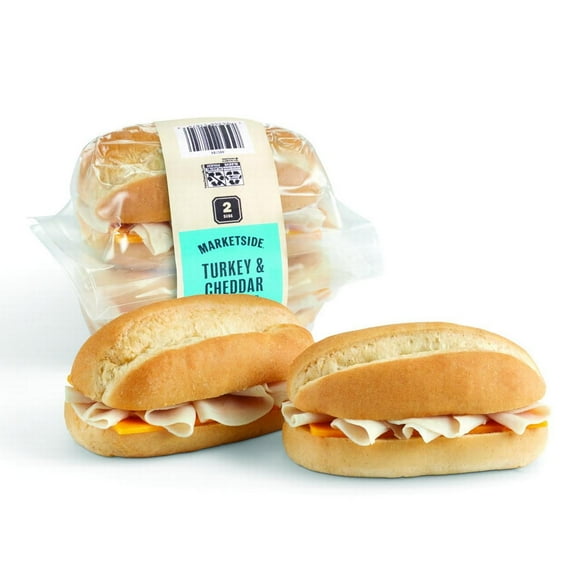
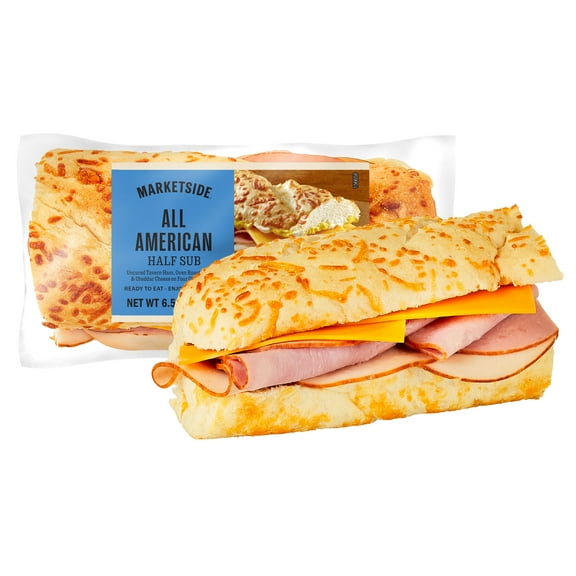
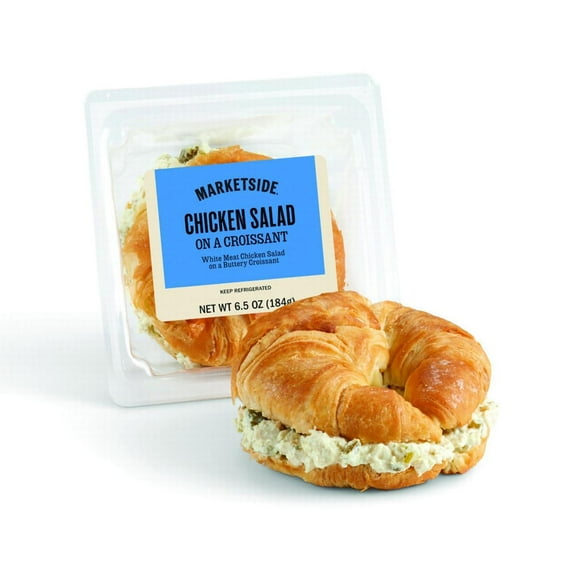
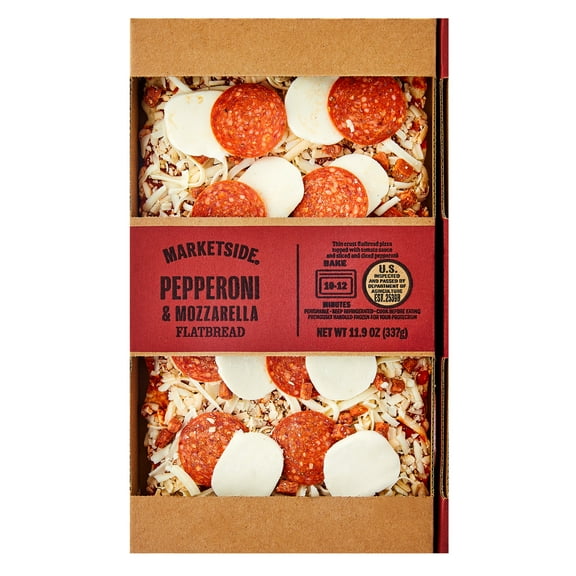


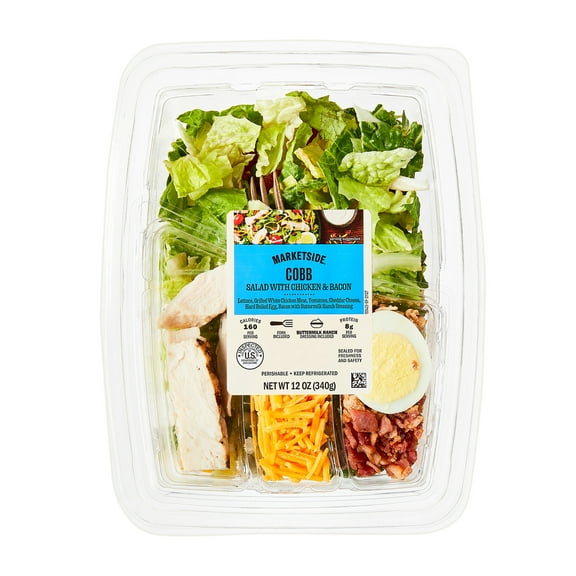

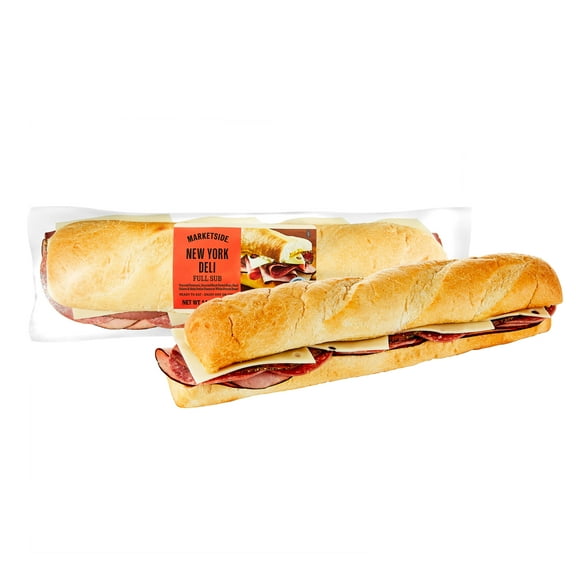


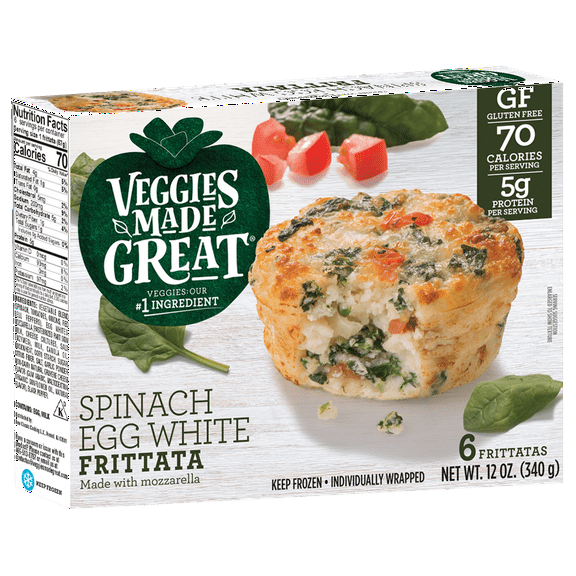


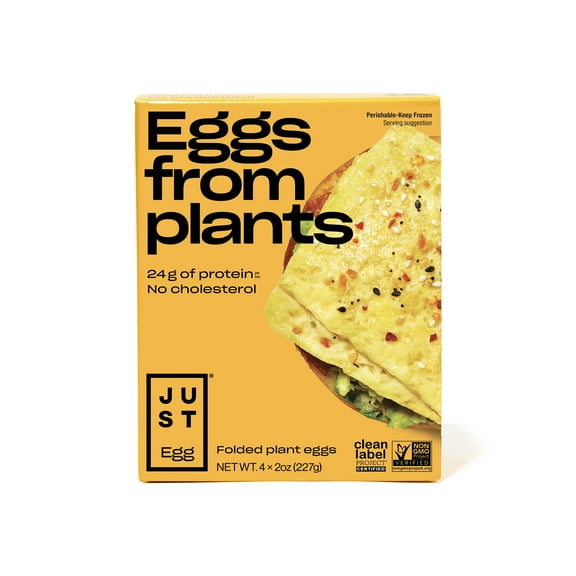
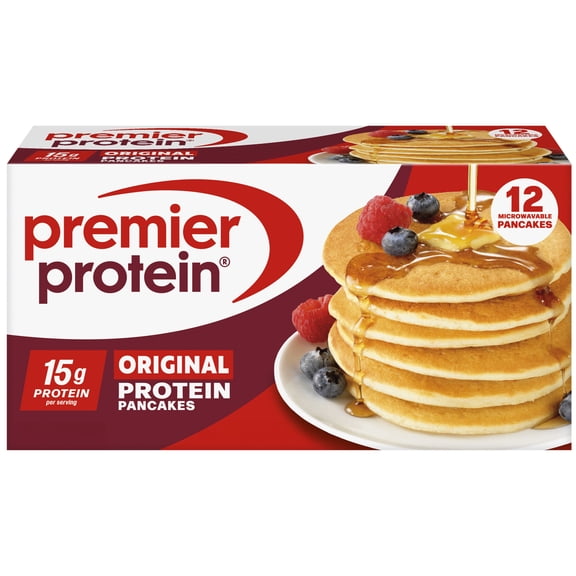
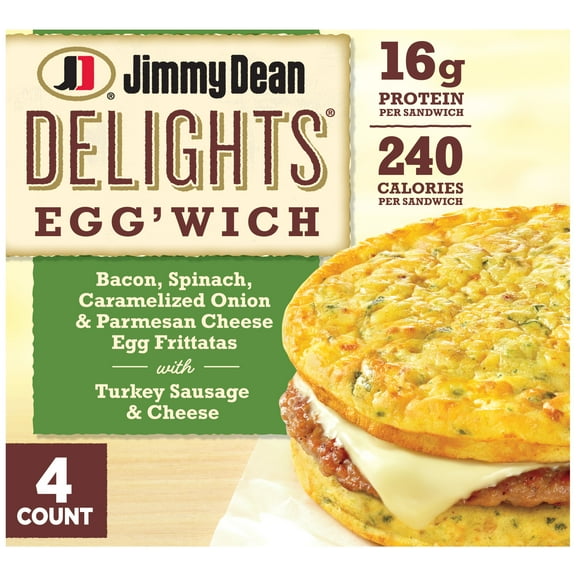
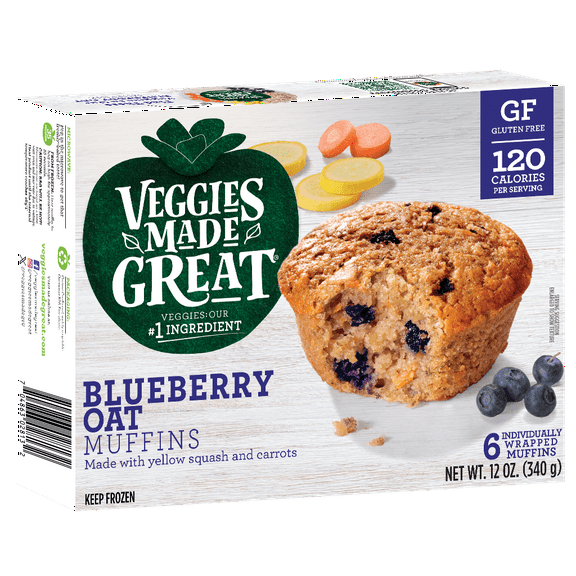
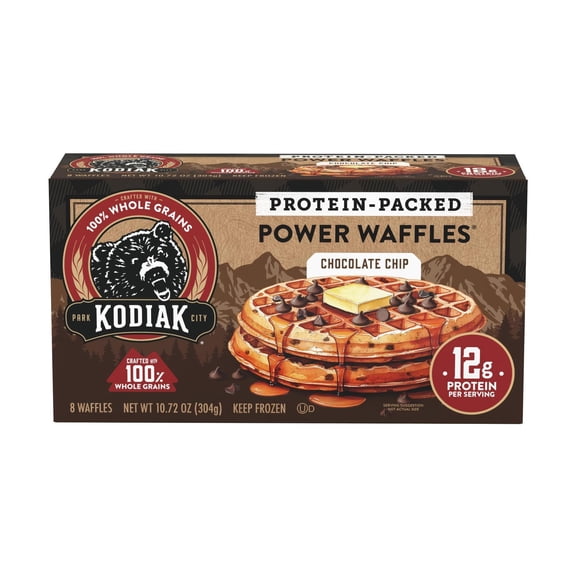


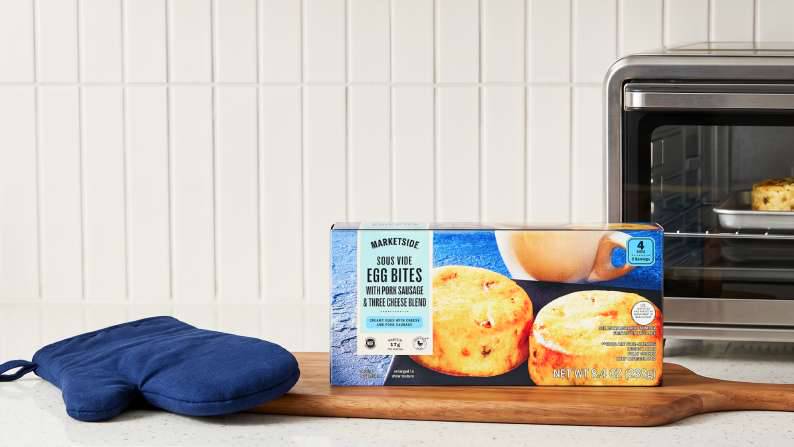
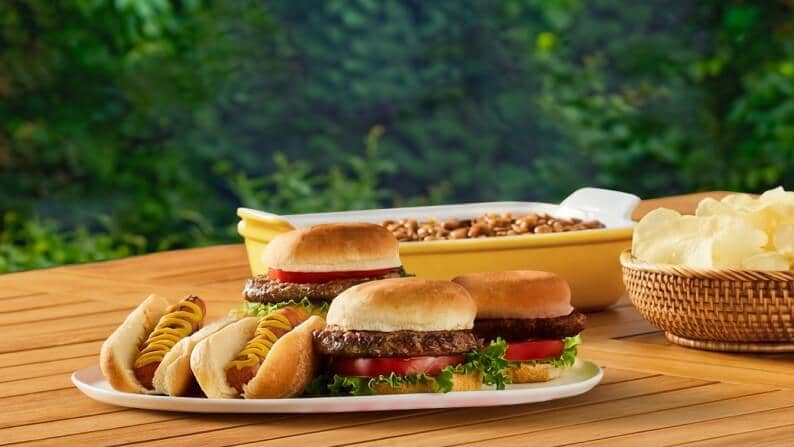
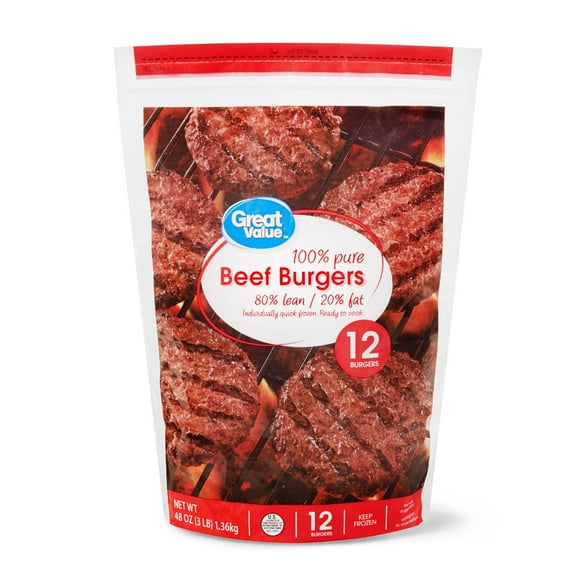
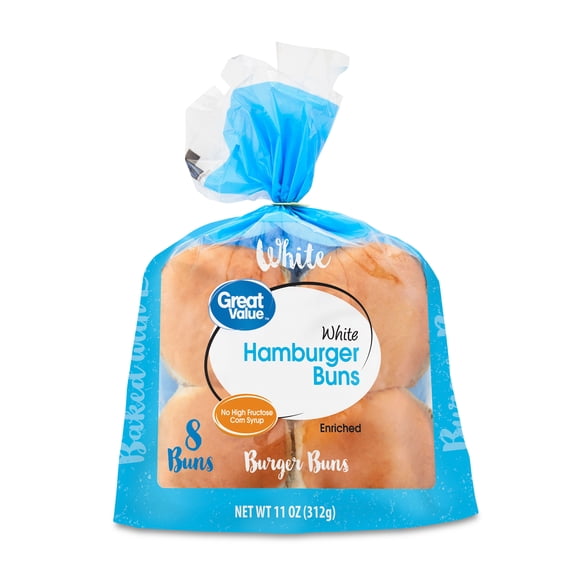
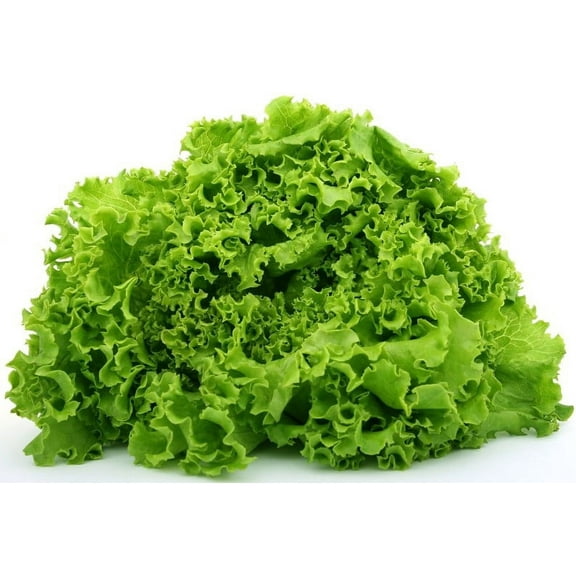


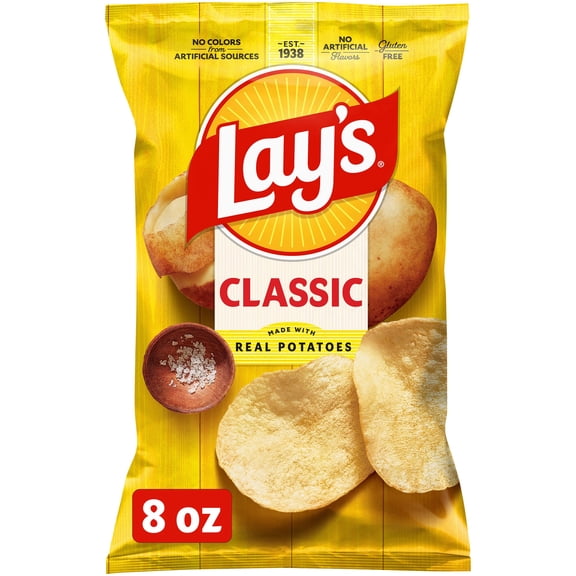

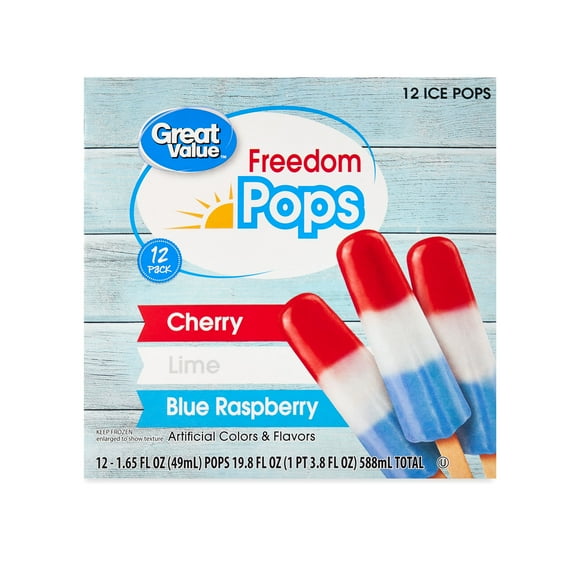
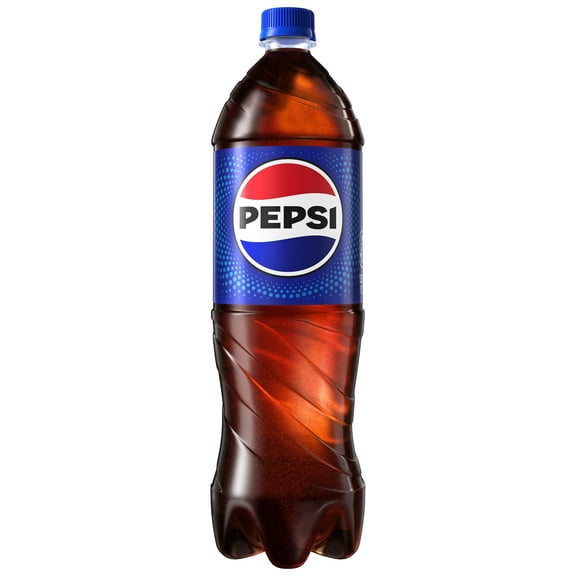


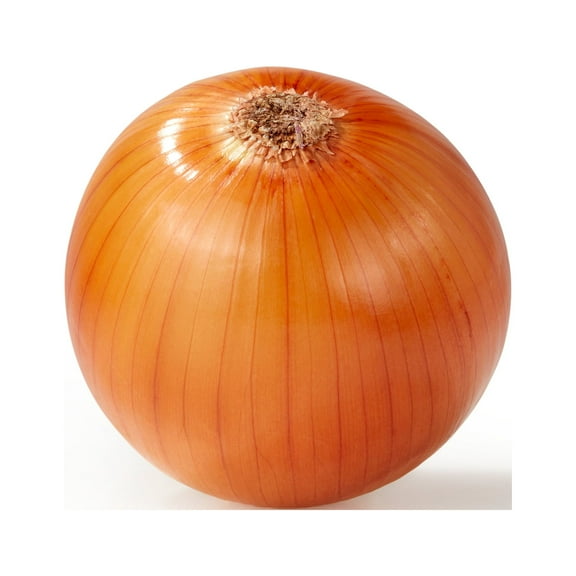
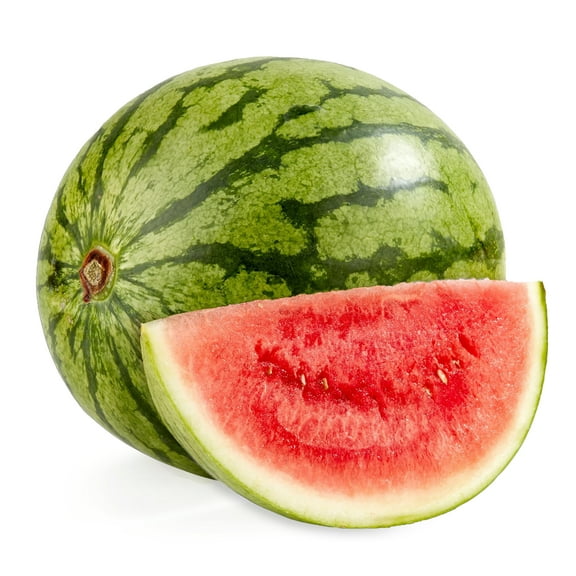


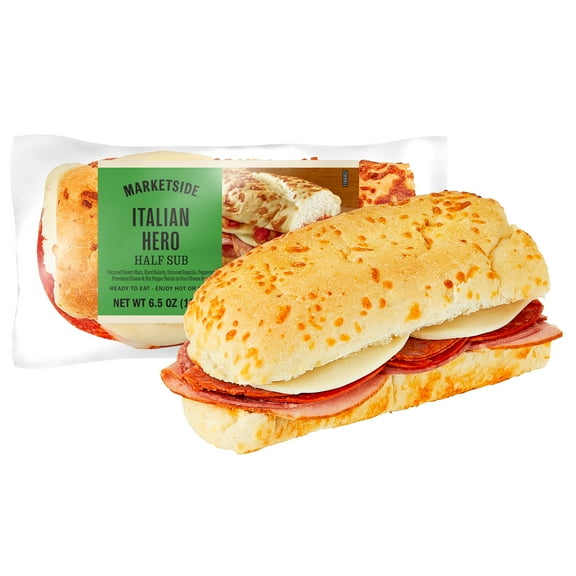

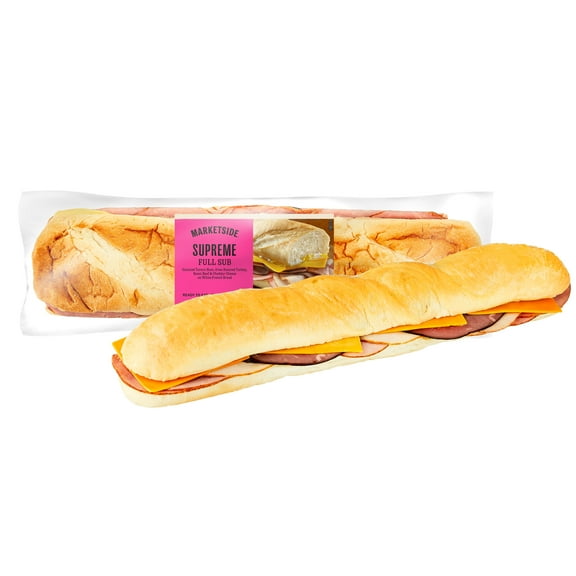

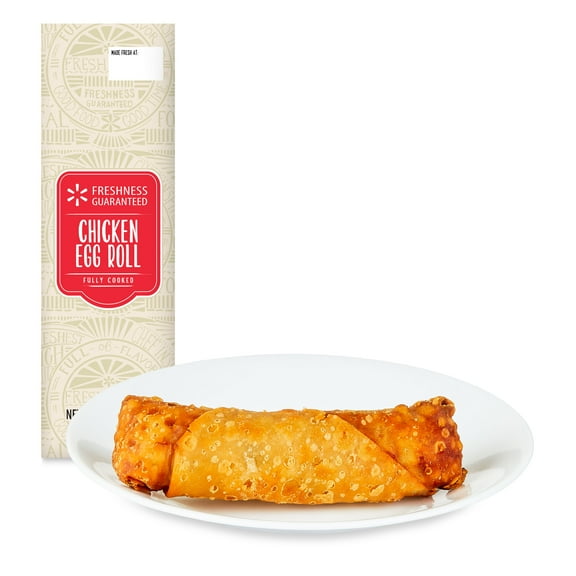
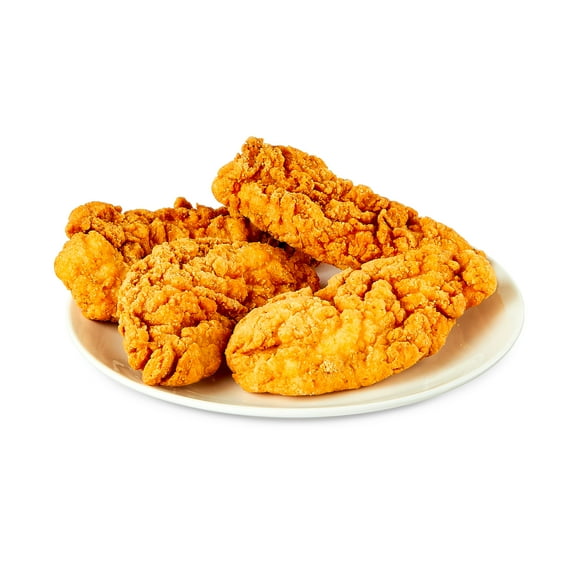
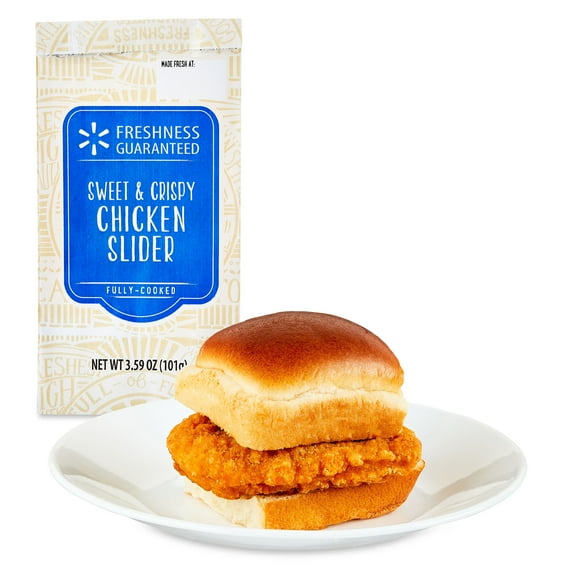
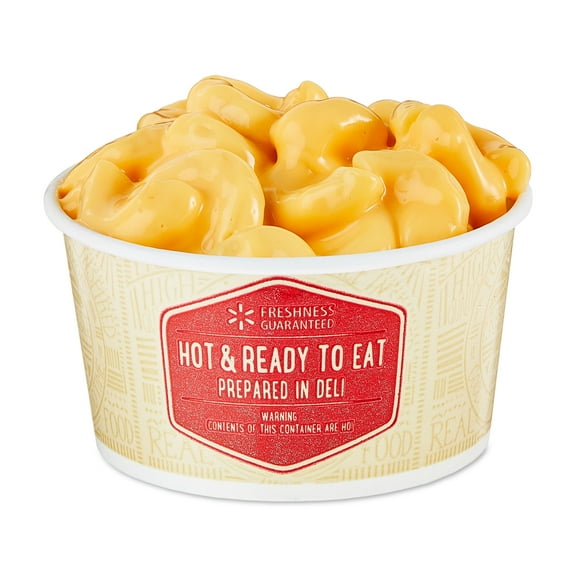


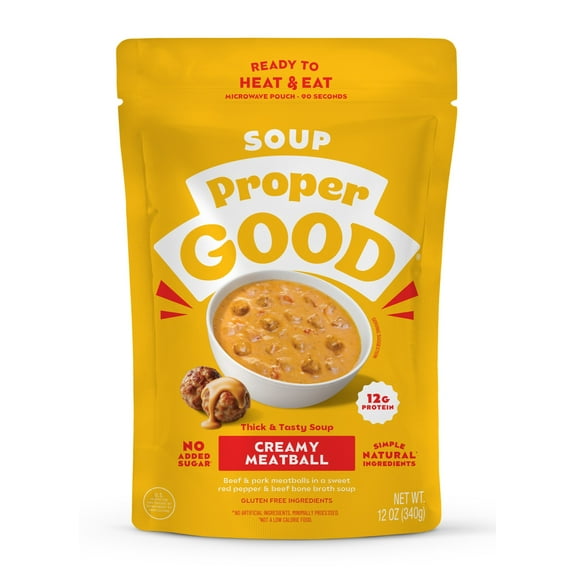

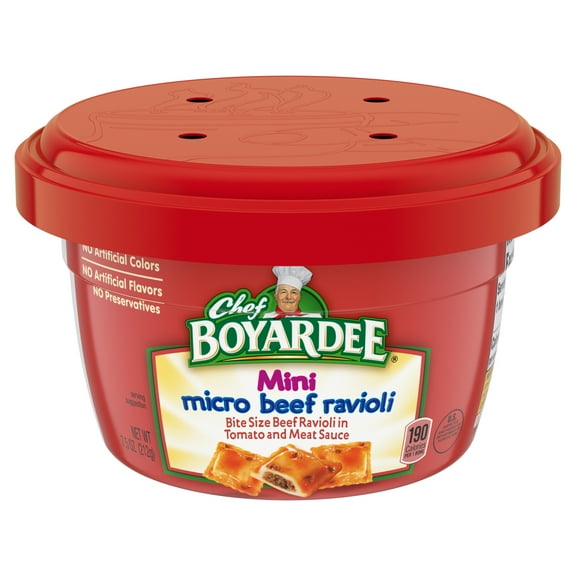
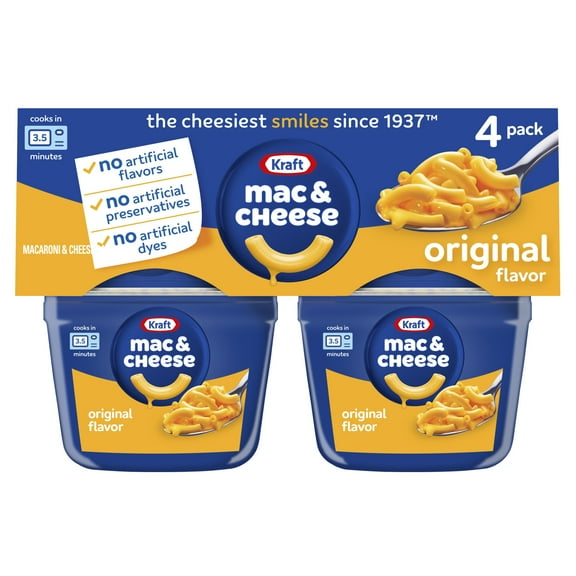

Easy meal bundles



FAQ
About Dinner Tonight - Walmart.com
Dinner gets easier when you compare meal types, prep time, calorie goals, and ingredient needs in one place. You can plan tonight’s plate fast, and your week can keep moving with fewer last-minute choices.
Whether you’re feeding a family, packing tomorrow’s lunch, or setting up meal prep, you need clear paths. With simple ways to sort by speed, serving style, and pantry needs, your next meal feels easier to plan.
How to choose dinner and meals for dinner
You can start with meal type, because your plans change from day to day. While you may want dinner tonight, your cart may also support breakfast, lunch, snacks, or dessert.
For dinner, you may often prefer hearty options that feel complete with a protein, vegetable, and starch. For lunch, you may prefer lighter portions that pack well and reheat with less fuss.
Another useful filter is effort level, because your schedule shapes what works. If your evening is packed, look for ideas with short ingredient lists and easier cleanup.
- You can choose quick skillet meals when you need dinner on the table fast.
- You can pick sheet pan or one-pot ideas when you want easier cleanup.
- You can build meal prep plans when you want ready portions for several days.
- You can compare hot meals, cold prep, ready-to-eat items, and kits by convenience.
When you use these decision points together, you cut down on guesswork at dinnertime. You also make it easier to match ingredients to your schedule and serving goals.
Choosing by preparation time and weekly meal prep
You should look at preparation time first if your evenings fill up quickly. You can narrow choices into under 15 minutes, under 30 minutes, slow cooker options, or meal prep.
Under 15 minute ideas help you handle busy school nights and late workdays. You can choose shortcut ingredients like pre-cut vegetables, rotisserie chicken, or ready sauces.
Under 30 minute meals give you more variety without stretching your night. You can fit in tacos, pasta skillets, stir-fry bowls, or roasted salmon with simple sides.
Slow cooker plans work well when you want dinner ready after a long day. You can add ingredients earlier, then come back to soups, shredded meats, or warm stews.
Meal prep semanal works when you want a weekly system instead of daily decisions. You can batch grains, proteins, and chopped produce, then mix them into bowls, wraps, and salads.
As you compare times, you should also check what prep happens before cooking starts. You can move faster when your list includes washed greens, frozen vegetables, or marinated proteins.
Choosing by calorie goals and meal under 300 kcal options
You may also choose meals by calorie targets or eating style. You can compare under 300 kcal ideas, low carb plates, keto combinations, and high protein meals.
If you’re watching portions, a meal under 300 kcal can help you plan clearly. You should look for measured servings, lighter sauces, and vegetables that add volume to your plate.
Low carb and keto options often center around proteins and lower starch sides. You can build these meals with chicken, beef, eggs, seafood, cauliflower rice, or salad greens.
High protein meals can fit busy routines when you want filling, straightforward options. You can pair grilled meats, beans, yogurt-based sauces, or cheese with grains and vegetables.
When you compare labels, you should check calories, protein, carbs, and serving size together. You get a clearer picture when your meal matches both your appetite and your plan.
To keep variety in your week, you can mix lighter meals with comfort foods. That approach helps your menu feel flexible instead of repetitive.
Choosing hot meals, cold prep, ready-to-eat, or kits
You should decide how you want your meal served before you build your cart. You can choose hot meals, cold prep, ready-to-eat picks, or kits based on comfort and effort.
Hot meals fit nights when you want something warm and freshly cooked. You can lean on soups, pasta bakes, stir-fries, skillet dinners, and oven-ready mains.
Cold prep works well when your kitchen time needs to stay short. You can assemble wraps, chopped salads, grain bowls, or sandwich boxes with little cooking.
Ready-to-eat options help when you need convenience without a full recipe. You can combine deli sides, prepared proteins, and bagged salads into a fast dinner setup.
Kits give you a guided path when you want ingredients grouped around one idea. You can follow a simpler process and still get a meal that feels planned.
As you compare serving styles, you should think about cleanup and leftovers too. You may want options that reheat well for lunch or hold up through the next day.
Choosing ingredients and planning frequency
You can make dinner smoother when you build around ingredients you already use. You should check whether your recipe needs fresh produce, pantry staples, frozen items, or refrigerated shortcuts.
Fresh ingredients help when you want crisp textures and flexible meal ideas. You can pair pre-cut vegetables, salad mixes, herbs, and proteins for faster assembly.
Pantry and freezer staples keep your plan steady through busy weeks. You can stock pasta, rice, canned beans, broth, frozen vegetables, and sauces for dependable backups.
You should also compare your planning frequency before you choose a full menu. You can plan daily when you want variety, weekly when you want structure, or monthly when you prefer repeatable staples.
Daily planning gives you room to match changing schedules and cravings. Weekly planning gives you a cleaner grocery list and fewer midweek decisions.
Monthly planning works when you rely on core meals and routine ingredients. You can rotate tacos, pasta, sheet pan dinners, soups, and bowls without rebuilding your list each week.
When you combine planning frequency with ingredient style, you create a practical system. You end up with dinner choices that fit your time, your goals, and your kitchen habits.
You can use these decision points to turn dinner tonight into a repeatable routine. With clear meal paths, you can move from planning to prep with less friction and more confidence.