

Disposable Supplies & Consumables - Walmart Business
















About Disposable Supplies & Consumables - Walmart Business - Walmart.com
You can stock disposable supplies for busy workplaces with options that match your tasks, material needs, and packaging preferences. You’ll find coverage for gloves, protective apparel, wipes, and masks used across industrial, healthcare, food service, and cleanroom settings.
When you compare disposable items for a facility, you need clear differences between nitrile, latex, vinyl, polypropylene, and paper. You also need packaging formats that fit daily consumption, storage space, and reorder routines.
How to choose disposable supplies for your workflow
You should start with product type because each format supports a different part of your operation. You may need gloves for direct handling, wipes for surface prep, masks for barrier use, or protective apparel for full-coverage tasks.
You should also compare how often your team changes items during a shift. If you use frequent changeouts, you may prefer bulk boxes, case packs, or individual rolls that support steady access.
You can narrow choices faster when you match disposables to the job environment first. You’ll usually want food service formats for prep areas, healthcare-compliant options for clinical workflows, and cleanroom styles for controlled spaces.
- You can reduce interruptions when you choose packaging that supports high-volume use.
- You can improve task fit when you compare glove materials and apparel coverage.
- You can simplify restocking when you standardize product types across work zones.
- You can support workplace consistency when you check application grade before ordering.
Choosing materials in disposable consumables
You should compare material performance before you pick any disposable consumables for hands, surfaces, or garments. You’ll notice that nitrile, latex, vinyl, polypropylene, and paper each suit different handling conditions.
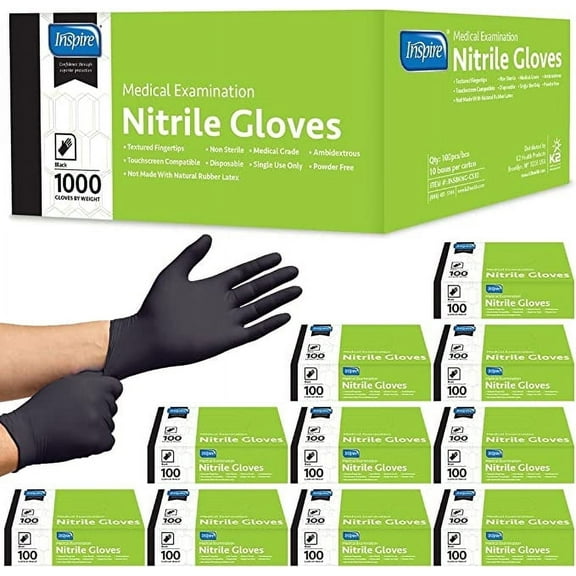
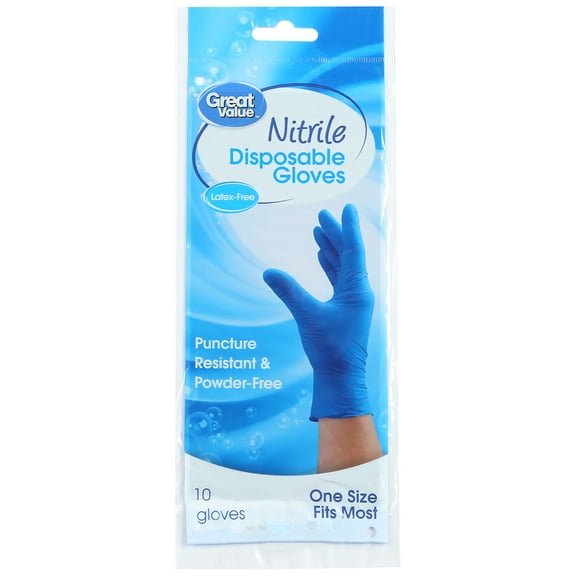
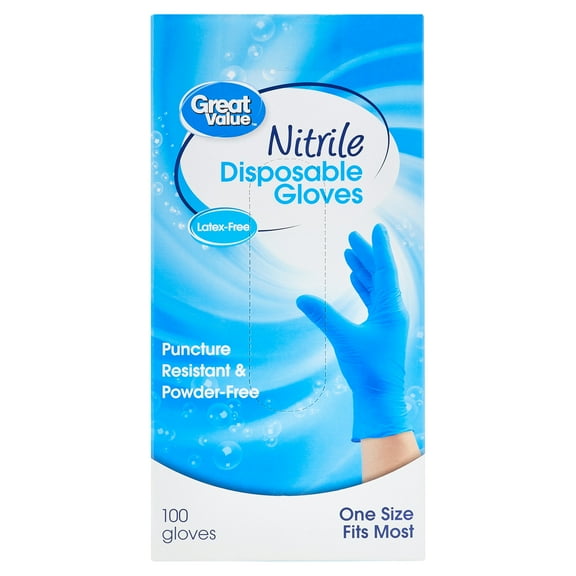
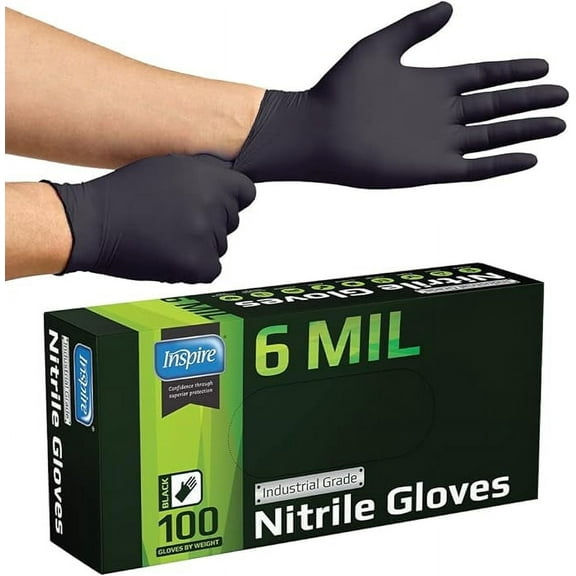
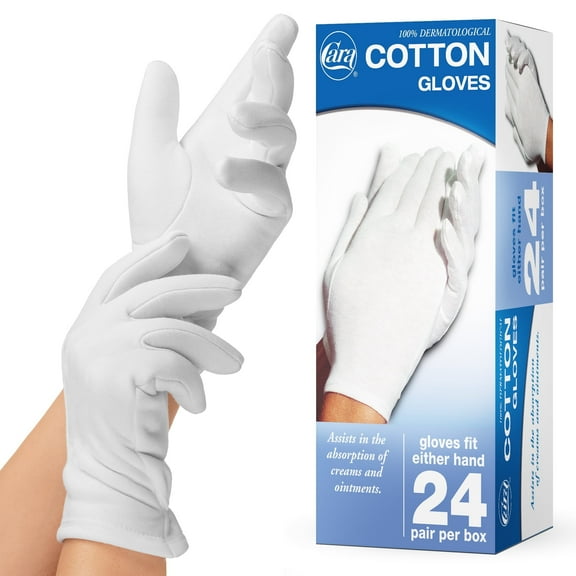
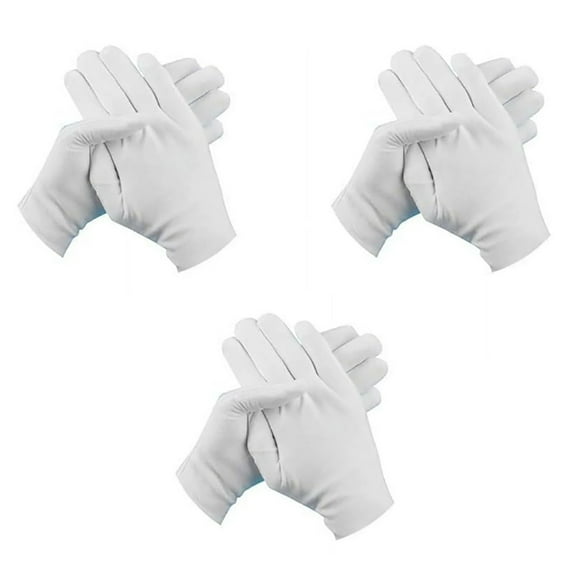
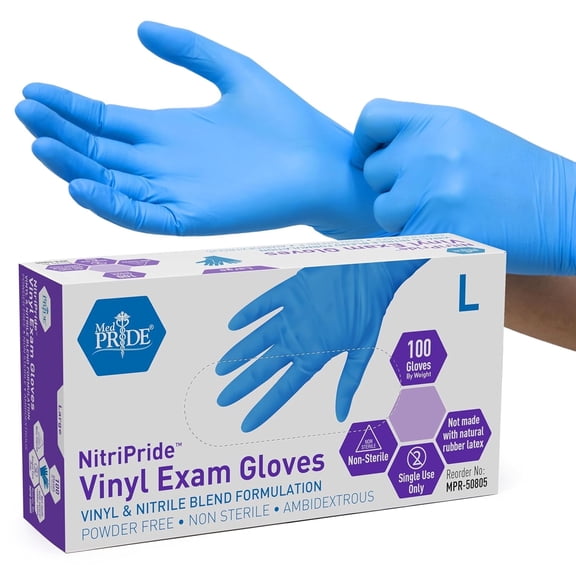
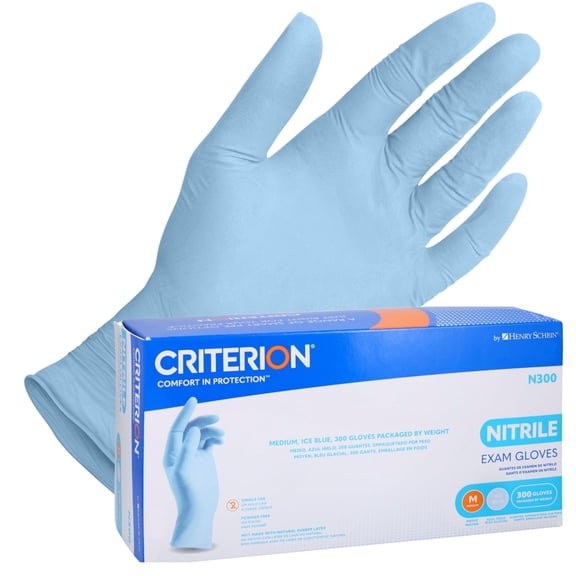
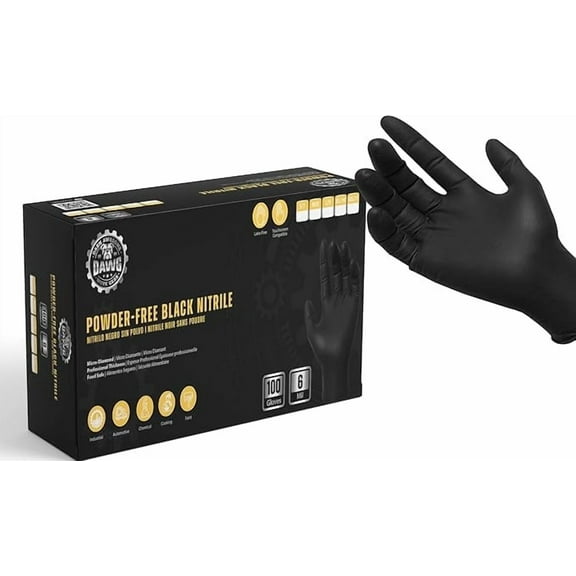
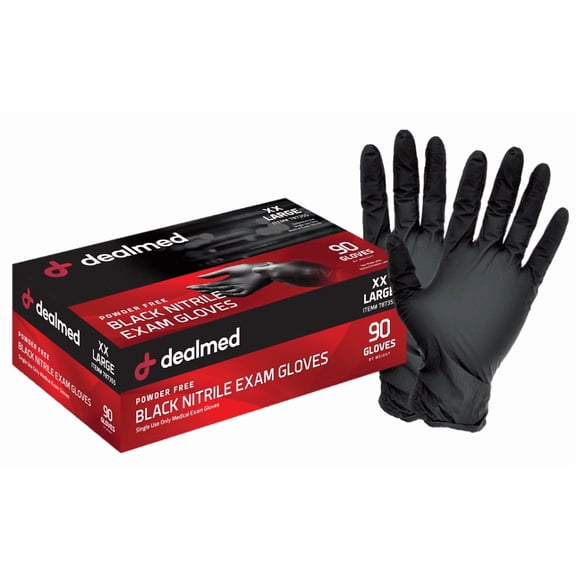
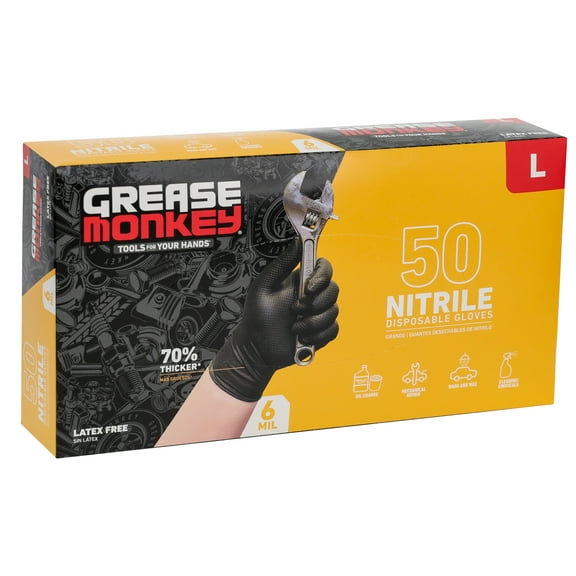
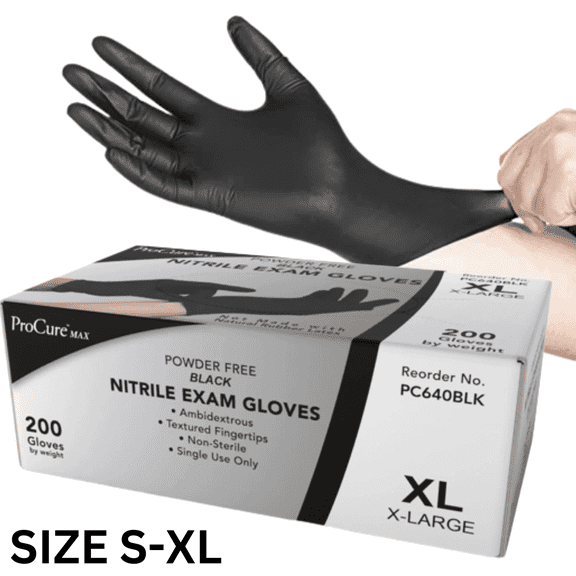
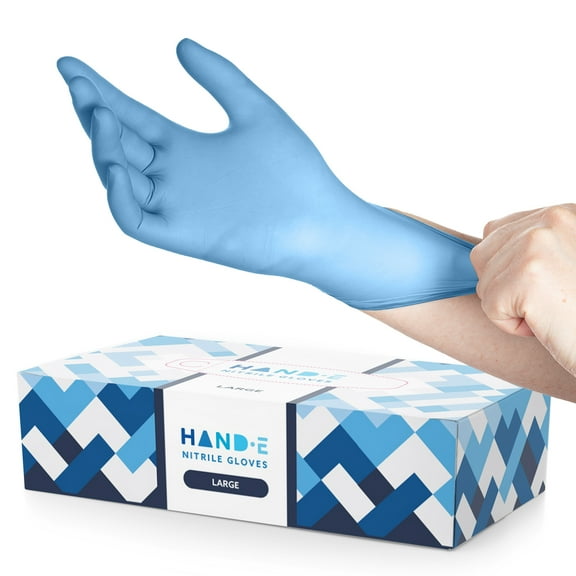
You may choose nitrile when you want dependable chemical resistance and puncture resistance for demanding tasks. You should also check thickness in mils, because that measurement helps you compare feel, flexibility, and durability.
You can consider latex when you want a close fit and tactile control for detail work. You should confirm workplace requirements first, because your environment may call for another material type.
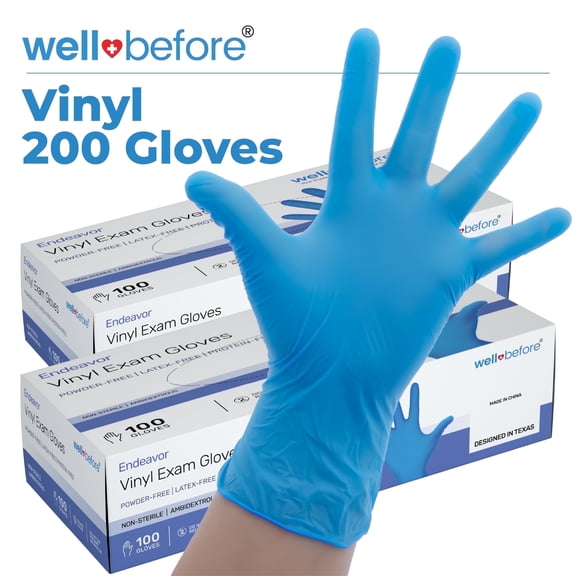
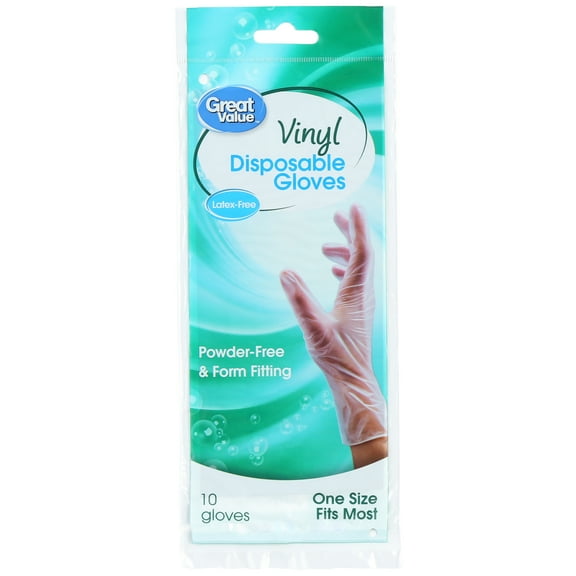
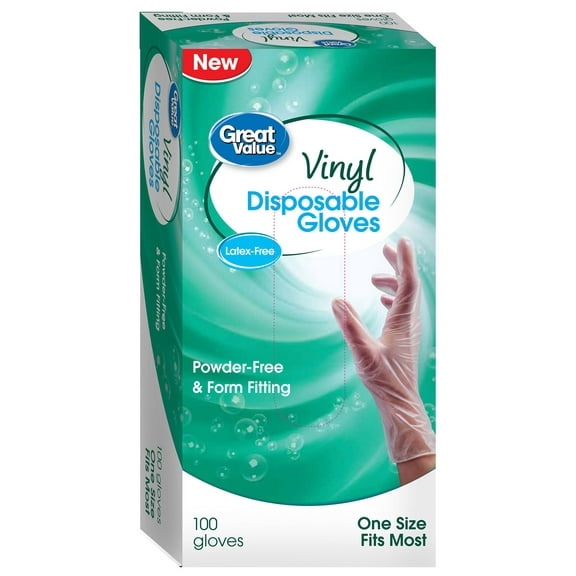
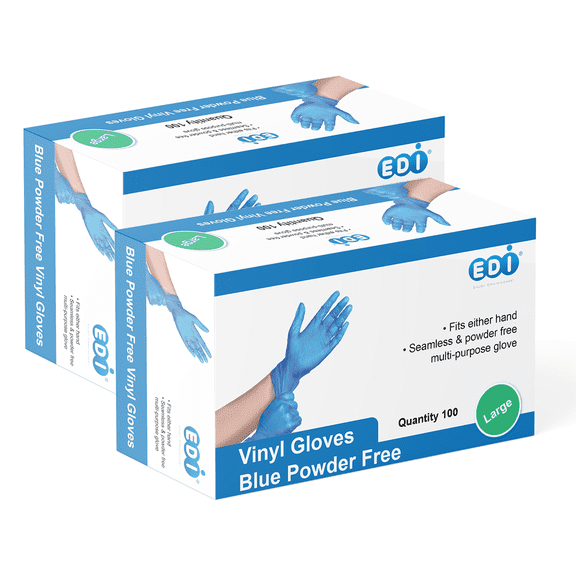
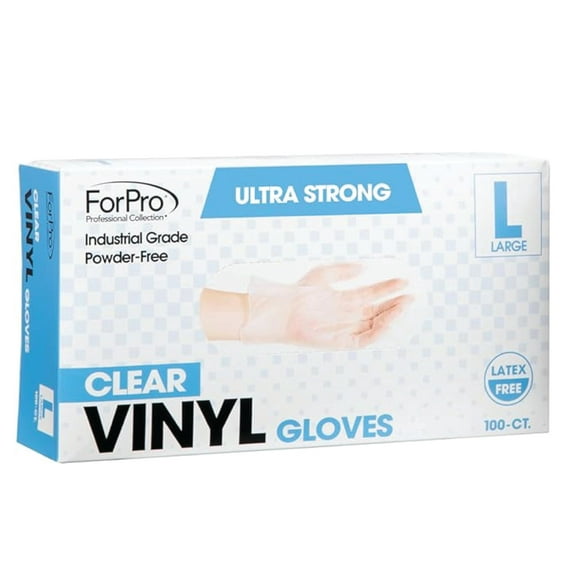
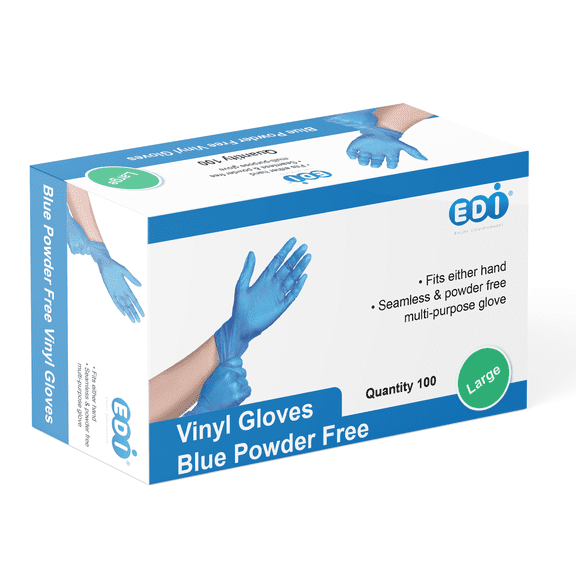
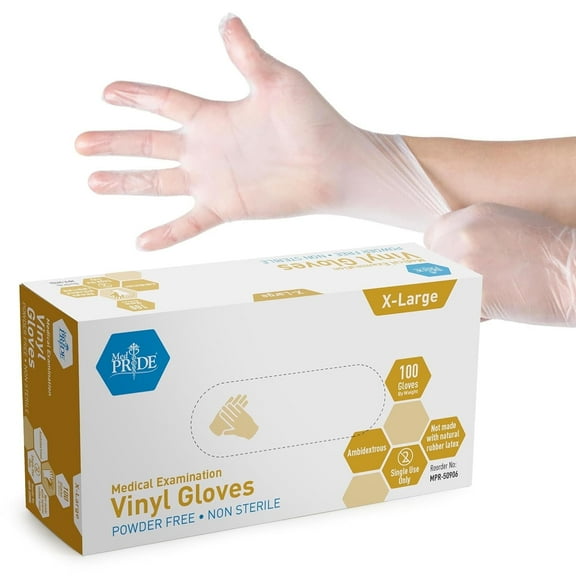
You may select vinyl when you need a practical option for lighter-duty changes throughout the day. You can use polypropylene in protective apparel and masks when you want lightweight coverage and easy movement.
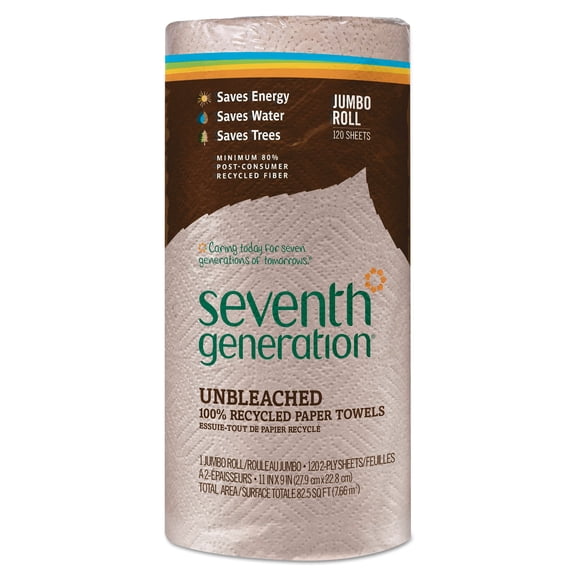
You’ll often use paper for wipes, towels, and roll formats that support cleanup and quick replacement. You should compare absorbency, sheet format, and roll size when you plan for frequent maintenance tasks.
What to look for in size, grade, and packaging
You should check sizing and fit carefully, especially when you’re buying gloves or protective apparel for long shifts. Your team works more consistently when hand fit, cuff length, and garment coverage match the task.
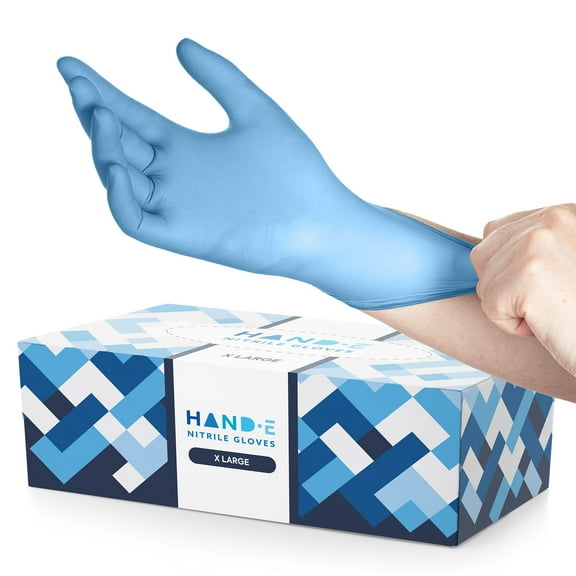
You can compare small through extra-large glove sizing, plus apparel dimensions that layer over uniforms. You should measure common users and task requirements before you commit to a case quantity.
You also need to review application grade, because industrial, healthcare, food service, and cleanroom needs aren’t interchangeable. You should look for language tied to FDA food contact, clinical-use labeling, or ANSI-related requirements when those standards matter.
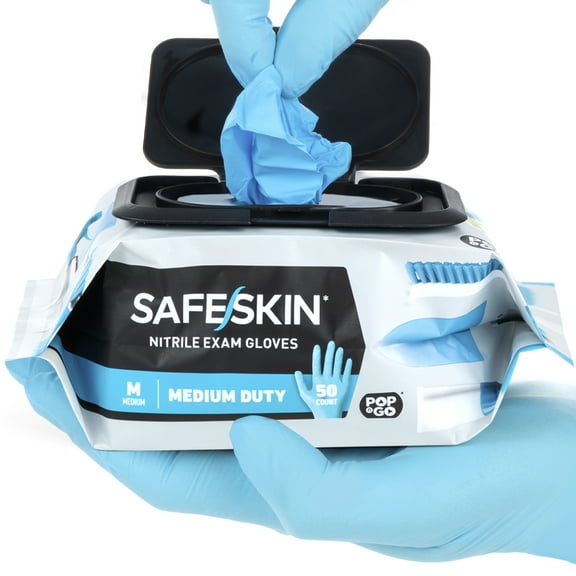
You can use packaging format as a planning tool, not just a shipping detail. Bulk boxes help you stage gloves at workstations, case packs support central supply rooms, and individual rolls fit janitorial carts.
You should weigh per-unit usage against material durability when you compare formats. If your crew changes gloves often or uses many wipes daily, larger pack counts can support smoother replenishment.
Matching disposable supplies to real workplace use
You can match gloves and protective apparel to maintenance, lab, prep, and cleanup routines with more precision. Your selection gets easier when you combine product type, material, grade, and package format in one decision.
If you run an industrial setting, you may choose nitrile gloves with higher mil thickness for tougher handling. You can pair them with polypropylene coveralls when your workflow calls for lightweight outer coverage.
If you manage food service tasks, you may compare vinyl or nitrile gloves with FDA food contact labeling. You can add paper wipes or individual towel rolls when your stations need fast turnover and easy replacement.
If you support healthcare spaces, you should review sizing consistency and clinical-use specifications before ordering. You can keep changeouts organized with bulk box gloves and case-packed masks for shared supply storage.
If you work in a cleanroom environment, you should compare controlled-use apparel, masks, and wipes by material and packaging style. You can keep inventory more predictable when each zone uses a defined format and count.
You may also stock mixed disposable supplies when your facility handles receiving, sanitation, assembly, and visitor access. You can place gloves near benches, wipes on carts, and masks at entry points to support smoother routines.
You’ll make stronger purchasing decisions when you compare compatibility, fit, compliance, and pack size together. Your operation benefits from disposables that align with the pace, handling needs, and organization of each workspace.
You can build a more reliable supply setup when your disposable category choices reflect real usage patterns. Your team gets consistent access to gloves, wipes, masks, and apparel that fit the job from the first pull to the last changeout.