

DIY Wedding in Arts Crafts & Sewing









































About DIY Wedding in Arts Crafts & Sewing - Walmart.com
You can personalize your celebration with wedding crafts that match your theme, timeline, and guest count. You can find project choices for centerpieces, favors, invitations, and signage that feel cohesive across your day.
How to choose wedding crafts by craft type
Start with the pieces your guests will notice first, then compare how much time each project takes. You may begin with diy wedding centerpieces, then add matching table numbers or favor tags.
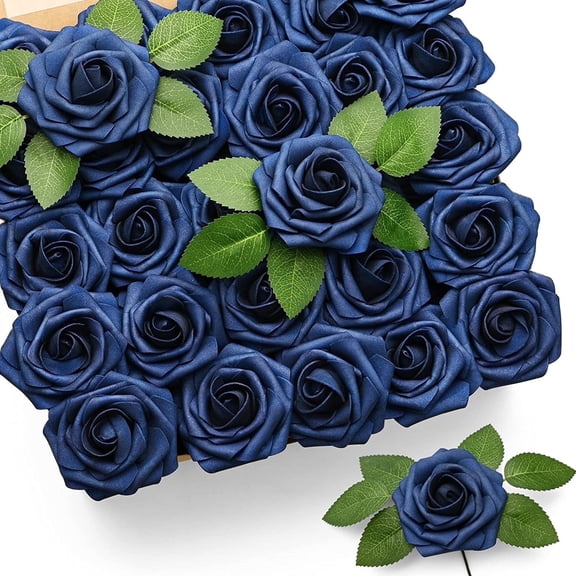
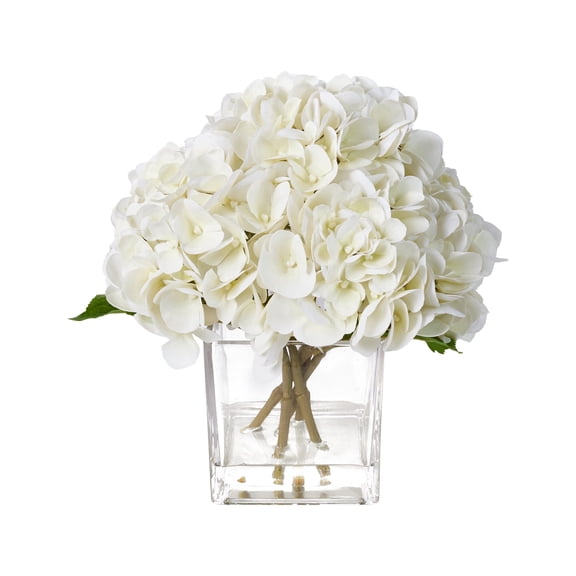
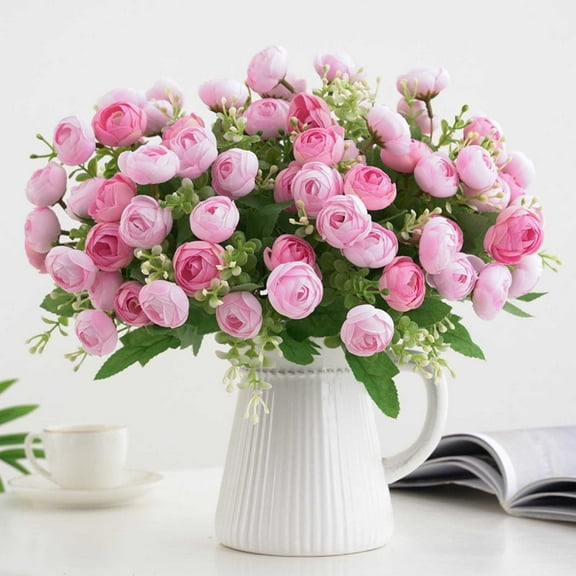
Centerpieces let you shape the look of each table with flowers, vases, candle holders, and layered textures. You can keep them simple for many tables or build more detailed designs for smaller receptions.
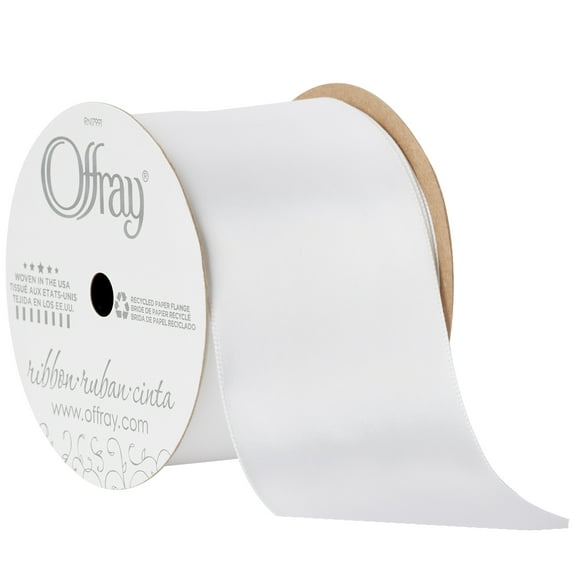
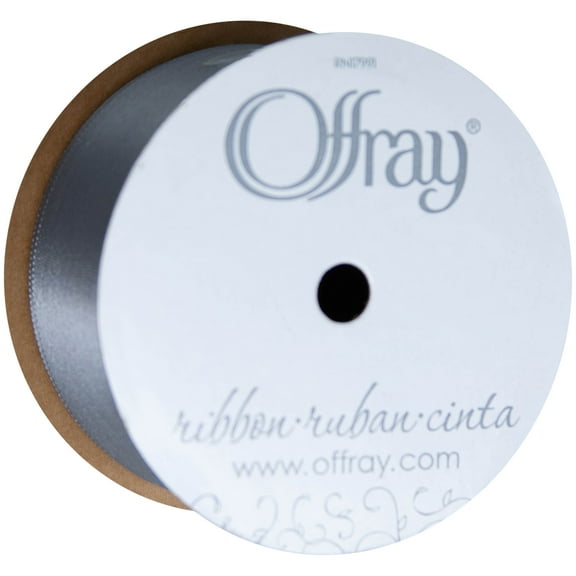
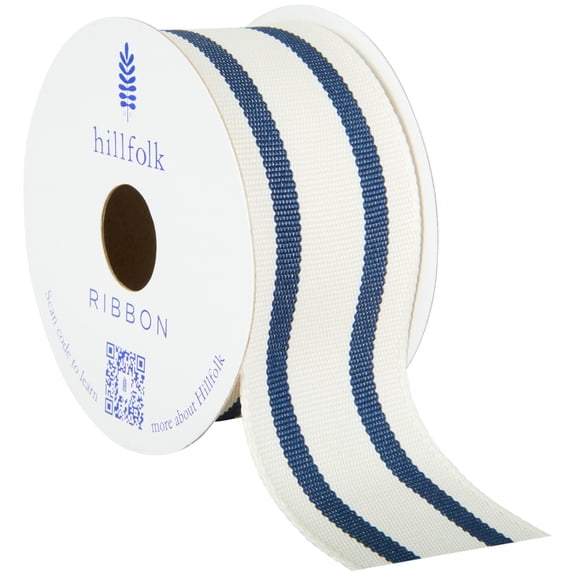
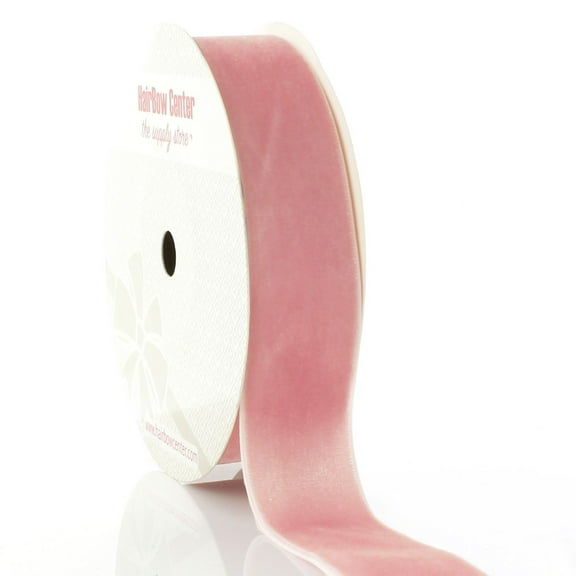
Favors work well when you need repeatable projects for a large guest list. You can compare tags, boxes, ribbon, and small containers to keep assembly consistent from one favor to the next.
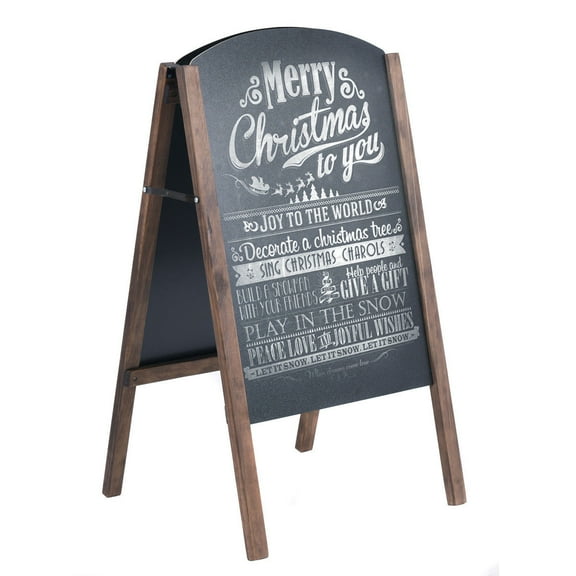
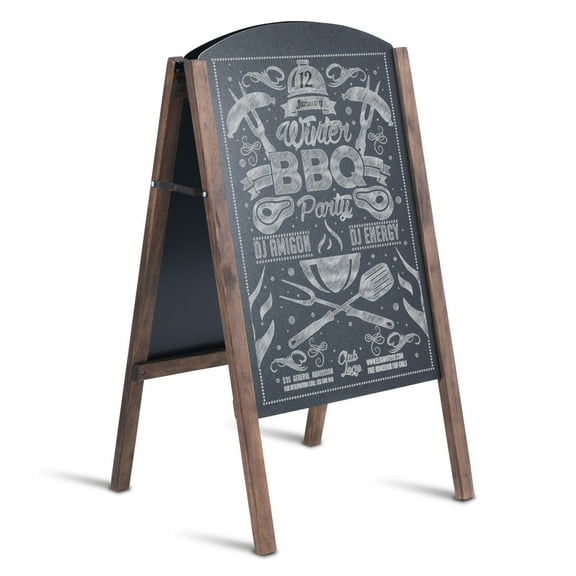
Invitations and signage help you carry one design across the full event. You can match fonts, paper finishes, and embellishments so your ceremony signs connect with your invitation suite.
- You can focus on centerpieces when your tables need significant visual presence.
- You can choose favors when you need a craft that scales across many guests.
- You can select invitations and signage when you want one coordinated look throughout the event.
Choosing materials for diy wedding decorations
Materials shape the look, weight, and assembly method of your diy wedding decorations. You should compare wood, acrylic, paper, silk flowers, and lace based on your venue and storage space.
Wood gives you a rustic feel and works well for signs, table numbers, and display accents. You can stain, paint, or leave it natural depending on how formal your setup feels.
Acrylic gives you a clean, modern finish that suits sleek table settings and minimal color palettes. You can use paint pens or vinyl lettering when you want crisp wording on signs.
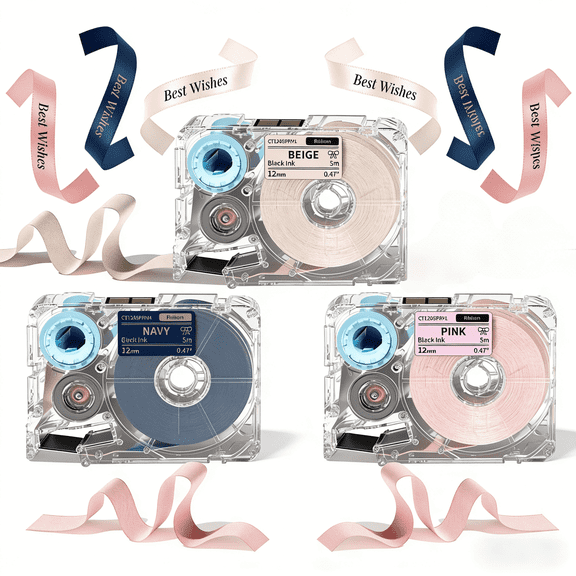
Paper supports invitations, favor tags, garlands, and layered backdrop details with flexible color choices. You can cut, score, stamp, or emboss paper when you want detailed wedding reception crafts.
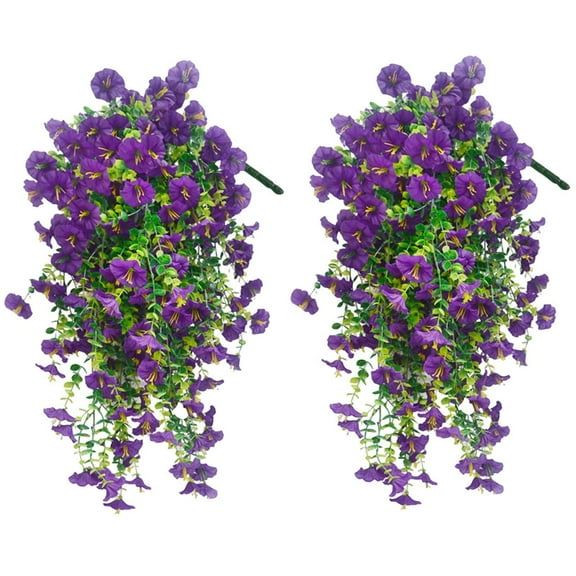
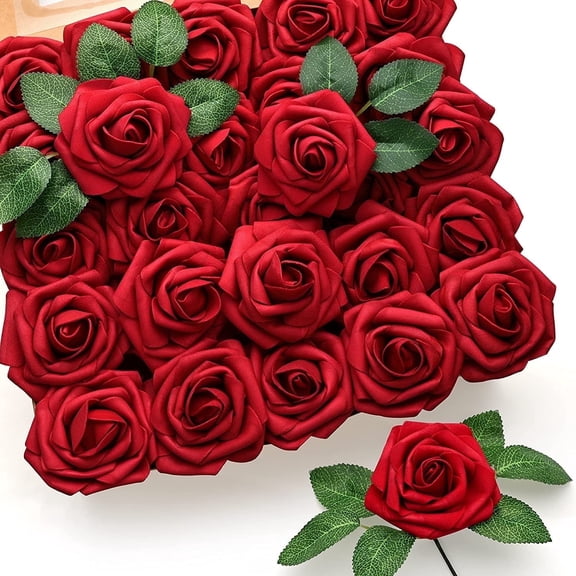
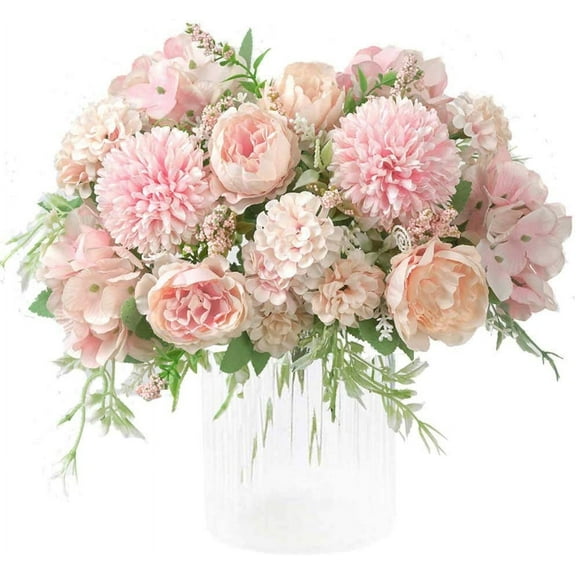
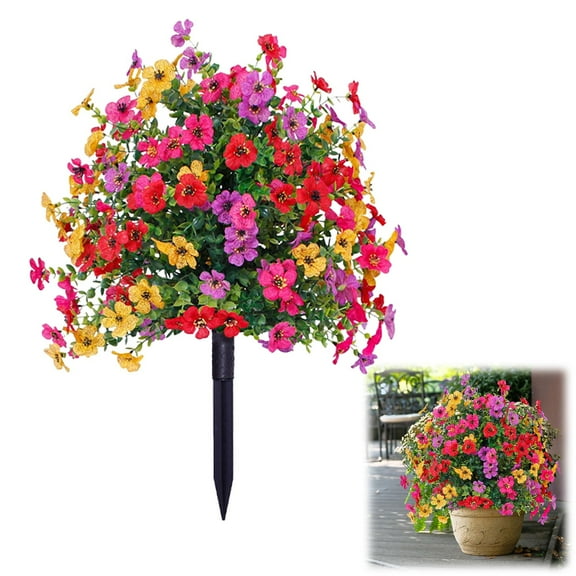
Silk flowers help you build arrangements ahead of time without worrying about wilting during setup. Lace adds soft texture to bouquets, jars, signage borders, and chair accents when you want a vintage touch.
What to look for in tools and skill level
You should match your project to your skill level before you buy supplies. You can keep planning realistic by checking whether a craft is beginner, intermediate, or advanced.
Beginner projects often use paper, ribbon, adhesive dots, and pre-cut shapes for quick assembly. You can finish many bridal shower crafts and wedding tags with simple tools and short tutorials.
Intermediate projects may ask you to layer materials, align lettering, or paint detailed edges. You should look for a low-temp or dual-temp glue gun when you need controlled adhesive for mixed materials.
Advanced projects often involve custom lettering, complex floral structure, or large display pieces. You may compare vinyl cutters and transfer tape when you want clean lettering on acrylic signs or favor containers.
Tutorial availability matters when you’re crafting for a firm event date. You should check whether steps are easy to repeat, especially when you need 50 or 150 matching pieces.
Matching wedding crafts to your theme
Your theme can narrow choices quickly and keep every handmade detail aligned. You can compare rustic, modern, boho, vintage, and classic looks before gathering materials.
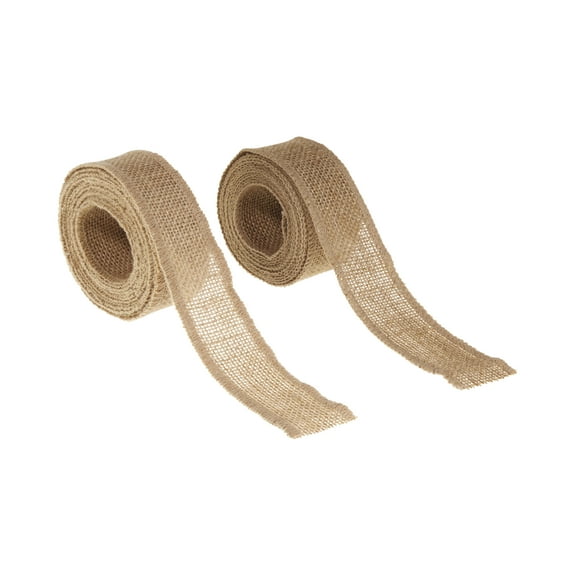
Rustic themes often pair wood signs, twine, muted florals, and textured paper. You can use lace or kraft-style accents when you want handmade details that feel warm and relaxed.
Modern themes often favor acrylic signage, clean lines, white palettes, and metallic touches. You can keep layouts simple and geometric when you want a polished setup with minimal clutter.
Boho themes often blend silk flowers, layered textiles, soft neutrals, and natural shapes. Vintage themes usually lean on lace, ornate fonts, and timeworn finishes that echo heirloom-inspired decor.
Classic themes often center on symmetry, soft florals, and refined paper goods. You can carry that look through invitations, aisle markers, favor packaging, and diy wedding centerpieces.
Planning for guest count and event spaces
You should weigh time commitment against the number of pieces you need to complete. You can often finish signage and invitation accents with less assembly time than 20 detailed centerpieces with many separate components.
For large receptions, choose projects you can batch in stages over several days. You might cut paper first, add lettering next, and assemble ribbons or florals at the end.
Wedding reception crafts should also fit your layout, transport plan, and setup window. You can choose flat signs, stackable favor boxes, or lightweight paper decor when you need convenient carrying and staging.
Smaller events give you room for more detailed finishes and layered textures. You may spend extra time on hand-painted signs or custom favor packaging when your piece count stays manageable.
If you’re planning more than one celebration, coordinated supplies can stretch across events. You can use matching materials for bridal shower crafts, ceremony decor, and reception tables for a connected look.
You can make confident choices when your wedding crafts fit your theme, tools, and timeline from the start. You can create a polished celebration with projects that stay manageable and look consistent from invitation to centerpiece.