

Heavy-Duty Dock Plates & Dock Boards | Walmart
















About Heavy-Duty Dock Plates & Dock Boards | Walmart - Walmart.com
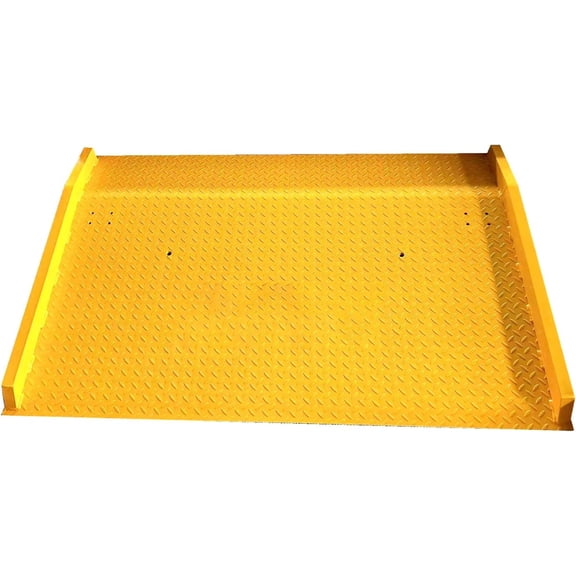
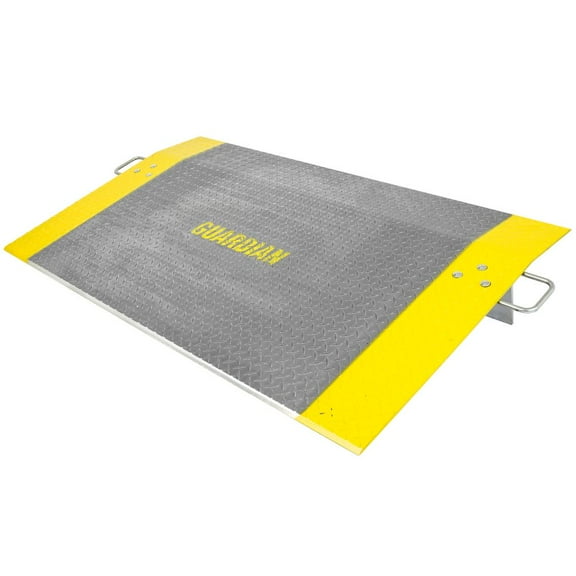
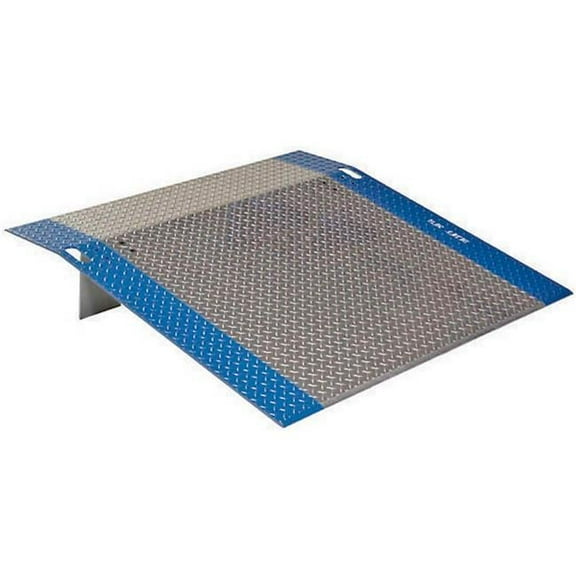
Dock plates help you bridge trailer gaps for smoother loading, and you can compare material, capacity, and equipment fit before you choose. You can also narrow dock plates by portability features when your loading routine changes across bays or shifts.
How to choose dock plates by material
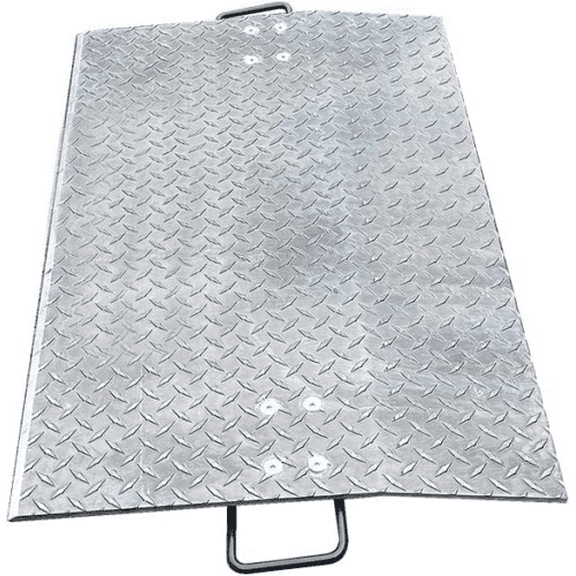
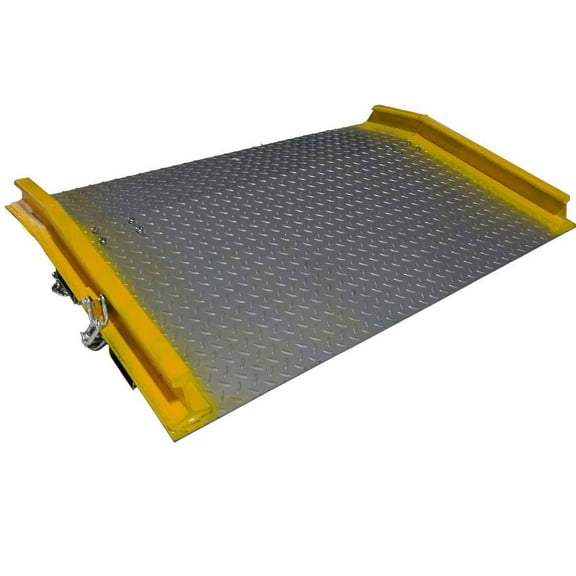
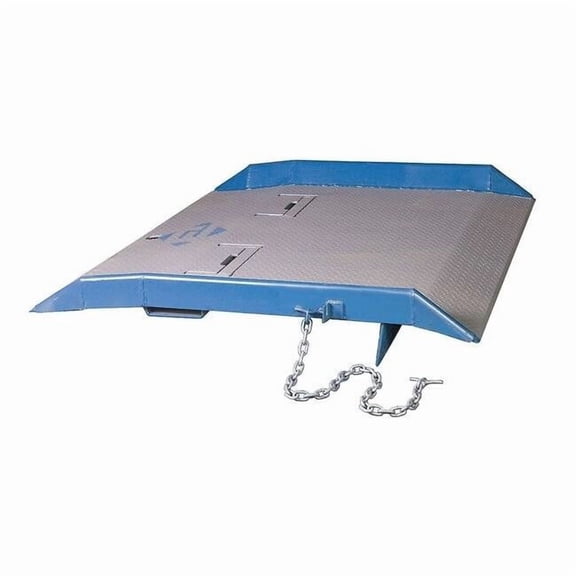
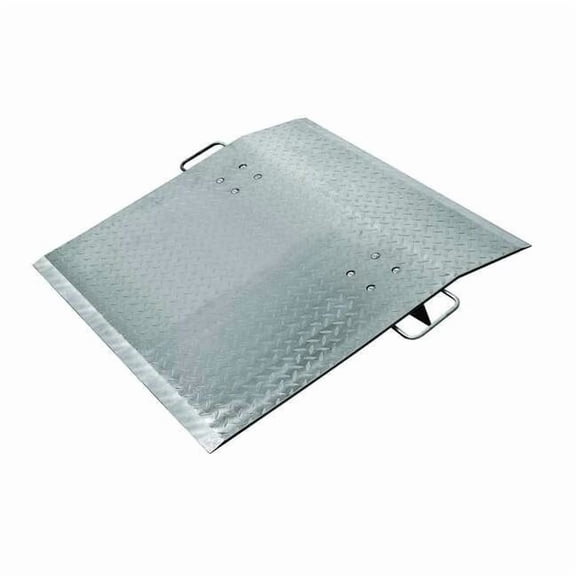
When you compare aluminum dock plates and steel options, you should start with how often you move the plate. You can notice aluminum supports easier repositioning, while steel can suit a fixed loading point.
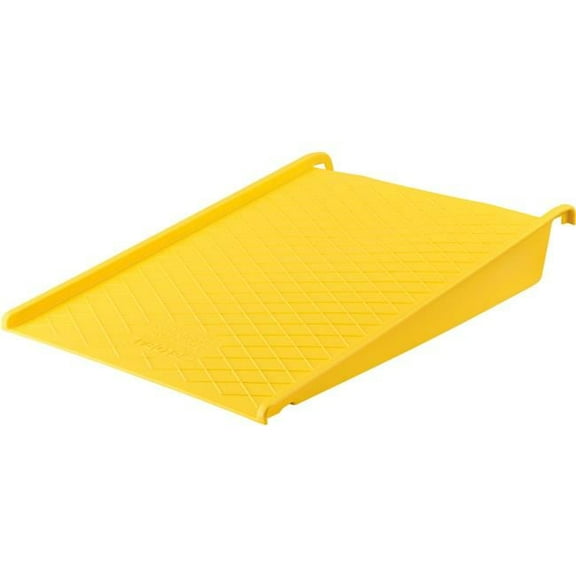
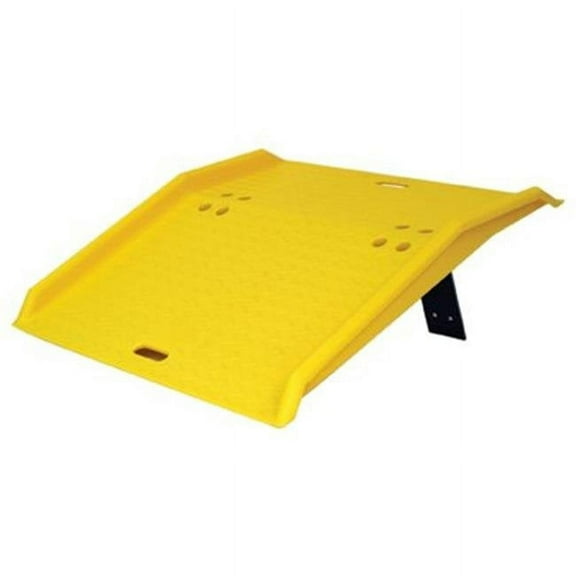
If you need portable dock plates, you should check for hand holes, lift straps, or wheels before other details. Those features help you carry, stage, and store the plate with less interruption during receiving work.
As you review loading dock plates, you should also consider outdoor exposure and available storage room. A practical size and material help you fit the plate into your dock routine without extra bulk.
Choosing heavy duty dock plates by weight capacity
You should match capacity to your equipment weight plus the heaviest cargo load on the deck. That calculation helps you choose a plate that fits actual traffic, not a partial estimate.
For lighter traffic, you may compare 3,000 lbs or 5,000 lbs for hand trucks and some pallet jack movement. For larger rolling equipment, you may review 10,000 lbs or 15,000 lbs heavy duty dock plates.
- You should add equipment weight and cargo weight before you choose a capacity.
- You should check deck width and length against your trailer gap and wheel path.
- You should consider whether your team moves the plate often or leaves it in place.
- You should compare daily traffic patterns with the plate's intended equipment use.
When you review capacity, you should also think about wheel concentration across the deck surface. That point matters because forklifts place force differently than hand trucks or pallet jacks.
Checking equipment compatibility and height difference
You should choose equipment compatibility early, because wheel type changes what the plate needs to support. That decision helps you sort hand truck models from pallet jack dock plates and dock plates for forklifts.
With hand trucks, you should look for a smooth transition that helps smaller wheels cross the dock gap. Enough width also helps you guide stacked boxes, totes, or cartons with steadier control.
For pallet jacks, you should check whether the deck supports concentrated wheel loads during loaded travel. A practical width and a manageable incline help you move pallets across the opening with less interruption.
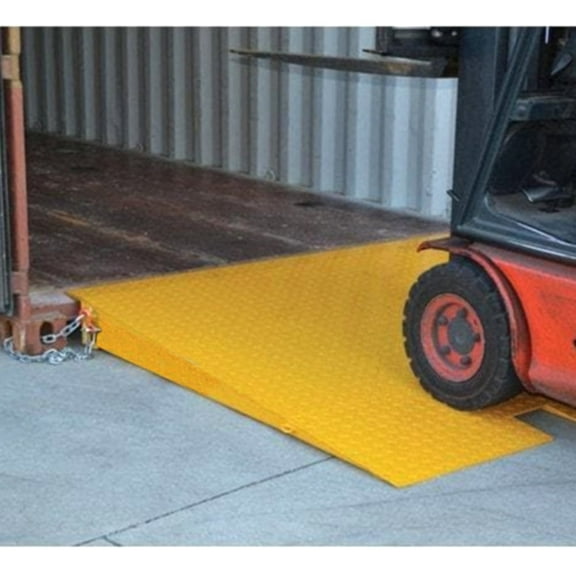
When you compare dock plates for forklifts, you should focus on axle capacity instead of total truck weight alone. That measure helps you match the plate to where the heaviest force contacts the surface.
You should also measure dock height against trailer height before you select plate length. A longer plate can help you create a gentler ratio between both surfaces for rolling equipment.
If your trailer heights change through the week, you should compare plate lengths against that normal range. That step helps you cover the gap while keeping the approach angle workable for regular deliveries.
Choosing portable dock plates and storage features
You should compare portability features based on how your team repositions equipment during the day. Hand holes can suit quick carrying, while lift straps or wheels can suit larger formats.
When storage space is tight, you should check where the plate rests between deliveries and who moves it. That planning helps you align the plate's size, carrying method, and storage footprint with your dock area.
You should also review edge design and surface details that support rolling equipment across the gap. Clean alignment at the dock and trailer helps you maintain steady traffic through each loading cycle.
Using dock plates in real warehouse settings
If you manage mixed deliveries, you should compare dock boards and plates by trailer type and equipment traffic. One setup may suit hand trucks, while another may fit regular forklift movement.
In smaller receiving areas, you may consider aluminum dock plates when your crew repositions equipment throughout the day. A lighter material can help you move plates between doors with less disruption.
For steady industrial loading, you may compare steel dock plates when traffic stays at one bay for long periods. That choice can fit repeated crossings where larger equipment uses the same dock opening.
If you handle cartons, drums, or palletized freight, you should match width and capacity to the actual wheel path. Centered travel and a manageable incline help you keep material moving across the gap.
You should also think about related material handling equipment when you plan your dock area. A coordinated setup with pallet jacks, ramps, and storage zones helps you support smoother trailer transitions.
With the right measurements and compatibility checks, you can narrow your options with less guesswork. That approach helps you choose a dock plate that fits your loading pattern and equipment mix.