

Door Hardware & Accessories

























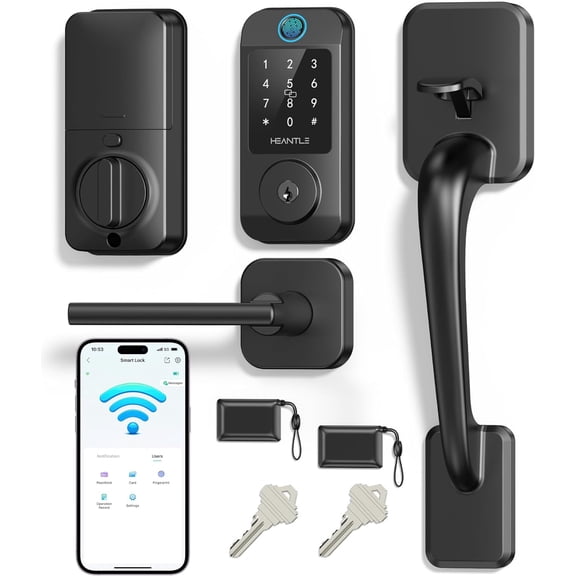


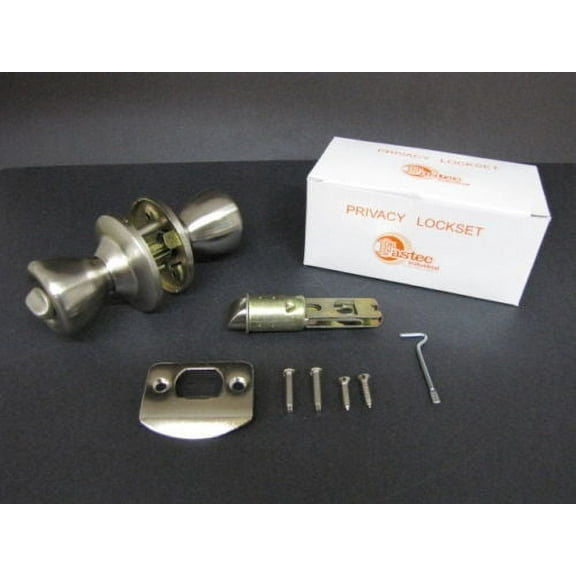
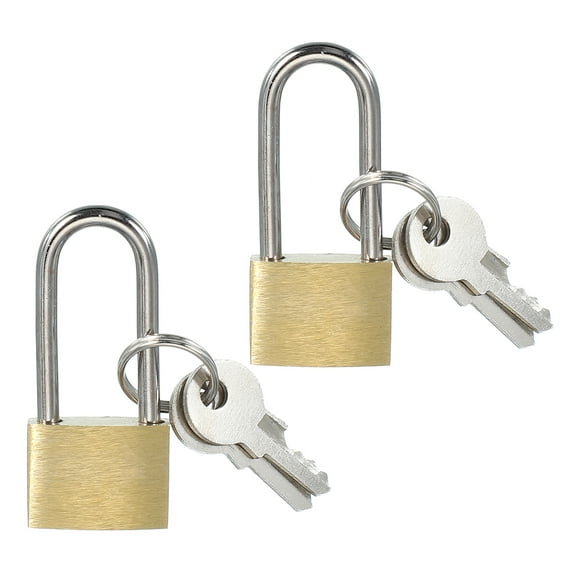
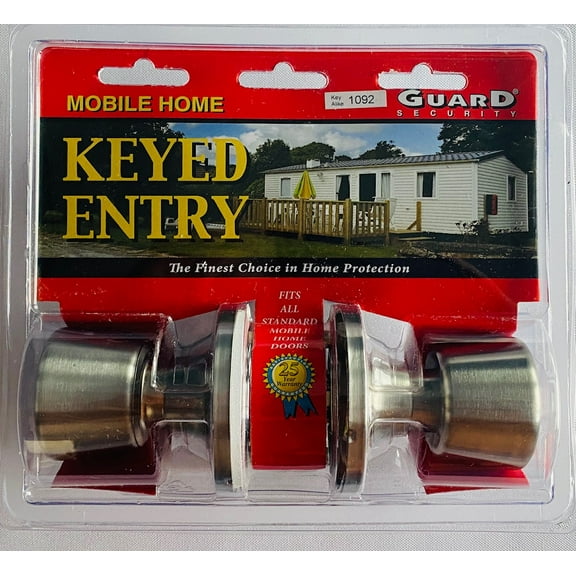

About Door Hardware & Accessories - Walmart.com
Door hardware helps you secure entrances, update room style, and match each opening with the right function. If you're replacing parts or planning a full refresh, you'll want guidance on fit, finish, and door type.
Because this category spans entry sets, hinges, locks, and rollers, you need details that match your exact project. You'll also want to compare backset, door thickness, handing, and ANSI grades before you choose.
How to choose door hardware by product type
Start with how your door works each day, then compare the hardware that supports that use. Your entry door may need a handleset and deadbolt, while your interior door may need a knob, lever, or latch.
For movement and support, compare door hinges and closers by door weight, swing, and traffic level. If your household wants easier operation, you may prefer levers because your hand needs less grip.
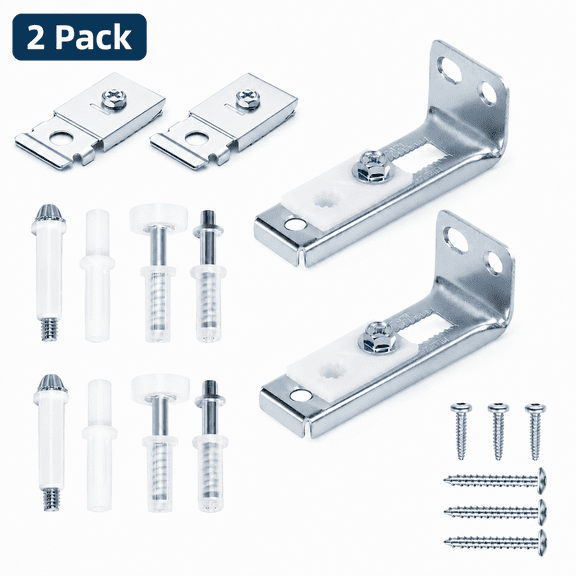
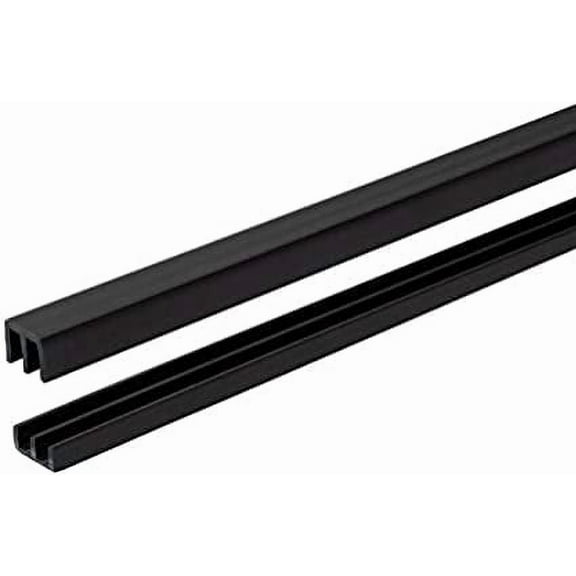
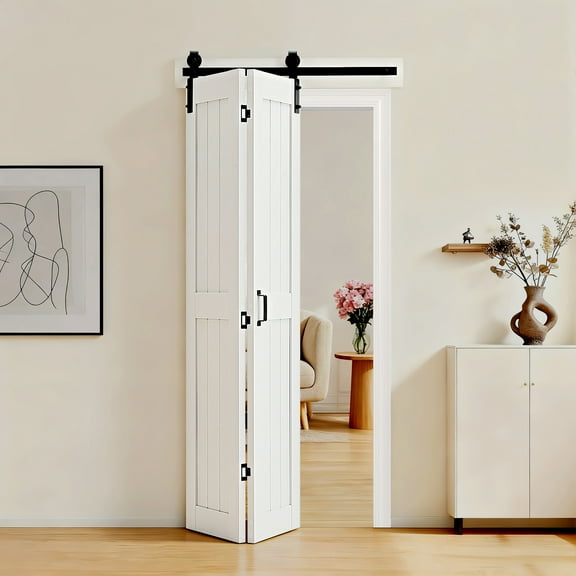
You'll also notice that sliding door hardware, pocket door hardware, and barn door hardware solve different layout needs. Your sliding setup uses tracks and rollers, while your pocket setup hides the panel inside the wall.
- You can use handlesets for front entries that need a coordinated grip and lock layout.
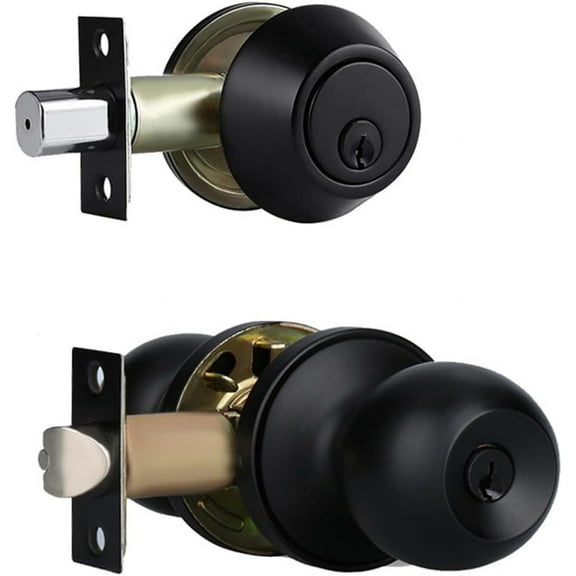
- You can choose deadbolts when your exterior door needs a separate keyed locking point.
- You can select door hinges by size, finish, and load needs for smooth movement.
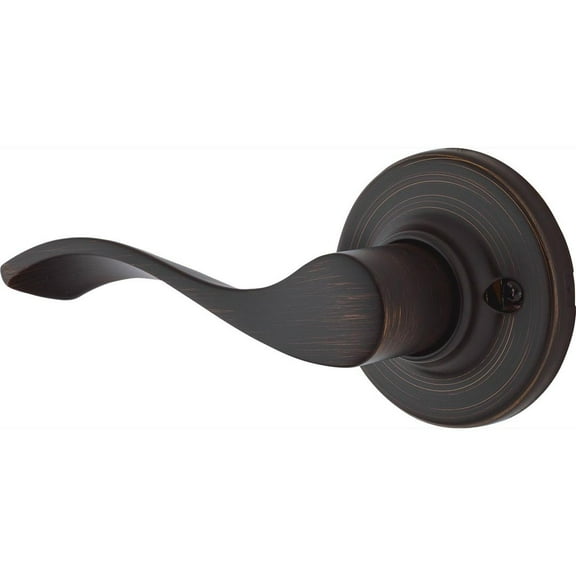
- You can pick knobs or levers based on style, handing, and everyday comfort.
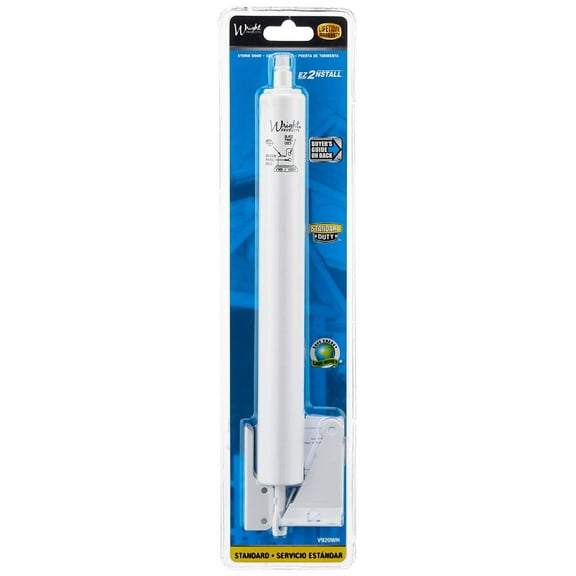
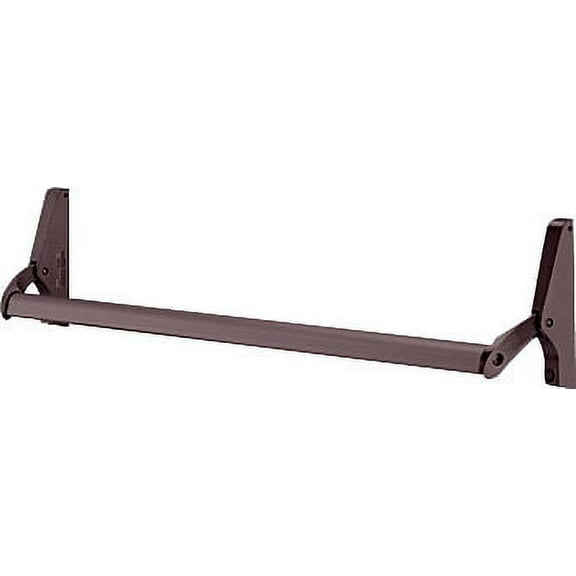
- You can compare closers when your utility or commercial door needs controlled closing.
Choosing the right fit and measurements
Measure first so your replacement matches the door you already have. Your door thickness often falls between 1-3/8 inches and 1-3/4 inches, and that range affects hardware compatibility.
Next, check your backset, which means the distance from the door edge to the bore hole center. Your common backset options are 2-3/8 inches or 2-3/4 inches, and the right match supports cleaner alignment.
When you're choosing levers, check whether your door is left-handed or right-handed. Your handing affects how the lever sits, how it turns, and how natural it feels in daily use.
If you're replacing existing parts, compare bore size, latch style, and strike shape with your current prep. Your new set can install more smoothly when those measurements match the cutouts already in your door.
Choosing finishes, materials, and door locks
Finish matters because your nearby hardware looks more pulled together when the tones coordinate. Your hinges, handles, and door locks can look consistent in matte black, satin nickel, polished brass, oil rubbed bronze, or chrome.
Material also changes what works for your space and traffic level. Your brass, steel, zinc, aluminum, and bronze options each suit different wear patterns, door weights, and style goals.
For security, compare ANSI grades in simple terms before you choose entry door hardware. Your Grade 1 hardware fits commercial-level traffic, your Grade 2 fits heavy residential use, and your Grade 3 fits standard residential doors.
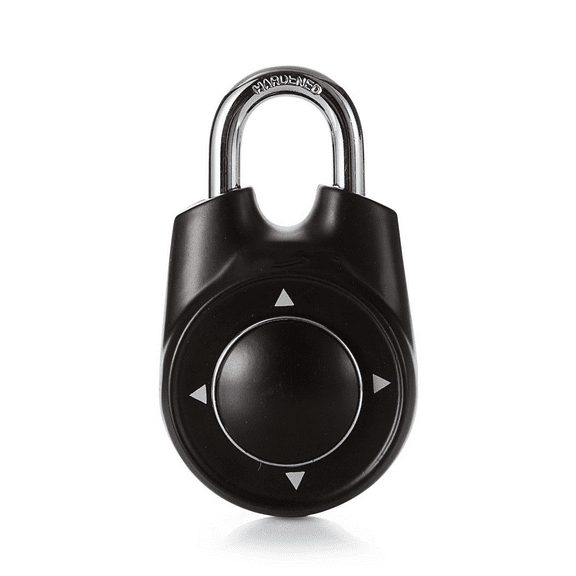
Lock function matters just as much as finish or grade when you're planning each room. Your keyed entry, privacy, passage, and dummy functions each support a different door location around your home.
Matching hardware to entry, interior, and sliding doors
Choose hardware based on where the door sits and how it opens. Your exterior door hardware needs secure locking and weather-ready materials, while your interior door hardware can focus more on privacy and coordinated style.
For a main entrance, pair a handleset with a deadbolt and matching hinges for a coordinated setup. Your entry door can feel more complete when the grip, latch, and finish work together.
Compact layouts often benefit from pocket door hardware because the panel slides into the wall. Your bath, closet, or office opening can feel easier to plan when you don't need swing clearance.
If you want a visible track and a bold architectural detail, compare barn door hardware for overhead operation. Your pantry, laundry room, or home office can use rollers instead of a swinging panel.
Wide openings often call for sliding door hardware that supports smooth panel movement and matching pulls. Your patio or divider setup can stay functional when the track style fits the opening and finish.
When you're updating several rooms, keep type, finish, and function aligned across the home. Your hall closet may need passage hardware, while your bathroom and bedroom may need privacy hardware.
What to look for before installation
Review the package details before you start so your project stays on track. Your checklist should include door thickness, backset, handing, mounting holes, and whether the package includes fasteners.
You may also want to confirm that your replacement matches existing cutouts and strike plates. Your project usually goes faster when the latch, spindle, and mounting pattern line up with the current door prep.
When you're choosing door hardware for a whole-home update, keep function consistent by room. Your finished result feels more intentional when each door gets the right operation, fit, and coordinated finish.
You can narrow your options with confidence when you compare measurements, security grades, materials, and application first. Your final choice helps fit your door, match your space, and support smooth everyday use.