

Door Hinges: Heavy Duty, Black & Brass Hinges
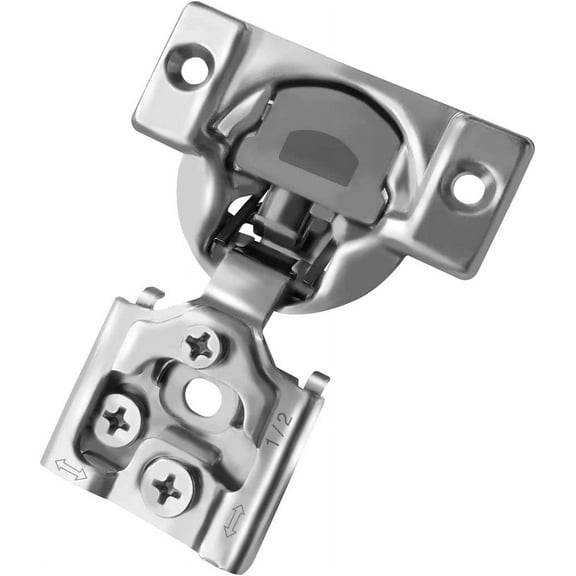


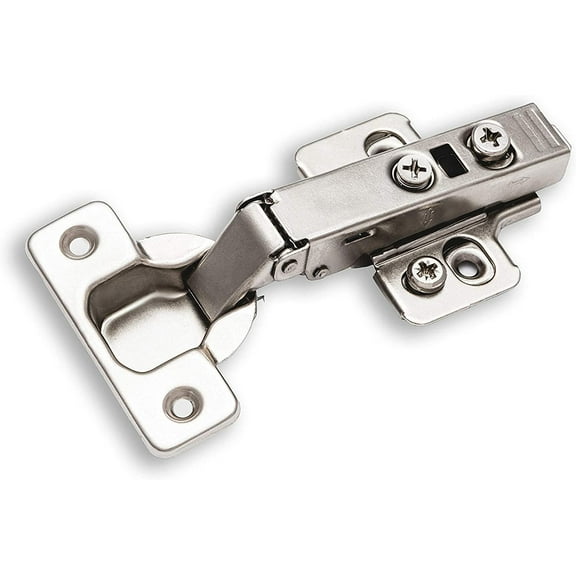


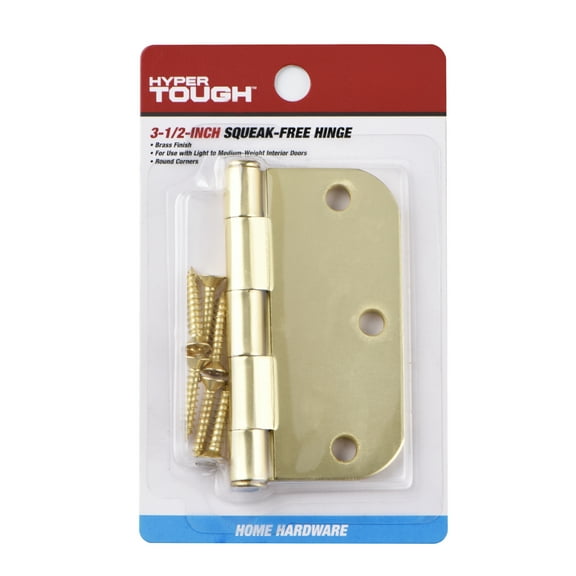


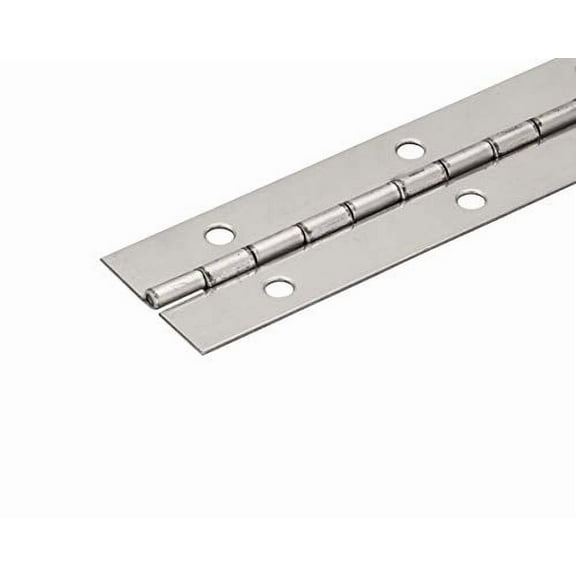
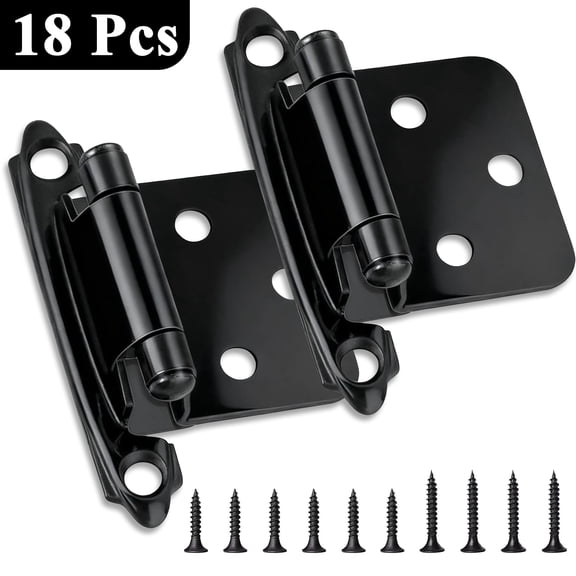
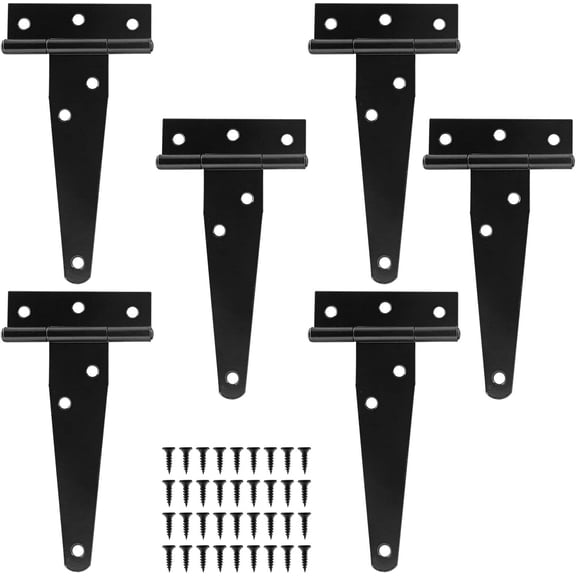
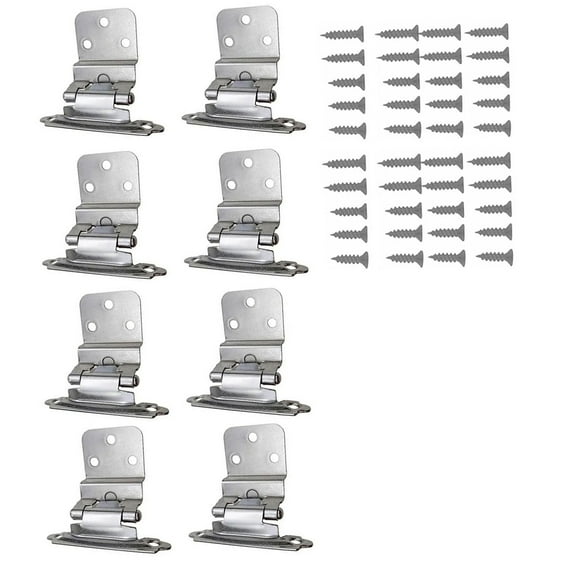





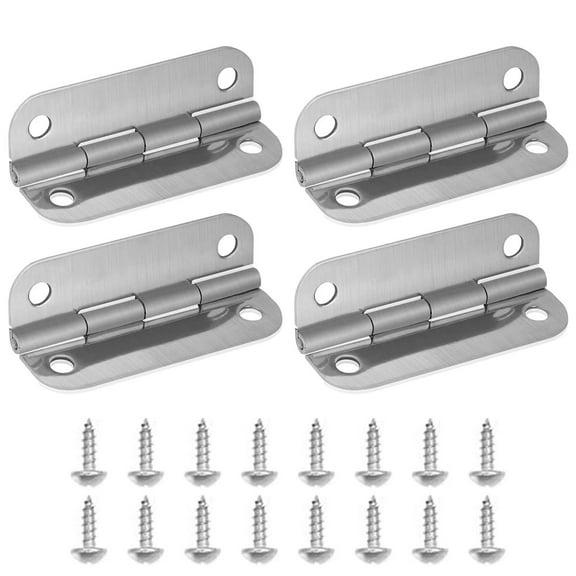


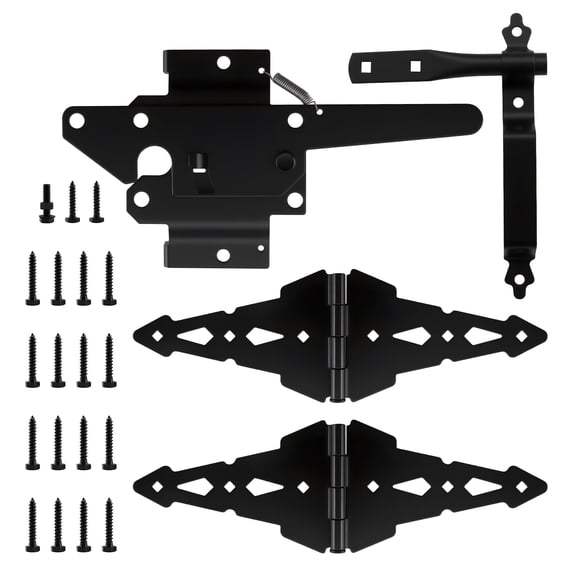

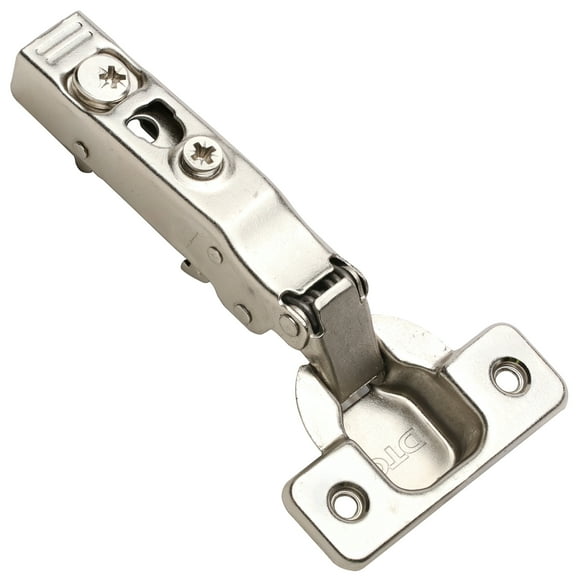


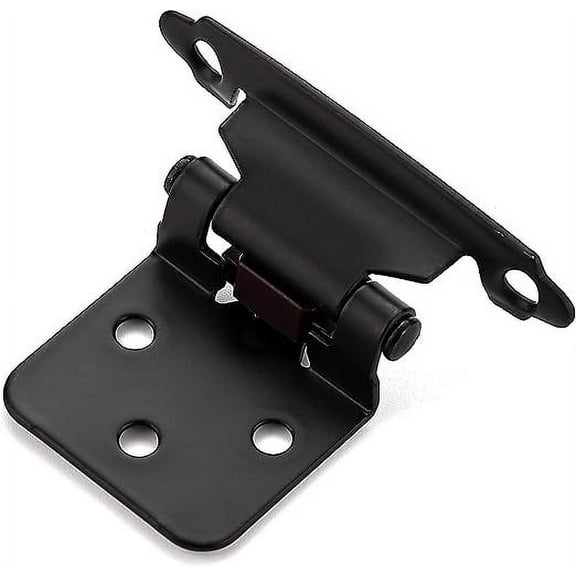








About Door Hinges: Heavy Duty, Black & Brass Hinges - Walmart.com
Door hinges help you restore smooth door movement and match your hardware without guesswork. You can compare finish, size, corner radius, and duty level to fit your existing door prep.
If you're replacing worn hardware, you need details that match your frame and door edge. You can use this guide to compare interior door hinges, ball bearing styles, and self-closing options.
How to choose door hinges
Start by matching your current hinge size before you order a replacement. You should measure height, width when open, and hinge thickness for a cleaner fit.
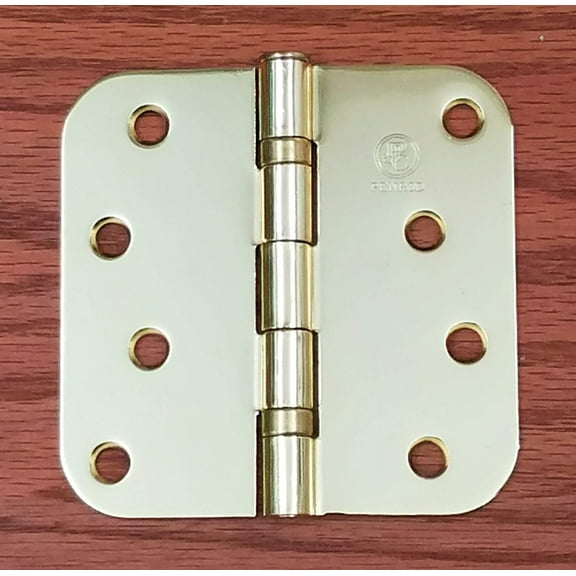
Next, check your corner shape on the old leaf and mortise. You may need square corners, one-quarter inch radius corners, or five-eighths inch radius corners.
That corner radius detail matters because your door edge is already cut for it. You can avoid extra chiseling when your replacement matches the existing recess.
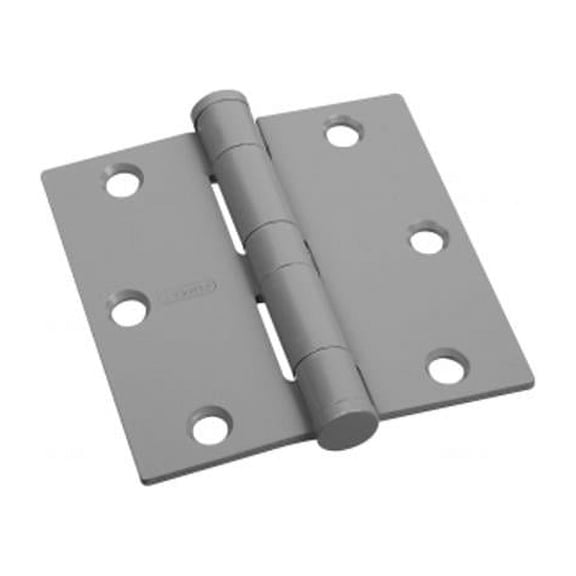
- You can match 3.5 inch door hinges to many standard interior doors.
- You can choose 4 inch or 4.5 inch sizes for larger or heavier doors.
- You can compare square and rounded corners to match existing prep.
- You can select standard, self-closing, or ball bearing function by room and traffic level.
Choosing finishes like matte black door hinges
Finish affects how your hinge looks beside handles, locksets, and trim. You can create a consistent look by matching metal tones across the door.
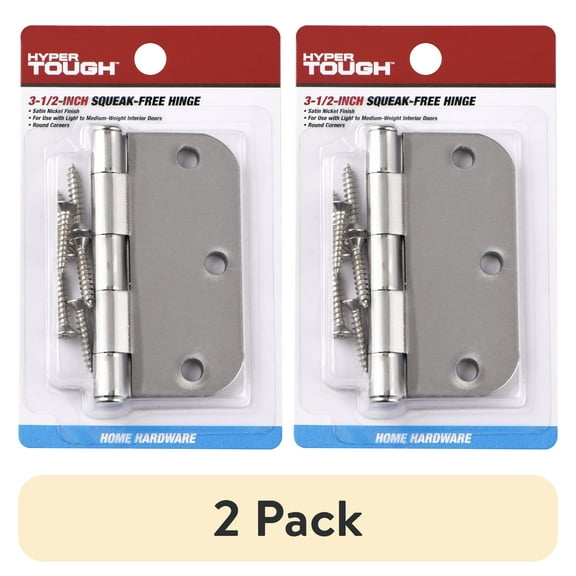
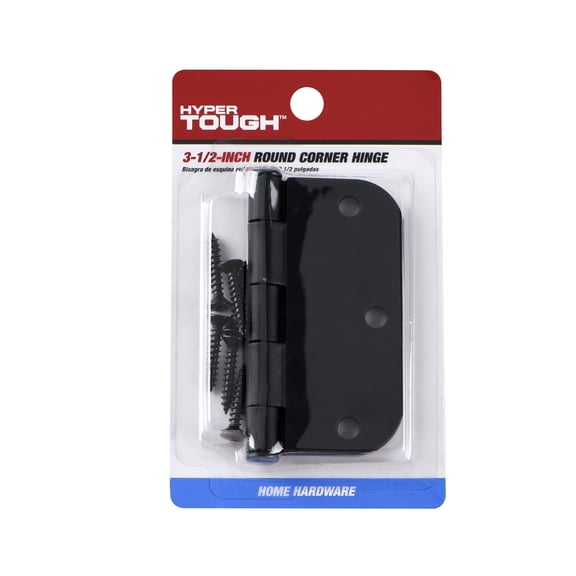
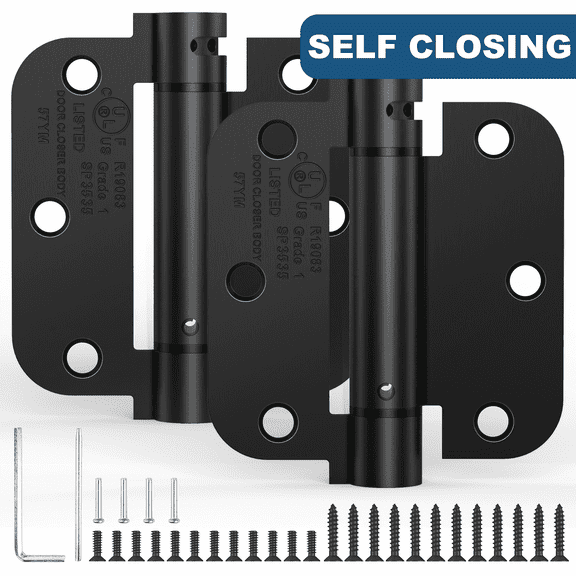
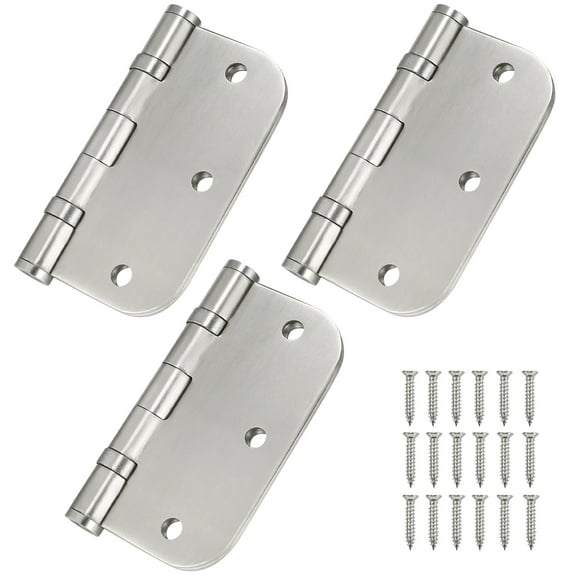
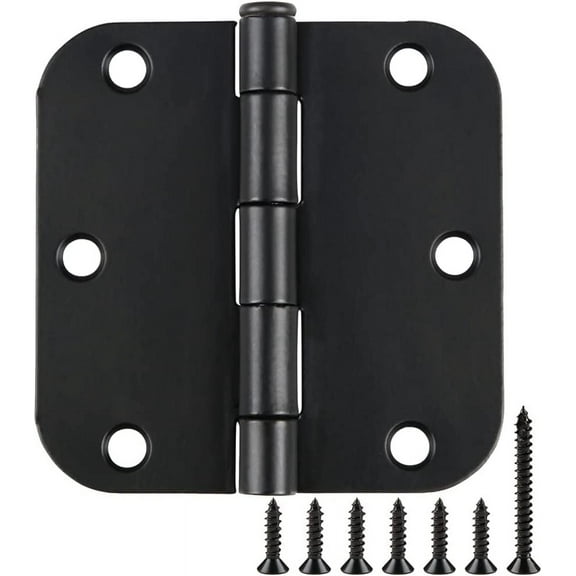
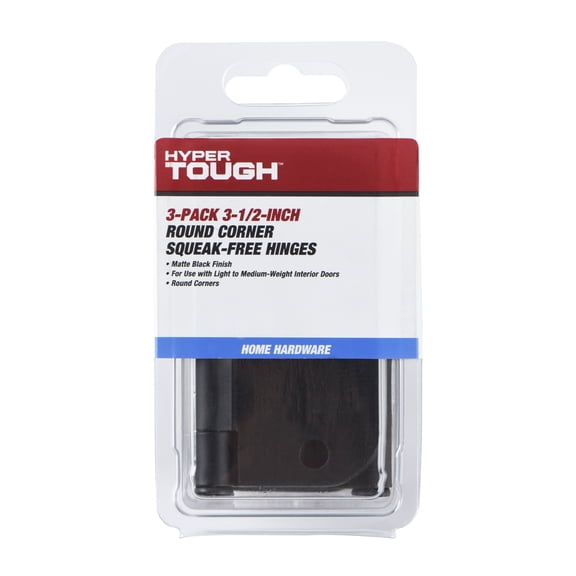
Matte black door hinges give you a modern contrast on painted doors. Satin nickel door hinges give you a softer sheen that works with many contemporary fixtures.
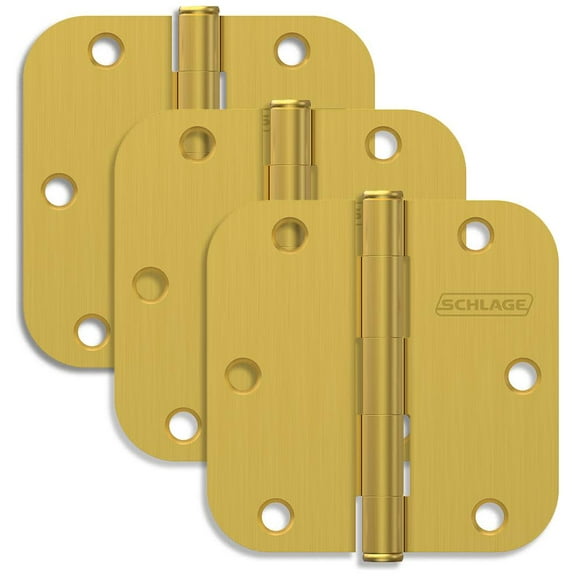
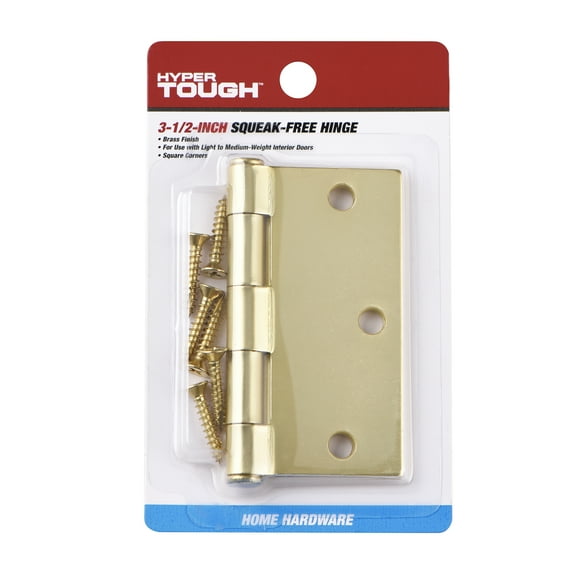
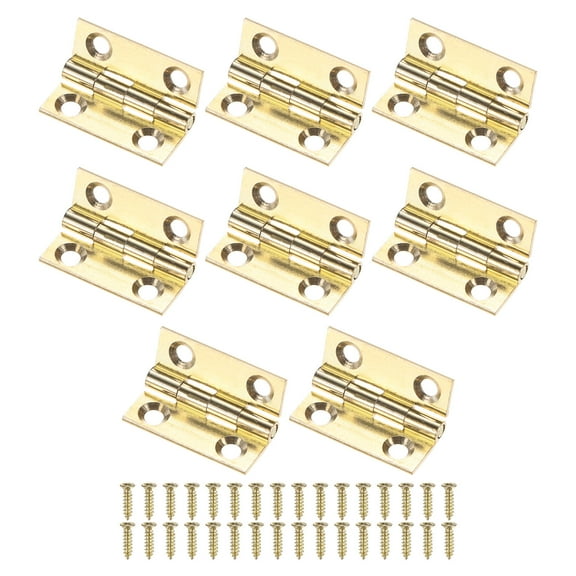
If you prefer warmer tones, brass door hinges can coordinate with traditional hardware and wood stains. Chrome finishes can suit bright spaces where you want a reflective accent.
When you replace only one hinge, color matching becomes even more important. You should compare your current hardware tone in daylight for a closer visual match.
Comparing interior door hinges and application types
Application tells you where and how your hinge will be used. You should compare interior, exterior, residential, and commercial needs before choosing a style.
Interior door hinges often support bedroom, bathroom, closet, and hallway doors with standard swing action. You can focus on finish, size, and corner radius for many indoor replacements.
Exterior openings usually need sturdier construction because the doors are often heavier. You may want thicker leaves or ball bearing movement when your entry door sees frequent use.
Commercial spaces can call for hardware that handles repeated opening throughout the day. You should look for consistent sizing and stronger support when traffic stays steady.
Understanding heavy duty door hinges and hinge function
Duty level helps you match the hinge to door weight and daily use. You can use standard duty for many hollow-core doors and heavy duty door hinges for solid wood or metal doors.
Ball bearing hinges can help you get smoother movement on doors that open often. You may notice they suit busy entry points, offices, and other high-traffic spots.
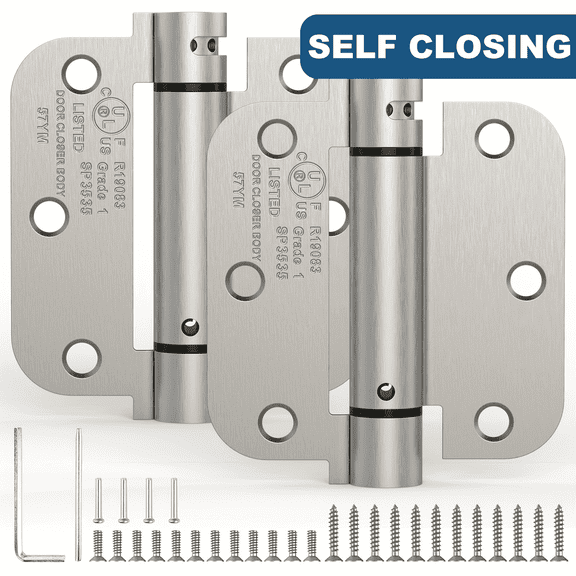
Self closing door hinges use spring tension to pull the door toward the frame. You can use them where you want the door to return closed after someone passes through.
Standard free-swinging hinges work well when you want simple movement without added tension. You should compare function carefully if you're replacing only one hinge on an existing door.
What to look for in size, thickness, and fit
Size is only part of the fit story when you replace door hardware. You also need to match leaf thickness, screw hole pattern, and the way the hinge sits in the mortise.
A 3.5 inch hinge often appears on many interior doors in homes. You may see 4 inch and 4.5 inch options when the door is thicker, taller, or heavier.
If your screw holes don't line up, installation can take more effort than expected. You should compare the hole layout on your current hinge before choosing a replacement.
Thickness affects how flush the hinge sits when the door closes. You can get a cleaner alignment when the new hinge matches the original hinge profile.
Using door hinges in everyday projects
You might replace one squeaky bedroom hinge, refresh a full hallway set, or update a front entry with coordinated hardware. You can narrow your options faster when you start with application and finish.
For a room refresh, matte black or satin nickel finishes can update the look without changing the door. You can pair the hinge finish with your latch, lever, and deadbolt trim.
For a utility room or garage entry, self-closing spring hinges can add convenient automatic closing. You should confirm the size and corner style before replacing existing hardware.
For solid wood doors, heavy duty door hinges and ball bearing styles can support frequent movement. You can get steadier performance when the hinge matches the door's weight and thickness.
When you handle a simple swap, matching your old hinge details saves time during installation. You can move forward with more confidence when size, corner radius, finish, and function all line up.
With the right door hinges, you can keep doors aligned, movement smooth, and hardware coordinated throughout your space. You can make a cleaner replacement choice when you compare fit details before you buy.