


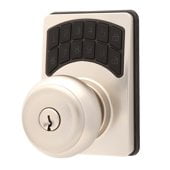
Door Knobs in Door Hardware
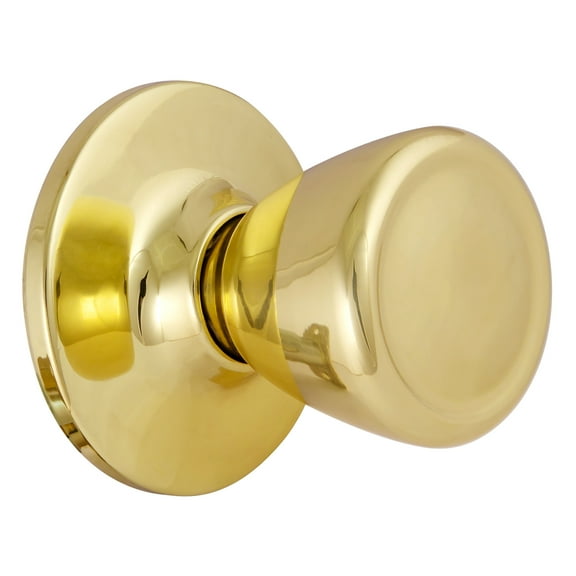


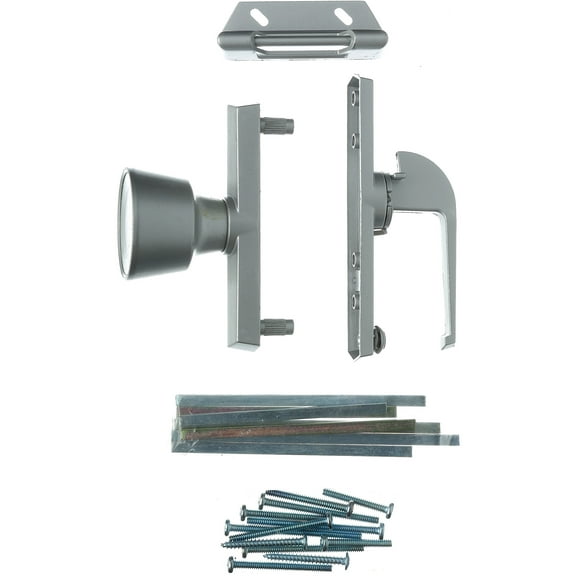

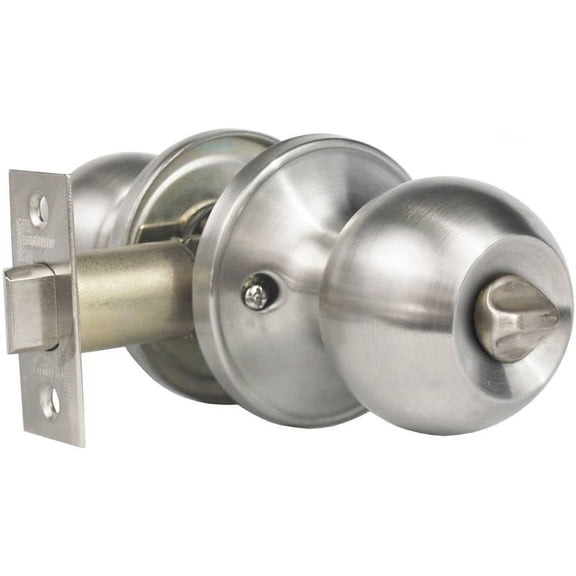























About Door Knobs in Door Hardware - Walmart.com
Door knobs help you match each door to the right function, finish, and fit. You can compare room needs first, then narrow your style and measurement choices.
You can sort through keyed entry, privacy, passage, and dummy options with more confidence. You can also compare interior and exterior uses before you commit to a coordinated hardware plan.
Choosing the right door knobs by function
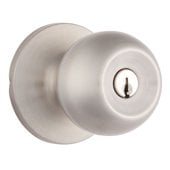
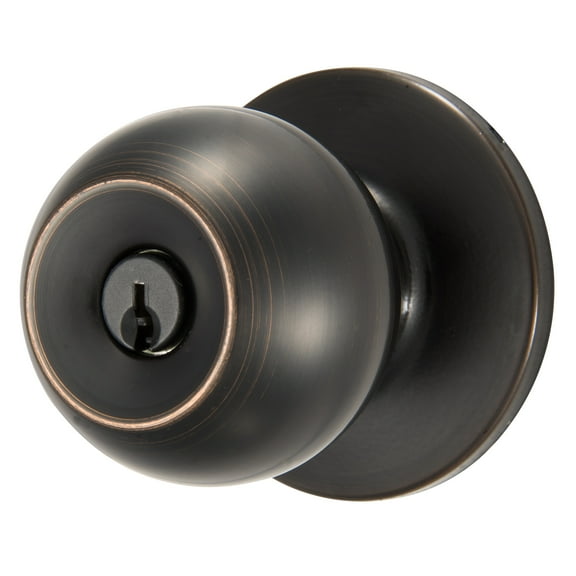
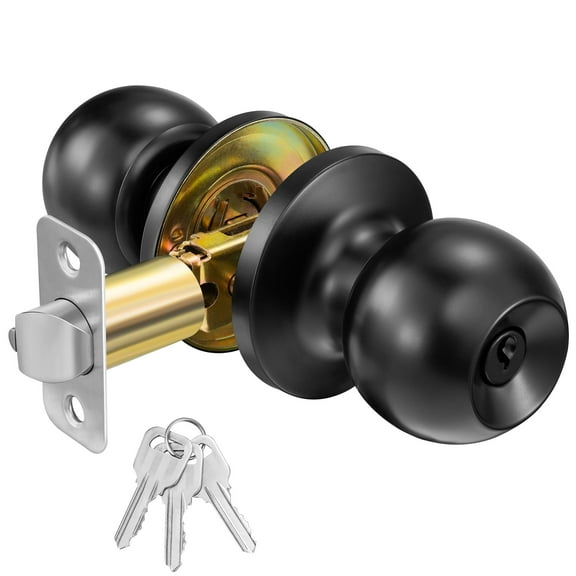
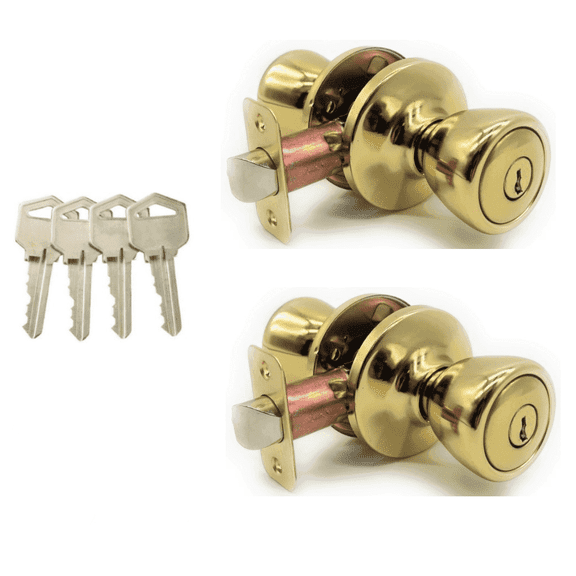
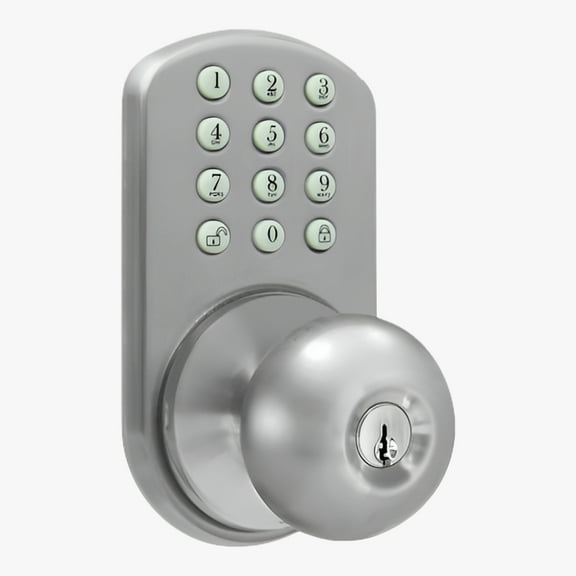
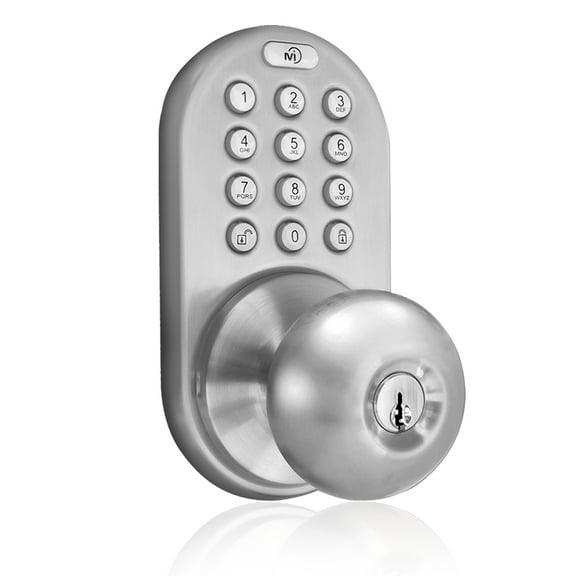
You should start with function because each door serves a different purpose. You can use keyed entry door knobs on exterior doors that need a keyed lock.
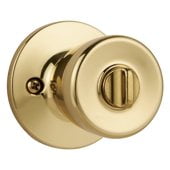
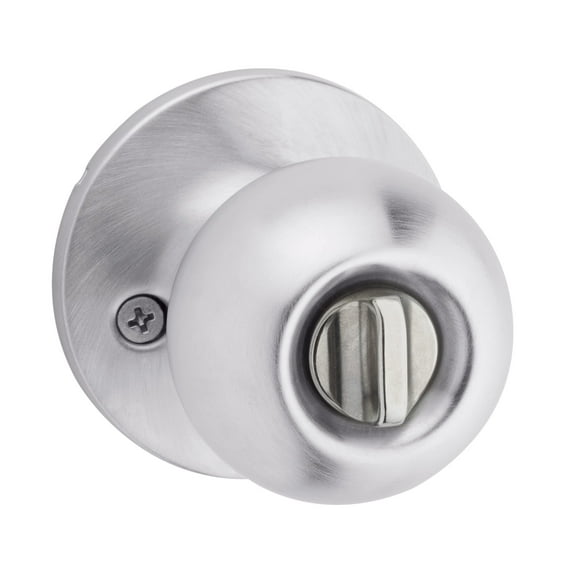
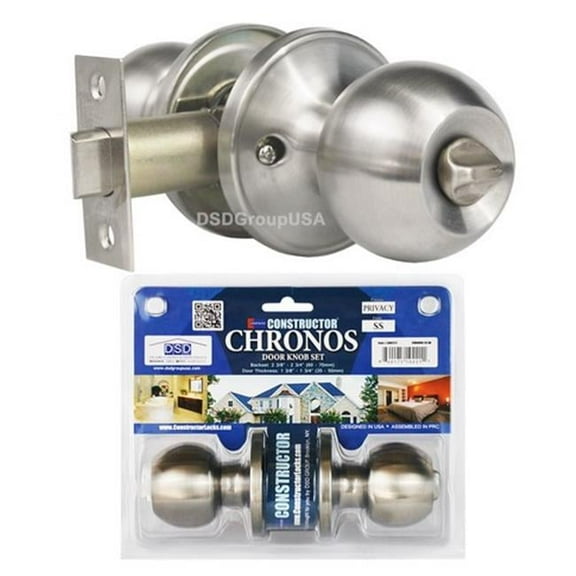
For bedrooms and bathrooms, you may prefer privacy door knobs with an interior lock. For closets and hallways, passage door knobs let you open doors without locking hardware.
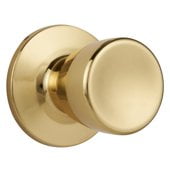
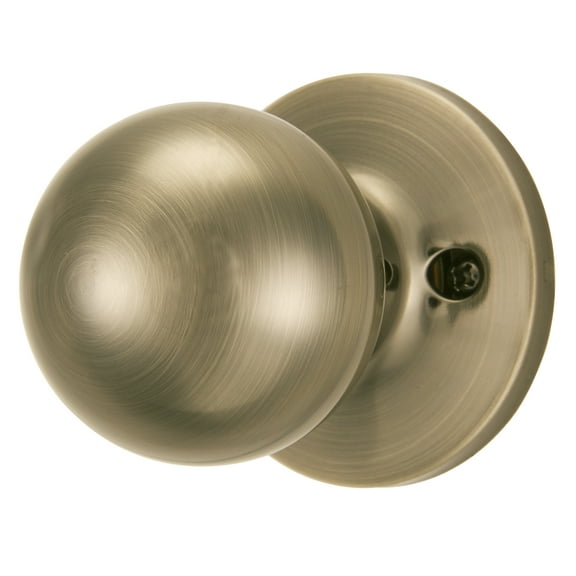
If your door needs a pull or matching accent, you can choose a dummy knob. You can often use dummy styles on pantry doors, linen closets, or double doors.
- You can use keyed entry styles on doors that need keyed access.
- You can choose privacy styles for bedrooms and bathrooms with interior locking.
- You can pick passage styles for closets, halls, and rooms without locks.
- You can select dummy styles for fixed doors or decorative symmetry.
When you compare function first, you can avoid replacing hardware twice. You can also keep your door operation consistent from room to room.
How to compare finish and style options
You should compare finishes with your hinges, strike plates, and nearby lock trim. You can create a more pulled-together look when your hardware tones work together.
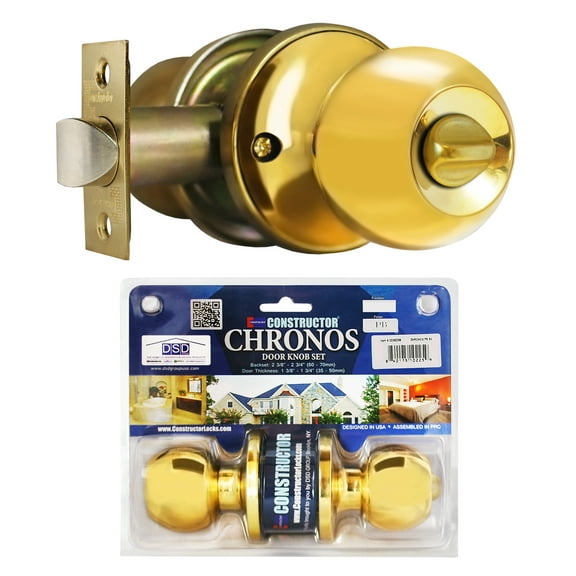
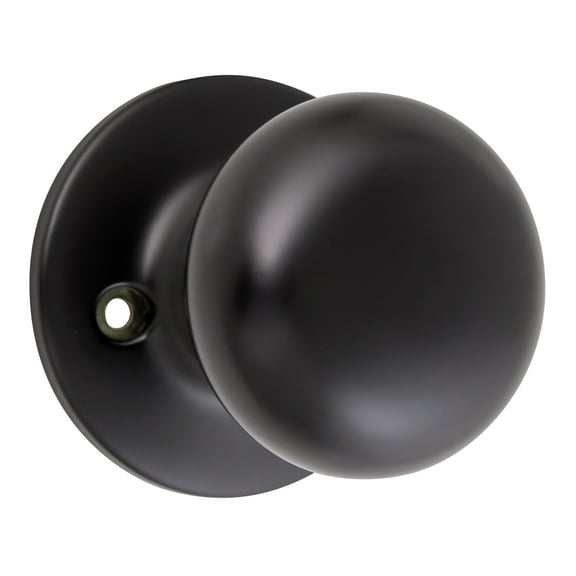
Matte black door knobs can give your doors a bold contrast in modern spaces. Satin nickel door knobs can blend smoothly with cooler metals and stainless finishes.
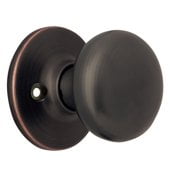
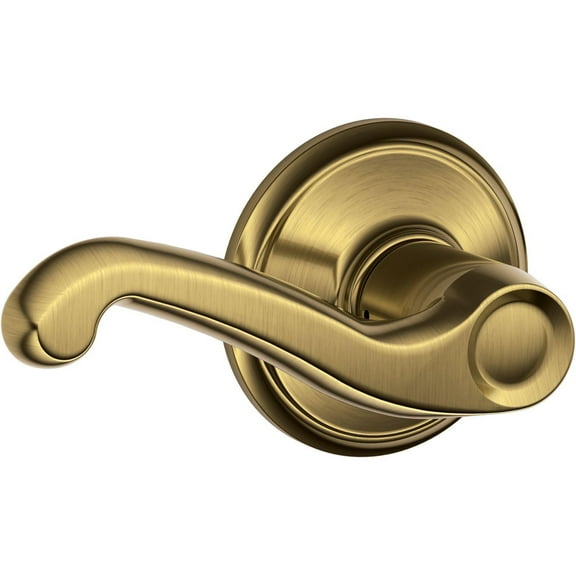
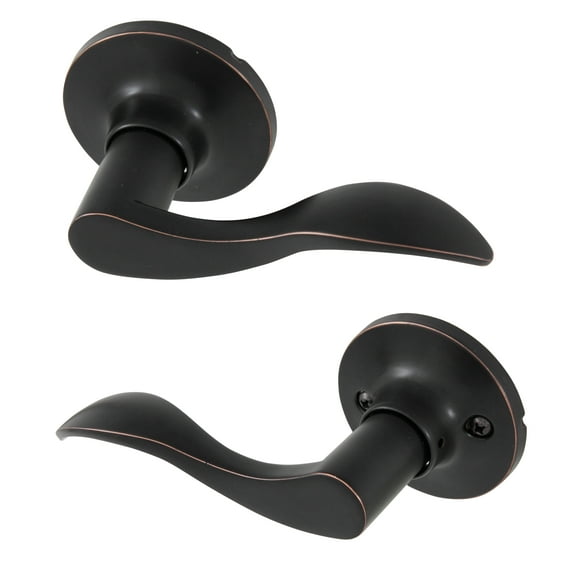
If your home feels classic, you may like polished brass or oil rubbed bronze. You can also compare modern, traditional, contemporary, and rustic shapes to fit your rooms.
Your finish choice affects how fingerprints and daily wear appear over time. You may prefer a brushed look when you want a softer surface appearance.
Choosing interior door knobs and exterior door knobs
You should match the knob to the door location before comparing appearance. Interior door knobs usually focus on room function, while exterior door knobs focus on entry needs.
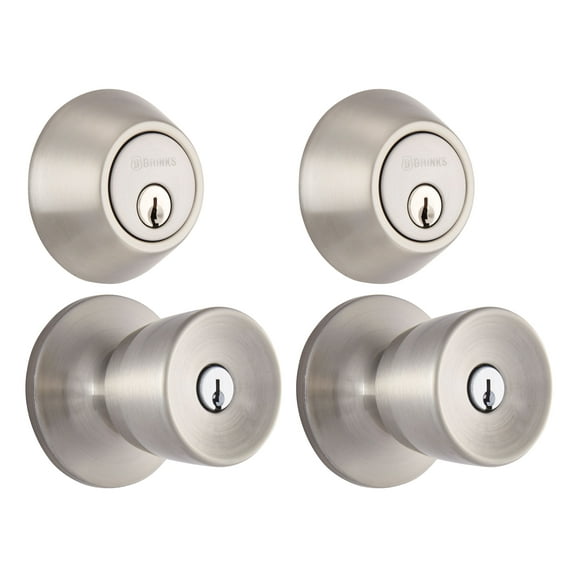
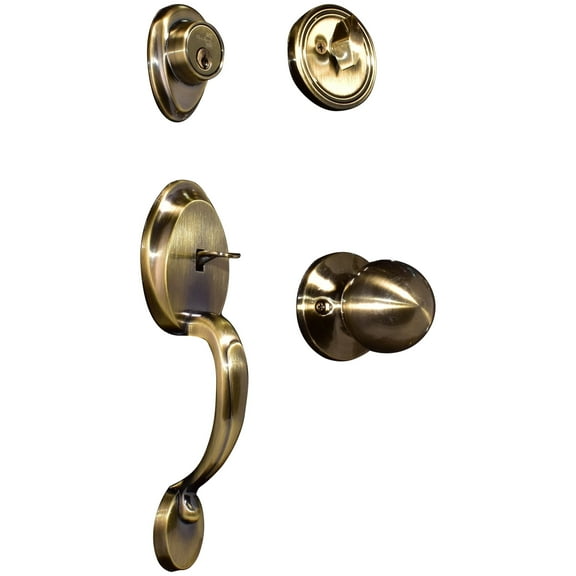
For outside-facing doors, you should check whether you need a keyed knob and matching deadbolt style. You can keep your entry looking coordinated when your hardware finish stays consistent.
Inside your home, you can focus on privacy, passage, or dummy formats by room. You may also want matching knobs across bedrooms, bathrooms, and hallways for visual consistency.
Your door location can also shape your style choice. You may prefer a simpler round profile indoors and a more defined trim look at the entry.
How to measure fit before you choose
You can avoid guesswork when you measure your door before ordering. You should check the backset, which measures from the door edge to the bore hole center.
You’ll usually compare a 2-3/8 inch backset or a 2-3/4 inch backset. You should match that measurement so your latch and knob align correctly.
You should also measure the bore hole and cross bore on older doors. Your existing prep can guide you toward a knob that fits with fewer adjustments.
Door thickness matters too when you compare fit. You should check product details to confirm your knob works with your door thickness range.
What to look for during installation
You may want door knobs that work with standard door prep and common household tools. You can often handle a basic replacement when your measurements match the listed specs.
Look for details about latch fit, adjustable backset support, and included mounting hardware. You can understand faster whether the set suits a simple swap or a more involved update.
Before you choose, you should check whether the knob fits left-hand and right-hand doors. Many sets support standard handing, which can simplify your selection process.
Your daily routine can also shape which profile feels comfortable to use. You may prefer a classic round knob or a cleaner silhouette for updated interiors.
Matching combinations to real home projects
You can use keyed entry door knobs in satin nickel on front, side, or garage entry doors. You may pair them with coordinating deadbolts for a more unified exterior look.
For guest baths and bedrooms, privacy door knobs fit spaces where you want an interior lock. You can get the function you need without using a keyed setup indoors.
Passage door knobs work well on closets, laundry rooms, and connecting doors. You can keep movement easy in spaces where locking hardware is unnecessary.
Dummy knobs make sense when you want matching hardware on pantry doors or inactive French doors. You can add the look of a full set where you do not require a working latch.
If you’re refreshing a modern space, you may choose matte black with clean-lined trim. If your home feels more traditional, you may lean toward brass, bronze, or satin nickel tones.
You can feel more confident when your door knobs match your function, measurements, and finish plan. You can create a coordinated look that works smoothly throughout your home.