

Door Security Hardware & Locks








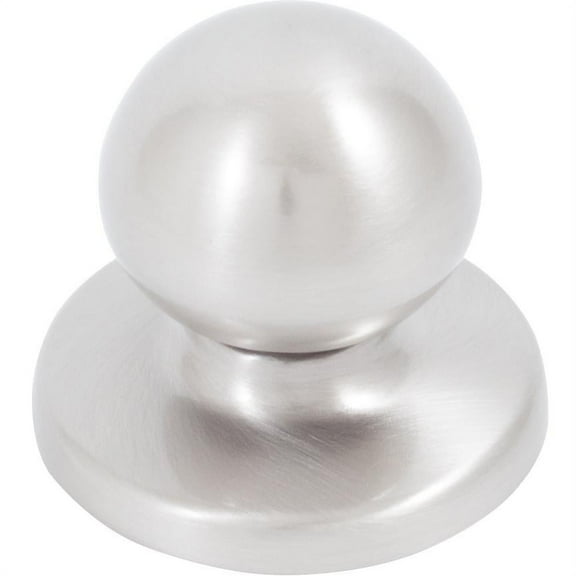

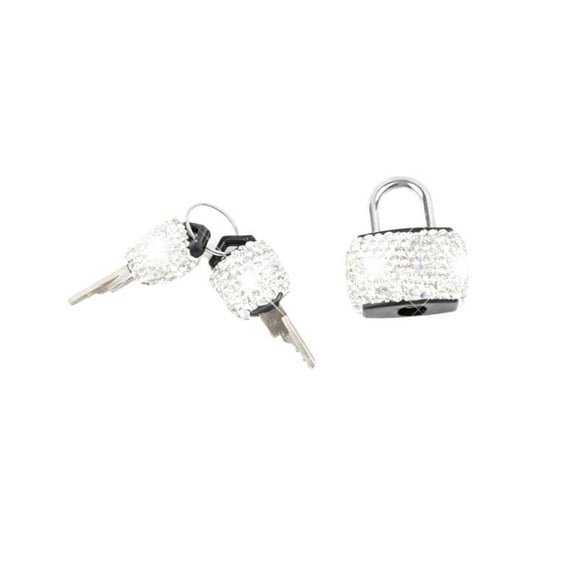


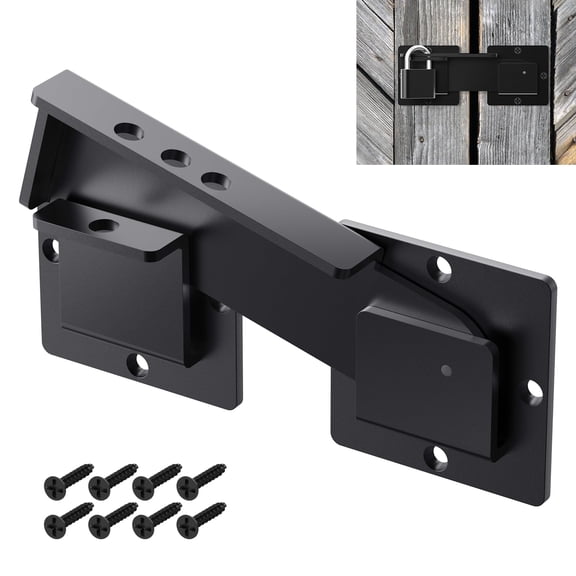
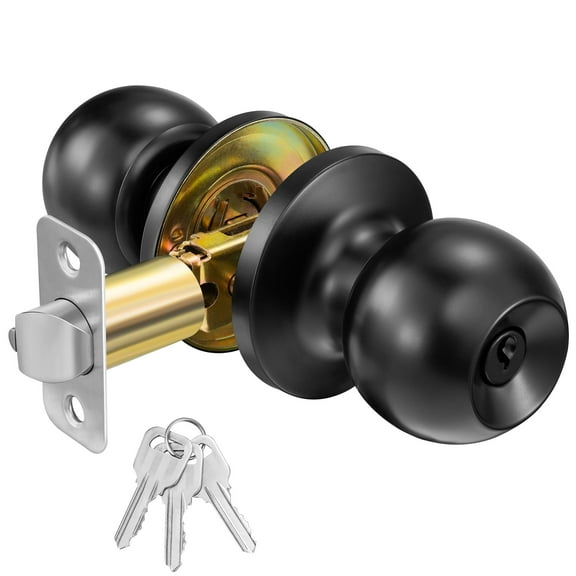






















About Door Security Hardware & Locks - Walmart.com
With door security hardware, you can reinforce entry points, match your existing trim, and choose parts that fit your door correctly. You’ll also find category options built for entry doors, exterior doors, interior doors, and sliding doors.
If you’re comparing security lock and hardware choices, you’ll want clear guidance on hardware type, fit, finish, and grade. You can use those details to narrow choices that support daily access and stronger door reinforcement.
How to choose door security hardware
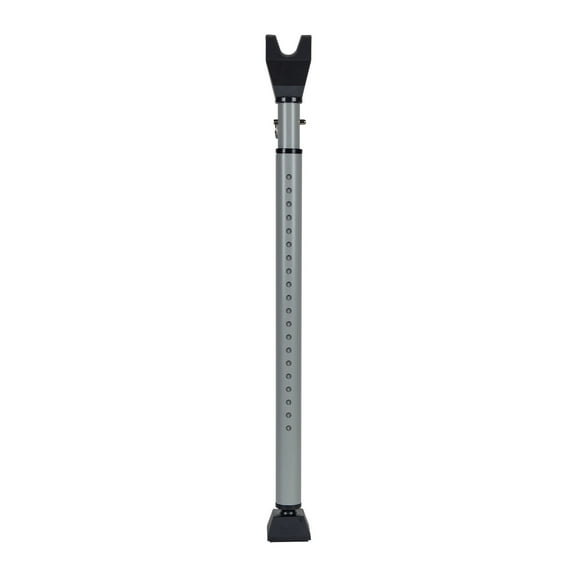
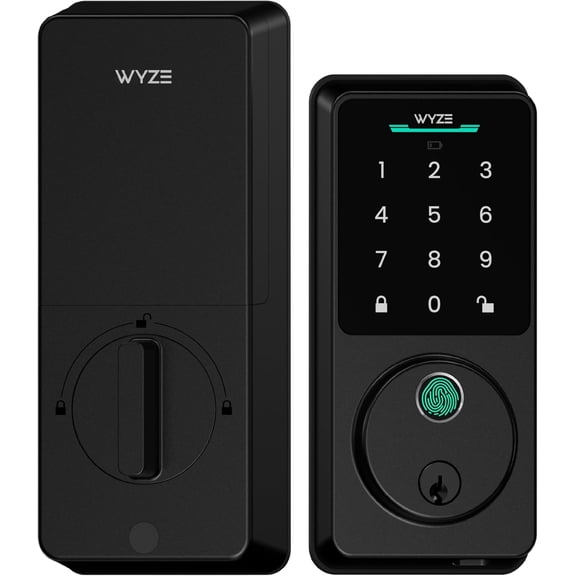
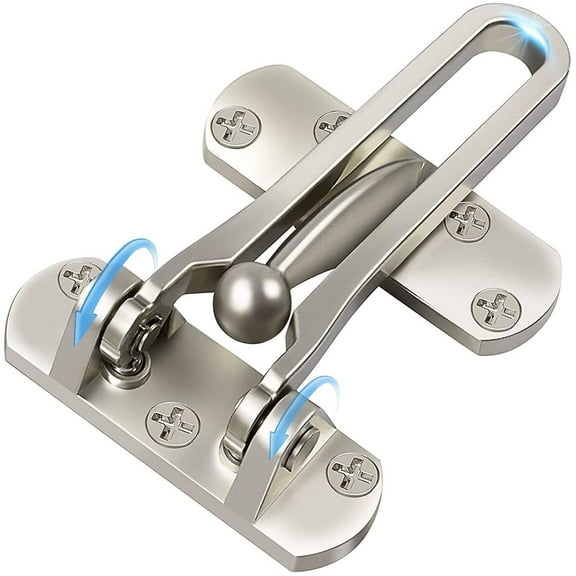
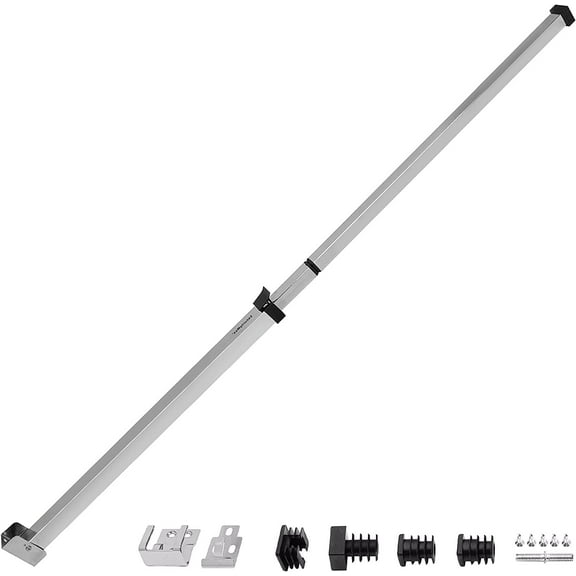
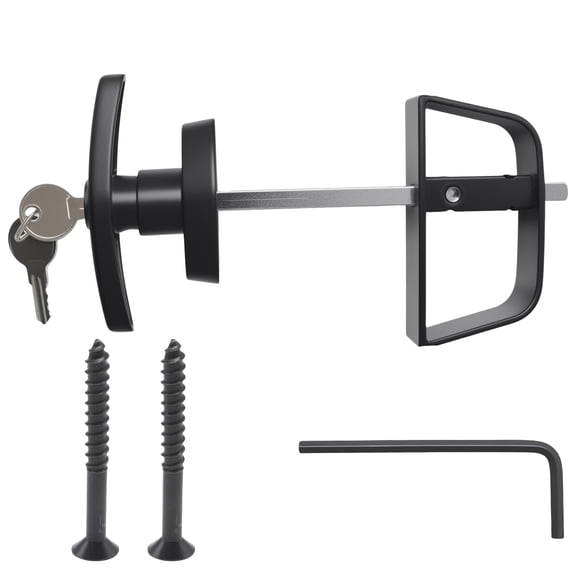
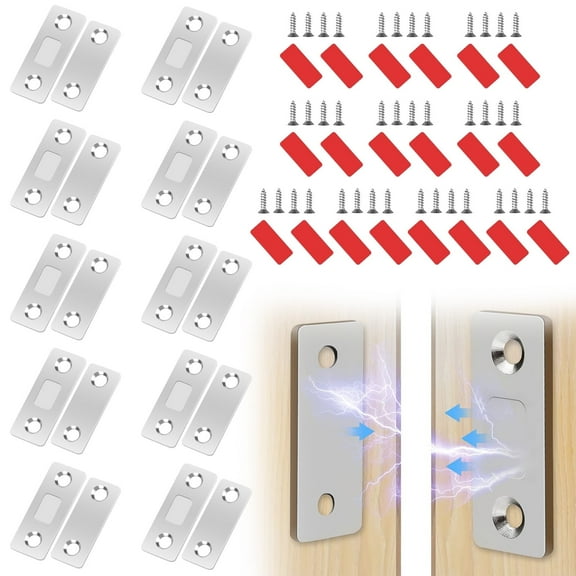
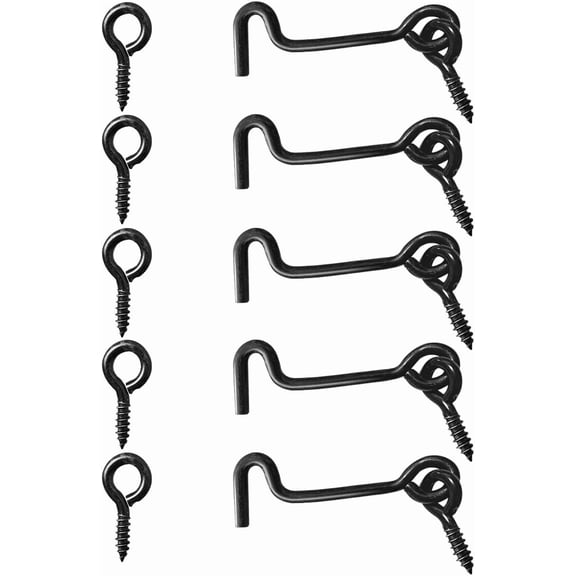
When you shop door security hardware, you’ll usually start with the hardware type that matches your door and routine. You may compare deadbolts, security bars, latch guards, strike plates, and door chains for different needs.
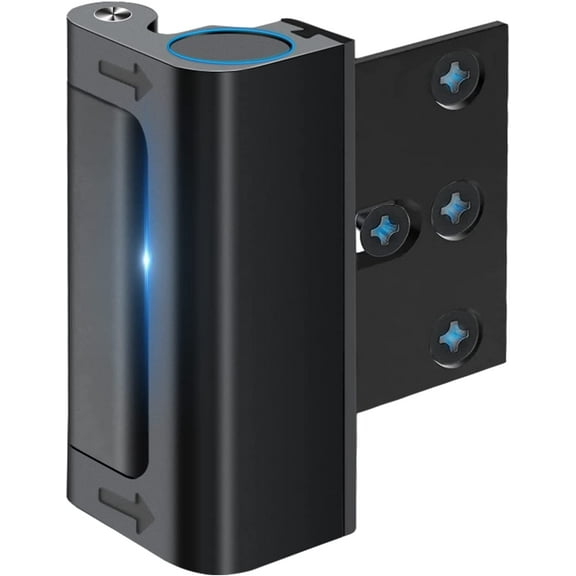
If you want key-based locking, you may look at deadbolts for entry door security hardware. If you want added frame protection, you may compare strike plates and latch guards that reinforce the latch area.
For flexible daily use, you may consider door chains that let you partially open a door while keeping a connected point engaged. For sliding doors, you may choose security bars that add a physical stop.
- You can add reinforcement at the latch side with strike plates and latch guards.
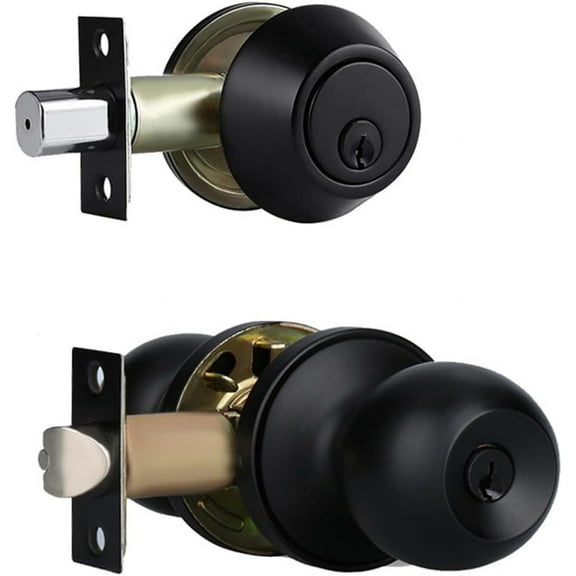
- You can compare deadbolts when you want a dedicated locking point on entry and exterior doors.
- You can use security bars for sliding doors or inward-closing setups that need a braced stop.
- You can select door chains when you want controlled opening for front or side doors.
As you compare options, you’ll notice each hardware type solves a different access and reinforcement need. You can build a more complete setup by pairing locking parts with frame-focused hardware.
Choosing entry door security hardware by application
You’ll get better results when you match the hardware to the door location before you compare finishes or grades. Entry door security hardware often focuses on daily traffic, key access, and visible style coordination.
For exterior door security hardware, you may look for sturdy materials and finishes that coordinate with knobs, levers, and hinges. You can also compare reinforcement parts that support exposed front, side, and back doors.
If you’re updating an interior door, you may prefer simpler locking hardware and matching finishes across nearby rooms. If you’re securing a sliding door, you’ll usually check bar length, mounting style, and door clearance.
You should also check door thickness and backset before you choose a lockset or deadbolt. Many doors fall between 1-3/8 inches and 1-3/4 inches, and you’ll want compatible hardware for that range.
Your backset measurement affects how the lock aligns with the door edge and bore hole. You can avoid fit issues by measuring that distance before you compare models.
What to look for in materials, finishes, and grades
You can use material and grade details to understand how a piece may perform in busy areas. Hardened steel often appeals when you want a more robust feel, while solid brass may suit traditional entry styles.
When you compare finishes, you’ll usually focus on visual coordination with hinges, knobs, and house trim. Satin nickel can look understated, while matte black can give your doorway a sharper contrast.
You may also see ANSI Grade 1, ANSI Grade 2, and ANSI Grade 3 listed on security lock options. In simple terms, you can think of higher grades as built for heavier use and stronger performance demands.
If you have a frequently used front door, you may lean toward higher-grade security lock and hardware options. If you’re outfitting a lighter-duty opening, you may decide another grade fits your routine.
Material strength matters beyond the lock body alone, because your frame hardware affects the whole setup. You can strengthen the latch area with reinforced strike plates and choose matching finishes for a cleaner look.
Comparing fit, installation, and everyday use
You should measure first when you want hardware that installs with fewer surprises. Your checklist may include door thickness, backset, handing, mounting holes, and whether your door is wood, metal, or sliding glass.
If you prefer a straightforward update, you may look for hardware designed for common residential measurements. You can often handle basic replacements yourself when the new parts align with existing prep.
For more involved changes, you may consider professional setup when you’re adding new holes or upgrading multiple parts. You’ll often want that route when you’re combining deadbolts, latch guards, and reinforced strike plates.
Your finish choice also affects everyday satisfaction, especially when nearby hardware already sets the room’s look. You can create a more consistent appearance by matching satin nickel or matte black across visible pieces.
When you compare door security locks and door security devices, you should think about how the door gets used each day. You may want quick key access at the front door, controlled opening at a side door, or a braced stop on a slider.
Using exterior door security hardware in real situations
If your front entrance gets constant use, you may combine a deadbolt with a reinforced strike plate for a more complete setup. You can then match the finish to your knob or lever for a coordinated entry.
For a back door, you may want exterior door security hardware that handles regular trips with groceries, pets, or yard access. You can focus on dependable locking points and reinforcement near the frame.
If you manage a side entrance, you may choose a door chain for controlled opening and a deadbolt for routine locking. You can build around how that doorway functions instead of forcing a one-style solution.
On a sliding patio door, you may prefer a security bar that limits door travel with simple positioning. You can use that approach when you want a clear physical barrier without replacing the whole door system.
When you need a practical upgrade path, you can start with the fit measurements and then compare grades, materials, and finishes. You’ll make a smarter choice when your hardware matches your door, your frame, and your daily routine.
With the right door security hardware, you can create a setup that fits your opening, complements your home, and supports confident everyday access. You’ll get more from each upgrade when your measurements, hardware type, and grade all work together.