

Drill Presses: Benchtop & Table Drill Presses - Walmart















![JEGS Cast Iron Drill Press Vise [Jaw Opening: 2 1/2 in. Multifunctional]](https://i5.walmartimages.com/seo/JEGS-W3939-Cast-Iron-Drill-Press-Vise-Jaw-Opening-2-1-2-in-Multifunctional-Ta_9a12a1b3-d387-4c19-8e8c-c13e8c81cd8a.b0297315ee6a8b499884aff1cfdf19ba.jpeg?odnHeight=576&odnWidth=576&odnBg=FFFFFF)



About Drill Presses: Benchtop & Table Drill Presses - Walmart - Walmart.com
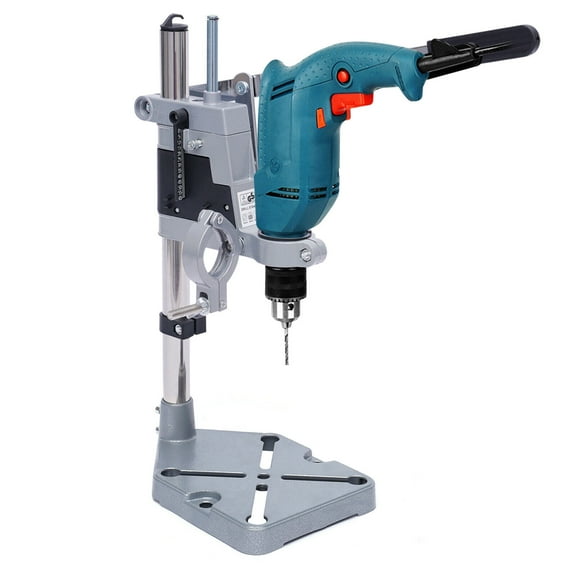
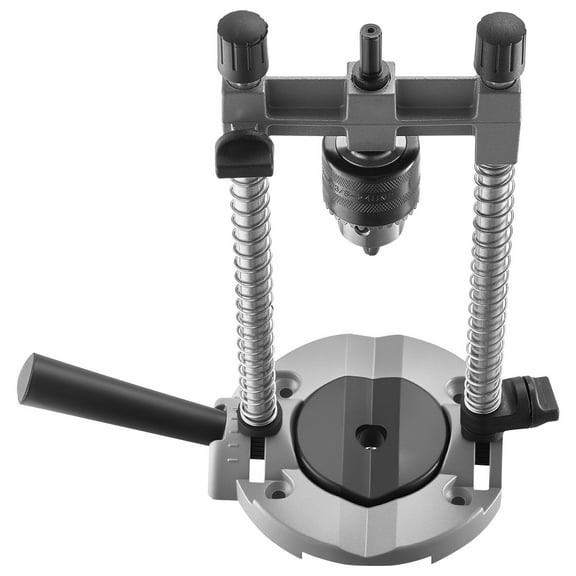
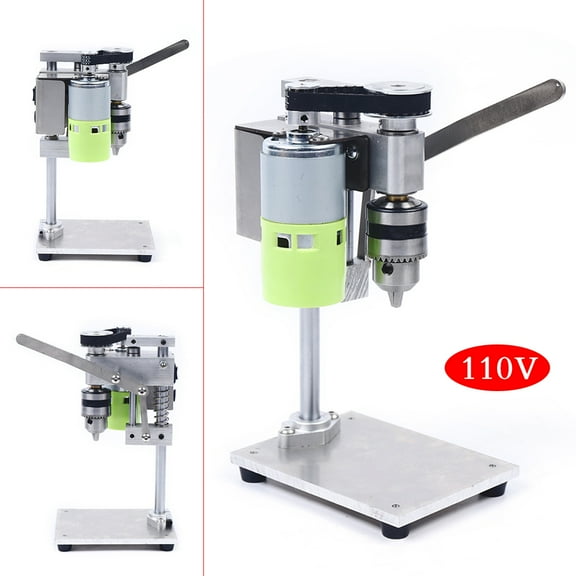
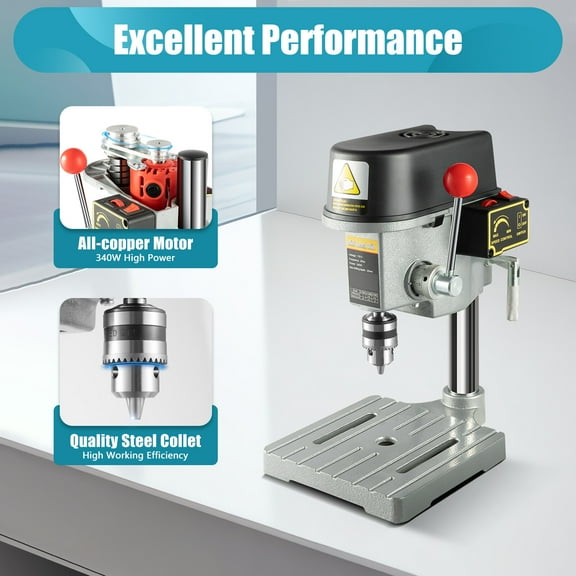
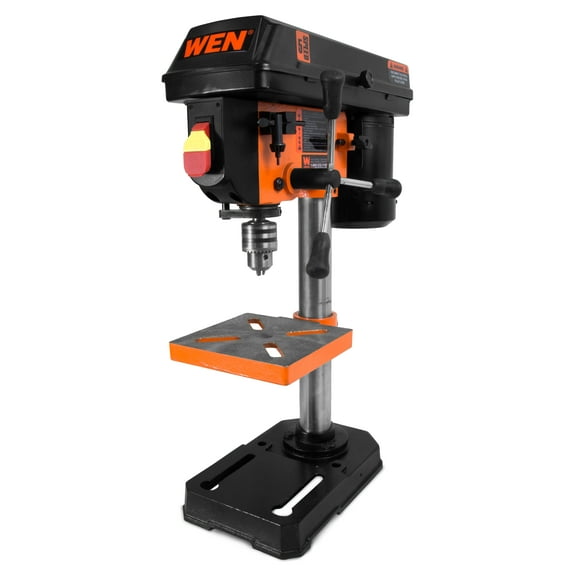
You can compare a drill press by workspace, material, and control style, so your holes stay clean, centered, and repeatable. You’ll find category guidance here for benchtop setups, floor standing models, and magnetic options.
How to choose the right drill press
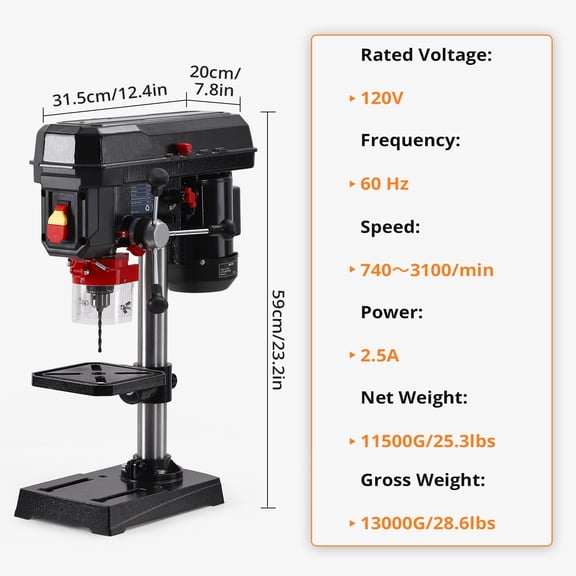
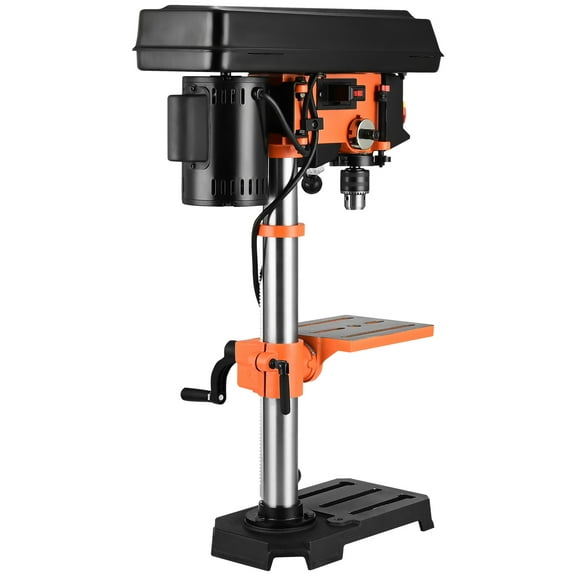
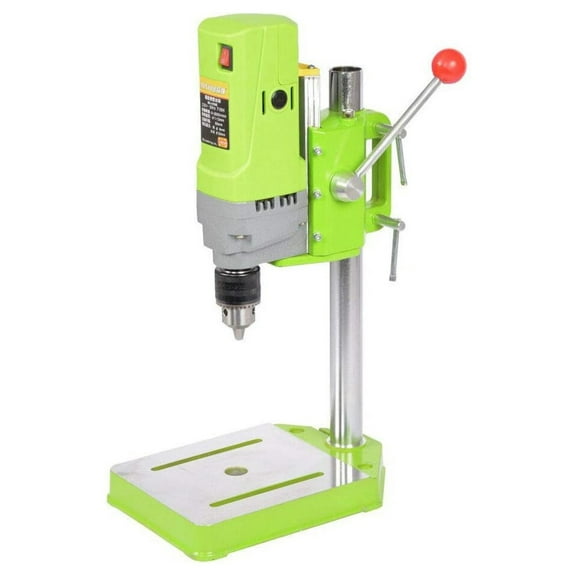
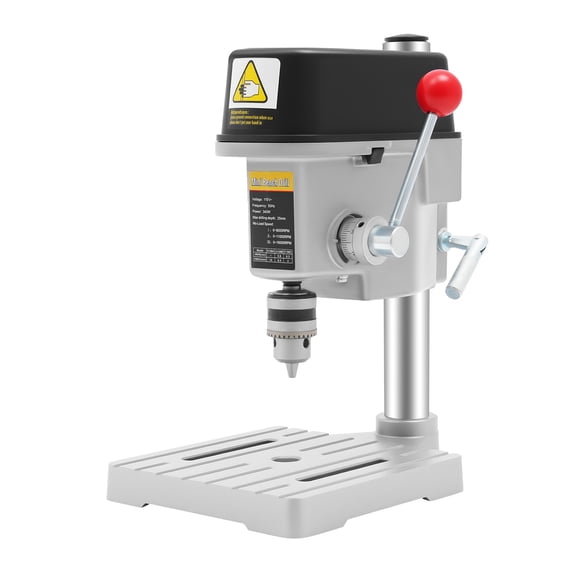
Start with mounting style, because your shop footprint affects comfort and accuracy. You should compare a benchtop drill press with a floor drill press based on bench space, workpiece height, and daily use.
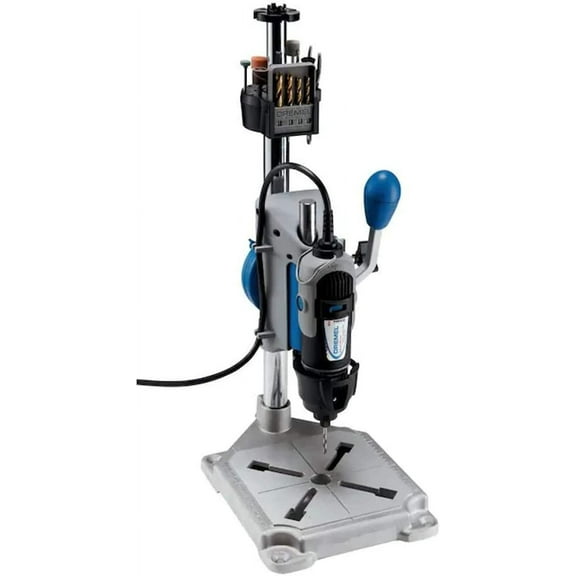
A benchtop model suits your smaller shop and keeps your machine within easy reach. A floor standing model gives your taller stock more clearance and supports larger projects without crowding your work surface.
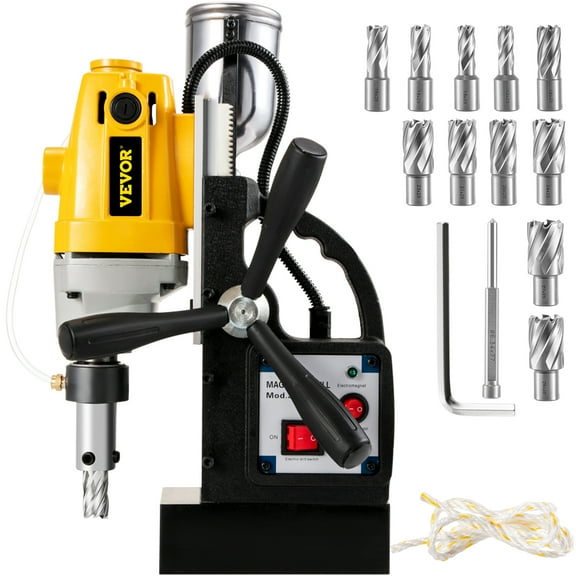
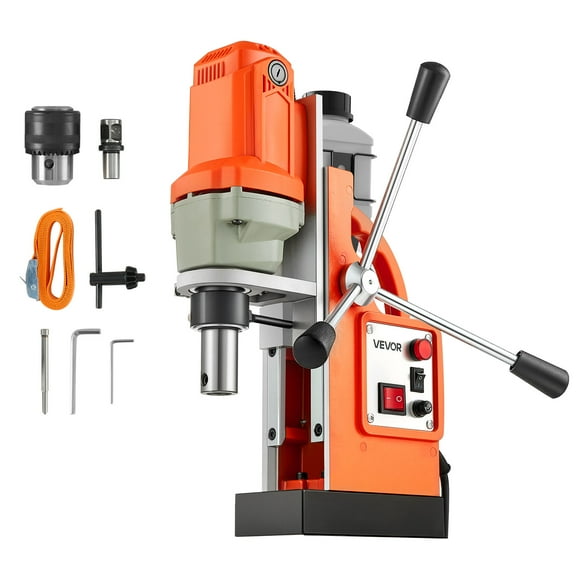
You should also compare standard mechanical designs with a magnetic drill press when your material and location change. A magnetic base helps you drill press for metal tasks on steel surfaces where a fixed shop machine won’t fit.
Key benefits for your workshop
You get more precise hole placement than hand drilling, especially when your layout lines need repeatable alignment. You can maintain steadier depth and angle, which helps your projects look cleaner and fit together with less rework.
Another benefit is controlled drilling across different materials and bit sizes. You can slow down for hard stock, then adjust for wood, plastics, or general shop tasks with less guesswork.
- You can create repeat holes with more consistent spacing and depth.
- You can support your stock on a fixed table for steadier drilling.
- You can choose speeds and capacities that match your material and bit size.
- You can handle woodworking or metalworking jobs with a setup that fits your shop.
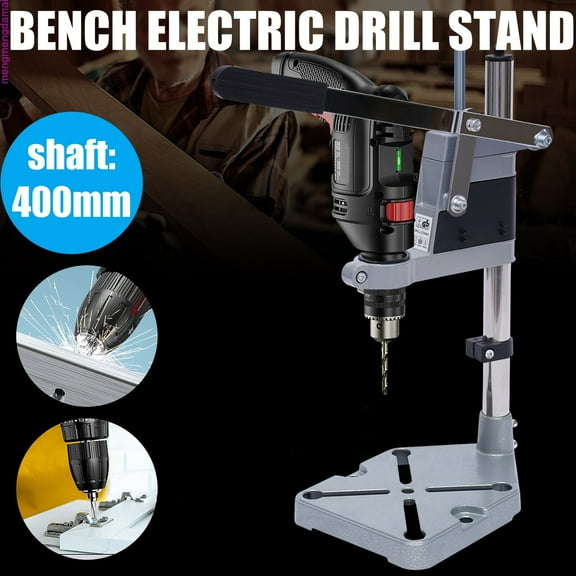
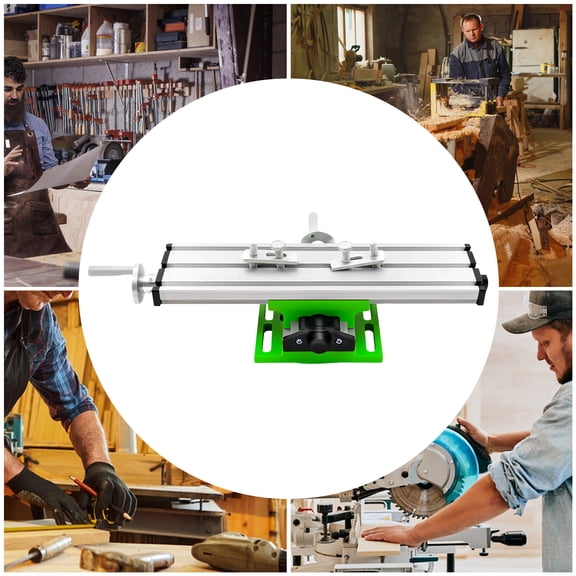
You may also appreciate how a drill press supports jigs, fences, and a drill press vise. Those accessories help your parts stay positioned, so your boring, countersinking, and sanding tasks feel more controlled.
For heavier shop needs, you can look for a heavy duty drill press with more capacity. That added capacity helps when your projects use larger bits, thicker stock, or longer drilling sessions.
What to look for in drill press features
Look first at swing, because that number tells you how far from the column you can drill. You should compare 8-inch, 10-inch, 12-inch, and 15-inch sizes based on your workpiece width.
Check spindle travel next, since it affects how deep your bit can move in one pass. You’ll want more travel when your material is thicker or your holes need deeper, cleaner cuts.
Throat depth matters too, because it shows how much reach you have from the column to the bit. You should measure your typical stock before choosing a size, especially for wider panels or plates.
Speed control changes how easily you adapt to each task. You can choose a variable speed drill press for quicker adjustments, or compare pulley-step speed models if you prefer simple manual settings.
Motor power also deserves attention when your material changes from soft wood to steel. You should compare HP, chuck size, and RPM range together, because those specs shape drilling capacity and bit compatibility.
A larger chuck can hold bigger bits for wider holes and specialty tasks. A wider RPM range gives you more flexibility, so your machine can support both delicate work and tougher drilling jobs.
Matching models to wood and metal projects
If your projects focus on cabinets, jigs, or furniture parts, you may prefer a woodworking drill press. You’ll likely want enough table support, useful spindle travel, and easy speed changes for clean holes in boards.
When your work centers on brackets, plates, or shop fabrication, you should compare a drill press for metal more closely. You’ll want suitable RPM control, solid clamping, and enough power for harder materials and larger bits.
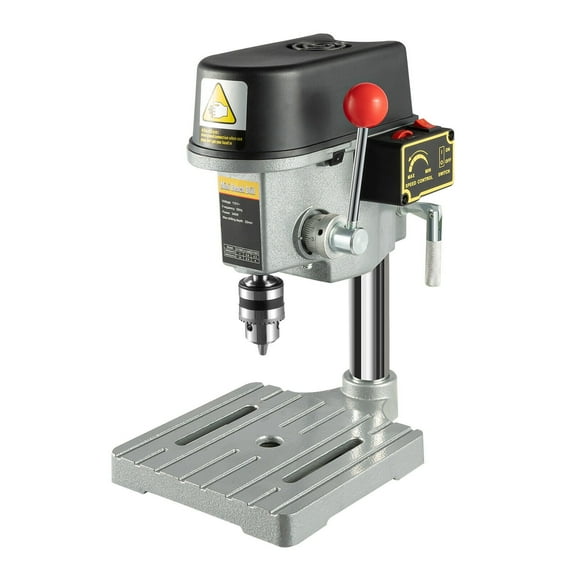
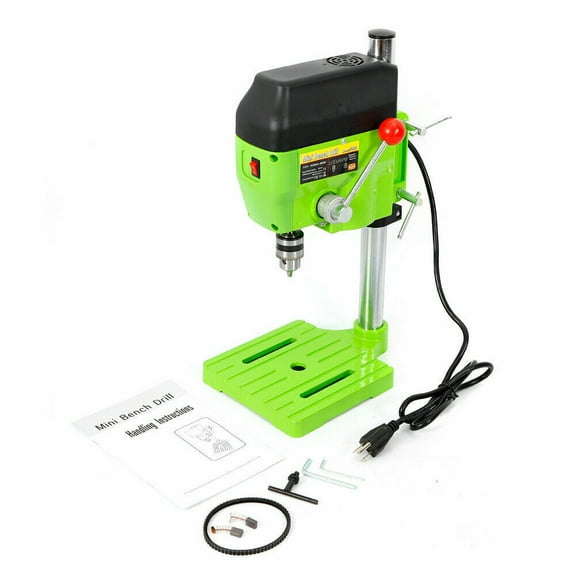
A benchtop unit fits your garage bench when your space is tight and your projects stay moderate in size. You can tuck it into a compact workshop while still handling hobby builds, repairs, and routine drilling tasks.
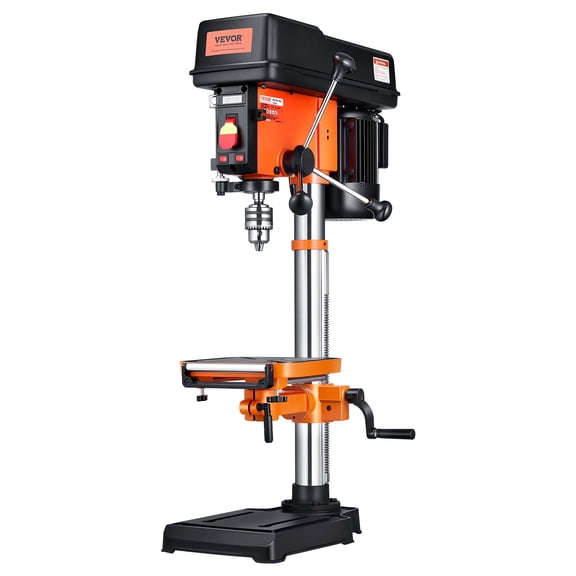
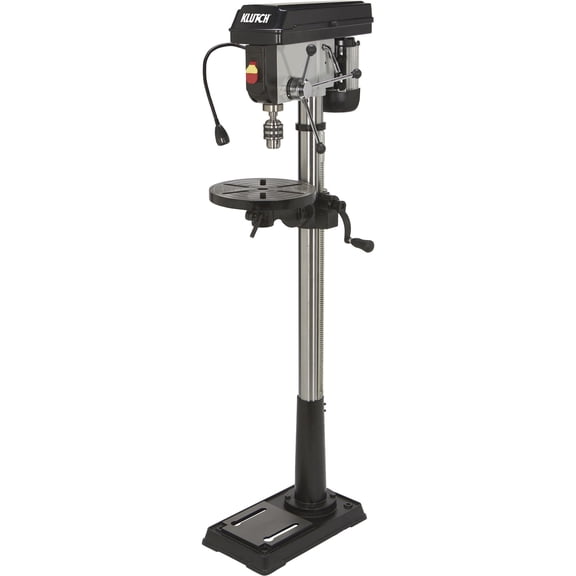
A floor model makes sense when your shop handles taller pieces or longer sessions. You’ll gain extra height and reach, which helps with larger stock and repeated drilling during bigger builds.
For field-style fabrication or steel installation, you may compare a magnetic drill press with fixed machines. You can bring that format to the material instead of moving heavy stock back to your shop setup.
You should also think about accessories that support accuracy during daily work. A drill press vise helps secure smaller parts, while related tool categories can round out your cutting and shaping setup.
Choosing with confidence
You can narrow your drill press choice by measuring your space, checking your material, and comparing swing, spindle travel, and speed control. You’ll end up with a machine that fits your workflow and supports cleaner, more consistent results.