

How Much Is Pasta? Dry Pasta Sizes & Options | Walmart













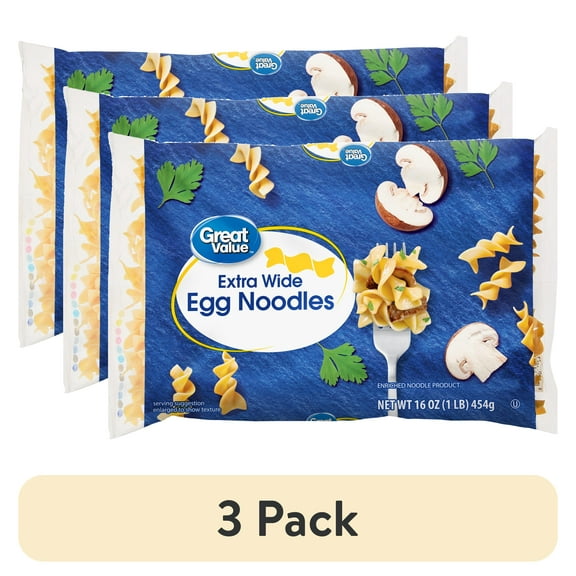
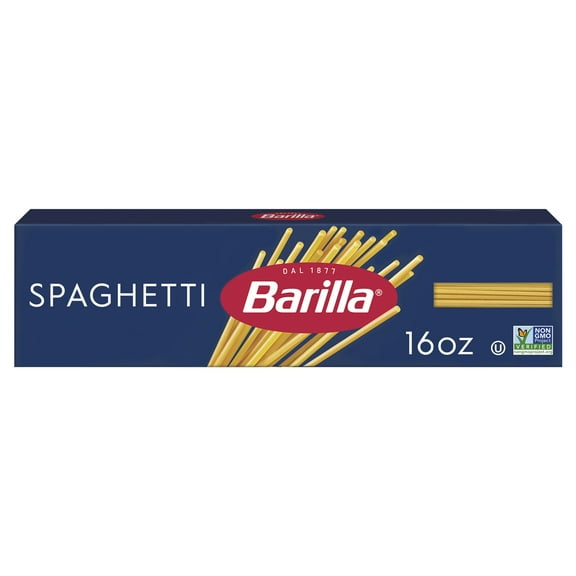
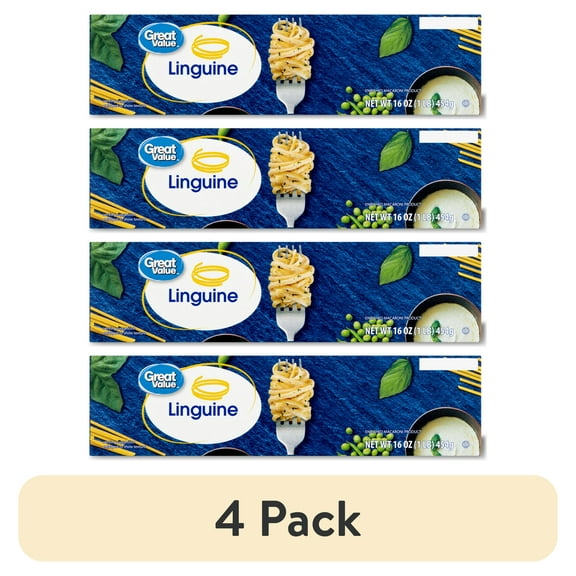
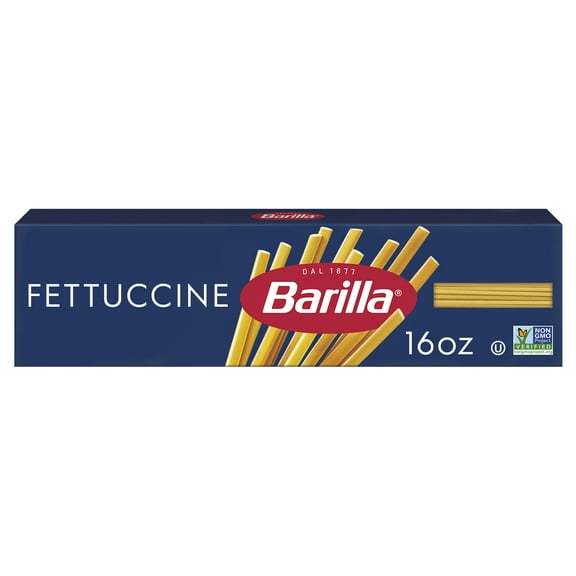



About How Much Is Pasta? Dry Pasta Sizes & Options | Walmart - Walmart.com
Dry pasta gives you a pantry-ready base for quick dinners, baked dishes, and pasta salads. You can compare shapes, flour types, and package sizes to match the meals you make most.
You’ll also find options for everyday spaghetti nights, hearty casseroles, and gluten free pasta meals. You can keep your shelf stocked with staples that store well and cook when your schedule gets busy.
How to choose dry pasta for your meals
When you choose dry pasta, you’re really choosing how your sauce and texture will work together. You’ll get different results from long noodles, tubes, spirals, and small curved shapes.
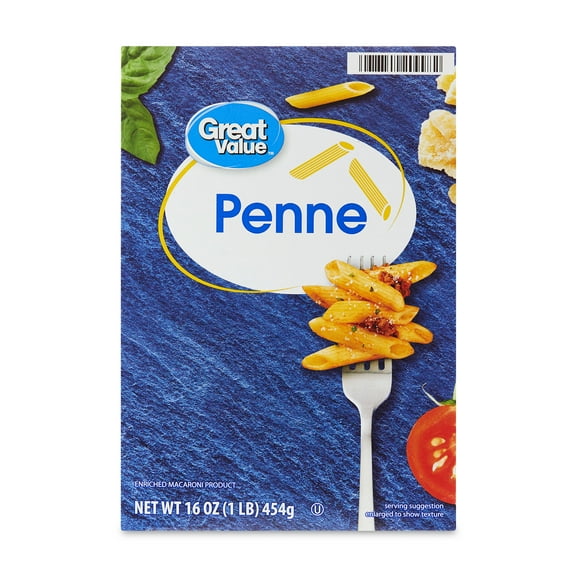
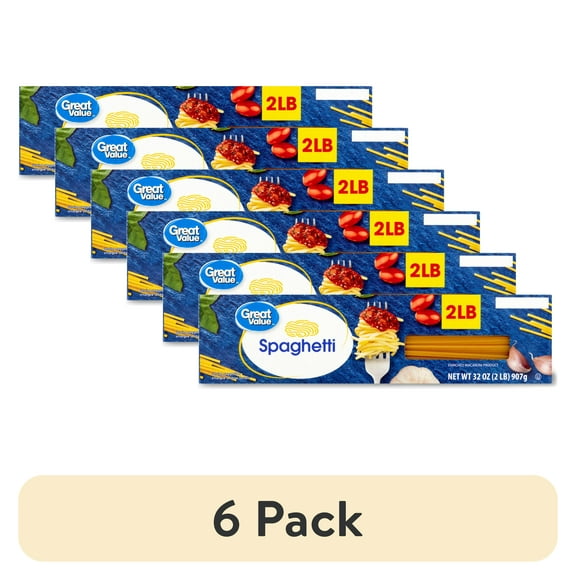
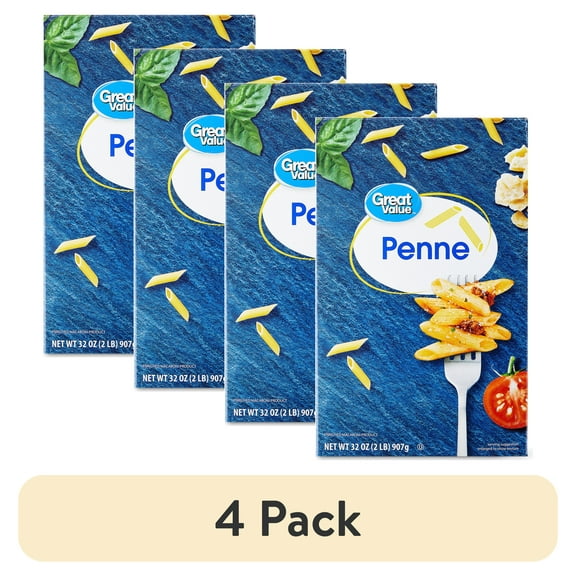
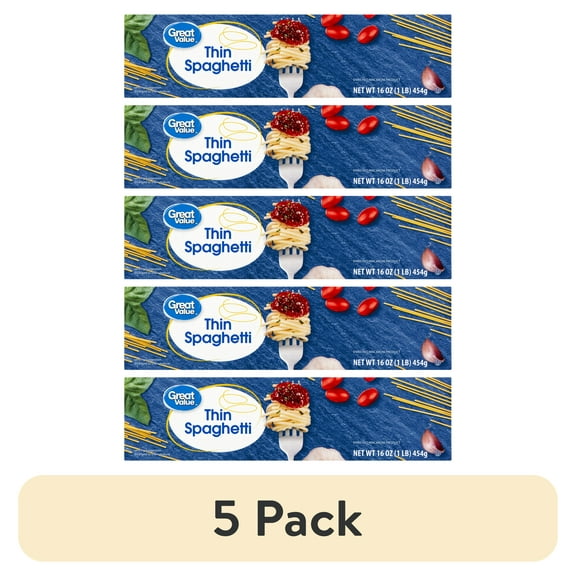
Spaghetti pasta works well when you want smooth strands for olive oil, butter, or tomato sauces. You’ll find penne pasta helpful when you want ridges and tubes that catch thicker sauces.
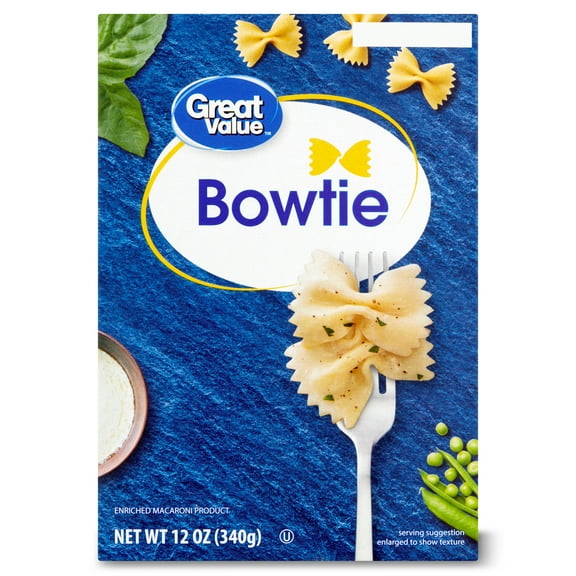
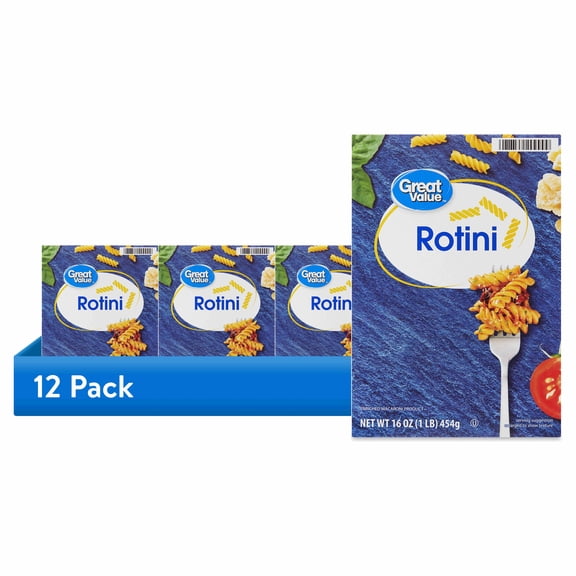
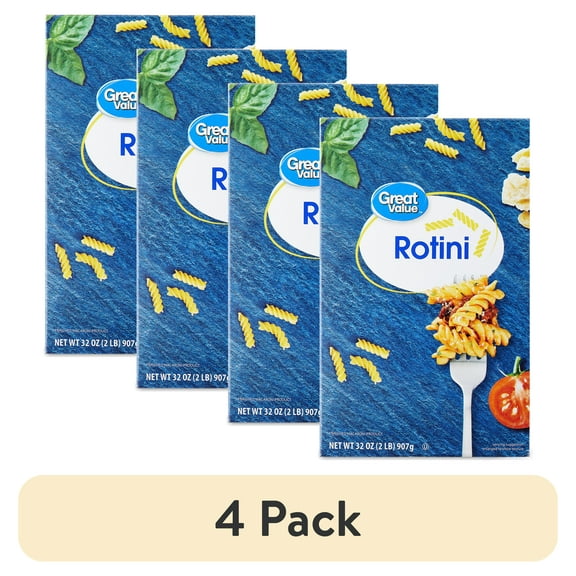
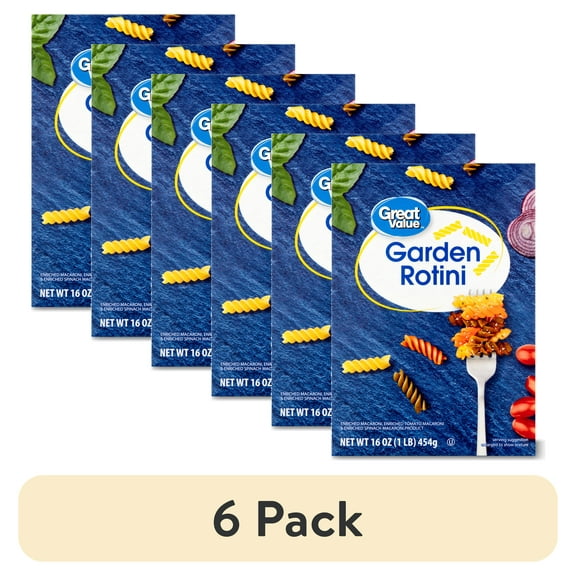
Fusilli gives you twists that hold pesto, vegetable pieces, and creamy dressings for cold pasta salad noodles. Farfalle gives you a firmer bite, so you can use it for pasta salads or lighter skillet meals.
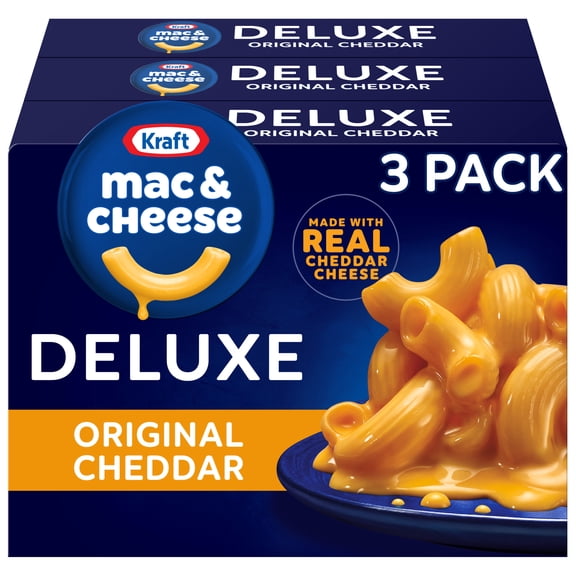
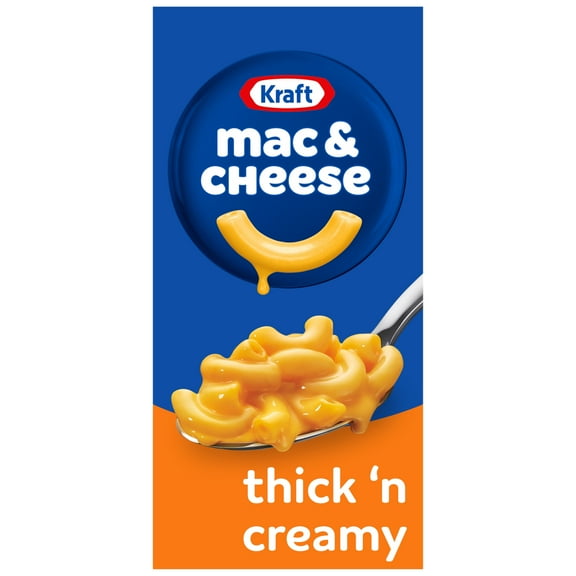
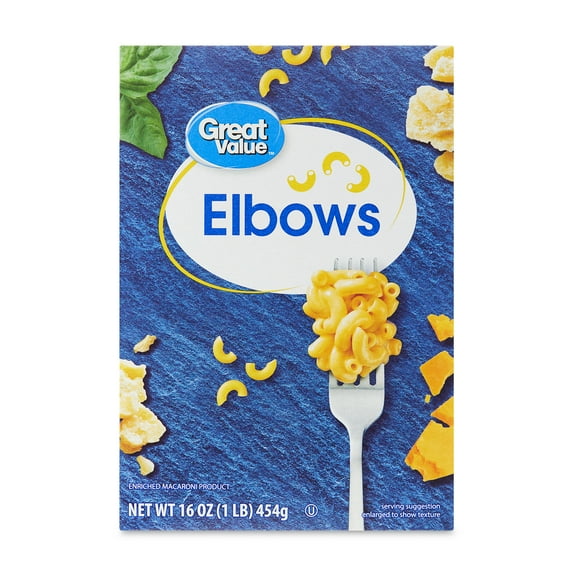
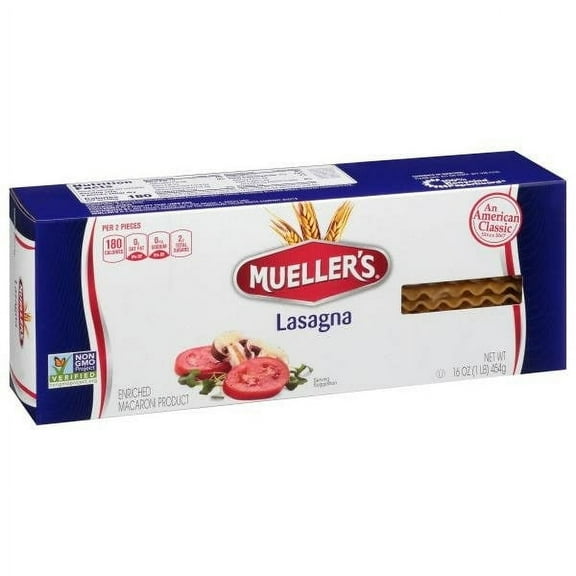
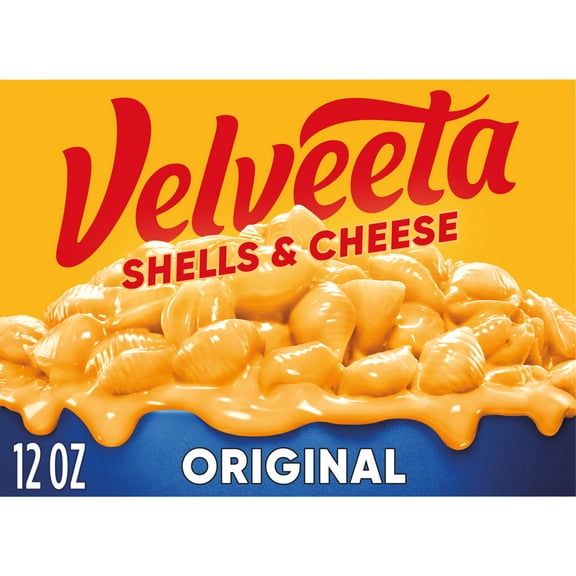
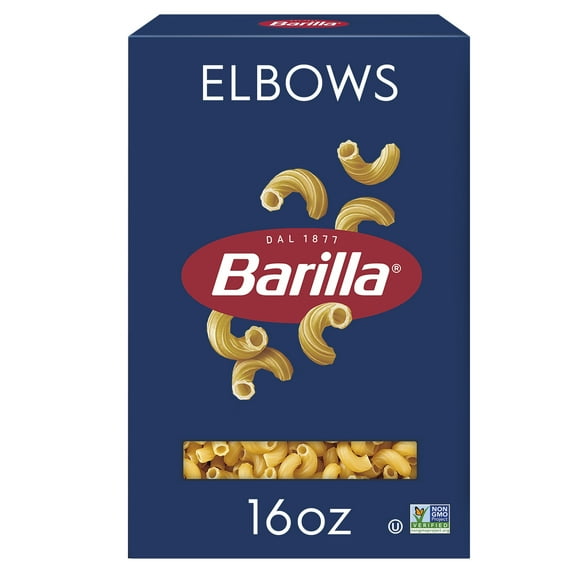
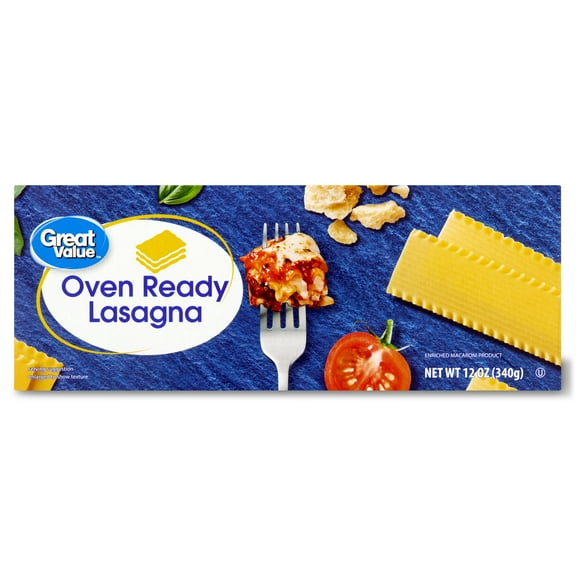
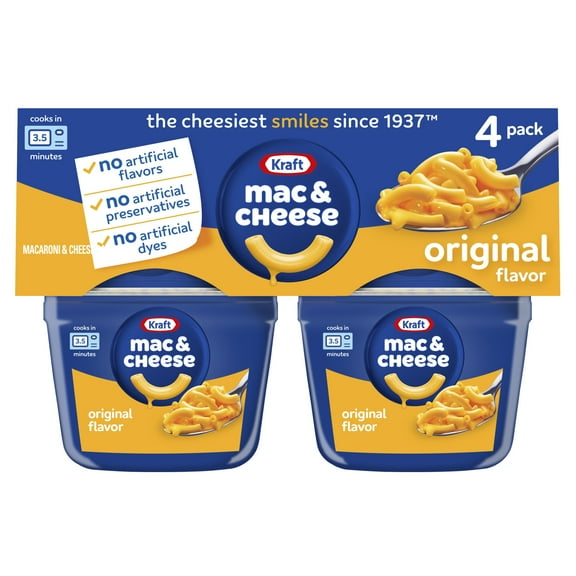
Macaroni and elbow macaroni help you make baked dishes, stovetop pasta meals, and familiar side dishes. Lasagna sheets help you build layered casseroles that need structure during baking.
- You can pair thin noodles with lighter sauces for a balanced bite.
- You can use ridged or twisted shapes when you want sauce to cling in every forkful.
- You can choose smaller shapes for soups, salads, and easy family-style dishes.
- You can pick sturdy sheets or tubes for baked meals that need shape retention.
Choosing between spaghetti pasta, penne pasta, and other shapes
If you cook quick weeknight meals, you may want shapes that boil fast and portion easily. You can reach for spaghetti, penne, or macaroni when you want familiar options for many recipes.
For chunky meat sauces or roasted vegetables, you should compare penne, fusilli, and farfalle first. You’ll notice these shapes hold bits of sauce and ingredients more evenly than smooth strands.
If you make pasta salad, you can compare fusilli, farfalle, and macaroni for easy mixing. You’ll get pieces that stay distinct after chilling and tossing with dressing.
When you plan baked pasta, you should look for shapes that keep their form in the oven. You can use penne, macaroni, or lasagna sheets for layered or cheese-topped dishes.
How to compare gluten free pasta and other dietary options
You may need dry pasta that matches your household’s ingredient preferences and meal goals. You can compare gluten free pasta, whole wheat, organic dry pasta, and high-protein varieties in one place.
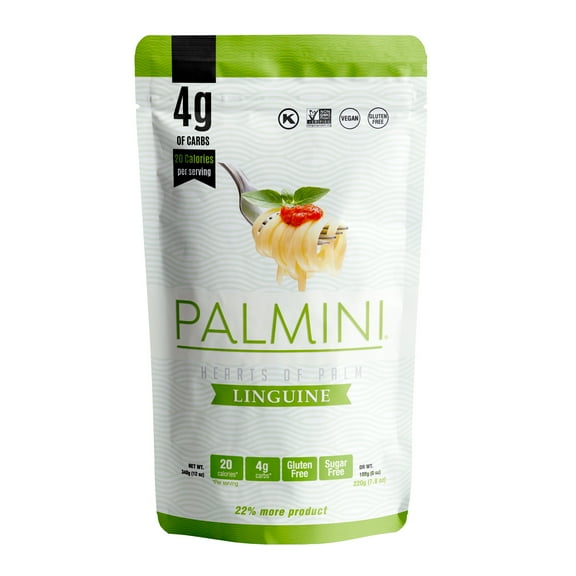
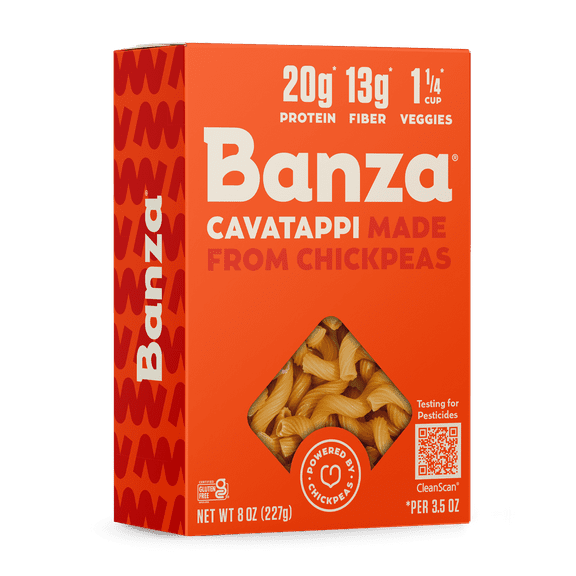
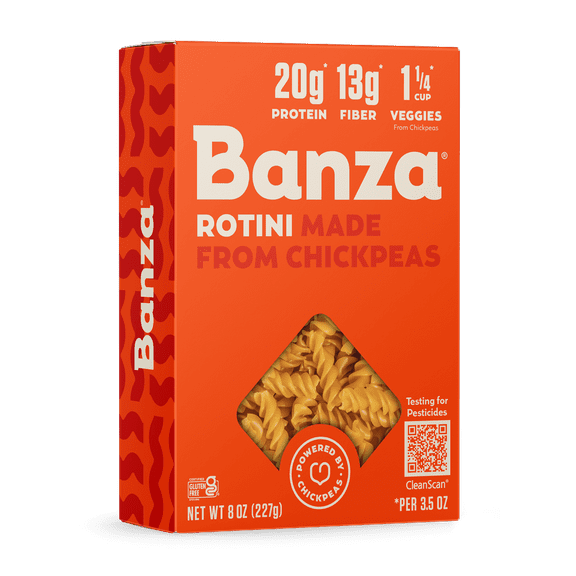
If you avoid wheat, you should check whether the pasta uses rice flour, chickpea, or lentil ingredients. You’ll often see these options labeled clearly, so you can compare them faster.
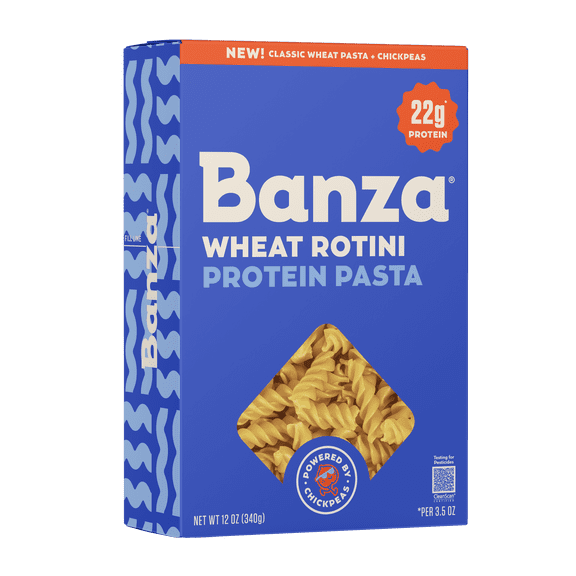
Whole wheat pasta gives you a heartier texture and a more robust bite in everyday meals. High-protein options often use chickpea or lentil flour, so you can serve a different texture and flavor.
Organic dry pasta may matter when you prefer that attribute in pantry staples and meal prep items. You can also compare ingredient lists and pasta shapes together instead of choosing only one factor.
For mixed households, you may want to keep both traditional semolina and gluten free pasta on hand. You can make separate dishes or match each pasta type to the sauce you’re serving.
What to look for in flour type, texture, and cooking time
Flour type changes how your pasta tastes, feels, and holds up during cooking. You should compare durum wheat semolina, chickpea, lentil, and rice flour before you choose a pantry staple.
Durum wheat semolina usually gives you the classic pasta texture many shoppers expect in spaghetti and penne. You’ll often notice a firm bite that works well for al dente cooking.
Chickpea and lentil pasta can feel denser and pair well with thicker sauces or vegetable-heavy meals. Rice flour pasta may feel lighter, so you should check package directions for texture guidance.
Cooking time matters when you need a quick dinner or a shape that holds in baked dishes. You can compare shorter-boil shapes for fast meals and sturdier cuts for casseroles and meal prep.
If you like al dente pasta, you should check timing closely during the last few minutes. You’ll get a firmer texture that works well in sauce tossing, baking, or chilled pasta salads.
Choosing package size and bulk pasta for your routine
Package size affects how easily you plan weeknight meals, family dinners, and pantry restocks. You can compare single pack, family size, and bulk pasta options based on how often you cook.
Single packs work well when you want variety across shapes and flour types without opening large quantities. You can keep several shapes on hand for different recipes and serving sizes.
Family size packs make sense when you cook pasta often for larger households or leftovers. Bulk pasta can help you stay prepared for repeated meal prep, party dishes, or pantry organization.
Shelf-stable packaging also helps you store dry goods for future meals with less day-to-day planning. You can stock spaghetti pasta, penne pasta, and macaroni for fast dinners whenever you need them.
When you compare package sizes, you should think about serving count, storage space, and recipe frequency. You’ll make a simpler choice when the package matches your cooking habits and cabinet space.
How dry pasta fits weeknight dinners, baked dishes, and pasta salads
You can use dry pasta across quick stovetop dinners, make-ahead lunches, and oven-baked meals. You’ll have flexible options for red sauce, cream sauce, pesto, or simple butter-based recipes.
On busy nights, you can boil spaghetti or penne and pair it with jarred sauce and grated cheese. You’ll get a familiar meal that comes together with pantry ingredients.
For cookouts or lunch prep, you can use fusilli, farfalle, or macaroni as cold pasta salad noodles. You’ll have shapes that toss easily with vegetables, dressing, and mix-ins.
When you want a hearty baked dinner, you can choose macaroni, penne, or lasagna sheets. You’ll get shapes that stay structured under sauce and cheese in the oven.
Dry pasta also helps you plan for different preferences in one pantry section. You can keep traditional, whole wheat, organic dry pasta, and gluten free pasta ready for different meals.
With the right shape, flour type, and package size, dry pasta becomes easier to match to your cooking routine. You’ll feel more confident choosing noodles that fit your sauces, schedule, and serving plans.