

Moving Bins Near Me & Commercial Dump Bins - Walmart

























About Moving Bins Near Me & Commercial Dump Bins - Walmart - Walmart.com
Dump bins help you create flexible, high-visibility merchandise displays for busy aisles, endcaps, and seasonal floors. You can compare material, mobility, shape, and tier options to match your layout and featured products.
How to choose dump bins for your floor plan
When you choose retail dump bins, you should start with your available floor space and product volume. You can measure your aisle width, display depth, and restocking needs before you compare bin styles.
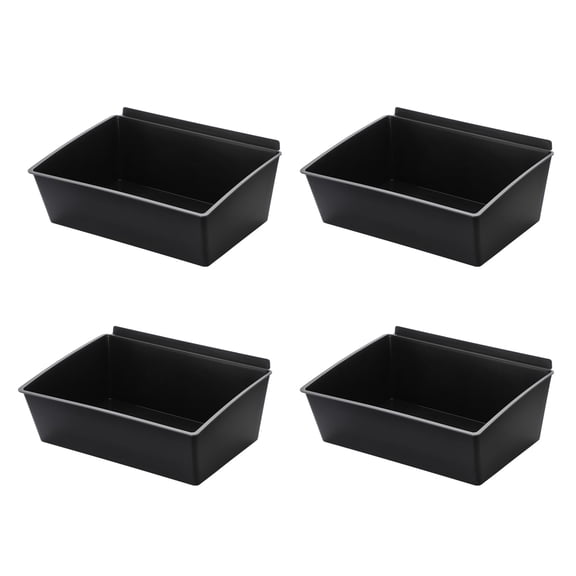
If you want quick product access, you may prefer store display bins with open tops and compact footprints. If you need larger promotional capacity, you can look for deeper bodies or multi-tier formats.
You can also use dump bins to keep impulse items visible without adding full shelving runs. You’ll often find they support fast floor resets during seasonal transitions and promotional changes.
Choosing material and load capacity
When you compare materials, you should match the bin body to your product weight and presentation style. You can use wire dump bins when you want airflow, visibility, and a clear view of changing inventory.
If you stock boxed goods or heavier packaged items, you should check steel grid thickness and stated load capacity. You’ll want thick wire and strong steel frames when your bin holds dense merchandise all day.
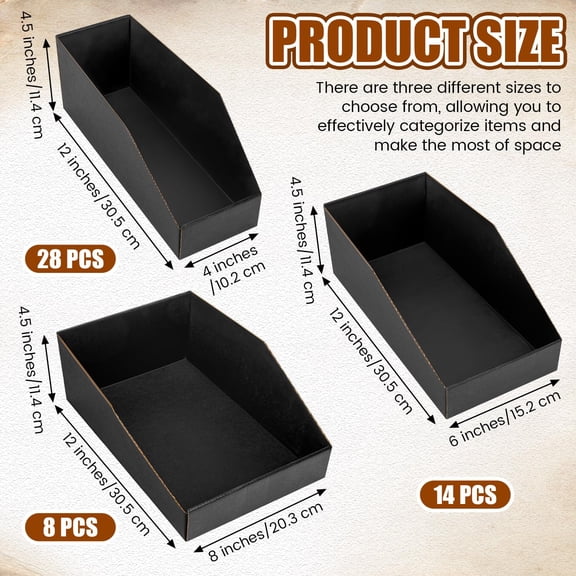
Cardboard dump bins can suit short-term displays, lighter products, and quick promotional rollouts. Metal dump bins can fit heavier retail environments where you need repeated setup and longer display cycles.
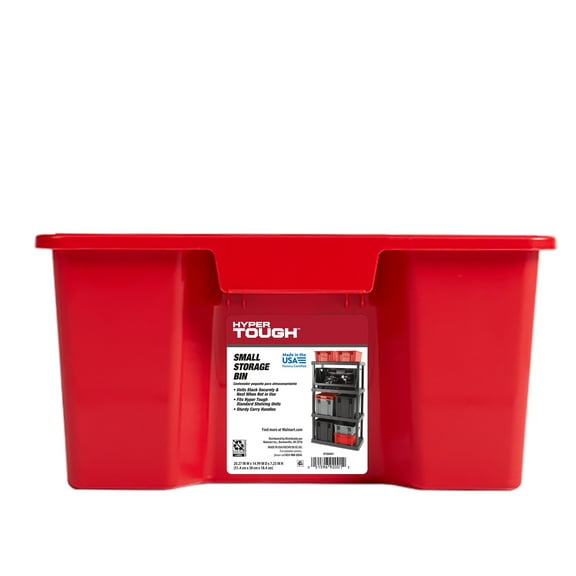
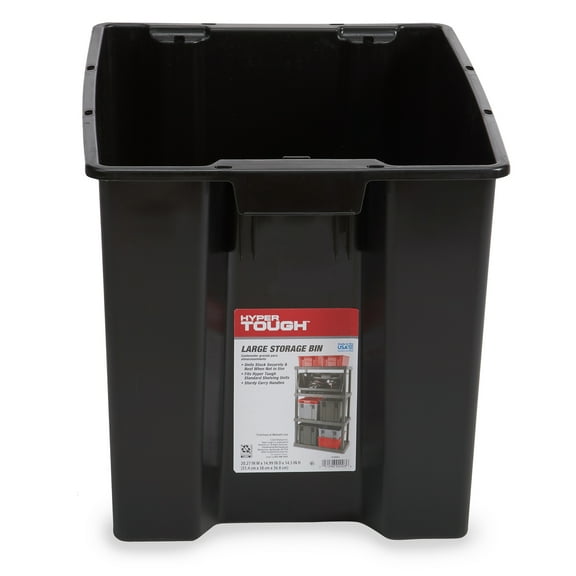
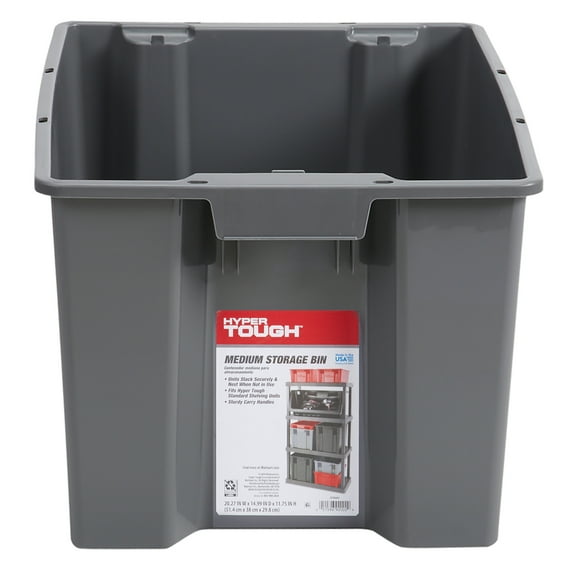
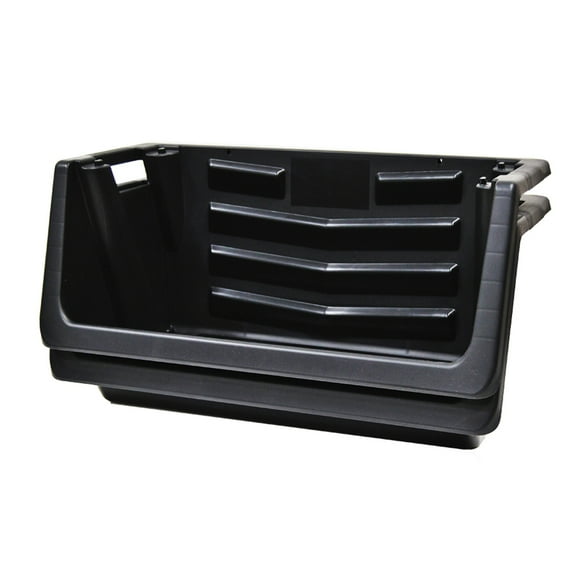
Plastic options can work well when you want smooth surfaces and easy wipe-down care. You should compare the rim strength, wall shape, and base support before placing higher-volume assortments.
- You can use wire designs for strong visibility and easy stock checks.
- You can choose cardboard styles for short-run promotions and lighter packaged items.
- You can select metal frames when your display needs added structure for heavier loads.
- You can compare plastic bodies when you want simple cleaning and flexible color coordination.
Choosing mobility, shape, and adjustable bottoms
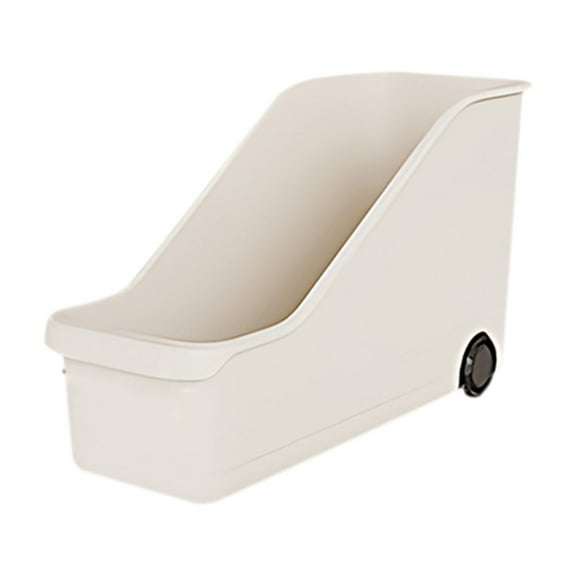
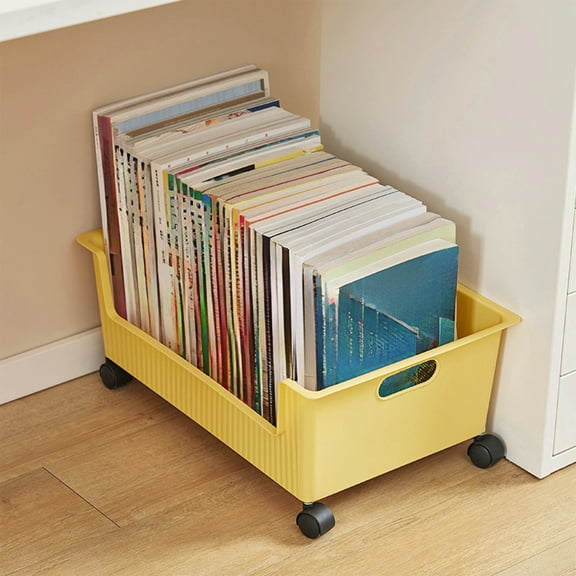
You should decide whether your display stays in one spot or moves with weekly floor changes. Mobile dump bins with wheels help you reposition merchandise for events, entrances, and changing traffic patterns.
If your layout stays fixed, you may prefer stationary feet for a planted feel and simple placement. Folding designs can help you manage backroom storage when you rotate displays between selling seasons.
Shape affects how your display fits the sales floor and how shoppers approach it. You can use round dump bins for smooth traffic flow, while square or rectangular bins fit tightly against fixtures.
Hexagonal shapes can add visual variety when you want a more distinct center-floor presentation. You should also compare opening width, overall depth, and footprint size before placing a large-volume bin.
Adjustable bottoms matter when you want products to stay visible as inventory sells down. You can raise the base over time, so smaller assortments stay within reach and look fuller on the floor.
Matching tier configuration to merchandise
You should choose tier configuration based on product mix, replenishment pace, and how much separation you need. Single tier bins can work well for one featured item, bulk promotions, or straightforward self-serve displays.
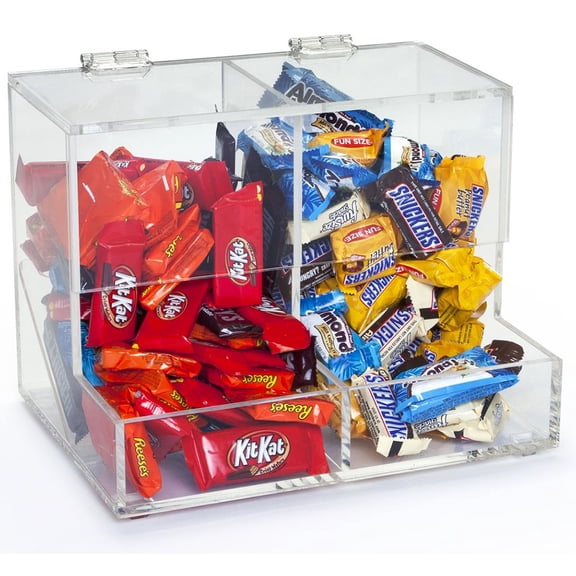
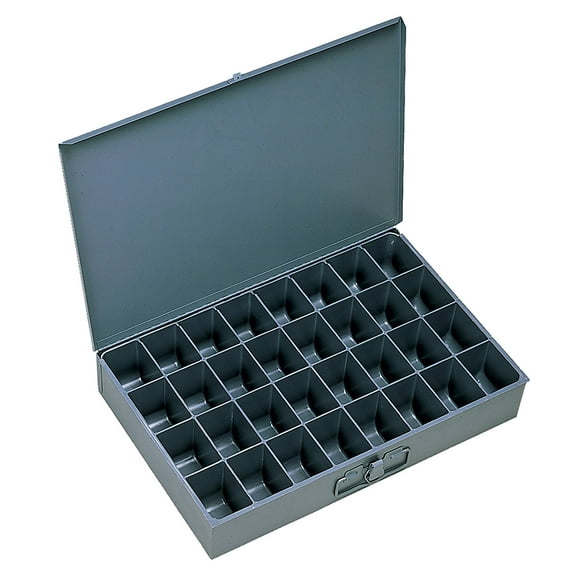
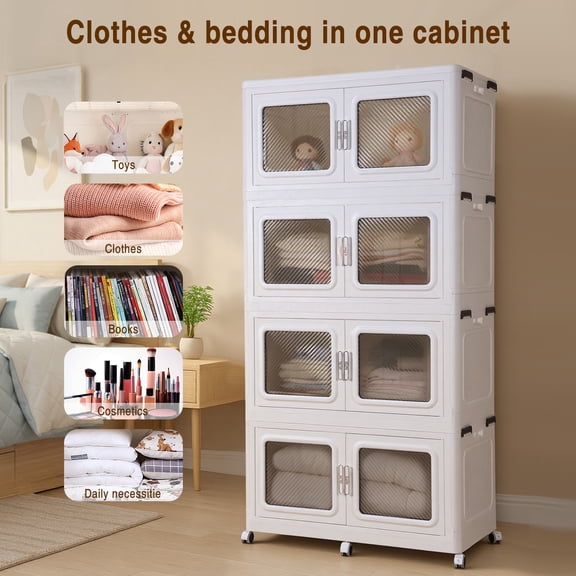
Multi-tier units can help you separate colors, flavors, sizes, or related impulse goods in one footprint. You may find they support organized merchandising when your assortment changes during the week.
If you restock often, you should check how easily your team can reach the base and refill the display. Adjustable bottom designs can reduce deep digging and keep smaller products closer to the top surface.
You can also compare wall height to the size of your merchandise and the shopper reach you want. Lower sides can improve visibility, while taller walls can hold more units in compact areas.
Using store display bins in real retail settings
You can place store display bins near checkout for grab-and-go accessories, snacks, or travel-size items. You may also use them at aisle intersections where open-top access supports quick product discovery.
For seasonal floors, you can use holiday retail bins to feature themed goods, giftables, or event supplies. Mobile frames help you reset those displays quickly when traffic patterns shift during peak periods.
If you run apparel or soft goods promotions, you can use wider bins for folded basics and clearance assortments. If you sell packaged hardware, toys, or beauty items, you should focus on load limits and bin depth.
You can pair retail dump bins with gridwall panels, retail shelving, or clothes racks for a comprehensive fixture strategy. You’ll create a clear path to featured merchandise while using open floor space efficiently.
When you compare dimensions, you should match the footprint to your traffic flow, pallet access, and replenishment routine. You can avoid oversized displays by measuring the selling area before you choose shape and capacity.
For fast-changing promotions, you may prefer folding or mobile options that support simple resets between campaigns. You’ll keep featured inventory visible, reachable, and easy to manage throughout the selling day.
With the right dump bins, you can support strong merchandise visibility, organized floor planning, and easy stock access. You’ll make informed fixture decisions when you compare material, mobility, shape, and bottom configuration together.