

Elastomeric Paint & Waterproof Coatings









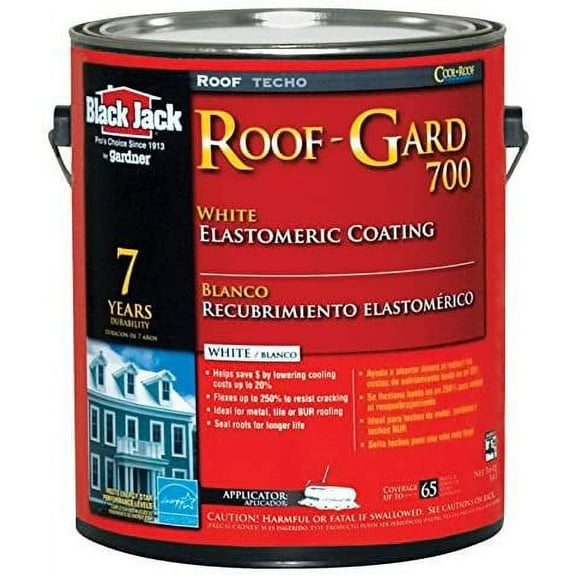

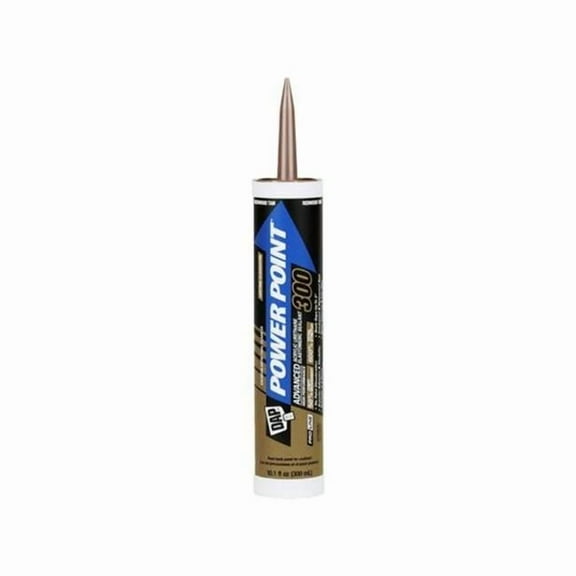
![DAP EXTREME STRETCH Acrylic Urethane Elastomeric Sealant: 10.1 fl oz. (Woodtone) [12-pack]](https://i5.walmartimages.com/seo/DAP-EXTREME-STRETCH-Acrylic-Urethane-Elastomeric-Sealant-10-1-fl-oz-Woodtone-12-pack_674304fc-3d0e-486d-935e-c488ee84acf3.5350db4661b411e8de5f7497dfb666fc.png?odnHeight=576&odnWidth=576&odnBg=FFFFFF)


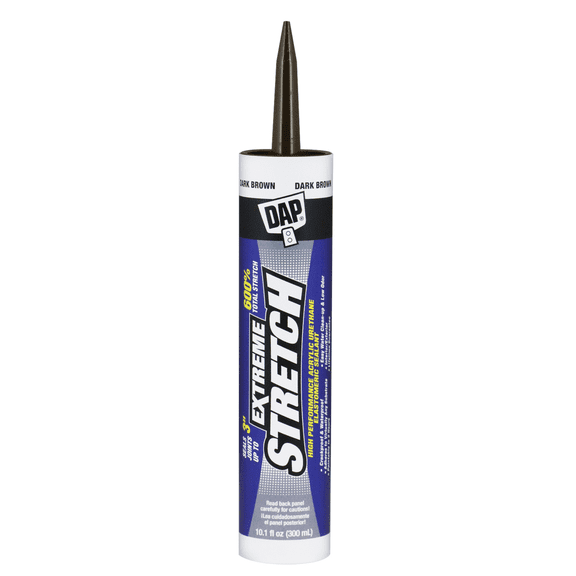
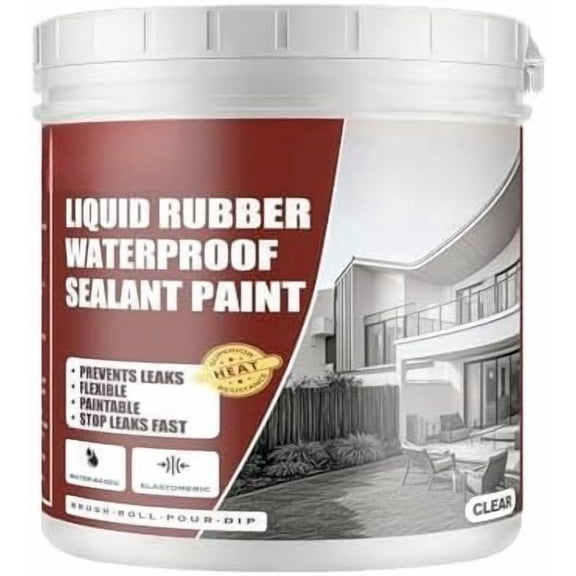


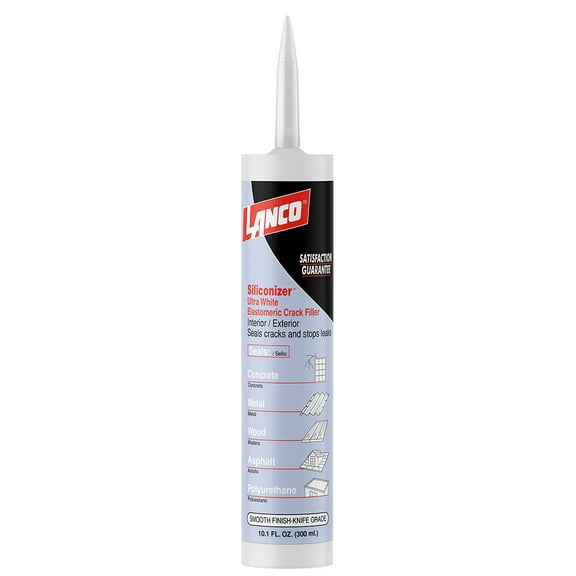



About Elastomeric Paint & Waterproof Coatings - Walmart.com
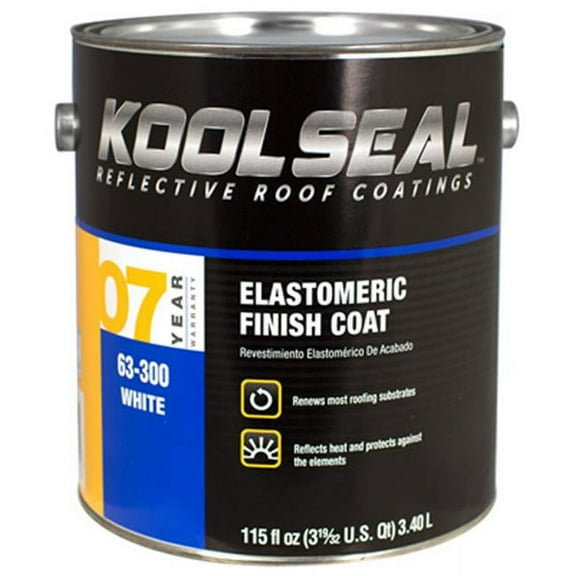
Elastomeric paint helps you cover exterior surfaces that expand, contract, and show small surface lines over time. You can use this category to compare coatings built for stucco, masonry, brick, and concrete.
If you're choosing for a repaint or first coat, you should look for stretch, surface fit, and application method. You'll also want a finish that matches your walls and your maintenance routine.
How to choose elastomeric paint for your surface
You should start with surface type because porosity changes how a coating lays down and holds up. You'll usually need different prep and coverage expectations for stucco, brick, masonry, and concrete.
On stucco, you may want elastomeric paint that fills textured areas and creates a more uniform look. On brick, you should check porosity because your surface can absorb coating differently across older walls.
With masonry and concrete, you should compare labels for exterior wall use and broad surface compatibility. You'll get a clearer match when your coating is intended for mineral-based exterior surfaces.
You may also compare these benefits before you choose a coating or companion sealant. You'll notice each point matters most on rough, weather-exposed walls.
- You can cover textured stucco with a thicker film that helps smooth visual irregularities.
- You can handle temperature shifts because elastic coatings move with exterior wall surfaces.
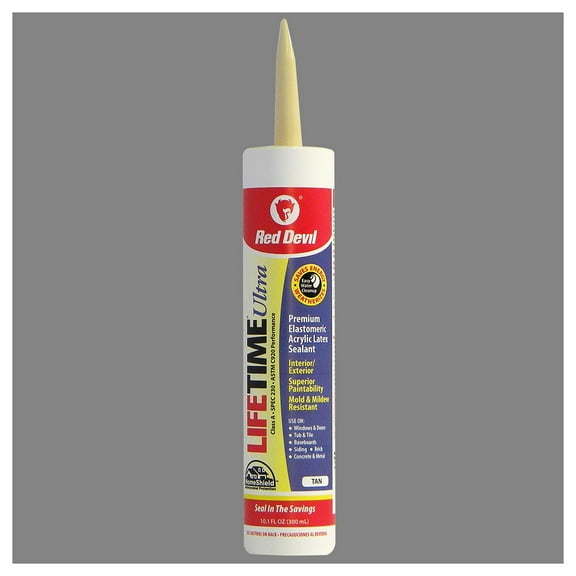
- You can pair wall coatings with elastomeric caulking around joints, trim lines, and gaps.
- You can create a more consistent finish across patched masonry and aged concrete areas.
Choosing stretch, finish, and elastomeric caulking
You should compare elasticity levels because your walls can expand in heat and contract in cooler weather. You'll often see standard stretch, extreme stretch, and elastomeric options across related coatings and sealants.
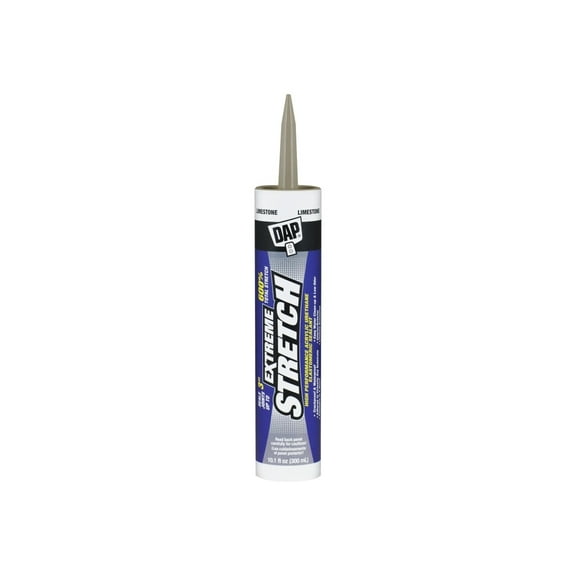
If you need support around trim or narrow joints, you may also compare elastomeric caulk and extreme stretch caulk. You'll want that flexibility where separate materials meet and shift through the seasons.
You should think about finish next because flat, satin, and semi-gloss change how your exterior looks. You'll usually choose flat for a softer appearance and satin or semi-gloss for easier wipe-downs.
When you compare finish types, you should also consider how much texture your wall already has. You'll often find flat looks calmer on rough stucco, while satin can highlight less textured areas.
You may wonder what is an elastomeric paint when labels look similar to exterior paint. You'll generally find elastomeric coatings form a thicker, more flexible layer for demanding masonry surfaces.
What to look for in application type
You should match your coating to the tools you plan to use before you begin. You'll commonly choose brush work for edges, roller application for broad walls, or an airless sprayer for larger areas.
With a roller, you should check nap recommendations so your coating reaches textured recesses. You'll often need a thicker nap on stucco and rough masonry than on smoother concrete walls.
If you prefer an airless sprayer, you should compare product guidance for tip size and PSI rating. You'll get more predictable flow when your sprayer setup matches the coating's thickness.
You should also plan for back-rolling after spraying when your surface has deep texture. You'll improve coverage consistency by pushing coating into pits, grooves, and uneven spots.
For detail work, you may keep a brush ready around trim, vents, and repair lines. You'll get cleaner transitions where rollers or sprayers can't reach precisely.
Using elastomeric paint in real exterior projects
You might choose elastomeric paint for a stucco home that faces sun, wind, and changing temperatures. You'll appreciate the flexible film when your exterior shows minor surface movement over time.
On painted brick, you should focus on adhesion guidance, finish choice, and texture retention. You'll want a coating that respects the wall's uneven absorption and visible mortar lines.
If you're refreshing concrete block walls, you should compare coverage expectations and application method carefully. You'll often need to account for rough pores that use more coating than smoother surfaces.
You can also use this category when you're planning related exterior touchups around windows and trim. You'll find elastomeric caulking helpful when your project includes joints that need a paintable, flexible seal.
If you're trying to decide where to buy elastomeric paint, you likely want clear options and convenient fulfillment. You'll be able to compare sizes, finishes, and compatible tools in one place at Walmart.
You may also be estimating how much is elastomeric paint before starting a larger exterior job. You'll get farther by comparing container size, surface texture, and expected coverage instead of looking at one number alone.
When you need a coating for masonry surfaces, you should compare surface fit, stretch, finish, and tool compatibility together. You'll make a more confident choice and get coverage that fits your exterior project.