

Electrical in Home Improvement


























About Electrical in Home Improvement - Walmart.com
Light bulbs help you brighten every room with the right fit, color, and control. You can compare bulb types, bases, lumens, and smart features for fixtures throughout your home.
How to choose light bulbs for your space
You can make a straightforward choice when you start with the fixture, not the bulb technology. You should check the socket shape, bulb size, and intended room use before comparing other details.
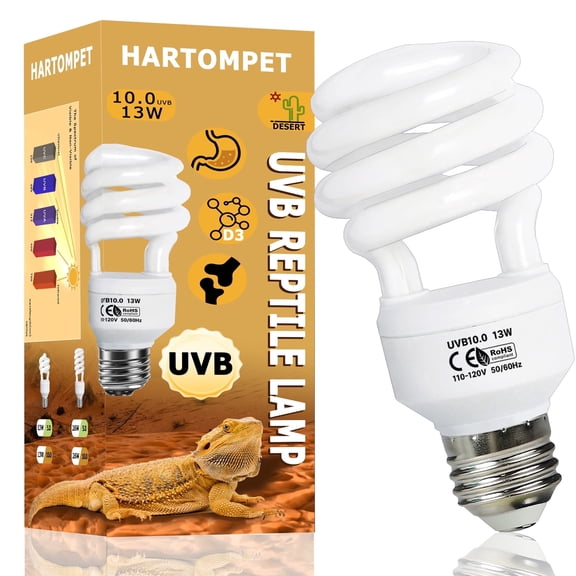
Your first decision is often bulb type, because each option supports a different setup. You can choose LED light bulbs for everyday efficiency, halogen bulbs for crisp light, incandescent bulbs for familiar warmth, or CFL bulbs for select fixtures.
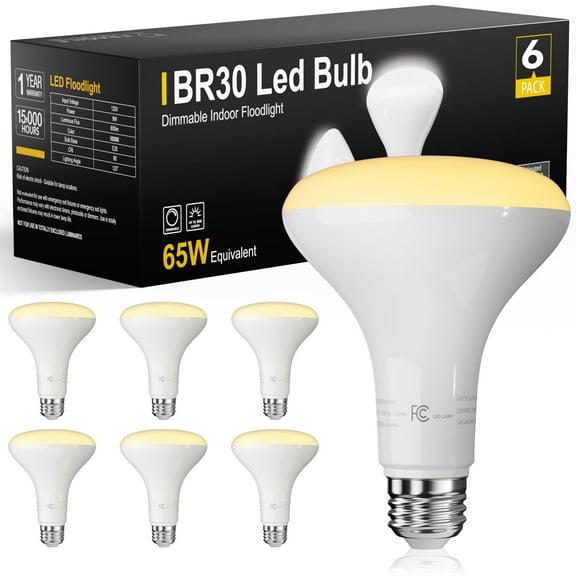
You can also narrow your options by fixture style and room purpose. Your dining room chandelier may need candelabra light bulbs, while your recessed ceiling can may need flood light bulbs.
Choosing the right LED light bulbs and everyday benefits
You may notice LED light bulbs fit many common household needs, from bedrooms to kitchens. You can often use them for longer-running fixtures where consistent brightness and lower wattage matter.
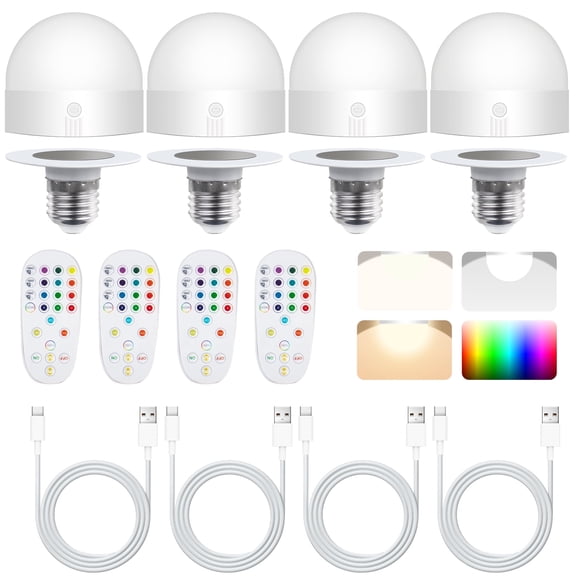
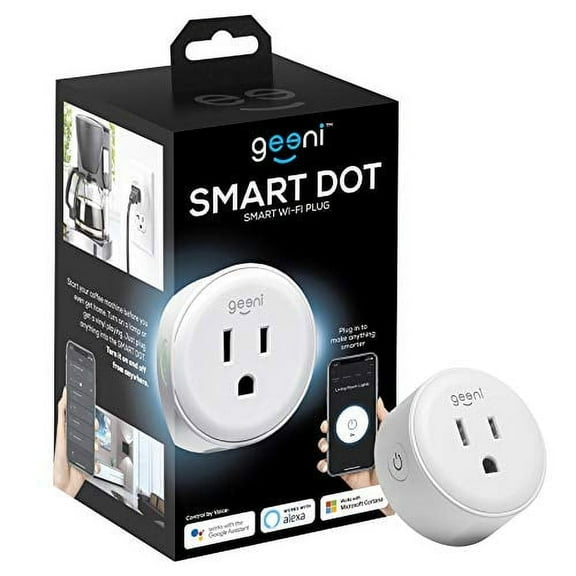
Your connected spaces may call for smart light bulbs with app or voice control. You can adjust schedules, dim settings, and color on compatible models without changing your wall setup.
You may want different benefits from specialty bulbs in different rooms. Your appliance light bulbs can fit ovens or refrigerators, while your decorative fixtures may need smaller shapes and narrower bases.
- You can match bulb type to fixture use, including general, decorative, flood, and appliance lighting.
- You can choose dimmable light bulbs for lamps or dining spaces with adjustable brightness.
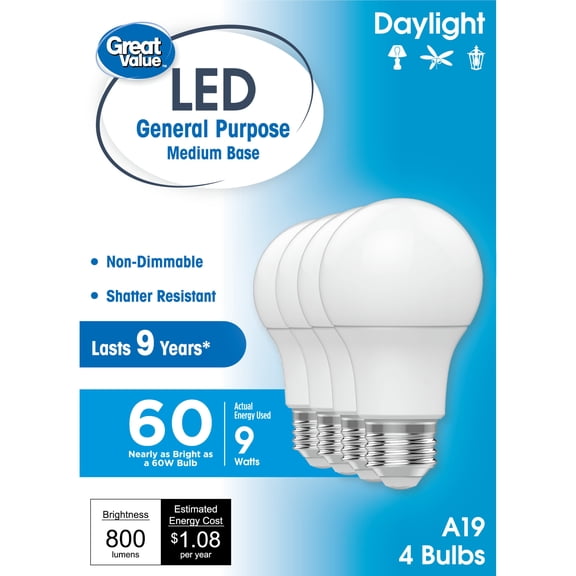
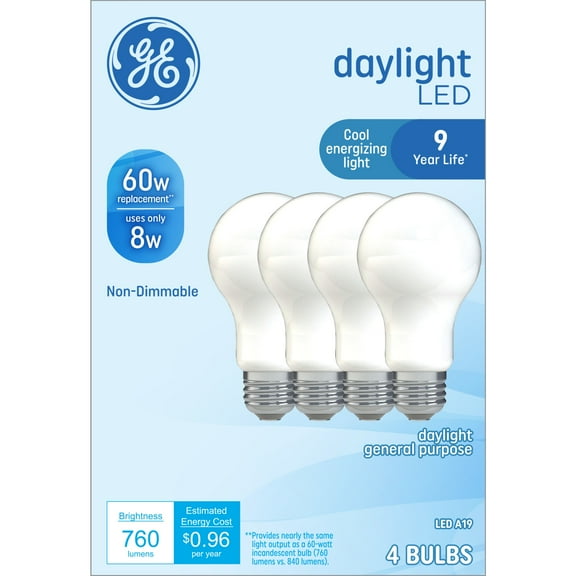
- You can select daylight LED bulbs for task areas where clearer, cooler light helps you see details.
- You can use smart light bulbs when your routine benefits from timers, remote control, or grouped rooms.
Understanding bases, lumens, and color temperature
You should confirm base type before anything else, because the wrong socket fit stops your project. Your table lamps and ceiling fixtures often use medium E26 bases, while chandeliers often use candelabra E12 bases.
You may also see mogul E39 bases or bi-pin designs in specialty applications. You should compare the existing bulb base carefully, because base style is separate from bulb shape.
Your next decision is brightness, and lumens tell you how much light you can get. You can use 450 lumens for smaller lamps, 800 lumens for many everyday fixtures, 1100 lumens for brighter rooms, and 1600 lumens for larger spaces.
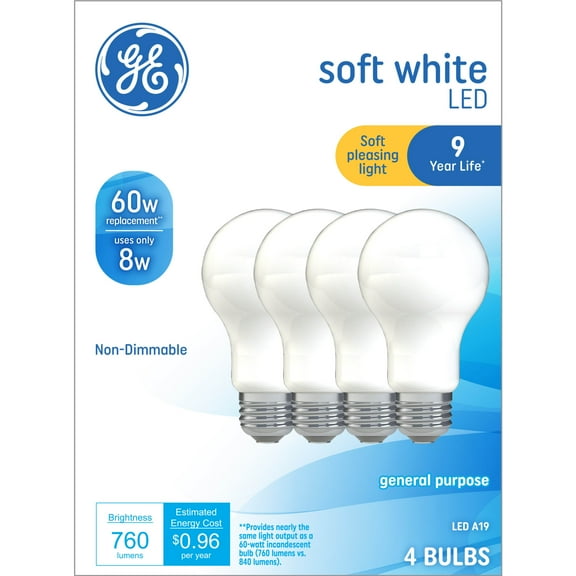
You may still shop by familiar watt equivalents, especially when replacing older bulbs. Your search for 60 watt LED bulbs usually points you toward about 800 lumens with lower energy draw.
You should also compare color temperature, because light tone changes how your room feels. Your soft white 2700K bulbs create a cozy yellow glow, while daylight 5000K bulbs look cooler and brighter.
You can use warm white 3000K in living spaces when you want a balanced look. Your cool white 4000K bulbs can suit work areas, laundry rooms, and garages where a cleaner tone helps.
Matching smart light bulbs and specialty bulbs to real rooms
You can simplify kitchen and bath updates by choosing the correct base and higher lumens first. Your overhead fixtures often need E26 bulbs around 800 to 1100 lumens for broad, practical light.
You may prefer daylight LED bulbs in home offices, craft tables, or reading corners. Your tasks can feel comfortable to manage when color appears clearer under a cooler light tone.
Your chandeliers, sconces, and decorative pendants often need candelabra light bulbs with an E12 base. You should check bulb shape and length, because narrow shades may limit what fits.
You can use flood light bulbs in recessed cans, track lighting, or outdoor-facing fixtures. Your setup may need wider beam coverage to wash a wall, highlight decor, or brighten an entry area.
You may want dimmable light bulbs in bedrooms, dining rooms, or media spaces. Your fixture and dimmer should be compatible, so you can get smooth light control without guesswork.
Your household may also include refrigerators, ovens, or other specialty fixtures with specific bulb requirements. You should match the base, shape, and intended appliance use before replacing those bulbs.
You can compare standard bulbs and smart light bulbs based on how you actually use each room. Your hallway may only need a simple wall-switch bulb, while your living room may benefit from app-based schedules.
What to look for before you finish your choice
You should measure the fixture opening, check the base, and confirm the brightness you want. Your final choice gets easier when you compare lumens, bulb type, and color temperature together.
Your home lighting works harder when each bulb matches the fixture and the room’s purpose. You can expect a cleaner, more useful result when you choose light bulbs with the right fit from the start.