


Electronic Pets in Electronics for Kids










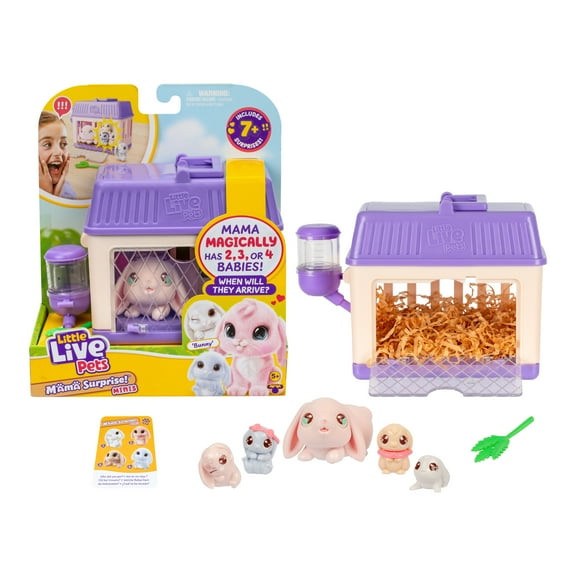
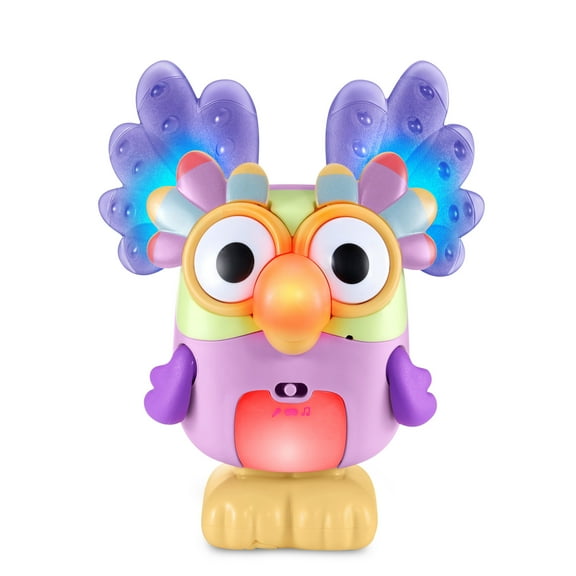

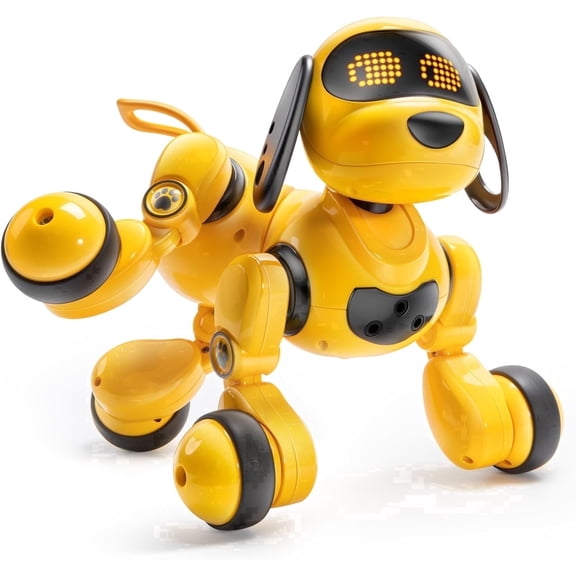


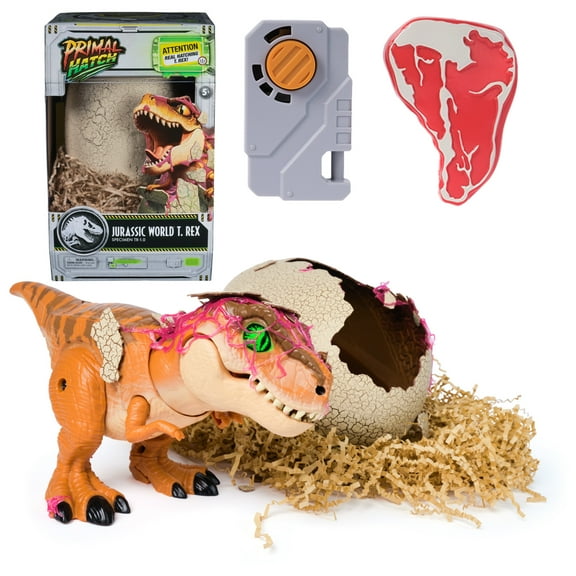
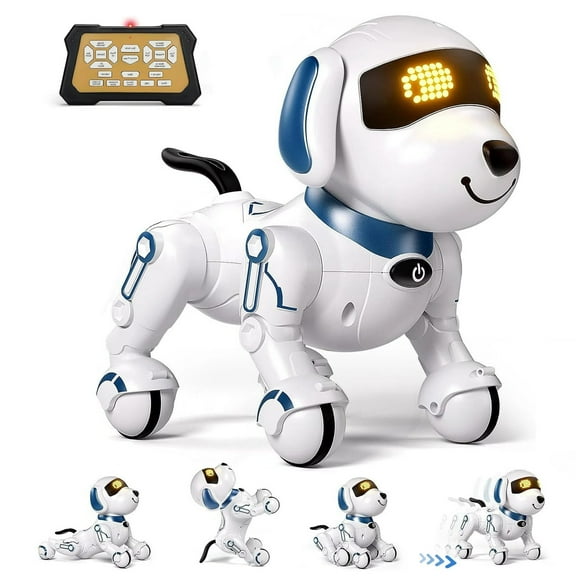


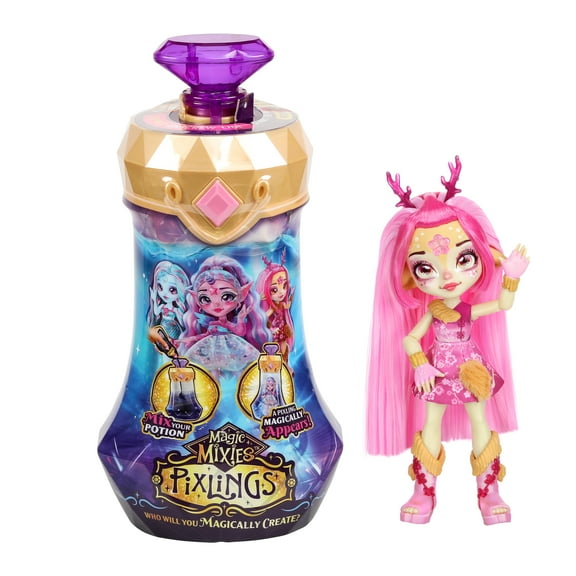
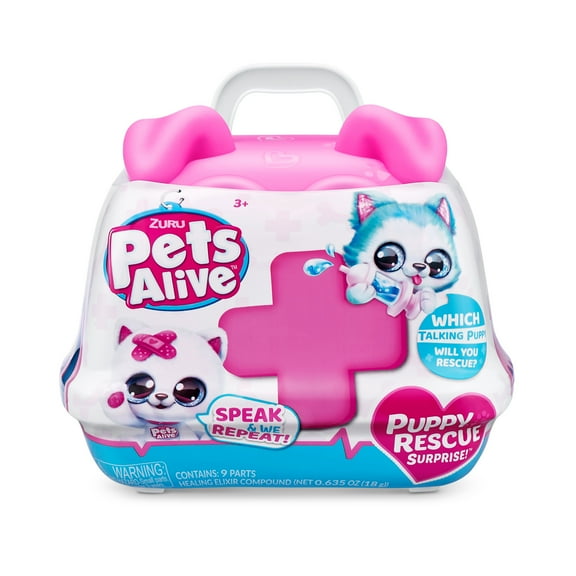
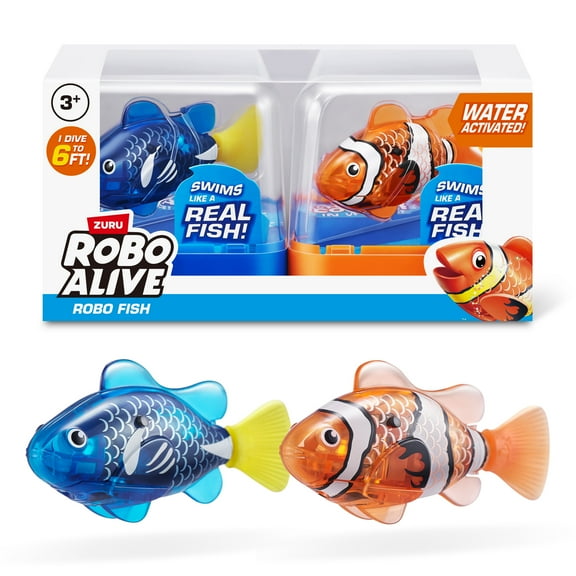
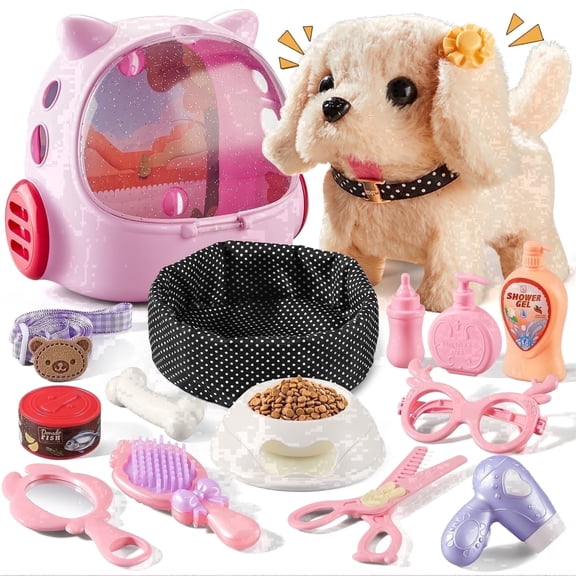
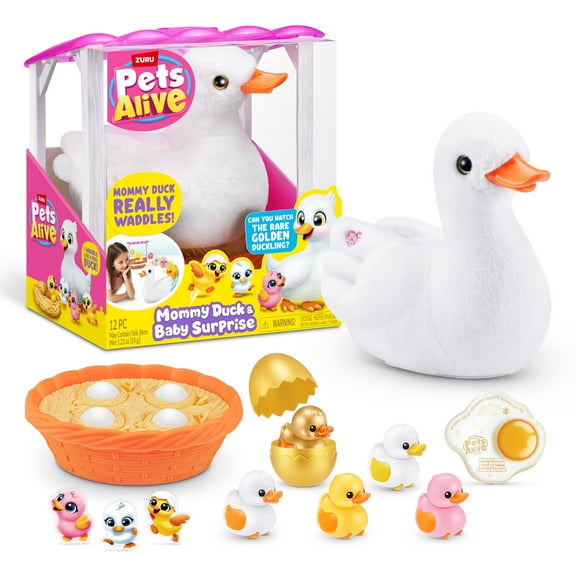
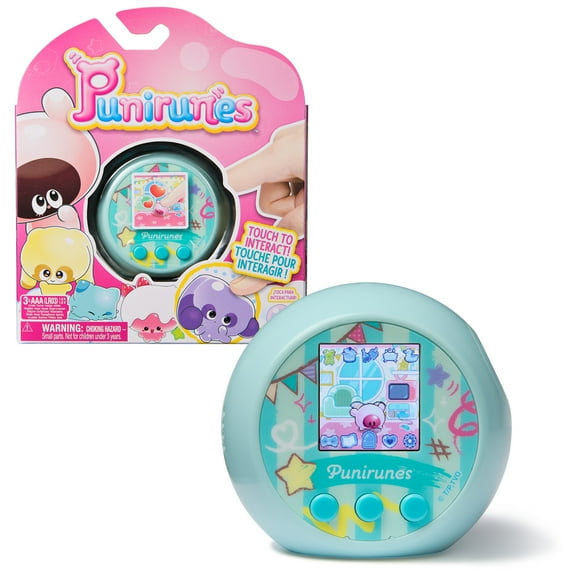
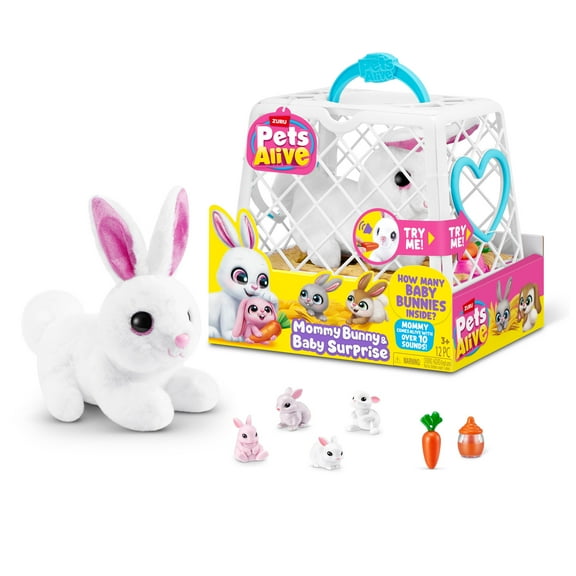
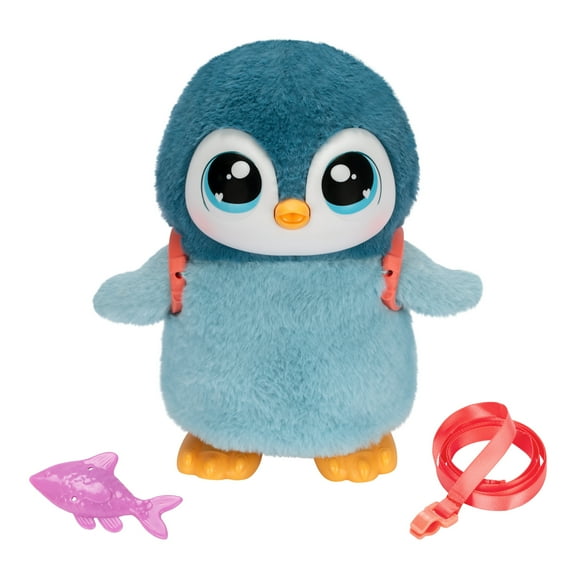
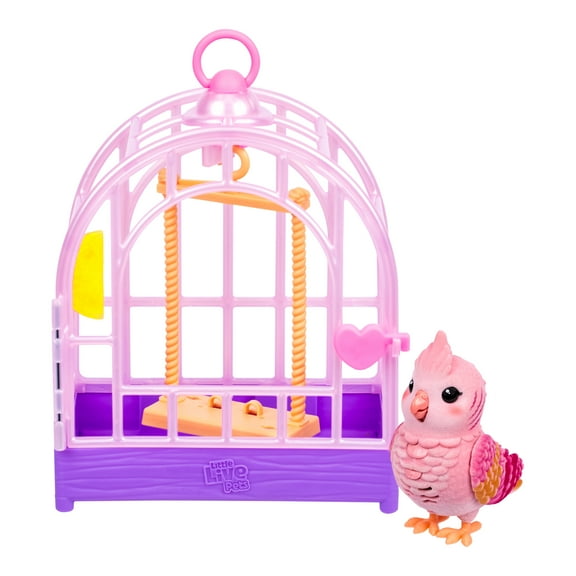
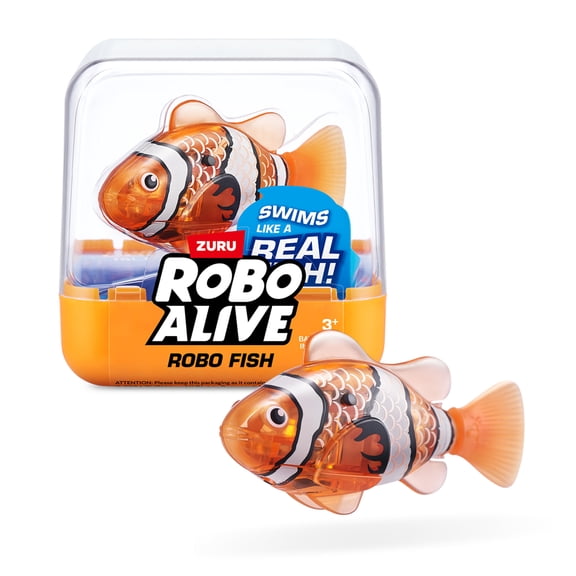
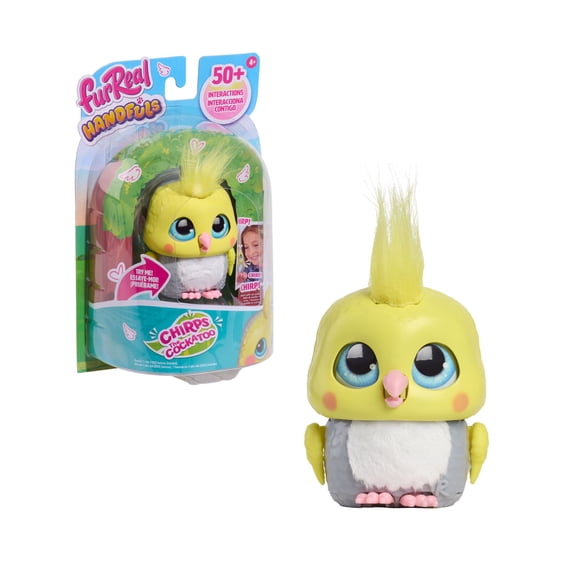








About Electronic Pets in Electronics for Kids - Walmart.com
You can compare toys more easily when you start with age, play style, and materials. You’ll also find options that fit everyday play, gift giving, and family activities.
How to choose toys for different ages
You’ll want toys that match how your child plays, grips, builds, and imagines right now. Your age choice shapes challenge level, parts size, and how long play stays interesting.
For toddlers, you may look for chunky shapes, simple sounds, and easy-to-hold pieces. For kids 5-7, you can consider beginner games, dolls, and action figures with clear play patterns.
As your child grows, you may compare toys for kids that offer longer stories, rules, and collecting appeal. Tweens and teens often want puzzles, board games, and creative activities with more strategy.
Key decisions for kids toys and everyday play
You can narrow kids toys faster by focusing on how your child likes to play. Your choice may center on pretend play, group games, collecting, building, or calming sensory activities.
- You can use action figures and dolls for storytelling, role play, and character collections.
- You may choose board games and puzzles when your family wants shared play and repeat use.
- You can pick plush toys for comfort-focused play and softer textures during quiet time.
- You might select learning toys that connect play with counting, matching, letters, or simple problem solving.
You’ll often get more play value when one toy supports solo play and family play. Your child may return to it longer when it offers different ways to use it.
When you compare fun toys, look for replay potential instead of one fixed activity. You can keep interest going with sets that encourage stories, challenges, or open-ended building.
What to look for in materials and construction
You should check materials because texture, cleanup, and durability affect daily use. Your options may include plastic, wooden, plush, and silicone designs across many toy types.
Plastic toys can work well when you want bright colors, molded details, and easy wipe-down care. Wooden toys may appeal when you prefer sturdy shapes and a more classic look.
Plush toys give you soft textures that suit cuddling, room decor, and gentle pretend play. Silicone pieces can feel flexible and easy to grip during sensory play or bath activities.
You’ll also want to check piece size, surface finish, and attachment details before choosing. Your decision matters most when younger children need simple handling and easy cleanup.
How learning toys fit different play goals
You can use learning toys to match the skills your child practices through play. Your focus may be STEM, sensory play, creative writing, or motor skills.
STEM options can include building sets, simple experiments, and logic puzzles that reward step-by-step thinking. You may like these when your child enjoys figuring out patterns and outcomes.
Sensory play toys often use texture, motion, or tactile pieces to keep hands busy. You might choose these when your child likes squeezing, sorting, or exploring different surfaces.
Creative writing toys and story starters can support journals, cards, prompts, and imaginative scenes. You can pair them with dolls, action figures, or plush characters for longer story play.
Motor skills choices often include stacking, linking, threading, and shape matching activities. You’ll notice these options work well when your child learns through touch and movement.
Compare features before you choose toys for kids
You should check battery needs and assembly before you decide on toys for kids. Your setup time, storage space, and replacement battery preference can affect day-to-day convenience.
Some new toys arrive ready to use, while others need a few quick assembly steps. You can avoid surprises by checking whether pieces snap together or need tools.
Battery-powered options may add lights, sounds, or motion that change how your child interacts. You may prefer manual play when you want quieter routines and simpler storage.
You can also compare toy size, piece count, and storage needs before buying. Your home setup may favor compact games, fold-flat boxes, or bins that keep parts together.
Use cases for holidays, gifts, and everyday routines
You can choose holiday toys by matching the moment, not just the trend. Your gift may feel more useful when it fits the child’s age, favorite characters, and play habits.
For birthdays, you might pick dolls, action figures, or plush toys that feel personal right away. For family gatherings, you may lean toward board games and puzzles everyone can join.
During school breaks, you can use toys that mix movement, quiet time, and creative play. Your routine may work better with a blend of sensory play, writing prompts, and group activities.
If you’re building a toy store wishlist, you can group choices by age and room type. Your list may include travel-friendly games, bedtime plush picks, and table activities for rainy days.
You can feel confident when your toy choice matches age, materials, play style, and setup needs. Your planning leads to toys that stay engaging longer and fit smoothly into everyday life.