

Emergency Prep
Emergency Missions




Emergency prep
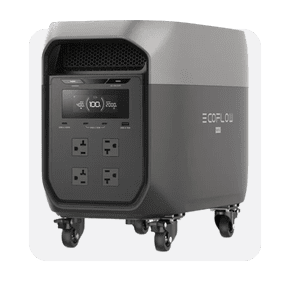

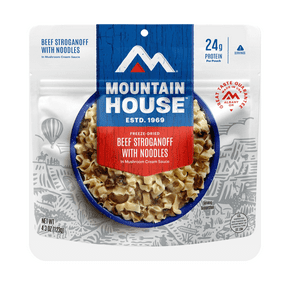
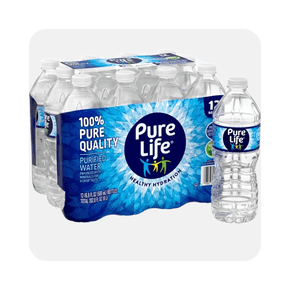

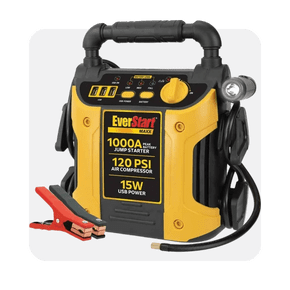
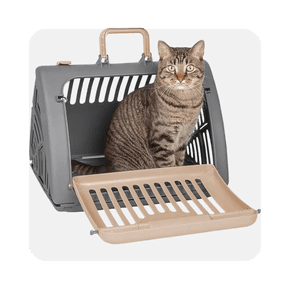

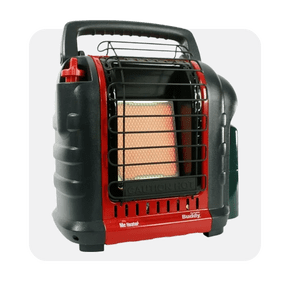


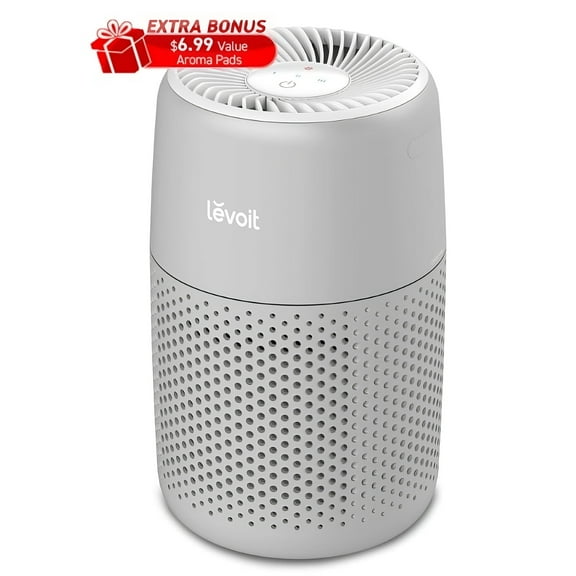










Emergency Prep brands






FAQ
About Emergency Prep - Walmart.com
Emergency prep helps you organize food, water, power, and shelter before storms, outages, and travel delays interrupt your routine. You can use this category to compare the core supplies that support a practical 72-hour plan.
If you're building a first kit or updating older items, you can focus on shelf life, kit size, and power options. You can also compare water purification formats that fit home storage, vehicles, or grab-and-go setups.
Choosing emergency prep for your household
You can start with the four pillars that shape most emergency plans: food and water, first aid, power and lighting, and shelter and warmth. You should choose each pillar based on how many people you support and how long you want supplies to last.
When you compare categories this way, you can avoid gaps like having flashlights but no backup batteries. You can also match supplies to weather events, power outages, and temporary evacuations without overcomplicating your checklist.
- You can build around food and water for short disruptions or longer home storage.
- You can add first aid items that fit your family size and everyday routines.
- You can compare power and lighting options by charging method and runtime.
- You can include shelter and warmth supplies for colder spaces and overnight needs.
You may also want emergency preparedness kits when you prefer a ready-made starting point. You can then add survival gear that covers your local climate, vehicle needs, or household size.
How to compare emergency preparedness kits
You should check kit capacity first, because a one-person kit won't cover a larger household. You can find options sized for one person, two people, four people, or a 72-hour family kit.
If you commute or keep supplies in a car, you may prefer a smaller kit with compact basics. If you prepare for several people at home, you may want larger packs with more meals, water storage, and lighting.
You should also compare shelf life before you decide how often you'll rotate supplies. You can choose items marked for five years, 10 years, or 25 years, depending on your storage plan.
A shorter shelf life may suit frequent use and regular replacement. A longer shelf life can help you keep a dedicated emergency food supply in storage bins, closets, or garage shelving.
How to evaluate power and lighting options
You can choose power sources based on where you'll use them and how often outages happen. You may compare solar, hand-crank, battery-powered, and dual-fuel options for different backup situations.
Solar gear can work well when you want recharging without wall power during daylight hours. Hand-crank items can help when you want light or radio access without relying on stored batteries.
Battery-powered gear can be easy to stage in drawers, cars, and bedroom closets. Dual-fuel equipment can give you added flexibility when you want backup power choices during longer disruptions.
You should also compare decision-critical specs like solar wattage and battery capacity in mAh. You can use those numbers to estimate charging support for phones, lanterns, and small essentials.
If you need lighting for a hallway or room, you may want simple battery or hand-crank tools. If you need broader outage support, you may look for larger backup power formats and fuel flexibility.
How to choose water purification and storage
You should plan water needs with both storage and treatment in mind. You can compare bottled reserves, refillable containers, and water purification tools that fit home use or mobile kits.
Gravity filters can work well when you want batch filtering for several people at once. Filtration straws can fit compact kits when you want lightweight carry options for travel or evacuation bags.
Purification tablets can be useful when you want a small backup that stores easily. You can keep them in glove boxes, backpacks, or supply totes alongside containers and first aid items.
You should also review micron rating and NSF certification when the manufacturer lists those details. You can use those technical markers to compare filtration performance in plain shopping terms.
If you want simple home backup, you may prefer stored water plus a gravity filter. If you want portable coverage, you may prefer a straw or tablets packed with survival gear.
Matching supplies to real emergency scenarios
You can build a storm closet with a long shelf life food plan, stored water, and battery lighting. You may add first aid basics and shelter items when you expect overnight outages or colder indoor temperatures.
For vehicle prep, you can focus on a one-person or two-person kit with compact food, water purification, and hand-crank lighting. You can keep the setup lighter while still covering delays, road closures, and charging needs.
If you're planning for a family, you may choose a four-person or 72-hour family kit as your base. You can then add extra water, comfort items, and power backups that match your household routine.
You might also refresh supplies during preptember when you review dates, battery status, and storage space. You can replace older items and fill missing categories before severe weather seasons shift your priorities.
When you compare emergency prep by duration, capacity, power source, and filtration type, you can create a clearer plan. You can feel more prepared with supplies that match your space, your household, and your timeline.