

EverStart
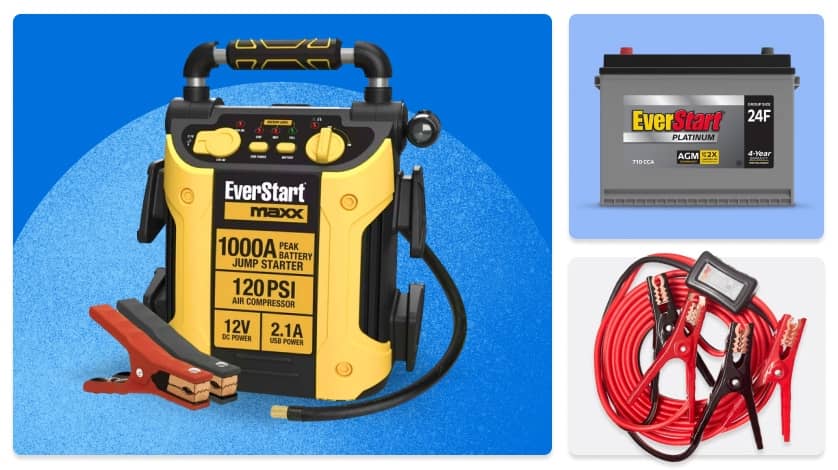
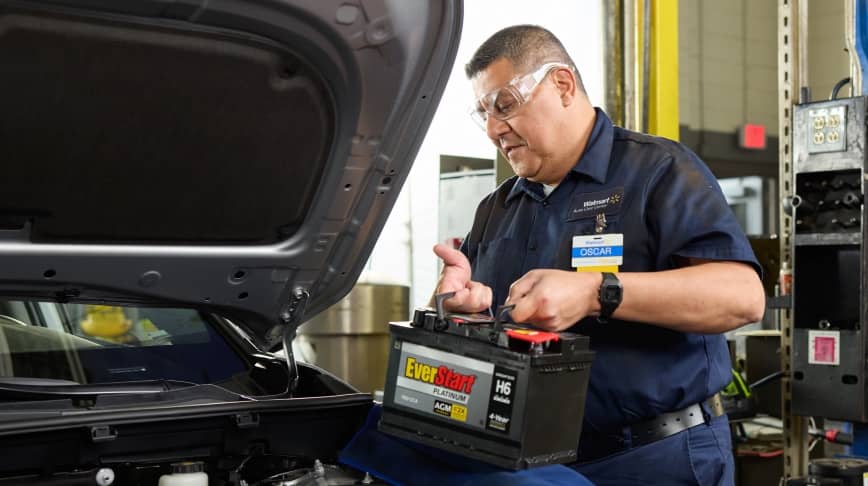
Batteries by vehicle




Batteries by type
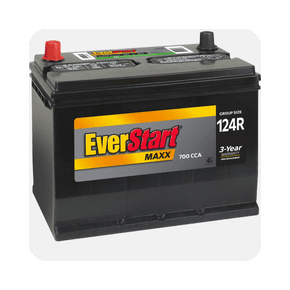
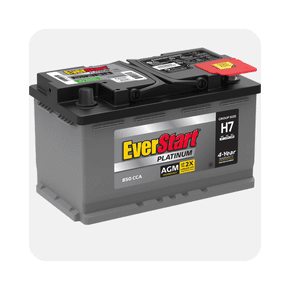
Power up with EverStart
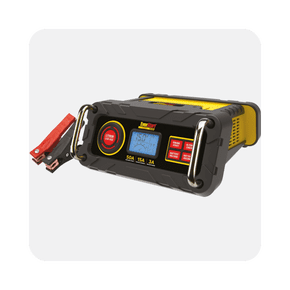
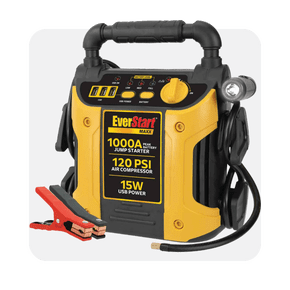
FAQ
About EverStart - Walmart.com
EverStart helps you choose the right battery and power accessories for your vehicle, with fitment details, product tiers, and warranty guidance at Walmart. You can compare car, marine, powersports, and lawn and garden options in one place.
If you're replacing a battery, you likely want quick fit checks and simple warranty details. You'll also want to understand product line differences before you choose.
How to choose an EverStart battery
You should start with your vehicle application, because fitment changes across car, truck, marine, powersports, and lawn and garden equipment. You can narrow your choice quickly when you confirm the intended use first.
Next, you should check group size and terminal position, because those details affect how your battery fits your tray and cable layout. You'll avoid guesswork when your replacement matches your vehicle requirements.
You should also compare CCA rating if you drive in cold weather or want strong starting power. You'll notice that higher CCA can support confident starts in demanding conditions.
- You can compare battery type by how you drive and maintain your vehicle.
- You can review product lines by warranty term and everyday usage needs.
- You can confirm group size, terminal position, and CCA before you choose.
- You can check service details, warranty lookup information, and core return steps.
Comparing EverStart battery types and product lines
You may see lead-acid, AGM, gel, and lithium options across battery-related needs and vehicle types. You should compare each format by maintenance style, power demands, and equipment compatibility.
If you want a common replacement path for many vehicles, you may start with lead-acid options. If you want spill-resistant construction and cycling support, you may look at AGM formats.
You may encounter gel or lithium choices for select applications where weight, vibration handling, or equipment demands matter. You should always confirm compatibility with your specific vehicle or equipment before choosing.
When you compare product lines, you can use Value, Plus, and Maxx as simple decision points. You may choose by balancing warranty term, expected usage, and starting performance needs.
If you use your vehicle for routine commuting, you may find a Value or Plus line fits your needs. If you want extended coverage or robust specs, you may compare Maxx options closely.
You should read the listed warranty term carefully, because one-year, two-year, and three-year coverage can change by line and application. You'll make a clear decision when you compare both fit and coverage together.
Understanding EverStart battery warranty and warranty check details
You may search for everstart battery warranty information when you're replacing a battery or checking coverage status. You can use the listed warranty details to understand what applies to your battery line and purchase history.
If you need an everstart battery warranty check, you should gather your purchase details and battery information first. You can often move quickly when your receipt, date, and battery label are easy to reference.
You may also look for everstart warranty or ever start support terms when confirming coverage. You should match the battery line, application, and timing, because those details shape the lookup process.
If you're researching everstart battery warranty check online or everstart battery warranty lookup topics, you should review the page details and your battery information together. You can simplify the process when your serial number and purchase record are available.
You may also search for everstart serial number lookup details before contacting support or visiting a store. You'll have a smooth experience when your battery label is readable and your vehicle information is ready.
If you need an everstart battery warranty claim, you should follow the listed steps and bring the requested information. You can also review core return guidance, because battery replacement often includes that step.
Choosing fitment, CCA, and vehicle application for EverStart batteries
You should treat group size as a key fitment detail, because it helps your battery sit correctly in the tray. You should also verify terminal position so your cables reach the proper side without strain.
If you skip those checks, you may end up comparing batteries that won't align with your vehicle layout. You'll shop more efficiently when you confirm both details before narrowing by line.
You should compare CCA rating based on climate and starting demands, especially for trucks and daily drivers. You'll usually want enough starting power for cold mornings and repeated starts.
If you're shopping for marine use, you may focus on vibration resistance and cycling demands along with fitment. If you're shopping for powersports, you may compare compact sizing and application-specific compatibility.
For lawn and garden equipment, you should check equipment fit, terminal layout, and seasonal usage patterns. You can make a smart replacement choice when those details match how you use your equipment.
If you're asking who sells everstart batteries, you can find them through Walmart's EverStart destination. You can also use store services for battery testing and installation where stores offer them.
Using EverStart support for replacement and returns
You may want more than a replacement battery when your vehicle won't start as expected. You can use battery testing services, fitment guidance, and installation support to make the process simple.
If you're returning a core, you should review the listed return steps before heading to the store. You'll move through the exchange process smoothly when you bring the old battery and order details.
You can also compare accessories and battery-related essentials that support routine vehicle care. You should keep your choice focused on fitment, application, and warranty term for the clearest result.
When you use EverStart as your starting point, you can compare battery types, product lines, and warranty paths without losing sight of fit. You'll feel more confident when your battery matches your vehicle, your usage, and your coverage expectations.