















Fabric
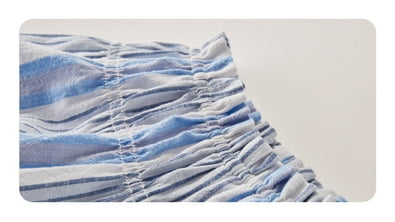
Shop fabric by size

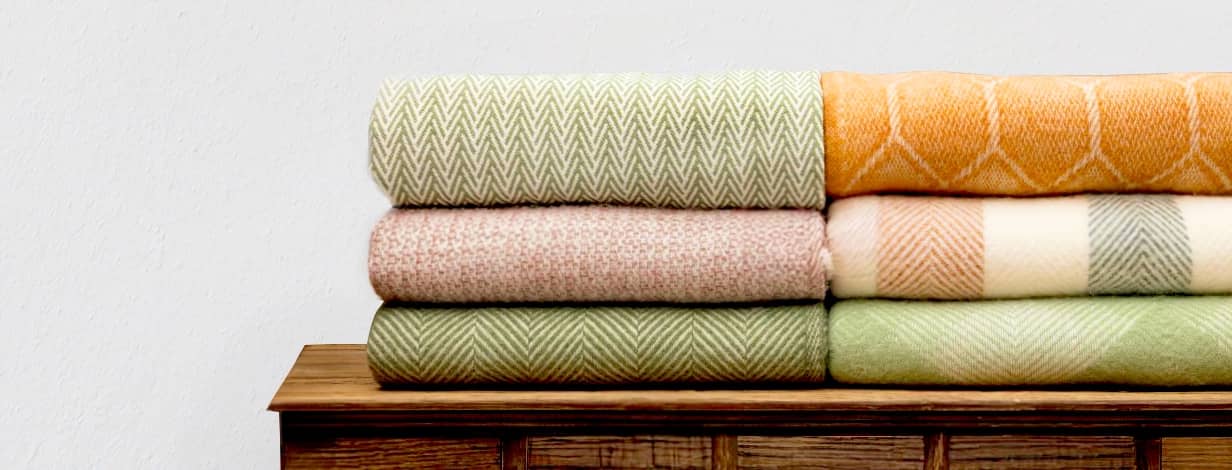
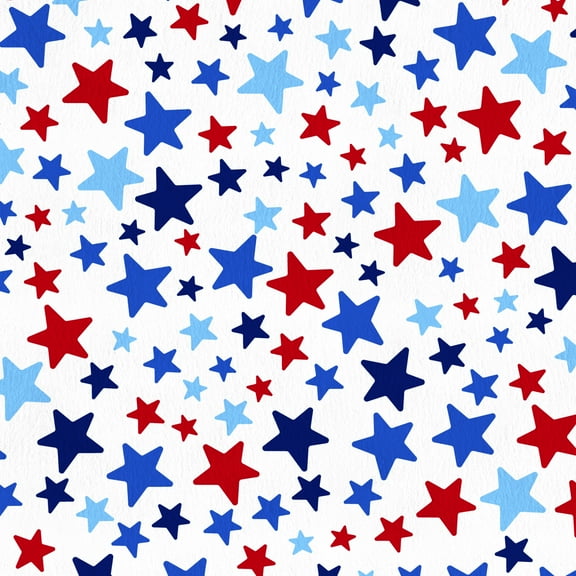
Shop patriotic fabric



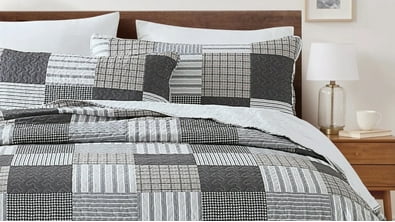
Shop by brand



Shop sewing supplies

FAQ
About Fabric - Walmart.com
Walmart fabric helps you compare fabric by the yard, pre-cut pieces, and sewing essentials in one place. You can narrow materials, prints, and project needs faster for quilting, apparel, crafting, or upholstery.
If you want a dependable fabric destination, you can use this page to compare fiber, cut, and pattern. You can also check pickup and delivery options when your project needs fabric without extra stops.
How to choose Walmart fabric for your project
You should start with your project because fabric behavior changes with fiber content, stretch percentage, and weight. You’ll notice cotton often feels breathable, while polyester blends can give your project easier care and dependable wear.
For apparel, you may want lighter weight and softer drape so your shirts, skirts, and pajamas move comfortably. For upholstery, you should look for sturdier canvas or heavier woven options that help your cushions and benches hold shape.
When you compare quilting or crafting materials, you’ll want cuts and prints that coordinate easily across your project. You can match solids, florals, holiday themes, geometrics, and novelty prints to your season, room, or pattern plan.
- You can choose cotton for quilts, apparel, and many everyday sewing projects.
- You can pick fleece or flannel when you want warmth and a softer hand for blankets and sleepwear.
- You can select canvas for bags, covers, and home décor projects that need more structure.
- You can use polyester or blends when you want easier care and steady color across frequent use.
Choosing fabric type, cut, and print
You should compare fabric type first because fiber content affects feel, stretch, and care. If your pattern needs shape, you may prefer firmer fabric, while softer fabric can suit gathered or flowing designs.
Stretch percentage matters when you sew leggings, fitted tops, or costumes that need movement. You should check whether your pattern calls for stretch, because woven cotton and knit blends behave very differently.
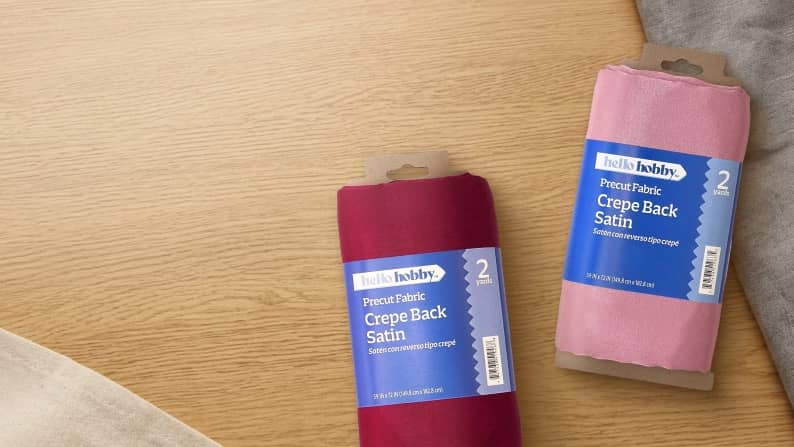
Measurement is your next decision, especially if you’re asking where can I buy fabric by the yard. You can order by the yard for larger cuts, choose pre-cut fat quarters for quilting, or compare bolts for bigger classroom projects.
Fabric width also matters because wider bolts can reduce seams and piecing time on large projects. You should measure your pattern carefully, since 44-inch fabric and 108-inch wide-back fabric cover very different layouts.
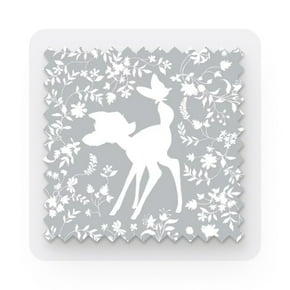
Print selection can shape the look of your finished piece. You can use solids for easy mixing, floral prints for softer style, holiday prints for seasonal décor, and novelty themes for kids’ rooms.
Care instructions deserve a close look before you cut your first piece. You should check labels like machine wash cold or dry clean only, so your finished project fits your routine.
Finding Walmart fabric by the yard and sewing supplies
If you’re searching for a fabric store near me, you likely want flexible ways to get what you need quickly. You can check online availability, pickup options, and shipping choices when your project timeline is already set.
You may also be looking for fabric stores near me because you need thread, needles, rulers, or cutting tools together. You can keep your project moving when fabric, notions, and sewing accessories come from the same shopping trip.
When you need fabric near me for last-minute hems, school projects, or costume updates, you should focus on cut length and fiber content first. You can then narrow by print, care, and width without restarting your search.
If you’re deciding where to buy material for home décor, you should compare heavier options and bolt width closely. You’ll often want canvas, wider cuts, or sturdy woven fabric for cushions, table runners, and storage bins.
For quilting, you can pair pre-cut fat quarters with coordinating solids and prints to simplify planning. For apparel, you should compare drape, softness, and stretch so your finished garment feels right when you wear it.
For crafting, you may want novelty prints, smaller cuts, and easy-care fabric for banners, gift accents, and classroom pieces. For upholstery projects, you should measure carefully and compare sturdier materials before cutting.
What to look for before you buy
You can make faster choices when you compare four details at once: material, weight, care, and width. That combination helps you avoid fabric that looks right online but doesn’t fit your pattern or routine.
Look for cotton when you want breathable basics, fleece when you want warmth, flannel when you want softness, and canvas when you want structure. You can choose polyester when you want easy-care options for frequent use.
You should also think about how much yardage your project needs before selecting a print. Large motifs may need extra fabric for matching, while small geometrics and solids can make layout easier.
With Walmart fabric, you can sort through project-ready materials and practical sewing essentials with more confidence. You’ll finish with fabric that fits your pattern, your care routine, and your creative plan.