






What Bulbs to Plant in Fall: Autumn Crocus & Flower Bulbs














About What Bulbs to Plant in Fall: Autumn Crocus & Flower Bulbs - Walmart.com
Fall bulbs help you plan a colorful spring garden before winter arrives. You can choose varieties for your zone, your sunlight, and your bloom timing.
When you shop fall bulbs, you’re choosing bulbs that need cool soil and winter rest. You’ll often plant them in autumn, then enjoy spring blooming bulbs as temperatures rise.
How to choose fall bulbs for your garden
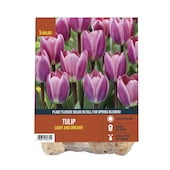
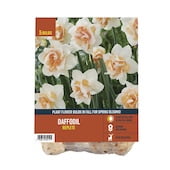
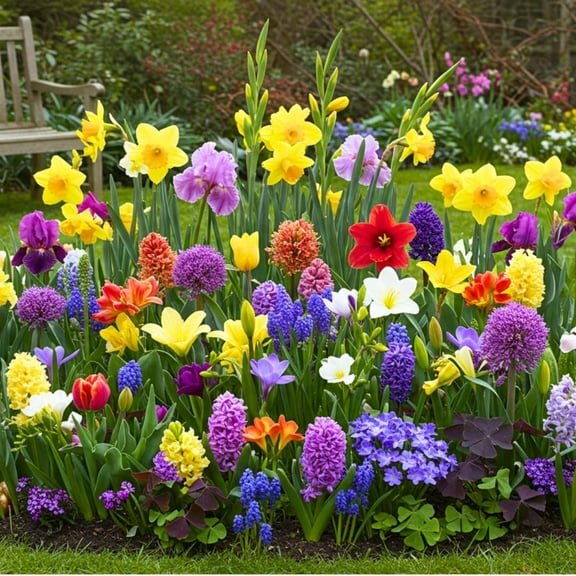
You’ll want to start with flower type because each bulb creates a different spring look. Tulip bulbs bring bold cup-shaped blooms, while daffodil bulbs add classic trumpets and strong color.
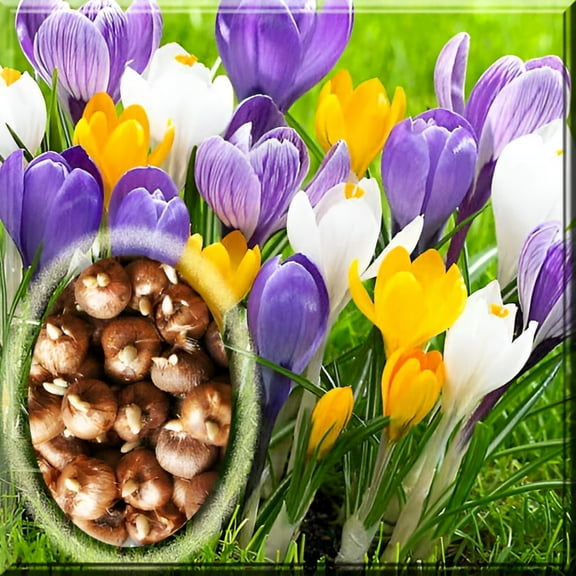
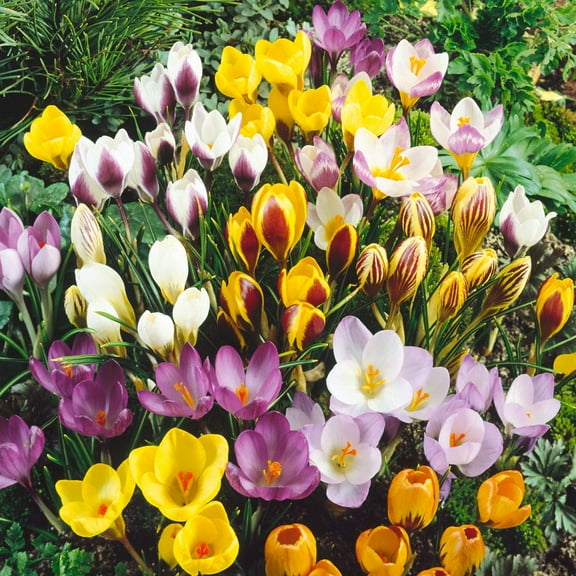
If you prefer smaller accents, you can look at crocus bulbs for early color near paths and borders. Allium bulbs give you globe-shaped blooms, and hyacinth adds dense flower spikes.
You can also compare bloom timing before you plant. Early spring bulbs can wake up first, while mid spring and late spring choices help you stretch color longer.
- You can mix tulip bulbs, daffodil bulbs, and crocus bulbs for layered spring color.
- You can use allium bulbs to add height behind shorter flowers.
- You can choose bloom times that keep your beds active across the season.
- You can match flower type to borders, containers, or larger garden spaces.
Choosing fall flower bulbs by light and hardiness zone
You should check your light conditions before you choose fall flower bulbs. Full sun works well for many spring favorites, while partial shade can suit select beds near trees or fences.
Your USDA hardiness zone also helps you time planting and set expectations. In Zone 3-5, you’ll usually plant earlier because your soil cools sooner in autumn.
In Zone 6-8, you can often plant a bit later once summer heat fades. In Zone 9-11, you may need to compare bulb requirements carefully because winters stay milder.
You’ll get clearer results when you match bulbs to your local climate instead of guessing. Hardy flower bulbs can handle colder winters, which matters when you’re planting for dependable spring growth.
What to look for in planting fall bulbs
You should compare planting depth because bulb size often guides placement. Smaller bulbs may fit around 2 inches or 4 inches deep, while larger bulbs often need 6 inches or 8 inches.
You’ll also want enough spacing so roots and shoots have room to develop. When you plant too close, you can lose the full shape you want in spring beds.
Your soil matters just as much as depth. You should look for loose, well-drained soil, because soggy ground can leave bulbs struggling through winter.
You can improve heavy soil by mixing in organic matter before planting. Compost or similar amendments help you create better texture, easier digging, and stronger root establishment.
You may also compare deer-resistant and rodent-resistant options when local garden visitors are active. Choose daffodil bulbs and many allium bulbs when you want fewer interruptions in planted areas.
Using flower type, depth, and bloom time together
You can build a more organized planting plan when you combine flower type with bloom time. Crocus bulbs can open in early spring, while tulip bulbs often carry color into mid spring.
If you want a longer display, you can layer early, mid, and late spring bloomers in one bed. That approach helps your garden change over time instead of peaking all at once.
You can also group bulbs by depth when you map your planting area. Larger bulbs often sit lower, while smaller bulbs can rest above them in layered plantings.
Your borders, walkways, and foundation beds can each use a different mix. Short crocus and hyacinth fit edges well, while taller allium works nicely toward the back.
If you’re planting containers, you should check light needs and depth before filling pots. You’ll want enough room for root growth and drainage so bulbs stay on track through winter.
Preparing your garden for fall planting bulbs
You’ll make planting easier when you prepare beds before the first hard freeze. Clear old annuals, loosen the soil, and measure depth so your fall planting bulbs go in smoothly.
You should water after planting if your soil feels dry. That first watering helps settle soil around each bulb and supports early root growth before winter.
Your planting window depends on cool soil, not frozen ground. You can usually plant once daytime heat drops and soil feels cooler, but before the surface turns hard.
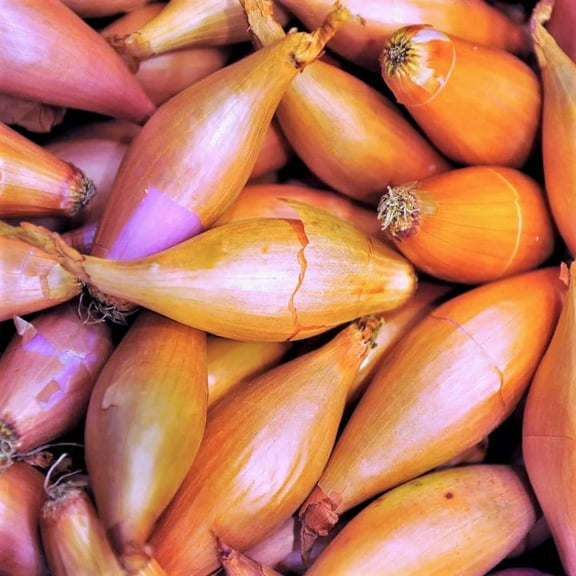
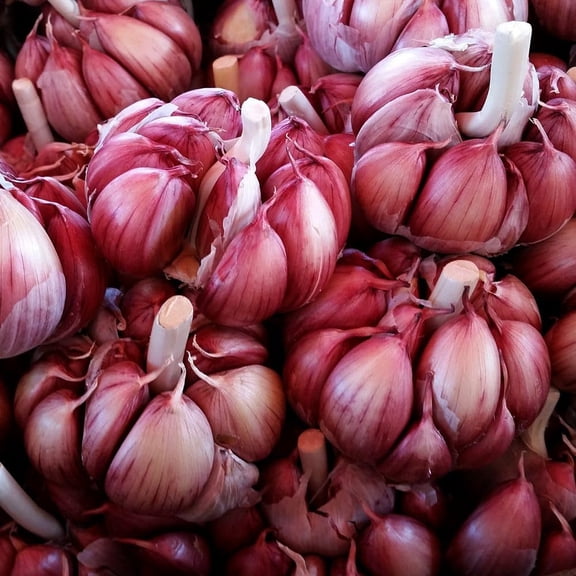
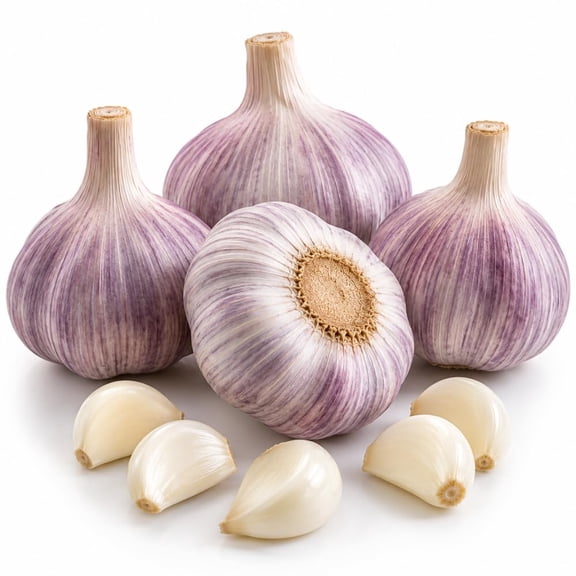
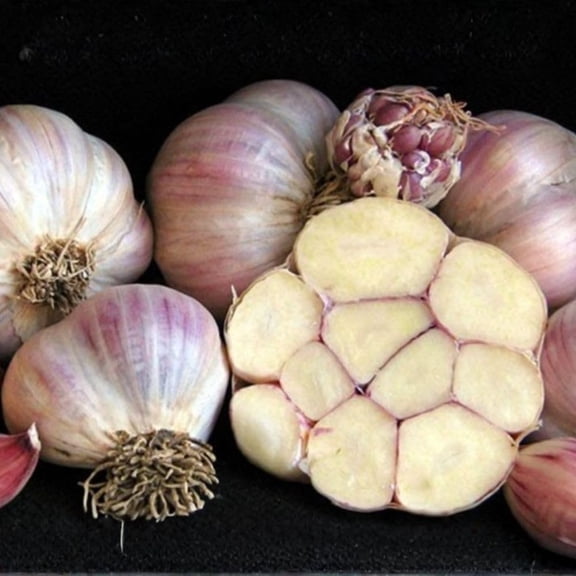
If you’re growing garlic bulbs, you’ll use a similar fall rhythm with variety-specific spacing and depth. You’ll harvest later, while flower bulbs stay focused on spring display and garden color.
You can feel more confident when you choose fall bulbs by zone, depth, light, and bloom time. That simple approach helps you create a spring garden with color that opens in sequence.