

Outlander Box Set & Fantasy Book Series | Walmart

















About Outlander Box Set & Fantasy Book Series | Walmart - Walmart.com
If you’re choosing an outlander box set, you likely want complete stories, collectible formats, and clear reading order in one place. You can also compare fantasy books by format, series type, and binding, so your next read fits your shelf and your reading habits.
You may shop this category when you want immersive worldbuilding, long character arcs, and editions that feel gift-ready. You’ll also find that fantasy readers often compare full collections with single volumes before they commit to a new saga.
How to choose an outlander box set
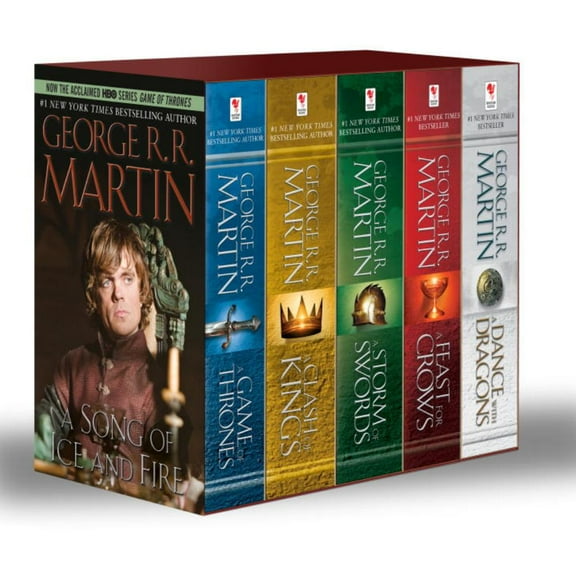
When you compare an outlander box set, you should first check whether you’re getting a full run or a partial collection. You’ll want volume counts and included titles that match how far you plan to read.
If you’re starting fresh, you may prefer a boxed collection that keeps early books together in order. If you’re replacing worn copies, you might choose later volumes or a smaller set that fills gaps.
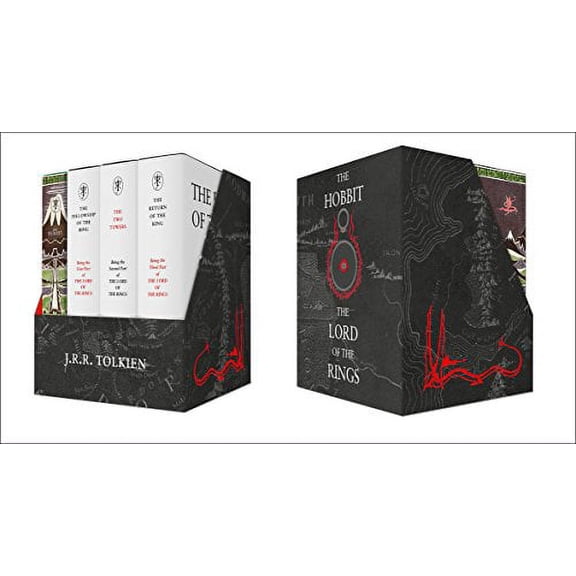
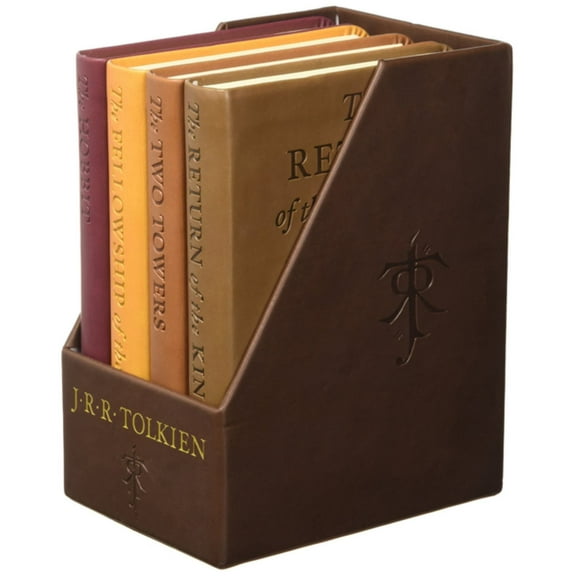
You should also consider how a boxed edition looks on your shelf and how easily you can store it. You’ll often notice coordinated spines, matching covers, and slipcases that make multi-book collections feel more organized.
Choosing an outlander book series or a standalone read
When you compare an outlander book series with a standalone fantasy title, you’re deciding how much story continuity you want. You’ll usually get longer character development and deeper lore when you choose a multi-book arc.
If you like reading in sequence, you should look for sets that follow publication order or clearly list included books. You can avoid confusion when each volume builds on the last book’s events.
You may also want a trilogy if you prefer a defined beginning, middle, and ending across fewer volumes. If you like flexibility, you can choose a standalone fantasy novel that gives you a complete story in one book.
- You can keep reading order simple with clearly numbered series sets.
- You can build a gift-ready library with matching editions and coordinated covers.
- You can choose a full saga, a trilogy, or a single-volume fantasy adventure.
- You can compare included titles before you commit to a longer reading journey.
What to look for in hardcover, paperback, and library binding
When you compare format options, you should match the book’s feel to how you read and display it. You’ll often choose hardcover for durability, paperback for flexibility, or library binding for extra structure.
If you collect favorite series, you may prefer hardcover editions that feel sturdy and look polished on open shelves. If you carry books in a bag, you might lean toward paperback because it feels lighter and easier to handle.
You should check dimensions, cover style, and binding type before you order a set or single title. You’ll get a clearer sense of shelf fit, stackability, and how each format suits repeat reading.
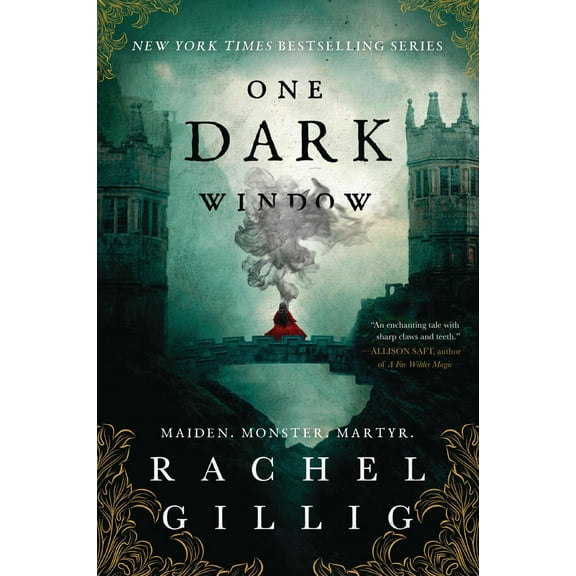
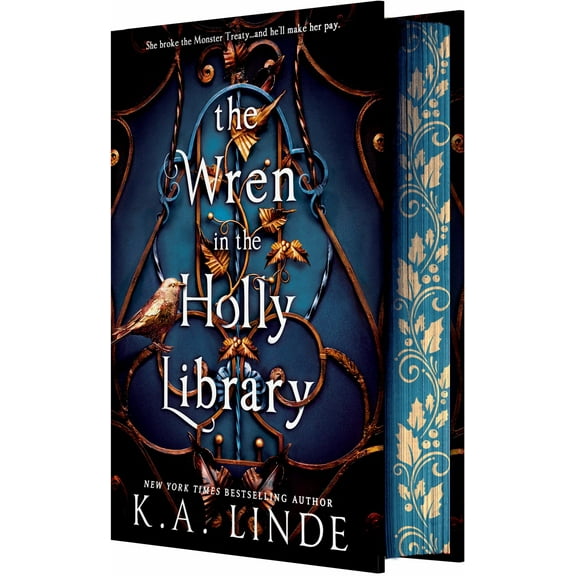
For example, if you’re searching one dark window hardcover, you’re likely focusing on a display-friendly format with a more substantial feel. If you want a more flexible copy, you may compare that format against paperback alternatives.
Comparing fantasy releases by format and title
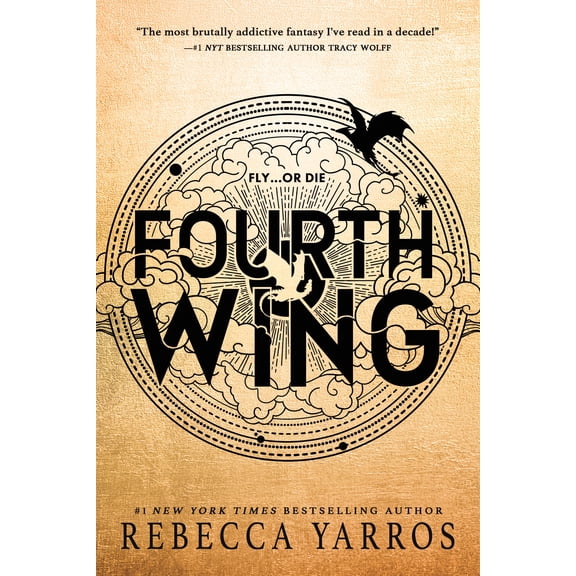
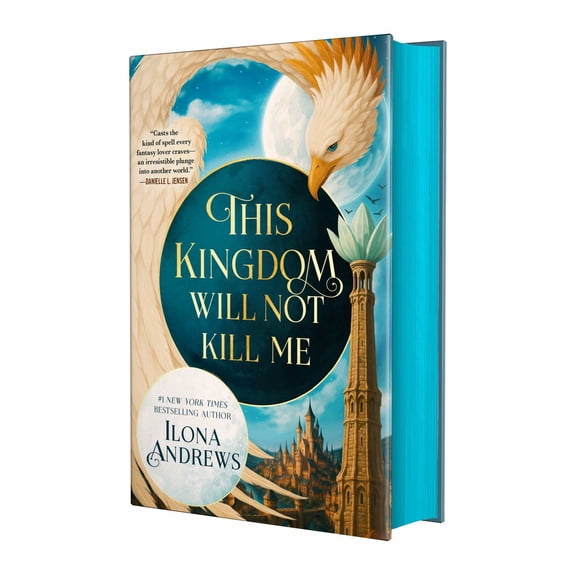
You can use this category to compare newer fantasy releases with long-running series in one place. You’ll often see readers mix collectible sets with recent hardcovers and portable paperbacks.
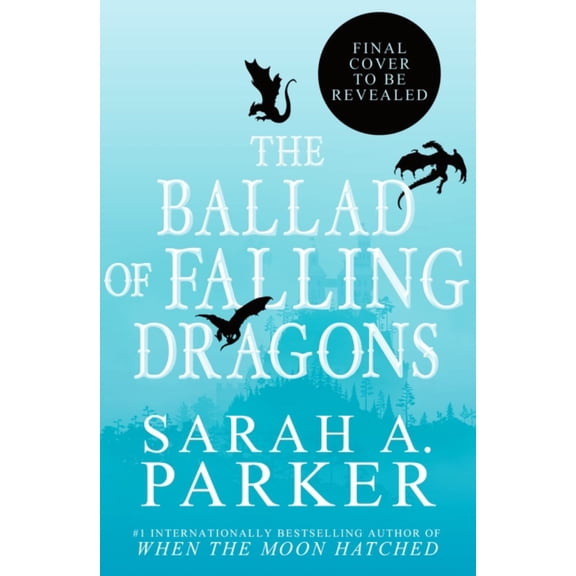
If you’re considering the ballad of falling dragons paperback, you may want a format that feels easy to read on commutes or travel days. You can pair that choice with a boxed saga for your home shelf.
You should also compare cover art consistency when you build a series across several purchases. You’ll create a more unified collection when editions share trim size, spine style, and publisher design language.
When you’re deciding where to buy fantasy books, you may care about finding box sets, single volumes, and format variety together. You can narrow choices faster when one category includes series collections, hardcovers, and paperbacks side by side.
Using format and series type for real reading scenarios
If you’re buying for a gift, you may choose a box set because it feels complete and presentation-ready. You can give a new reader a clear entry point without making them track down book one separately.
If you’re rebuilding a personal library, you should compare hardcover and paperback based on shelf space and reading frequency. You’ll often prefer hardcovers for display and paperbacks for relaxed rereads.
When you read mostly on weekends, you may enjoy a longer book series that lets you stay in one world. If you read between errands, you might choose standalone fantasy or lighter paperbacks.
You should also think about who will use the books and where they’ll live in your home. You can choose library binding or hardcover when you want a more structured format for shared shelves.
If you’re starting a fantasy collection, you may begin with an outlander box set and add individual titles over time. You’ll create a shelf that balances complete series, newer releases, and different reading moods.
You can shop with more confidence when title order, format, and included books are easy to compare. You’ll end up with fantasy books that match your reading pace, collecting style, and shelf space.