

Fasteners, Screws, Bolts & Hardware | Walmart.com



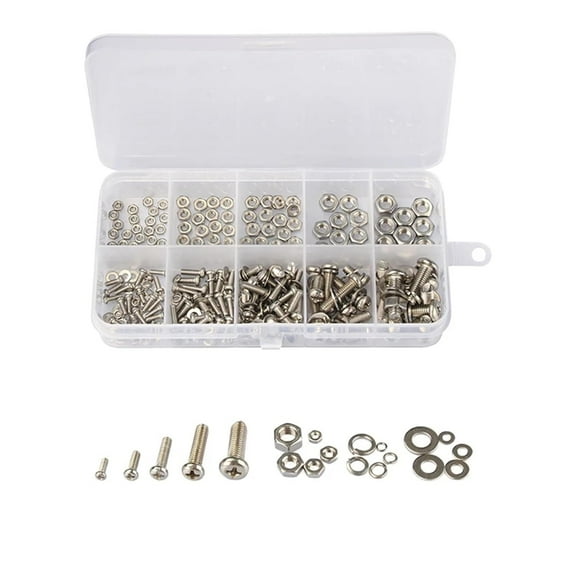
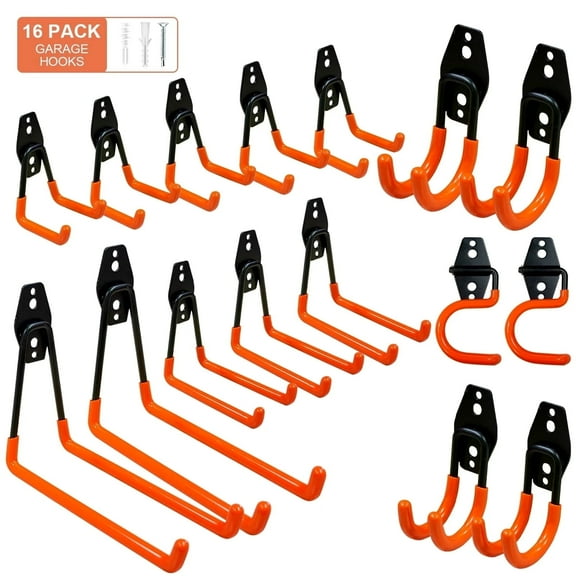


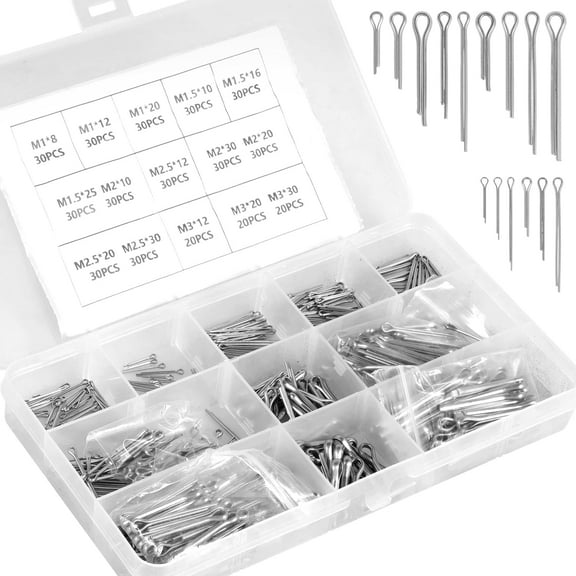
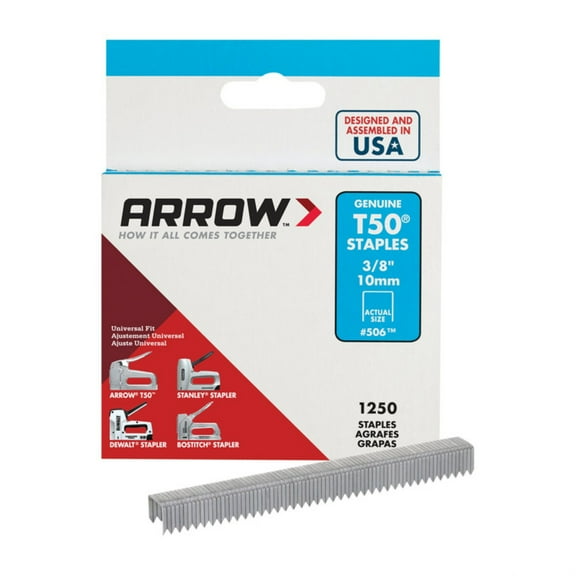














About Fasteners, Screws, Bolts & Hardware | Walmart.com
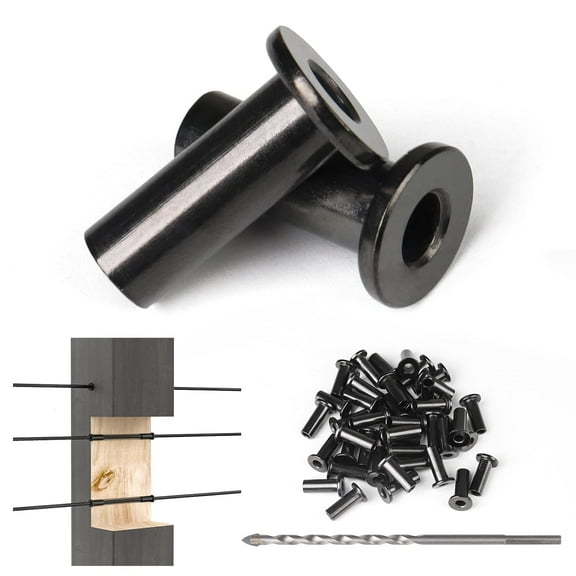
Fasteners help you build, mount, and repair with the right hold for each material. You can compare screws, bolts, nuts, washers, and anchors by thread, finish, and application before you start.
How to choose fasteners for your project
You should start with the material you’re joining and how you use the part. You’ll need different hardware fasteners for wood framing, drywall mounting, masonry installs, and automotive work.
When you compare fastener type first, you narrow your choices quickly. You can use screws for direct driving, bolts for clamped joints, nuts and washers for paired assembly, and anchors for hollow or solid walls.
You’ll also want the right finish for the environment around your project. You can choose stainless steel for wet exposure, zinc plated pieces for general indoor use, brass for appearance, and silicon bronze for outdoor hardware needs.
Choosing between screws and bolts
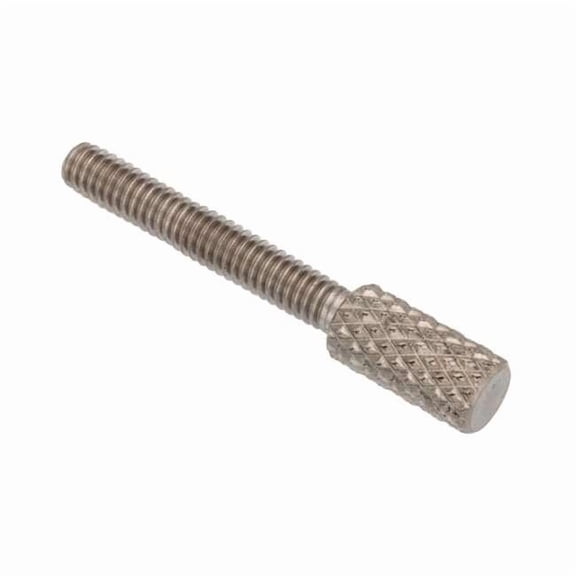
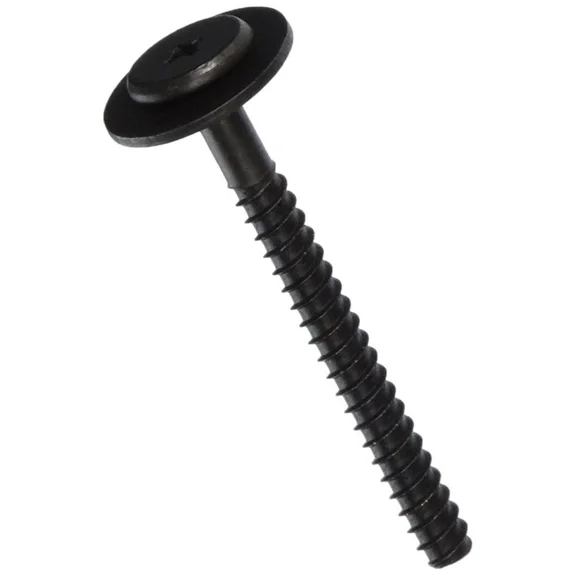
You can use screws when you want threads to bite directly into wood, drywall, or other materials. You can use bolts when your assembly needs a matching nut or a threaded hole.
Drive style matters because you’ll want the right tool fit before you begin. You can compare Phillips, slotted, hex, and star drives to match your screwdriver, bit, socket, or wrench.
Size also changes how your connection performs under force and vibration. You should check diameter, length, and head style so your parts seat correctly and stay aligned.
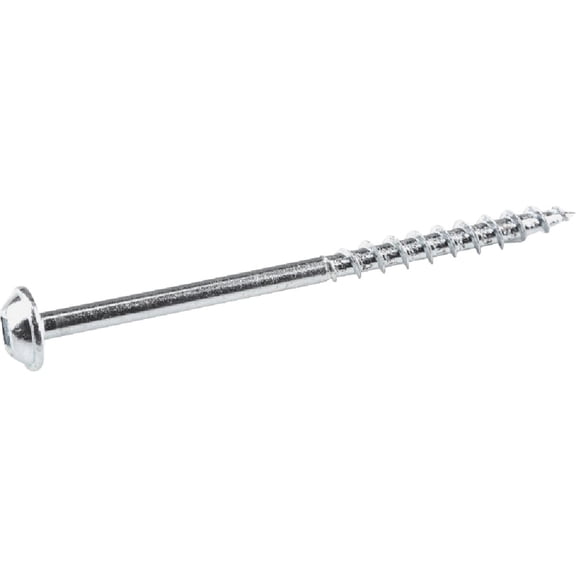
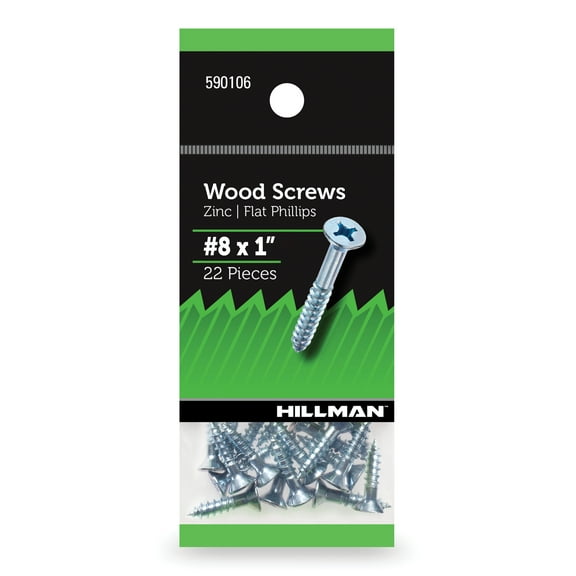
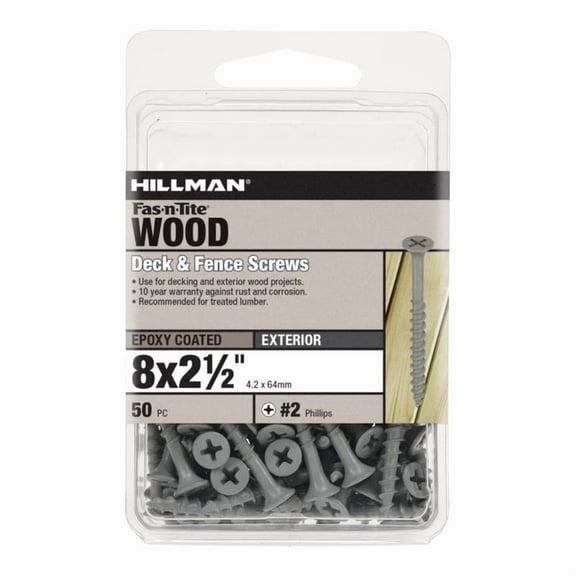
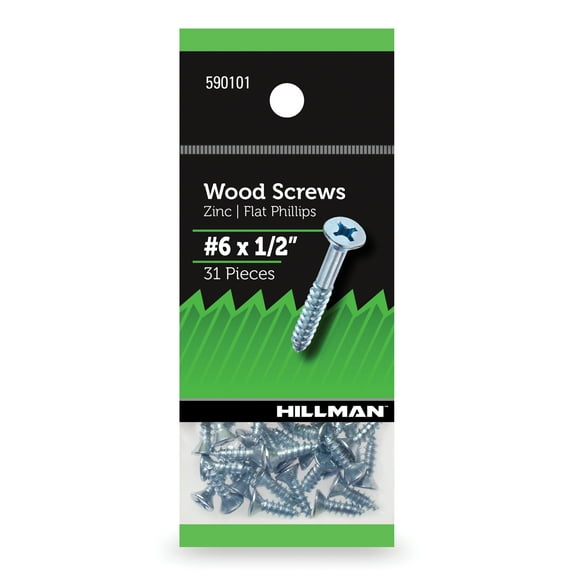
- You can choose wood screws for boards, trim, and framing connections.
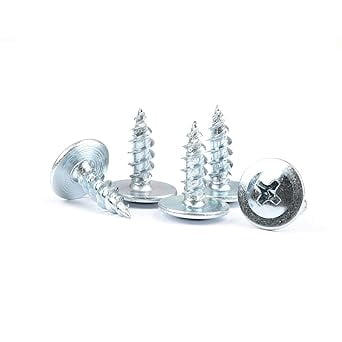
- You can use machine screws when you need a matched thread in metal parts.
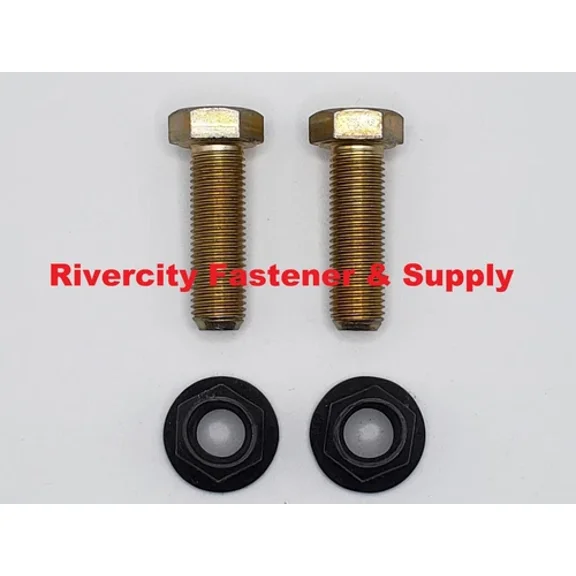
- You can select hex bolts for assemblies tightened with sockets or wrenches.
- You can compare carriage bolts when you want a smooth, rounded head on one side.
Choosing nuts and washers with threaded fasteners
You’ll want nuts and washers that match the bolt or screw thread exactly. You should compare diameter, pitch, and standard so your threaded fasteners fit without guesswork.
Coarse thread can help you with quicker installation and common general-purpose jobs. Fine thread can help you with tighter adjustment and a different grip in metal assemblies.
You may also need metric or unified national sizing, depending on your equipment or plans. You should check labels carefully because close sizes can still mismatch at the threads.
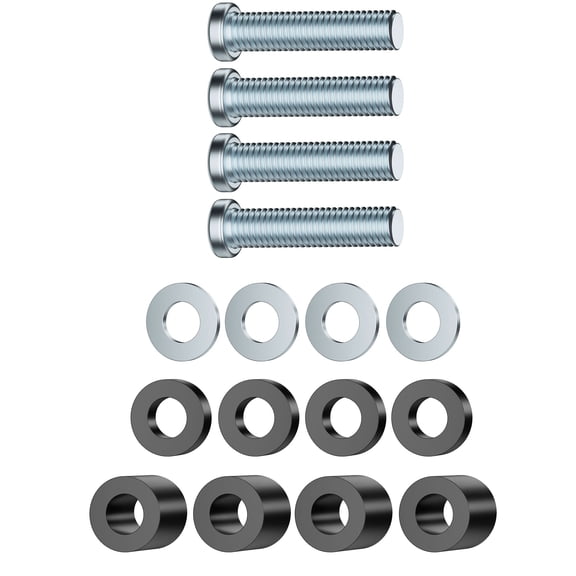
Washers do more than fill space in an assembly. You can use flat washers to spread load, lock washers to support tension, and specialty styles when your setup needs spacing.
Material and finish decisions for industrial fasteners
You should choose material and finish based on moisture, exposure, and the surface you’re fastening. You’ll notice that industrial fasteners vary widely in corrosion resistance and appearance.
Stainless steel works well when you expect weather, humidity, or frequent outdoor exposure. Zinc plated options fit many indoor projects where you want a familiar finish and general durability.
Brass can suit decorative hardware where visible color matters to your finished look. Silicon bronze can fit marine-adjacent or exterior projects where you want a specialized metal choice.
You should also compare grade ratings when strength is a key decision. Grade 8 or Class 10.9 markings help you identify bolts intended for demanding assemblies and higher load conditions.
How thread type and fit affect installation
You’ll get cleaner results when thread pitch and diameter match from the start. You should measure both parts before installation if you’re replacing missing or mixed hardware.
Thread compatibility matters in shelving, brackets, machinery, and vehicle repairs. You can avoid rework by checking whether your project uses coarse thread, fine thread, metric, or unified national sizing.
Length matters too because you need enough engagement without extra protrusion. You should compare shank length, threaded length, and head profile against your material thickness.
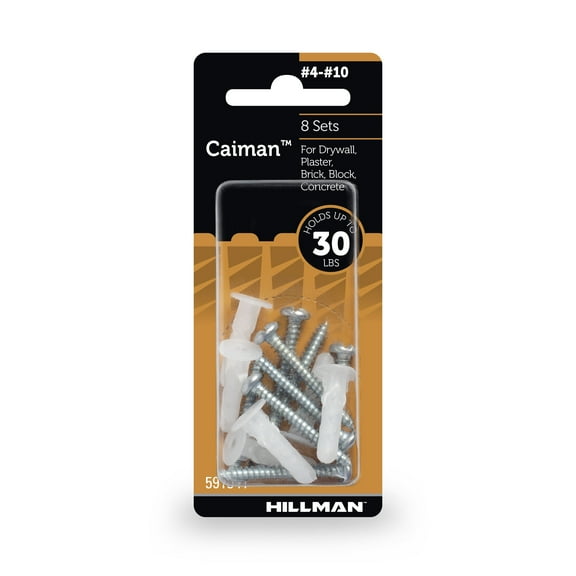
For anchors and wall plugs, you’ll want the correct drill size and wall material match. You can compare options for drywall, concrete, brick, and block before you drill.
Matching fasteners to woodworking, drywall, masonry, and automotive tasks
You can narrow fasteners by application when your project has clear material demands. Woodworking often calls for sharp points, strong grip, and head styles that sit flush or slightly proud.
For drywall installs, you may need anchors and wall plugs that expand or lock behind the surface. You should match the anchor style to the object you’re mounting and the wall type.
Masonry work needs drill-ready planning and hardware made for concrete, brick, or block. You can compare sleeve anchors, concrete screws, and other anchors by hole size and base material.
Automotive tasks often require exact thread standards, exact lengths, and durable finishes. You should confirm diameter, pitch, and grade before replacing hardware in brackets, panels, or engine-bay assemblies.
When your project includes movement or vibration, washers and locknuts can support a steadier connection. You can build with more confidence when each piece matches the job, tool, and material.
You’ll make cleaner, more secure assemblies when your fasteners match your material, thread, and finish. You can move from planning to installation with fewer fit issues and a stronger final result.
Popular in Fasteners, Screws, Bolts & Hardware | Walmart.com
- Hardware Express Specialty Fasteners
- Hillman Fastener Corp Specialty Fasteners
- Hardware Resources Specialty Fasteners
- Hillman Fastener Corp Fastener Kits
- National Hardware Specialty Fasteners
- The Hillman Group Specialty Fasteners
- Hillman Fastener Corp Hillman Fastener Corp Collection
- Brand: Hillman Fastener Corp
- Wood Fastener
- Fasteners Bc
- Hillman Fastener Corp Collection
- National Nail All Screws