




Ferret Supplies & Accessories - Cages, Food & Toys

























About Ferret Supplies & Accessories - Cages, Food & Toys - Walmart.com
When you need ferret supplies, you can compare cages, food, litter, and accessories that fit your pet’s daily routine. You’ll find category guidance here that focuses on escape control, protein-focused diets, and cleanup tools made for active ferrets.
If you’re setting up for new ferrets or updating older gear, you can narrow choices by product type and life stage. You’ll also see how habitat size, bar spacing, and bedding materials affect everyday care.
How to choose ferret supplies for housing and setup
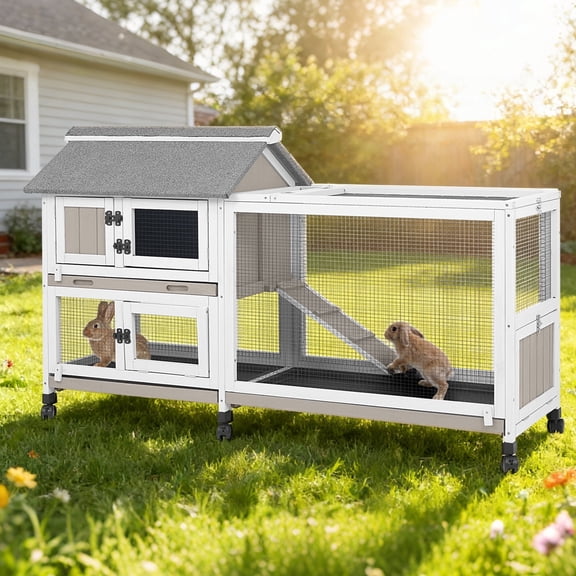
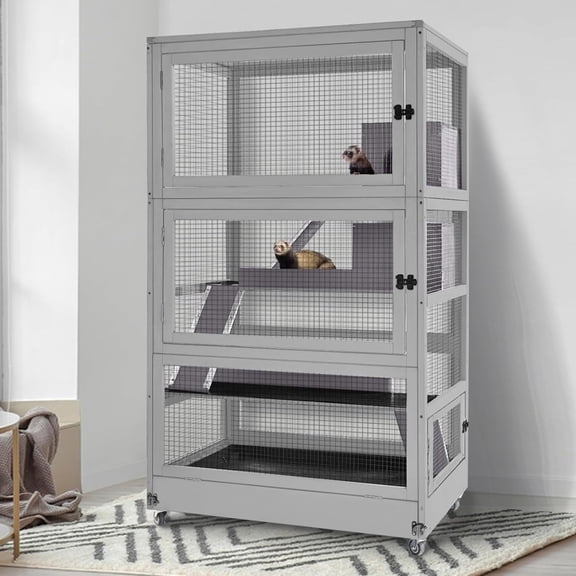
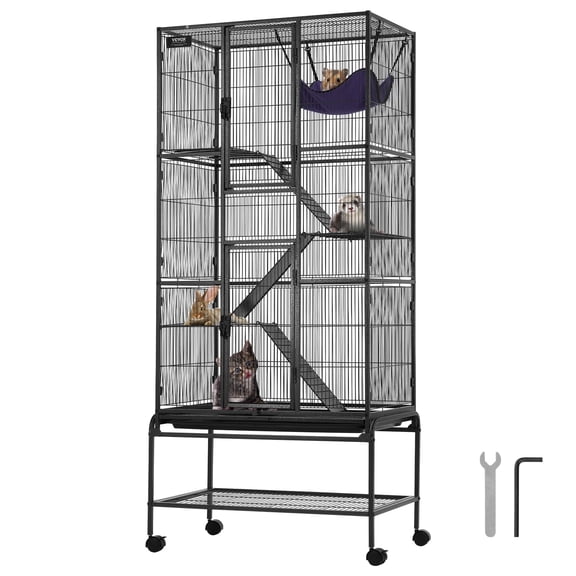
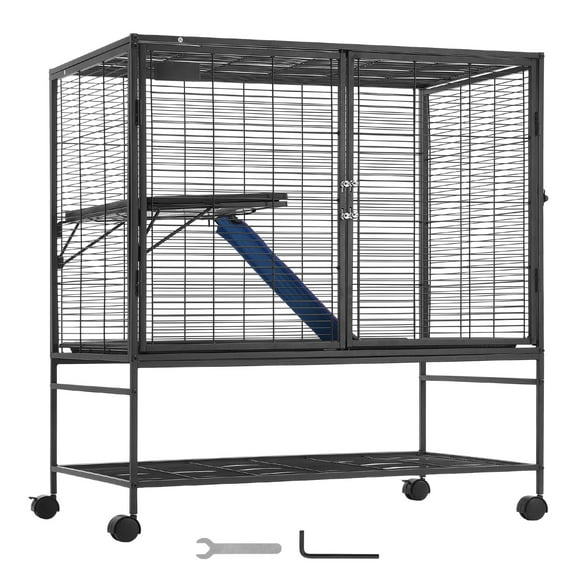
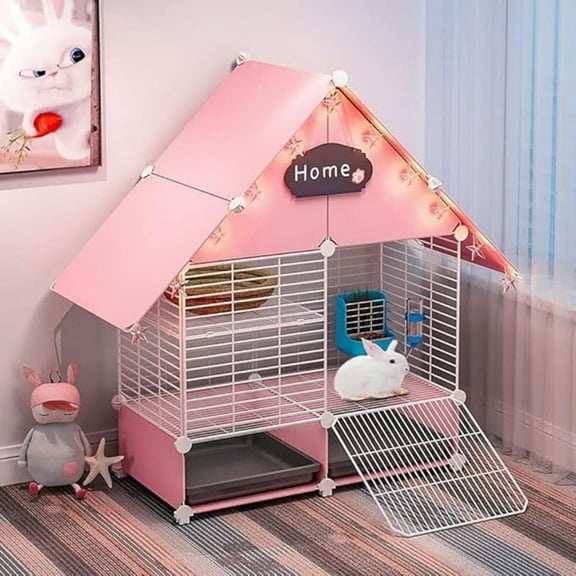
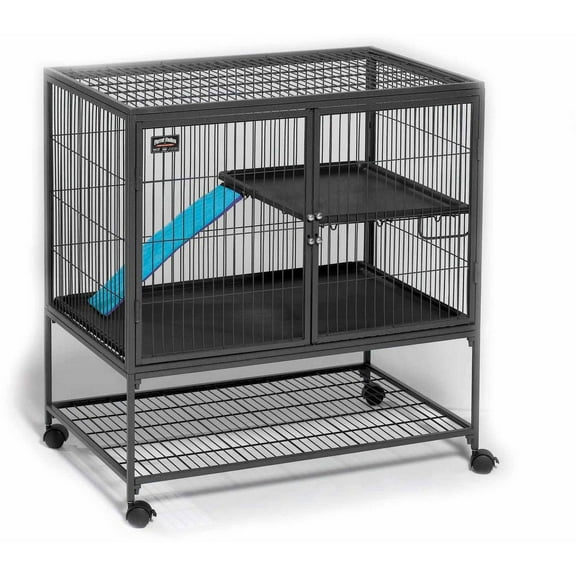
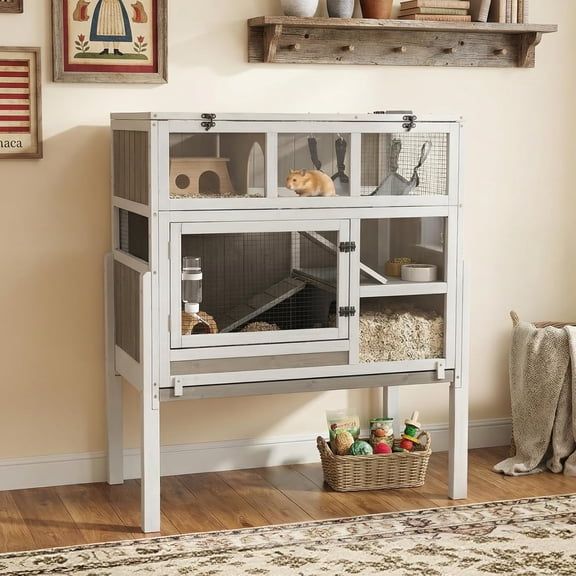
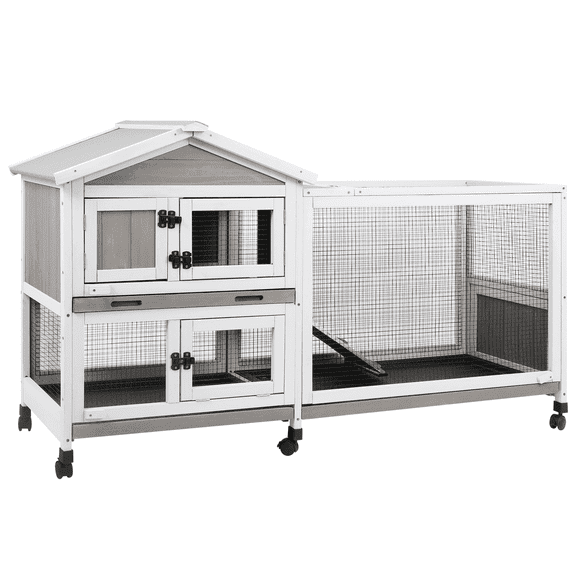
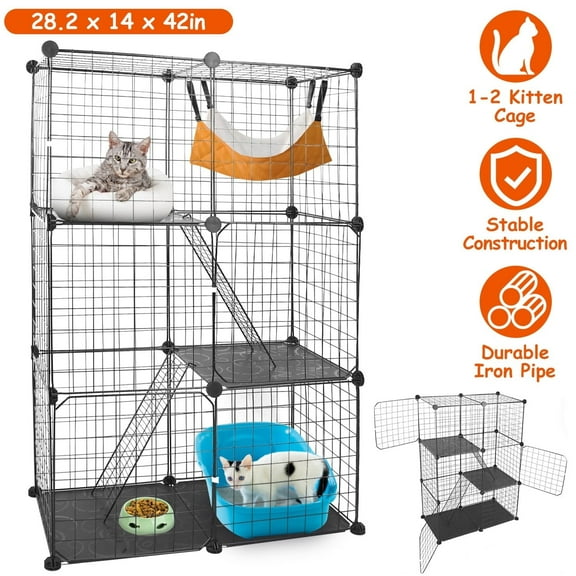
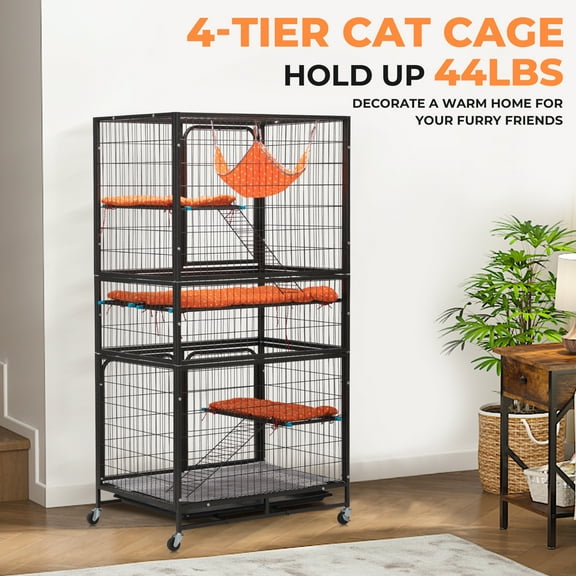
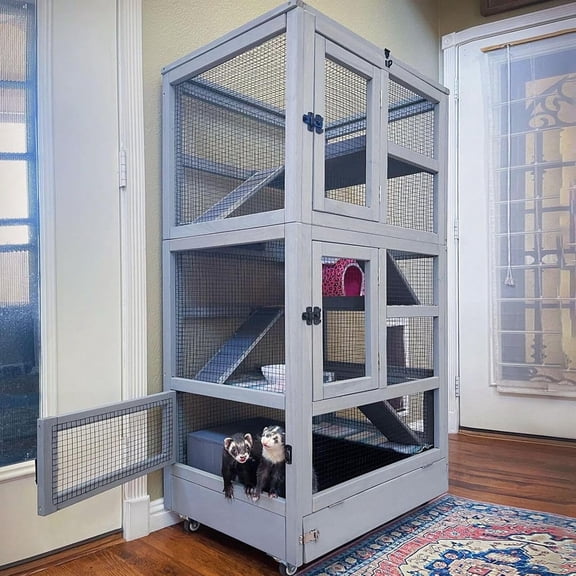
You should start with cages because your habitat setup shapes feeding, sleeping, and play. You’ll want multiple levels, secure latches, and bar spacing under one inch to help limit escapes.
When you compare cage dimensions, you should check floor space as well as height. You’ll notice roomy layouts make space for litter pans, hammocks, tunnels, and separate feeding areas.
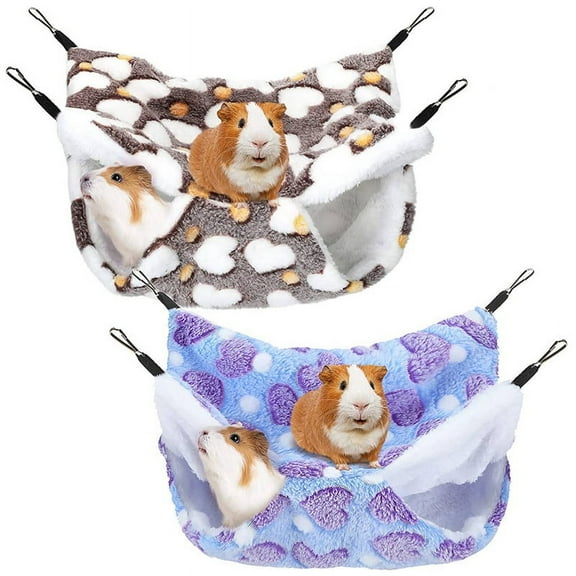
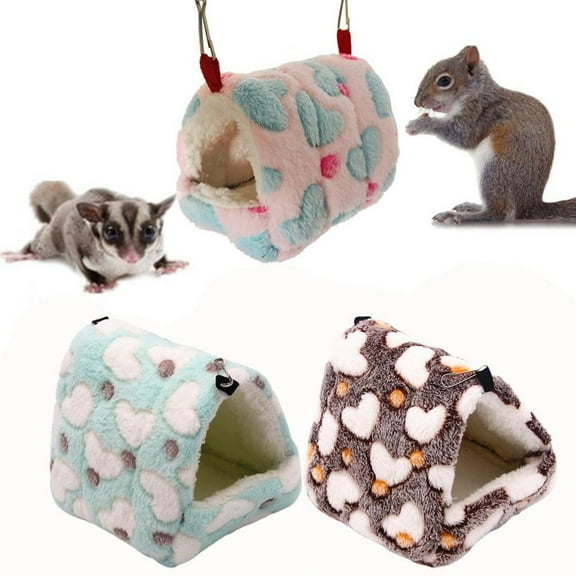
You can build a more usable habitat by matching accessories to the cage layout. You’ll want hammocks for lounging, tunnels for movement, and shelves that support climbing throughout the day.
- You can look for cages with bar spacing under one inch for a more secure fit.
- You should compare layouts that leave room for litter pans, bedding, and feeding zones.
- You can add hammocks and tunnels to support climbing, hiding, and resting.
- You’ll want secure door latches that stay closed during active play.
Choosing food and care by life stage
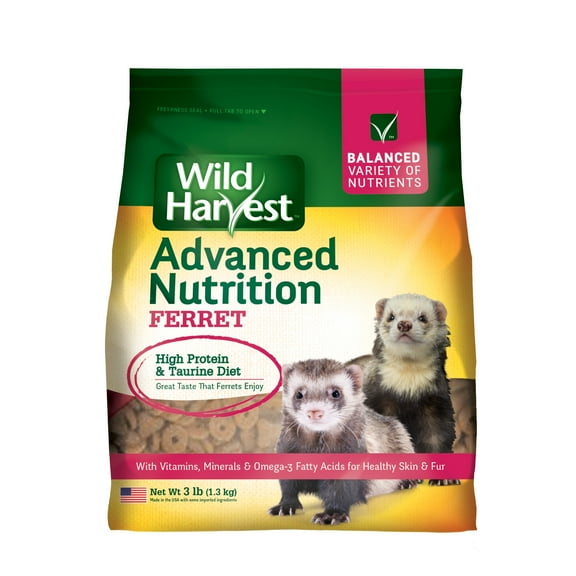
You should compare ferret food by life stage because kit ferrets, adults, and seniors have different feeding needs. You’ll want formulas with high protein and grain-free recipes described in clear, simple terms.
When you read labels, you should focus on meat-first ingredients and ferret-specific formulas. You’ll often find these options easier to match to daily feeding routines than general small pet foods.
If you’re caring for kit ferrets, you may prefer smaller kibble pieces and easy portion planning. If you’re feeding older ferrets, you may look for textures and formats that fit changing preferences.
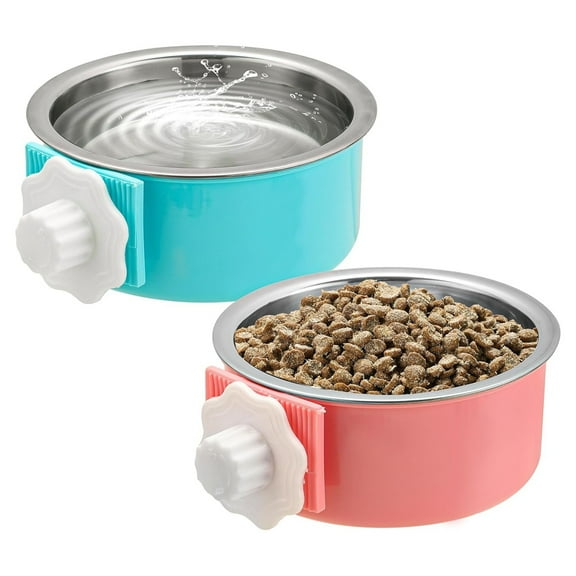
You can round out daily care with bowls, storage containers, and feeding accessories that keep meals organized. You’ll make routine refills easier when your habitat has dedicated spaces for food and water.
What to look for in litter, diapers, and odor control
You should treat waste management as a major buying decision because ferrets need consistent litter habits and easy cleanup. You’ll want litter pans that fit corners well and stay accessible inside the cage.
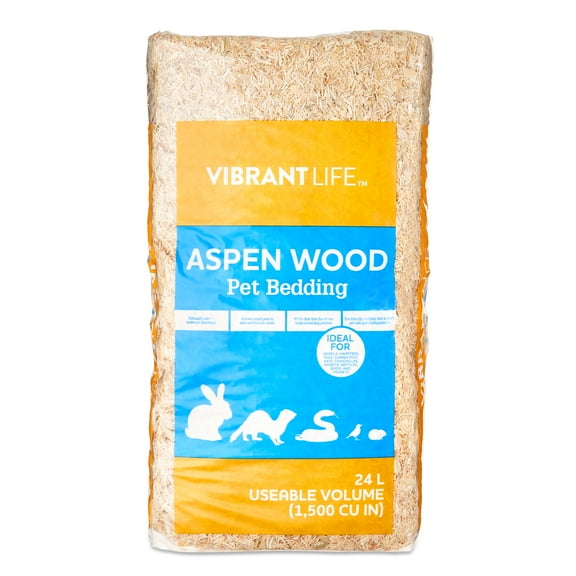
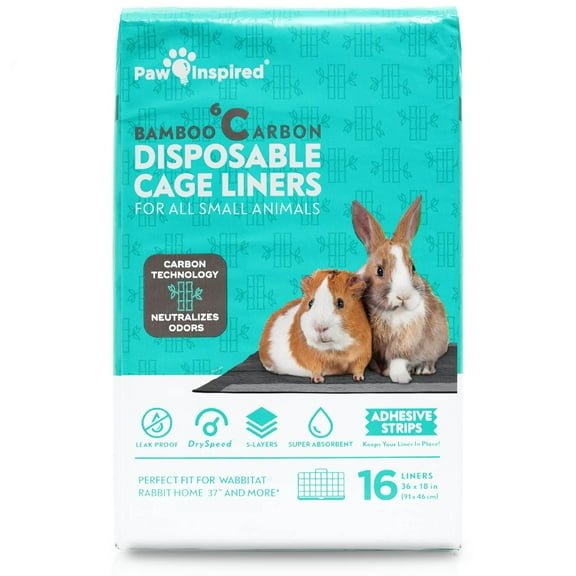
When you choose bedding and litter, you should compare paper-based options or fleece liners for everyday use. You should skip cedar or pine shavings and focus on materials designed for small pet habitats.
If you’re exploring ferret diapers, you should check sizing, closure style, and intended wear time. You’ll want options that fit securely without making movement around the habitat harder.
You can also compare odor sprays and cleanup tools that support fresher cage maintenance between full cleanings. You’ll keep routines simpler when pans, liners, and sprays work together in one setup.
Comparing toys, harnesses, and ferret accessories
You should choose ferret toys that match how your pet climbs, tunnels, and explores. You’ll often prefer toys with movement, hiding spaces, or textures that encourage active indoor play.
When you review ferret accessories, you can compare hammocks, tunnels, harnesses, and leashes by fit and daily use. You’ll want accessories that connect easily to your habitat or travel routine.
If you’re selecting a harness, you should check the adjustment points and closure design. You’ll get a more secure fit when the harness adjusts closely around your ferret’s body.
You can pair harnesses with leashes for short outings or travel transitions between spaces. You’ll also appreciate compact accessories that store easily with carriers, food, and cleanup items.
Matching ferret stuff to everyday routines
You can organize ferret stuff by the routine you handle most often at home. You’ll usually need one group for habitat setup, another for feeding, and another for play and cleanup.
If you’re setting up for a new pet, you should begin with cages, food, litter pans, and bedding. You can then add tunnels, hammocks, and toys that help your space feel complete.
When you’re refreshing an existing habitat, you may focus first on odor control, replacement liners, or updated feeding gear. You’ll often improve day-to-day convenience with small upgrades that fit your current cage.
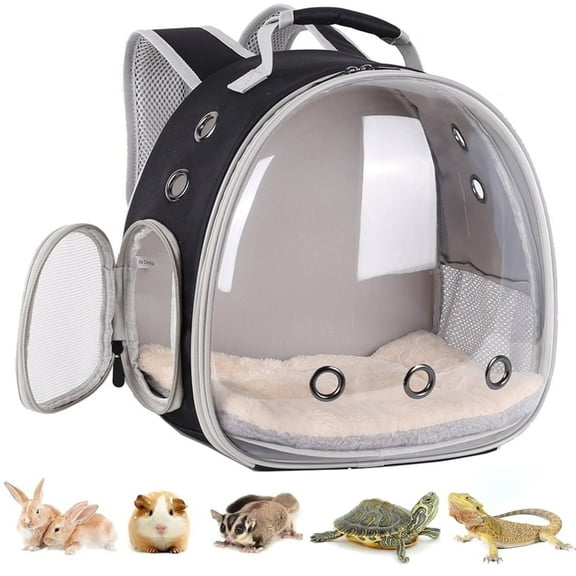
If you travel with ferrets or move them between rooms, you may also compare harnesses, leashes, and portable accessories. You’ll keep transitions smoother when your essentials work together across home and travel use.
You can shop ferret supplies with more confidence when you compare setup details that matter for real ferret care. You’ll get a habitat, feeding plan, and cleanup routine that fits your pet’s active daily life.