

Fertilizer Spreaders in Lawn Equipment





















About Fertilizer Spreaders in Lawn Equipment - Walmart.com
Fertilizer spreaders help you cover your lawn evenly and with less guesswork. You can compare spread patterns, hopper capacity, and operation style to match your yard and seasonal routine.
Choosing fertilizer spreaders by spreader type
When you compare fertilizer spreaders, you’ll usually start with broadcast, drop, handheld, and tow-behind designs. You can use each type differently based on yard shape, coverage goals, and how much walking you want.
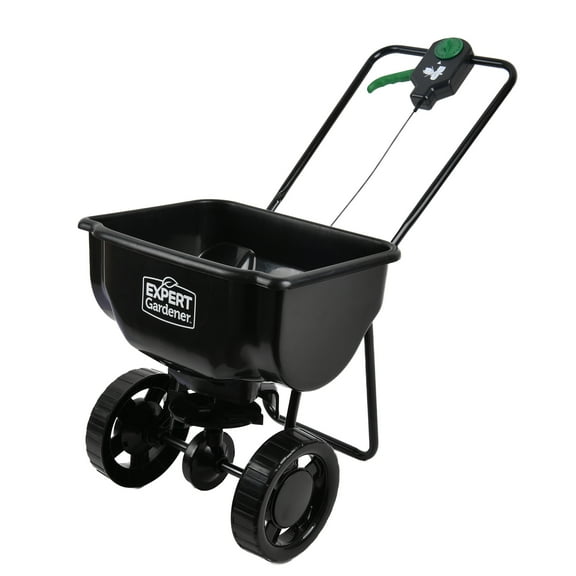
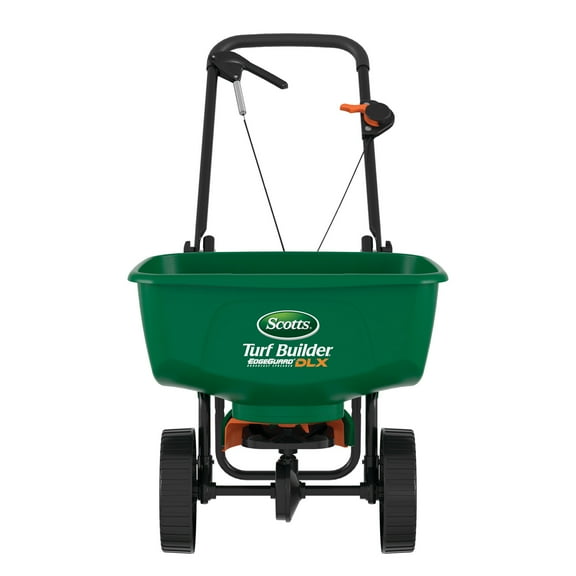
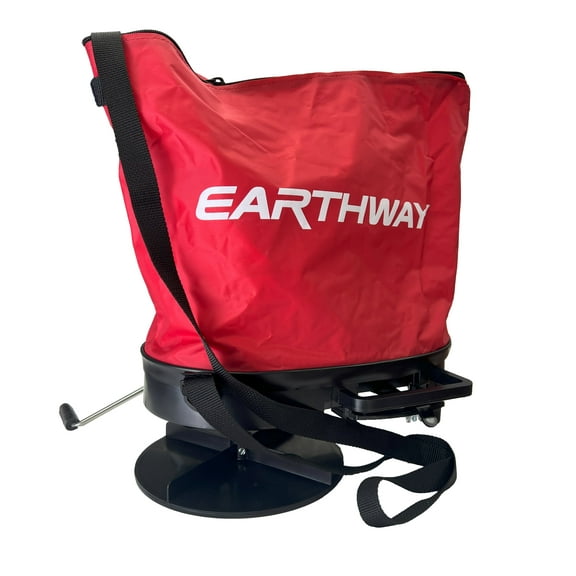
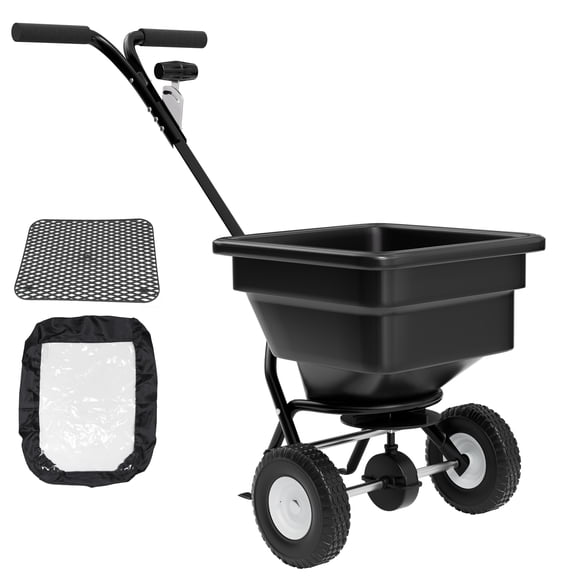
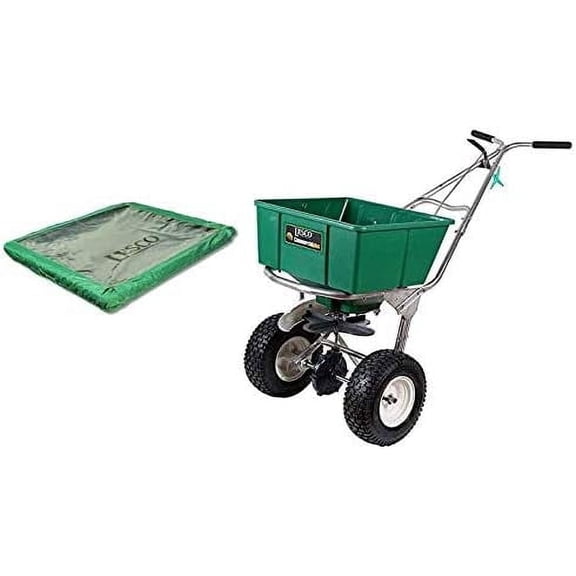
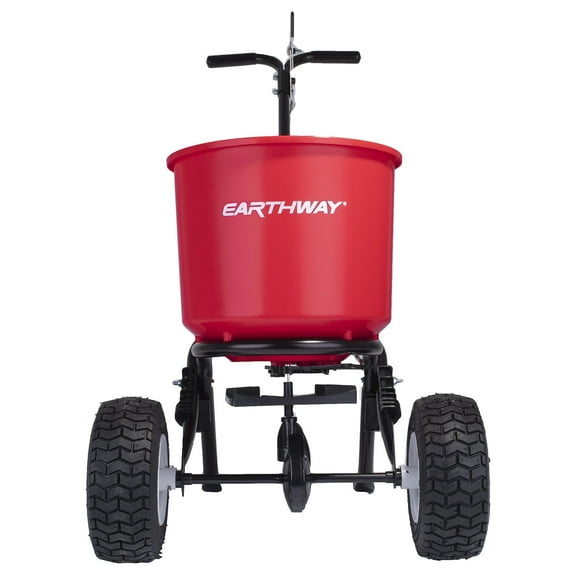
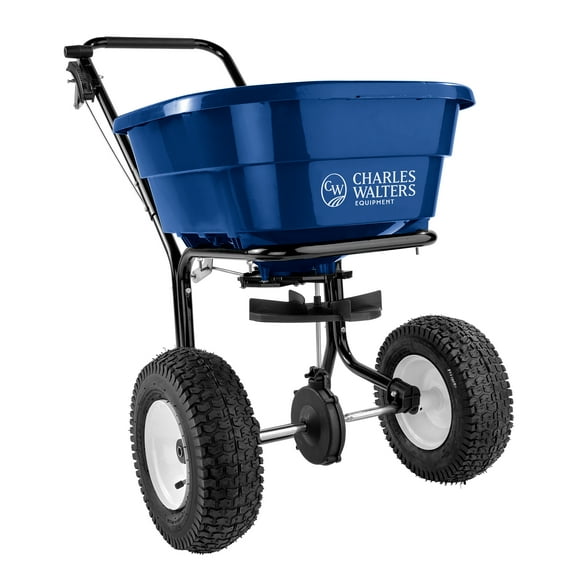
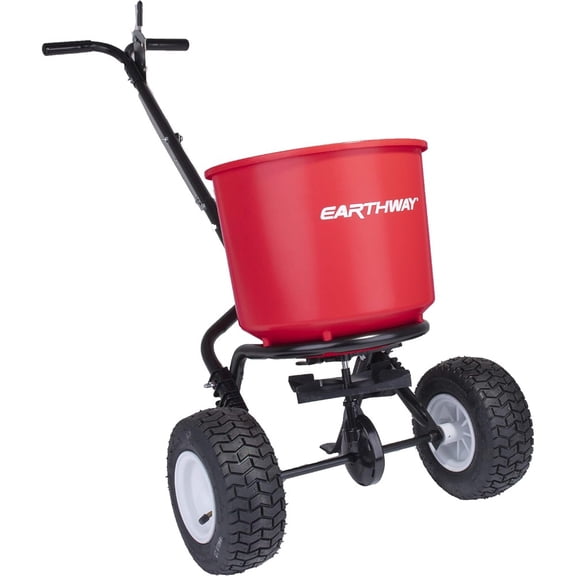
Broadcast spreaders throw material in a wide spread pattern, so you can cover open lawns faster. You’ll often prefer this lawn spreader style when your yard has fewer tight borders.
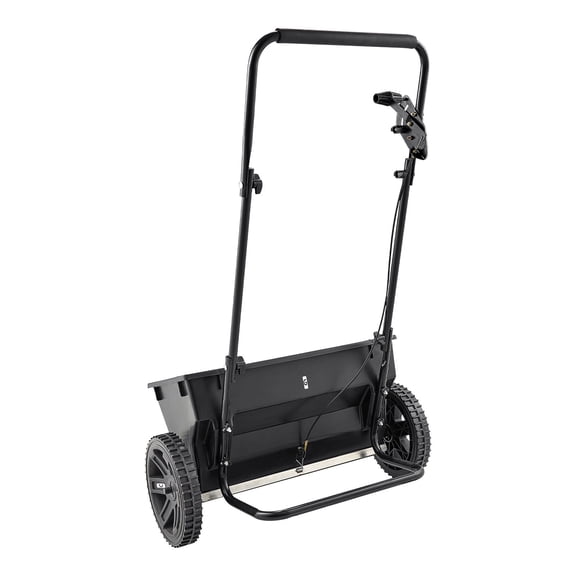
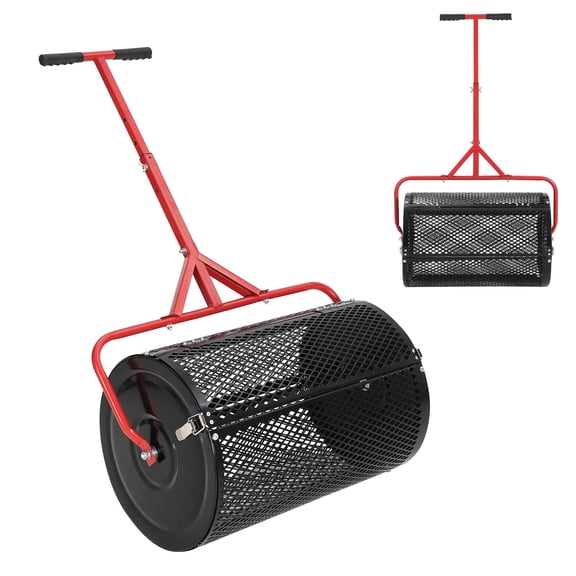
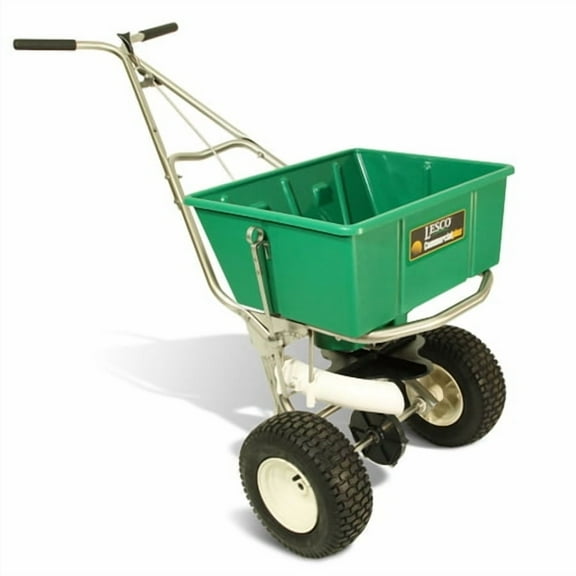
Drop spreaders release material in a controlled line between the wheels, which gives your path more precision control. You can use them along edges, sidewalks, beds, and narrow lawn sections.
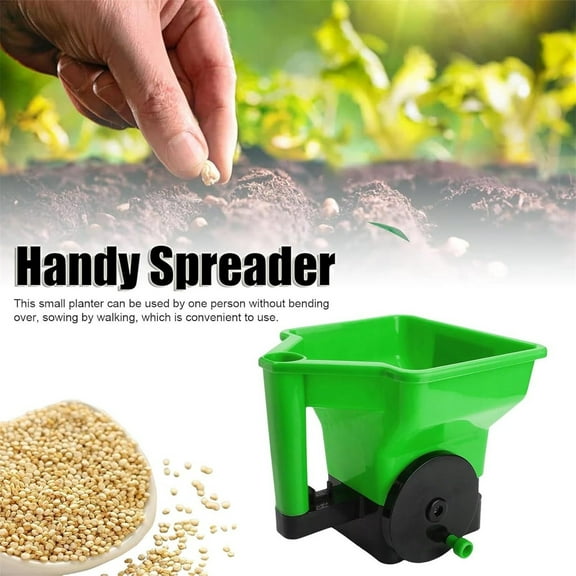
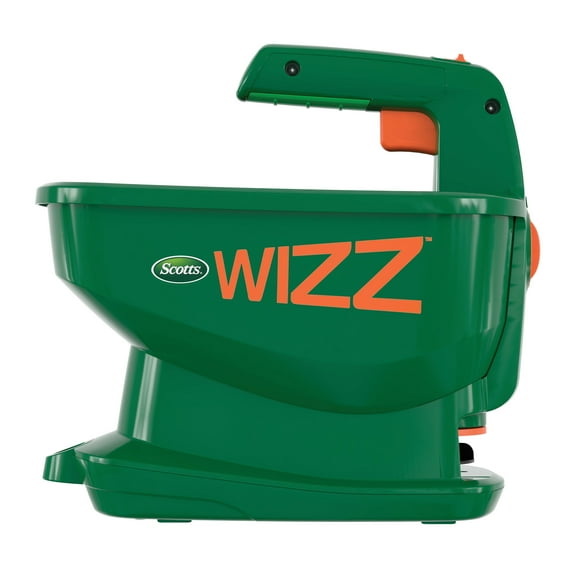
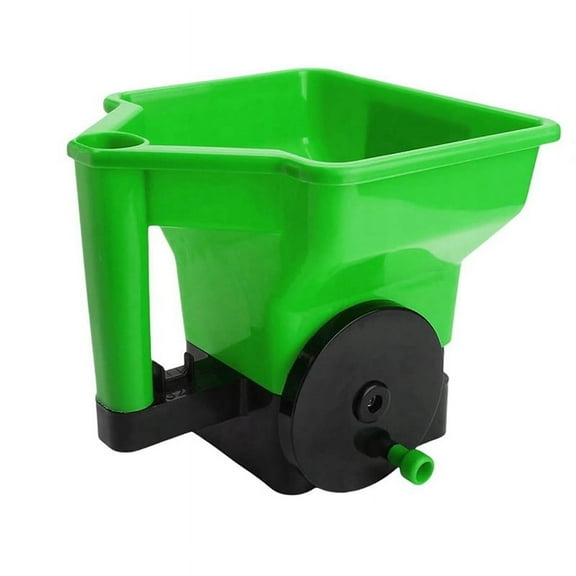
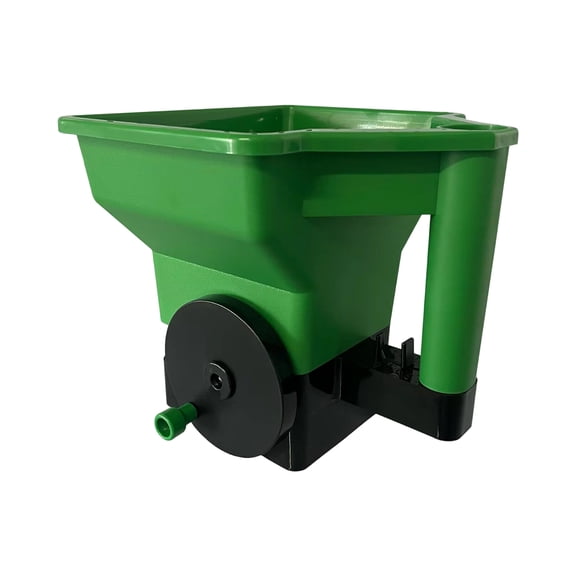
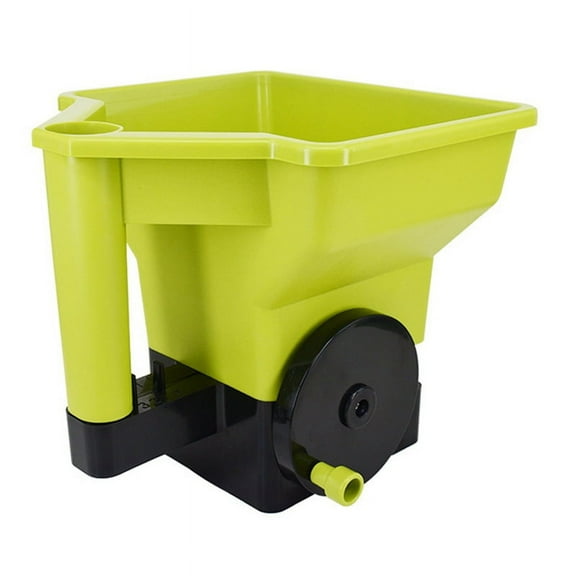
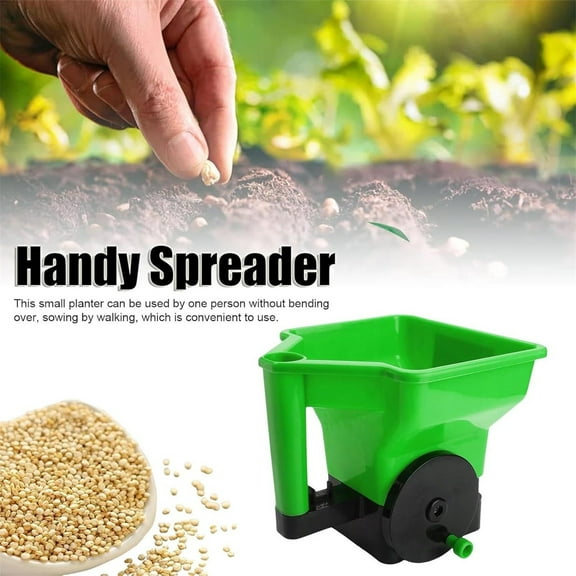
Handheld spreaders keep small jobs simple when you only need to cover a patch or a short walkway. You can also use this style as a seed spreader for spot seeding.
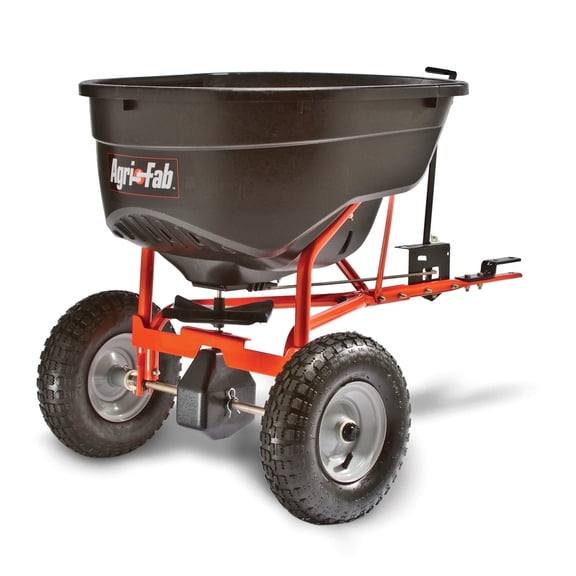
Tow-behind spreaders attach to a riding mower or lawn tractor, so you can cover broad areas with fewer refill stops. You’ll often choose this option for large acreage and longer passes.
- You can cover open spaces quickly with broadcast spreaders.
- You can place material more precisely with drop spreaders.
- You can handle touch-up work easily with a handheld spreader.
- You can manage larger properties efficiently with tow-behind spreaders.
How to choose capacity and operation for your yard
Your yard size should guide the hopper capacity you choose first. You can make lawn care feel easier when your spreader holds enough material for your usual square footage.
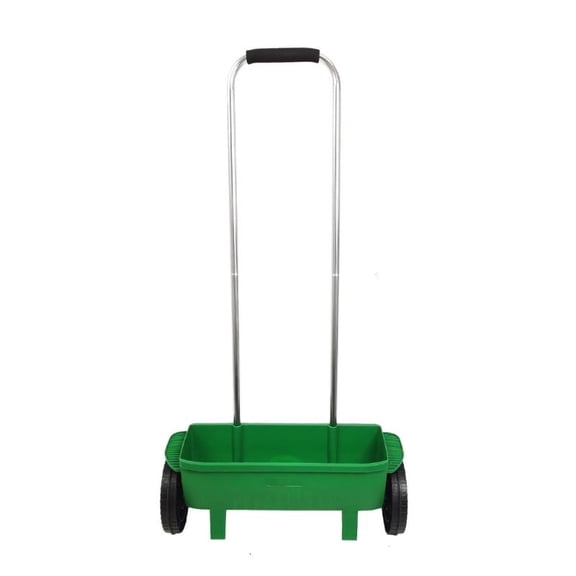
For a small yard, you may prefer a compact hopper that feels lighter and easier to store. You can move around corners, garden beds, and tight side yards with less bulk.
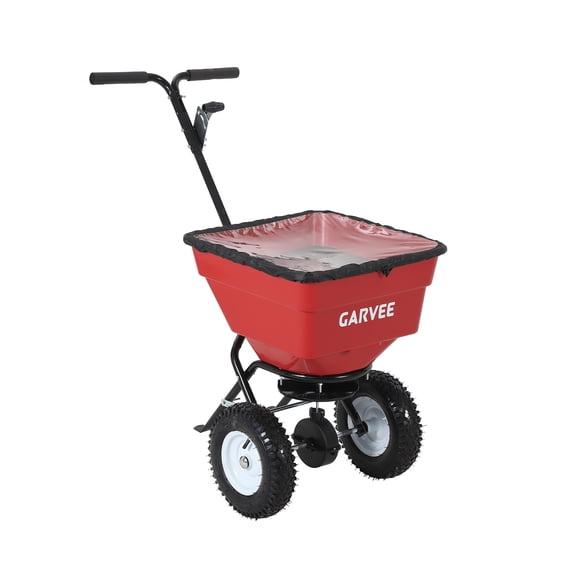
For a medium yard, you may want a push spreader with enough capacity to finish without frequent refills. You can balance control, walking comfort, and storage needs more easily.
For large acreage, you’ll usually want tow behind spreaders with a larger hopper. You can keep wider passes moving and spend less time stopping to reload material.
Your operation style matters just as much as hopper size. You can choose push, tow-behind, hand-crank, or battery-powered options based on effort level and pace.
A push spreader gives you direct control over turns and path alignment across the lawn. A hand-crank option helps you handle small areas, while battery-powered styles can simplify repeated spreading sessions.
What to look for in spread pattern and material compatibility
You should check whether your spreader fits the material you plan to apply most often. You can use many garden spreader styles for fertilizer, grass seed, ice melt, or weed control granules.
If you plan to feed a lawn in spring, you may want a spring fertilizer spreader with a pattern that matches your open lawn shape. You can cover wider areas quickly when your path overlaps evenly.
If you plan to feed again later, a fall lawn spreader with steady flow can help you handle cooler-season maintenance. You can also switch from fertilizer to seed when you’re filling thin patches.
Spread pattern is a key decision because it affects how material lands across your lawn. You can choose wide coverage with broadcast spreaders or focused placement with drop spreaders.
You should also compare settings that let you adjust output for different granule sizes. You can get more consistent coverage when your spreader lets you fine-tune flow before each job.
Material compatibility matters because grass seed, fertilizer, and ice melt can move differently through the hopper. You’ll want a design that handles your routine without clumping or uneven release.
Checking build details, calibration, and seasonal use
You should look closely at hopper and gear construction before you choose a model. You can benefit from rust-resistant materials and sturdy wheels when your spreader sees regular outdoor use.
Wheels with good traction help you maintain a straighter path across uneven grass. You can also check handle shape and frame design if you want easier control during longer sessions.
Calibration is worth reviewing because it helps you match the output setting to your material and coverage plan. You can start with product directions, then adjust for your walking speed and spread width.
If you’re applying seed after overseeding prep, you may want a seed spreader that supports controlled output. You can distribute lighter material more evenly when your settings are easy to adjust.
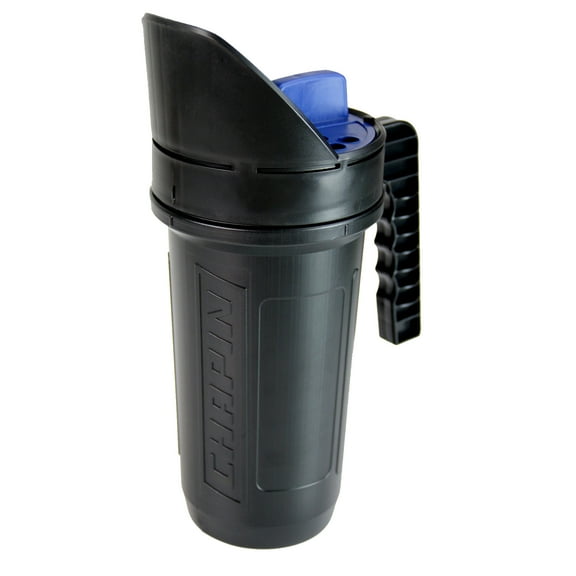
If you’re treating a driveway or walkway in colder weather, you may want a spreader that handles ice melt cleanly. You can keep one tool working across more seasons when material compatibility is clearly listed.
You can also pair your spreader choice with your lawn schedule and property layout. Your open front yard, fenced backyard, or long driveway may point you toward very different spreader types.
How fertilizer spreaders fit real lawn care routines
If you maintain a suburban yard with open grass and a few curved beds, you may lean toward broadcast spreaders. You can finish regular feeding faster and keep your passes consistent.
If you care for narrow strips near sidewalks, patios, or planting beds, you may prefer drop spreaders. You can guide material exactly where you want it without wide side throw.
If you only handle touch-ups, patch seeding, or a small front lawn, a handheld spreader may be enough. You can store it easily and grab it quickly for short jobs.
If you manage a larger property with a riding mower, tow behind spreaders can match your pace. You can cover long runs across broad turf with fewer interruptions.
When you compare fertilizer spreaders by type, capacity, materials, and operation, you can narrow your options with more confidence. You’ll end up with a tool that matches your lawn size, spread pattern needs, and seasonal care plan.