First Apartment | First Apartment Essentials
Functional furniture

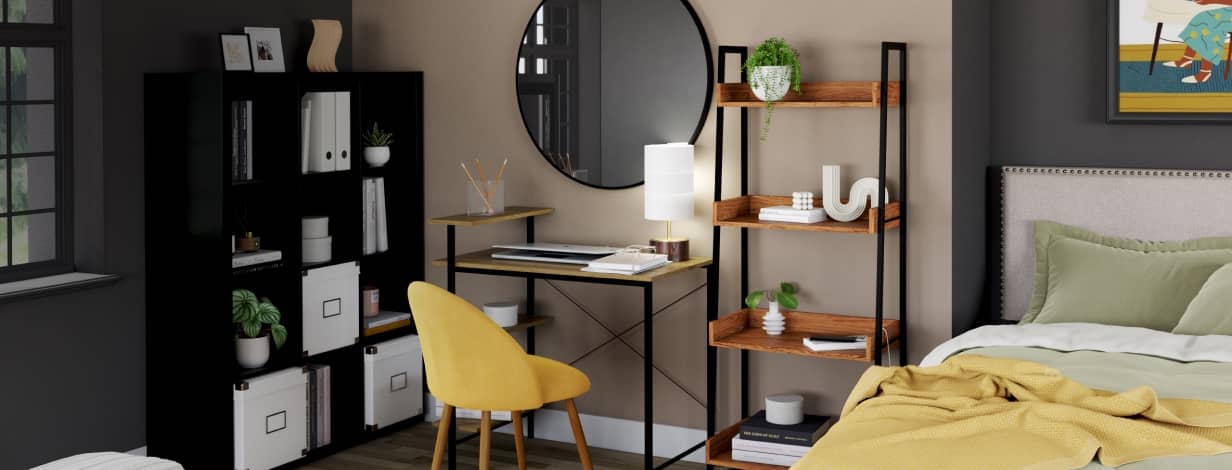
Bedroom & office boosts
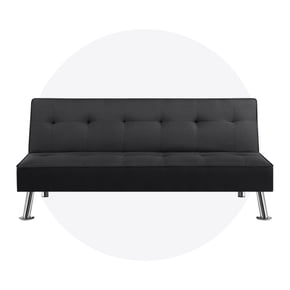
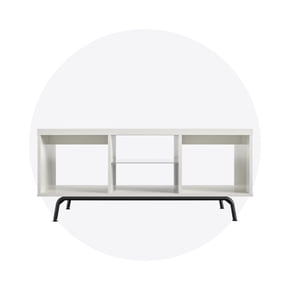
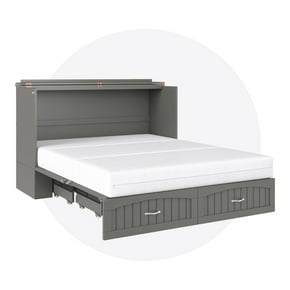
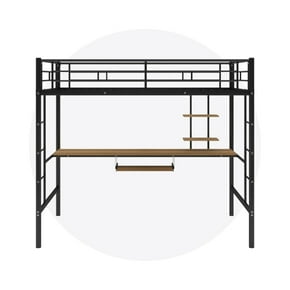
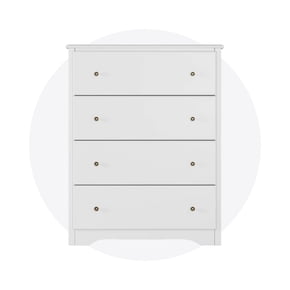
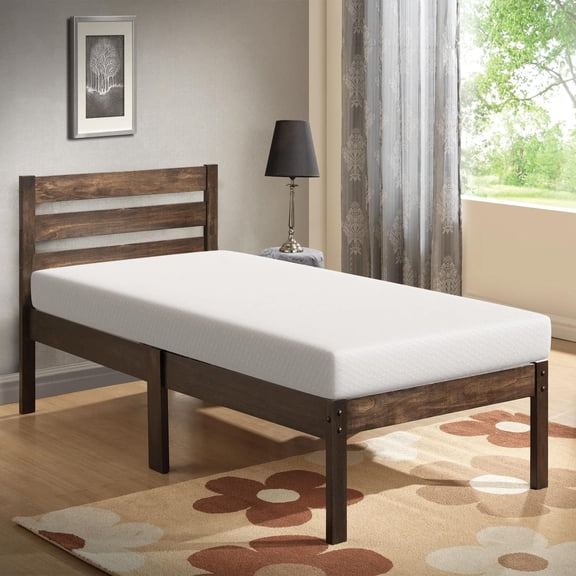
If your room does double duty, so should your furniture.Multipurpose pieces
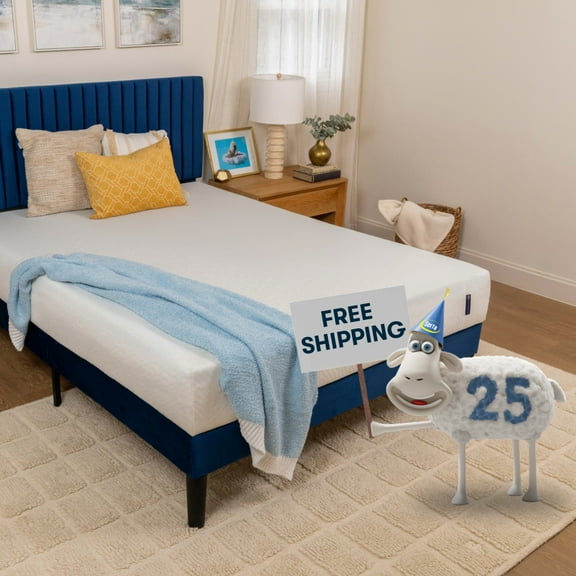
Mattress picks

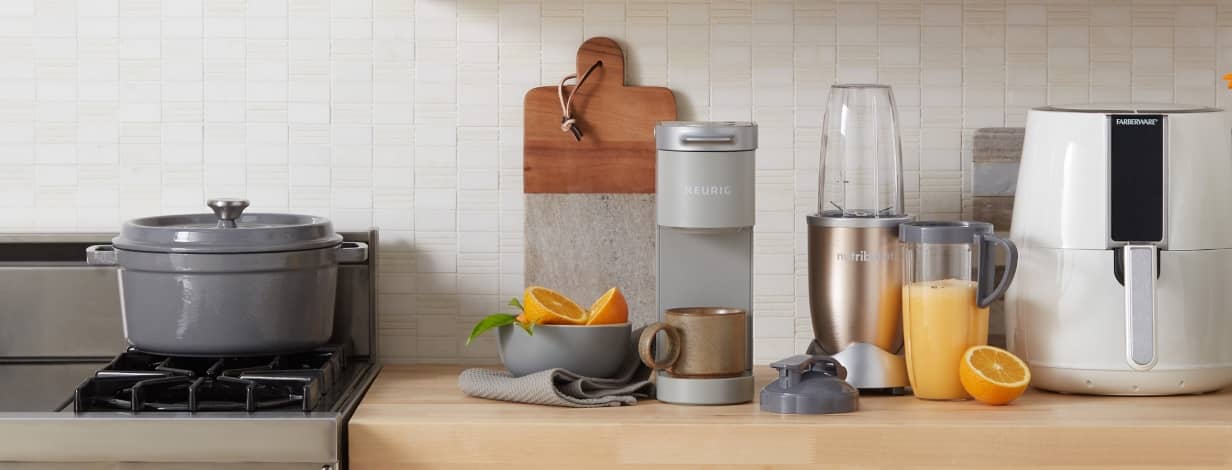
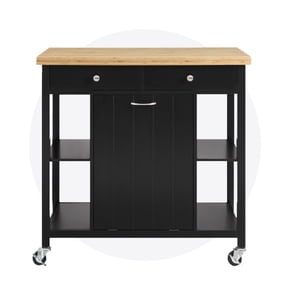
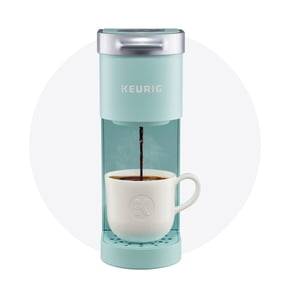
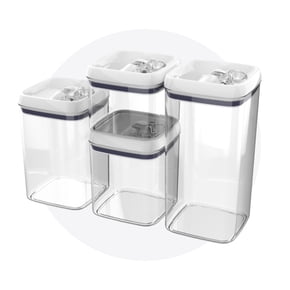
Purposeful, practical kitchen
Keep cabinets, countertops & more in order with the right solves.Shop nowAll the “ingredients”

Finishing touches
FAQ
About First Apartment | First Apartment Essentials - Walmart.com
Your first apt setup starts with apartment essentials that support day-one routines in every room. You can move in with a clearer checklist when you focus on practical basics first.
You can simplify apartment shopping by choosing items through room type, size, and daily use. Your plan stays easier to follow when each choice matches your space, schedule, and setup needs.
How to choose first apt apartment essentials
You should start with apartment needs that cover sleeping, eating, cleaning, and getting out the door. Your first time apartment essentials are highly important when they support your first night and first week.
You can separate day-one priorities from later additions by checking each room in order. Your checklist stays grounded when you cover bedding, cookware, towels, seating, lighting, and cleaning supplies first.
- You can begin with bedding, bath towels, cookware, and dinnerware for immediate daily use.
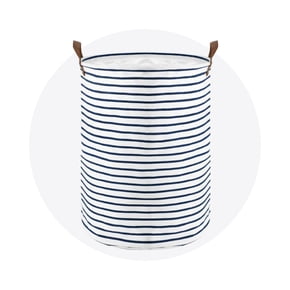
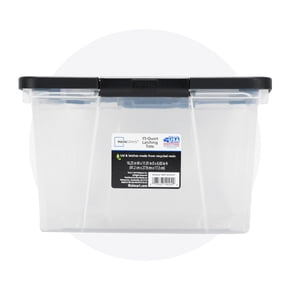
- You should add cleaning supplies, storage bins, and laundry basics to keep your space usable.
- You may choose furniture with hidden storage when your floor plan has limited clearance space.
- You can simplify apartment shopping with starter kits and multi-piece sets for faster setup.
You may notice that apartment stuff for entryways matters sooner than many shoppers expect. Your hooks, shoe racks, and catchall trays can keep keys, bags, and mail from covering small surfaces.
You can also choose pieces by room type to keep decisions simple. Your kitchen may need cookware and utensils first, while your bathroom often needs towels, a shower curtain, and storage caddies.
Choosing apartment essentials by room type
You should compare room type first because each area supports a different daily routine. Your kitchen supports cooking and eating, while your bedroom supports rest, storage, and a finished first-night setup.
In the kitchen, you can look for cookware, food storage, dishes, and compact appliances that match your counter space. Your apartment necessities may include a starter pan set, mixing bowls, and stackable containers.
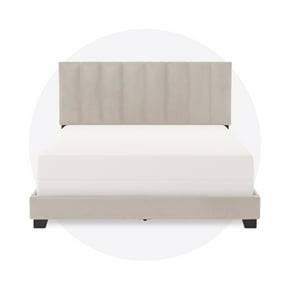
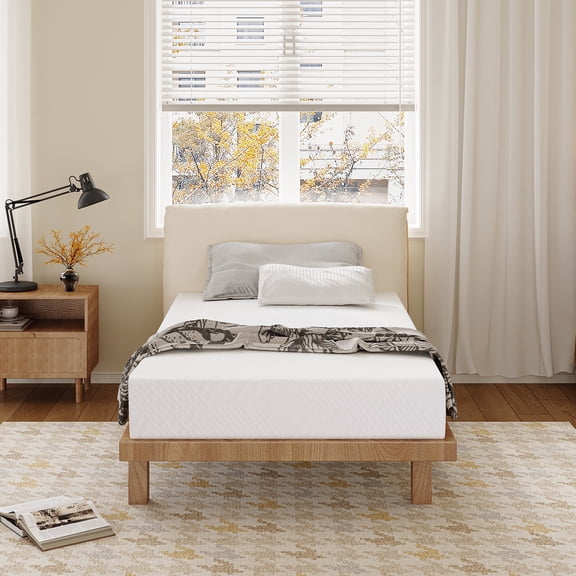
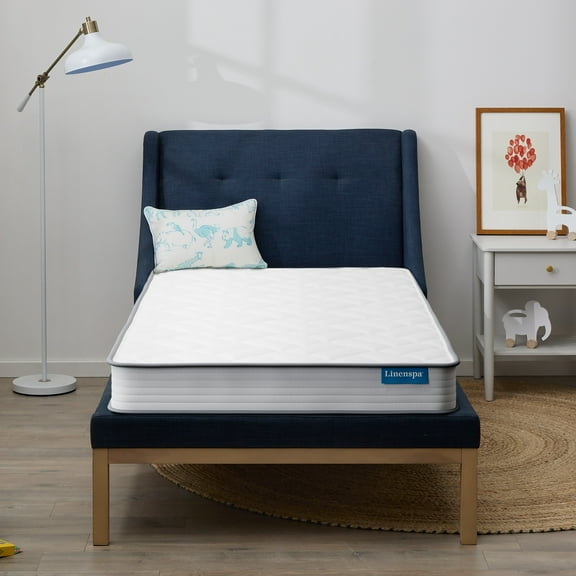
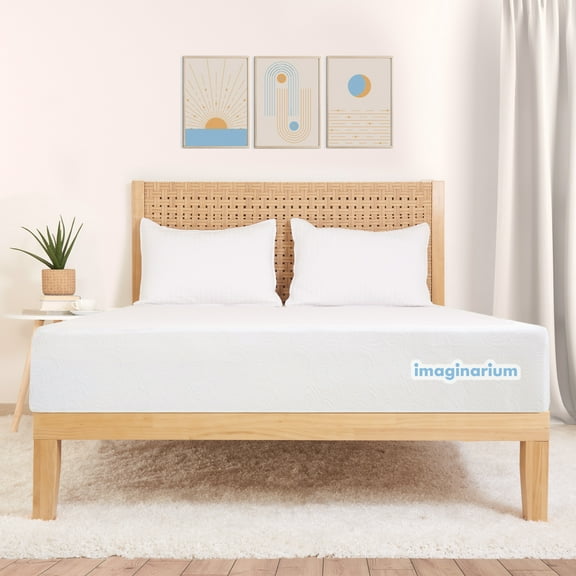
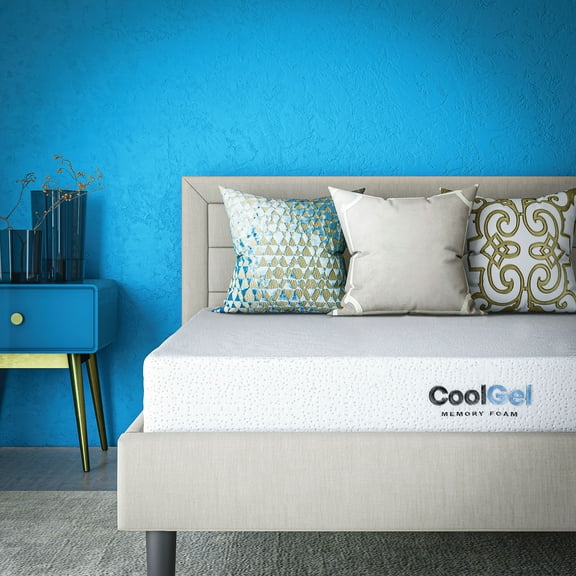
For the bedroom, you should check mattress size, sheet size, and under-bed clearance before you buy bedding or frames. Your measurements help you choose storage-friendly options that leave walking space around the bed.
In the bathroom, you can prioritize towels, bath mats, shower liners, and organizers that fit narrow shelves. Your vertical storage can make small vanities and shared bathrooms feel workable.
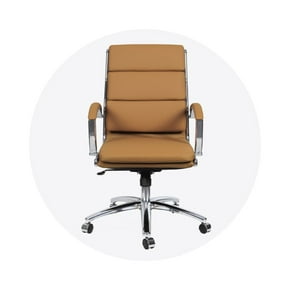
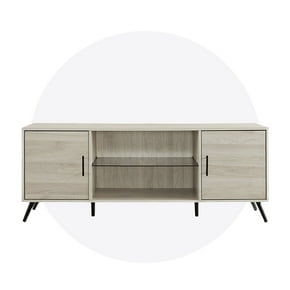
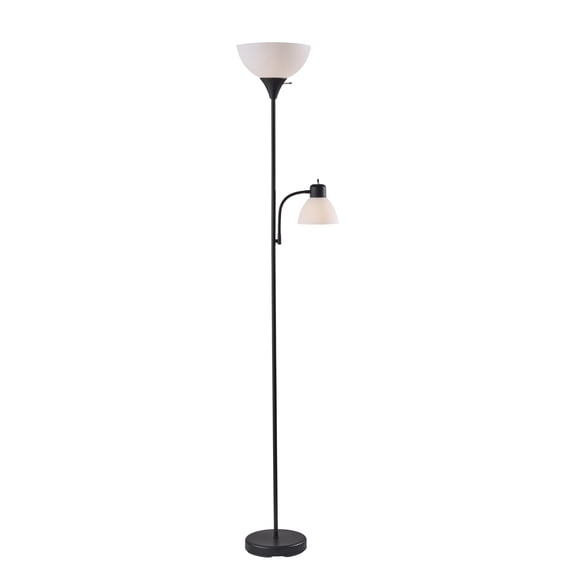
Your living room may need seating, lamps, and surfaces that serve more than one job. Your ottoman, side table, or compact desk can support relaxing, working, and hosting without crowding the room.
Your entryway deserves attention because it shapes your daily routine and keeps clutter contained. You can use benches, hooks, and slim shelves to support shoes, coats, and quick exits.
What to look for in apartment needs for small spaces
You should measure width, depth, and height before choosing furniture or storage for a compact layout. Your clearance space matters around doors, drawers, bed frames, and dining chairs.
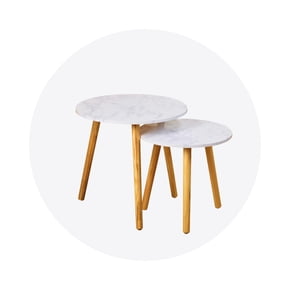
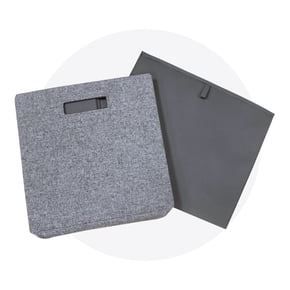
You can compare folding, stackable, multi-functional, and compact designs based on how you move through each room. Your studio or small apartment may benefit from nesting tables, fold-out dining, and stackable bins.
When you review dimensions, you should check whether assembled size differs from shipping size. Your setup works more smoothly when you confirm doorway width, stair clearance, and corner turning space.
You can also think about assembly before move-in day. Your apartment shopping list should note whether pieces need a screwdriver, hex key, wrench, or simple no-tool assembly.
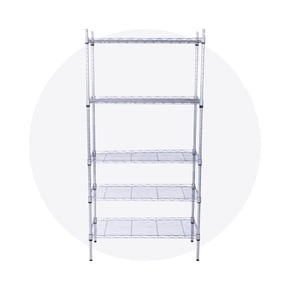
You may want organization pieces that use vertical space instead of floor space whenever possible. Your shelves, over-the-door racks, and drawer organizers can help each room stay functional.
Style can guide your choices once you cover your size and function needs. Your modern, minimalist, boho, or industrial look feels cohesive when storage, furniture, and bedding share a clear direction.
Comparing sets and apartment necessities
You can reduce setup time when you compare individual items with starter kits, bulk packs, and multi-piece sets. Your choice depends on how much you already own and how quickly you need each room ready.
Individual pieces give you control over color, size, and material. Your approach works well when you’re filling gaps instead of building a full apartment from scratch.
Starter kits help you cover basics without building a long list item by item. Your kitchen or bathroom can come together faster when a coordinated set includes the pieces you need first.
Bulk packs can make sense when you need repeat-use items like hangers, towels, food containers, or cleaning cloths. Your routine can stay organized when you have enough on hand from the start.
Multi-piece sets work well when you want a matched look across bedding, cookware, or dinnerware. Your apartment necessities can feel pulled together without extra planning.
You should still compare set contents carefully before you choose. Your checklist should confirm piece count, dimensions, included hardware, and whether assembly tools come in the box.
Apartment shopping tips for daily routines
You can build a practical setup by matching products to real habits instead of empty-room photos. Your morning routine may depend on bathroom storage, bedroom lighting, and an entryway drop zone.
If you cook often, you should focus on pans, prep tools, dishes, and food storage before decor. Your kitchen apartment essentials support weeknight meals, leftovers, and quick cleanup in tighter spaces.
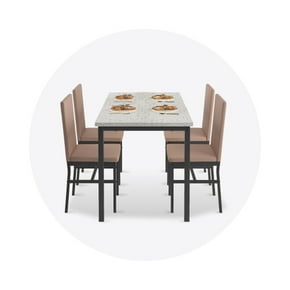
If you host friends, you may want flexible seating, nesting tables, and extra dinnerware sets. Your living room and dining area can handle guests more easily with stackable or multi-use pieces.
For shared apartments, you should compare bulk packs, labeled storage, and compact organization for common areas. Your household can keep bathrooms, kitchens, and entryways easier to manage with clear zones.
If you’re furnishing slowly, you can begin with apartment essentials and add style pieces over time. Your first apt checklist stays grounded when comfort, storage, and routine come before extras.
You can feel prepared when your list covers room type, product category, space-saving design, pack size, and assembly needs. Your move-in can stay organized from day one with essentials that fit your space and routine.