


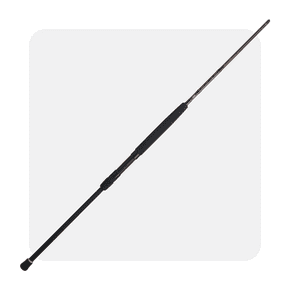


Fishing Gear
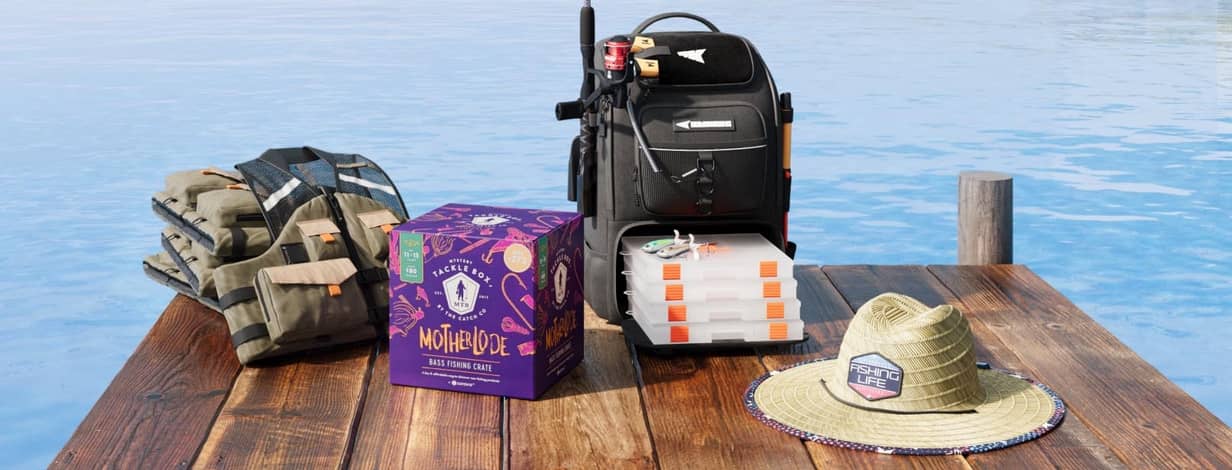
Fishing essentials
Gear to reel it in
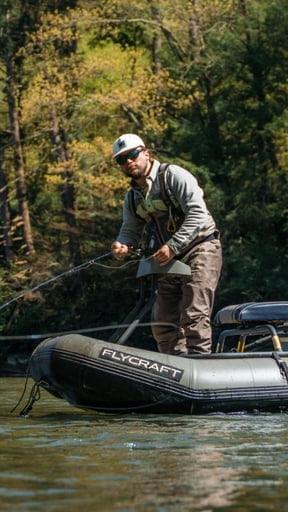


On the water








More brands to love









FAQ
About Fishing Gear - Walmart.com
You’ll find fishing gear that helps you match water type, target species, and skill level without guessing through technical details. You can compare rods, reels, lures, and tackle storage in one place, so your setup feels complete from the first cast.
If you’re building a beginner kit or refining a tournament-ready lineup, you can focus on the gear decisions that change your day on the water. You’ll also find options for freshwater fishing tackle, saltwater fishing gear, and seasonal setups like ice fishing gear or summer fishing equipment.
How to choose fishing gear for your water and experience
When you choose by water type first, you can narrow your options faster and avoid mismatched materials. You’ll want corrosion-resistant parts and sealed bearings for saltwater, while you can prioritize lightweight handling for many freshwater setups.
If you’re new to the sport, you can start with combos that pair rod power and reel size for easier matching. As your skills grow, you can compare action, gear ratio, and lure weight ranges with more precision.
- You can use freshwater fishing tackle for ponds, rivers, and lakes where lighter line and smaller lures often feel easier to manage.
- You can choose saltwater fishing gear with corrosion-focused construction when you need reels and hardware that handle harsher conditions.
- You can pick beginner fishing gear with simple combos and organized tackle that reduce setup time and confusion.
- You can step into advanced setups by comparing baitcaster rods, spinning reels, and species-specific lure categories.
Choosing fishing rods, fishing reels, and combos
You should match fishing rods and fishing reels by power, action, and reel type before you think about colors or styling. A medium power rod gives you broad versatility, while fast action can help you feel bites and work lures with sharper control.
When you compare spinning reels and baitcasting options, you’re really choosing how you want to cast and retrieve. Spinning reels can feel easier for lighter lures, while baitcasters can give you tighter control for heavier presentations.
You’ll also want to check gear ratio because it affects how quickly your reel picks up line. A faster ratio helps you burn a lure back quickly, while a slower ratio can suit steady retrieves.
If you travel often, you may prefer multi-piece rods that store more easily in a vehicle or gear closet. If you fish from a dedicated setup, you may like one-piece rods for a more continuous feel.
What to look for in fishing lures, line, and terminal tackle
You can narrow fishing lures by species, depth, and presentation instead of choosing at random. Bass fishing lures often include soft plastics, crankbaits, and jigs, while trout and walleye anglers may focus on smaller profiles.
Your line choice matters because it affects casting distance, lure action, and hook-setting control. You can compare monofilament, braided line, and fluorocarbon by stretch, visibility, and handling preferences.
When you build terminal tackle, you should match hook size, weight, and leader strength to your target species. You’ll get a more balanced setup when your lure weight and line test fit bass, trout, walleye, or catfish needs.
If you fish changing conditions, you can keep multiple lure styles ready for shallow cover, open water, or colder temperatures. You can also add seasonal tools, including ice fishing gear for colder months and summer fishing equipment for warmer trips.
Comparing tackle boxes, tackle bags, and storage
You can stay organized by choosing tackle boxes or tackle bags based on how you move and how much gear you carry. Hard cases help you separate terminal tackle and small lures, while soft bags can give you flexible pockets and easier transport.
If you bank fish, you may want a lighter bag that keeps essentials close without extra bulk. If you fish from a boat, you may prefer larger storage that keeps trays, line spools, and tools sorted.
You should also look for storage that fits your lure sizes and utility boxes without wasted space. A smart layout helps you change presentations faster and keeps your fishing line, weights, and hooks easy to reach.
Matching fishing gear to real fishing scenarios
For a beginner freshwater setup, you can start with a spinning combo, basic tackle, and a small tackle box. That combination gives you manageable casting, simple storage, and enough flexibility for lakes, ponds, and riverbanks.
If you’re targeting bass, you can pair medium-heavy power with lure weights that suit jigs, worms, and crankbaits. You may also want baitcaster rods when you need more control around cover and structure.
For trout or walleye, you can lean toward lighter rods, smaller lures, and line that supports finesse presentations. You’ll often benefit from a setup that feels responsive during subtle retrieves and controlled hooksets.
When catfish is your focus, you can size up line test, hook strength, and rod power for heavier rigs. If you fish coastal areas, you can choose saltwater-ready reels and tackle that stand up to repeated exposure.
You can build a more useful kit when every piece supports your water type, species, and fishing style. With the right fishing gear choices, you’ll spend less time adjusting equipment and more time making confident casts.