

Floor Tile in Tile by Application
































About Floor Tile in Tile by Application - Walmart.com
Floor tile helps you create a durable surface for busy rooms, and you can compare materials, finishes, and installation types with confidence. You can narrow your options faster when you understand how vinyl, ceramic, porcelain, and slate fit different spaces.
If you're updating a kitchen, bathroom, entryway, or patio, you need floor tile that matches daily traffic and moisture levels. You can also choose visuals like wood look floor tile, marble look, patterned designs, or clean solid colors.
How to choose floor tile by material
When you compare materials, you should start with how your room gets used every day. You may prefer ceramic floor tile for classic style and familiar upkeep. You may choose porcelain floor tile when you want denser construction.
You may also consider vinyl floor tile when you want easier cleanup and a softer feel underfoot. You may choose slate when your space calls for natural texture and variation.
If you want a tile for wet spaces, you should check water absorption rate before you decide. You can often use porcelain in bathrooms because you need a denser option for frequent moisture.
For everyday family traffic, you should also compare PEI wear rating, because that tells you how your surface handles foot traffic. You can use that rating to separate lighter-use options from tiles made for entryways and active rooms.
Choosing installation types that fit your project
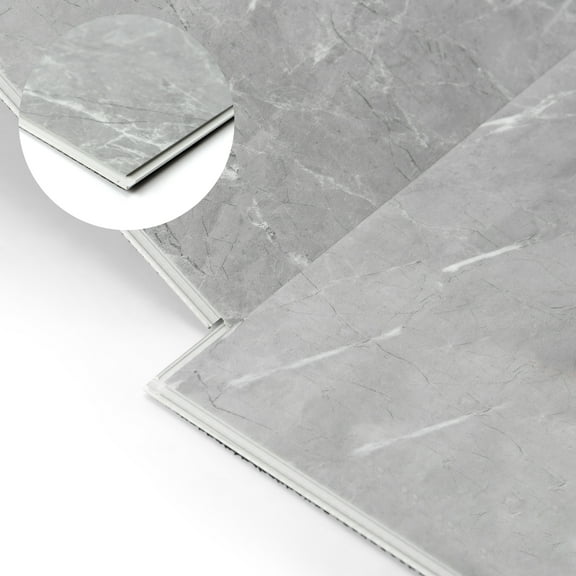
Your installation method affects prep time, tools, and the finish you want in your room. You can choose peel and stick floor tile for a simpler DIY update. You can also choose grout and mortar for a traditional install.
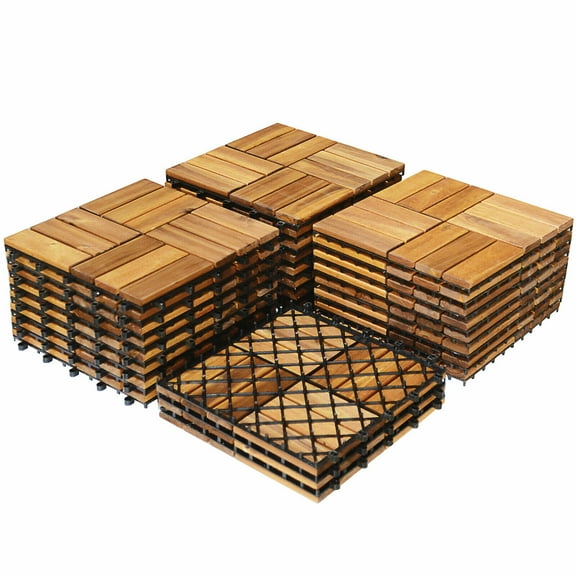
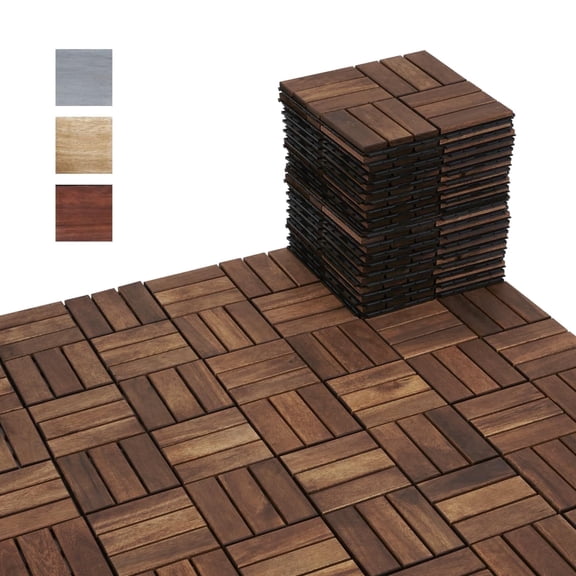
You may also compare interlocking floor tiles when you need flexible coverage in utility spaces. You should measure carefully before you decide, because straight placement keeps your floor looking clean and consistent.
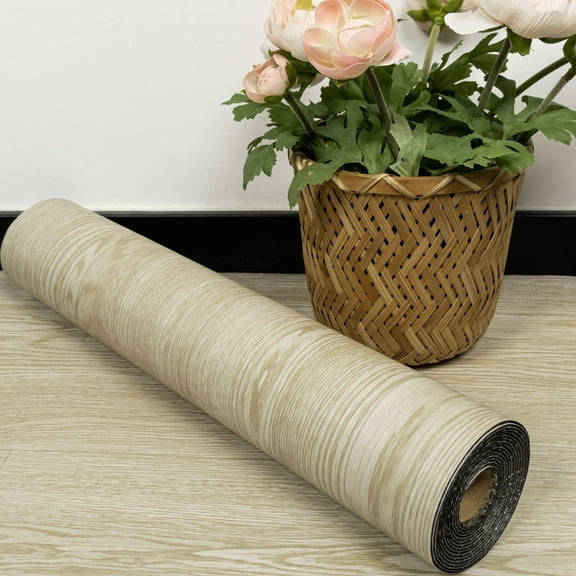
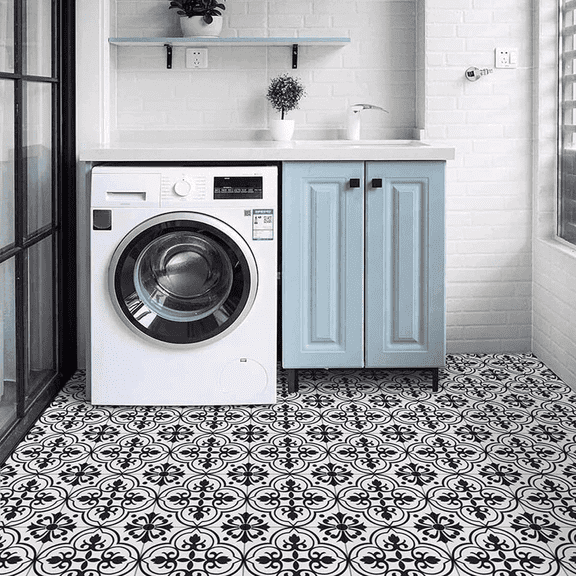
If you want a faster refresh, peel and stick floor tile can help you cover laundry rooms, mudrooms, or small spaces with less mess. You can use that option when you want a quicker project with fewer installation steps.
When you choose grout and mortar, you usually want a permanent finish and a wider range of tile sizes. You may prefer this route when you want ceramic floor tile or porcelain floor tile in a kitchen floor tile layout.
- You can use peel and stick floor tile when you want a simpler DIY project.
- You can choose grout and mortar when you want a classic installed look.
- You can compare interlocking floor tiles when you need flexible placement in utility spaces.
- You should measure square footage and layout lines before you select carton counts.
What to look for in bathroom and kitchen floor tile
If you're choosing bathroom floor tile, you should focus on moisture exposure and grip underfoot. You can compare DCOF rating when you want added traction guidance for wet environments.
For kitchens, you need a surface that works with spills, chair movement, and steady foot traffic. You may want vinyl floor tile for easier maintenance, or porcelain when you want a dense surface for daily cooking zones.
In entryways, you should look for a stronger wear rating, because grit and shoes can challenge softer surfaces. You can reserve lighter decorative looks for lower-traffic spaces where appearance matters more than heavy use.
Choosing the right design and finish
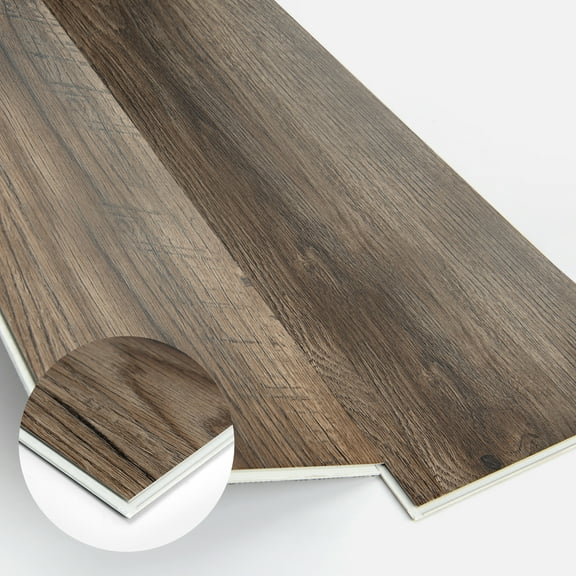
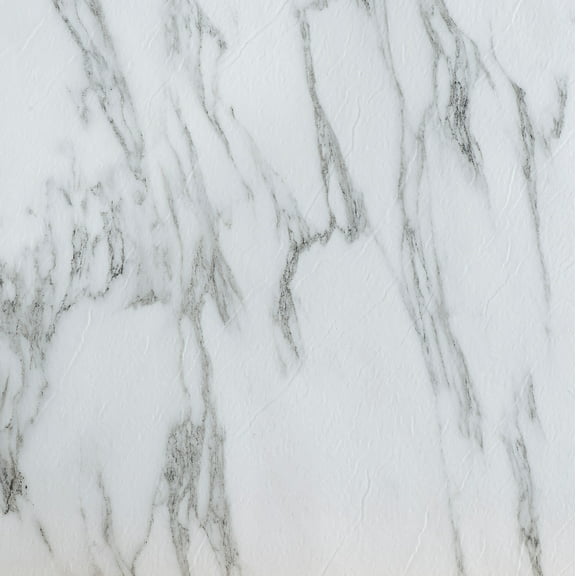
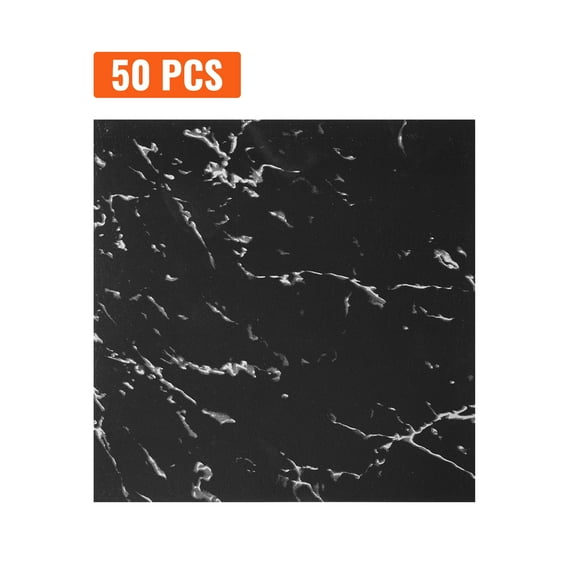
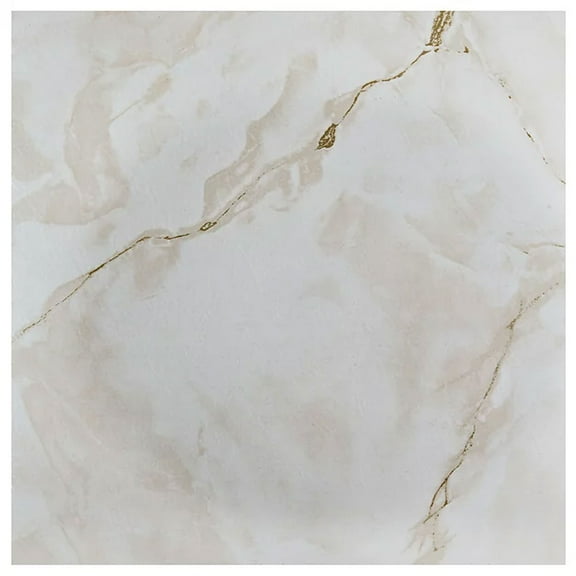
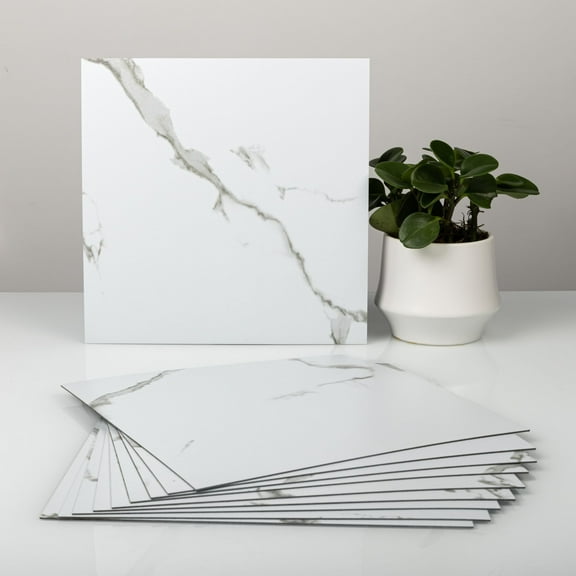
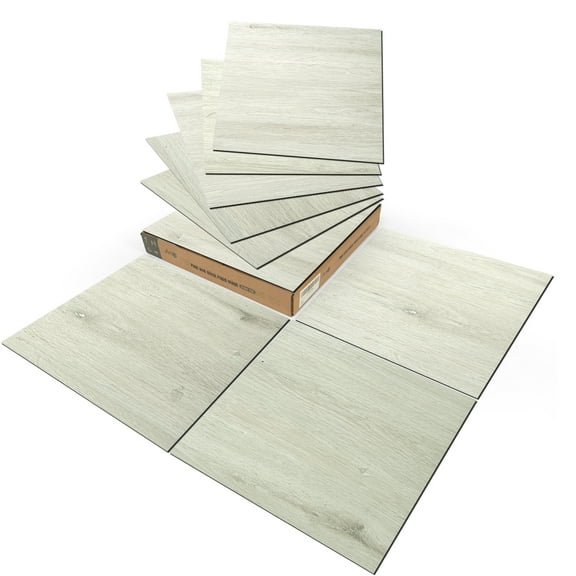
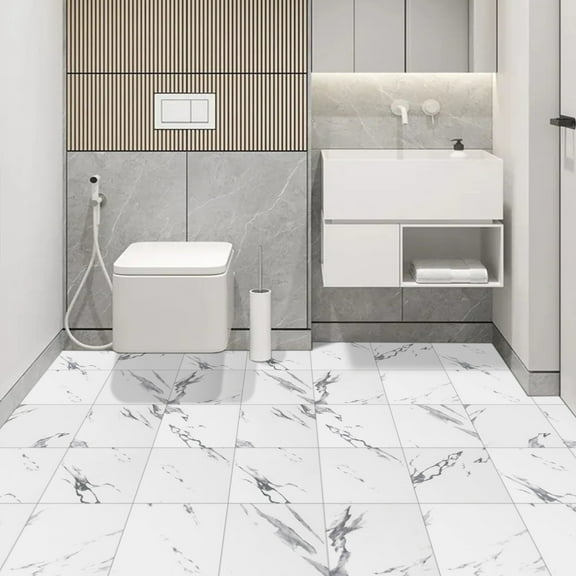
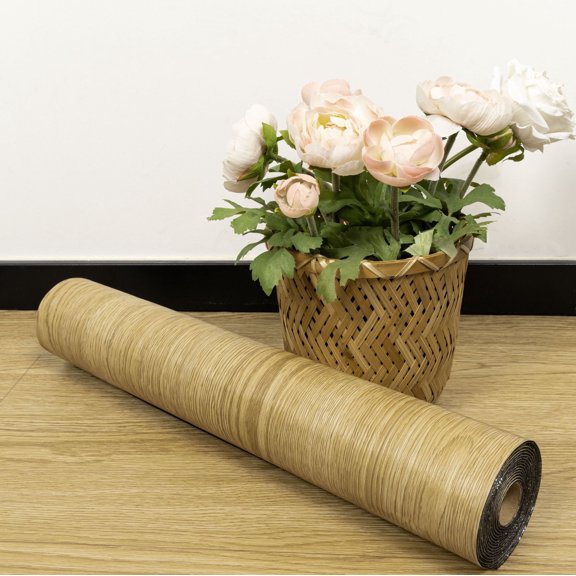
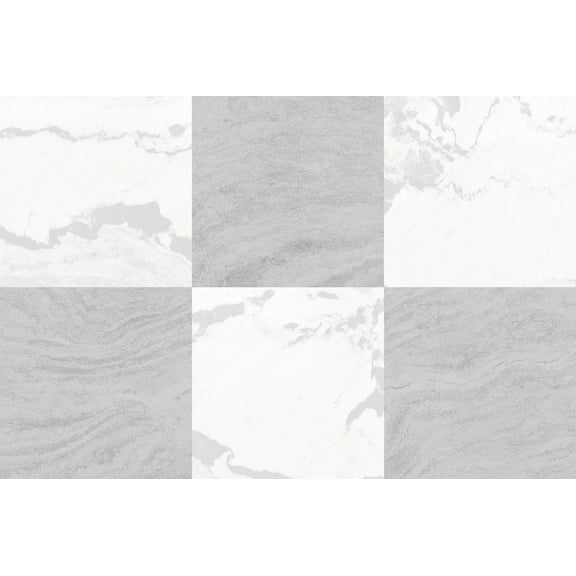
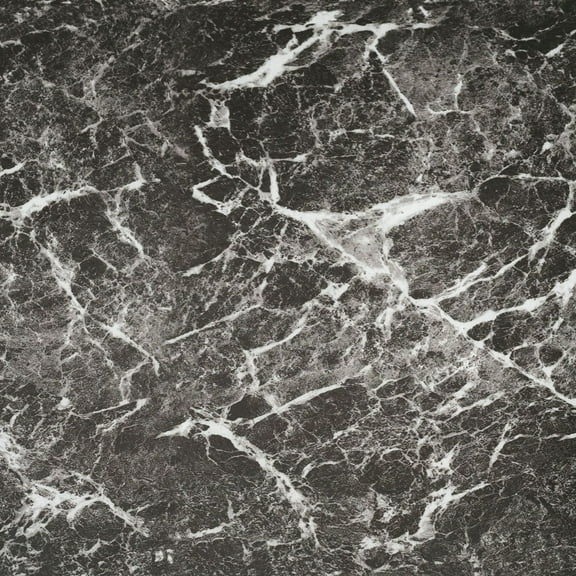
Your floor style shapes how your whole room feels, so you should compare finish and pattern early. You can use wood look floor tile for a warm appearance. You can choose marble look when you want a polished feel.
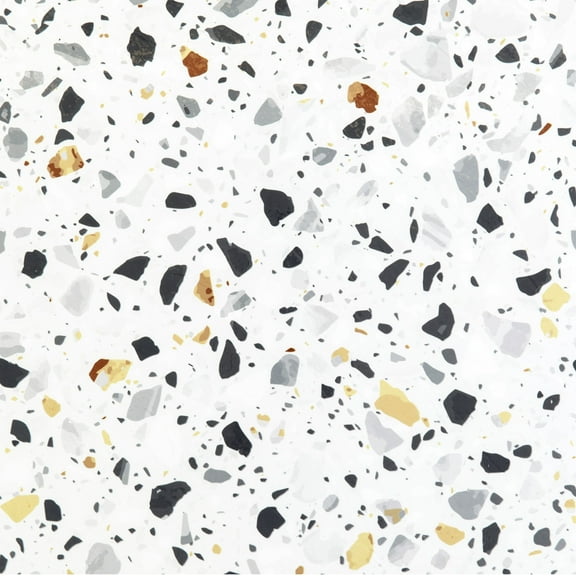
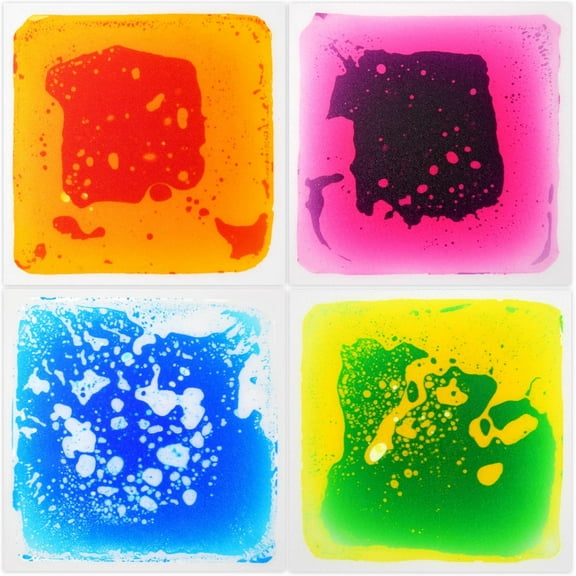
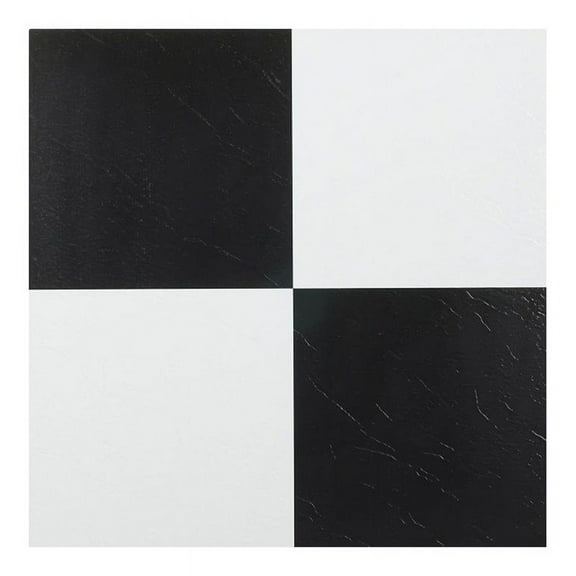
You may also use patterned tile when you want visual movement in a smaller space. You can choose solid tile when you want a quieter layout that supports other finishes.
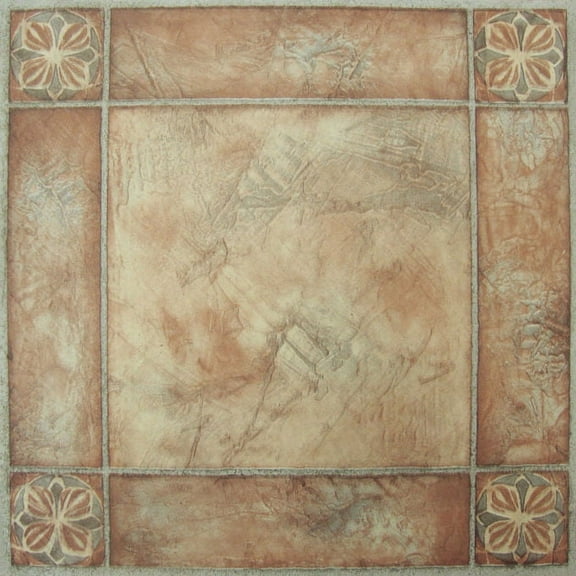
If you want a rustic or natural setting, slate and textured looks can add depth to patios and transitional spaces. You should check whether your finish suits indoor or outdoor use before you finalize your choice.
For smaller rooms, you may prefer lighter tones and simple patterns that keep your floor from feeling busy. You can use bold patterned pieces in powder rooms or entryways when you want your floor to anchor the design.
Matching floor tile to real household projects
If you're reworking a guest bath, you may want porcelain or ceramic with a moisture-friendly profile and a suitable DCOF rating. You can pair that choice with smaller formats when you need more grout lines for traction and layout flexibility.
For a kitchen refresh, you might compare vinyl floor tile and porcelain based on your cleanup habits and install plans. You can choose wood look floor tile when you want a softer visual style without using actual wood planks.
When you're updating an entryway, you should prioritize PEI wear rating and easy surface care. You can also compare interlocking floor tiles for utility areas where you want straightforward placement and adaptable coverage.
If your project extends to a patio, you should confirm your product's intended application area before ordering. You can avoid mismatched expectations when you compare indoor and outdoor suitability at the start.
With the right floor tile, you can balance material, installation, and room demands without guessing through the details. You can finish with a surface that suits moisture, traffic, and style from the first step through daily use.