

Fluke Process Meters & Multimeters | Walmart














About Fluke Process Meters & Multimeters | Walmart - Walmart.com
You can compare a fluke process meter here with other electrical testing tools that fit industrial maintenance, HVAC work, utility tasks, and home projects. You'll get a clearer path to the right tool type, safety rating, and measurement style for the jobs you handle.
If you're choosing between process meters, multimeters, clamp meters, and voltage testers, you need decision support that matches real electrical work. You can use this guide to understand what each option does and how it fits your daily troubleshooting routine.
How to choose a fluke process meter
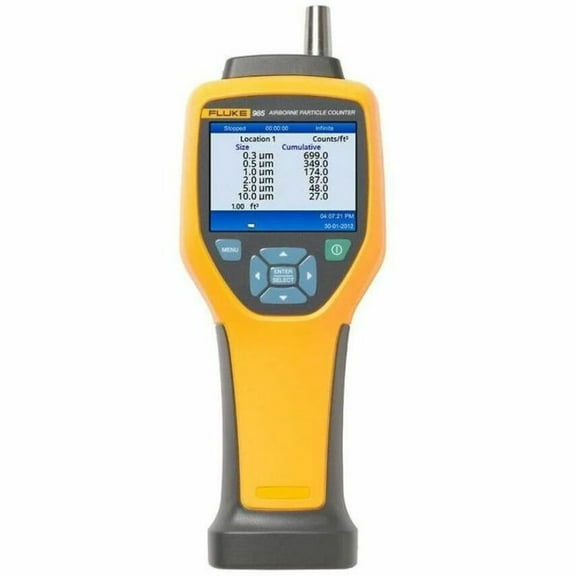
You should start with the tool type because each format supports a different testing task. You can use a process meter when your work involves measuring electrical signals and checking process loops in industrial settings.
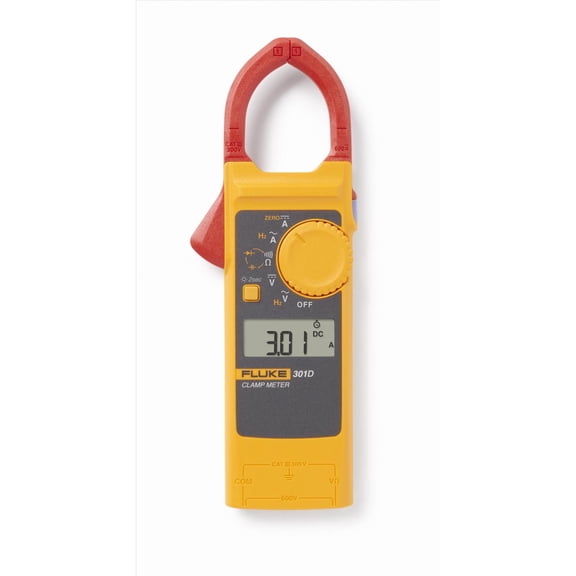
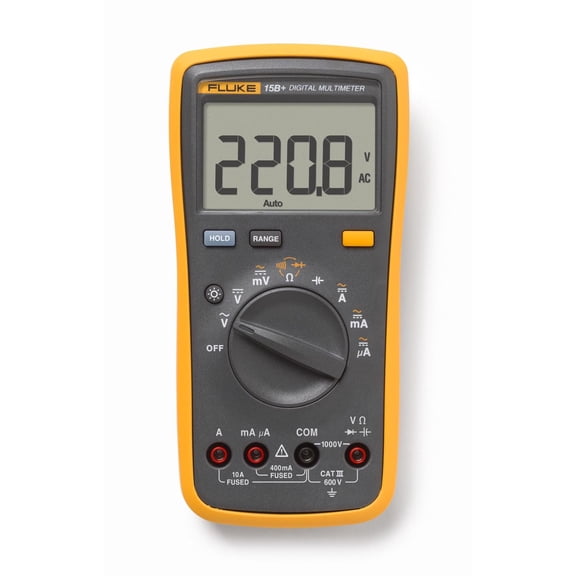
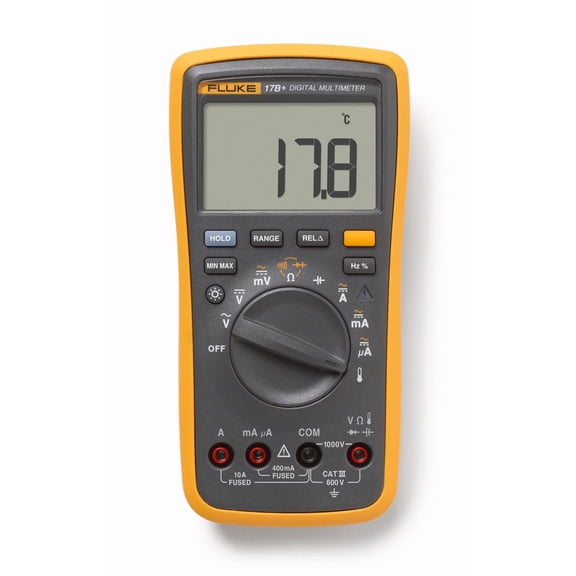
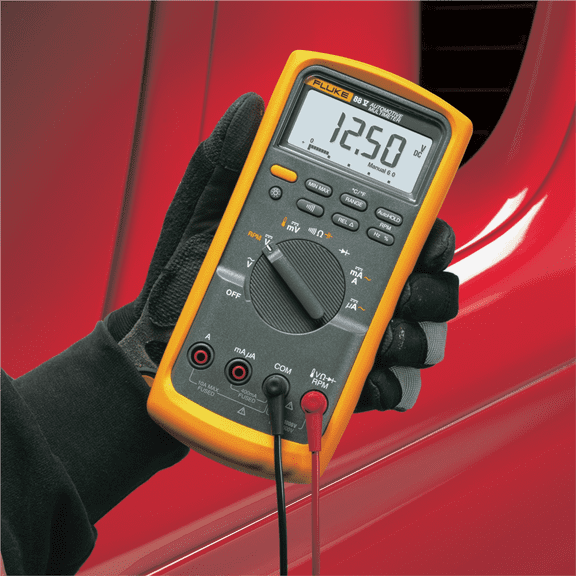
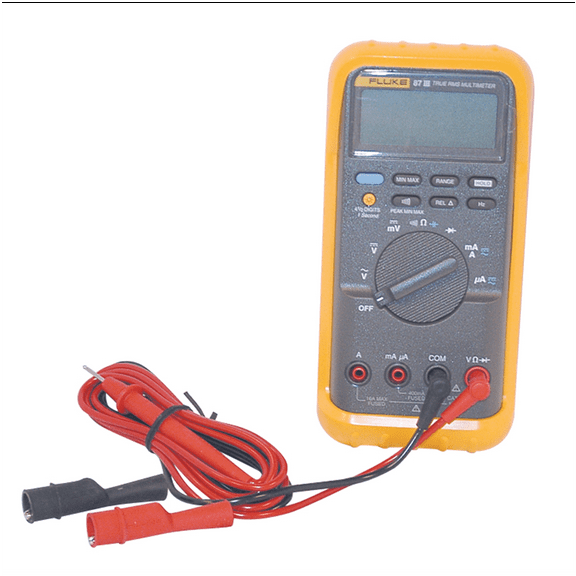
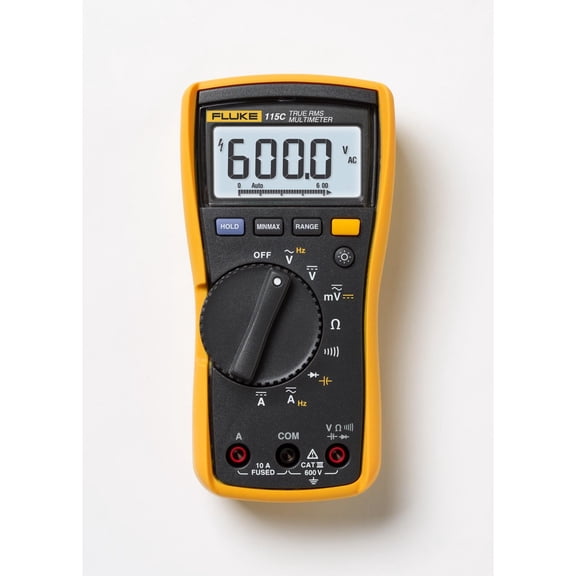
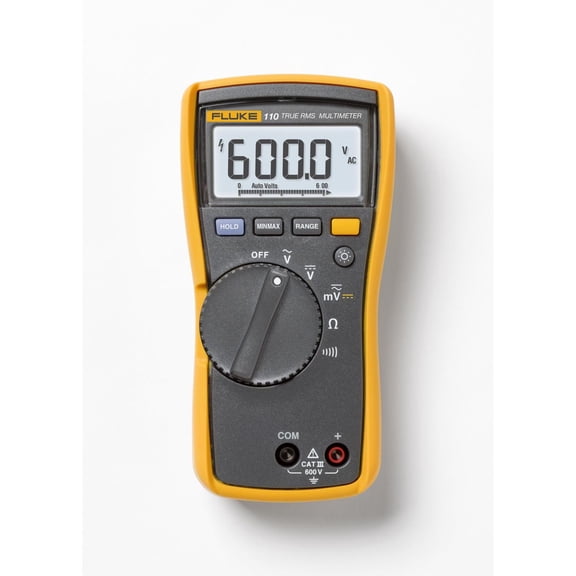
If your tasks cover broad electrical diagnostics, you may prefer a handheld multimeter for flexible everyday readings. You can choose a clamp meter when you want current readings without breaking a circuit connection.
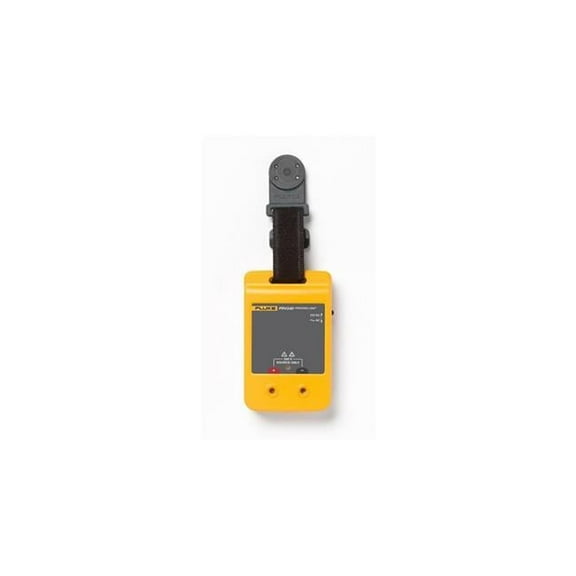
When you need quick checks, you can keep a voltage tester ready for fast power verification. You can also compare an indicator box or electricity meter setup when your workflow includes panel visibility or simple readouts.
- You can use process meters for loop work and industrial signal checks.
- You can use multimeters for voltage, resistance, and continuity tasks.
- You can use clamp meters when you want current readings around a conductor.
- You can use voltage testers for quick presence-of-power checks.
Choosing safety ratings for electrical testing
You should compare CAT III 600V, CAT III 1000V, and CAT IV 600V ratings before you choose a meter. You can match the rating to the environment where you'll test panels, feeders, or service entrances.
If you work around distribution panels and branch circuits, you may look for CAT III coverage. If your tasks reach utility connections or outdoor service points, you may need CAT IV coverage.
You should treat these ratings as a jobsite filter, not a small spec line. You can narrow options faster when your meter matches the electrical environment you face most often.
What to look for in measurement type
You should compare True-RMS and Average Responding readings when your equipment loads vary. You'll often want True-RMS when motors, drives, or variable-speed equipment create uneven electrical waveforms.
If your work involves stable, simple loads, you may find Average Responding tools fit straightforward checks. You can use that distinction to avoid overbuying or underbuying for your daily work.
When you troubleshoot HVAC equipment or industrial controls, you may want accuracy across changing signals. You can often use a fluke process meter or fluke multimeter with True-RMS to support those demanding readings.
Matching tool type to your application
You should choose by application because industrial maintenance, HVAC service, electrical utility work, and residential DIY each require different priorities. You can compare rugged handheld tools for field work and simpler testers for occasional household tasks.
If you maintain plant equipment, you may focus on process meters that support signal verification and loop checks. If you service heating and cooling systems, you may prefer a multimeter that handles varied electrical measurements in tight spaces.
For utility work, you may prioritize higher safety categories and durable handheld designs. For home projects, you can focus on clear displays, familiar functions, and easy portability.
Comparing form factor and portability
You should think about where you'll carry the tool before you compare detailed specs. You can keep a handheld meter close during ladder work, while a clamp meter can simplify current checks in crowded panels.
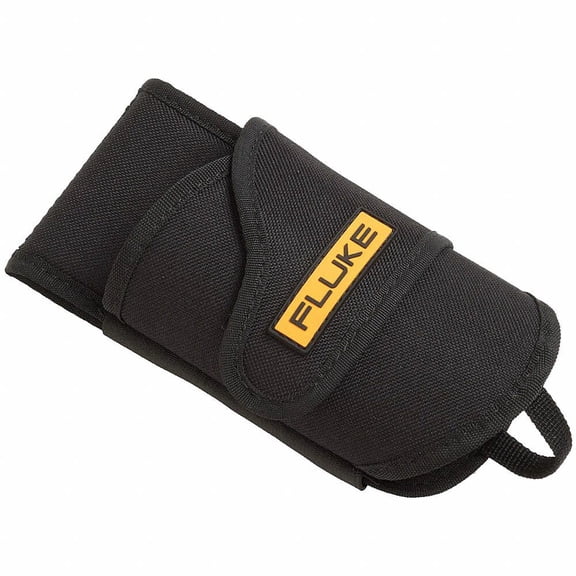
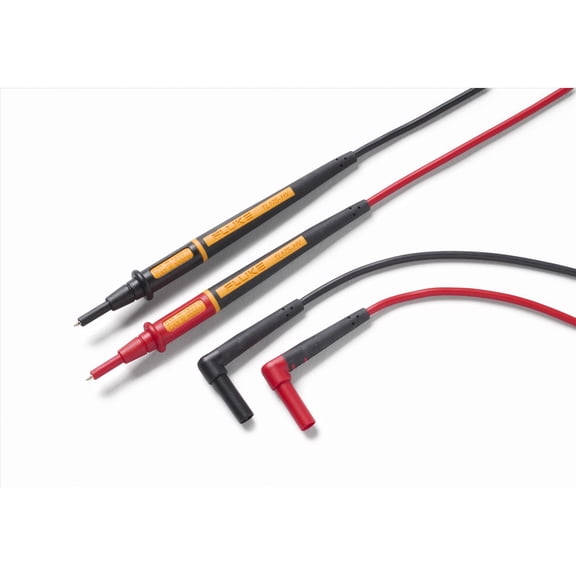
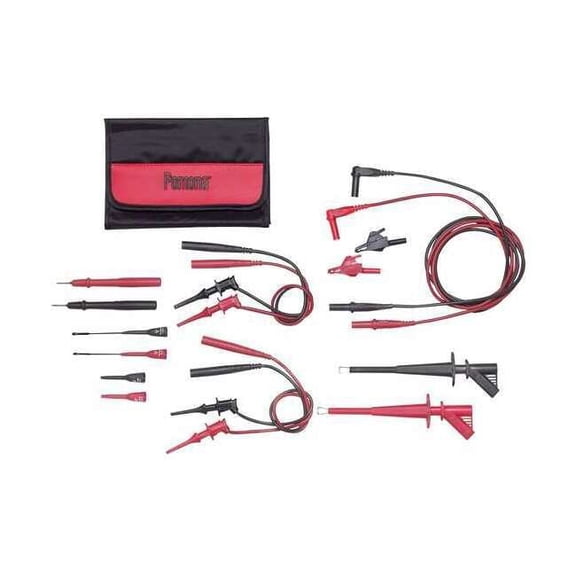
If you move between service calls, you may want a compact design that fits your pouch or tool bag. You can also compare screen size, button layout, and lead storage based on how often you'll use the meter one-handed.
When your tasks involve repeated walk-throughs, you may prefer lighter tools that travel easily. You can choose a form factor that supports quick checks without slowing your workflow.
Availability, pickup, and buying confidence
If you're looking for a fluke store or wondering who sells fluke meters, you can use Walmart.com to check availability and convenient fulfillment options. You can review online selection and see choices that fit pickup or delivery preferences.
When you need a fluke multimeter for upcoming work, you can compare related tool types in one place. You can also evaluate process meters, voltage testers, and clamp meters without shifting between unrelated categories.
You can shop with more confidence when you understand safety ratings, measurement style, application fit, and tool format before you choose. You'll make a more accurate pick for your workflow, your environment, and your daily electrical testing tasks.