








Foam Blaster Toy Guns & Foam Blasters | Walmart


















About Foam Blaster Toy Guns & Foam Blasters | Walmart - Walmart.com
Foam blasters help you compare handling, reload style, and dart compatibility before play starts. You can use this guide to sort category choices with less guesswork.
If you're shopping for backyard games or indoor target setups, you need details that matter. You can compare blaster type, mechanism, ammo format, and capacity in one place.
How to choose foam blasters by type
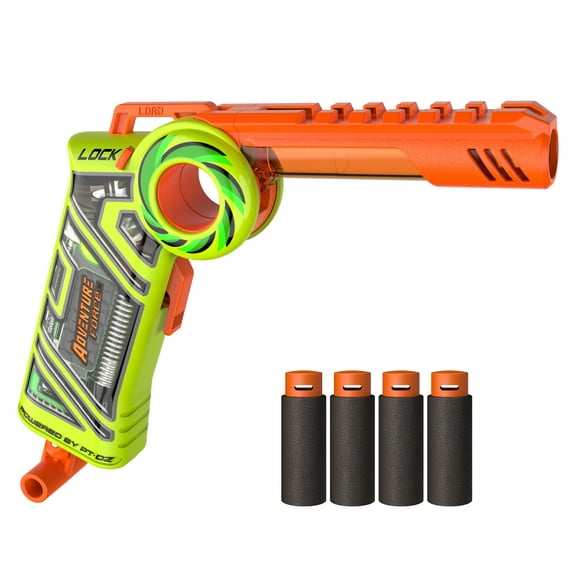
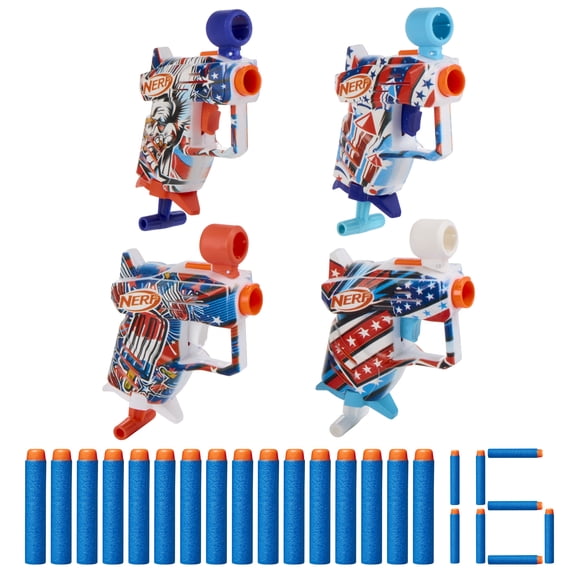
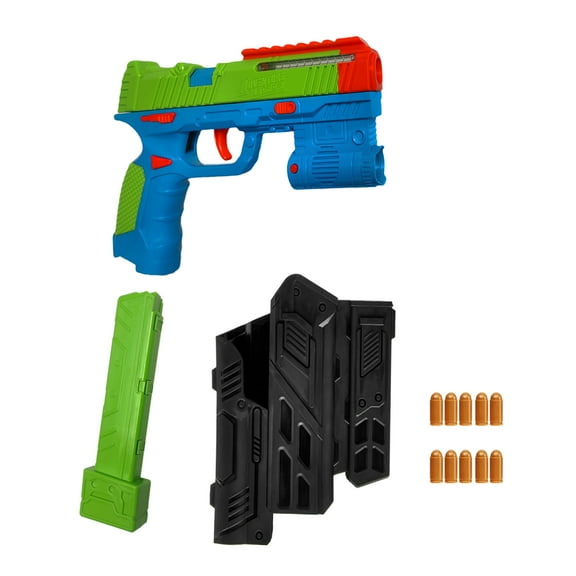
You should start with blaster type because shape changes how you aim, carry, and reload. You may prefer compact pistol styles for quicker movement and easier storage.
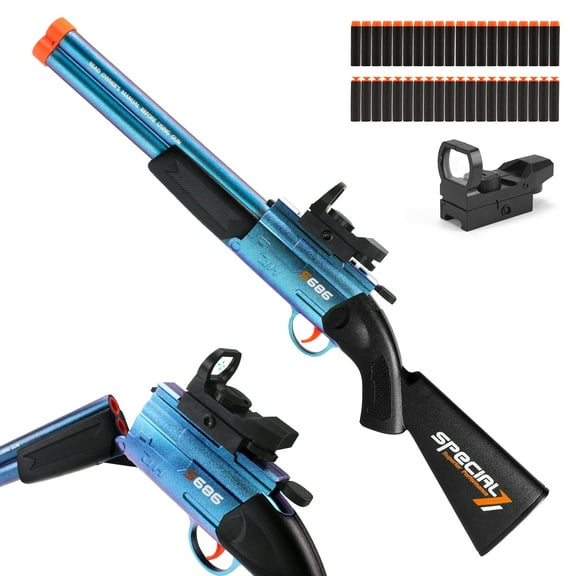
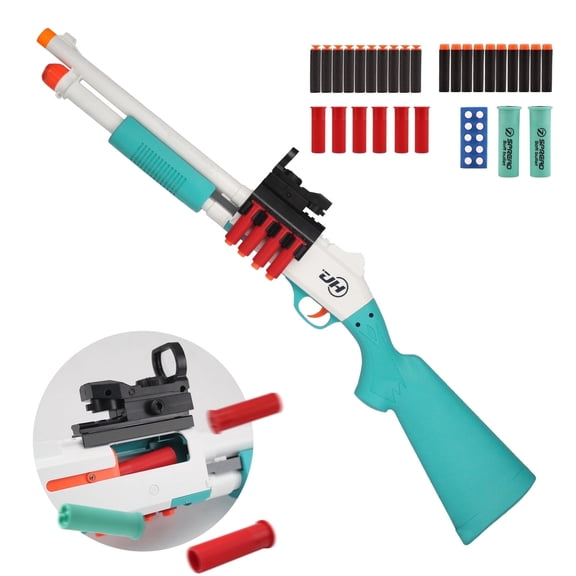
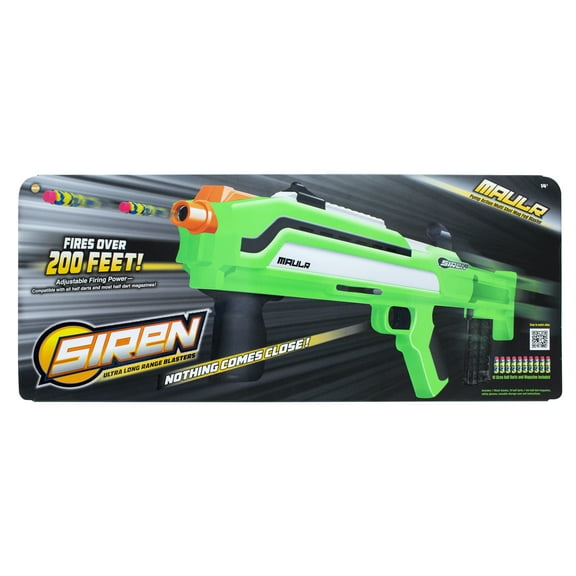
If you want longer grips and steadier handling, you can compare rifle styles first. You might choose shotgun-inspired designs when you want a larger feel and simpler close-range play patterns.
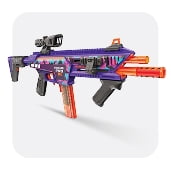
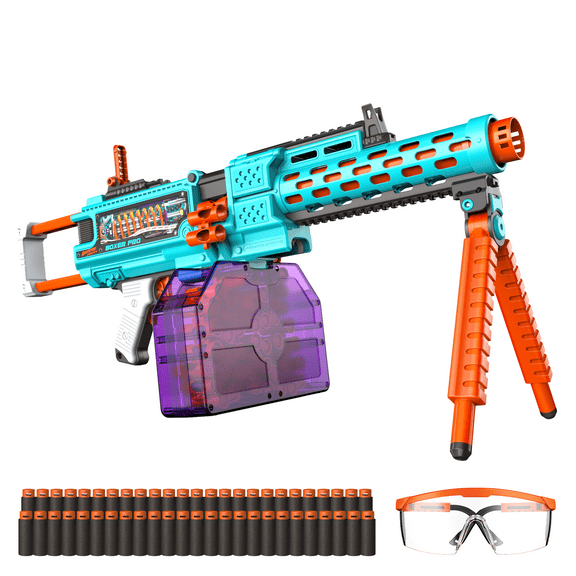
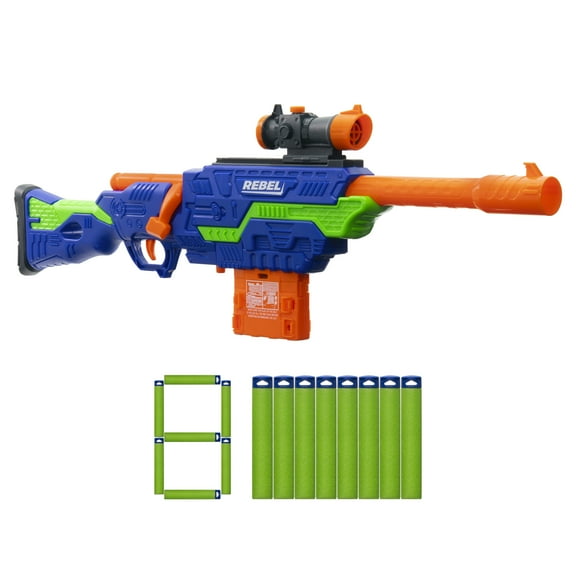
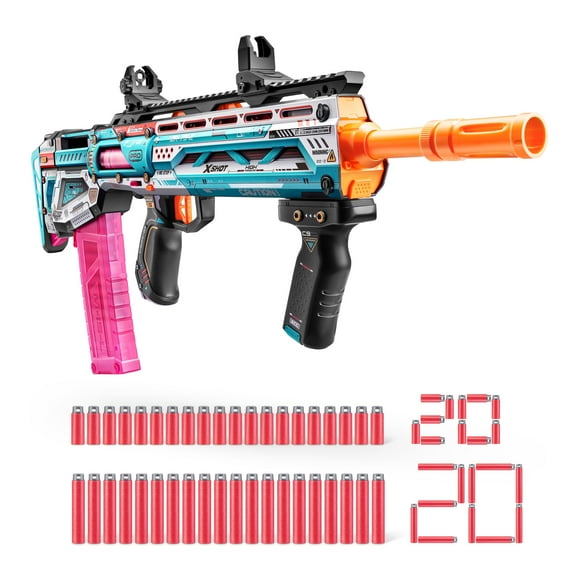
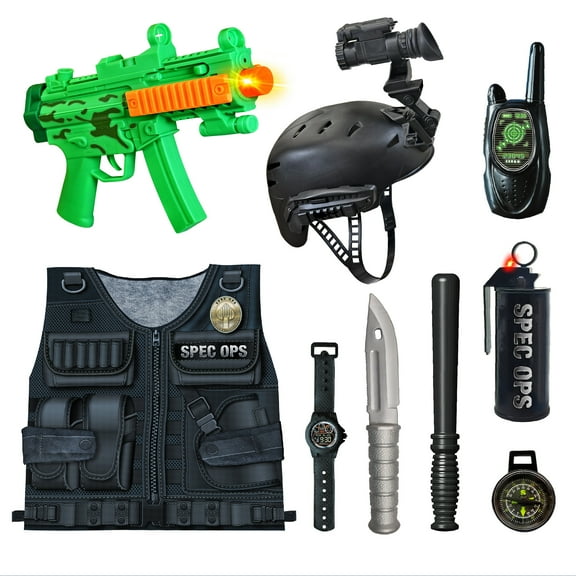
Tactical toy foam blasters often include rails, stocks, or longer bodies for accessory-friendly setups. You can use those design cues to match the blaster to your play space.
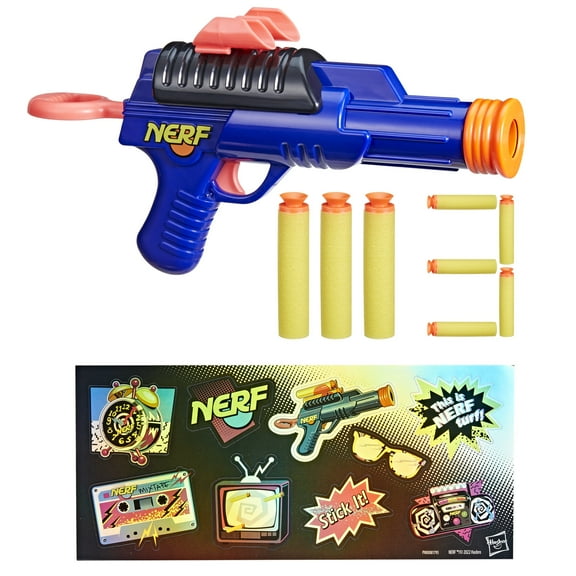
- You can pick pistol styles for lighter handling and simple grab-and-go play.
- You can choose rifle styles for steadier aiming and a longer two-handed grip.
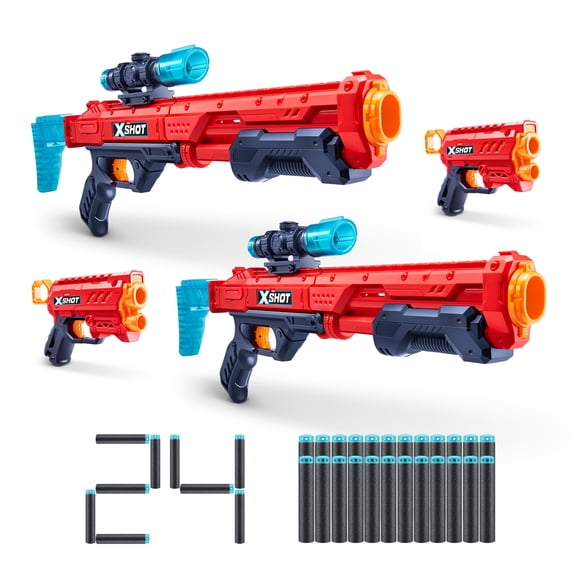
- You can consider shotgun looks for bold styling and straightforward loading formats.
- You can explore tactical designs when you want attachment-ready layouts and role-play appeal.
Choosing between manual and motorized foam blasters
You should compare mechanism next because it changes effort, rhythm, and battery needs. You can expect manual, pump-action, and spring-powered models to rely on hand-powered priming.
If you want fewer electronic requirements, you may lean toward manual foam dart guns. You can often start play faster because you do not need to check battery compatibility first.
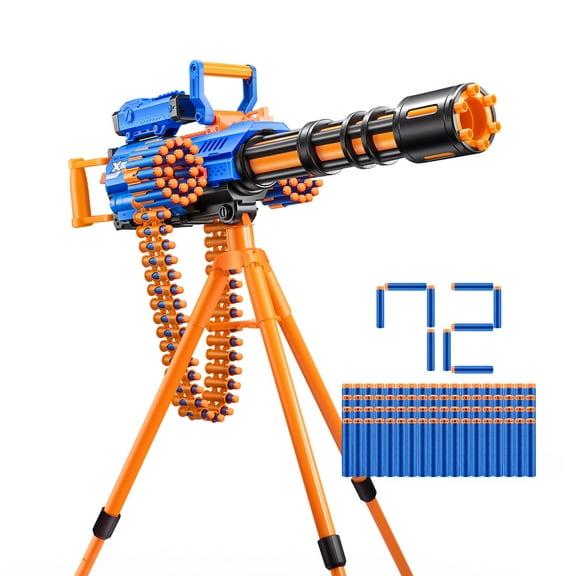
Motorized foam blasters can suit players who want rapid follow-up shots during team games. You should check whether the blaster requires batteries, so your setup matches your play plan.
Pump-action options can feel intuitive when you want a visible priming motion between shots. You may like spring-powered formats when you want a straightforward mechanism and clear shot cycle.
What to look for in foam dart blasters and ammo
You should match the blaster to the ammunition it accepts before you narrow your options. You can compare standard foam darts, mega darts, and foam rounds as separate compatibility paths.
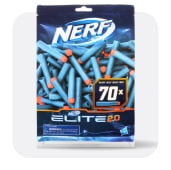
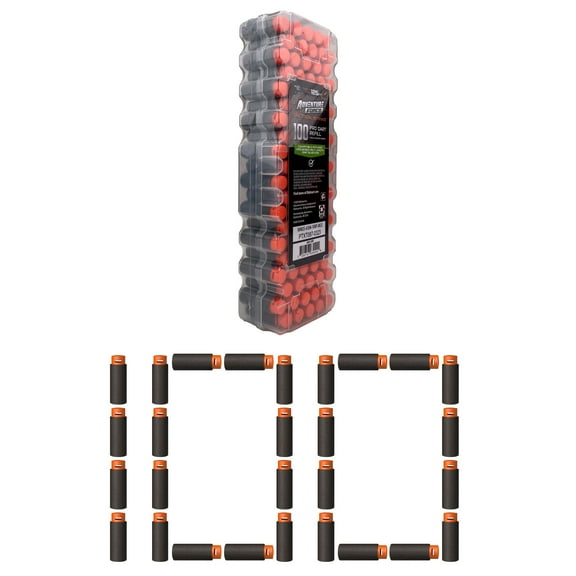
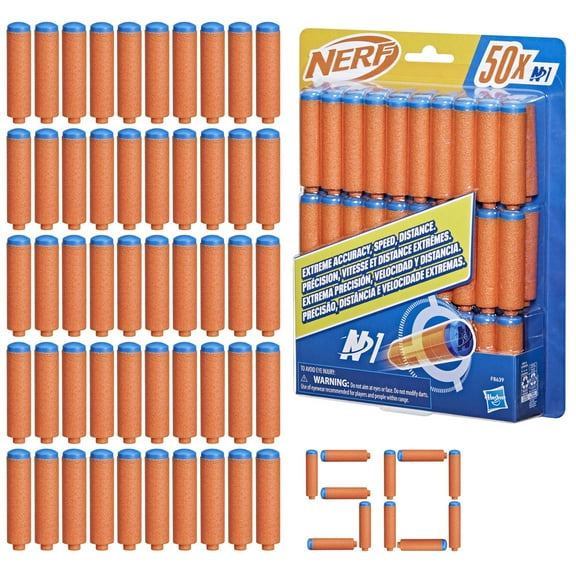
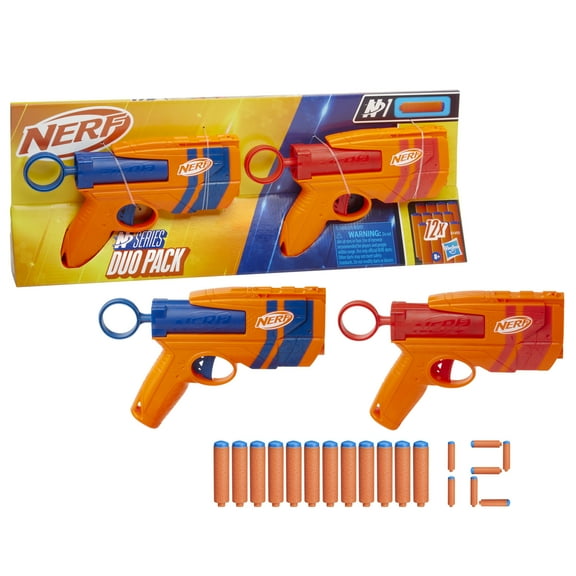
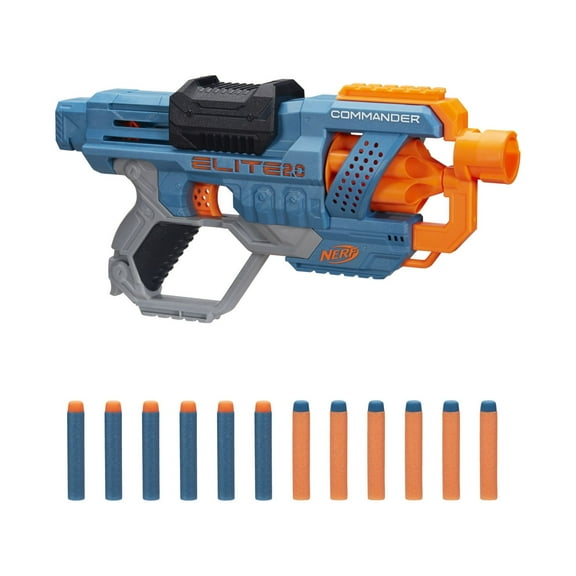
Foam dart blasters usually fit shoppers who want wide replacement availability and familiar reload routines. You can use standard darts for target play, team games, and mixed-age toy collections.
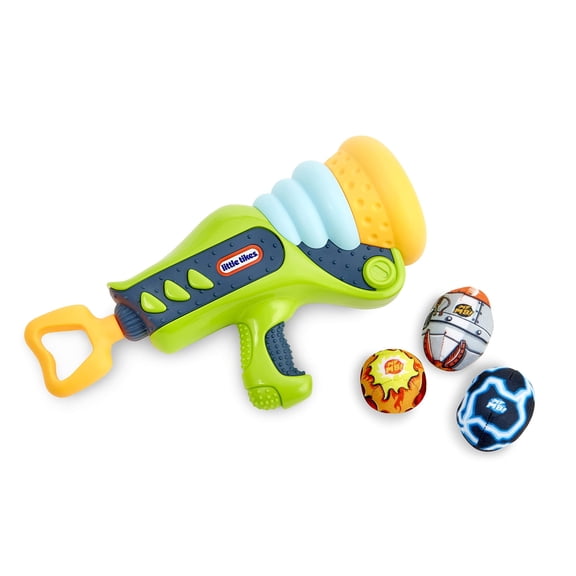
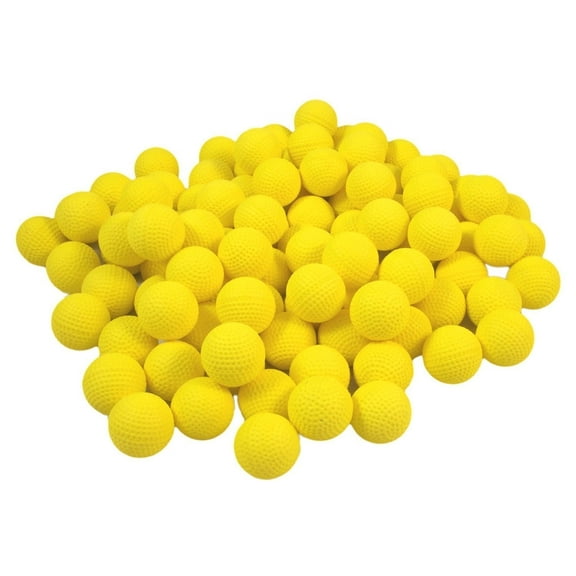
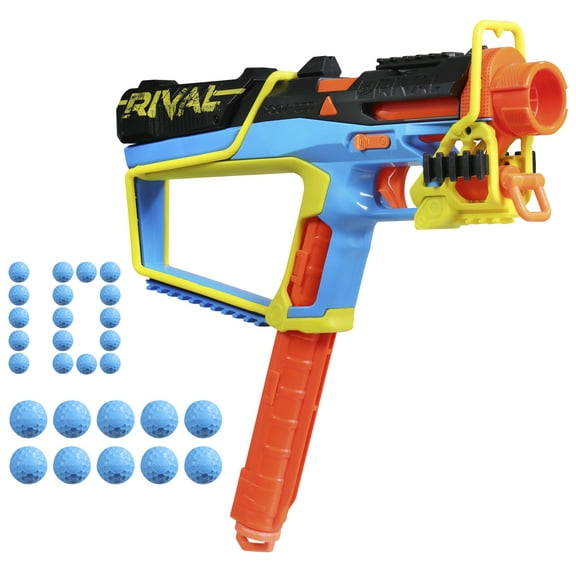
If you want larger projectiles, you may consider mega dart formats for a different loading experience. You can compare foam rounds when you're shopping for blasters using round ammo systems.
You should check product details carefully because ammo types do not always cross over between designs. You can avoid mismatch frustration when your darts or rounds fit the blaster from the start.
Comparing capacity and reload style
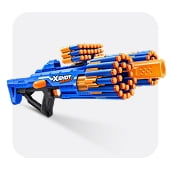
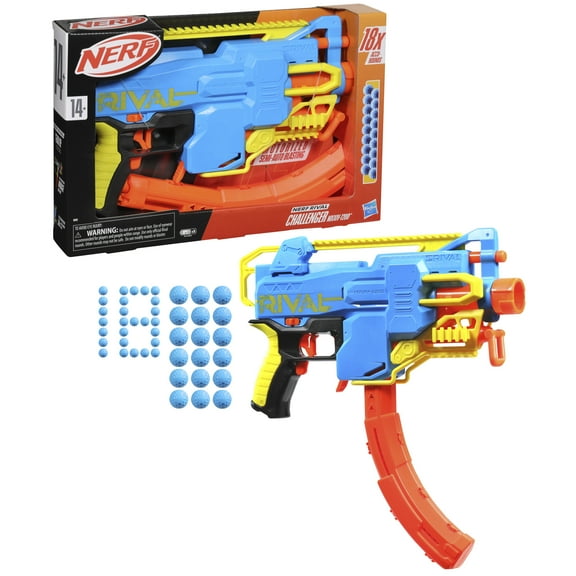
You should review capacity because it affects how often you pause during play. You can choose single-shot, rotating drum, or magazine-fed formats based on pace and reload preference.
Single-shot toy blasters with darts can work well when you want simple controls and easy learning. You may prefer them for younger players who are still practicing aim and loading steps.
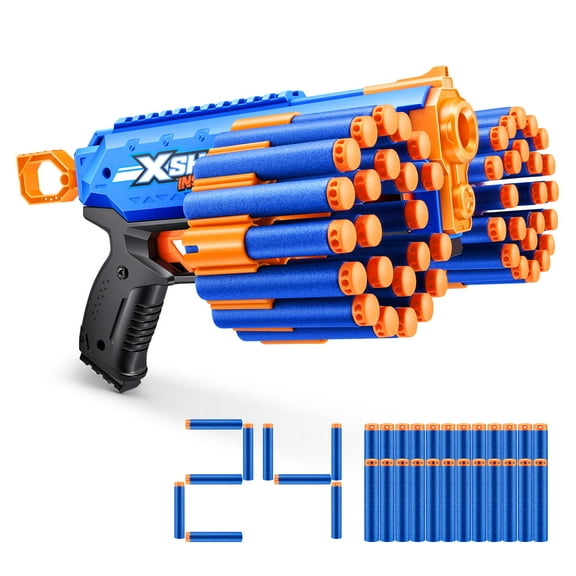
Rotating drum designs give you multiple shots before you reload, which supports longer rounds. You can keep your momentum going when your game involves repeated target runs.
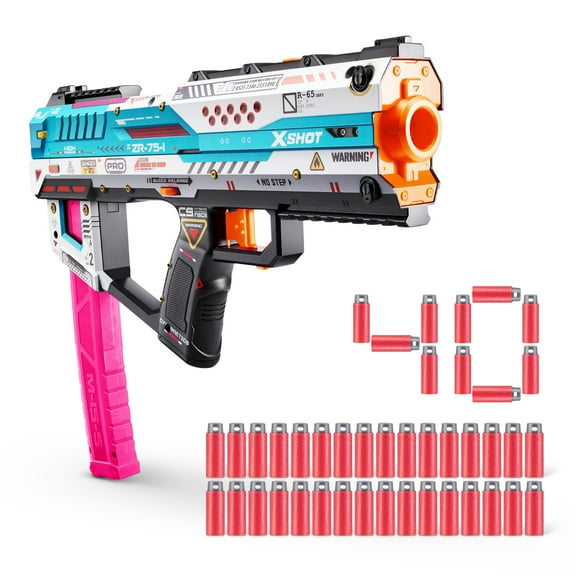
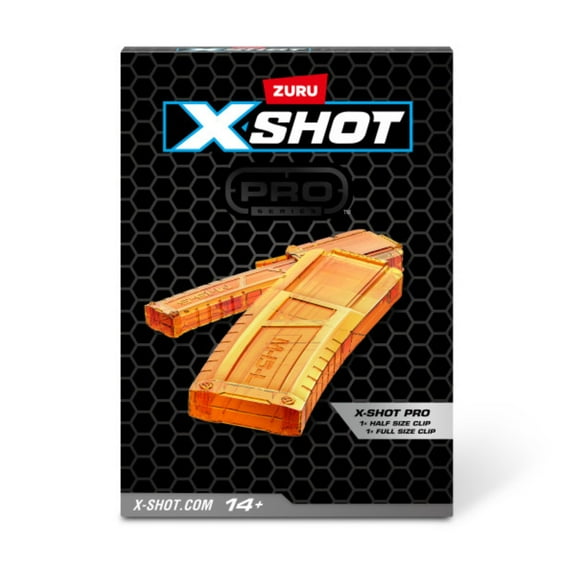
Magazine-fed and other high-capacity blasters fit faster reload habits and organized dart storage. You should compare spare magazine support if you want smoother transitions between rounds.
Matching foam blasters for kids, teens, and play spaces
You should think about age range, size, and play area before choosing a blaster. You can look for easier grips and lighter frames when you're shopping for foam blasters for kids.
If you're buying for older kids or teens, you may want larger grips or longer bodies. You can match those formats to players who want more involved loading and aiming routines.
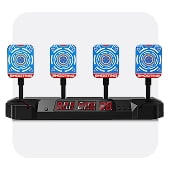
Indoor target practice often works well with compact shapes and manageable capacity. You can use larger backyard spaces for longer blaster bodies and more active movement games.
You should also consider impact velocity guidance in product details when age fit matters. You can use those specs to compare youth-friendly options with teen-oriented designs more confidently.
How your setup changes the way you play
You can build different play styles by pairing mechanism, ammo, and capacity choices carefully. You might choose a manual pistol with standard darts for quick solo target sessions.
If you want longer team play, you may prefer a motorized rifle with magazine-fed loading. You can keep rounds moving with less downtime when your game rewards fast reloads.
You might also choose pump-action formats with rotating drums for backyard obstacle courses. You can create a more hands-on rhythm when each shot includes a visible priming step.
With the right foam blasters, you can match handling, ammo compatibility, and reload style to your space. You end up with play that feels smoother, more organized, and easier to enjoy.