ECOS
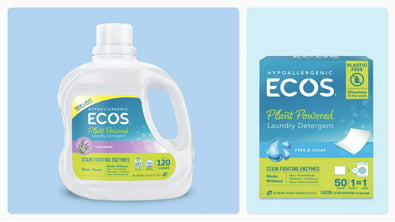
Clean consciously with ECOS laundry & linen care.

 Pickup or delivery?Pickup or delivery?






Sustainable products help you align everyday shopping with the standards you care about. You can use this page to compare certifications, materials, and sourcing details across home, grocery, and daily essentials.
You can make quick decisions when you start with verified standards instead of broad claims. You can look for labels that show how brands grow, source, or design an item.
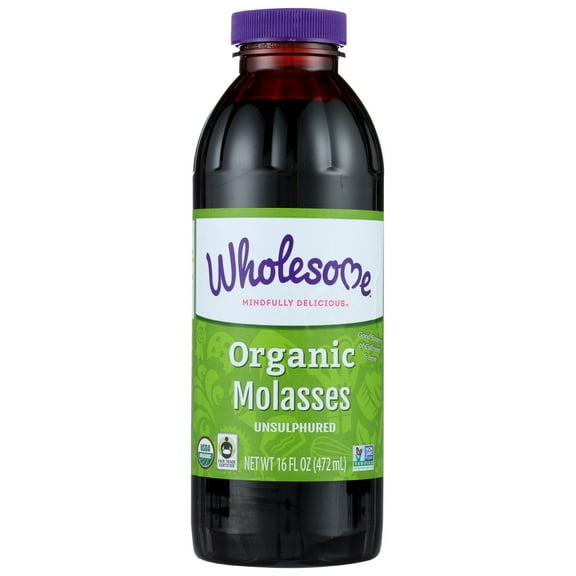
For pantry staples, you may prefer USDA Organic when you want recognized farming criteria. For paper goods and furniture, you can check FSC Certified when forest sourcing matters to you.
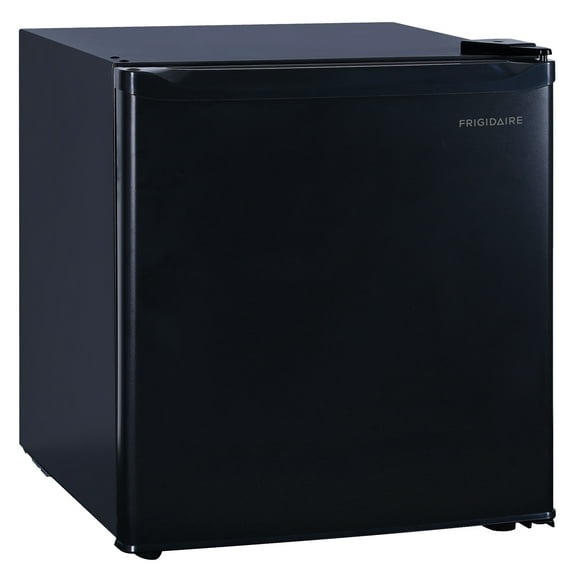
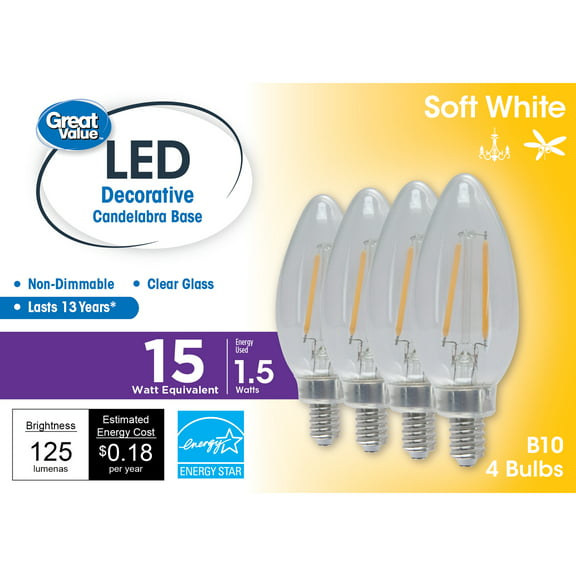
When you compare appliances and lighting, you should review Energy Star and LED efficiency details. You can also check water-saving features when your routine includes frequent kitchen, bath, or laundry use.
You should treat certification type as a shortcut that helps you narrow options quickly. You can compare USDA Organic, Fair Trade Certified, FSC Certified, Energy Star, and EPA Safer Choice by shopping goal.
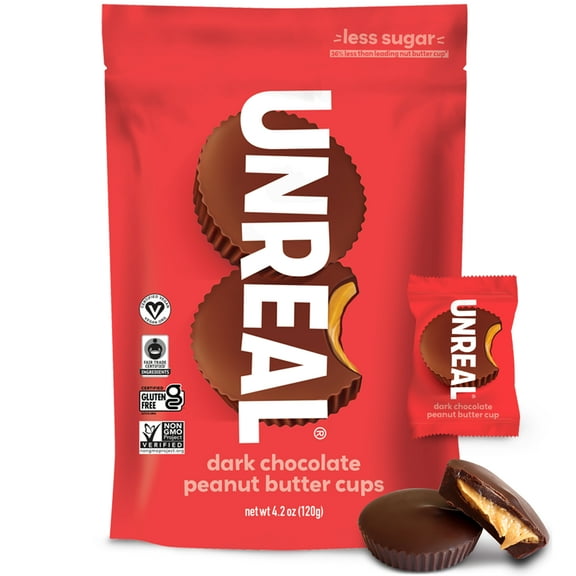
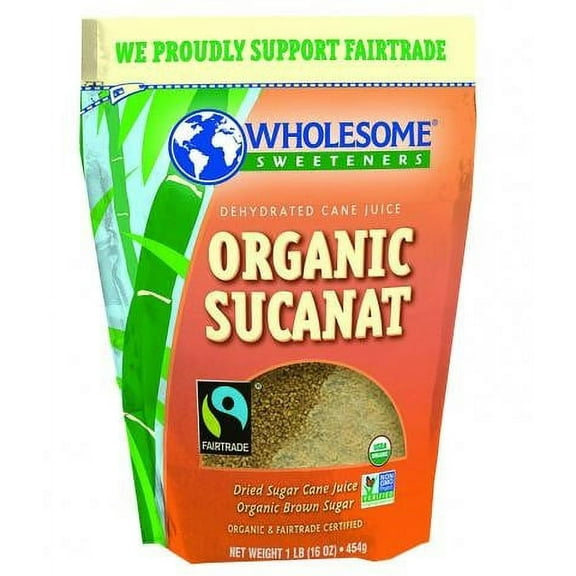
If you’re stocking your kitchen, USDA Organic can help you identify organic products with recognized farming standards. If you’re choosing coffee, tea, or cocoa, Fair Trade Certified can help you compare sourcing practices.
When you’re replacing paper towels, storage pieces, or wood-based home goods, FSC Certified gives you a useful forest-source checkpoint. If you’re choosing cleaners, EPA Safer Choice can help you compare formulas that the program screens.
You may also want to compare sourcing labels before you decide. You can check responsibly sourced, cruelty-free, locally grown, and ethically harvested details to match your priorities.
You can learn a lot from material composition before you pick sustainable home goods or personal essentials. You should compare recycled materials, organic cotton, biodegradable components, bamboo, and post-consumer plastic in plain language.
Recycled materials mean you’re choosing inputs made from existing resources instead of newly produced ones. Post-consumer plastic tells you the material came from used plastic collected after everyday use.
If softness and fiber origin matter to you, organic cotton can be a useful filter for sheets, towels, and apparel basics. If replacement cycles matter to you, bamboo and biodegradable options can support your comparison.
You should also check whether the material matches the product’s job in your home. You may want recycled storage bins, organic cotton bedding, biodegradable trash bags, or bamboo utensils for daily routines.
You can make this page work harder for your home when you compare efficiency as a decision point. You should look for Energy Star rated appliances, LED efficiency, water-saving fixtures, and solar-powered outdoor options.
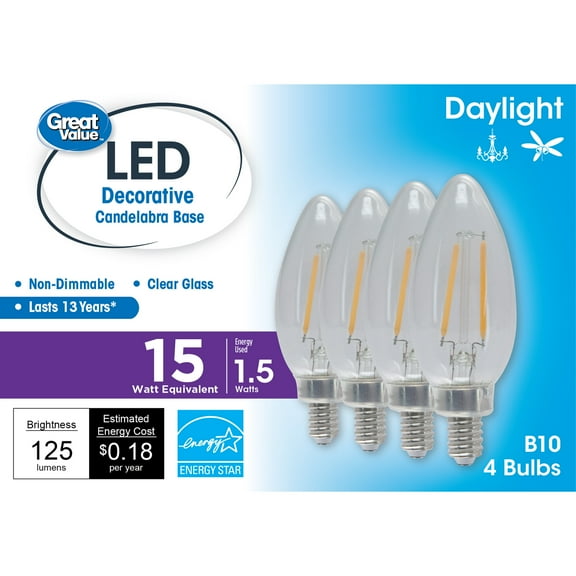
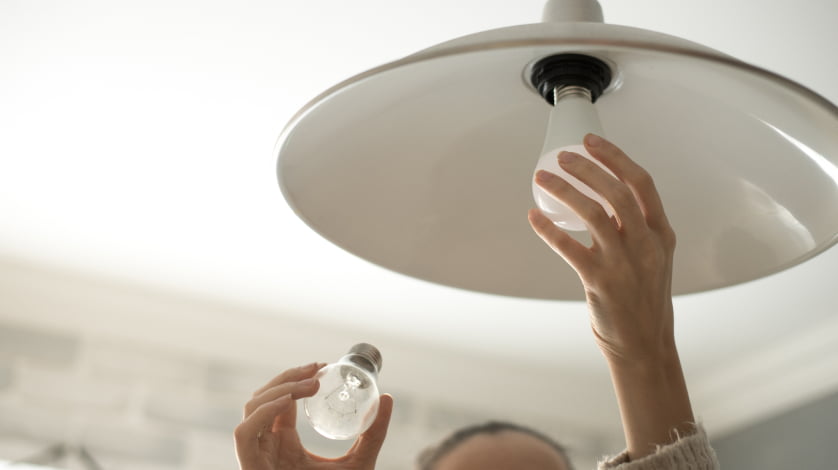
Energy Star rated products can help you identify appliances and electronics built for lower energy use. LED efficiency matters when you want lighting that supports longer use with less frequent bulb changes.
If utility-conscious choices matter in kitchens, bathrooms, or laundry spaces, you can compare water-saving features with your routine in mind. If you’re updating patios or paths, solar-powered lighting can fit outdoor areas without extra wiring.
You’ll also want to match product type with room size and frequency of use. You can compare a lighting update, a kitchen appliance, or a laundry upgrade by where you use it most.
You may be building a cleaner pantry, updating a bedroom, or refreshing a workspace with more transparent choices. You can use the same path across categories by checking certification, material, efficiency, and sourcing together.
For grocery routines, you might choose organic products and locally grown items when ingredient sourcing matters to your household. For cleaning days, you may compare EPA Safer Choice formulas with recycled paper goods for a coordinated setup.
In living rooms, bedrooms, and home offices, you can pair FSC Certified accents with organic cotton textiles. In kitchens and laundry areas, you can compare energy-saving solutions and water-saving features for everyday function.
If you’re furnishing an outdoor space, you may prefer solar-powered lighting and responsibly sourced décor materials. If gift giving matters to you, eco-friendly products can help you choose with more material and sourcing transparency.
You don’t need to memorize every standard before you choose. You just need clear filters that help you compare sustainable products and bring more transparent choices into everyday life.