

Forks in Flatware





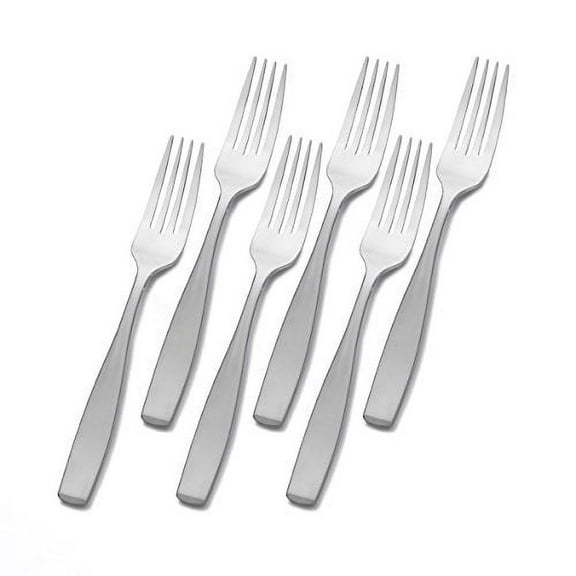


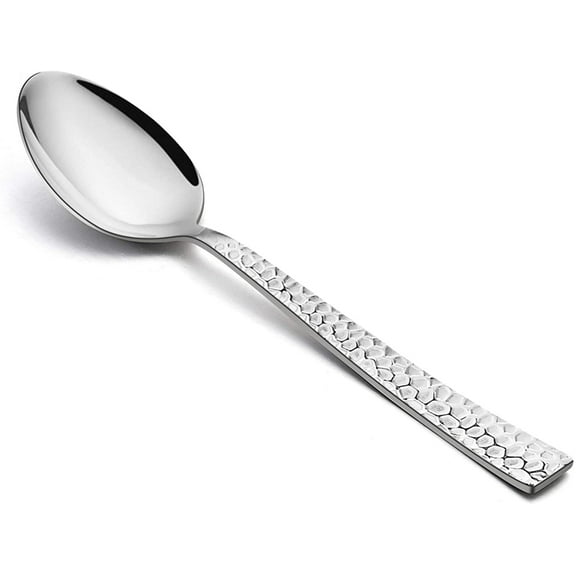
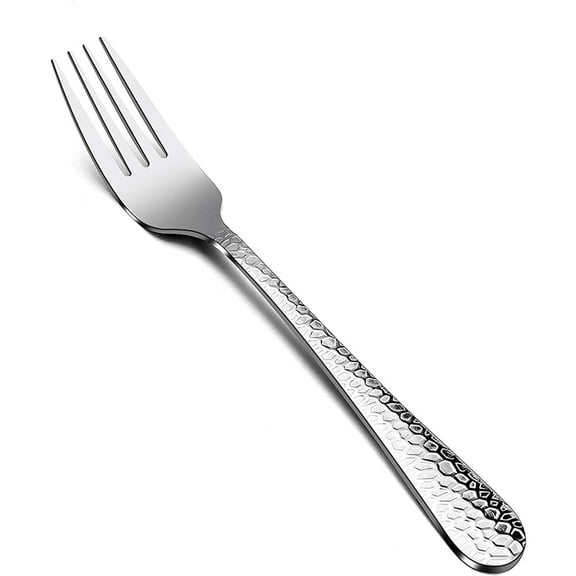
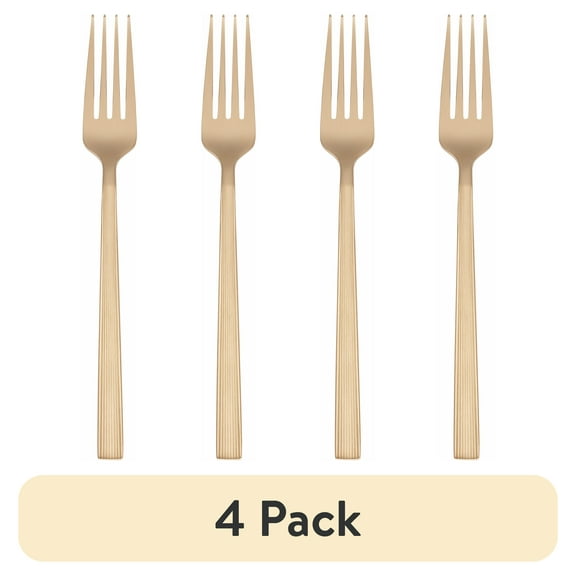












About Forks in Flatware - Walmart.com
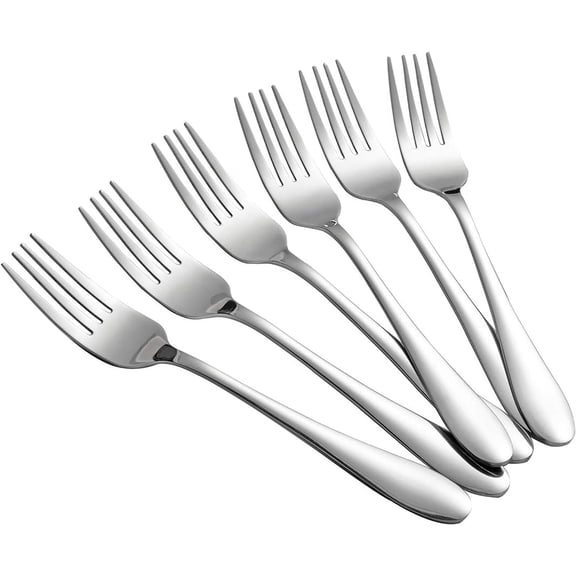
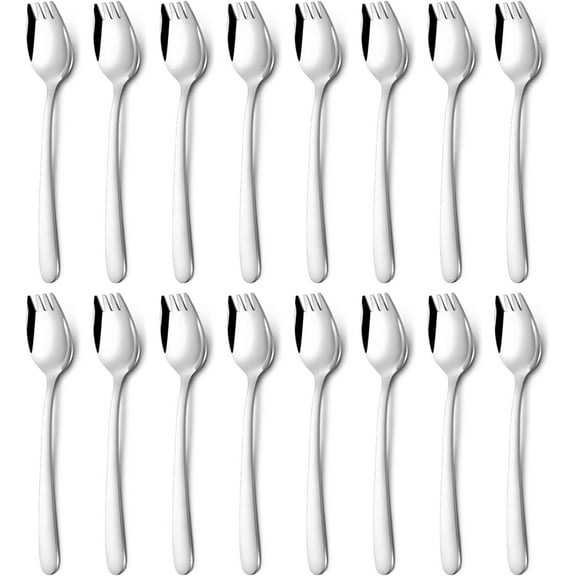
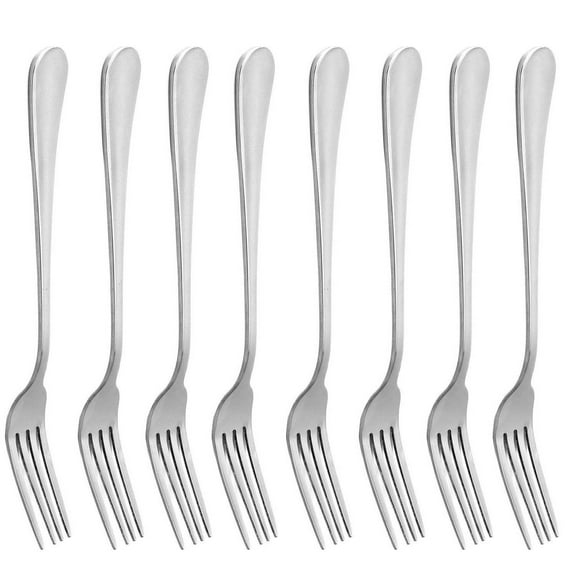
Forks help you set a table that feels complete and works smoothly for every meal. You can compare materials, fork types, pack sizes, and weight to match your dining style.
If you need everyday place settings or serving extras for gatherings, you’ll find options built for different routines. You can focus on stainless steel forks, reusable plastic pieces, or polished styles for formal tables.
How to choose forks by material
Material shapes how your forks look, feel, and hold up over time. You should start with how often you’ll use them and how much shine you want.
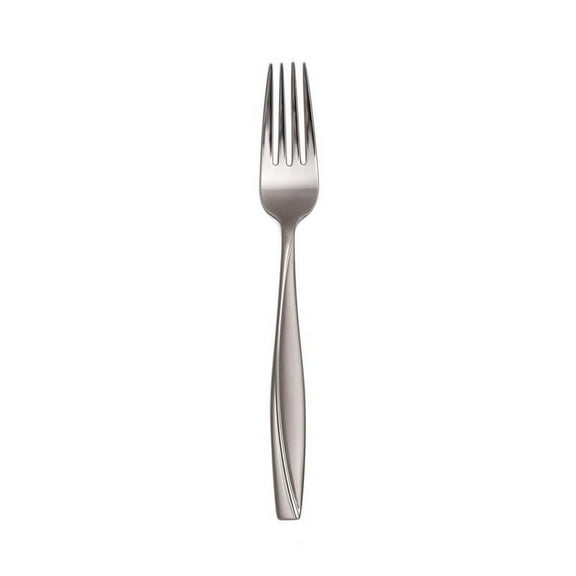
Stainless steel forks fit daily meals because you get a clean look and dependable durability. You can compare 18/10 and 18/0 stainless steel based on finish and feel.
With 18/10, you usually get added nickel for a brighter appearance and a smoother finish. With 18/0, you get stainless steel without nickel, which many shoppers choose for practical everyday use.
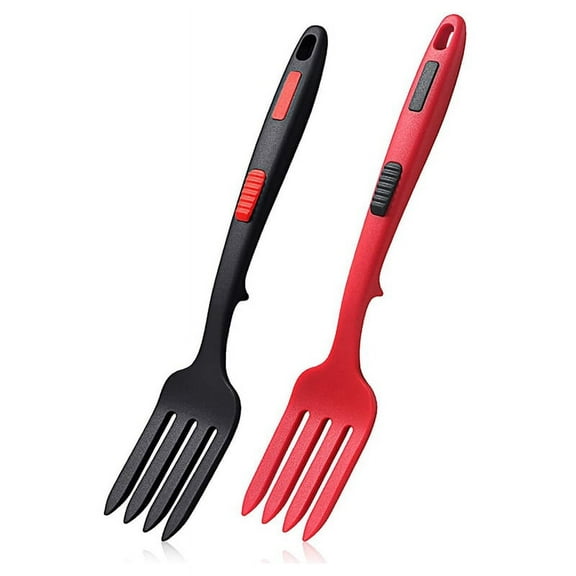
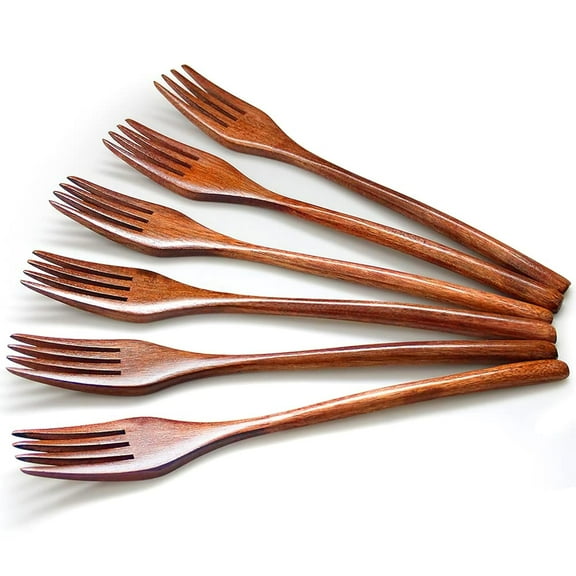
Plastic pieces work well when you want reusable forks for casual meals, parties, or packed lunches. Wood styles can suit rustic table settings where you want a natural look.
Silver-plated options can make place settings feel more formal for holidays or hosted dinners. You should check care instructions when you want decorative pieces that keep their finish looking polished.
Choosing dinner forks, salad forks, and dessert forks
Fork type matters because each size supports a different course and table setting. You can build a more useful collection when you match the fork to the meal.
Dinner forks are the everyday standard that many shoppers reach for at lunch and dinner. You’ll notice they usually have a longer handle and a larger head for main dishes.
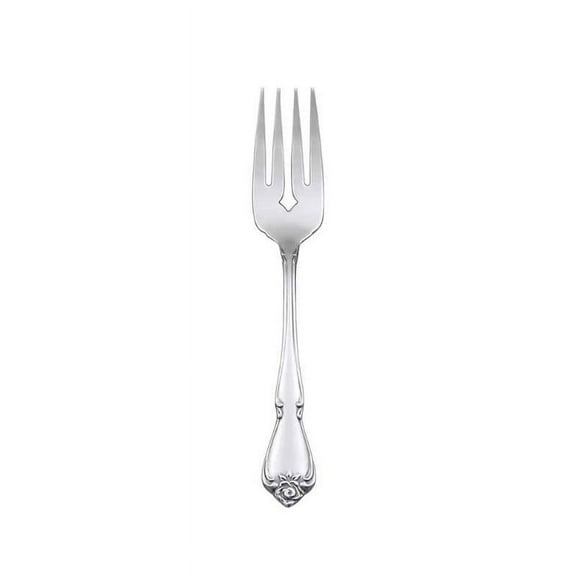
Salad forks are often slightly smaller, which makes them easier to use with lighter courses. You can place them with layered place settings when you want a more traditional table arrangement.
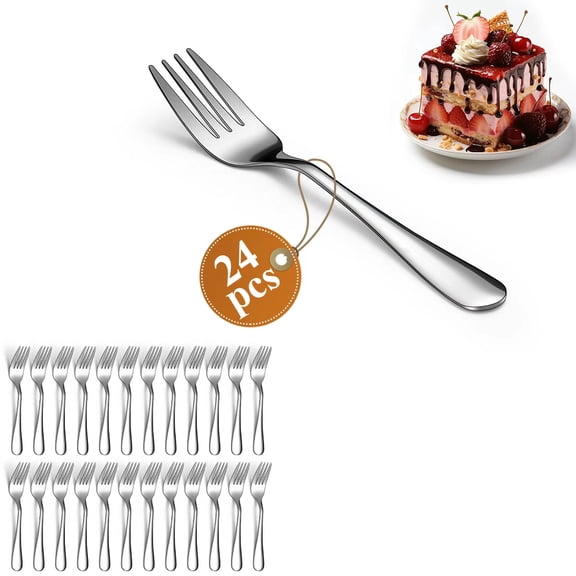
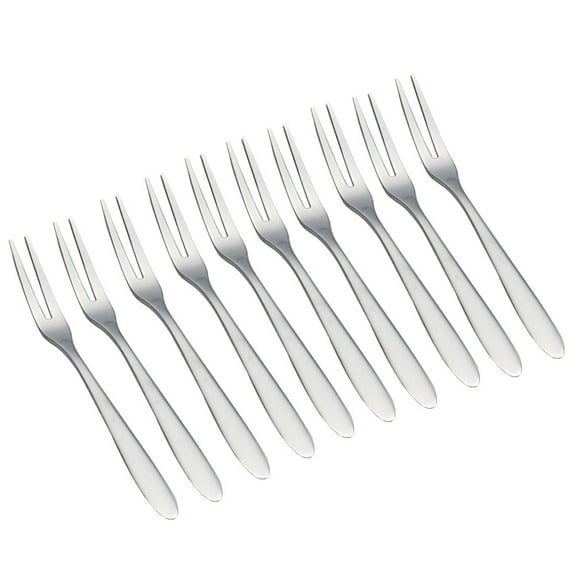
Dessert forks help you serve cake, pastries, and fruit without using your larger dinnerware forks. Oyster forks are smaller still, and you may choose them for seafood service or appetizer trays.
- You can use dinner forks for daily meals, pasta, and plated entrees.
- You can use salad forks for greens, fruit, and side dishes.
- You can use dessert forks for sweets, small bites, and brunch pastries.
- You can use oyster forks for seafood presentations and appetizer service.
What to look for in weight and construction
Weight changes how your forks feel in your hand during everyday use. You should compare balance, handle thickness, and overall sturdiness before choosing a set.
Heavyweight styles can feel more substantial at the table, which many shoppers prefer for full place settings. You may want heavy duty forks when you serve firmer foods or want a more grounded feel.
Medium weight designs give you a balanced option for daily dining and mixed households. You can choose them when you want comfort without a noticeably heavy handle.
Lightweight pieces can work well for casual meals, break rooms, events, or packed food service. You’ll often see this construction with plastic options and bulk assortments.
Construction also includes tine shape, edge finishing, and handle design. You should look for smooth edges and even spacing when you want flatware forks that feel comfortable through the whole meal.
Matching pack size to your routine
Pack size affects how easily you can replace missing pieces or outfit a full table. You can choose singles, small sets, or bulk packs based on how you dine.
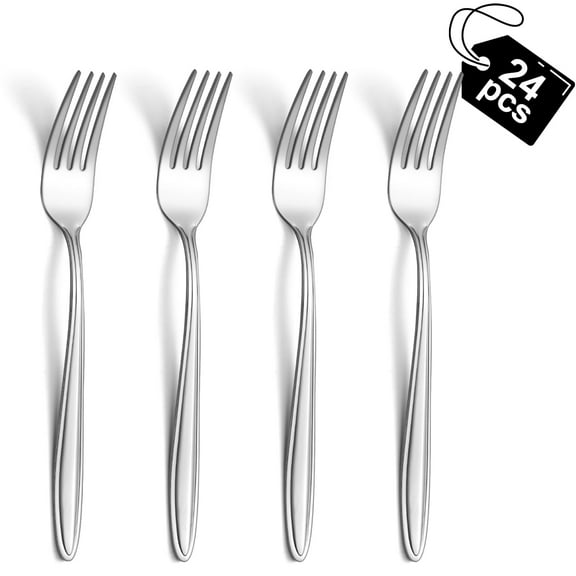
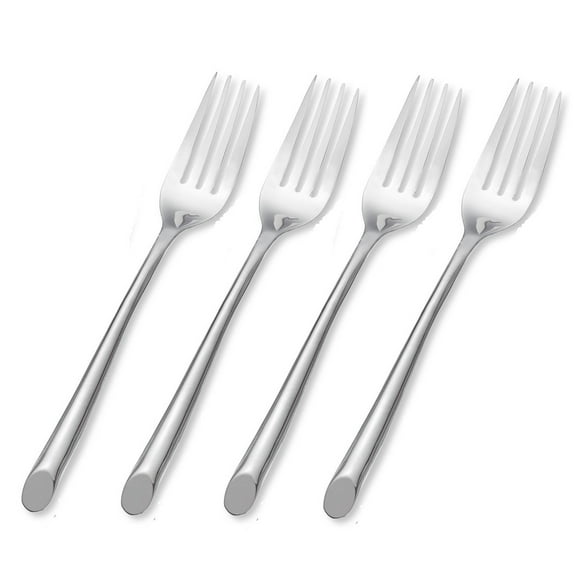
A single fork helps you replace one missing piece without changing your whole drawer. A set of four can suit small households, apartment kitchens, or starter dinnerware collections.
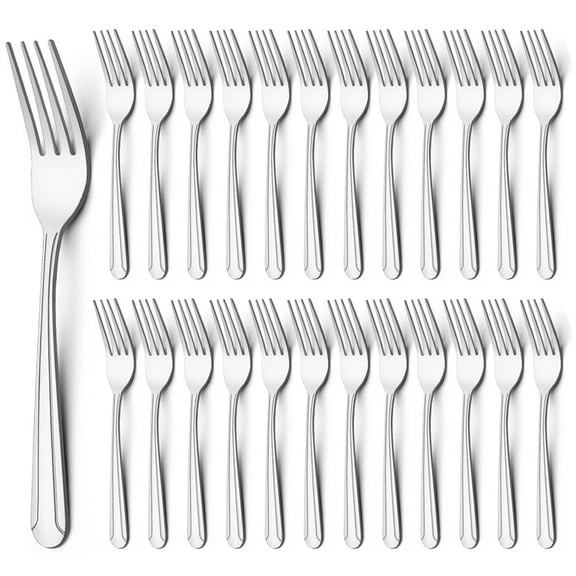
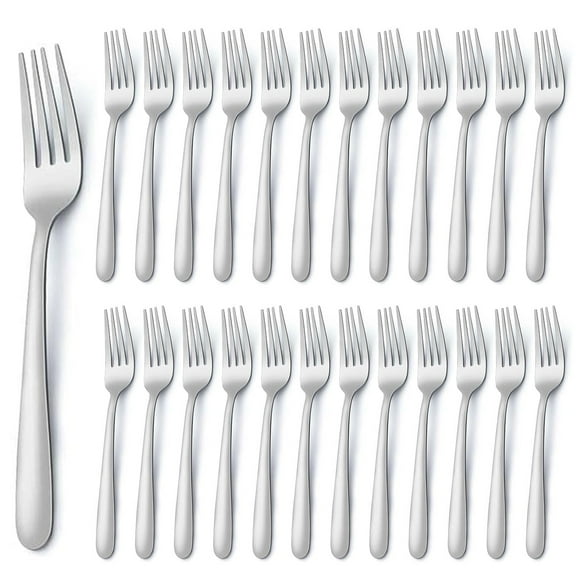
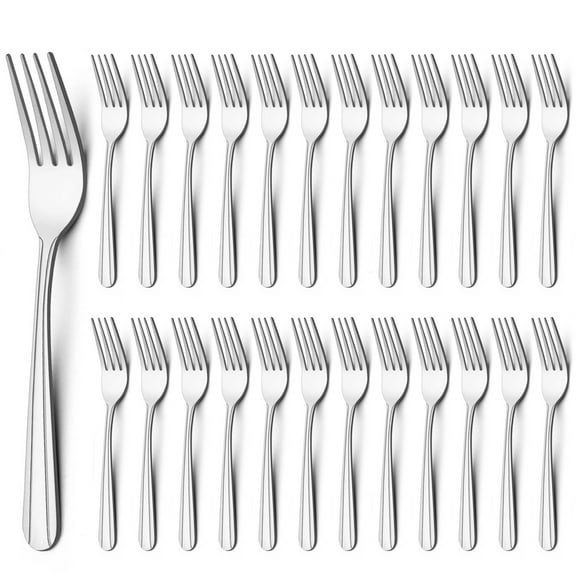
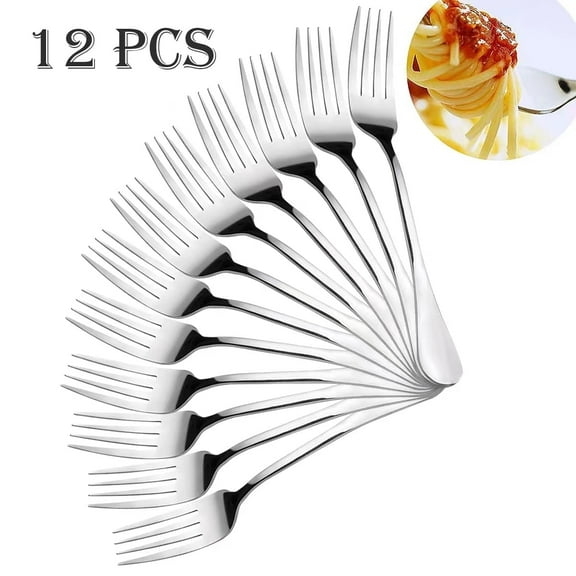
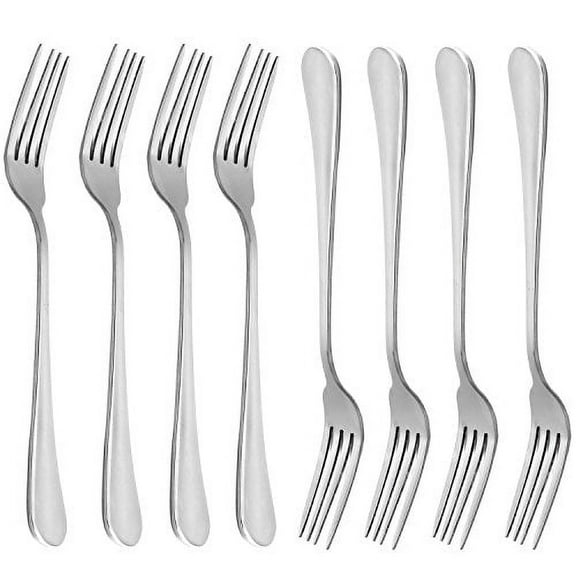
A set of 12 gives you extra coverage for family meals, guests, and dishwasher turnover. Bulk packs can support catering setups, office kitchens, classrooms, or large events where you need many matching pieces.
If you host often, you may want extra dinner forks and salad forks beyond your everyday count. You can avoid mismatched table settings when you plan for holidays, parties, and shared meals.
Forks for everyday dining and special occasions
Your intended use helps narrow the right combination of material, type, and weight. You should think about whether your forks need to handle breakfast, packed lunches, or formal dinners.
For everyday dining, you may prefer stainless steel forks in medium or heavyweight designs. You’ll get a versatile option that works across weeknight meals, leftovers, and family place settings.
For parties and catering, you might choose bulk packs or reusable forks that simplify larger table counts. You can keep service consistent when you stock enough pieces for guests and buffet lines.
For formal events, you may want coordinated dinner forks, salad forks, and dessert forks that support multi-course place settings. You’ll create a more intentional table when each course has the right utensil.
If you’re building a drawer from scratch, you should compare fork sets with your existing spoons and knives. You can create a cohesive look that feels right at breakfast, dinner, and celebrations.
When you choose forks with the right material, size, and weight, your table feels easier to use and easier to organize. You’ll enjoy place settings that fit your meals, your guests, and your daily routine.