

Commercial Freezers & Industrial Deep Freezers | Walmart




















About Commercial Freezers & Industrial Deep Freezers | Walmart - Walmart.com
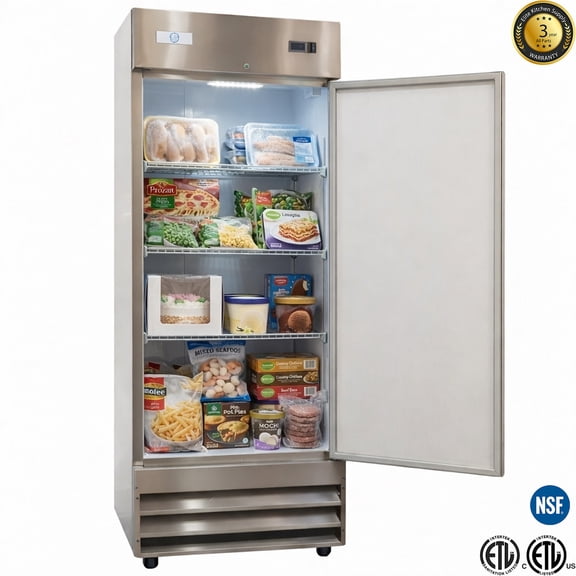
Commercial freezers help you store bulk ingredients, frozen meals, and grab-and-go items with the capacity your business needs. You can compare commercial chest freezers, reach-in models, and undercounter formats to match your kitchen flow and service style.
If you run a restaurant, café, market, or concession space, you need cold storage built for frequent access and steady temperatures. You can also narrow your choices by door type, condenser location, defrost system, and NSF standards.
How to choose commercial freezers for your space
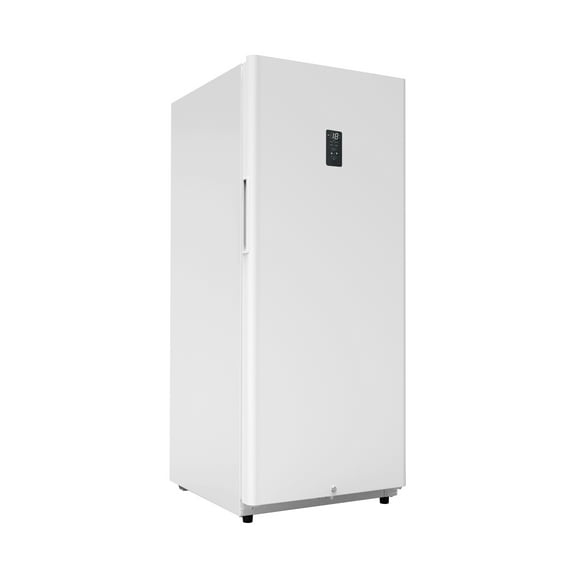
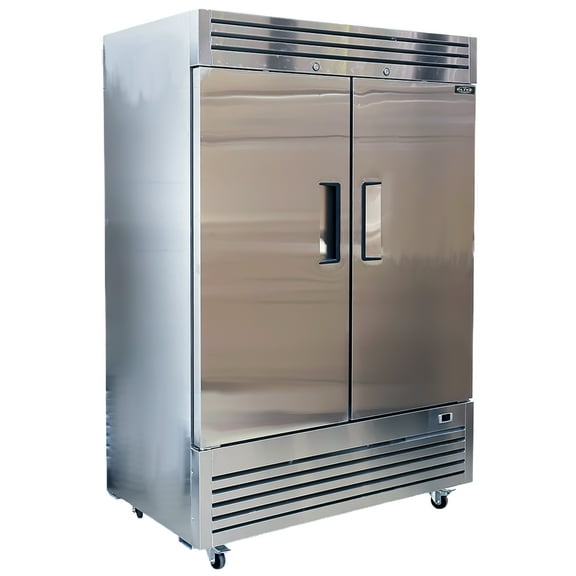
You should start with your floor plan, prep routine, and how often your staff opens the cabinet. You may prefer commercial reach in freezers for vertical storage, or you may choose chest units for bulk backstock.
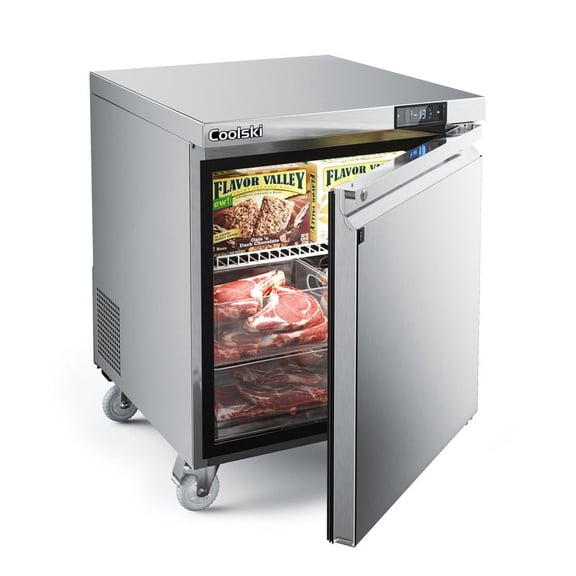
When your line is tight, undercounter commercial freezers can fit below prep surfaces and keep key items within reach. If you need added work area, worktop models can combine frozen storage with a usable top surface.
You can also match the freezer style to how you move through service. Reach-in cabinets support organized shelving, while chest formats let you hold larger cases and oversized packs.
Key benefits you can expect
You get storage formats that support real commercial workflows instead of residential habits. That means you can stage ingredients, hold packaged items, and separate backstock from front-of-house inventory.
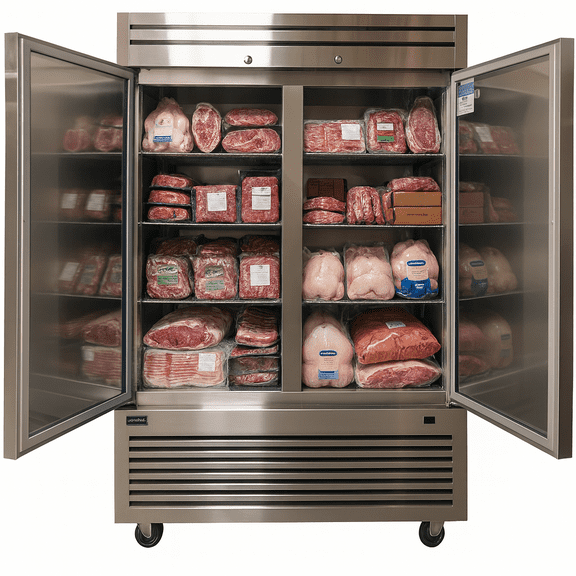
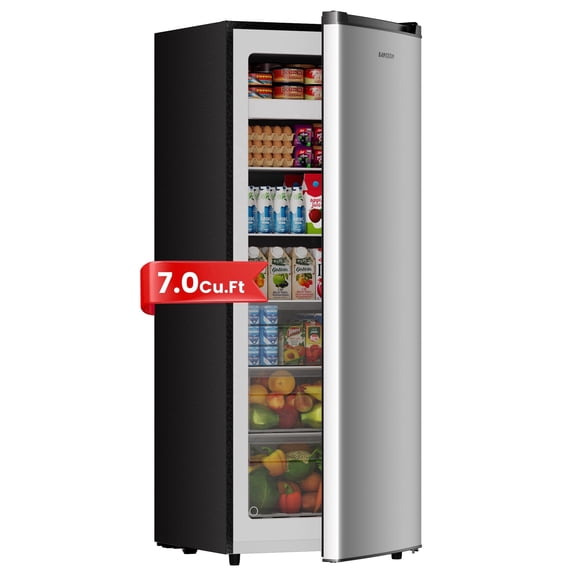
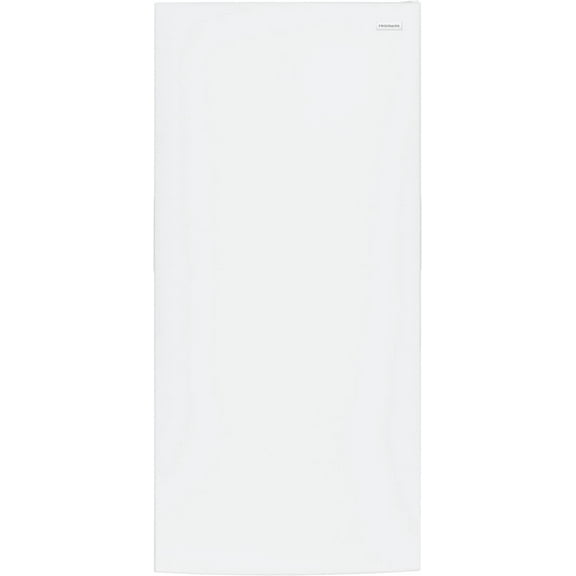
- You can use reach-in cabinets when you need upright access and fast shelf organization.
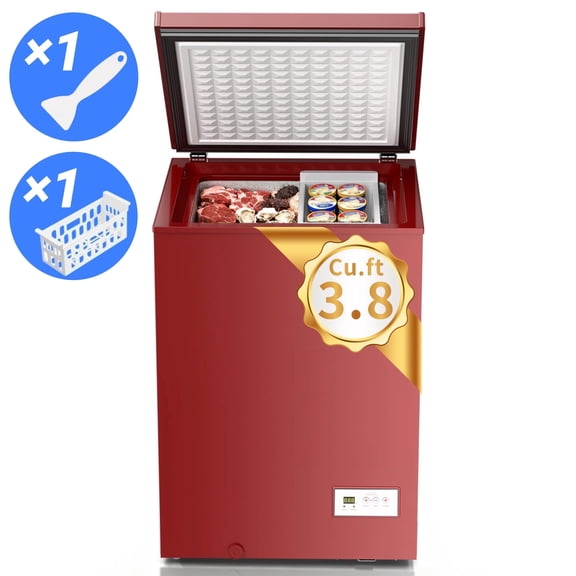
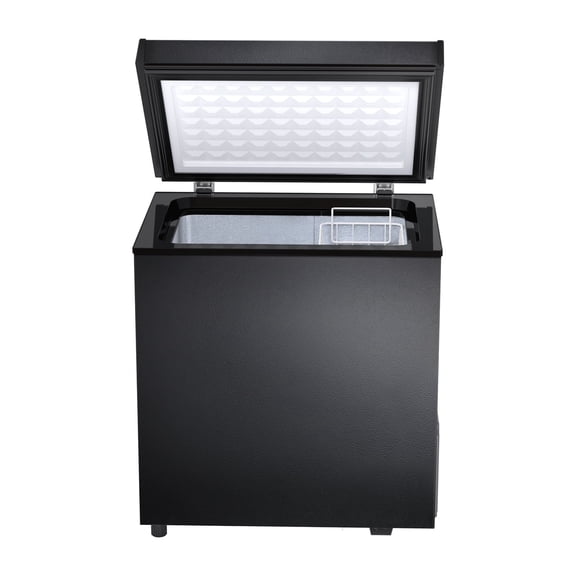
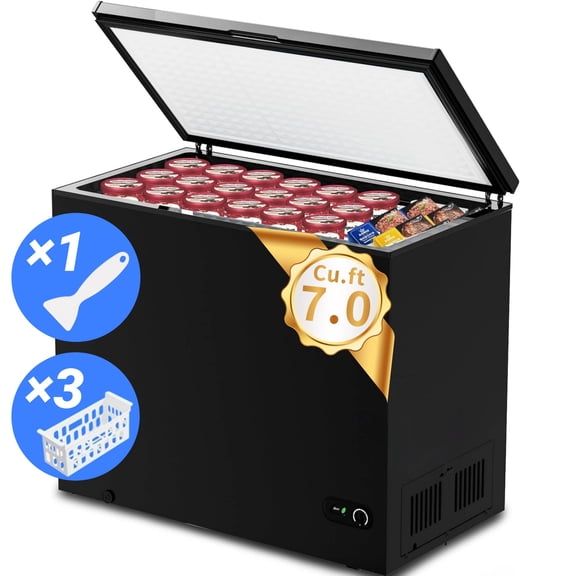
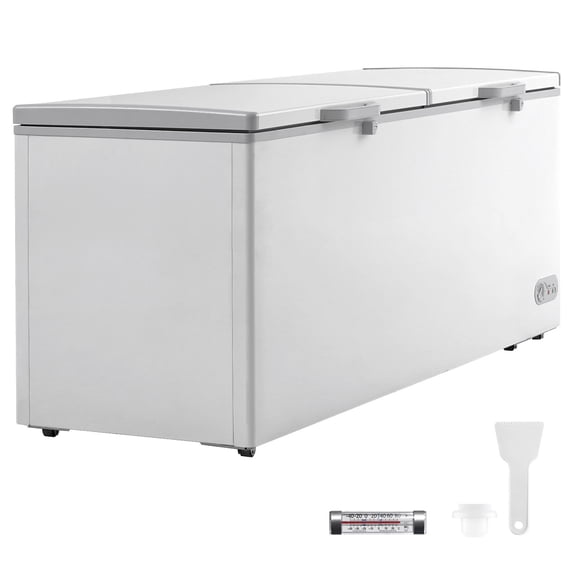
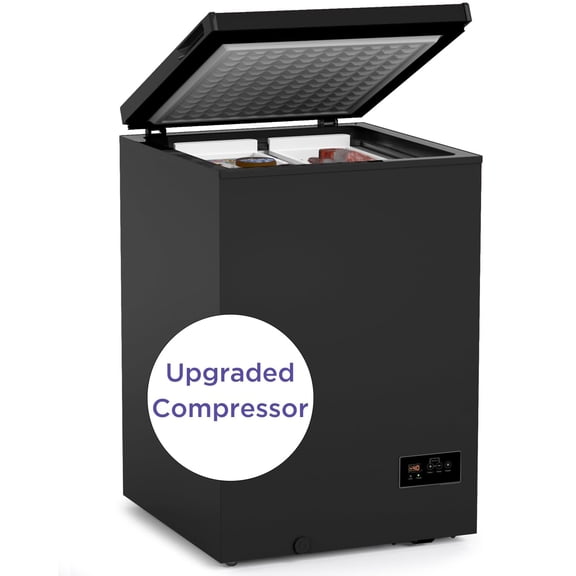
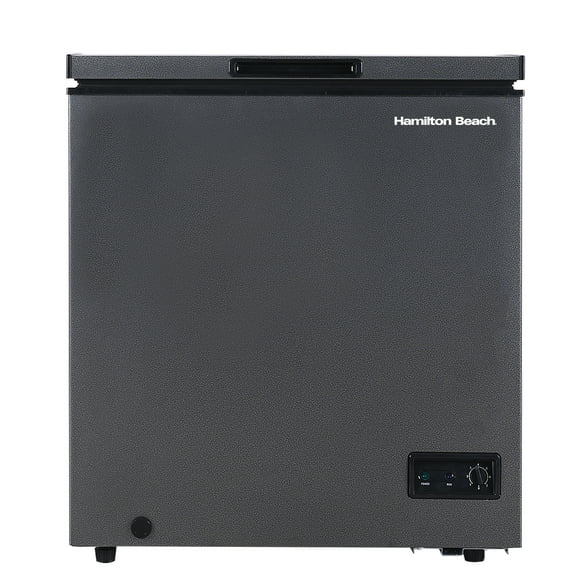
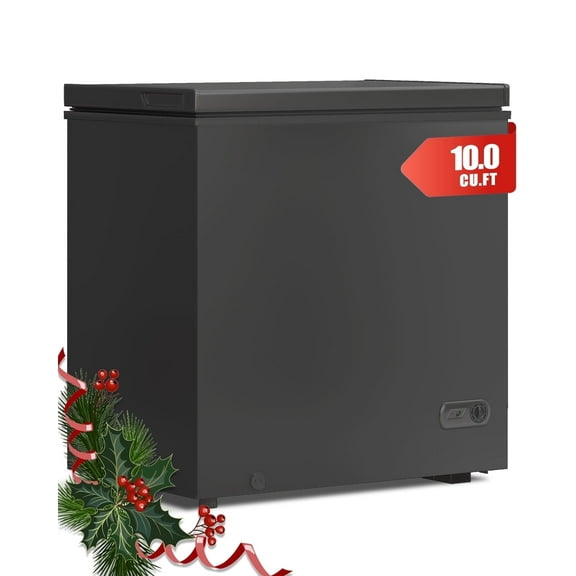
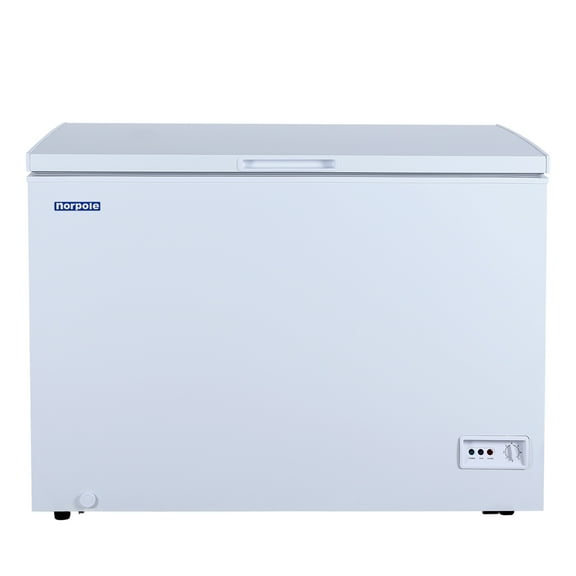
- You can choose commercial chest freezers when you need deep storage for bulk cases and larger containers.
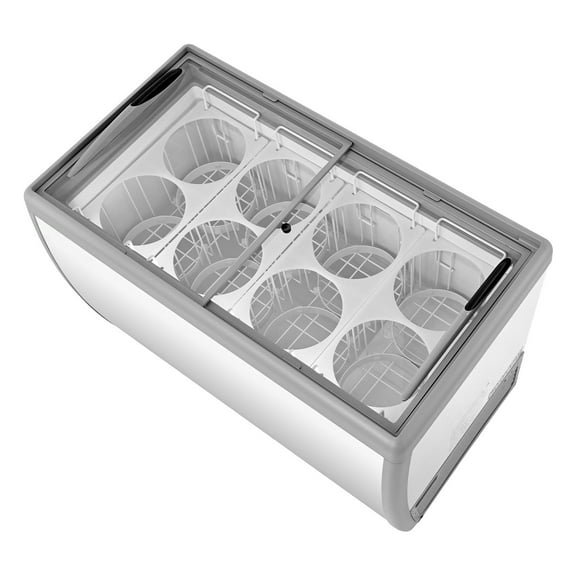
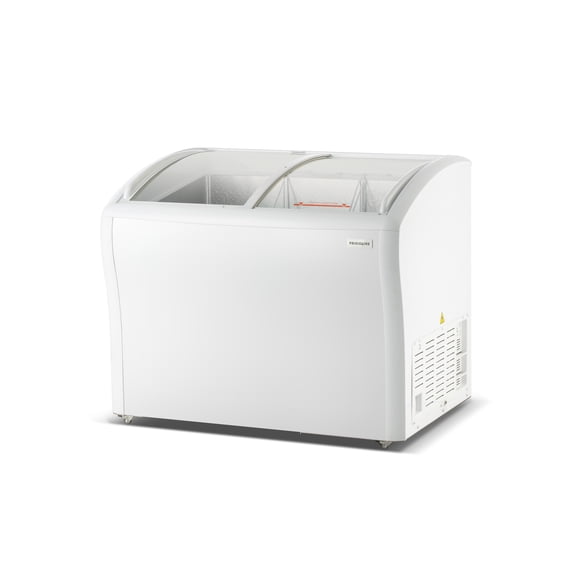
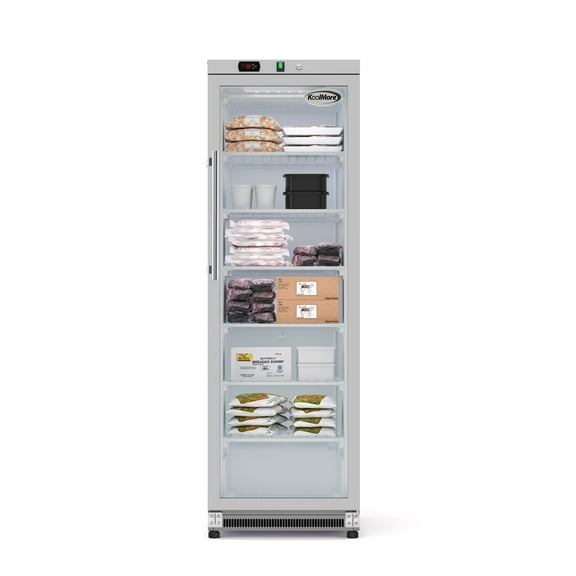
- You can use glass door commercial freezers when you want shoppers or staff to see contents quickly.
- You can pick undercounter formats when you need frozen storage close to prep stations.
You also gain flexibility for different service models and merchandising goals. Solid doors support insulation-focused storage, while glass doors help you display packaged desserts, novelties, or meal options.
For busy kitchens, you can reduce unnecessary steps by placing frozen items where your team actually uses them. That layout advantage matters when you stock proteins, dough, sides, or boxed treats across multiple stations.
Choosing configuration and door type
You should compare configuration first because it shapes capacity, footprint, and access. Reach-in units use vertical space, chest units use floor space, and undercounter models support compact prep zones.
You can choose solid door units when your priority is insulation and back-of-house storage. You can choose glass door commercial freezers when visibility matters for merchandising or quick item checks.
If your aisle space is limited, you may want sliding door designs that reduce door swing clearance. If your staff needs shelf-based organization, hinged doors may support simpler loading and faster restocking.
What to look for in condenser and defrost options
You should check whether a top-mounted or bottom-mounted condenser fits your room conditions and cleaning routine. Top-mounted systems can suit hotter kitchens, while bottom-mounted layouts can make lower components easier to access.
You also need to compare auto defrost and manual defrost options based on maintenance preferences. Auto defrost can simplify routine upkeep, while manual defrost may appeal when you want direct control over the cycle.
As you compare industrial freezers and restaurant freezers, you should review how each setup fits your daily workload. The right combination can support smoother cleaning, steadier operation, and easier placement in your layout.
Checking electrical and compliance details
You should confirm the electrical setup before you choose a unit for your business. Check the NEMA plug configuration, required voltage, and amperage so you can match your existing connections.
You also need to review clearance requirements and BTU output for proper placement. Those details help you plan airflow around the cabinet and support dependable operation in tight commercial spaces.
When your business follows foodservice standards, you may also look for NSF or NSF/ANSI certification details. Those specifications help you identify models designed for commercial kitchens, prep areas, and other professional settings.
Matching commercial freezers to everyday use cases
If you run a restaurant kitchen, you may want commercial freezers with organized shelving for proteins, fries, desserts, or ready-to-cook items. Reach-in formats can support quick access during prep and service.
If you stock bulk ingredients in a back room, commercial chest freezers can make sense for larger packages and reserve inventory. You can use that deeper footprint when frequent visibility matters less than volume.
For convenience stores, cafés, and front counters, you may prefer glass door units for packaged frozen items. You can keep products visible for faster selection and simpler restocking checks.
When your prep line is compact, undercounter commercial freezers can keep ingredients close without taking extra aisle space. You can pair that format with prep tables and other commercial refrigerators for a smoother workflow.
If you manage multiple stations, you should compare placement, door swing, and ventilation needs before choosing a final unit. Those practical details help you support service speed, storage efficiency, and cleaner installation planning.
You can choose commercial freezers with more confidence when you compare configuration, door style, electrical fit, and compliance details together. That approach helps you support daily operations with storage that matches your layout, menu, and service pace.