

Frontline Plus for Dogs: Flea & Tick Treatment | Walmart
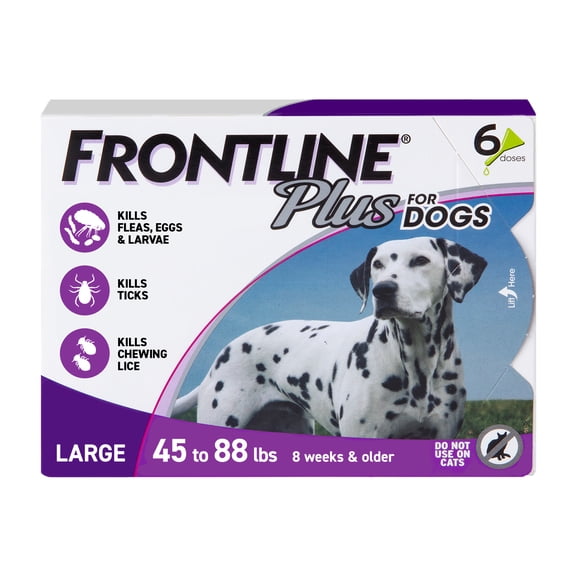

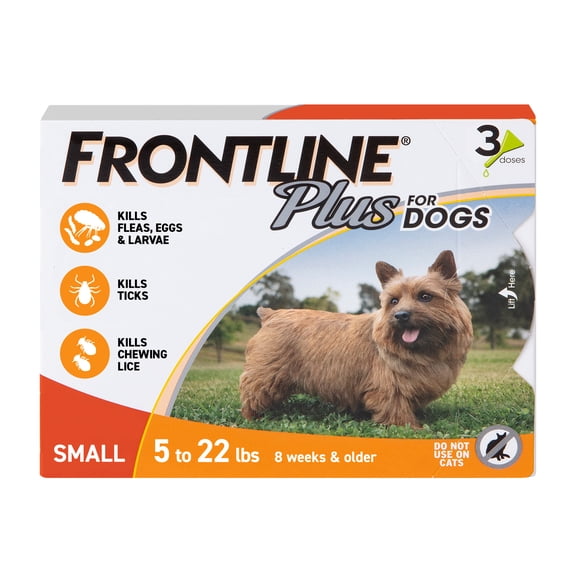


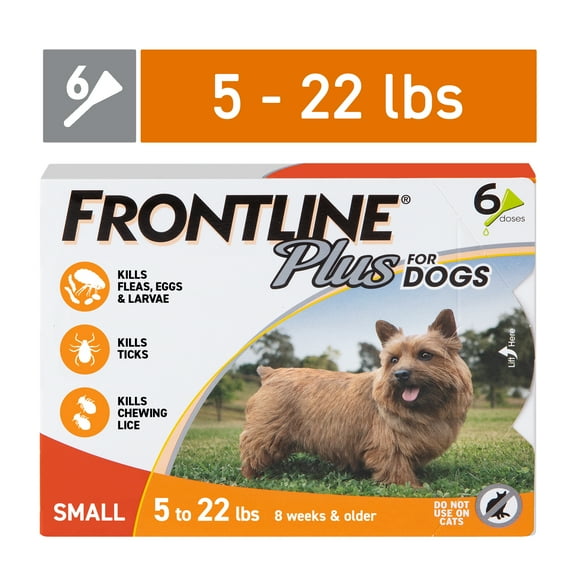

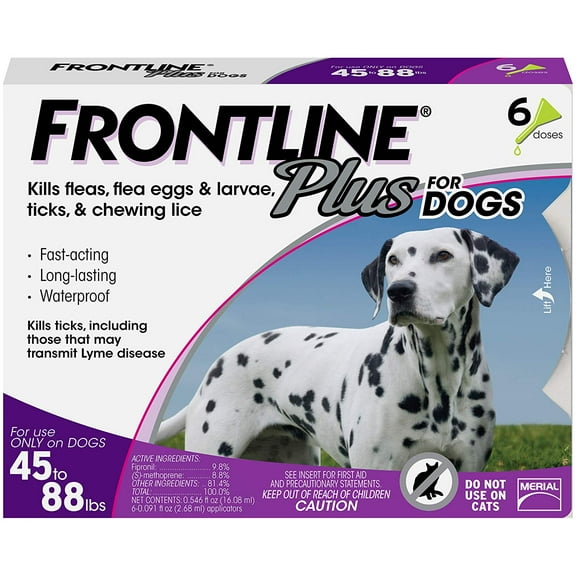
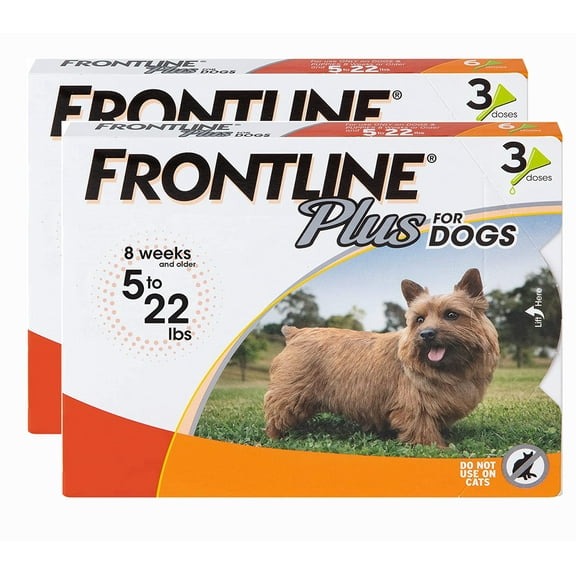
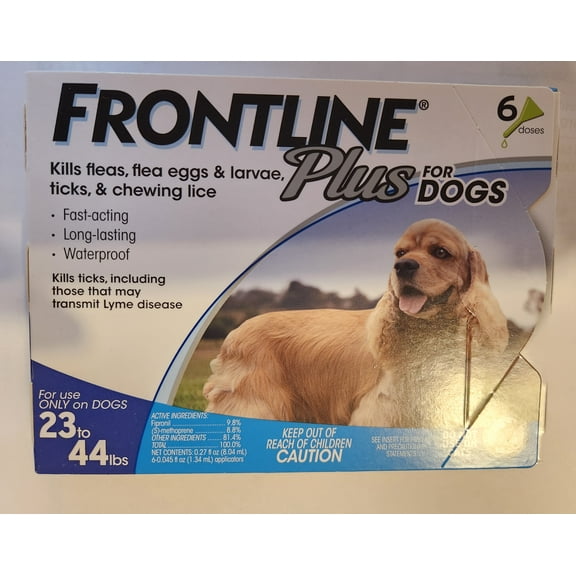




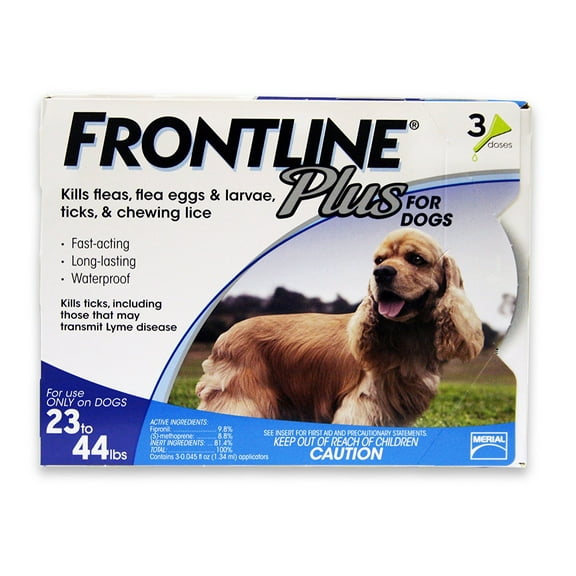


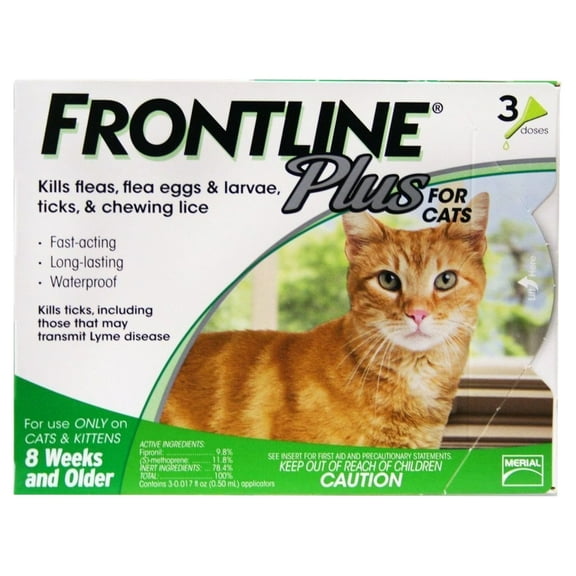


About Frontline Plus for Dogs: Flea & Tick Treatment | Walmart - Walmart.com
Wall shelves help you organize blank walls while adding display space for books, frames, plants, and everyday essentials. You can compare materials, styles, and sizing details to choose shelves that fit your room and your routine.
If you're updating a living room, bathroom, kitchen, or bedroom, wall shelves give you storage without using floor space. You can also use floating shelves to create a cleaner look that works well in small rooms and dorm setups.
Choosing wall shelves by material and finish
When you compare materials, you should start with what you plan to place on each shelf. You may prefer wood wall shelves for a warm look, while metal options can suit industrial spaces.
If your room has light furniture, you might lean toward white floating shelves for a bright, open feel. If your room has darker accents, you may like black wall shelves or espresso finishes.
Glass shelves can help you keep a room feeling airy, especially in bathrooms or smaller corners. MDF shelves can give you a painted look when you want clean lines and simple styling.
- You can use wood finishes like natural oak to add warmth to neutral walls.
- You can choose metal frames when your decor leans industrial or mixed-material.
- You can pick white or black finishes to coordinate with modern furniture and wall art.
- You can select glass styles when you want lighter visual weight in compact rooms.
How to compare floating shelves and wall mounted shelves
When you choose between floating shelves and bracketed shelves, you should think about the look you want first. You may prefer floating shelves if you want hidden hardware and a smoother profile.
If you want visible support details, you may like bracketed or hanging shelves for a more layered style. You can also use corner shelves when you want to turn unused angles into practical display space.
Modern rooms often pair well with simple wall mounted shelves in straight shapes and matte finishes. Industrial spaces can look more cohesive when you choose darker metal details and thicker shelf boards.
If you're decorating for back to college wall shelves needs, you may want lighter profiles and compact widths. You can make a small dorm wall more useful with shelves for books, speakers, and framed photos.
What to look for in size, depth, and weight capacity
You should measure your wall before choosing shelf length, depth, and spacing between shelves. You can avoid crowding a room when you match shelf size to the wall area.
Depth matters because you need enough front-to-back space for the items you plan to display. You may want shallow shelves for photos, while deeper shelves can fit baskets, candles, or small storage bins.
Weight capacity should match what you plan to place on the shelf every day. You can use lighter shelves for small decor, while sturdier options can hold stacks of books or larger planters.
If you're comparing details, you should check listed dimensions and the supported load before you choose. You can also compare how many mounting points each design uses for added stability.
Checking wall type and mounting hardware
You should always match your wall mounted shelves to your wall type and the included hardware. If you're installing on drywall, you may need drywall anchors when you aren't mounting into a stud.
If you can mount into a stud, you may get a firmer hold for heavier display needs. You should also check whether your shelf includes screws, brackets, and anchor guidance before installation.
Bathrooms and kitchens may need shelves that fit tighter spaces and frequent daily use. You can look for decorative wall shelves that keep toiletries, spices, mugs, or jars within easy reach.
In living rooms and bedrooms, you may want more styling flexibility for books, art, and keepsakes. You can create a balanced wall by mixing shelf lengths, colors, and heights.
Matching decorative wall shelves to each room
You can use floating shelves in a living room to frame a TV wall or fill space above a sofa. You may also use corner shelves to display plants where floor space feels limited.
In a bathroom, you can choose compact shelves that hold towels, candles, or countertop extras. In a kitchen, you might prefer wall shelves that keep dishes, mugs, or pantry items visible.
Bedrooms can benefit from shelves above a desk, dresser, or reading nook for books and decor. If you want a cleaner setup, you can match shelf finish and hardware to your current furniture.
When you compare wall shelves by material, style, finish, and room, you can narrow your options with confidence. You can get storage and display space that fits your wall, your items, and your overall decor.