


Find auto parts that fit
Let’s search for parts that fit your vehicle.Fuel Hoses in Fuel Filters and Fuel Lines



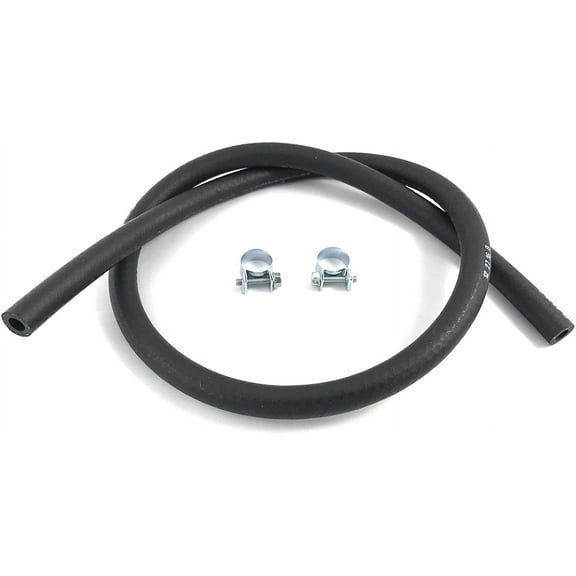


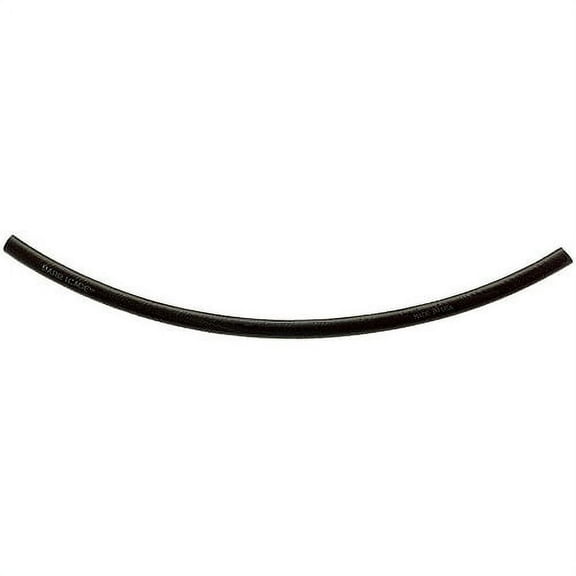
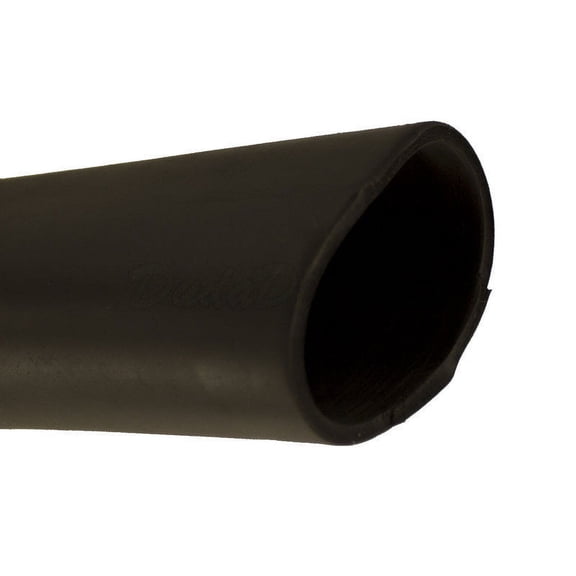


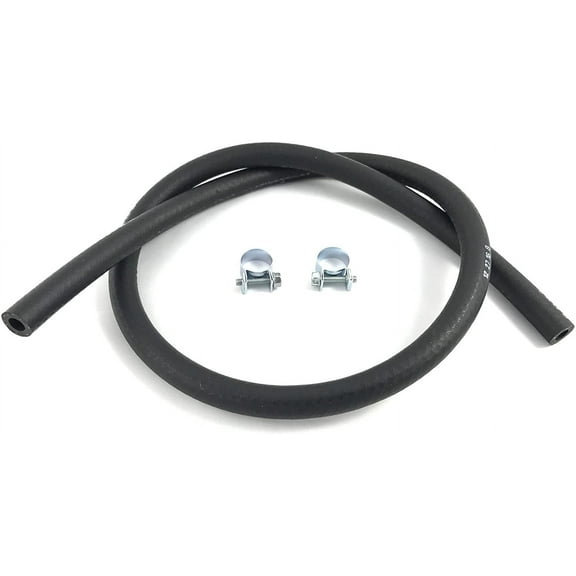

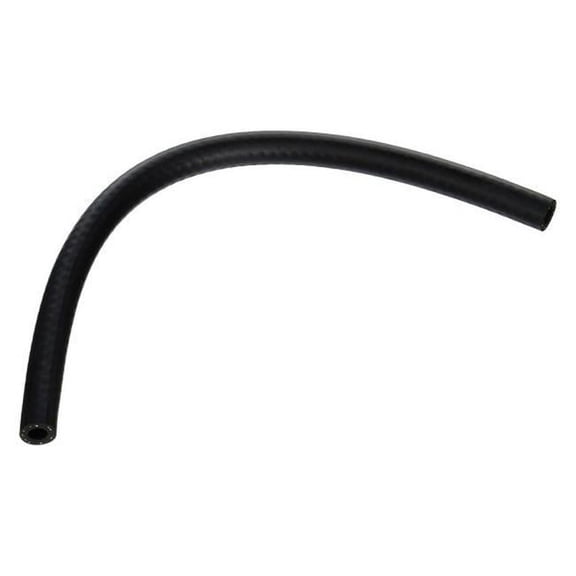

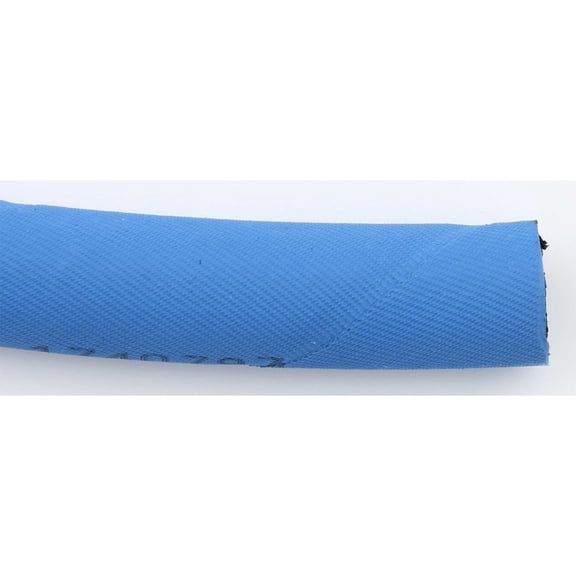

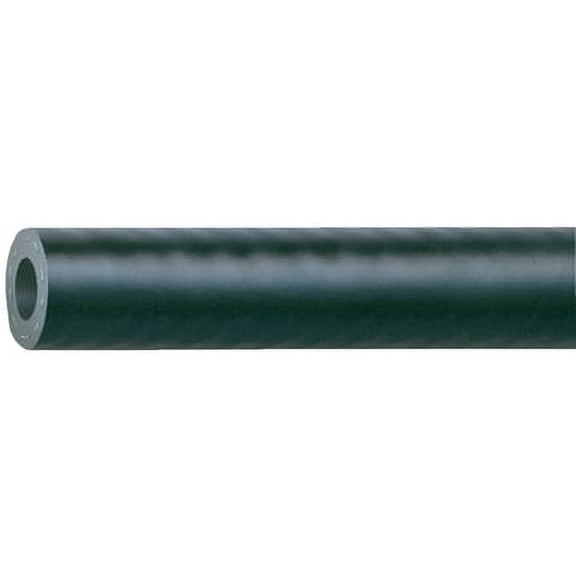







About Fuel Hoses in Fuel Filters and Fuel Lines - Walmart.com
You can choose the right fuel line hose faster when you compare material, size, and fuel compatibility before installation. You'll also find options for carbureted setups, fuel injection systems, and fuel filter connections in one category.
When you shop this category, you should focus on fitment details that directly affect routing, connection style, and operating pressure. You'll want clear choices like rubber, braided stainless steel, nylon, and push-lock construction for different automotive projects.
How to choose a fuel line hose
You should start with the fuel type your vehicle or equipment uses. You'll want a hose that matches gasoline, diesel, E85 ethanol, or biodiesel, because different fuels place different demands on hose materials.
Next, you should compare your system style and pressure needs. You'll usually need different pressure support for a carburetor line, a return line, or a fuel injection system.
You can also narrow your options by matching the inside diameter to your fittings. You'll commonly see 1/4 inch, 5/16 inch, 3/8 inch, 1/2 inch, -6AN, and -10AN sizes.
- You can use rubber hose when you want familiar flexibility for many standard fuel routing jobs.
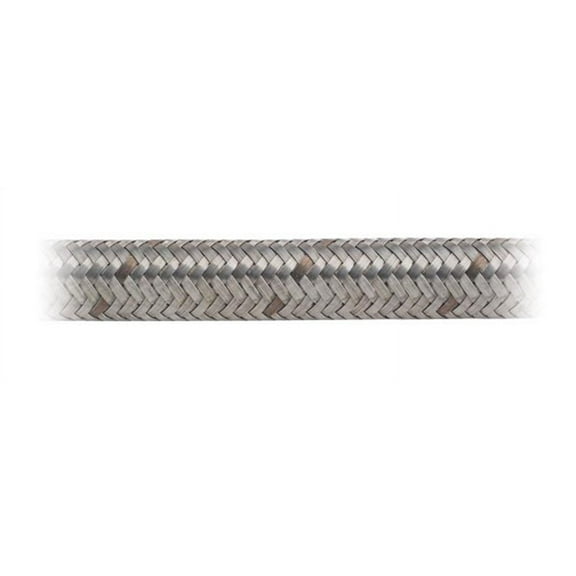
- You can choose braided stainless steel when your build needs extra reinforcement and a more structured outer layer.
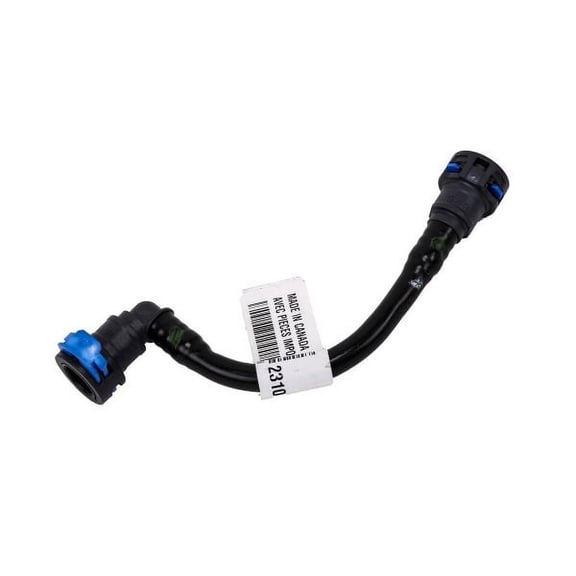
- You can pick nylon or push-lock styles when you want lighter routing and straightforward pairing with matching fittings.
- You should confirm diameter, pressure rating, and fuel compatibility before you connect any line to your system.
Choosing material, diameter, and gasoline line compatibility
You should compare hose material first, because it affects flexibility, outer protection, and how the line routes through tighter engine spaces. You'll often find rubber easier to bend, while braided constructions can feel more controlled during custom routing.
If you need a 1/2 rubber fuel line, you should measure your existing inside diameter and fitting size before replacing anything. You'll get a cleaner fit when your hose ID matches your barb, adapter, or clamp setup.
You should also check whether your hose is intended for the fuel running through your system. You'll want a gasoline line or diesel-compatible option that aligns with the fluid and connection points on your vehicle.
When you compare AN sizing, you should match the hose to your fittings instead of guessing by appearance. You'll often see a 10AN push lock hose on custom fuel routing where secure fitment matters.
What to look for in pressure rating and reinforcement
You should treat pressure rating as a key buying factor, especially when you work on fuel injection systems. You'll usually need higher pressure support for injection setups than for many carburetor or return line applications.
Rubber and nylon designs can help you route around bends when space is limited under the hood or along the frame. Braided stainless steel layers can help you choose added reinforcement when you want more abrasion resistance on exposed runs.
You should also compare wall construction and connection style before choosing clamps or fittings. You'll notice that push-lock styles are designed for matching push-lock hardware, while other hoses pair with clamps or threaded adapters.
If you're replacing a fuel hose car connection, you should compare the old line's diameter, route, and end connections. You'll make the selection process easier when you check those details before ordering pickup or delivery.
Choosing the right fuel filter hose and application
You should match the hose to the job, because a fuel filter hose may need different routing than a carburetor line. You'll want enough flexibility for bends, but you should still keep the inside diameter consistent with the rest of the system.
For a fuel filter connection, you should measure the ports and confirm the fitting style at both ends. You'll avoid mismatch issues when you compare barb size, AN adapters, and hose length in advance.
If your project involves a return line, you should look for a hose that fits the lower-pressure path and available routing space. You'll often need a different diameter for the return side than for the supply side.
When you upgrade an older setup, you should compare modern materials with your current fuel pipe line layout. You'll often find that newer hose types help you route around brackets, filters, and pumps with less guesswork.
Using fuel hoses for common vehicle projects
You may need a compact hose for a small engine bay, or you may need a longer run for a custom tank setup. You'll get a cleaner result when you measure the full path and account for bends before choosing length.
If you're connecting a carburetor, you should focus on diameter fit, clamp compatibility, and easy routing. If you're connecting fuel injection components, you'll need to confirm pressure support and fitting compatibility first.
You can use a fuel filter hose for replacement work around inline filters, pumps, or hard line transitions. You'll also find options that suit custom builds using AN fittings and structured outer reinforcement.
When you need fuel hoses with faster access, you can use pickup and delivery options through Walmart. You'll be able to compare hose material, size, and application details while keeping your repair plan moving.
You can shop with more confidence when you compare compatibility, pressure rating, and inside diameter before choosing any hose. You'll end up with a fuel system part that fits your application, routes cleanly, and supports dependable fuel flow.