

Shrubs for Full Sun & Flowers That Need Full Sun
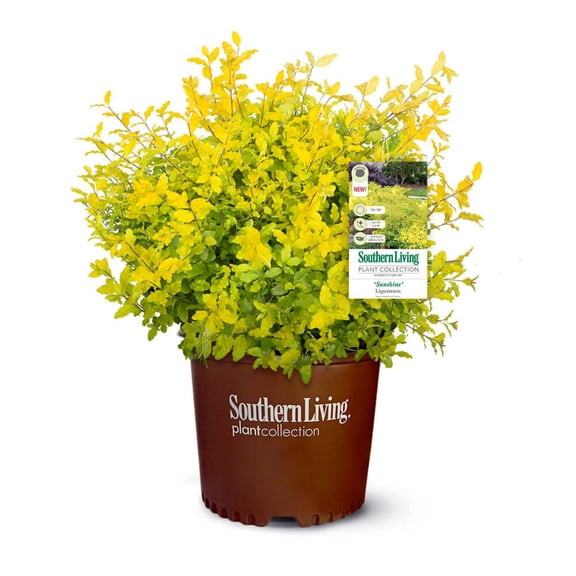


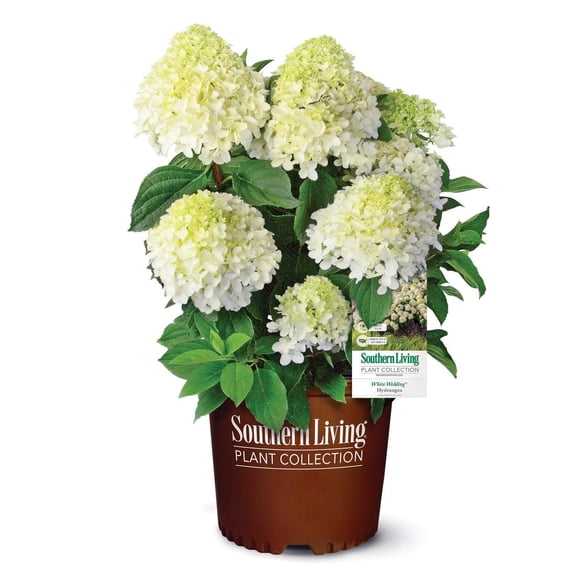
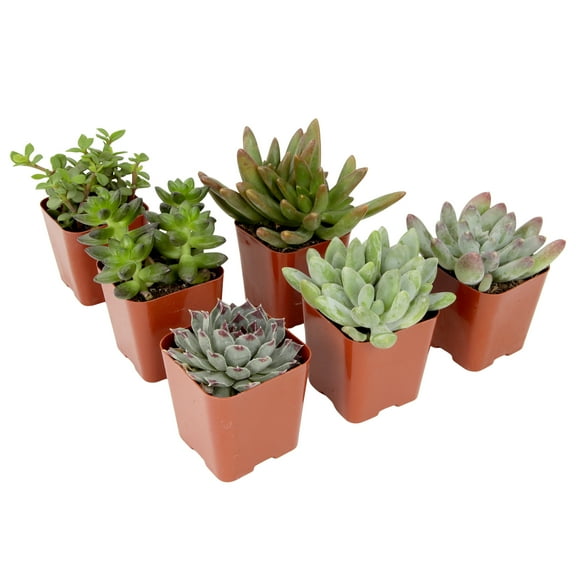


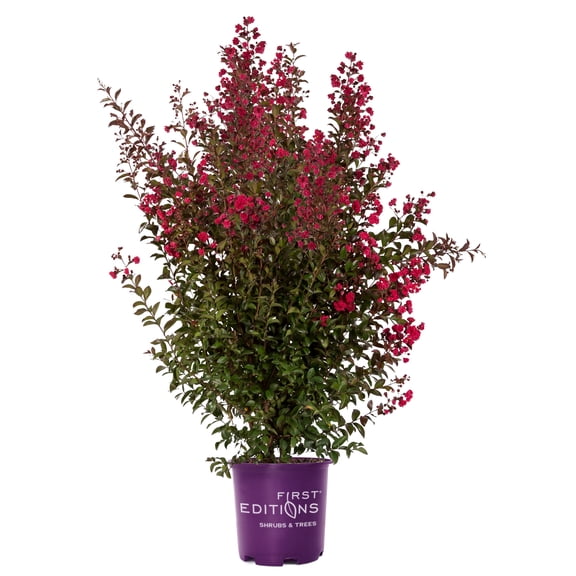


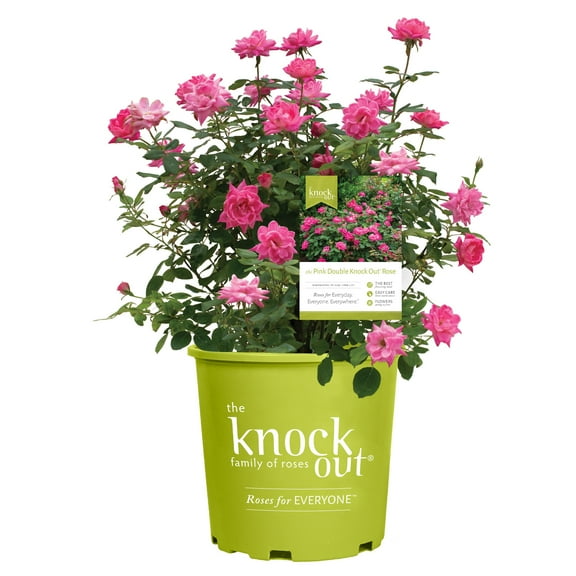
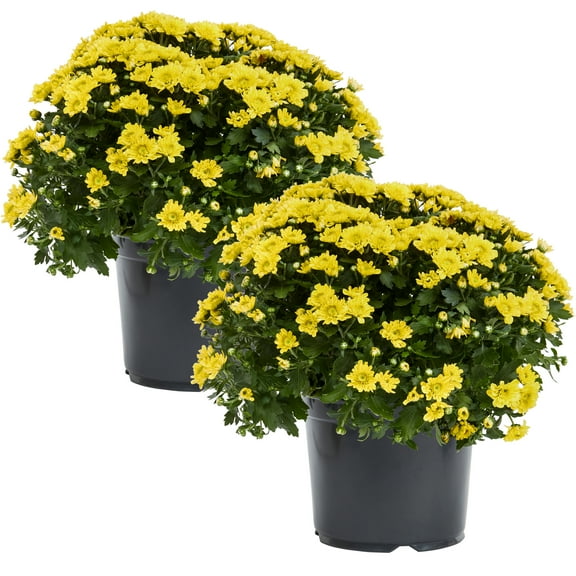


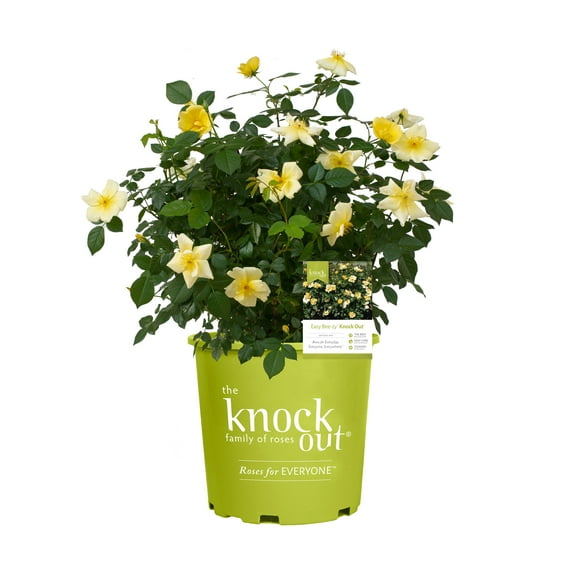
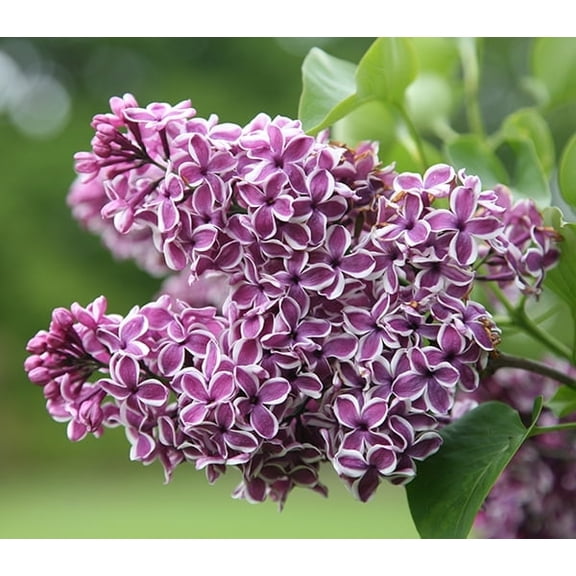










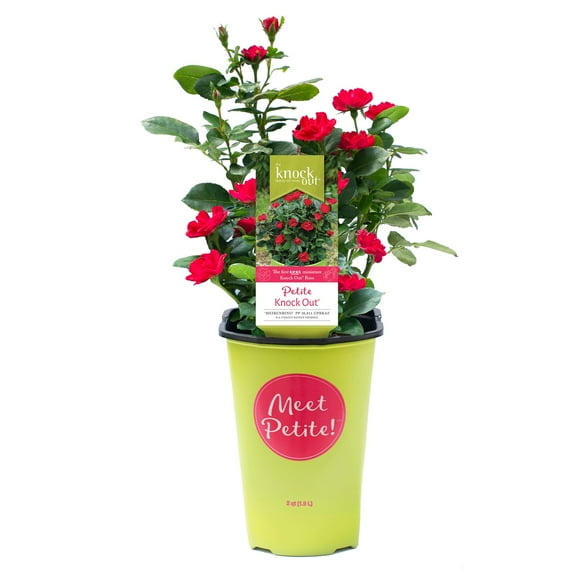


About Shrubs for Full Sun & Flowers That Need Full Sun - Walmart.com
Full sun plants help you build bright, colorful beds in spaces that get six or more hours of direct sunlight. You can compare plant type, water needs, hardiness zones, and growth habit to choose varieties that fit your yard.
If your garden gets intense afternoon light, you’ll want selections that can handle heat and steady exposure. You can also narrow your search quickly when you know whether you need blooms, foliage, shrubs, or edible plants.
How to choose full sun plants
You should start by confirming that your planting area gets at least six hours of direct sun each day. You’ll get a suitable match when your light level, space, and watering routine all line up.
When you compare options, you should think about color, bloom season, and how long you want the plant to last. You may prefer full sun perennial plants for returning growth or full sun annual flowers for one-season color.
- You can use perennials when you want plants that return year after year.
- You can choose annuals when you want quick color for one growing season.
- You can plant shrubs when you need structure, height, or foundation planting.
- You can grow vegetables when you want edible gardens in sunny beds or containers.
- You can pick trailing or ground cover types when you need spread across edges or open soil.
You’ll also want to consider maintenance before you plant. If you prefer low-maintenance care, you can focus on drought tolerant plants and low water varieties for exposed areas.
Choosing plant type, water needs, and growth habit
You can use plant type as your first filter because it shapes how your garden looks through the season. Full sun shrubs add lasting structure, while flowers and vegetables change rapidly as the season moves.
If you’re filling borders, you may want upright plants for height and ground cover for open patches. If you’re planting baskets or raised edges, you can choose trailing forms for softer lines.
Water needs matter because sunny spots dry out quickly compared to shaded beds. You should compare drought tolerant full sun plants, low water picks, and moderate moisture options based on your routine.
If you can’t water often, you’ll want plants suited to dry spells and warm exposures. If you water on a regular schedule, you can choose options that prefer evenly moist soil.
You should also check how wide and tall each plant gets at maturity. Your garden will look balanced when you leave enough spacing for airflow, spread, and easy access.
Using hardiness zones and soil details for compatible matches
You can narrow choices quickly by checking USDA Hardiness Zone ratings before you plant. That rating helps you compare winter tolerance, so your picks fit your local climate.
If you garden in colder regions, you may look for hardy plants for direct sunlight rated for Zone 3-10. If your area stays milder, you can consider Zone 5-9 or Zone 7-11 selections.
Soil drainage also affects how your full sun plants perform across the season. You’ll want soil that drains well in many sunny beds, especially after rain or regular watering.
You can check whether your soil feels sandy, loamy, or heavy with clay before planting. If your soil stays dense, you may need amendments that improve texture and help roots settle in.
You should also review soil pH when a variety lists a preferred range. That detail helps you choose plants, seeds, and shrubs that match your garden conditions with less guesswork.
Matching full sun plants to real garden projects
You can build long-season beds by mixing full sun perennial plants with full sun annual flowers. That combination gives you returning structure and fresh seasonal color in the same sunny space.
If you’re updating a patio, you can try full sun container gardening with compact flowers, herbs, or vegetables. You’ll want upright center plants, trailing edges, and soil that drains cleanly in pots.
You may use full sun ground cover where you want lower growth between stepping stones or along borders. You can also use spreading types to cover bare areas that receive steady daytime light.
For front yards, you can combine shrubs with blooming plants to create shape and color through changing seasons. You’ll get an organized layout when you compare mature width before planting.
If you want edible options, you can choose outdoor plants for full sun like tomatoes, peppers, and other sun-loving vegetables. You should match your zone, watering habits, and container size before planting seeds or starts.
During spring, you may look for spring flowers for full sun that establish quickly in bright beds. In summer, you can switch to summer garden seeds that suit warm soil and longer daylight.
What to look for before you plant
You should measure your planting space before choosing any sunny garden variety. You’ll avoid crowding when you compare mature size, spacing, and growth habit from the start.
You can also group plants with similar moisture needs in the same bed or container. That step simplifies watering and helps your sunny garden stay consistent through heat.
When you use these decision points, you can sort full sun plants with more confidence and less trial and error. You’ll end up with selections that fit your sunlight, climate, and available growing space.