

Garage Door Rollers in Nylon & Steel


















About Garage Door Rollers in Nylon & Steel - Walmart.com
You can upgrade worn garage door rollers to restore smoother travel, quieter movement, and steadier door alignment during everyday opening and closing. You may be replacing a single noisy wheel or planning a full garage door runner replacement, so clear fit details matter.
Choosing garage door rollers by material
When you compare material options, you should start with how much noise you want during daily use. You’ll usually notice nylon rollers run quieter, while steel options suit heavier, frequent movement.
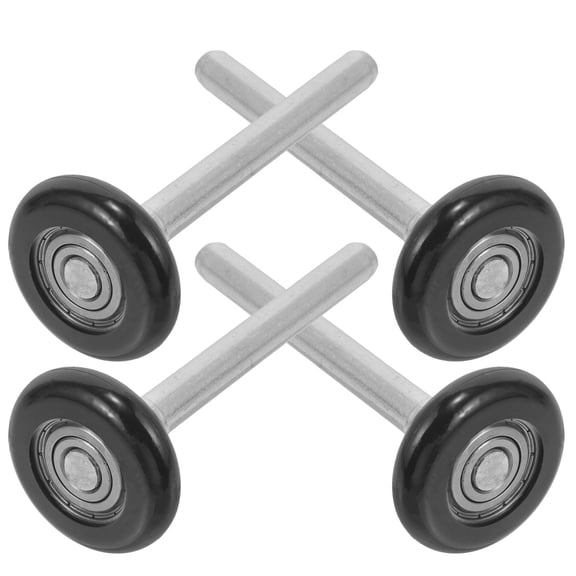
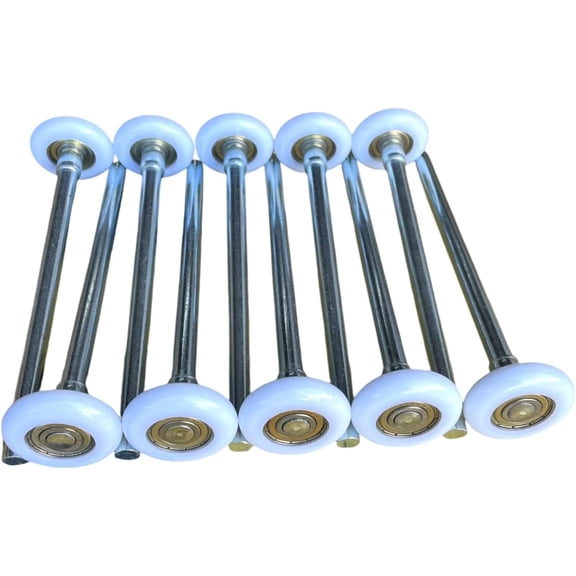
If you want a common residential upgrade, you may look for nylon sealed garage door rollers with enclosed bearings. You’ll often get smoother rolling and less rattle against the track with that combination.
For tougher environments, you may compare steel and plastic based on door weight and repeat use. You’ll typically choose plastic for lighter duty, while steel fits demanding cycles and firmer contact.
- You can use nylon when your priority is quieter garage door travel.
- You can consider steel when your door sees frequent opening and closing.
- You can check plastic for lighter applications and simple replacement needs.
- You should match material choice to your door type and track setup.
What to look for in size and fit
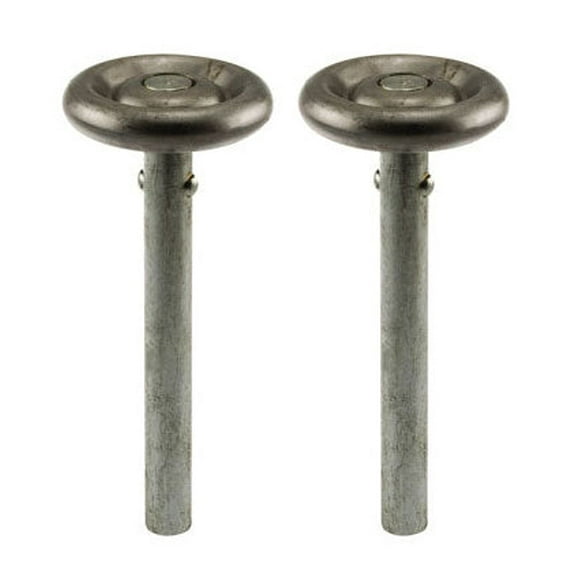
Before you choose garage door rollers, you should measure your current wheel diameter and stem length. You’ll commonly find a 2-inch wheel with a 4-inch stem on many residential doors.
If your door uses larger hardware, you may need a 3-inch roller for proper track contact. You should compare the old part carefully, because close sizing affects smooth movement and stable alignment.
When you shop for garage wheels or a garage door opener roller, you should confirm the application first. You’ll want the roller to match the door section, hinge position, and track style you already use.
Comparing bearing types and sealed designs
You should treat bearing style as a major performance difference, not a minor detail. You’ll often notice smoother rolling when your replacement uses sealed ball bearings or a higher ball count.
If you want cleaner operation, you can check whether sealed bearings help block dust and grime. You may also compare 10-ball and 13-ball designs when you want steadier movement along the track.
For lighter-duty replacement, you might choose no-bearing styles for simple setups and occasional use. You should expect sealed and multi-ball rollers to feel more controlled during repeated opening cycles.
Matching application to your door type
You should choose garage door rollers based on how your door moves and how often you use it. You may need different hardware for residential doors, commercial doors, or sliding garage door rollers.
For a residential setup, you’ll often focus on noise control, smooth travel, and standard sizing. For commercial use, you may prioritize stronger materials, frequent-cycle performance, and consistent track contact.
If your project involves sliding garage door rollers, you should confirm that the wheel profile fits the runner. You’ll want the roller shape, diameter, and stem style to match the door hardware.
How to use these choices for replacement projects
When you’re replacing worn parts, you should compare your old roller before ordering a new set. You’ll want to check wheel diameter, stem length, material, and bearing style together.
If your current rollers chatter in the track, you may move toward nylon and sealed bearings. If your door handles heavier daily use, you might compare steel rollers with a higher ball count.
For a partial garage door runner replacement, you should make sure each new roller matches the remaining hardware. You’ll get more even door travel when the wheel size and stem style stay consistent.
Installation checks before you start
You should inspect where each roller sits on the door before removing any hardware. You’ll want to note hinge positions, track shape, and whether your door uses standard stems.
When you replace upper or middle rollers, you can often focus on fit and smooth track movement. When you work near the bottom bracket, you should follow the door manufacturer’s instructions and compare service options.
If you want an easier selection process, you can narrow choices by material, bearing type, size, and application. You’ll feel more confident when your new rollers match the track and deliver steadier daily movement.