






















Walmart Garden Center: Plants, Soil & Gardening Supplies Near Me

Level up your garden
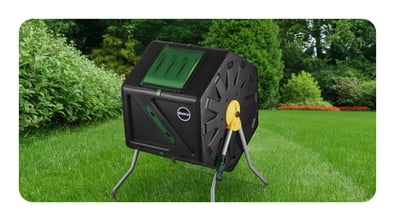
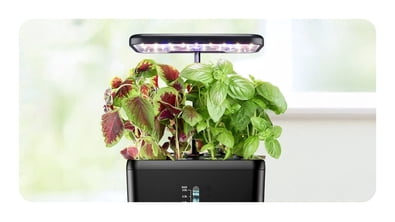
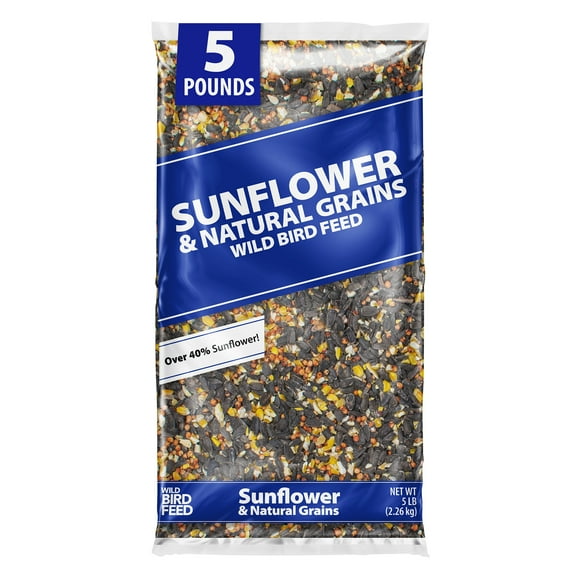
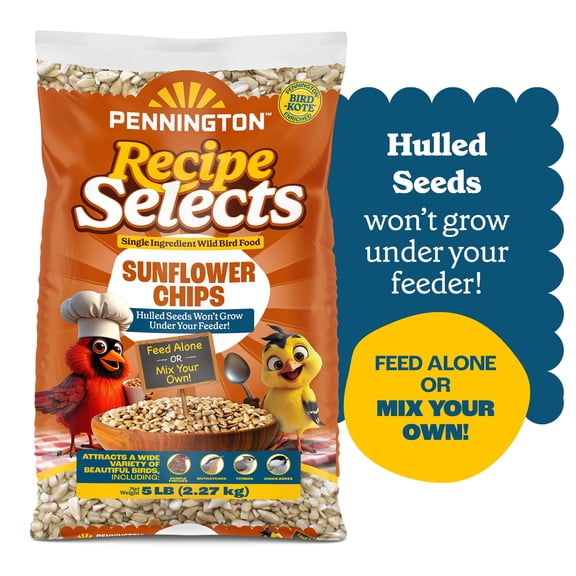
Bird seeds


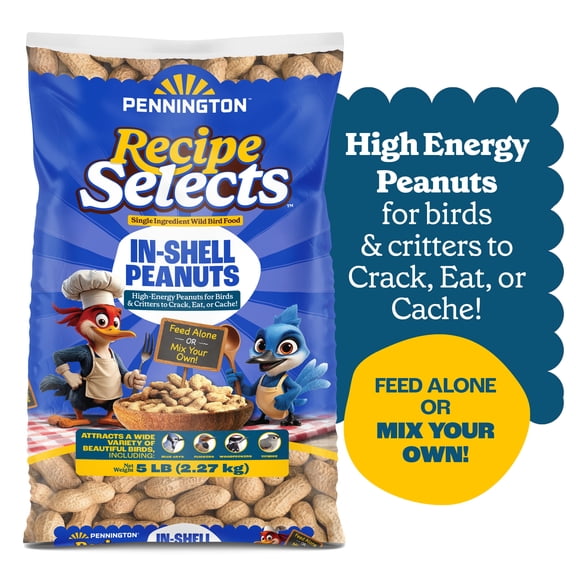

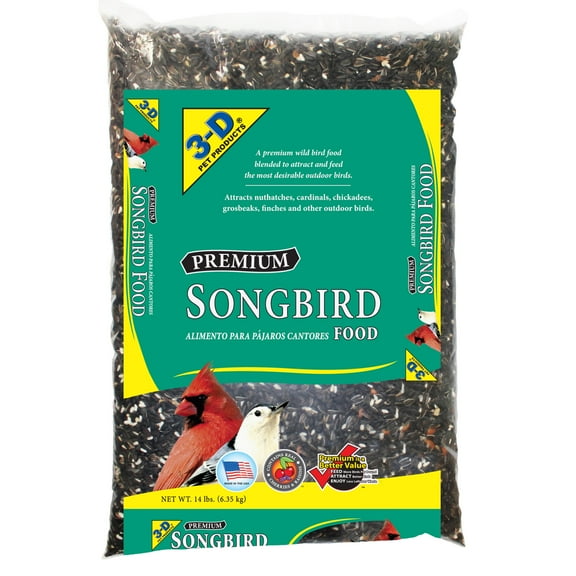

For your outdoor space
Landscaping essentials









Plants by type







FAQ
About Walmart Garden Center: Plants, Soil & Gardening Supplies Near Me - Walmart.com
Your garden center helps you plan, plant, and refresh your outdoor space with live plants, soil, mulch, and tools in one destination. You can compare seasonal picks, check local availability, and choose pickup or delivery options that fit your schedule.
How to choose a garden center for your space
When you shop a garden center, you can match plants and supplies to your yard, patio, or containers more easily. You can also find plant nursery and garden supply options together, which keeps your project moving.
If you search for a garden center near me, you’re often looking for convenience and current availability. You can use store and online options to find what you need for weekend planting, quick replacements, or larger outdoor updates.
Choosing plant types for your climate and layout
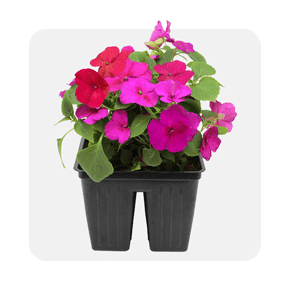
You can start with plant type, because annuals, perennials, shrubs, vegetables, and herbs serve different goals in your space. You’ll usually pick annuals for season-long color, while perennials return year after year in many growing zones.
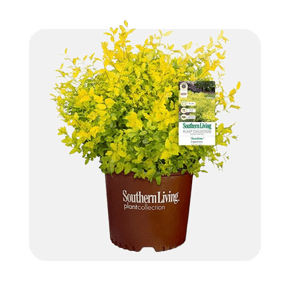
When you compare shrubs, you can add structure along walkways, fences, or foundations. If you want edible gardening, you can choose vegetables and herbs that fit raised beds, containers, or sunny backyard plots.
You should also check your USDA hardiness zone before choosing live plants for outdoor planting. You’ll use that zone to compare local temperature patterns, so your selections fit your region more closely.
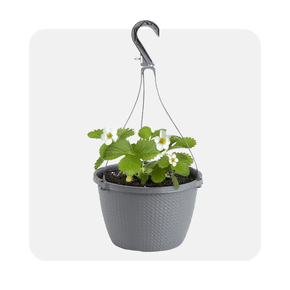
- You can use annuals to refresh beds, porch planters, and hanging baskets each season.
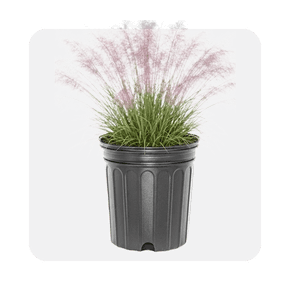
- You can plant perennials when you want returning color and fuller garden beds over time.
- You can choose shrubs when you need shape, screening, or foundation plantings.
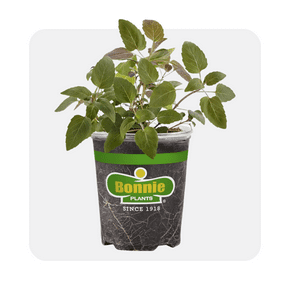
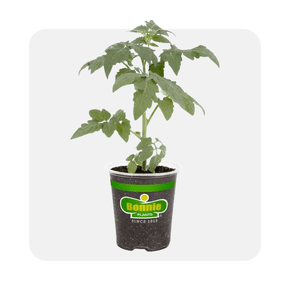
- You can grow vegetables and herbs when you want kitchen-ready plants for beds or containers.
What to look for in soil, mulch, fertilizer, pots, and planters
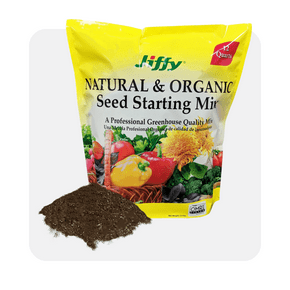
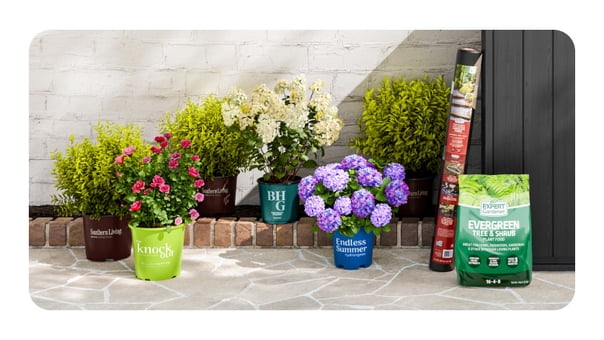
You can get stronger planting results when your gardening supplies match your plant type and growing space. You’ll want potting mix for containers, while in-ground beds often need garden soil, compost blends, or mulch coverage.
If you grow vegetables or herbs, you can look for soil labeled for raised beds or edible gardens. When you care for flowering plants or shrubs, you can compare fertilizer types by feeding schedule and plant category.
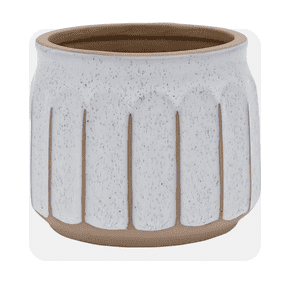
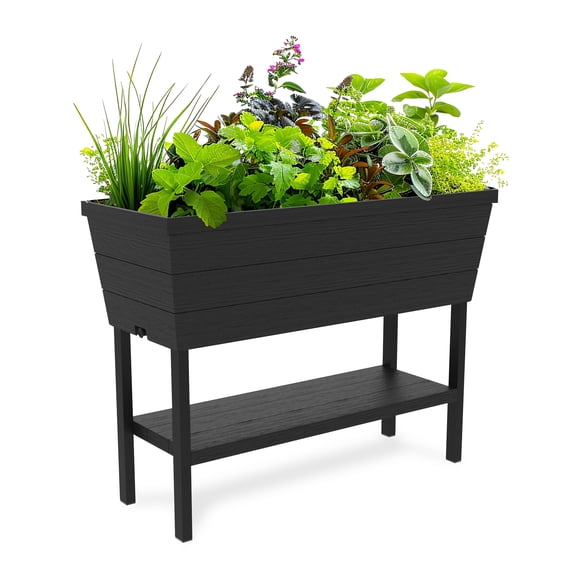
You can use mulch to help your beds look neat and hold moisture around plants. You can also choose pots and planters by size, drainage, and placement, especially for patios, porches, and balconies.
As you compare supplies, you should measure your container width and bed area before you buy. You’ll make faster choices when your soil volume, planter size, and mulch coverage match your project.
Comparing nursery, greenhouse, and outdoor center options
If you search nursery near me or plant nursery near me, you’re often narrowing your options by plant focus. You can use a nursery selection when you want live plants, starter vegetables, herbs, shrubs, or seasonal blooms.
When you search greenhouse near me or greenhouses near me, you may be looking for younger plants and sheltered growing environments. You can use that shopping path when you want seedlings, early seasonal starts, or more controlled plant displays.
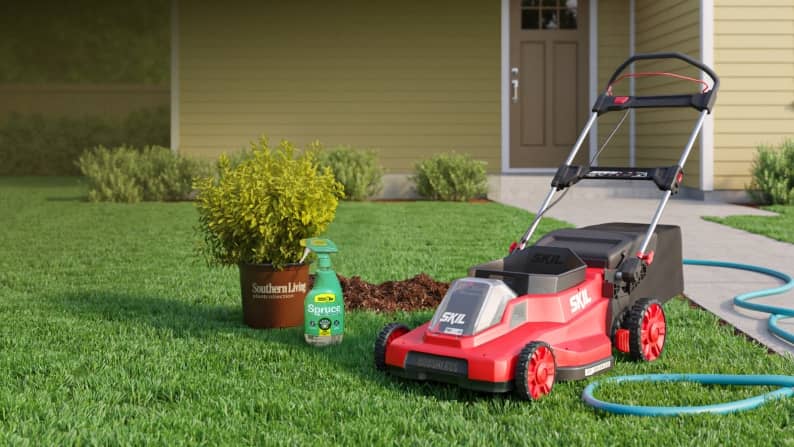
An outdoor center can help you pair plants with larger lawn and garden projects. You can compare garden centers, gardening stuff, and hardgoods together when you need soil, mulch, pots, planters, and tools in one trip.
Checking sun, water, and care needs before you buy
You can make smarter choices when you match each plant to the light in your yard or on your patio. You should compare full sun, part sun, and shade needs before you choose flowers, shrubs, herbs, or vegetables.
You’ll also want to check water needs, because some plants suit regular watering while others prefer drier conditions. If you group plants with similar care needs, you can keep beds and containers easier to manage.
For small spaces, you can use compact herbs, patio tomatoes, or container-friendly annuals in planters with drainage holes. For larger spaces, you can combine shrubs, perennials, and mulch for a more finished landscape layout.
Choosing in-store, online, or local pickup options
You can compare in-store, online, and local pickup options based on how quickly you want to start. If you search garden store near me or garden supply store near me, you’re usually looking for easy access and clear availability.
In-store shopping helps you view plant size, bloom color, leaf shape, and planter scale before you decide. Online shopping helps you compare categories faster, especially when you’re planning a bigger project across several spaces.
Local pickup works well when you want gardening supplies ready without walking every aisle. You can use pickup for bags of soil, mulch, fertilizer, pots, and planters when you already know your quantities.
If you’re comparing garden shops near me, garden nursery near me, or garden centers near me, you may want both inspiration and convenience. You can use one garden center to coordinate live plants, supplies, and pickup timing for a smoother project.
Using a garden center for seasonal projects
You can use a garden center in spring for starter vegetables, herbs, annual color, fresh soil, and new planters. In summer, you can replace faded blooms, refresh mulch, and add containers for patios or entryways.
During fall, you can update beds with seasonal color, shrubs, and cool-weather vegetables. In milder seasons, you can still use your local options for indoor containers, porch pots, and lawn care supplies.
Whether you’re planting one container or updating several beds, you can make clearer decisions by comparing plant type, care needs, supply match, and pickup options. You’ll finish with a space that fits your climate, your layout, and your routine.