

Gate Doors & Outdoor Gates























About Gate Doors & Outdoor Gates - Walmart.com
When you compare gate doors for your property, you need clear guidance on size, material, and use. That approach helps you match your opening, fence line, and daily access needs with fewer mismatches.
Across outdoor projects, you may want a gate that defines an entry and supports controlled access. You can also compare wood, metal, and vinyl options when appearance, upkeep, and mounting needs all matter.
Choosing the right gate doors for your property
Start with the opening width and height before you choose a gate. You’ll get a precise fit when your measurements include post spacing and ground clearance.
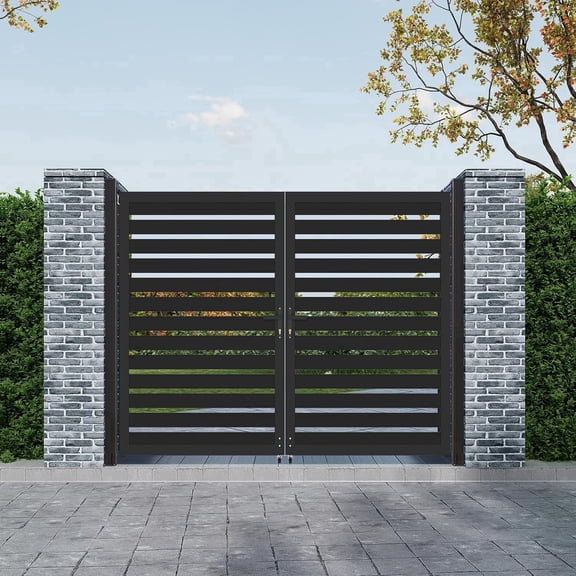
For wider entries, you can compare single gate and double gate formats by available swing room. Common 4ft and 6ft widths help you coordinate with many fence layouts and path openings.
In sloped areas, you should check how the gate swings and where the latch sits. You’ll avoid fit issues when your measurements account for grade changes, walls, and nearby landscaping.
Many shoppers also compare gate height with fence height before making a final choice. That step helps you keep the entry looking consistent across yards, gardens, and side paths.
How to compare materials in gates
Material affects upkeep, appearance, and how your gate fits the rest of your outdoor space. You can narrow options by comparing how wood, metal, steel, aluminum, and vinyl handle weather exposure.
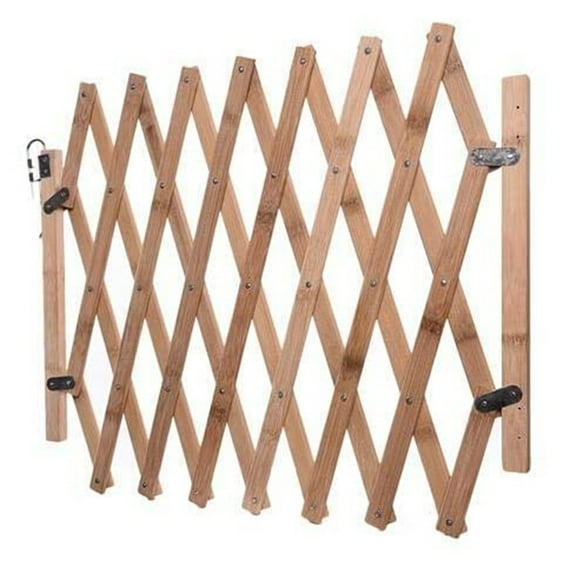
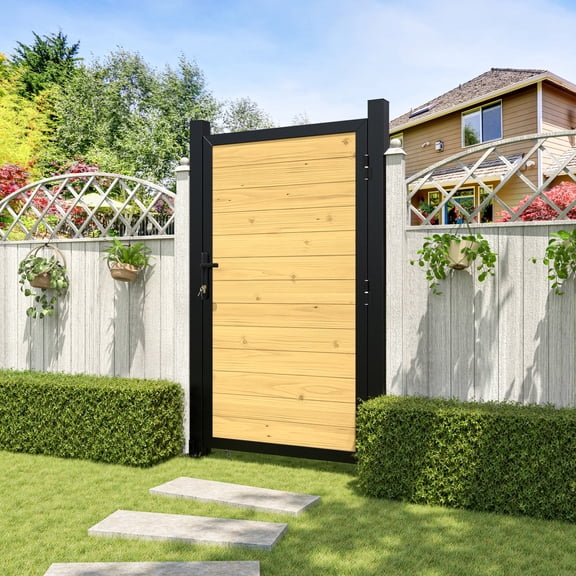
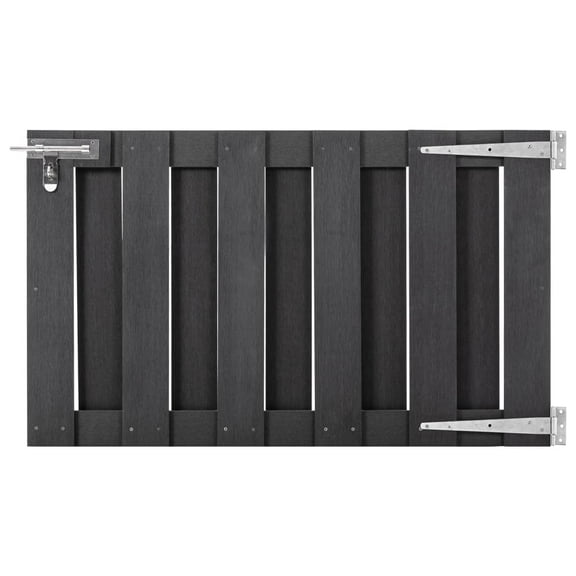
With wood, you get a classic look that pairs well with privacy panels and natural landscaping. You may prefer it when your yard design uses warm tones, pickets, or garden borders.
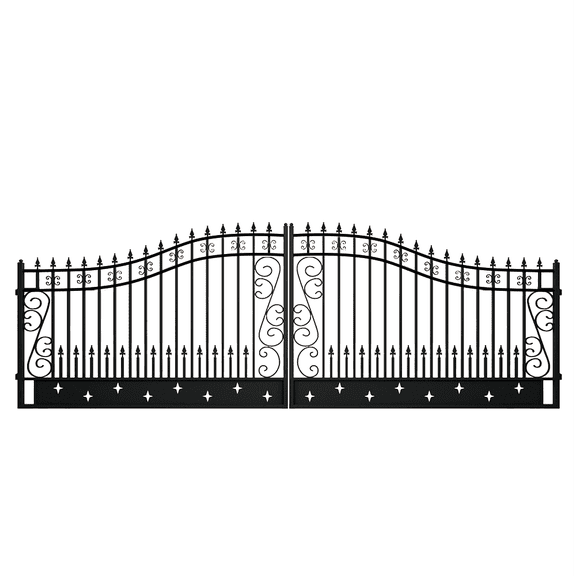
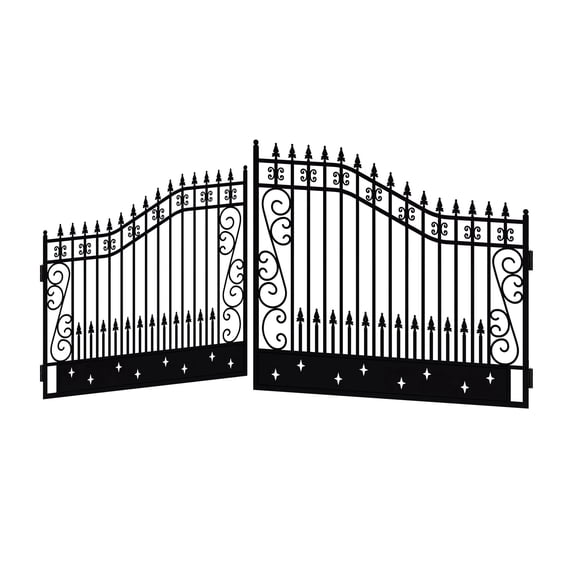
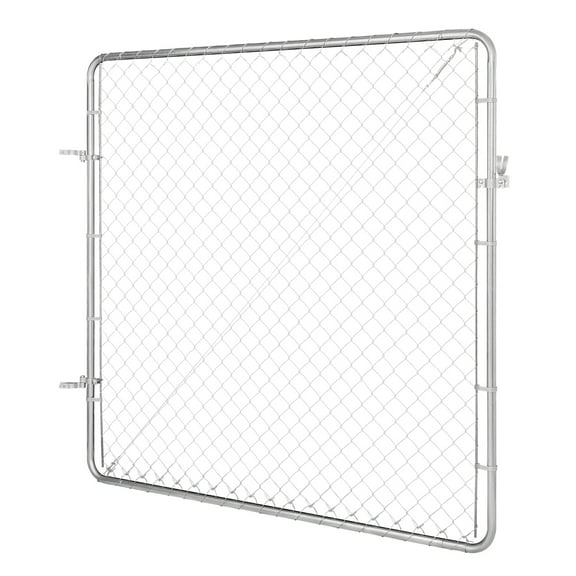
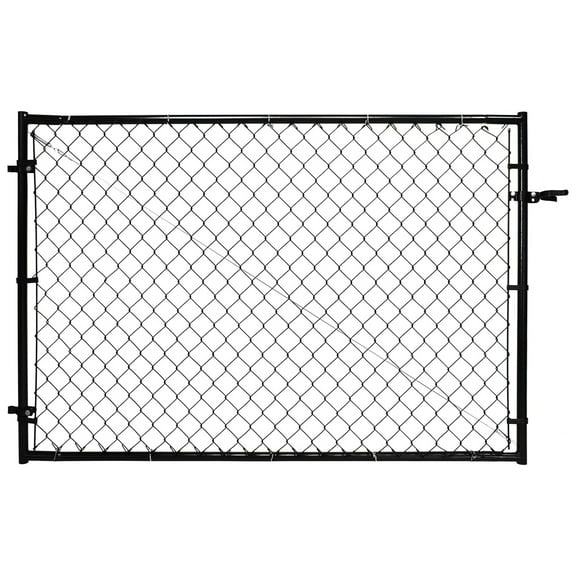
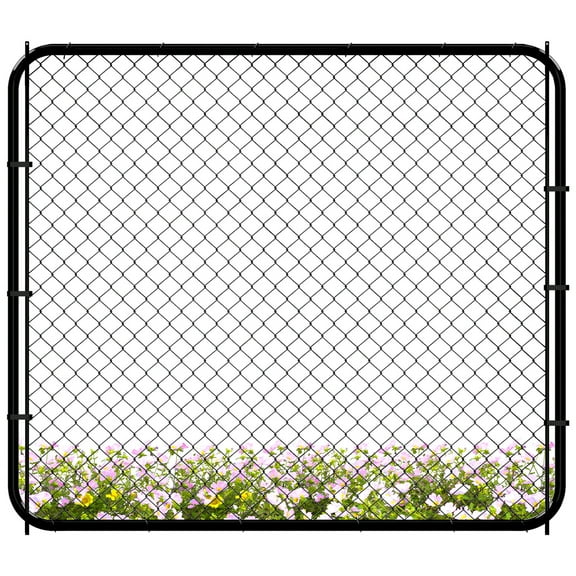
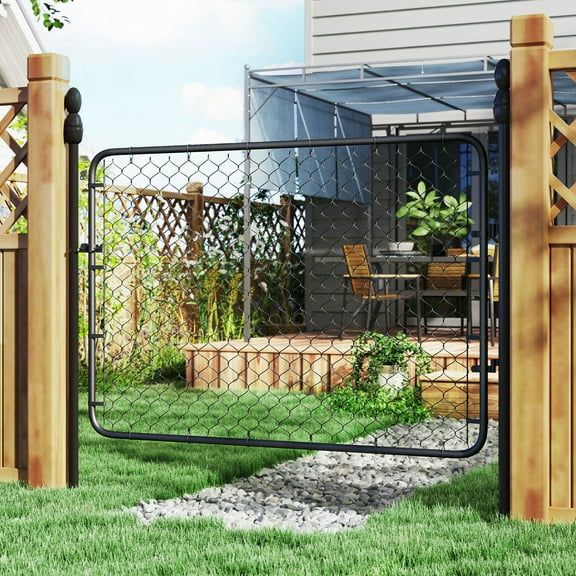
Metal options give you a sturdy frame and an open sightline at the entry. You’ll often compare steel and aluminum when your driveway, side yard, or perimeter opening needs a durable structure.
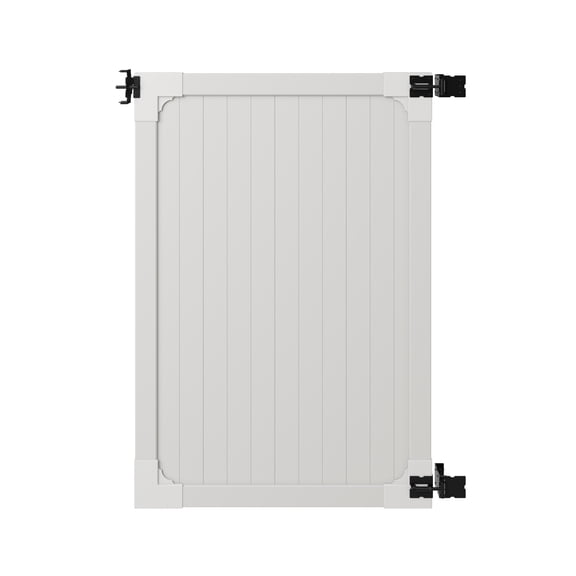
Aluminum can feel convenient to handle during installation and common adjustments. Vinyl gives you a smooth surface and low upkeep when your backyard gate needs a clean, coordinated finish.
- You can use wood for privacy sections and traditional fence styling.
- You can choose steel when your opening needs a substantial frame and defined structure.
- You can pick aluminum when your project calls for rust resistance and practical handling.
- You can select vinyl when your fence line needs a smooth look with low routine upkeep.
Before you decide, consider how much routine maintenance fits your household. You’ll want to compare repainting, cleaning, and surface wear across sun, rain, and everyday outdoor exposure.
What to look for in size, style, and hardware
Size and style work together when you want the gate to look right and function well. You can compare flat top, arched, picket, and privacy designs based on access needs and fence appearance.
Flat top styles suit straight fence lines and structured yard layouts. Arched options fit decorative garden paths where you want a softer outline above the opening.
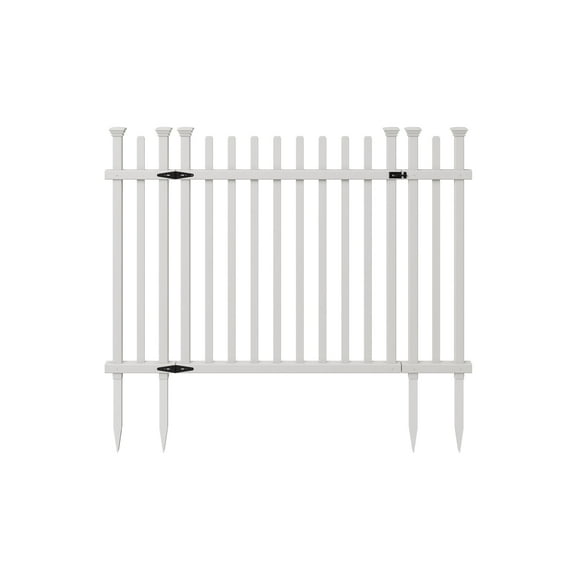
Picket designs let you keep visibility through the gate while matching many fence sections. Privacy panels help you create more screening at backyard entries, side yards, and enclosed spaces.
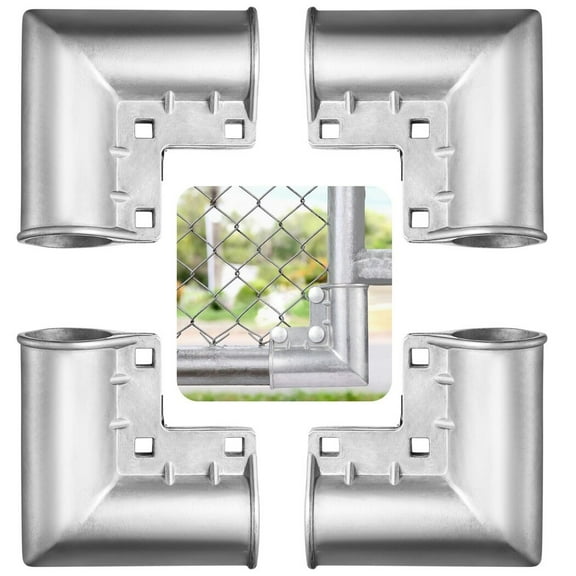
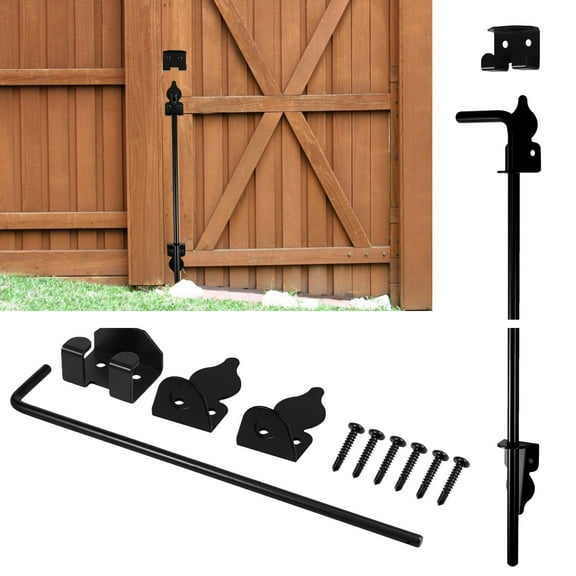
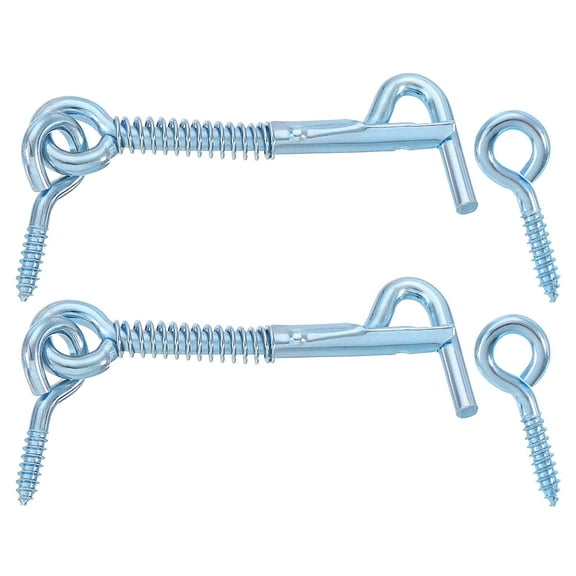
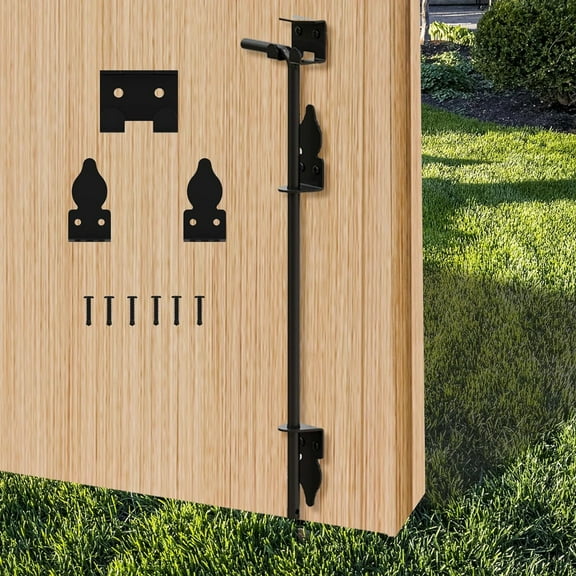
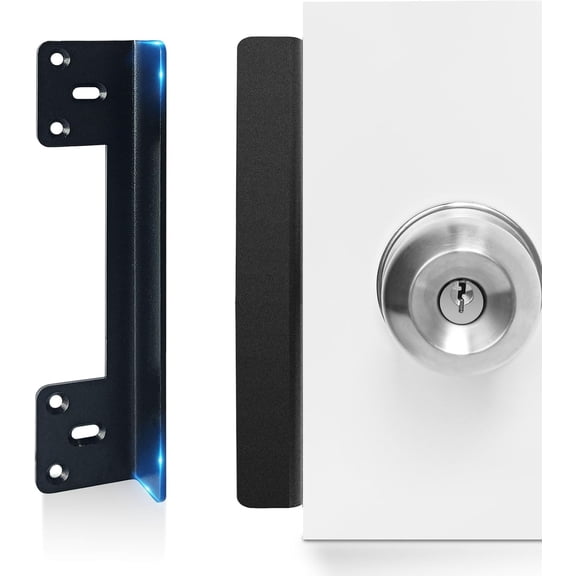
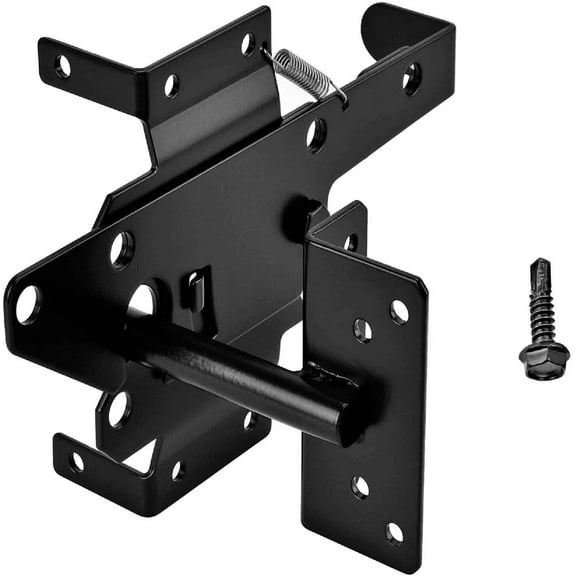
Hardware details also matter when you want installation to feel straightforward. You should check whether hinges, latches, and post-mounting parts are included before you choose.
Frame construction and latch placement can affect how the gate aligns with your fence. You’ll make a well-informed choice when those details match your opening width and intended swing direction.
Matching gate doors to everyday use cases
Use case often shapes the right combination of material, width, and style. You can compare gate doors by how the opening will handle vehicles, foot traffic, pets, or family spaces.
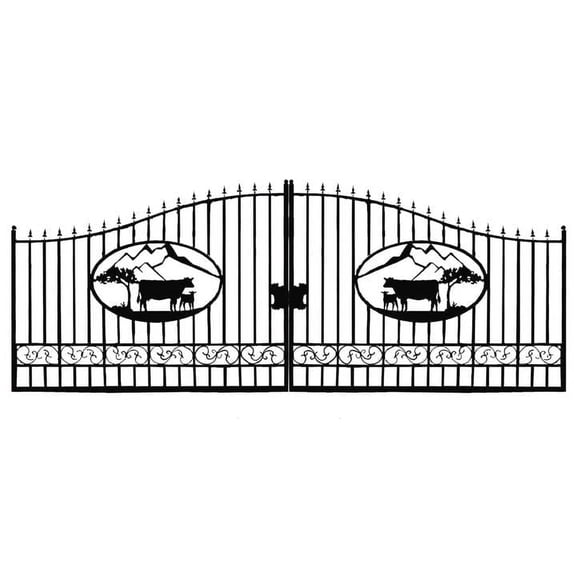
For driveways, wider openings often pair well with double gate formats and sturdy frames. You’ll want enough clearance for vehicles, lawn equipment, or larger items moving through the entry.
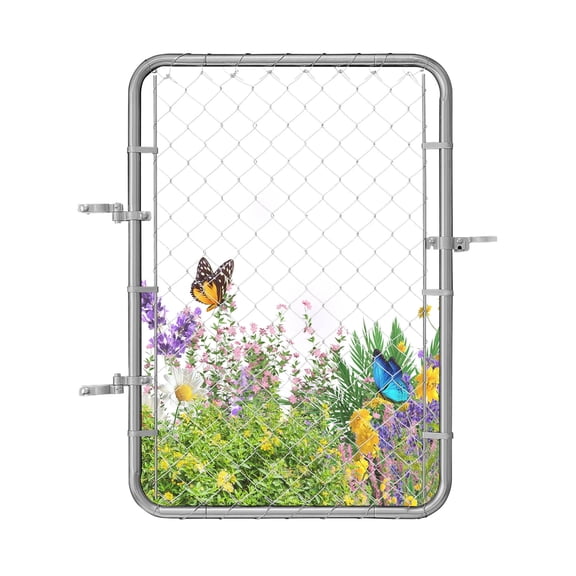
Garden gates usually focus on path access and a coordinated outdoor look. You may prefer arched or picket styles when your entry connects planting beds, walkways, and decorative fencing.
Security-focused projects often call for dependable latch placement and a robust frame. You can compare steel, aluminum, or privacy-oriented designs when controlled access is a priority.
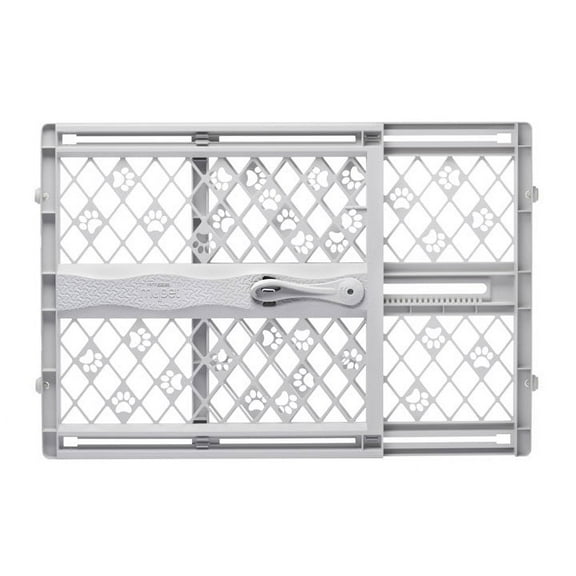
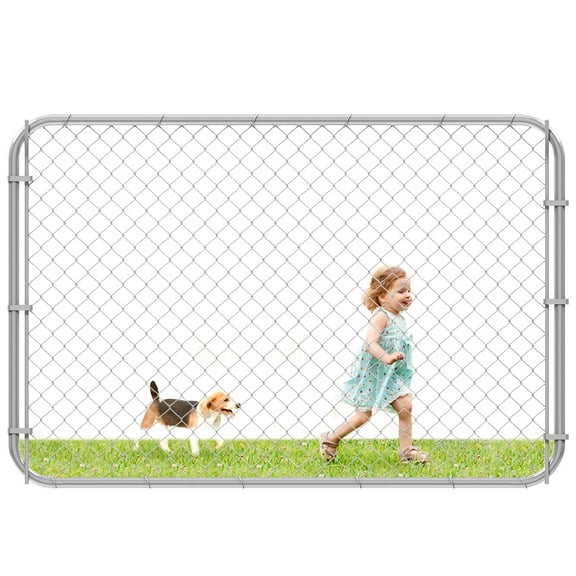
Pet areas benefit from careful attention to panel spacing and gate height. You’ll want dimensions that suit your yard layout and help define separate zones around fences or patios.
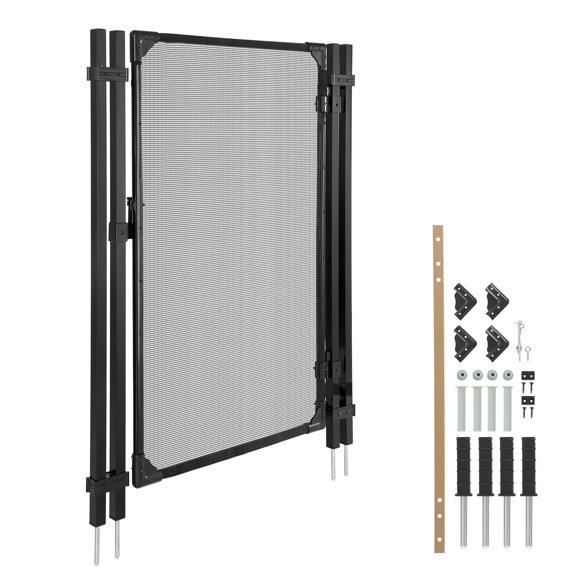
For baby gate use around outdoor transitions, accurate measuring matters before anything else. You should confirm the opening width, mounting surface, and hardware setup so the fit works as intended.
How you can choose gates with confidence
When you compare measurements, material, style, and hardware together, your decision becomes more informed. You’ll end up with gate doors that fit your opening, support your use, and coordinate with your outdoor layout.