

Glassware and Plasticware


















About Glassware and Plasticware - Walmart.com
With lab glassware and plasticware, you can match each experiment to the right material, vessel, and measurement style. You can compare borosilicate glass, polypropylene, PTFE, and polystyrene for classroom labs, hobby benches, and professional workspaces.
Choosing lab glassware and plasticware by material
When you compare materials first, you can narrow your options faster and avoid mismatched lab setups. You’ll notice borosilicate glass suits repeated heating, while many plastics support lighter handling and easier transport.
If you work with hot plates or flame-adjacent tasks, you should consider borosilicate glass carefully. Its low expansion coefficient helps you handle temperature changes with more confidence during mixing and heating.
When you need chemical compatibility, you should compare polypropylene, PTFE, and polystyrene by substance type. Polypropylene often fits general lab use, while PTFE supports demanding solvent contact and polystyrene suits many viewing tasks.
- You can choose borosilicate glass when your process involves heating, mixing, or repeated reuse.
- You can choose polypropylene when you want lighter containers with broad everyday lab utility.
- You can choose PTFE when your workflow calls for strong chemical resistance and specialized handling.
- You can choose polystyrene when you want clear plasticware for observation and simple prep tasks.
What to look for in laboratory glassware vessels
Once you choose a material, you should compare vessel types based on how you pour, mix, store, or observe. You’ll usually see beakers, flasks, graduated cylinders, test tubes, and petri dishes across chemistry glassware set needs.
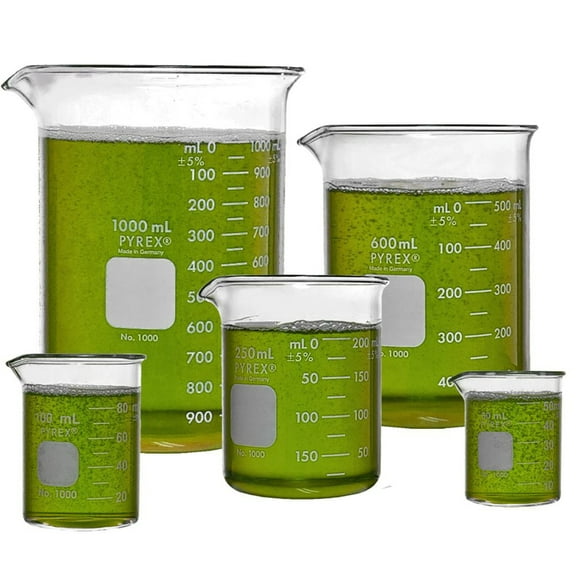
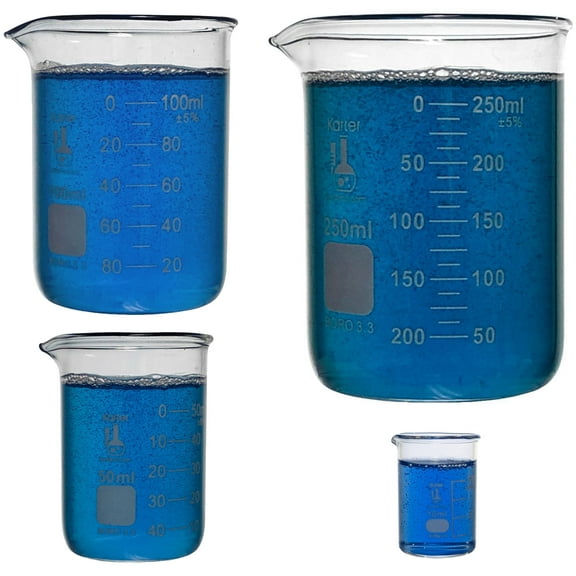
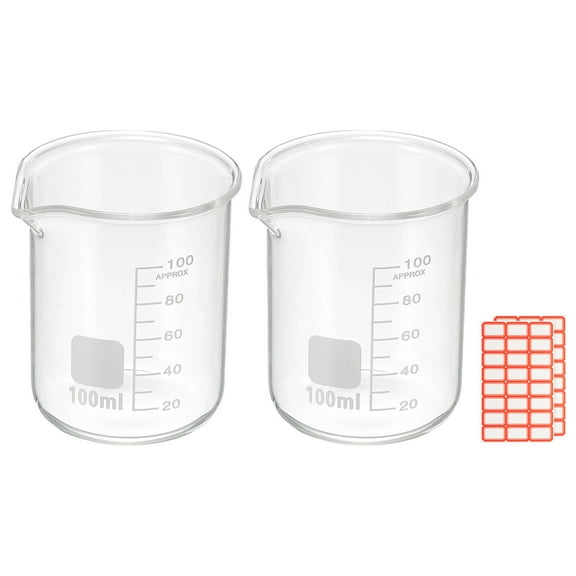
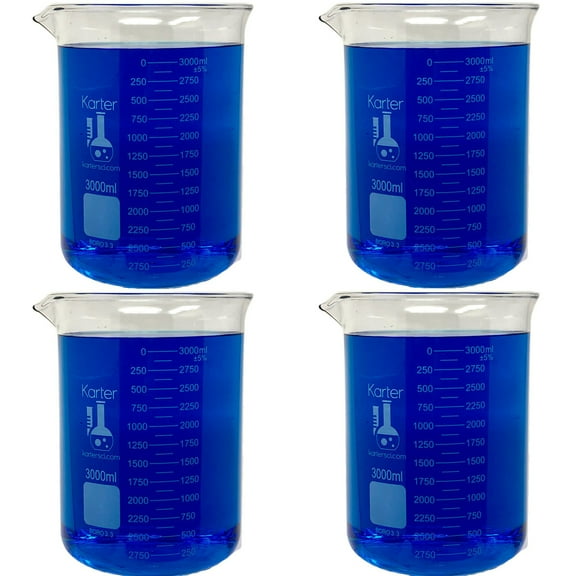
If you need easy pouring and quick mixing, you may start with lab beakers in several capacities. When you need swirling without as much splash, you should look at erlenmeyer flasks for a narrower neck.
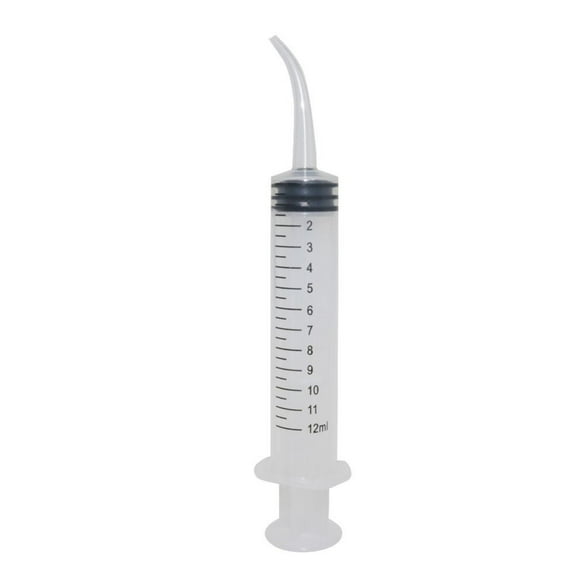
For measurement tasks, you should compare graduated cylinders by size, readability, and tolerance level. If accuracy matters more, you may prefer Class A options, while Class B can suit routine educational work.
When you need small-sample handling, you can use test tubes for reactions, heating, or storage in compact racks. If you plate samples or observe growth patterns, you should compare petri dishes by material and sterility.
Comparing graduations and measurement accuracy
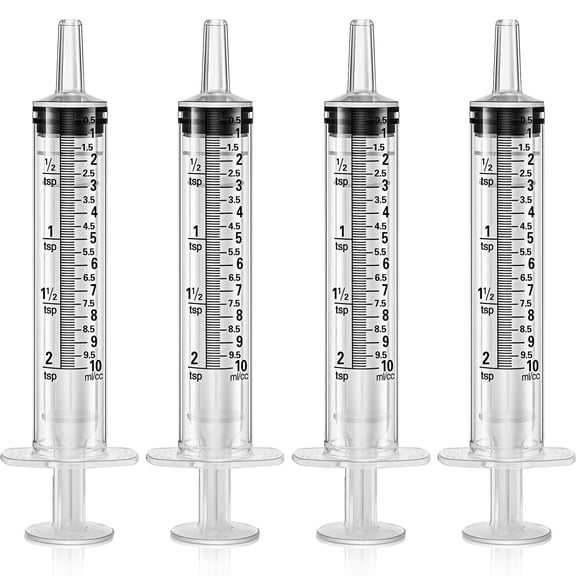
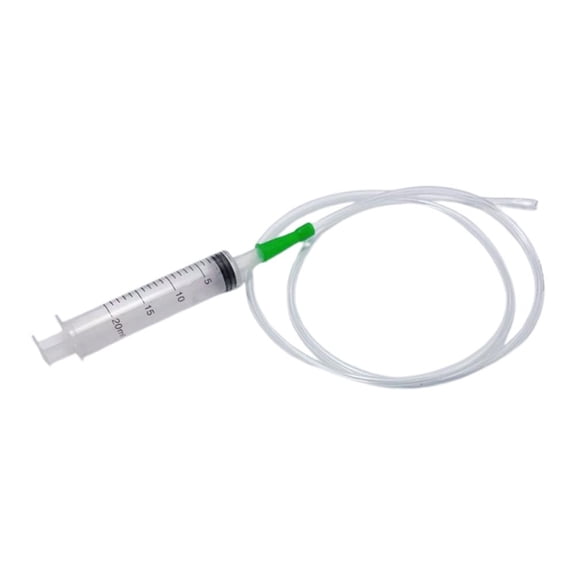
You should check whether your container uses printed graduations, molded-in graduations, or no graduations at all. That detail affects how easily you read measurements and how well markings hold up over repeated cleaning.
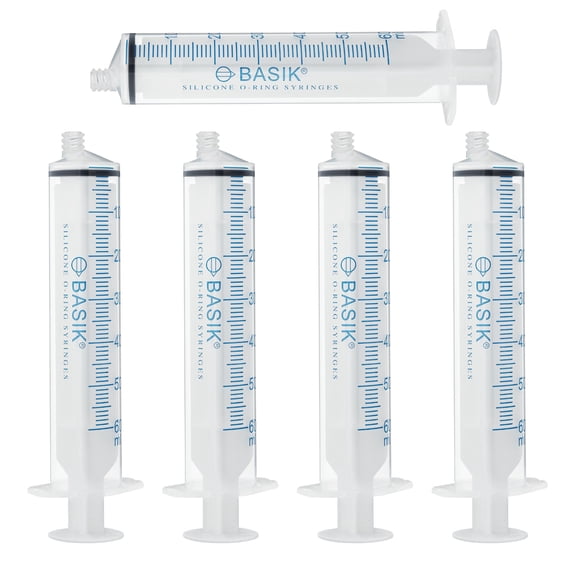
If you want markings that stay visible through frequent washing, you may prefer molded-in graduations on scientific plasticware. If you need crisp visual contrast, you may choose printed graduations and verify their intended use.
For transfer, mixing, or storage, you may not need marked volumes on every vessel. Non-graduated pieces can simplify your setup when you measure with separate tools and use containers only for holding.
When you compare tolerances, you should read Class A as tighter accuracy and Class B as general-purpose accuracy. That difference helps you match your measuring tool to teaching labs, prep work, or repeatable procedures.
Deciding on autoclavability and reuse
You should also compare autoclavable, non-autoclavable, and single-use sterile options before you choose a set. Your cleaning method, turnaround time, and disposal preferences can shape which format fits your workflow.
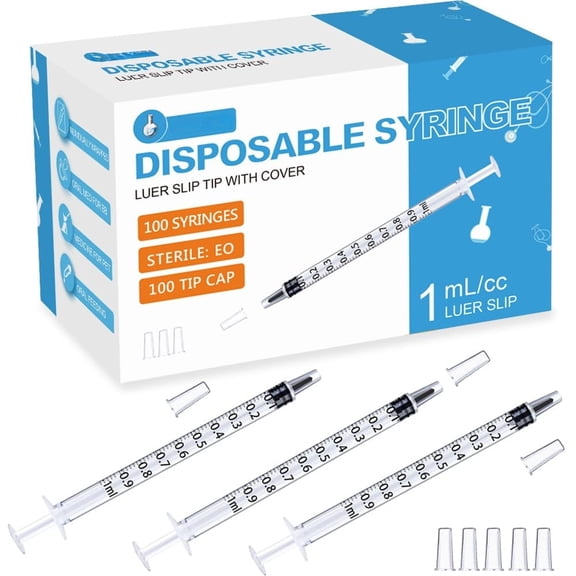
If you reuse containers often, you may prefer autoclavable pieces that support repeated processing between sessions. If you need ready-to-use convenience, you may choose single-use sterile items for fast setup and simplified resets.
When you stock a shared lab, you should balance durable laboratory glassware with task-specific scientific plasticware. That mix can help you handle repeated heating, daily measuring, and short-run prep without overcomplicating your supply shelf.
How to match lab glassware and plasticware to your work
For school labs, you should look for straightforward vessel assortments with beakers, graduated cylinders, and test tubes. Those basics help you cover measuring, mixing, and observation during common classroom demonstrations and student exercises.
For hobby chemistry or maker projects, you may want a wider mix of flasks, petri dishes, and chemistry glassware set essentials. That approach gives you flexibility when you switch between solution prep, culturing, and careful pouring.
If you manage a busy workspace, you should compare sizes, material types, and graduation styles across the whole bench. A clear plan helps you keep the right container ready for heating, solvent contact, or quick disposable use.
When you choose with these decision points in mind, you can build a more practical setup from the start. The right combination helps you measure clearly, handle materials appropriately, and keep your workflow consistent.
Popular in Glassware and Plasticware - Walmart.com
- Glassware Labware Kimax Lab Scientific Products
- Glassware Labware Karter Scientific Lab Products
- Chemistry Wine Glass
- Lab Cuvettes Glass Glassware Labware
- Laboratory Glassware
- Lead Glass
- Laboratory Glass
- Glassware Labware PE Polyethylene PET Terephthalate
- Glass Laboratory
- Ml Glass
- Pint Glass Printing
- Beaker Wine Glasses