


Find tires that fit
Let’s search for tires that fit your vehicle.Goodyear AT Tires & All-Terrain Truck Tires | Walmart
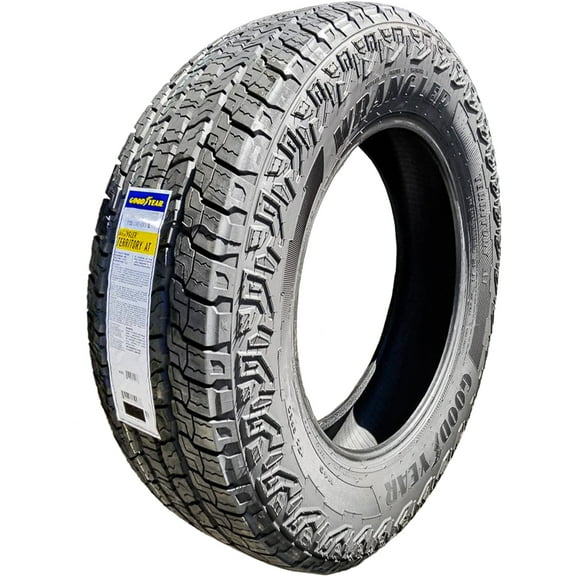


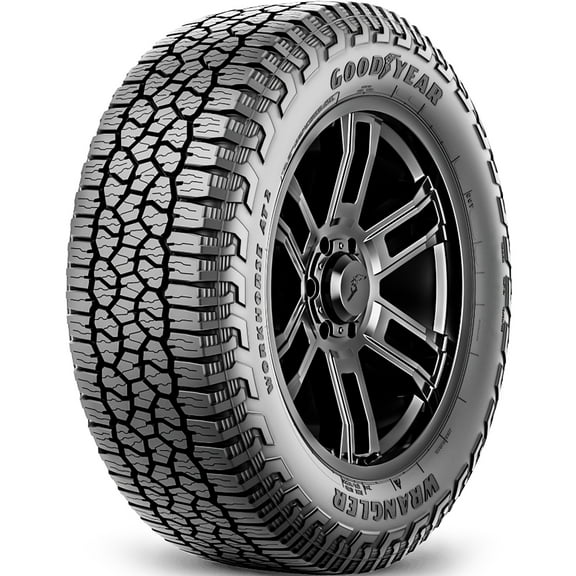
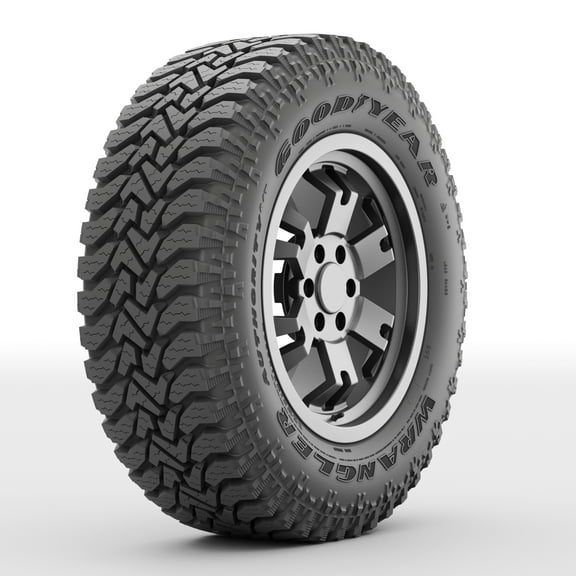

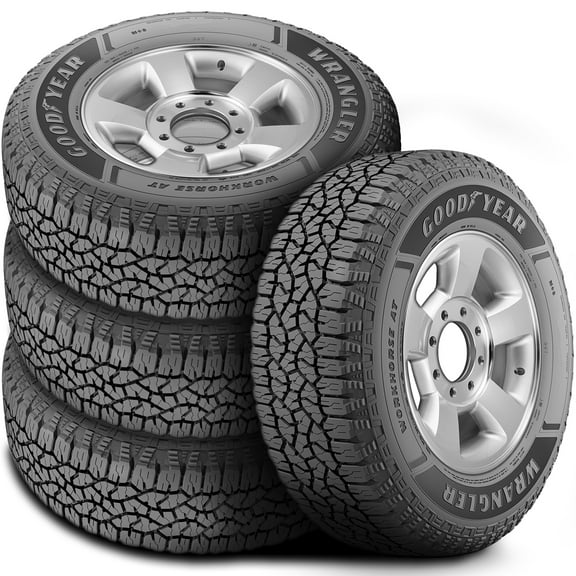
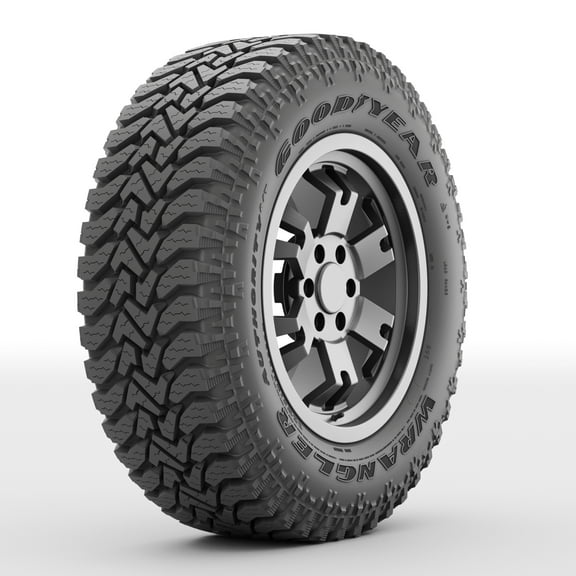
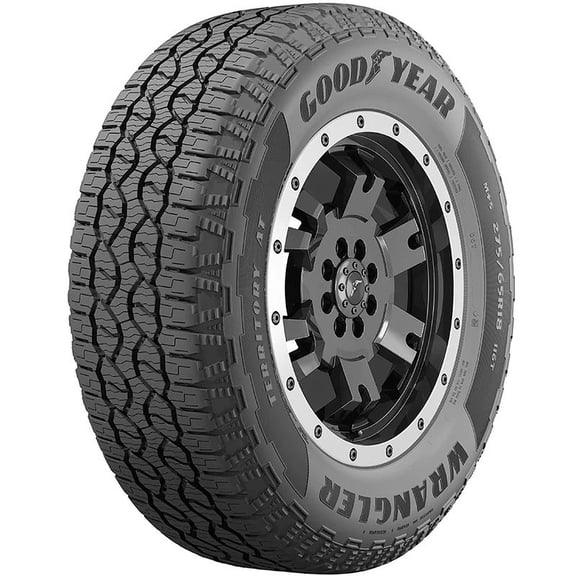

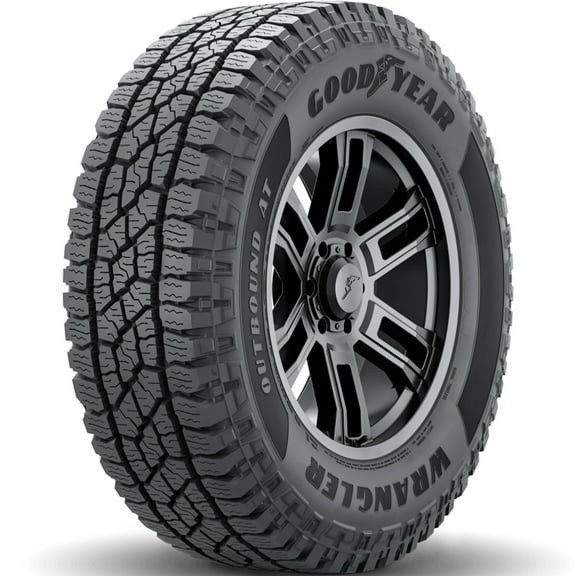








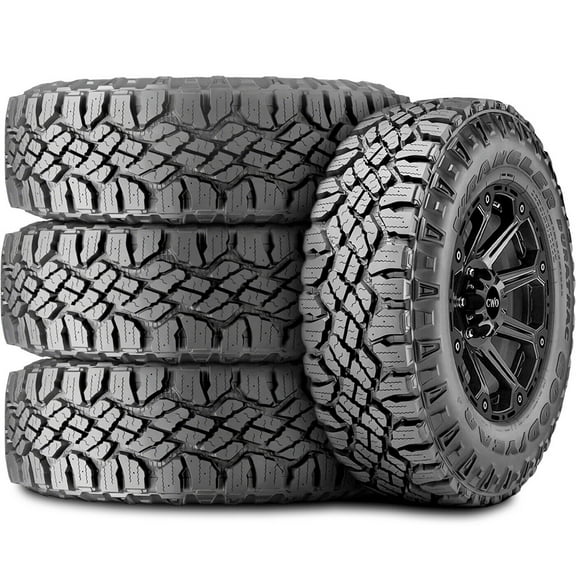


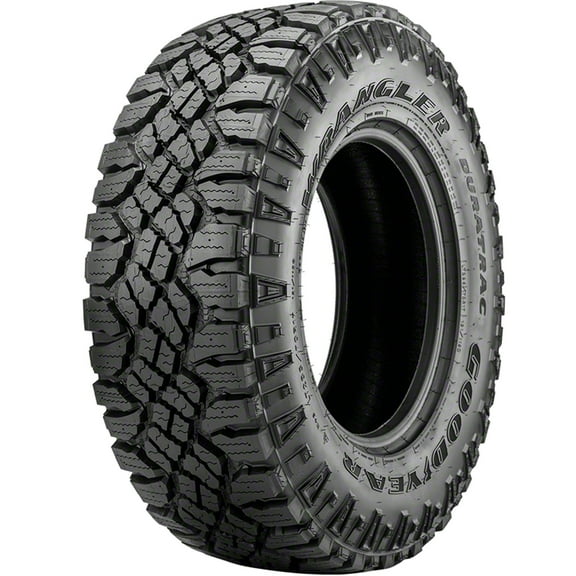
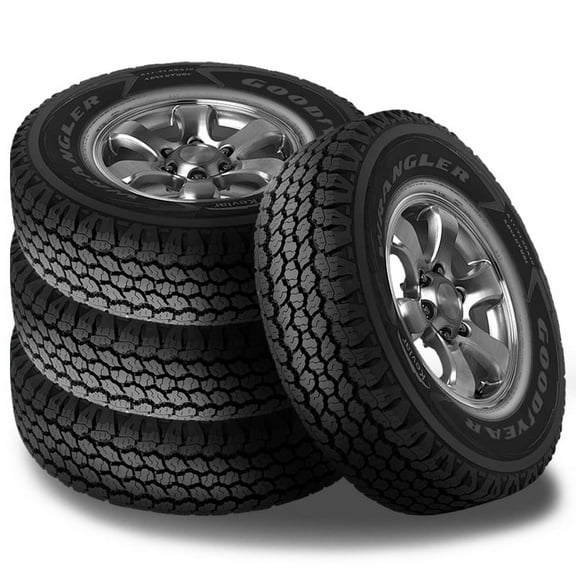


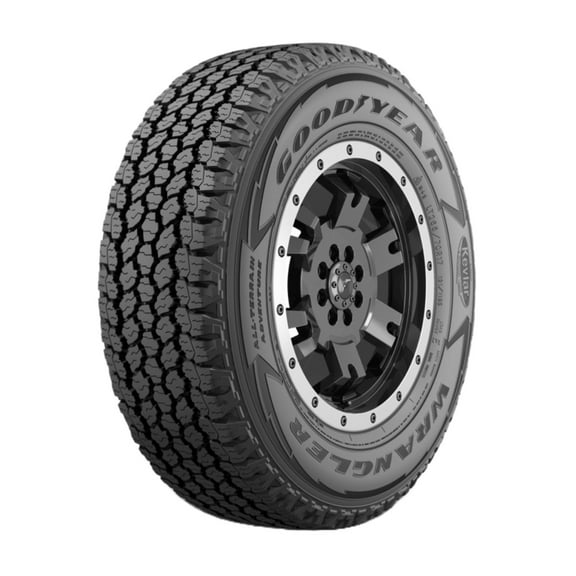
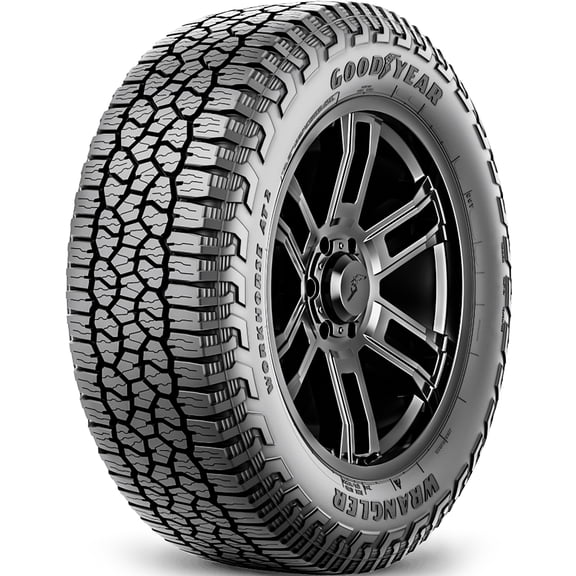
About Goodyear AT Tires & All-Terrain Truck Tires | Walmart - Walmart.com
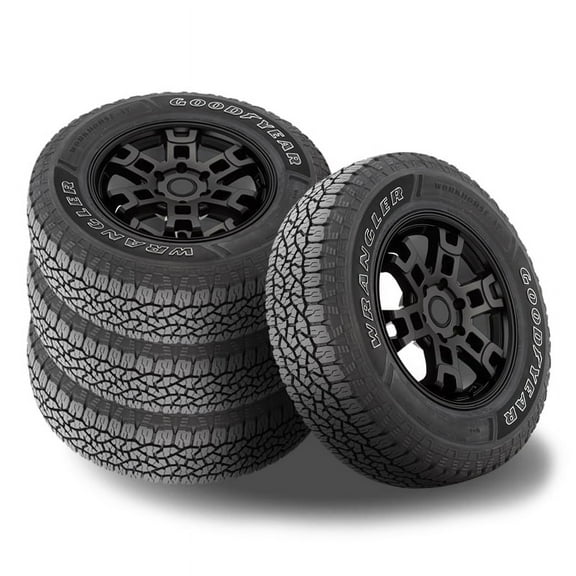
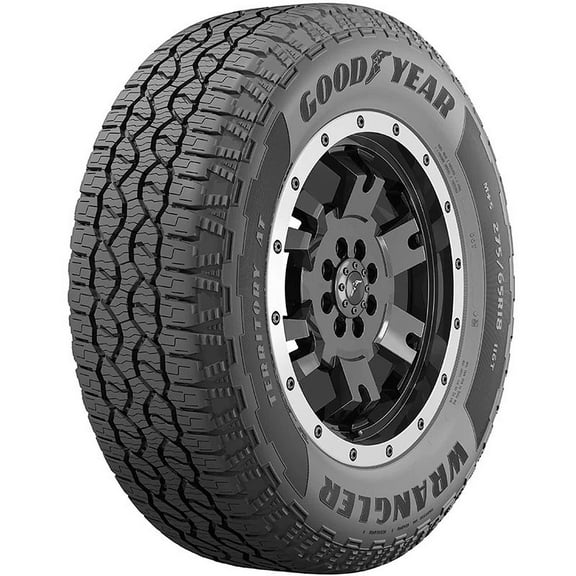
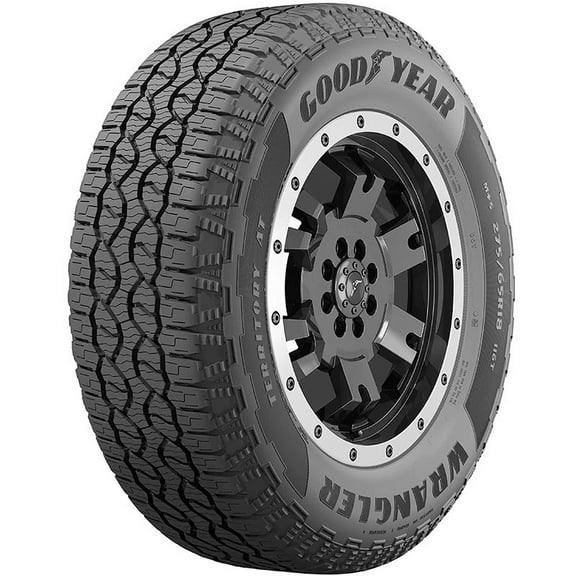
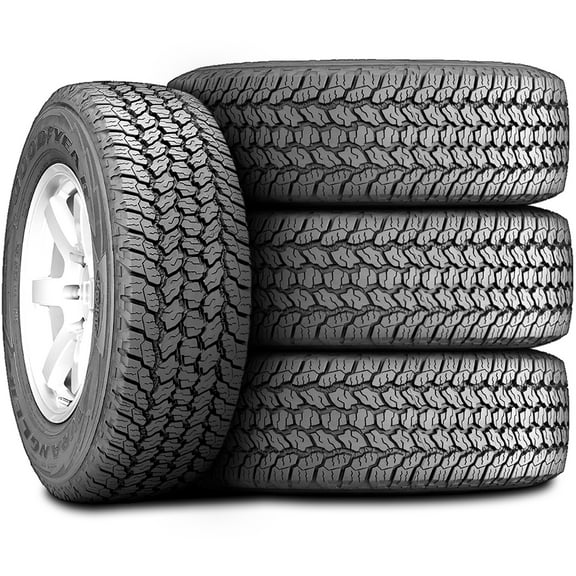
Goodyear a/t tires help you equip your truck or SUV for mixed roads, dirt trails, and changing weather. You can compare fitment, terrain ratio, load range, and treadwear details before you choose.
If you drive a pickup, SUV, Jeep, or light truck, you need tread that balances road manners with usable off-road grip. You’ll also want sizing details that match your wheels and driving habits.
How to choose goodyear a/t tires for your vehicle
You should start with vehicle fitment, because your tire size affects clearance, handling, and ride feel. You can check section width, aspect ratio, and rim diameter on your current sidewall.
When you compare sizes, you’ll notice width changes how planted your vehicle feels on pavement and loose surfaces. You’ll find aspect ratio affects sidewall height, which can influence comfort and trail flexibility.
For trucks, SUVs, Jeeps, and light trucks, you should also confirm load range before you buy. You may need stronger construction if your vehicle carries gear, hauls tools, or pulls a trailer.
- You can use your current tire size as a starting point for replacements.
- You should match rim diameter exactly to keep proper wheel fit.
- You may want a wider section width for a bolder stance and added surface contact.
- You should check load range if your truck handles towing or heavier cargo.
- You can compare speed rating and treadwear warranty for everyday driving priorities.
Choosing terrain capability and Goodyear all terrain tires
You should match your terrain ratio to how you actually drive each week. You may prefer an eighty on-road and twenty off-road pattern if your miles mostly happen on highways.
If you spend more time on gravel, ruts, or muddy paths, you can look at dedicated off-road designs. You’ll usually see larger voids and more aggressive shoulder blocks for loose ground.
For mixed climates, you may want Goodyear all terrain tires with all-weather mud and snow focus. You can also check for the three-peak mountain snowflake symbol for winter-focused capability.
That symbol helps you identify tires built for harsher snow conditions than a standard all-season pattern. You’ll want that extra guidance if your routes include cold mornings and slick seasonal roads.
What to look for in tire families and tread design
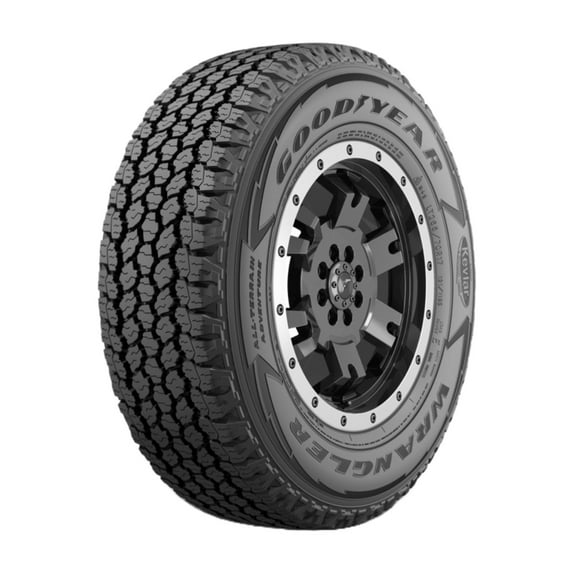
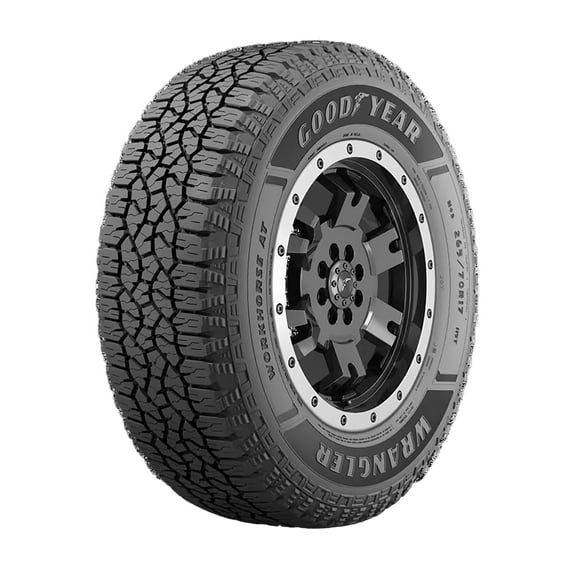
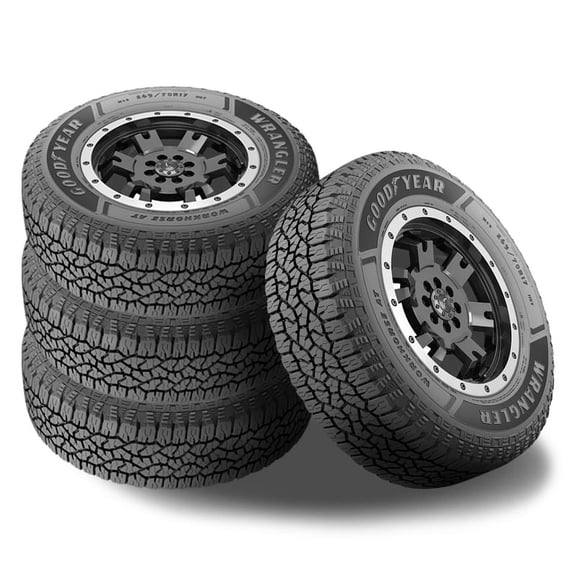
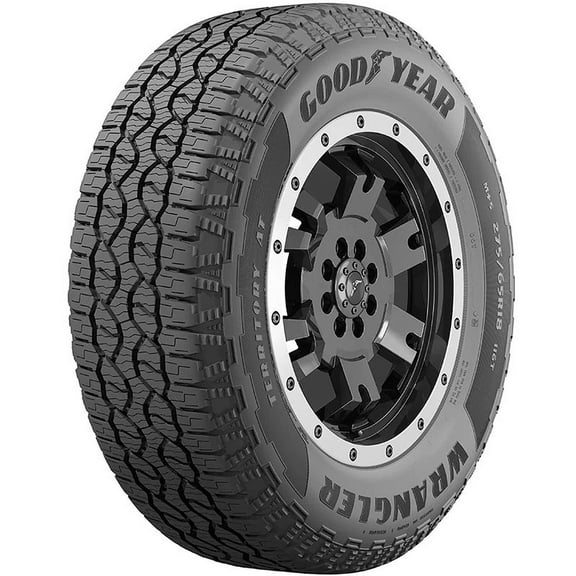
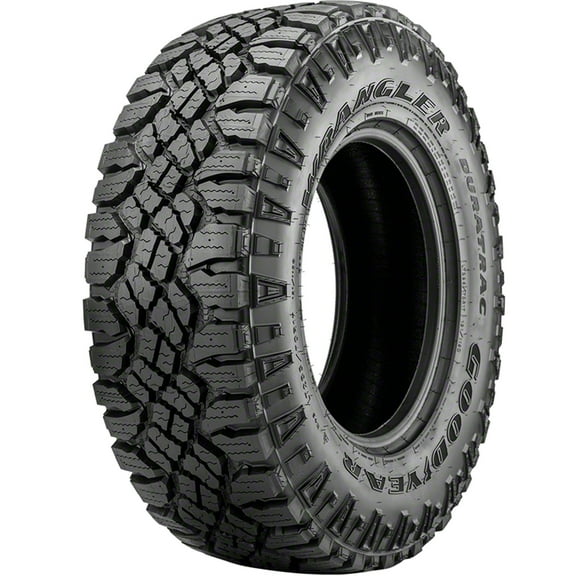
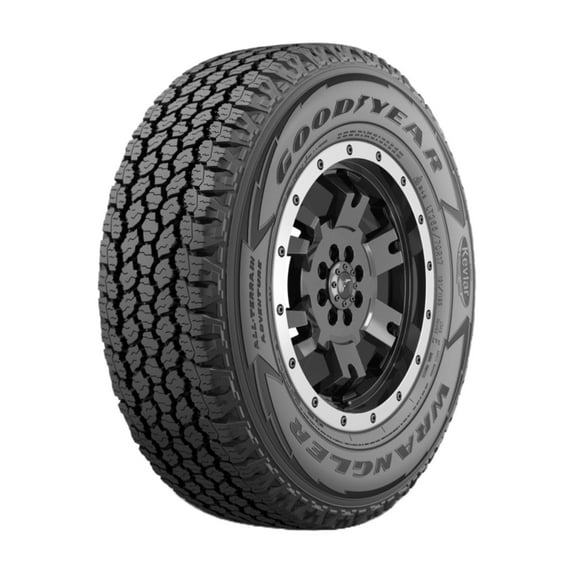
You can compare tire families by the driving balance you want from your next set. You may recognize names like Wrangler DuraTrac, Wrangler All-Terrain Adventure, and Wrangler Trailrunner AT.
When you review family differences, you should focus on tread block shape, shoulder design, and road noise expectations. You’ll want details that fit your daily commute as well as your weekend routes.
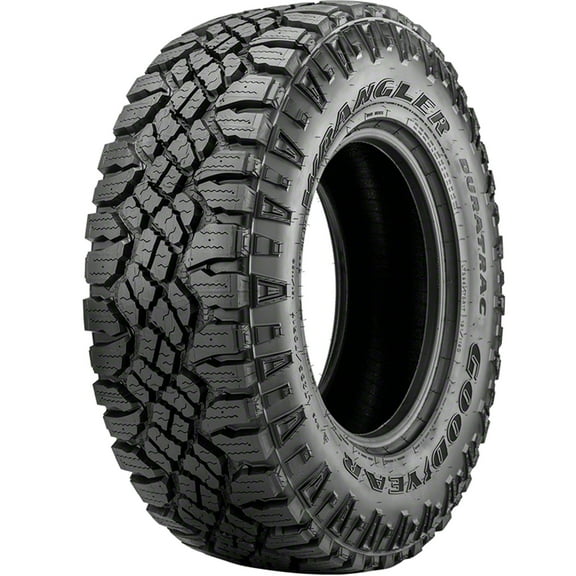
Wrangler DuraTrac styles usually appeal to drivers who want a more aggressive pattern for tougher surfaces. You may lean that way if your truck sees deeper dirt, rough job sites, or uneven backroads.
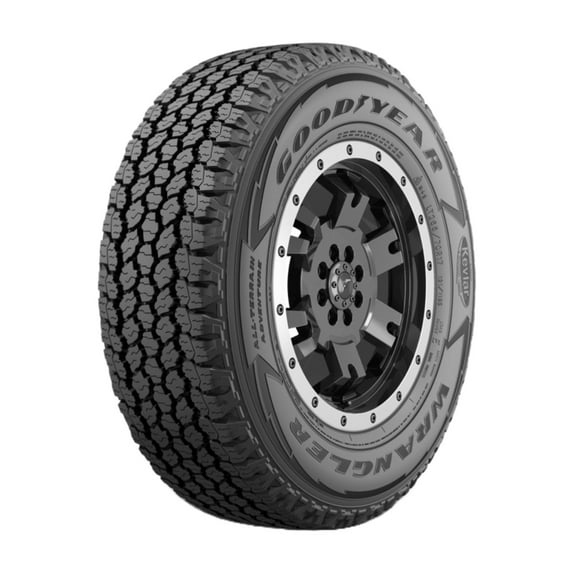
Wrangler All-Terrain Adventure styles often fit drivers who split time between pavement and occasional trail use. You can look for a balance of highway comfort, wet-road control, and off-pavement traction.
Wrangler Trailrunner AT styles can suit drivers who want practical all-terrain use for daily miles and light trail travel. You may appreciate a design that keeps your drive composed on regular roads.
Key features of goodyear a/t tires
You should compare treadwear warranty details if long service life matters in your buying decision. You may see options around 50,000, 60,000, or 65,000 miles, depending on the tire line.
That range helps you estimate how a tire may fit your yearly mileage and replacement cycle. You’ll still want routine rotation and proper inflation to support even wear.
You can also compare load range and ply rating if your vehicle carries heavier loads. You may look for Load Range E when your truck handles work equipment, campers, or frequent towing.
Those technical details matter because they guide how firmly a tire supports weight. You’ll want that support when your bed is loaded or your hitch setup adds extra demand.
On the road, you may notice that all-terrain tread patterns try to balance grip with everyday comfort. You can look for siping, stepped grooves, and shoulder features that support traction across changing surfaces.
If you want Goodyear off road tires for dirt and gravel, you should still think about highway manners. You’ll likely want tread that stays composed during commuting, errands, and longer weekend drives.
Using Goodyear all-terrain tires in real driving situations
You may need Goodyear all-terrain tires for a half-ton truck that commutes during the week and explores forest roads on weekends. You can focus on an on-road to off-road balance and a matching load range.
If your SUV handles school runs, rain-soaked highways, and occasional campsite access roads, you should prioritize stable road feel. You may also want snow-focused markings if winter weather is part of your routine.
For a Jeep that sees rocky paths and uneven trailheads, you can compare stronger sidewall feel and more open tread patterns. You’ll want a size that preserves clearance and supports your wheel setup.
If your light truck works hard with tools, supplies, or towing duties, you should review Load Range E options carefully. You can pair that requirement with treadwear warranty details for longer-term planning.
You may also compare goodyear at tires by season and region before replacing a full set. You’ll want traction that fits dry highways, gravel shoulders, light mud, and changing temperatures.
When you choose carefully, your tires can support smoother daily driving and more confident traction away from paved streets. You’ll get a setup that fits your vehicle, your terrain, and your workload.
You can narrow your decision faster when you compare fitment, terrain ratio, tire family, and warranty in one place. Your next set of Goodyear a/t tires can deliver the road comfort and trail-ready traction your vehicle needs.