



Grab & Go Food
Great Value candy
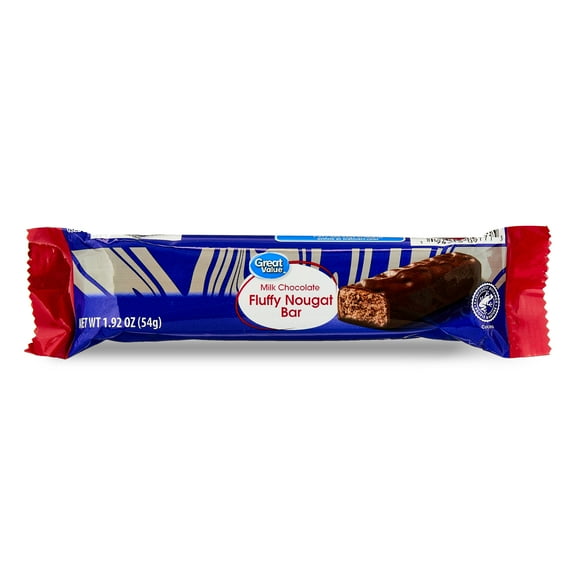
Great Value Fluffy Nougat Bar, 1.92 oz $0.94
 2 optionsAvailable in additional 2 options$094current price $0.94Options from $0.94 – $9.40
Great Value Fluffy Nougat Bar, 1.92 oz
Save with Delivery as soon as 9amPickup as soon as 9amSNAP EBT eligible
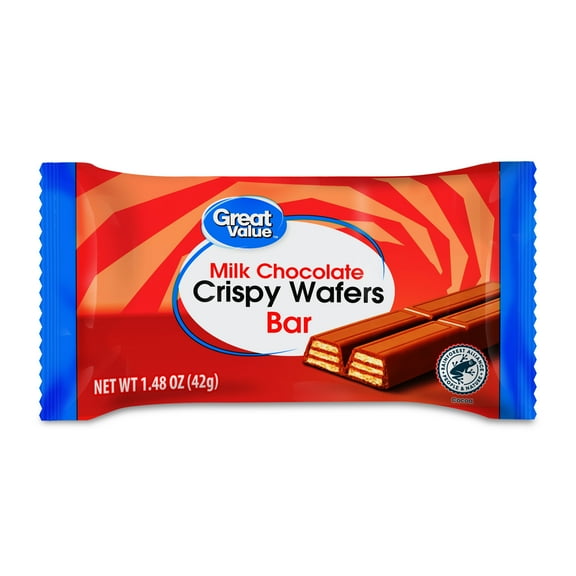
Great Value Milk Chocolate Crispy Wafer Bar, 1.48 oz $0.94
 2 optionsAvailable in additional 2 options$094current price $0.94Options from $0.94 – $9.40
Great Value Milk Chocolate Crispy Wafer Bar, 1.48 oz
Save withDelivery as soon as 9amPickup as soon as 9amSNAP EBT eligibleGreat Value Caramel and Nougat Bar, 1.84 oz $0.94
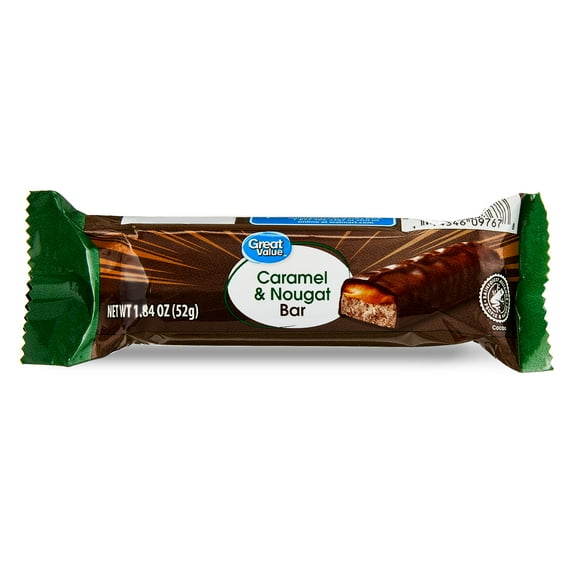 2 optionsAvailable in additional 2 options$094current price $0.94Options from $0.94 – $9.40
Great Value Caramel and Nougat Bar, 1.84 oz
Save withDelivery as soon as 9amPickup as soon as 9amSNAP EBT eligibleGreat Value Peanut, Caramel, and Nougat Bar, 1.76 oz $0.94
 2 optionsAvailable in additional 2 options$094current price $0.94Options from $0.94 – $7.52
Great Value Peanut, Caramel, and Nougat Bar, 1.76 oz
Save withDelivery as soon as 9amPickup as soon as 9amSNAP EBT eligibleGreat Value Cookie and Caramel Bars, 1.79 oz $0.94
 2 optionsAvailable in additional 2 options$094current price $0.94Options from $0.94 – $9.40
Great Value Cookie and Caramel Bars, 1.79 oz
Save withDelivery as soon as 9amPickup as soon as 9amSNAP EBT eligibleBest seller Great Value Milk Chocolate Bar, 3.52 oz $1.86 52.8 ¢/oz
Best seller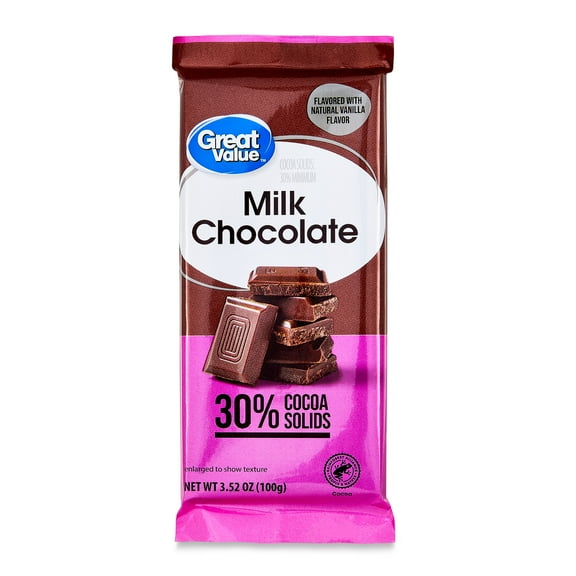 $186current price $1.8652.8 ¢/oz
Great Value Milk Chocolate Bar, 3.52 oz
Save withDelivery as soon as 9amPickup as soon as 9amSNAP EBT eligibleBest seller Great Value Dark Chocolate Bar, 3.52 oz $1.86 52.8 ¢/oz
Best seller $186current price $1.8652.8 ¢/oz
Great Value Dark Chocolate Bar, 3.52 oz
Save withDelivery as soon as 9amPickup as soon as 9amSNAP EBT eligibleBest seller Great Value Peanut Butter Wafer Bars, 2 oz, 6 Count $2.47
Best seller 2 optionsAvailable in additional 2 options$247current price $2.47Options from $2.47 – $7.41
Great Value Peanut Butter Wafer Bars, 2 oz, 6 Count
Save withDelivery as soon as 9amPickup as soon as 9amSNAP EBT eligibleBest seller Great Value Gummy Sharks Candy, 3.25 oz $0.94 28.9 ¢/oz
Best seller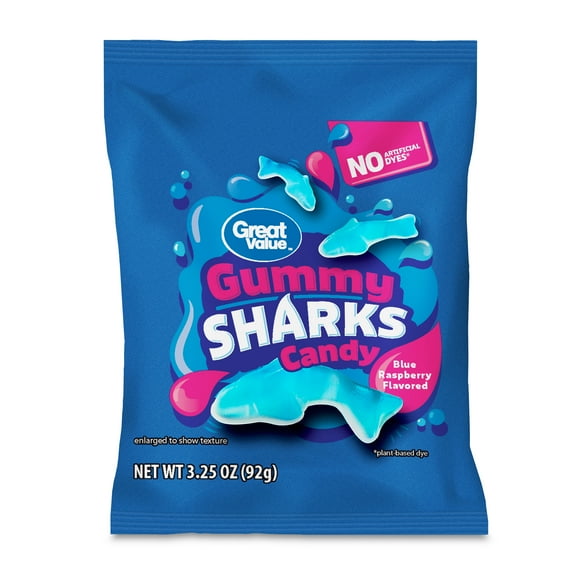 $094current price $0.9428.9 ¢/oz
Great Value Gummy Sharks Candy, 3.25 oz
Save withDelivery as soon as 9amShipping, arrives todayPickup as soon as 9amSNAP EBT eligibleBest seller Great Value Peach Rings Chewy Candy, 4 oz $0.94 23.5 ¢/oz
Best seller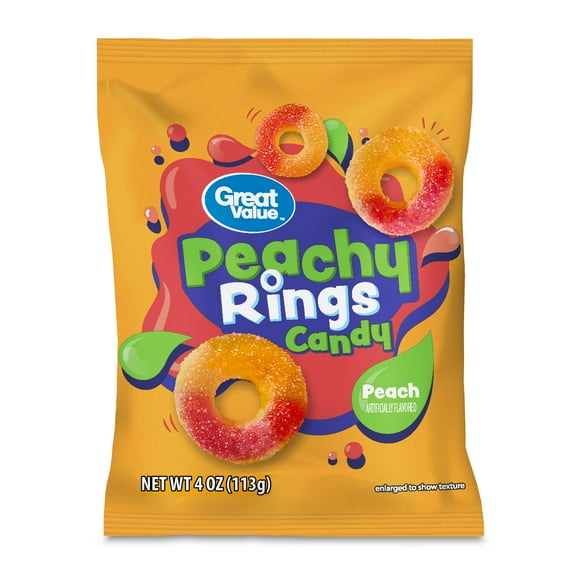 $094current price $0.9423.5 ¢/oz
Great Value Peach Rings Chewy Candy, 4 oz
Save withDelivery as soon as 9amShipping, arrives todayPickup as soon as 9amSNAP EBT eligibleBest seller Great Value Gummy Worms Chewy Candy, 4 oz $0.94 11.8 ¢/oz
Best seller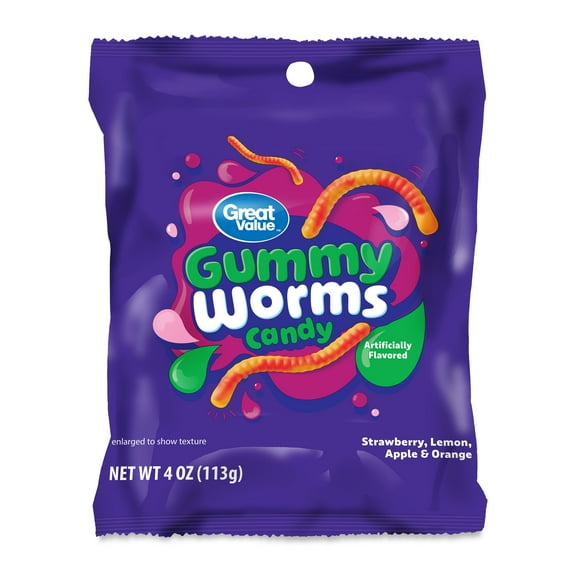 $094current price $0.9411.8 ¢/oz
Great Value Gummy Worms Chewy Candy, 4 oz
Save withDelivery as soon as 9amShipping, arrives todayPickup as soon as 9amSNAP EBT eligibleBest seller Great Value Sour Gummy Worms Candy, 4 oz $0.94 23.5 ¢/oz
Best seller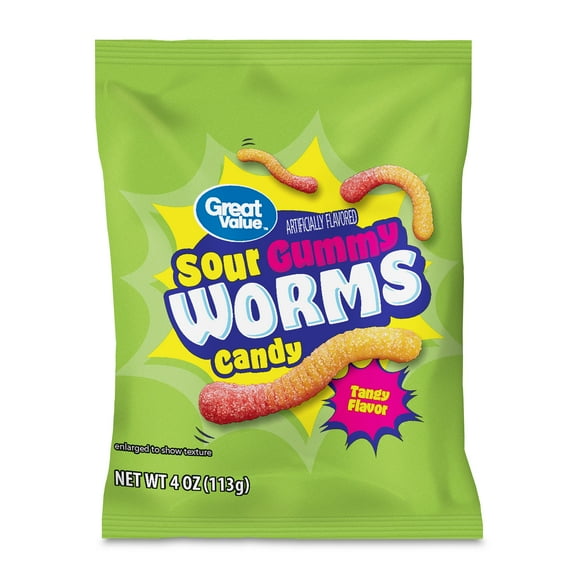 $094current price $0.9423.5 ¢/oz
Great Value Sour Gummy Worms Candy, 4 oz
Save withDelivery as soon as 9amShipping, arrives todayPickup as soon as 9amSNAP EBT eligible
Sandwiches on-the-go
MKS ALL AMERICAN MAP SUB SANDWICH FULL 16.1OZ $7.47 53.4 ¢/oz
 $747current price $7.4753.4 ¢/oz
MKS ALL AMERICAN MAP SUB SANDWICH FULL 16.1OZ
Save withDelivery as soon as 9amPickup as soon as 9amSNAP EBT eligibleMKS ITALIAN HERO MAP SUB SANDWICH FULL 14.6OZ $7.47 53.4 ¢/oz
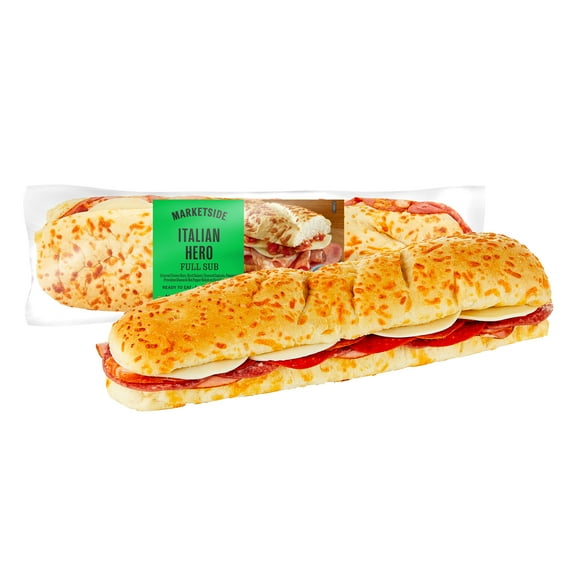 $747current price $7.4753.4 ¢/oz
MKS ITALIAN HERO MAP SUB SANDWICH FULL 14.6OZ
Save withDelivery as soon as 9amPickup as soon as 9amSNAP EBT eligibleMKS SUPREME SUB SANDWICH FULL 16.1OZ $7.47 53.4 ¢/oz
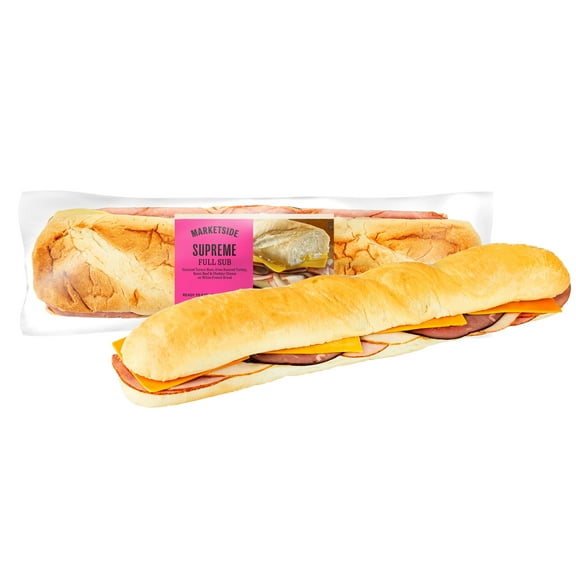 $747current price $7.4753.4 ¢/oz
MKS SUPREME SUB SANDWICH FULL 16.1OZ
Save withDelivery as soon as 9amPickup as soon as 9amSNAP EBT eligibleMKS ITALIAN HERO MAP SUB SANDWICH HALF 7.3OZ $5.24 80.6 ¢/oz
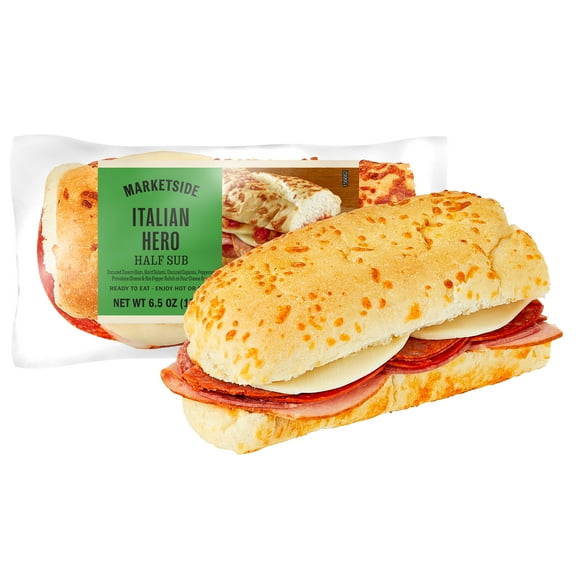 $524current price $5.2480.6 ¢/oz
MKS ITALIAN HERO MAP SUB SANDWICH HALF 7.3OZ
Save withDelivery as soon as 9amPickup as soon as 9amSNAP EBT eligibleMKS NY DELI MAP SANDWICH FULL 14.8OZ $7.47 53.4 ¢/oz
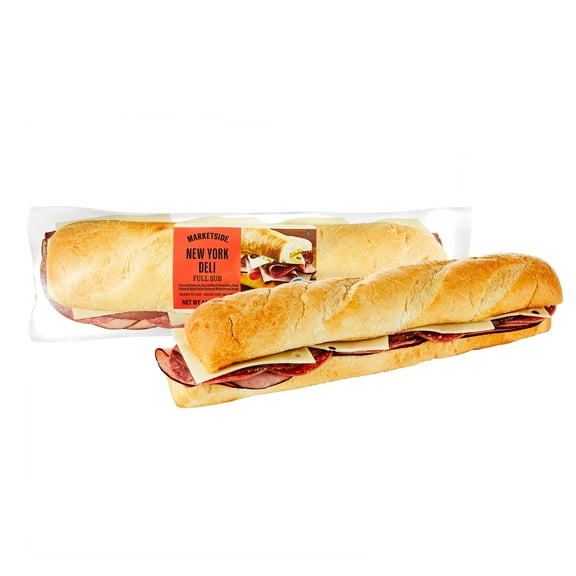 $747current price $7.4753.4 ¢/oz
MKS NY DELI MAP SANDWICH FULL 14.8OZ
Save withDelivery as soon as 9amPickup as soon as 9amSNAP EBT eligibleMKS TURKEY & CHS MAP SUB SANDWICH FULL 16.1OZ $7.47 53.4 ¢/oz
 $747current price $7.4753.4 ¢/oz
MKS TURKEY & CHS MAP SUB SANDWICH FULL 16.1OZ
Save withDelivery as soon as 9amPickup as soon as 9amSNAP EBT eligibleMarketside Chicken Bacon Ranch Pinwheel, 4 Count $4.24
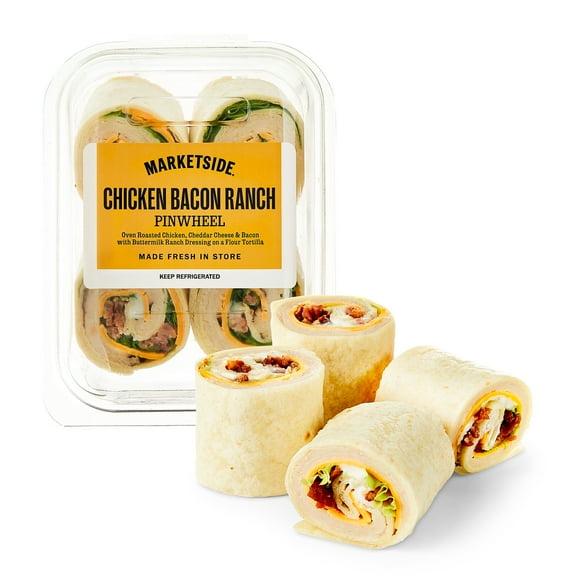 $424current price $4.24
Marketside Chicken Bacon Ranch Pinwheel, 4 Count
Save withDelivery as soon as 9amPickup as soon as 9amSNAP EBT eligibleMarketside Chicken Caesar Wrap, 1 Count $5.94
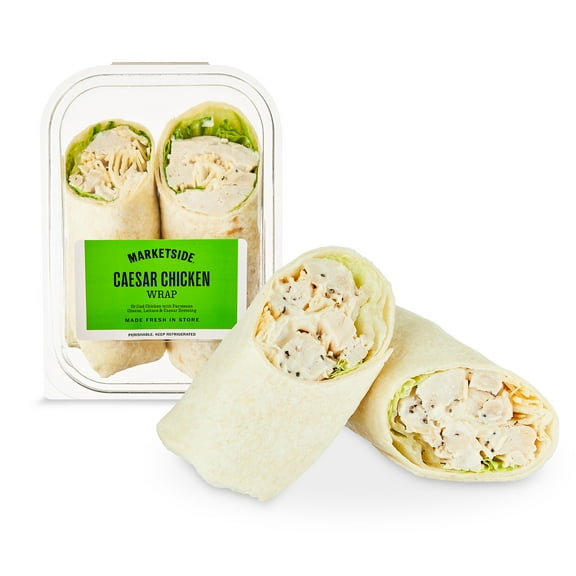 $594current price $5.94
Marketside Chicken Caesar Wrap, 1 Count
Save withDelivery as soon as 9amPickup as soon as 9amSNAP EBT eligibleMKS ALL AMERICAN MAP SUB SANDWICH HALF 8.1OZ $5.24 80.6 ¢/oz
 $524current price $5.2480.6 ¢/oz
MKS ALL AMERICAN MAP SUB SANDWICH HALF 8.1OZ
Save withDelivery as soon as 9amPickup as soon as 9amSNAP EBT eligibleRollback Freshness Guaranteed Hot and Ready-to-Eat Angus Cheeseburger, 1 Count $2.48 Was $2.94 42.0 ¢/oz
Rollback Now$248current price Now $2.48, Was $2.94$2.9442.0 ¢/oz
Freshness Guaranteed Hot and Ready-to-Eat Angus Cheeseburger, 1 Count
Save withDelivery as soon as 9amPickup as soon as 9amMarketside Southwest Chicken Wrap, 1 Count $5.94
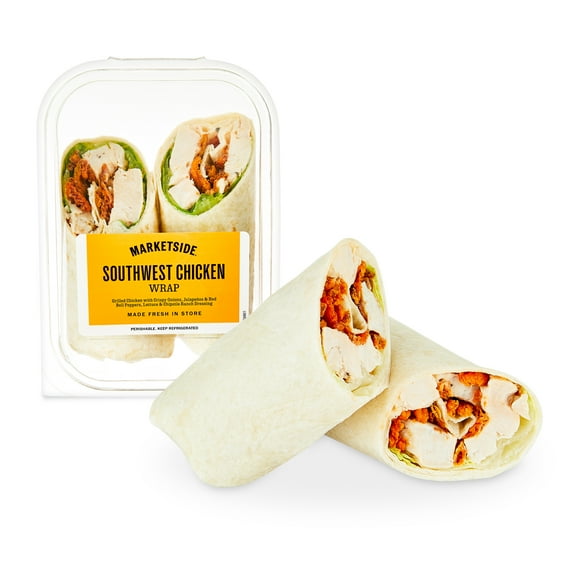 $594current price $5.94
Marketside Southwest Chicken Wrap, 1 Count
Save withDelivery as soon as 9amPickup as soon as 9amSNAP EBT eligibleMKS HAM & SWISS MAP SUB SANDWICH FULL 16.1OZ $7.47 53.4 ¢/oz
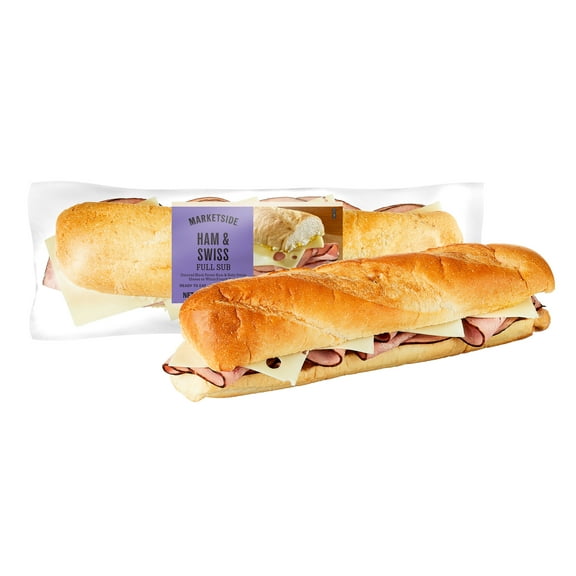 $747current price $7.4753.4 ¢/oz
MKS HAM & SWISS MAP SUB SANDWICH FULL 16.1OZ
Save withDelivery as soon as 9amPickup as soon as 9amSNAP EBT eligibleMarketside Turkey Deli Pinwheel, 1 Count $4.24
 $424current price $4.24
Marketside Turkey Deli Pinwheel, 1 Count
Save withDelivery as soon as 9amPickup as soon as 9amSNAP EBT eligibleMarketside BBQ Chicken Wrap, 1 Count $5.94
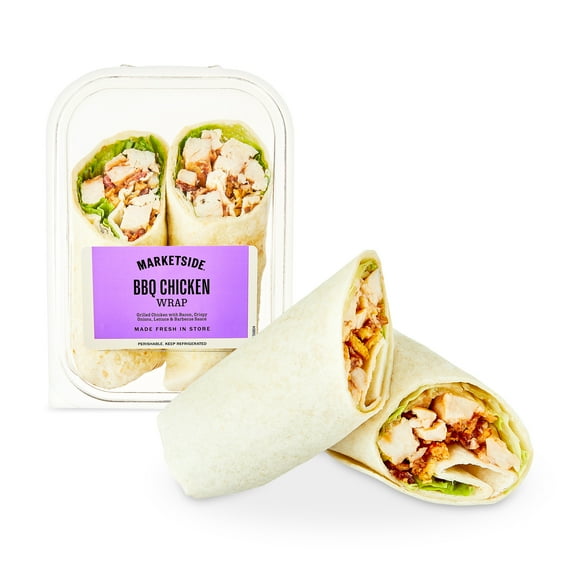 $594current price $5.94
Marketside BBQ Chicken Wrap, 1 Count
Save withDelivery as soon as 9amPickup as soon as 9amSNAP EBT eligibleFreshness Guaranteed Hot and Ready-to-Eat Chicken Egg Roll, 2.82 oz $1.00 35.5 ¢/oz
 $100current price $1.0035.5 ¢/oz
Freshness Guaranteed Hot and Ready-to-Eat Chicken Egg Roll, 2.82 oz
Save withDelivery as soon as 9amPickup as soon as 9amMarketside Chicken Spicy Mustard Wrap, 1 Count $5.94
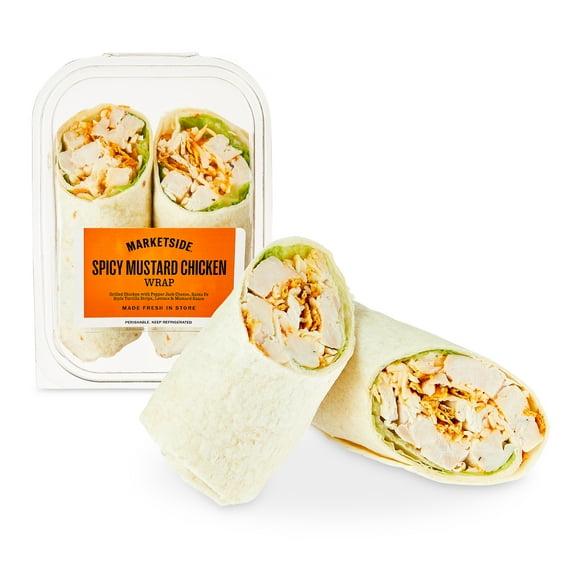 $594current price $5.94
Marketside Chicken Spicy Mustard Wrap, 1 Count
Save withDelivery as soon as 9amPickup as soon as 9amSNAP EBT eligibleMKS NY DELI MAP SANDWICH HALF 7.5OZ $5.24 80.6 ¢/oz
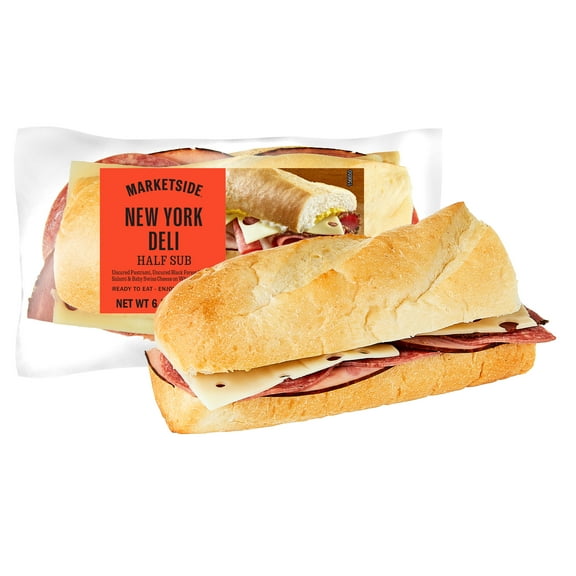 $524current price $5.2480.6 ¢/oz
MKS NY DELI MAP SANDWICH HALF 7.5OZ
Save withDelivery as soon as 9amPickup as soon as 9amSNAP EBT eligible
Salad bowls on-the-go
Marketside Caesar Salad with Chicken, 6.25 oz Bowl (Fresh) $2.97 47.5 ¢/oz
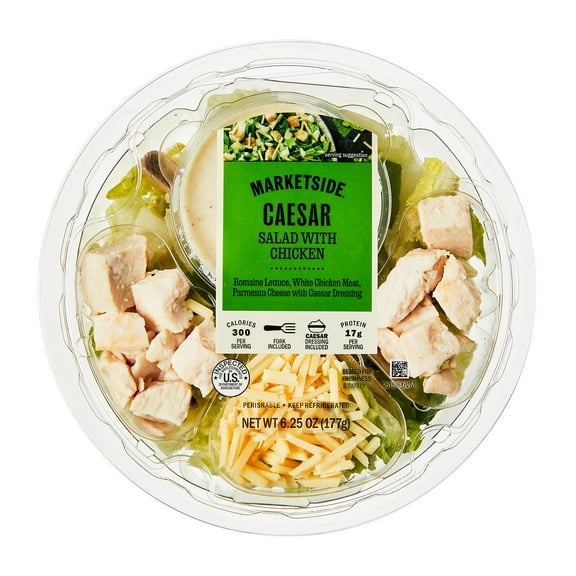 $297current price $2.9747.5 ¢/oz
Marketside Caesar Salad with Chicken, 6.25 oz Bowl (Fresh)
Save withDelivery as soon as 9amPickup as soon as 9amSNAP EBT eligibleMarketside Chef Salad with Turkey and Uncured Ham, 7.25 oz Bowl (Fresh) $2.97 41.0 ¢/oz
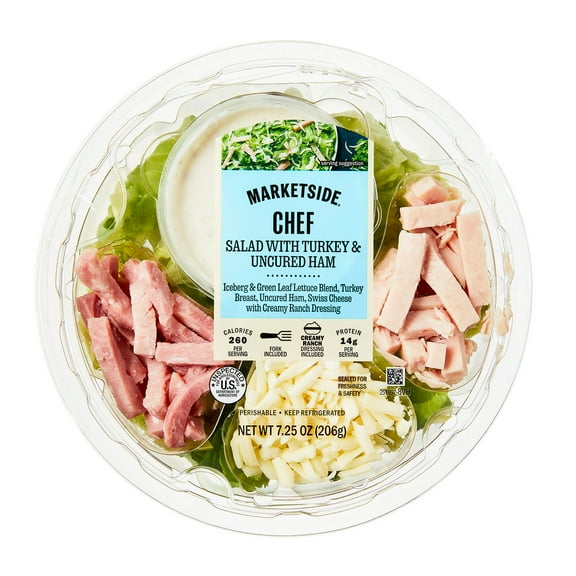 $297current price $2.9741.0 ¢/oz
Marketside Chef Salad with Turkey and Uncured Ham, 7.25 oz Bowl (Fresh)
Save withDelivery as soon as 9amPickup as soon as 9amSNAP EBT eligibleMarketside Cobb Salad with Turkey and Bacon, 7.25 oz Bowl (Fresh) $2.97 41.0 ¢/oz
 $297current price $2.9741.0 ¢/oz
Marketside Cobb Salad with Turkey and Bacon, 7.25 oz Bowl (Fresh)
Save withDelivery as soon as 9amPickup as soon as 9amSNAP EBT eligibleMarketside Santa Fe Style Salad with Chicken, 6.35 oz Bowl (Fresh) $2.97 46.8 ¢/oz
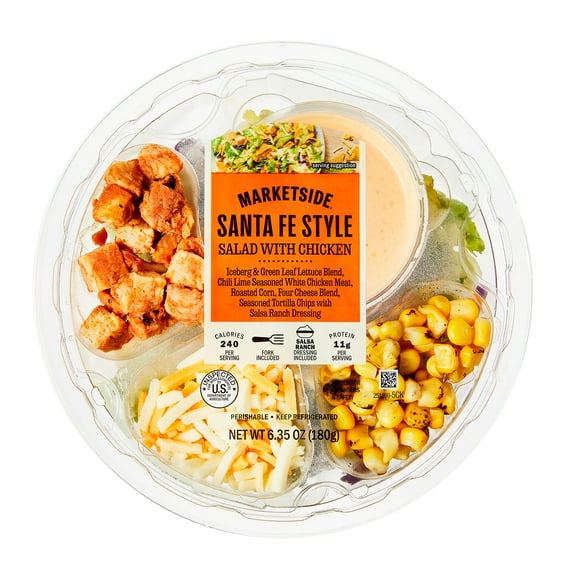 $297current price $2.9746.8 ¢/oz
Marketside Santa Fe Style Salad with Chicken, 6.35 oz Bowl (Fresh)
Save withDelivery as soon as 9amPickup as soon as 9amSNAP EBT eligibleTaylor Farms BLT Salad with Chicken and Bacon, 6.5 oz (Fresh) $3.47 53.4 ¢/oz
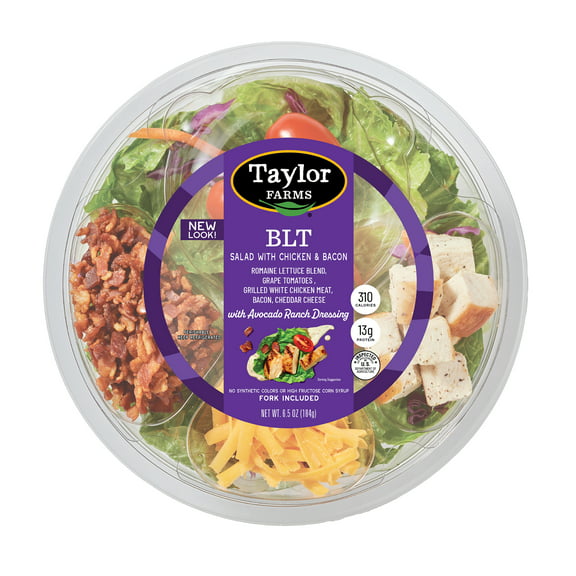 $347current price $3.4753.4 ¢/oz
Taylor Farms BLT Salad with Chicken and Bacon, 6.5 oz (Fresh)
Save withDelivery as soon as 9amPickup as soon as 9amSNAP EBT eligibleTaylor Farms Apple & Walnut Salad, 5.5oz (Fresh) $3.47 63.1 ¢/oz
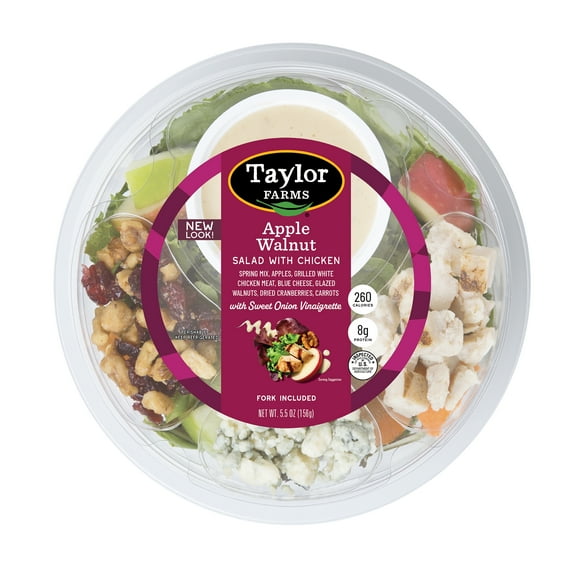 $347current price $3.4763.1 ¢/oz
Taylor Farms Apple & Walnut Salad, 5.5oz (Fresh)
Save withDelivery as soon as 9amPickup as soon as 9amSNAP EBT eligibleTaylor Farms Caesar Salad with Bacon and Chicken, 5.75 oz (Fresh) $3.47 60.3 ¢/oz
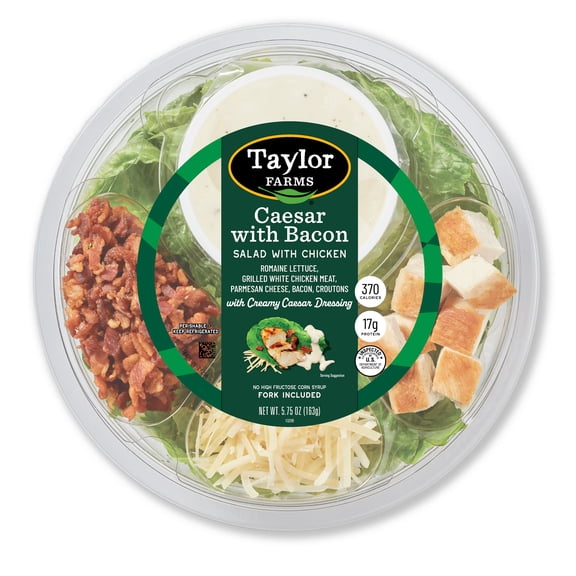 $347current price $3.4760.3 ¢/oz
Taylor Farms Caesar Salad with Bacon and Chicken, 5.75 oz (Fresh)
Save withDelivery as soon as 9amPickup as soon as 9amSNAP EBT eligibleMarketside Spinach Dijon Salad, 4.9 oz Bowl (Fresh) $2.97 60.6 ¢/oz
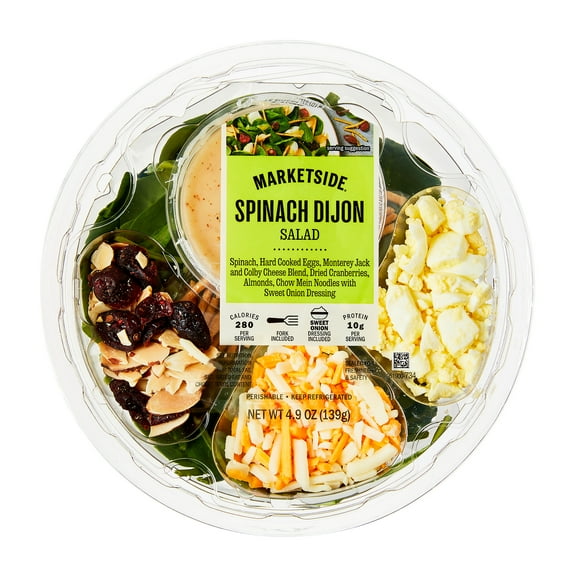 $297current price $2.9760.6 ¢/oz
Marketside Spinach Dijon Salad, 4.9 oz Bowl (Fresh)
Save withDelivery as soon as 9amPickup as soon as 9amSNAP EBT eligibleMarketside Chef Fresh Salad with Turkey and Ham, 12 oz Tray (Fresh) $4.94 41.2 ¢/oz
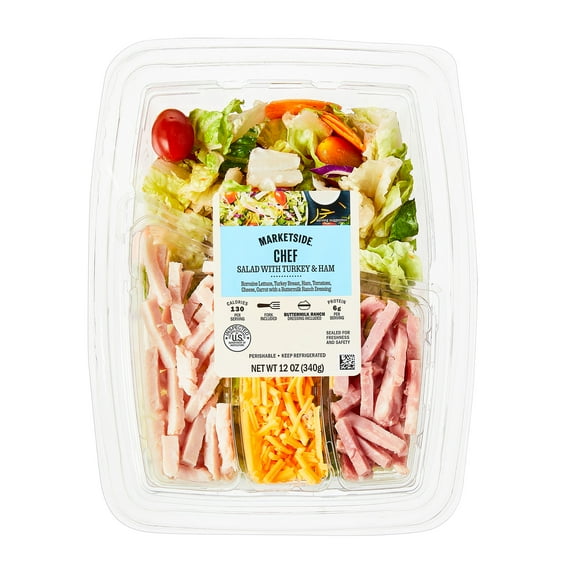 $494current price $4.9441.2 ¢/oz
Marketside Chef Fresh Salad with Turkey and Ham, 12 oz Tray (Fresh)
Save withDelivery as soon as 9amPickup as soon as 9amSNAP EBT eligibleMarketside Fresh Cranberry Walnut Salad, 4.5 oz (Packaged Salad) $2.97 66.0 ¢/oz
 $297current price $2.9766.0 ¢/oz
Marketside Fresh Cranberry Walnut Salad, 4.5 oz (Packaged Salad)
Save withDelivery as soon as 9amPickup as soon as 9amSNAP EBT eligibleTaylor Farms Everything Bagel Chopped Salad Bowl, 7 oz (Fresh) $3.47 49.6 ¢/oz
 $347current price $3.4749.6 ¢/oz
Taylor Farms Everything Bagel Chopped Salad Bowl, 7 oz (Fresh)
Save withDelivery as soon as 9amPickup as soon as 9amSNAP EBT eligibleMarketside Ranch Cobb Salad with Chicken and Bacon, 12 oz Tray (Fresh) $4.94 41.2 ¢/oz
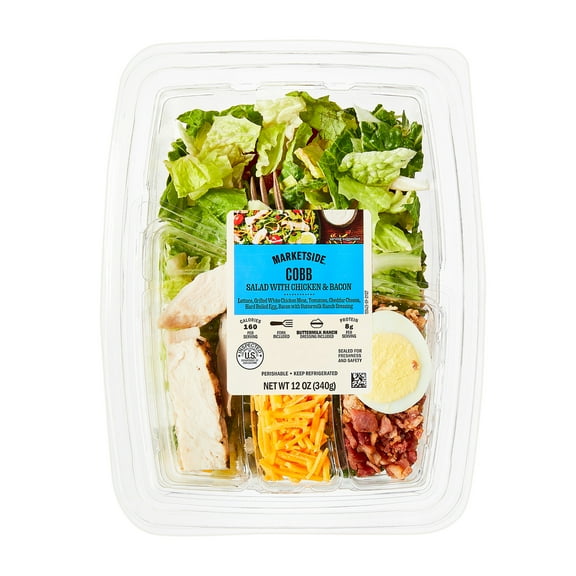 $494current price $4.9441.2 ¢/oz
Marketside Ranch Cobb Salad with Chicken and Bacon, 12 oz Tray (Fresh)
Save withDelivery as soon as 9amPickup as soon as 9amSNAP EBT eligibleTaylor Farms American Style Pasta Salad, 9.75 oz (Fresh) $3.47 35.4 ¢/oz
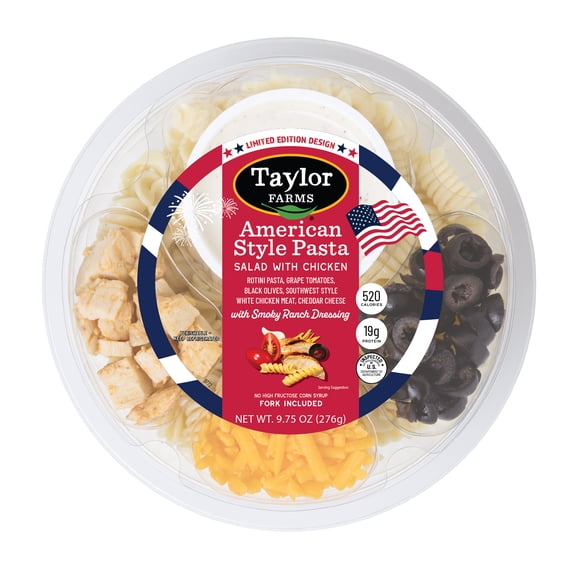 $347current price $3.4735.4 ¢/oz
Taylor Farms American Style Pasta Salad, 9.75 oz (Fresh)
Save withDelivery as soon as 9amPickup as soon as 9amSNAP EBT eligibleMarketside Caesar Salad with Chicken, 12.1 oz Tray (Fresh) $4.94 40.8 ¢/oz
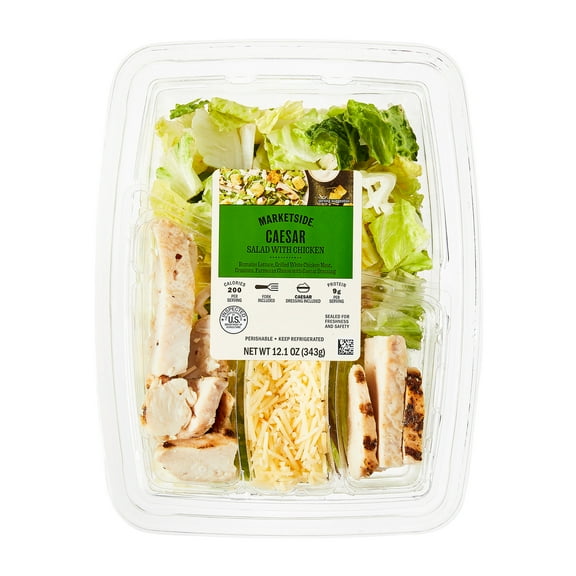 $494current price $4.9440.8 ¢/oz
Marketside Caesar Salad with Chicken, 12.1 oz Tray (Fresh)
Save withDelivery as soon as 9amPickup as soon as 9amSNAP EBT eligibleMarketside Farmhouse Salad with Chicken, 12.25 oz Tray (Fresh) $4.94 40.2 ¢/oz
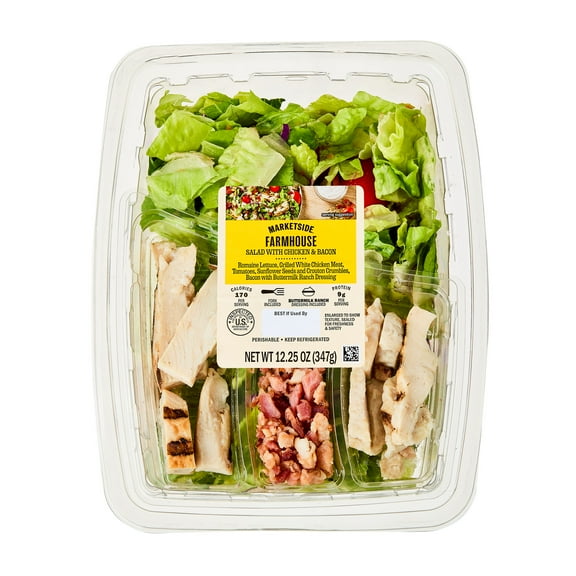 $494current price $4.9440.2 ¢/oz
Marketside Farmhouse Salad with Chicken, 12.25 oz Tray (Fresh)
Save withDelivery as soon as 9amPickup as soon as 9amSNAP EBT eligibleMarketside Southwest Style Salad with Chicken, 12.5 oz Tray (Fresh) $4.94 39.5 ¢/oz
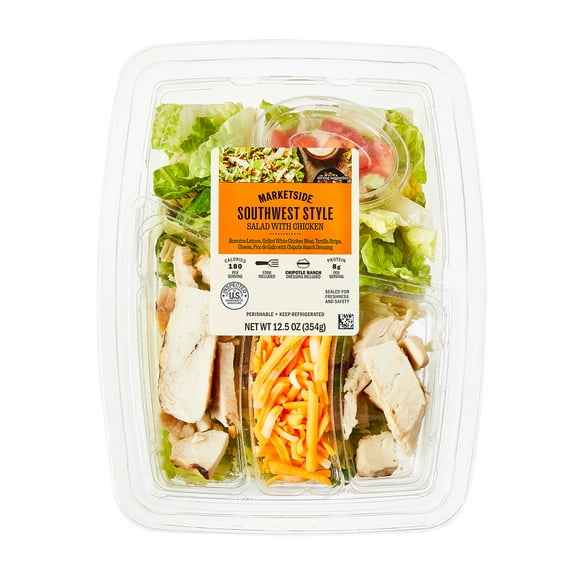 $494current price $4.9439.5 ¢/oz
Marketside Southwest Style Salad with Chicken, 12.5 oz Tray (Fresh)
Save withDelivery as soon as 9amPickup as soon as 9amSNAP EBT eligibleTaylor Farms Sweet Kale Chopped Salad Bowl, 5.25 oz (Fresh) $3.47 66.1 ¢/oz
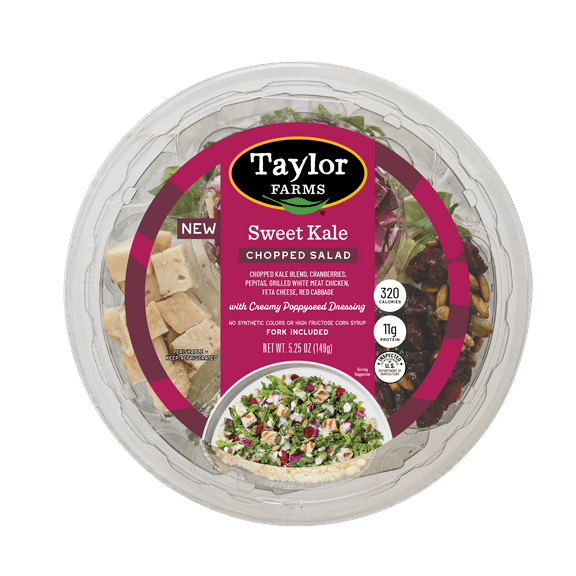 $347current price $3.4766.1 ¢/oz
Taylor Farms Sweet Kale Chopped Salad Bowl, 5.25 oz (Fresh)
Save withDelivery as soon as 9amPickup as soon as 9amSNAP EBT eligible
Freshen up!
Best seller Altoids Classic Peppermint Breath Mints Hard Candy - 1.76 oz Tin $3.47 $1.97/oz
Best seller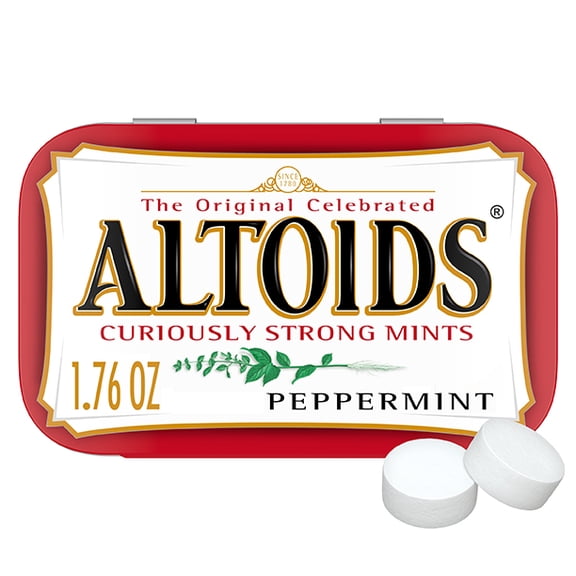 $347current price $3.47$1.97/oz
Altoids Classic Peppermint Breath Mints Hard Candy - 1.76 oz Tin
Save withDelivery as soon as 9amShipping, arrives todayPickup as soon as 9amSNAP EBT eligibleBest seller Tic Tac Fruit Adventure, On-the-Go Pocket-Sized Mints, 200 pieces, 3.4 oz Single Pack $4.66
Best seller 2 optionsAvailable in additional 2 options$466current price $4.66Options from $4.66 – $9.32
Tic Tac Fruit Adventure, On-the-Go Pocket-Sized Mints, 200 pieces, 3.4 oz Single Pack
Save withDelivery as soon as 9amShipping, arrives todayPickup as soon as 9amSNAP EBT eligibleBest seller Ice Breakers Duo Fruit Plus Cool Strawberry Sugar Free Mints, Tin 1.3 oz $3.62 $2.79/oz
Best seller $362current price $3.62$2.79/oz
Ice Breakers Duo Fruit Plus Cool Strawberry Sugar Free Mints, Tin 1.3 oz
Save withDelivery as soon as 9amShipping, arrives todayPickup as soon as 9amSNAP EBT eligibleBest seller Ice Breakers Wintergreen Flavored Sugar Free Mints, Puck 1.5 oz $3.62
Best seller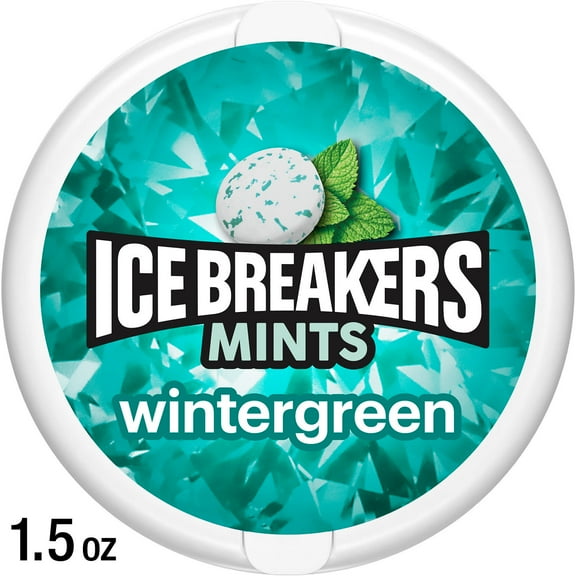 5 optionsAvailable in additional 5 options$362current price $3.62Options from $3.62 – $18.64
Ice Breakers Wintergreen Flavored Sugar Free Mints, Puck 1.5 oz
Save withDelivery as soon as 9amShipping, arrives todayPickup as soon as 9amSNAP EBT eligibleBest seller Tic Tac Orange, On-the-Go Pocket-Sized Mints, 200 pieces, 3.4 oz Single Pack $4.66
Best seller 2 optionsAvailable in additional 2 options$466current price $4.66Options from $4.66 – $9.32
Tic Tac Orange, On-the-Go Pocket-Sized Mints, 200 pieces, 3.4 oz Single Pack
Save withDelivery as soon as 9amPickup as soon as 9amSNAP EBT eligibleBest seller Ice Breakers Cool Mint Sugar Free Mints, Tin 1.5 oz $3.62
Best seller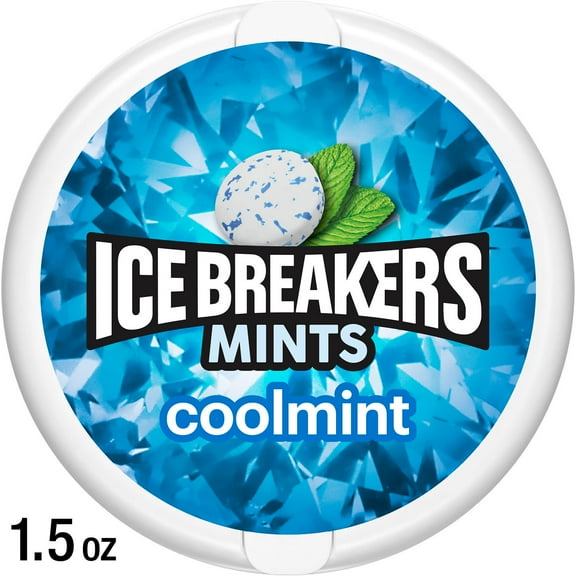 5 optionsAvailable in additional 5 options$362current price $3.62Options from $3.62 – $7.24
Ice Breakers Cool Mint Sugar Free Mints, Tin 1.5 oz
Save withDelivery as soon as 9amShipping, arrives todayPickup as soon as 9amSNAP EBT eligibleBest seller Ice Breakers Cinnamon Flavored Sugar Free Mints, Puck 1.5 oz $3.62
Best seller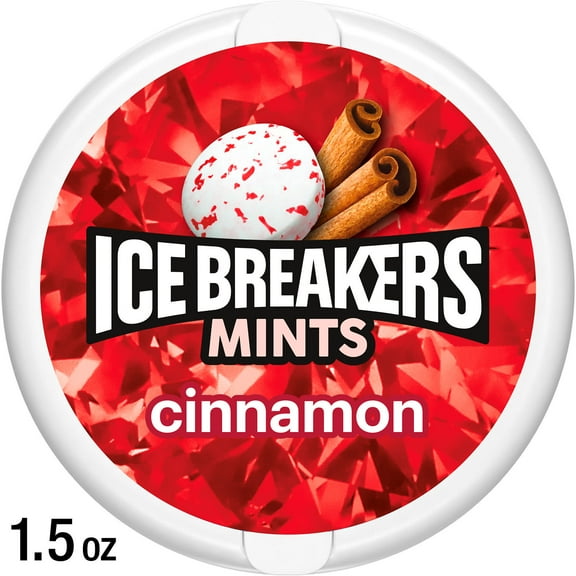 2 optionsAvailable in additional 2 options$362current price $3.62
Ice Breakers Cinnamon Flavored Sugar Free Mints, Puck 1.5 oz
Save withDelivery as soon as 9amShipping, arrives todayPickup as soon as 9amSNAP EBT eligibleBest seller Ice Breakers Spearmint Sugar Free Mints, Tin 1.5 oz $3.62 Was $8.99
Best seller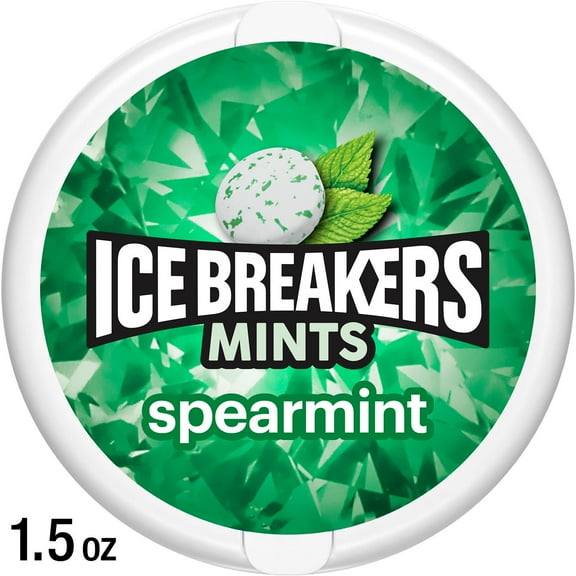 2 optionsAvailable in additional 2 optionsNow$362current price Now $3.62, Was $8.99$8.99
Ice Breakers Spearmint Sugar Free Mints, Tin 1.5 oz
Save withDelivery as soon as 9amPickup as soon as 9amSNAP EBT eligibleAltoids Wintergreen Breath Mints - 1.76 oz Tin $7.99
 6 optionsAvailable in additional 6 options$799current price $7.99Options from $7.99 – $24.97
Altoids Wintergreen Breath Mints - 1.76 oz Tin
Save withShipping, arrives tomorrowIce Breakers Ice Cubes Strawberry Lemonade Sugar Free Chewing Gum, Bottle 3.24 oz, 40 Pieces $10.32 25.8 ¢/count
 $1032current price $10.3225.8 ¢/count
Ice Breakers Ice Cubes Strawberry Lemonade Sugar Free Chewing Gum, Bottle 3.24 oz, 40 Pieces
Save withShipping, arrives tomorrowBest seller Mentos Peppermint Chewy Mint Candy Roll, 1.32 oz $1.36
Best seller 6 optionsAvailable in additional 6 options$136current price $1.36Options from $1.36 – $6.80
Mentos Peppermint Chewy Mint Candy Roll, 1.32 oz
Save withDelivery as soon as 9amPickup as soon as 9amSNAP EBT eligibleBest seller Mentos Chewy Mint Candy Roll, Assorted Fruit, Regular Size, Peanut Free, 1.32 oz $1.36
Best seller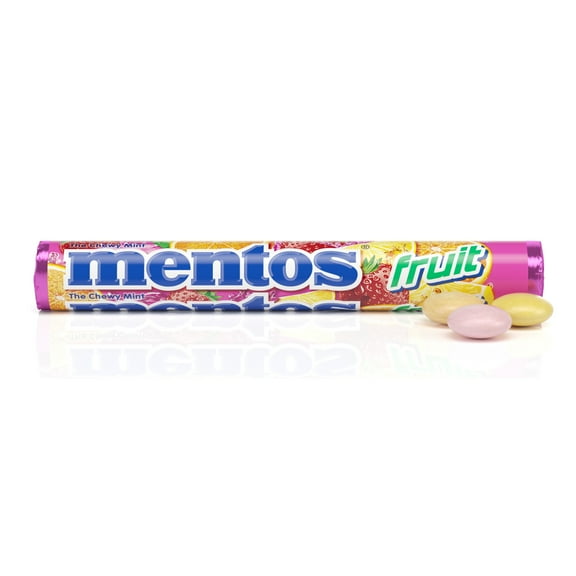 6 optionsAvailable in additional 6 options$136current price $1.36
Mentos Chewy Mint Candy Roll, Assorted Fruit, Regular Size, Peanut Free, 1.32 oz
Save withDelivery as soon as 9amPickup as soon as 9amSNAP EBT eligibleAltoids Arctic Peppermint Sugar Free Breath Mints - 1.2oz Tin $10.39
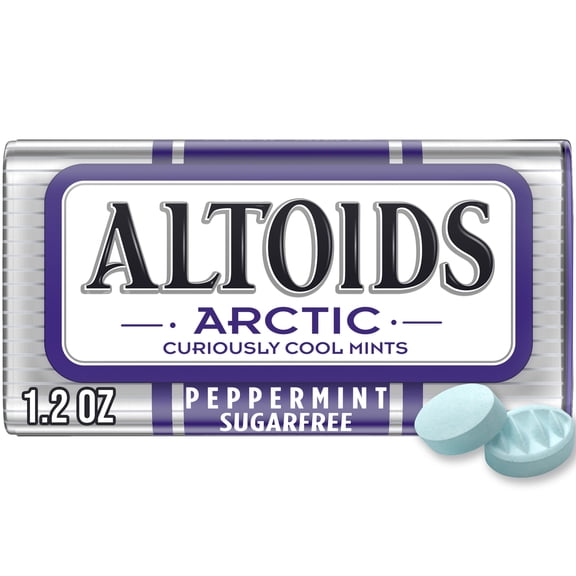 6 optionsAvailable in additional 6 options$1039current price $10.39
Altoids Arctic Peppermint Sugar Free Breath Mints - 1.2oz Tin
Shipping, arrives in 3+ days
Chewing gum
Best seller EXTRA Spearmint Sugar Free Chewing Gum, Long Lasting Mint Flavor, 35 Stick Mega Pack $4.27
Best seller 6 optionsAvailable in additional 6 options$427current price $4.27Options from $4.27 – $35.99
EXTRA Spearmint Sugar Free Chewing Gum, Long Lasting Mint Flavor, 35 Stick Mega Pack
Save withDelivery as soon as 9amShipping, arrives todayPickup as soon as 9amSNAP EBT eligibleBest seller Extra Polar Ice Back To School Sugar Free Chewing Gum - 35 Stick Mega Pack $4.27
Best seller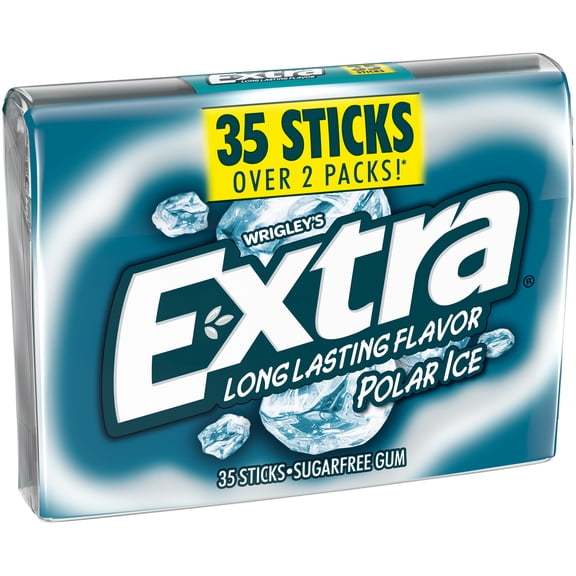 8 optionsAvailable in additional 8 options$427current price $4.27Options from $4.27 – $39.03
Extra Polar Ice Back To School Sugar Free Chewing Gum - 35 Stick Mega Pack
Save withDelivery as soon as 9amShipping, arrives todayPickup as soon as 9amSNAP EBT eligibleBest seller Ice Breakers Ice Cubes Peppermint Flavored Sugar Free Chewing Gum, Bottle 3.24 oz, 40 Pieces $4.82 12.1 ¢/count
Best seller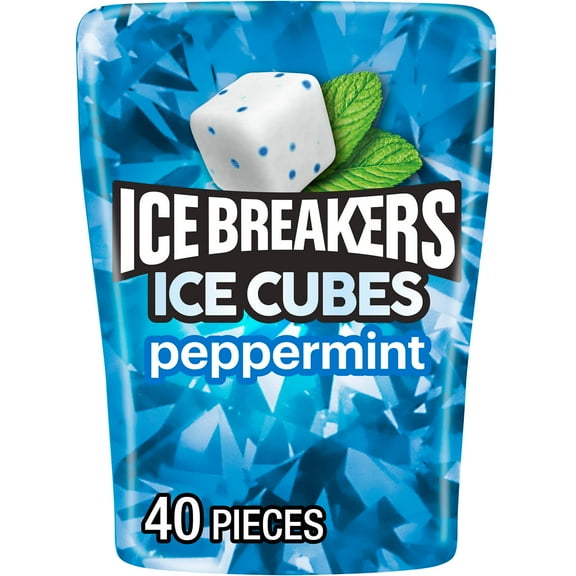 $482current price $4.8212.1 ¢/count
Ice Breakers Ice Cubes Peppermint Flavored Sugar Free Chewing Gum, Bottle 3.24 oz, 40 Pieces
Save withDelivery as soon as 9amShipping, arrives todayPickup as soon as 9amSNAP EBT eligibleBest seller Ice Breakers Ice Cubes Cinnamon Flavored Sugar Free Chewing Gum, Bottle 3.24 oz, 40 Pieces $4.82
Best seller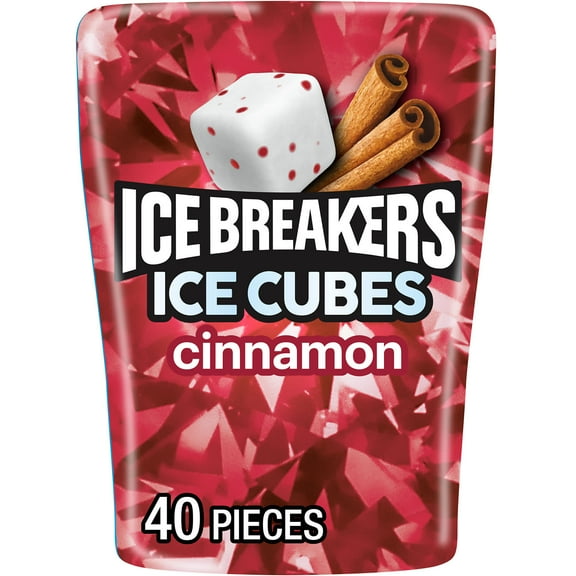 2 optionsAvailable in additional 2 options$482current price $4.82
Ice Breakers Ice Cubes Cinnamon Flavored Sugar Free Chewing Gum, Bottle 3.24 oz, 40 Pieces
Save withDelivery as soon as 9amShipping, arrives todayPickup as soon as 9amSNAP EBT eligibleBest seller Mentos Pure Fresh Sugar-Free Fresh Mint Xylitol Chewing Gum, 50 Count Bottle $4.27
Best seller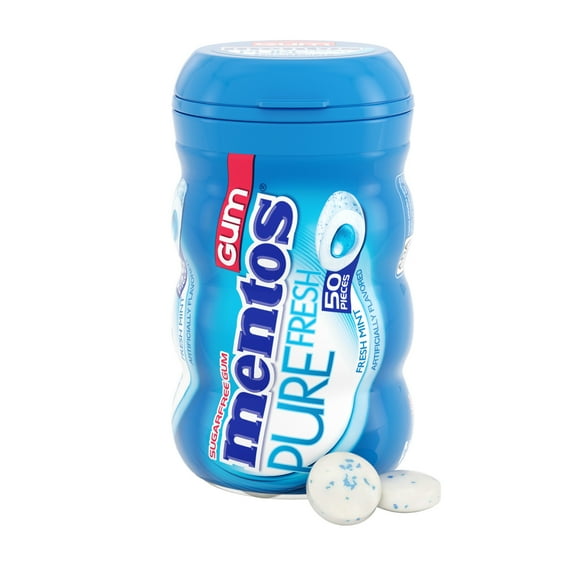 3 optionsAvailable in additional 3 options$427current price $4.27More options from $4.12
Mentos Pure Fresh Sugar-Free Fresh Mint Xylitol Chewing Gum, 50 Count Bottle
Save withDelivery as soon as 9amPickup as soon as 9amSNAP EBT eligibleBest seller EXTRA Peppermint Sugar Free Chewing Gum, Long Lasting Mint Flavor, 35 Stick Bulk Pack $4.27
Best seller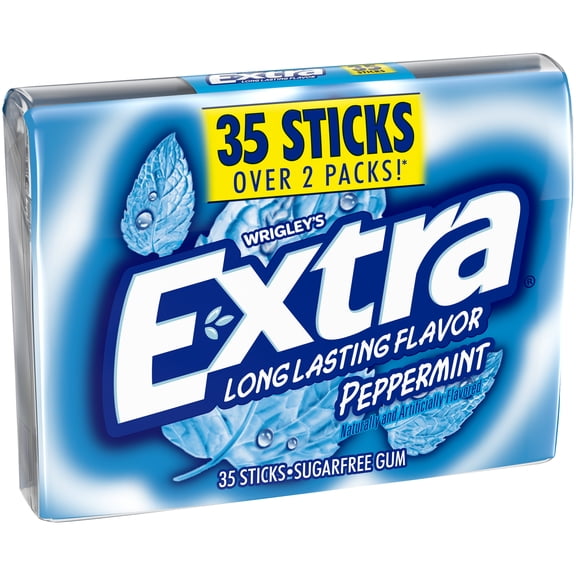 16 optionsAvailable in additional 16 options$427current price $4.27More options from $1.86
EXTRA Peppermint Sugar Free Chewing Gum, Long Lasting Mint Flavor, 35 Stick Bulk Pack
Save withDelivery as soon as 9amShipping, arrives todayPickup as soon as 9amSNAP EBT eligibleBest seller Ice Breakers Ice Cubes Spearmint Flavored Sugar Free Chewing Gum, Bottle 3.24 oz, 40 Pieces $4.82
Best seller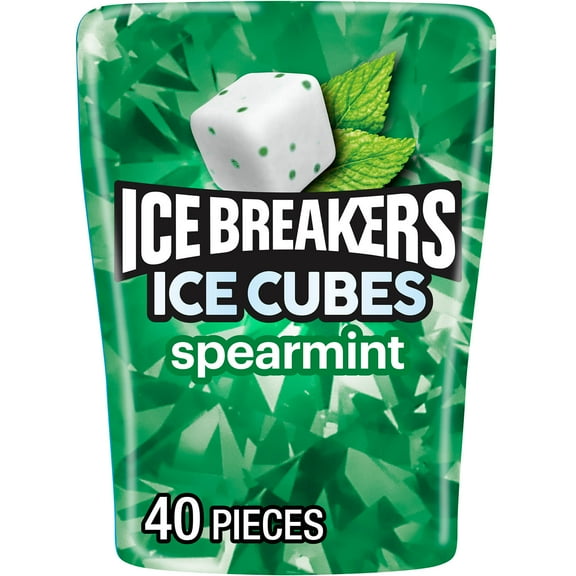 5 optionsAvailable in additional 5 options$482current price $4.82Options from $4.82 – $26.11
Ice Breakers Ice Cubes Spearmint Flavored Sugar Free Chewing Gum, Bottle 3.24 oz, 40 Pieces
Save withDelivery as soon as 9amShipping, arrives todayPickup as soon as 9amSNAP EBT eligibleBest seller Mentos Pure Fresh Sugar-Free Spearmint Xylitol Chewing Gum, 50 Count Bottle $4.12 Was $12.00
Best seller 3 optionsAvailable in additional 3 optionsNow$412current price Now $4.12, Was $12.00$12.00Options from $4.12 – $4.27
Mentos Pure Fresh Sugar-Free Spearmint Xylitol Chewing Gum, 50 Count Bottle
Save withDelivery as soon as 9amPickup as soon as 9amSNAP EBT eligibleIce Breakers Ice Cubes Wintergreen Sugar Free Chewing Gum, Bottle 3.24 oz, 40 Pieces $4.82
 4 optionsAvailable in additional 4 options$482current price $4.82
Ice Breakers Ice Cubes Wintergreen Sugar Free Chewing Gum, Bottle 3.24 oz, 40 Pieces
Save withShipping, arrives todaySNAP EBT eligibleBest seller Bubble Yum Original Flavored Chewy Bubble Gum, Pack 2.82 oz $1.84
Best seller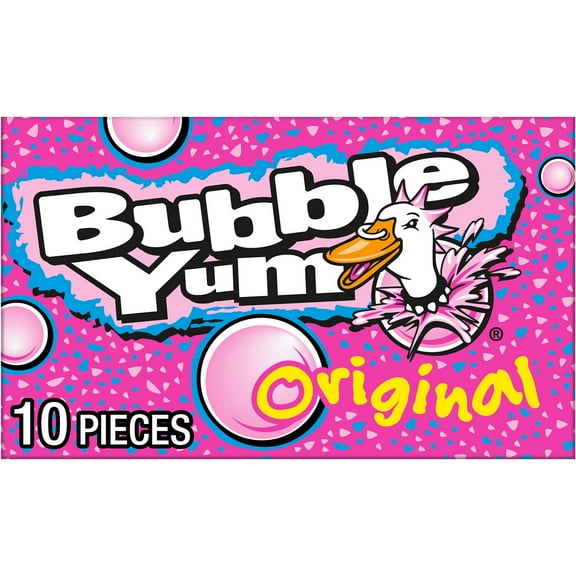 6 optionsAvailable in additional 6 options$184current price $1.84Options from $1.84 – $3.68
Bubble Yum Original Flavored Chewy Bubble Gum, Pack 2.82 oz
Save withDelivery as soon as 9amPickup as soon as 9amSNAP EBT eligibleBest seller Ice Breakers Ice Cubes Arctic Grape Flavored Sugar Free Chewing Gum, Bottle 3.24 oz, 40 Pieces $4.82 12.1 ¢/count
Best seller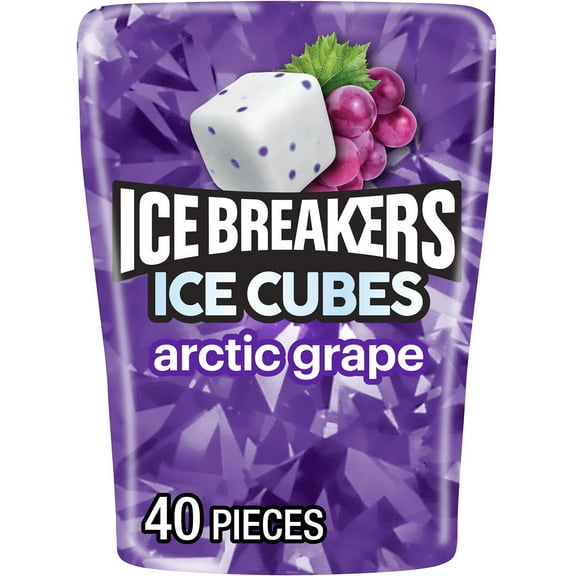 $482current price $4.8212.1 ¢/count
Ice Breakers Ice Cubes Arctic Grape Flavored Sugar Free Chewing Gum, Bottle 3.24 oz, 40 Pieces
Save withDelivery as soon as 9amShipping, arrives todayPickup as soon as 9amSNAP EBT eligibleIce Breakers Ice Cubes Bubble Breeze Flavored Sugar Free Chewing Gum, Bottle 3.24 oz, 40 Pieces $9.93 24.8 ¢/count
 $993current price $9.9324.8 ¢/count
Ice Breakers Ice Cubes Bubble Breeze Flavored Sugar Free Chewing Gum, Bottle 3.24 oz, 40 Pieces
Save withShipping, arrives in 2 daysBest seller 5 Gum Peppermint Cobalt Sugar Free Gum, 35-Stick Pack $5.36
Best seller 2 optionsAvailable in additional 2 options$536current price $5.36Options from $5.36 – $16.08
5 Gum Peppermint Cobalt Sugar Free Gum, 35-Stick Pack
Save withDelivery as soon as 9amShipping, arrives todayPickup as soon as 9amSNAP EBT eligibleIce Breakers Ice Cubes Black Cherry Sugar Free Chewing Gum, Bottle 3.24 oz, 40 Pieces $11.03
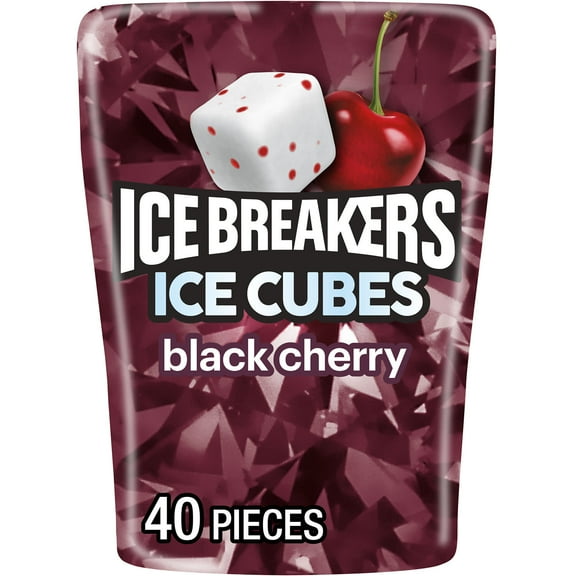 6 optionsAvailable in additional 6 options$1103current price $11.03
Ice Breakers Ice Cubes Black Cherry Sugar Free Chewing Gum, Bottle 3.24 oz, 40 Pieces
Shipping, arrives in 3+ daysBest seller Extra Gum Spearmint Sugar Free Chewing Gum, Single pack - 15 Stick $1.86 12.4 ¢/count
Best seller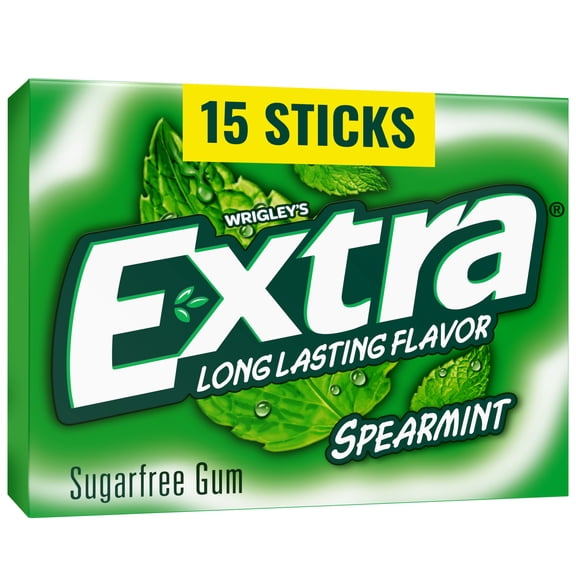 $186current price $1.8612.4 ¢/count
Extra Gum Spearmint Sugar Free Chewing Gum, Single pack - 15 Stick
Save withDelivery as soon as 9amPickup as soon as 9amSNAP EBT eligibleExtra Refreshers Berry Mix Sugar Free Chewing Gum - 40 Piece Bottle $8.95
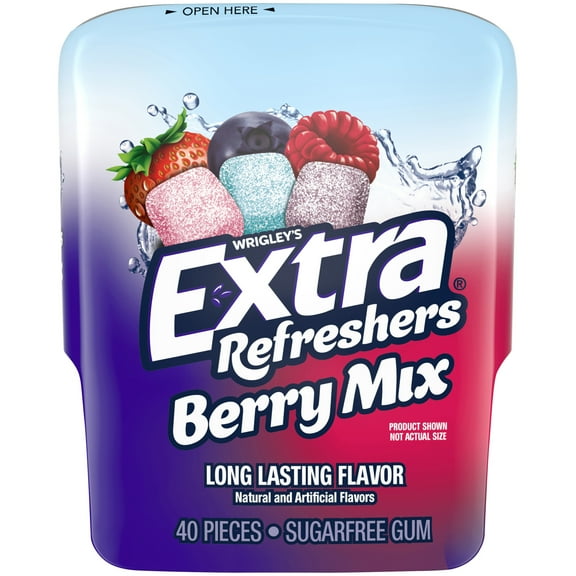 12 optionsAvailable in additional 12 options$895current price $8.95More options from $7.99
Extra Refreshers Berry Mix Sugar Free Chewing Gum - 40 Piece Bottle
Save withShipping, arrives tomorrow5 Gum Spearmint Rain Sugar Free Chewing Gum - 35 Stick Pack $5.36
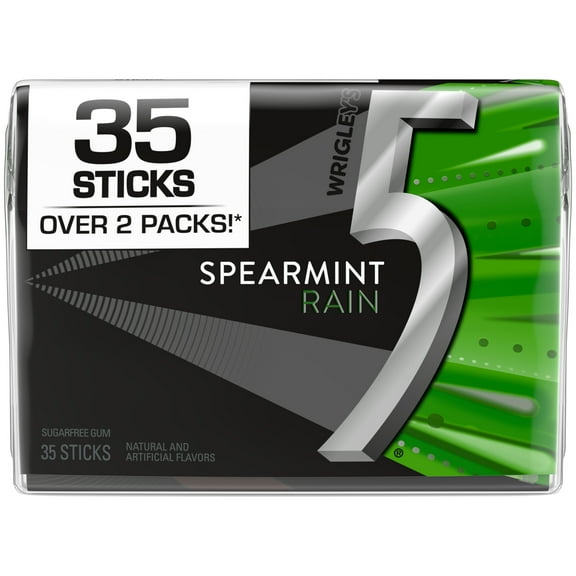 6 optionsAvailable in additional 6 options$536current price $5.36Options from $5.36 – $32.64
5 Gum Spearmint Rain Sugar Free Chewing Gum - 35 Stick Pack
Save withDelivery as soon as 9amShipping, arrives todayPickup as soon as 9amSNAP EBT eligibleBest seller Extra Sweet Watermelon Sugar Free Chewing Gum, Single Pack - 15 Stick $1.86
Best seller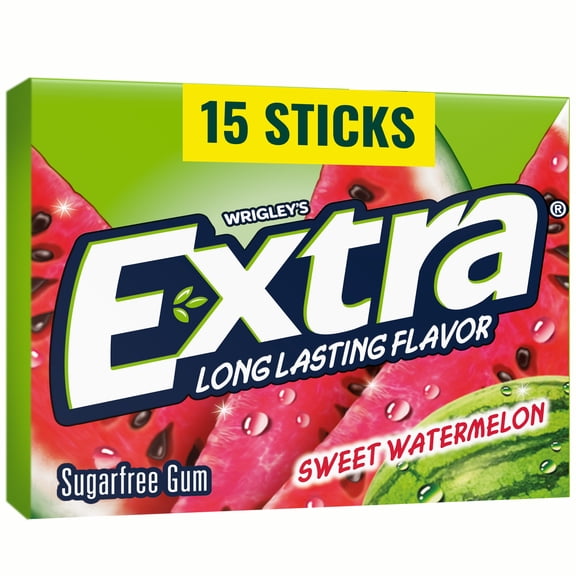 2 optionsAvailable in additional 2 options$186current price $1.86Options from $1.86 – $7.44
Extra Sweet Watermelon Sugar Free Chewing Gum, Single Pack - 15 Stick
Save withDelivery as soon as 9amPickup as soon as 9amSNAP EBT eligible
New snacks at Walmart
Rollback Doritos Tangy and Sweet Golden Sriracha Tortilla Chips, 9.25 Ounce Bag $3.97 Was $4.48
Rollback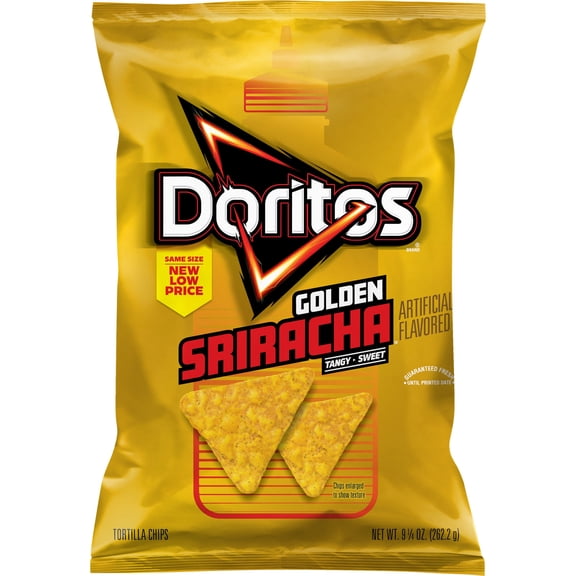 Now$397current price Now $3.97, Was $4.48$4.48
Doritos Tangy and Sweet Golden Sriracha Tortilla Chips, 9.25 Ounce Bag
Save withDelivery as soon as 9amShipping, arrives todayPickup as soon as 9amSNAP EBT eligibleRollback Lays All Dressed Potato Chips 7.75 oz Bag $2.50 Was $2.97
Rollback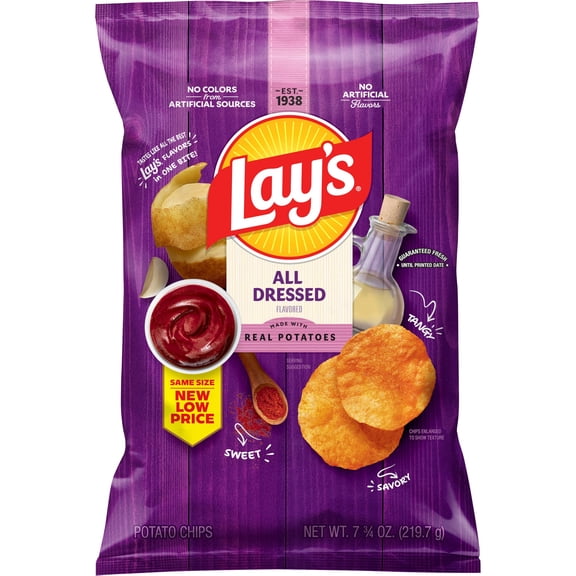 Now$250current price Now $2.50, Was $2.97$2.97
Lays All Dressed Potato Chips 7.75 oz Bag
Save withDelivery as soon as 9amShipping, arrives todayPickup as soon as 9amSNAP EBT eligibleRollback Doritos Tortilla Chips Late Night Loaded Taco, 9 oz Bag $3.97 Was $4.48
Rollback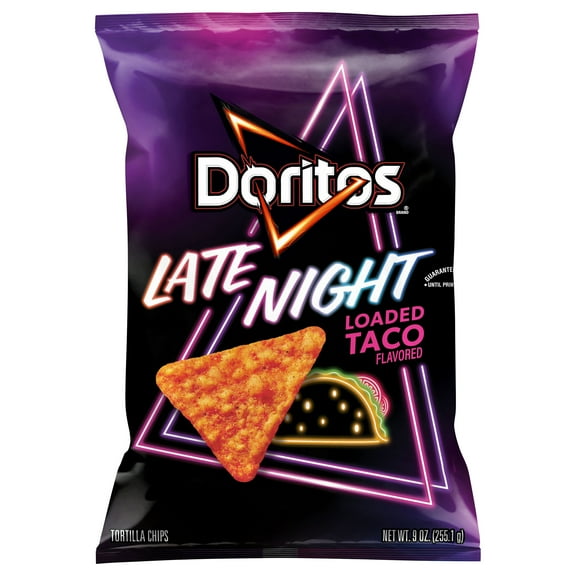 Now$397current price Now $3.97, Was $4.48$4.48
Doritos Tortilla Chips Late Night Loaded Taco, 9 oz Bag
Save withDelivery as soon as 9amShipping, arrives todayPickup as soon as 9amSNAP EBT eligibleBest seller Mac's Original Chicharrones Pork Rinds, Pork Skins, 4 oz Bag $2.08
Best seller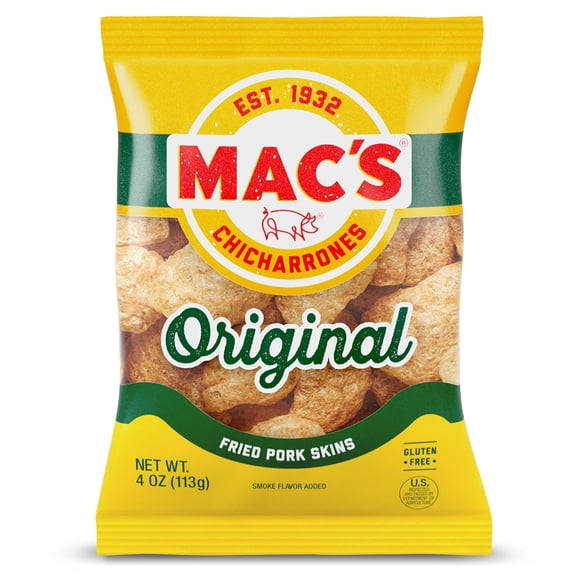 $208current price $2.08
Mac's Original Chicharrones Pork Rinds, Pork Skins, 4 oz Bag
Save withDelivery as soon as 9amShipping, arrives todayPickup as soon as 9amSNAP EBT eligibleRollback Garrett Popcorn Shops, Garrett Mix, 6 oz $3.97 Was $4.84
Rollback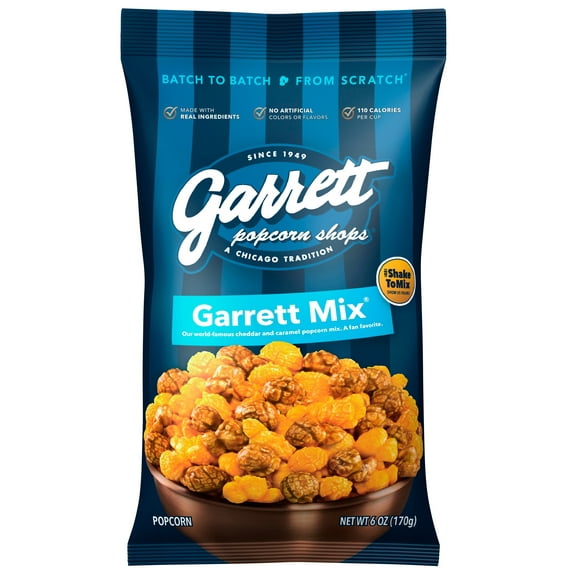 2 optionsAvailable in additional 2 optionsNow$397current price Now $3.97, Was $4.84$4.84Options from $3.97 – $56.02
Garrett Popcorn Shops, Garrett Mix, 6 oz
Save withDelivery as soon as 9amShipping, arrives todayPickup as soon as 9amSNAP EBT eligible
Candy bars & Chocolate
Best seller M&M'S Milk Chocolate Candy Movie Theater Box, 3.1 oz $1.48
Best seller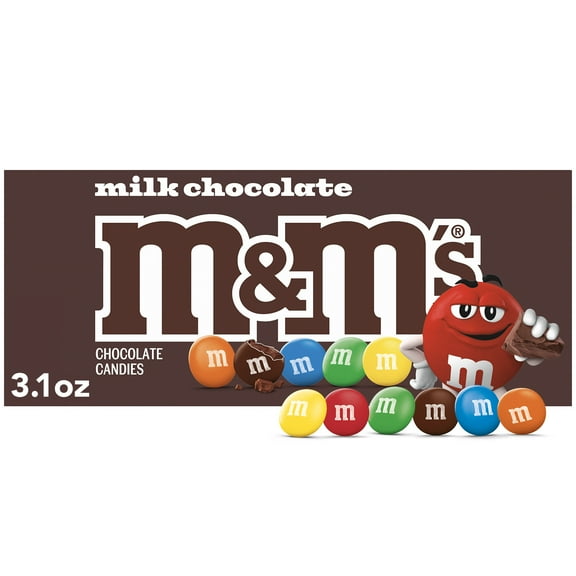 4 optionsAvailable in additional 4 options$148current price $1.48Options from $1.48 – $2.96
M&M'S Milk Chocolate Candy Movie Theater Box, 3.1 oz
Save withDelivery as soon as 9amPickup as soon as 9amSNAP EBT eligibleBest seller Reese's Milk Chocolate King Size Peanut Butter Cups Father's Day Candy, Pack 2.8 oz $2.78
Best seller 5 optionsAvailable in additional 5 options$278current price $2.78
Reese's Milk Chocolate King Size Peanut Butter Cups Father's Day Candy, Pack 2.8 oz
Save withDelivery as soon as 9amPickup as soon as 9amSNAP EBT eligibleBest seller M&M's Peanut Milk Chocolate Candy Theater Box - 3.1 oz Box $1.48
Best seller $148current price $1.48
M&M's Peanut Milk Chocolate Candy Theater Box - 3.1 oz Box
Save withDelivery as soon as 9amPickup as soon as 9amSNAP EBT eligibleRollback Reese's Pieces Peanut Butter in a Crunchy Shell Candy, Movie Theater Box Candy, 4 oz $1.00 Was $1.48
Rollback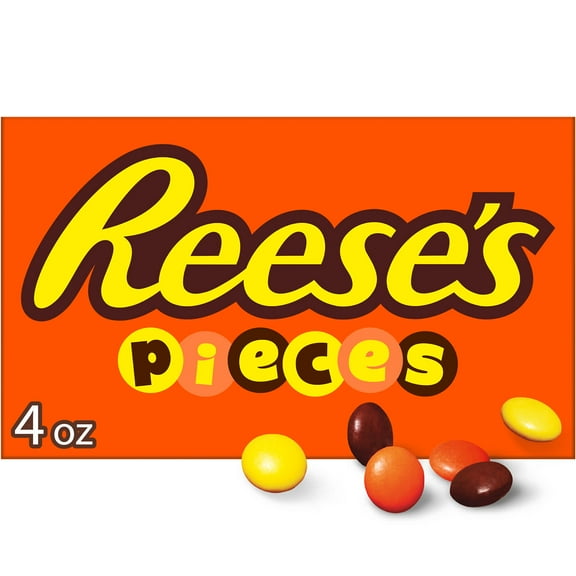 2 optionsAvailable in additional 2 optionsNow$100current price Now $1.00, Was $1.48$1.48
Reese's Pieces Peanut Butter in a Crunchy Shell Candy, Movie Theater Box Candy, 4 oz
Save withDelivery as soon as 9amPickup as soon as 9amSNAP EBT eligibleRollback Milk Duds Chocolate and Caramel Candy, Movie Theater Box Candy, 5 oz $1.00 Was $1.48 20.0 ¢/oz
Rollback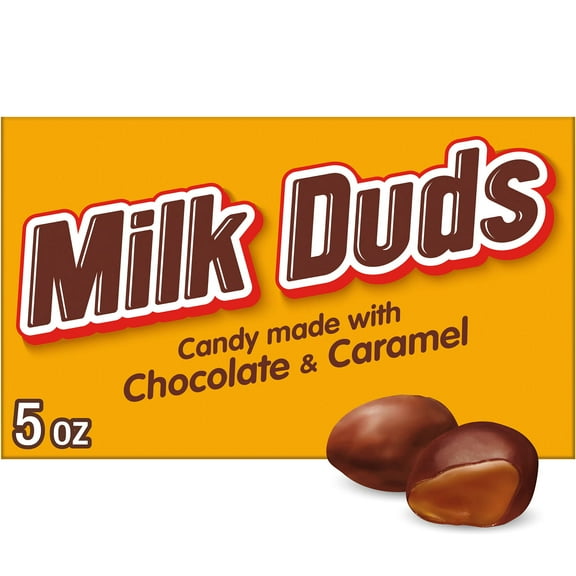 Now$100current price Now $1.00, Was $1.48$1.4820.0 ¢/oz
Milk Duds Chocolate and Caramel Candy, Movie Theater Box Candy, 5 oz
Save withDelivery as soon as 9amPickup as soon as 9amSNAP EBT eligibleBest seller Reese's Sticks Chocolate and Peanut Butter Creme Wafer King Size Father's Day Candy, Bar 3 oz $2.78 92.7 ¢/oz
Best seller $278current price $2.7892.7 ¢/oz
Reese's Sticks Chocolate and Peanut Butter Creme Wafer King Size Father's Day Candy, Bar 3 oz
Save withDelivery as soon as 9amPickup as soon as 9amSNAP EBT eligibleRollback Hershey's Milk Chocolate Candy, Bar 1.55 oz $1.62 Was $1.82 $1.05/oz
Rollback Now$162current price Now $1.62, Was $1.82$1.82$1.05/oz
Hershey's Milk Chocolate Candy, Bar 1.55 oz
Save withDelivery as soon as 9amPickup as soon as 9amSNAP EBT eligibleBest seller Whoppers Malted Milk Balls Candy, Carton 12 oz $3.67
Best seller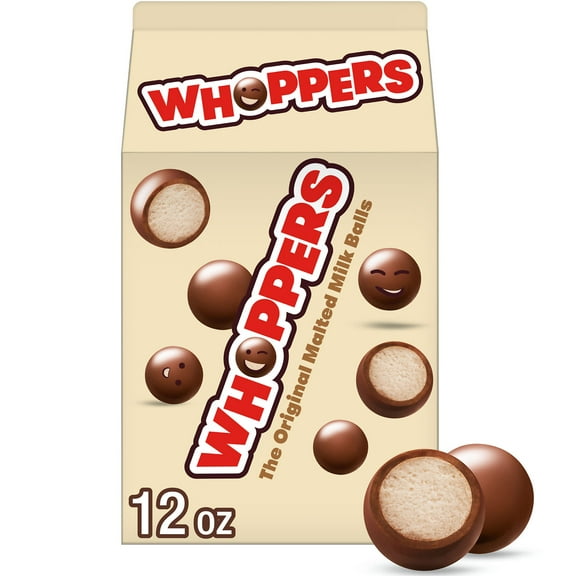 2 optionsAvailable in additional 2 options$367current price $3.67Options from $3.67 – $14.68
Whoppers Malted Milk Balls Candy, Carton 12 oz
Save withDelivery as soon as 9amPickup as soon as 9amSNAP EBT eligibleBest seller Reese's OREO Milk Chocolate and White Creme King Size Peanut Butter Cups Candy, pack 2.8 oz $2.78
Best seller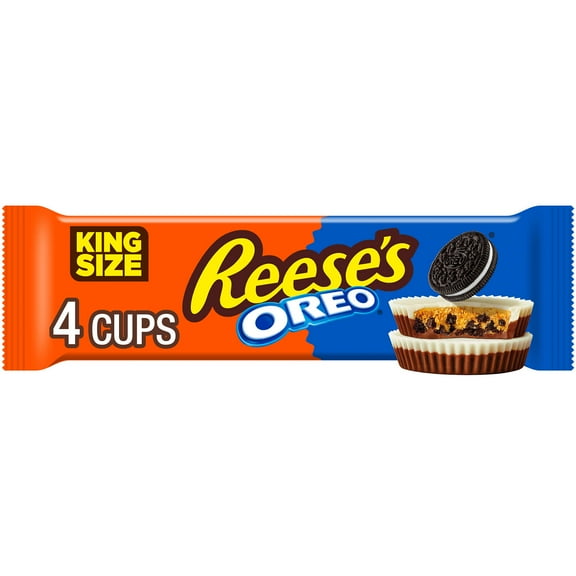 $278current price $2.78
Reese's OREO Milk Chocolate and White Creme King Size Peanut Butter Cups Candy, pack 2.8 oz
Save withDelivery as soon as 9amPickup as soon as 9amSNAP EBT eligibleBest seller Reese's Big Cup Milk Chocolate King Size Peanut Butter Cups Candy, Pack 2.8 oz $2.78 99.3 ¢/oz
Best seller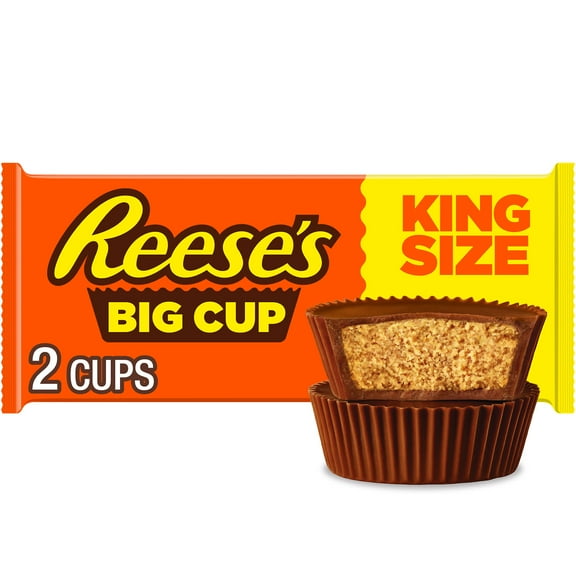 $278current price $2.7899.3 ¢/oz
Reese's Big Cup Milk Chocolate King Size Peanut Butter Cups Candy, Pack 2.8 oz
Save withDelivery as soon as 9amPickup as soon as 9amSNAP EBT eligibleRollback Kit Kat Milk Chocolate Wafer King Size Candy, Bar 3 oz $2.78
Rollback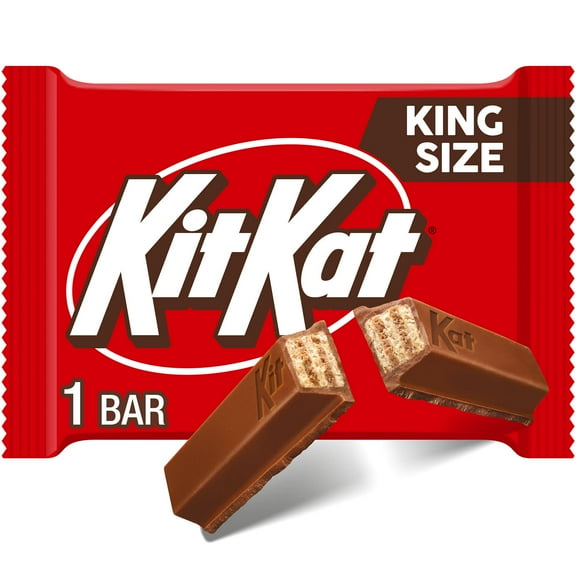 2 optionsAvailable in additional 2 options$278current price $2.78Options from $2.78 – $15.00
Kit Kat Milk Chocolate Wafer King Size Candy, Bar 3 oz
Save withDelivery as soon as 9amPickup as soon as 9amSNAP EBT eligibleBest seller Kinder Joy Eggs, 6 Count, Treat Plus Toy, Sweet Creams and Chocolatey Wafers, Individually Wrapped, 4.2 oz $8.34
Best seller $834current price $8.34
Kinder Joy Eggs, 6 Count, Treat Plus Toy, Sweet Creams and Chocolatey Wafers, Individually Wrapped, 4.2 oz
Save withDelivery as soon as 9amPickup as soon as 9amSNAP EBT eligibleRollback Snickers Milk Chocolate Candy Bars, Share Size - 3.29 oz $2.78
Rollback 18 optionsAvailable in additional 18 options$278current price $2.78More options from $1.25
Snickers Milk Chocolate Candy Bars, Share Size - 3.29 oz
Save withDelivery as soon as 9amPickup as soon as 9amSNAP EBT eligibleBest seller Reese's Fast Break Chocolate, Peanut Butter and Nougat King Size Father's Day Candy, Bar 3.5 oz $2.78 79.4 ¢/oz
Best seller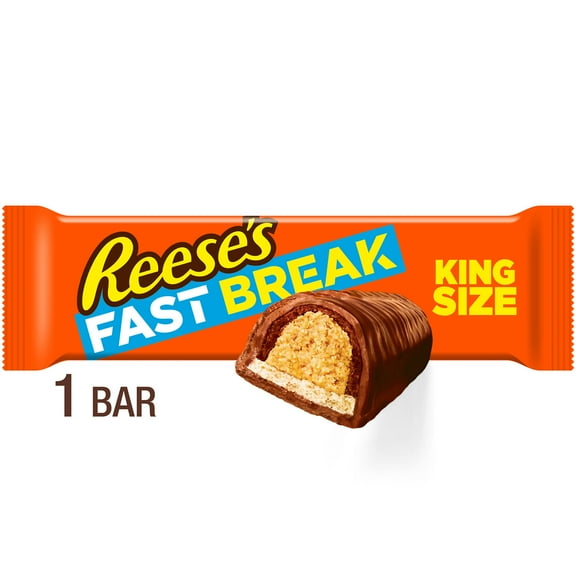 $278current price $2.7879.4 ¢/oz
Reese's Fast Break Chocolate, Peanut Butter and Nougat King Size Father's Day Candy, Bar 3.5 oz
Save withDelivery as soon as 9amPickup as soon as 9amSNAP EBT eligibleRollback Tootsie Junior Mints, Gluten Free Dark Chocolate with Mint Filling, 3.5 oz $1.00 Was $1.47 28.6 ¢/oz
Rollback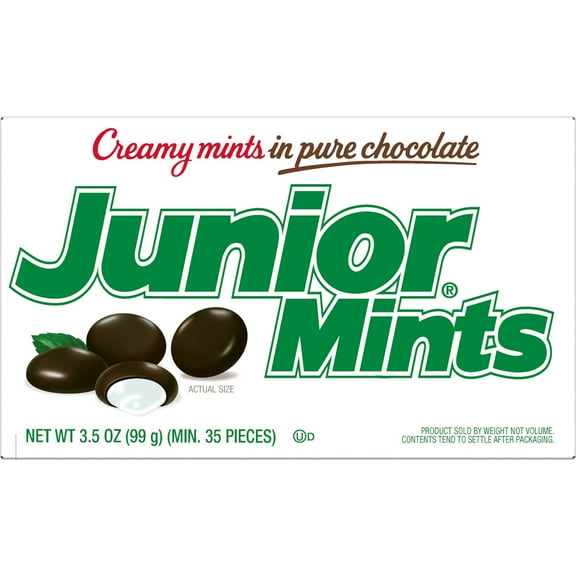 Now$100current price Now $1.00, Was $1.47$1.4728.6 ¢/oz
Tootsie Junior Mints, Gluten Free Dark Chocolate with Mint Filling, 3.5 oz
Save withDelivery as soon as 9amPickup as soon as 9amSNAP EBT eligibleBest seller Twix Milk Chocolate Caramel Cookie Candy Bars, Share Size - 3.02 oz Pack $2.78 92.1 ¢/oz
Best seller $278current price $2.7892.1 ¢/oz
Twix Milk Chocolate Caramel Cookie Candy Bars, Share Size - 3.02 oz Pack
Save withDelivery as soon as 9amPickup as soon as 9amSNAP EBT eligibleBest seller Cadbury Dairy Milk Milk Chocolate Candy, Bar 3.5 oz $2.97 84.9 ¢/oz
Best seller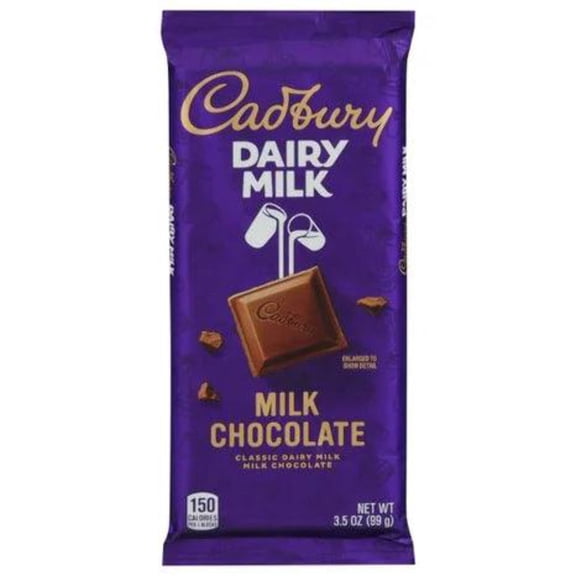 $297current price $2.9784.9 ¢/oz
Cadbury Dairy Milk Milk Chocolate Candy, Bar 3.5 oz
Save withDelivery as soon as 9amPickup as soon as 9amSNAP EBT eligibleRollback Raisinets Milk-Chocolate-Covered California Raisins, 3.1 oz, Movie Theater Candy Box $1.00 Was $1.47
Rollback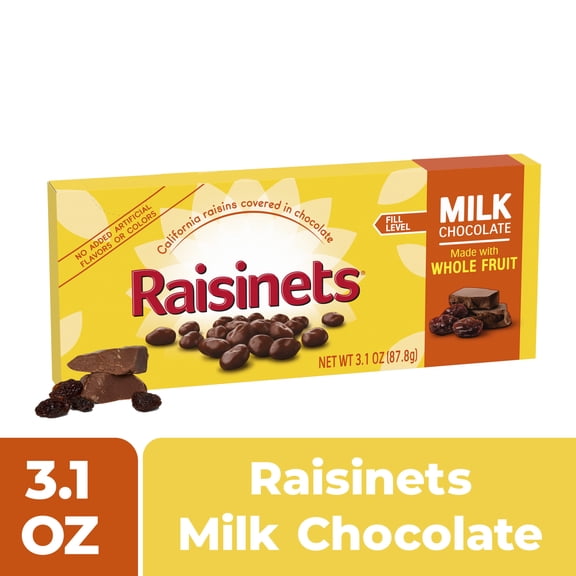 2 optionsAvailable in additional 2 optionsNow$100current price Now $1.00, Was $1.47$1.47
Raisinets Milk-Chocolate-Covered California Raisins, 3.1 oz, Movie Theater Candy Box
Save withDelivery as soon as 9amPickup as soon as 9amSNAP EBT eligibleBest seller Hershey's Symphony Milk Chocolate, Almonds and Toffee XL Candy, Bar 4.25 oz, 16 Pieces $2.97 69.9 ¢/oz
Best seller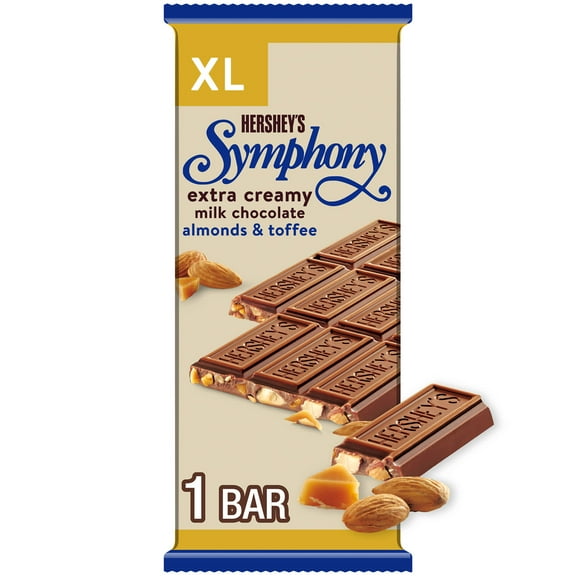 $297current price $2.9769.9 ¢/oz
Hershey's Symphony Milk Chocolate, Almonds and Toffee XL Candy, Bar 4.25 oz, 16 Pieces
Save withDelivery as soon as 9amPickup as soon as 9amSNAP EBT eligibleKinder Bueno Milk Chocolate Bars with Hazelnut Cream, 10 Bars, Chocolate Candy Bars for Game Day, Football Party Supplies, Snacks for Adults, 10 Per Pack $6.24
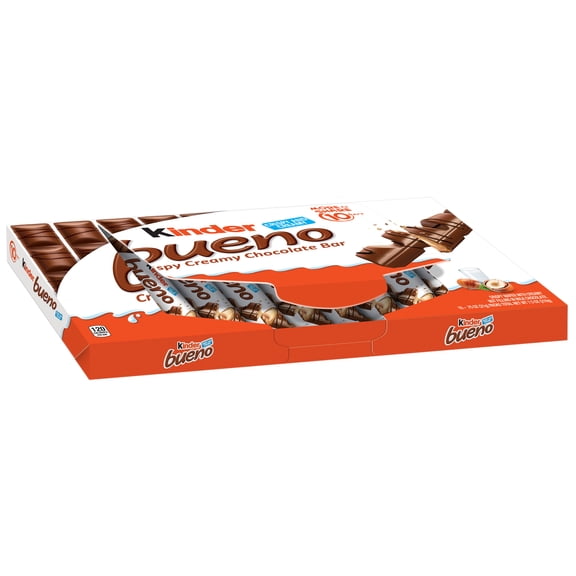 $624current price $6.24
Kinder Bueno Milk Chocolate Bars with Hazelnut Cream, 10 Bars, Chocolate Candy Bars for Game Day, Football Party Supplies, Snacks for Adults, 10 Per Pack
Save withDelivery as soon as 9amPickup as soon as 9amSNAP EBT eligible
Salty snacks
Funyuns Flamin' Hot Onion Flavored Rings Snack Chips, 0.75 Ounce Bag $0.48
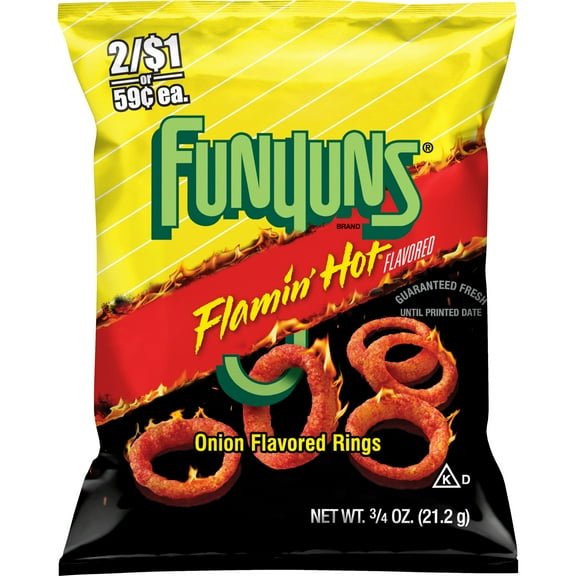 2 optionsAvailable in additional 2 options$048current price $0.48Options from $0.48 – $5.76
Funyuns Flamin' Hot Onion Flavored Rings Snack Chips, 0.75 Ounce Bag
Save withDelivery as soon as 9amPickup as soon as 9amSNAP EBT eligibleDot's Homestyle Pretzels, Original Seasoned Pretzel Twists, 5 oz Snack Size Bag $8.71 Was $10.83
 5 optionsAvailable in additional 5 optionsNow$871current price Now $8.71, Was $10.83$10.83Options from $8.71 – $24.00
Dot's Homestyle Pretzels, Original Seasoned Pretzel Twists, 5 oz Snack Size Bag
Save withShipping, arrives tomorrowGreat Value BBQ Potato Chips, 2.25 oz Bag $0.98
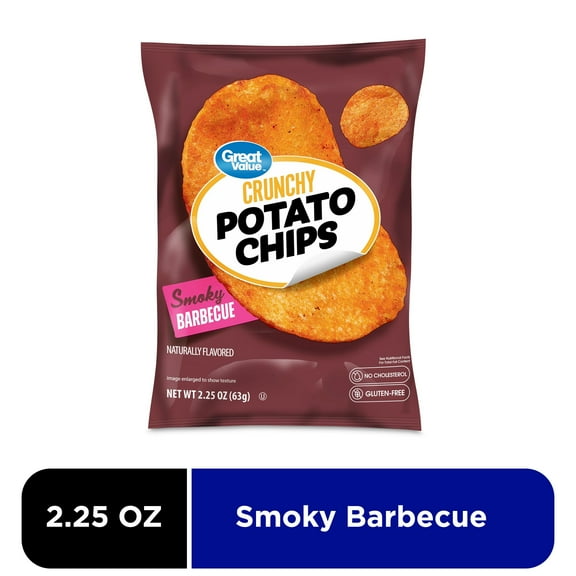 2 optionsAvailable in additional 2 options$098current price $0.98
Great Value BBQ Potato Chips, 2.25 oz Bag
Save withShipping, arrives todaySNAP EBT eligible(6 pack) Cheez-It Original Cheese Crackers, Baked Snack Crackers, 2.2 oz Cup $6.00
 2 optionsAvailable in additional 2 options$600current price $6.00
(6 pack) Cheez-It Original Cheese Crackers, Baked Snack Crackers, 2.2 oz Cup
Save withShipping, arrives todaySNAP EBT eligibleGreat Value Cheddar Sour Cream Ripple Chips, 1.75 oz $0.98
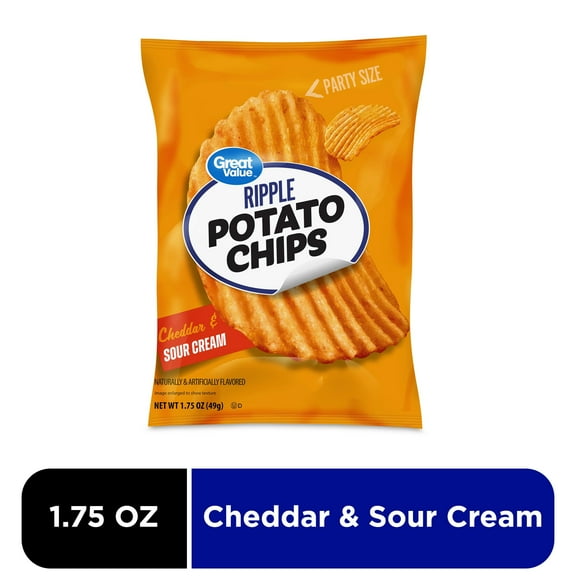 2 optionsAvailable in additional 2 options$098current price $0.98Options from $0.98 – $5.88
Great Value Cheddar Sour Cream Ripple Chips, 1.75 oz
Save withShipping, arrives todaySNAP EBT eligibleGreat Value Sour Cream and Onion Chips, 2.25 oz Bag $0.98
 2 optionsAvailable in additional 2 options$098current price $0.98
Great Value Sour Cream and Onion Chips, 2.25 oz Bag
Save withShipping, arrives todaySNAP EBT eligibleCRUNCH 'N MUNCH Buttery Toffee Popcorn with Peanuts, 3.5 oz. $8.69 Was $18.01 $2.48/oz
 Now$869current price Now $8.69, Was $18.01$18.01$2.48/oz
CRUNCH 'N MUNCH Buttery Toffee Popcorn with Peanuts, 3.5 oz.
Save withShipping, arrives tomorrow
Meat snacks
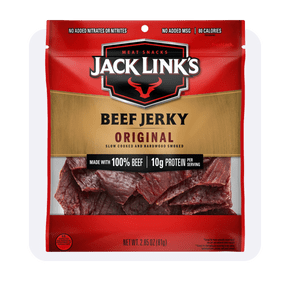
Best seller Jack Link’s Beef Jerky, 100% Beef, Original, 2.85 oz, 10g of Protein Per Serving $5.47 Was $12.81
Best seller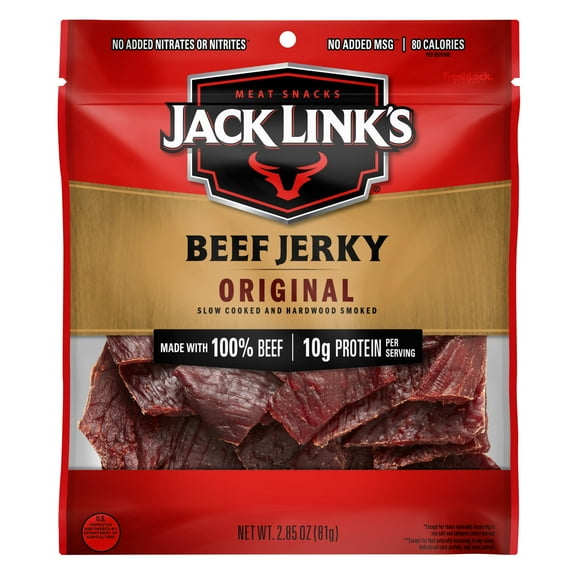 Now$547current price Now $5.47, Was $12.81$12.81
Jack Link’s Beef Jerky, 100% Beef, Original, 2.85 oz, 10g of Protein Per Serving
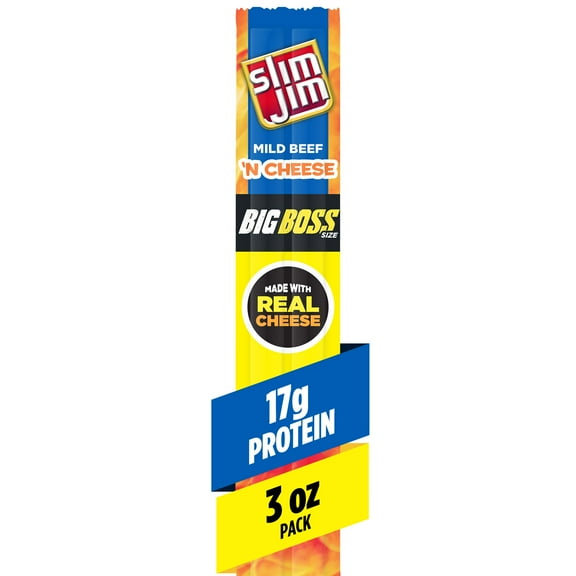
Save withDelivery as soon as 9amPickup as soon as 9amSNAP EBT eligibleSlim Jim Beef 'N Cheese Smoked Meat Sticks, Mild Flavor, 17g Protein Per Serving, 3.0 oz. $3.97
 2 optionsAvailable in additional 2 options$397current price $3.97Options from $3.97 – $7.94
Slim Jim Beef 'N Cheese Smoked Meat Sticks, Mild Flavor, 17g Protein Per Serving, 3.0 oz.
Save withDelivery as soon as 9amPickup as soon as 9amSNAP EBT eligibleBest seller Jack Link’s Beef Jerky, Teriyaki, Made with 100% Beef, 11g of Protein per Serving, 2.85 oz Bag $13.85
Best seller 3 optionsAvailable in additional 3 options$1385current price $13.85More options from $13.50
Jack Link’s Beef Jerky, Teriyaki, Made with 100% Beef, 11g of Protein per Serving, 2.85 oz Bag
Save withShipping, arrives in 2 daysBest seller Old Wisconsin Gluten Free Smoked Turkey Sausage Snack Bites, 4 oz, Resealable Bag $3.97
Best seller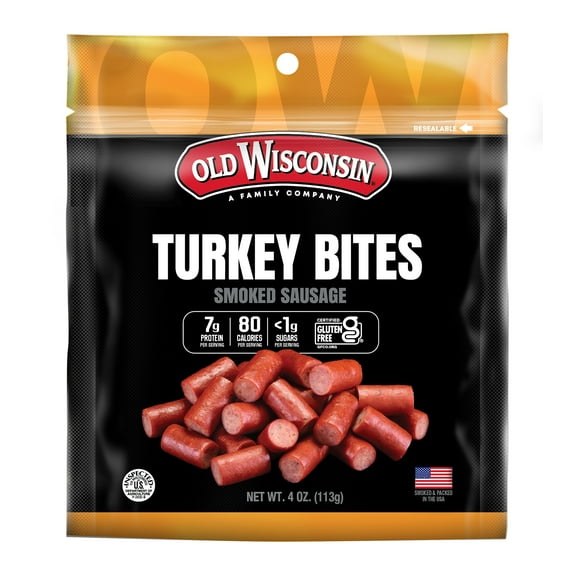 2 optionsAvailable in additional 2 options$397current price $3.97Options from $3.97 – $7.94
Old Wisconsin Gluten Free Smoked Turkey Sausage Snack Bites, 4 oz, Resealable Bag
Save withDelivery as soon as 9amPickup as soon as 9amSNAP EBT eligibleJack Link's Teriyaki Tender Bites, 100% Beef, 2.85 oz. Resealable Bag $5.47 $30.39/lb
 $547current price $5.47$30.39/lb
Jack Link's Teriyaki Tender Bites, 100% Beef, 2.85 oz. Resealable Bag
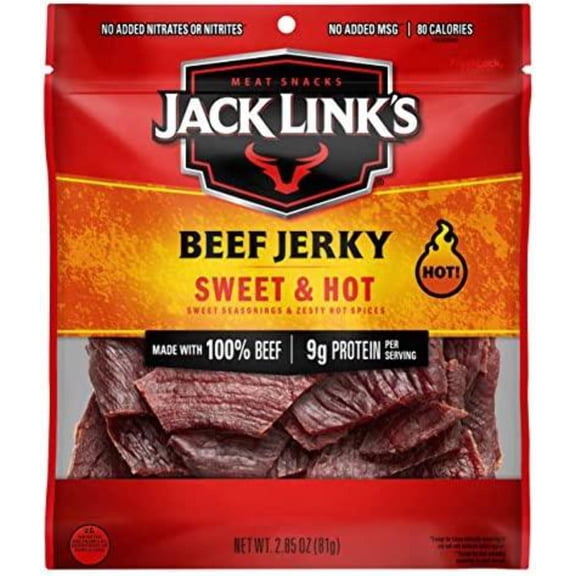
Save withShipping, arrives todaySNAP EBT eligibleJack Link’s Beef Jerky, Sweet & Hot, 100% Beef, 9g of Protein per Serving, 2.85 oz Bag $5.42 $30.11/lb
 $542current price $5.42$30.11/lb
Jack Link’s Beef Jerky, Sweet & Hot, 100% Beef, 9g of Protein per Serving, 2.85 oz Bag
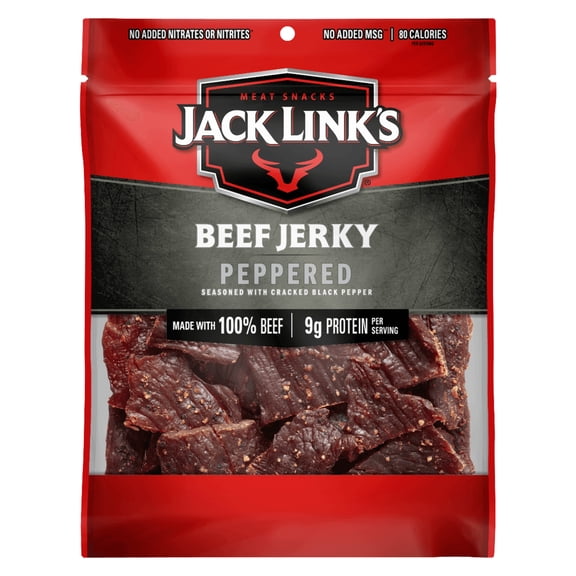
Save withShipping, arrives todaySNAP EBT eligibleJack Link’s Beef Jerky, Peppered, 100% Beef, 9g of Protein per Serving, 2.85 oz Bag $5.47 Was $15.99 $30.39/lb
 Now$547current price Now $5.47, Was $15.99$15.99$30.39/lb
Jack Link’s Beef Jerky, Peppered, 100% Beef, 9g of Protein per Serving, 2.85 oz Bag
Save withDelivery as soon as 9amShipping, arrives todayPickup as soon as 9amSNAP EBT eligibleSweet Baby Ray's Beef Jerky, Original, 3.25 oz $10.45
 2 optionsAvailable in additional 2 options$1045current price $10.45
Sweet Baby Ray's Beef Jerky, Original, 3.25 oz
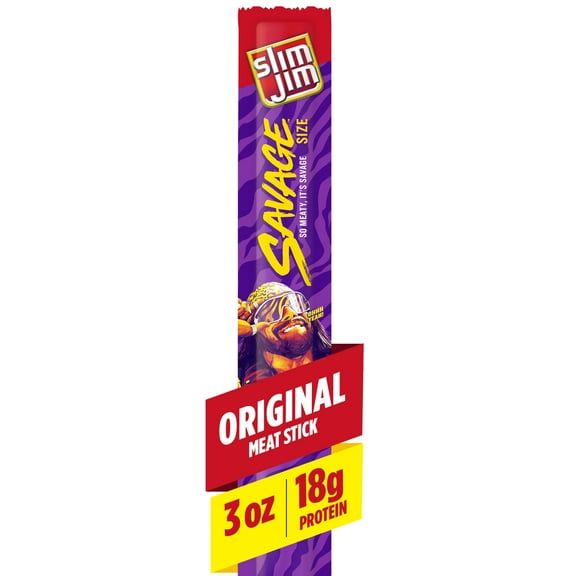
Shipping, arrives in 3+ daysSlim Jim Savage Smoked Meat Sticks, Original Flavor, High Protein, 3.0 oz. $3.32
 $332current price $3.32
Slim Jim Savage Smoked Meat Sticks, Original Flavor, High Protein, 3.0 oz.
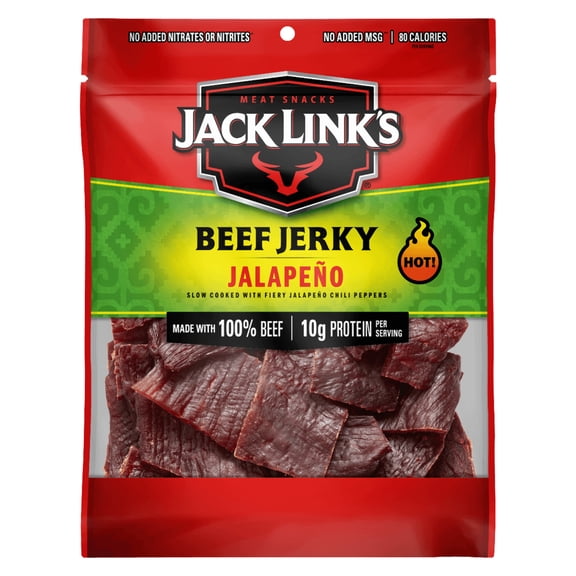
Save withDelivery as soon as 9amPickup as soon as 9amSNAP EBT eligibleJack Links Beef Jerky, Jalapeno, 2.85 oz $9.03 $50.17/lb
 $903current price $9.03$50.17/lb
Jack Links Beef Jerky, Jalapeno, 2.85 oz
Save withShipping, arrives todaySNAP EBT eligible(3 pack) Slim Jim Monster Smoked Meat Sticks, Mild Flavor, 11g Protein Per Stick, 1.94 oz. $7.11
 2 optionsAvailable in additional 2 options$711current price $7.11
(3 pack) Slim Jim Monster Smoked Meat Sticks, Mild Flavor, 11g Protein Per Stick, 1.94 oz.
Save withShipping, arrives todaySNAP EBT eligible
FAQ
Where should grab bars be placed in a bathtub?
Good placements depend on how someone enters, exits, and moves inside the tub. Consider these common locations:
- Along the back wall for balance when standing and turning.
- Horizontally near the faucet or controls to help steady when bending.
- Near the tub entry—either a short vertical bar or a diagonal bar to aid stepping in and out.
- Near the shower head if there’s a seated showering area.
These are general guidelines. A licensed contractor or occupational therapist can suggest exact placement based on the user’s needs and local building requirements. Walmart carries many styles and offers installation services in some areas.
How do I choose the right grab bar length for a tub?
Pick a length based on how the tub is used and where support is needed. To decide:
- Measure the span where someone will grip during transfer or standing.
- Shorter bars (about 12–18 inches) work well by faucets or near seats; medium to longer bars (24–36 inches) are useful along the back wall for reaching while standing.
- Consider user reach, mounting locations, and tub size—multiple bars in different spots often work better than one large bar.
If you’re unsure, ask a home-accessibility specialist or use Walmart’s online filters to compare sizes before buying.
Do shower grab bars need to be mounted to studs?
Mounting to studs is the safest option, but alternatives exist when studs aren’t available. Key points:
- Stud-mounted installation provides the strongest support for weight-bearing use.
- If studs can’t be reached, contractors often install backing/blocking behind the wall or use heavy-duty anchors specifically rated for grab bars.
- Toggle bolts or specialty anchors can work for lighter loads but may not meet all safety expectations.
For a reliable, code-aware installation, consider hiring a licensed installer or using a professional service—Walmart Home Services can help arrange installation in many locations.
How can I find out if Medicare covers grab bars?
Coverage varies by plan and situation, so check with your plan and providers. General guidance:
- Original Medicare typically doesn’t cover non-medical home modifications like grab bars.
- Some Medicare Advantage plans, Medicaid waivers, Veterans benefits, or local assistance programs may offer partial support for safety-related home modifications.
- If coverage is possible, you’ll usually need documentation from a healthcare provider and an approved supplier or installer.
Contact your Medicare plan, a case manager, or a benefits counselor for specifics. Walmart can help you find products and installation services, but coverage decisions come from your insurer.
How should I clean and inspect grab bars to stay safe?
Regular cleaning and checks keep grab bars sanitary and reliable. Try this routine:
- Clean weekly with a mild, non-abrasive cleaner and a soft cloth to remove soap scum and oils.
- Rinse and dry the bar after cleaning to avoid slippery residues.
- Inspect mounting points monthly: look for loose screws, movement, corrosion, or wall damage.
- If you notice wobble or rust, stop using the bar and arrange professional repair or replacement.
These steps can help maintain safety, but results depend on material, installation, and use. Professional inspection is recommended if you have any concerns.
About Grab & Go Food - Walmart.com
Grab and go food items help you handle busy mornings, quick lunches, and long drives with less prep. You can compare snacks, meals, beverages, and bakery picks in one convenient Walmart destination.
When your schedule stays packed, you may want food that fits your day without extra planning. You can choose ready-to-eat options that match your timing, storage space, and dietary preferences.
How to choose grab and go food items
You can start with the food category that matches your routine and appetite. You may prefer snacks for quick bites, meals for fuller portions, beverages for simple sipping, or bakery picks for easy breakfast.
If your day moves fast, you can build a mix that covers several occasions. You might keep a breakfast pastry, a bottled drink, and a lunch snack ready for smoother transitions.
You can also balance convenience with ingredient goals when you compare grab and go foods. You may look for familiar pantry staples, simple labels, and portions that fit your daily pace.
- You can pick snacks when you need compact, easy-carry portions.
- You can choose meals when you want a more filling midday option.
- You can add beverages when you need a sealed bottle for simple transport.
- You can select bakery items when you want a quick breakfast or afternoon bite.
Key differences in grab and go foods
You can use dietary type as a practical filter when you shop for on the go foods. You may compare gluten-free, organic, low-sodium, and vegan choices based on your household needs.
If labels matter in your routine, you should check front-of-pack and ingredient details carefully. You can look for gluten-free, nut-free, or dairy-free information when those details guide your decision.
You can narrow choices faster when you match packaging to your plans. You may want single-serve packs for lunch bags, multi-packs for repeat use, resealable pouches for snacking, or bottled drinks for commuting.
For travel days, you can look for packaging that stays neat inside backpacks or car consoles. You may prefer crush-resistant containers, secure lids, and pouches that close again after opening.
Temperature state also shapes what works for your schedule and storage space. You can choose shelf-stable items for desks and pantries, refrigerated picks for fresh cases, or frozen items for later planning.
If you want flexibility during the week, you can combine several storage types in one order. You may keep shelf-stable snacks at work and refrigerated meals at home for easier meal coverage.
Choosing grab and go options for breakfast, lunch, and travel
You can use occasion as a quick way to sort the category before you compare details. You may want breakfast choices for early starts, lunch options for midday breaks, school lunch items for packed bags, or road trip foods for long hours out.
For breakfast, you can focus on bakery items, bottled drinks, and compact snacks that fit short mornings. You may prefer items that open quickly and fit into your commute.
At lunch, you can compare single-serve meals, resealable snacks, and beverages that fit your usual break. You might choose combinations that travel well from your fridge to your bag.
For school lunch planning, you can look for portions that fit lunch boxes without taking much space. You may also prefer clear labeling when your household tracks gluten-free or dairy-free needs.
On road trips, you can prioritize shelf-stable snacks, bottled drinks, and pouches that stay easy to access. You might also choose multi-packs when several passengers need quick options.
What to look for in grab and go food items
You can compare portion size first, because it affects satisfaction and packing ease. You may want a lighter serving for a quick snack or a larger option for a meal replacement.
Storage details matter when you plan for home, office, school, or travel use. You should check whether an item belongs in the pantry, refrigerator, or freezer before you build your cart.
You can also compare package durability when you're packing food for movement. You may want bottles with secure caps, trays with firm structure, or resealable pouches that reduce mess.
If variety matters in your household, you can mix food categories and dietary types in one purchase. You may combine vegan snacks, low-sodium meals, organic beverages, and gluten-free bakery items for broader coverage.
You can protect your routine by choosing grab n go items that match your pace and storage setup. You’ll get quicker meal planning, easier packing, and more dependable coverage for breakfast, lunch, school lunch, and road trips.