

Gridwall Hooks & Panel Hooks for Retail Displays















About Gridwall Hooks & Panel Hooks for Retail Displays - Walmart.com
You can organize retail fixtures with a panel hook setup that fits grid panels, supports merchandise clearly, and keeps your display easy to restock. You can also compare lengths, finishes, and hook styles quickly when your category guide explains what each option means in practice.
If you're building a wall display, you need hooks that match standard 3 inch grid spacing and your product depth. You also want hardware that looks clean, holds shape, and works with the panel system you already use.
Choosing panel hook options for grid wall hooks
When you compare grid wall hooks, you should start with fit, because compatibility affects every display choice you make. You can use many options on standard gridwall panels, while some styles also fit slatwall or pegboard fixtures.
Before you choose, check whether your fixture uses standard 3 inch grid spacing across the panel face. You can avoid loose placement and uneven rows when your hook base matches that common grid pattern.
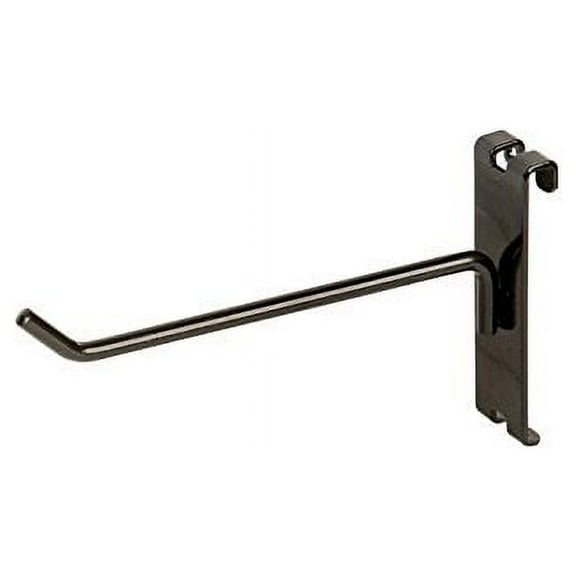
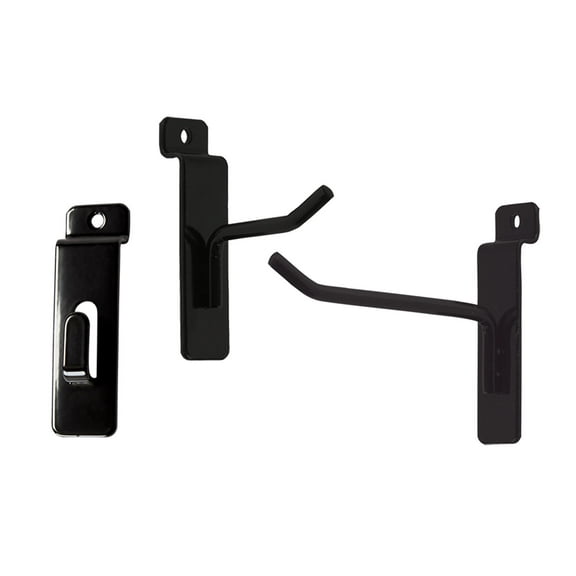
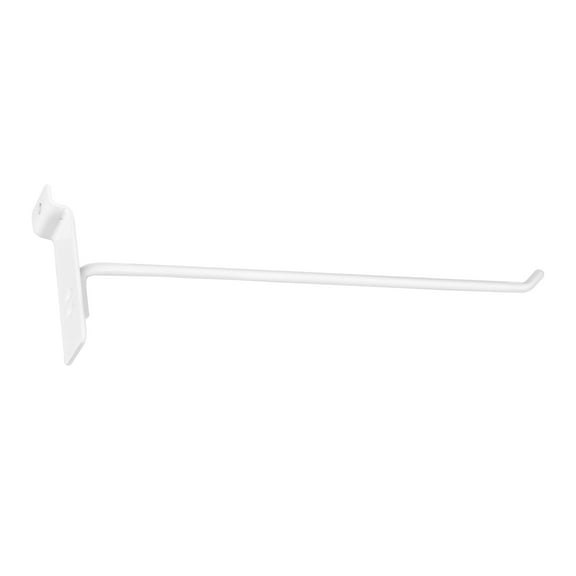
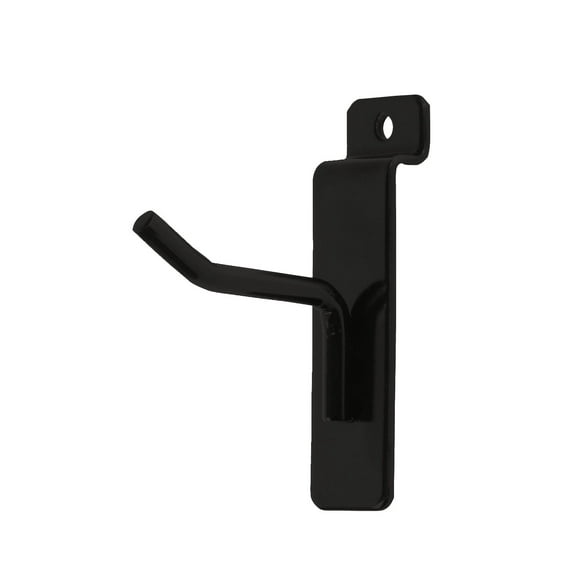
You should also compare hook styles by how your merchandise hangs and how shoppers view each item. You can use single prong hooks for many packaged goods, while double prong styles help you present wider items with steadier support.
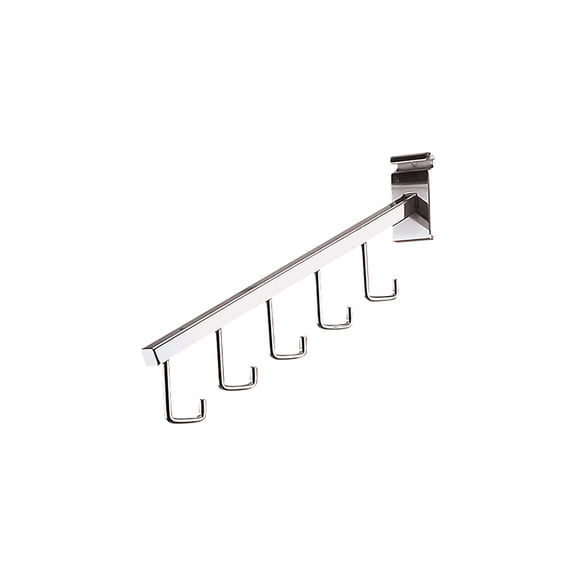
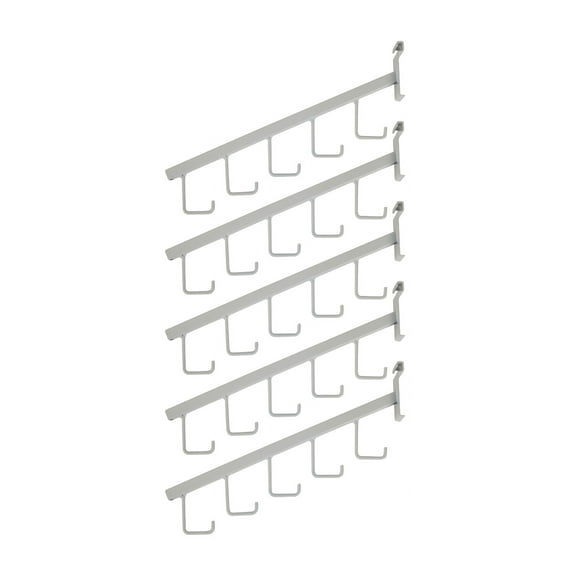
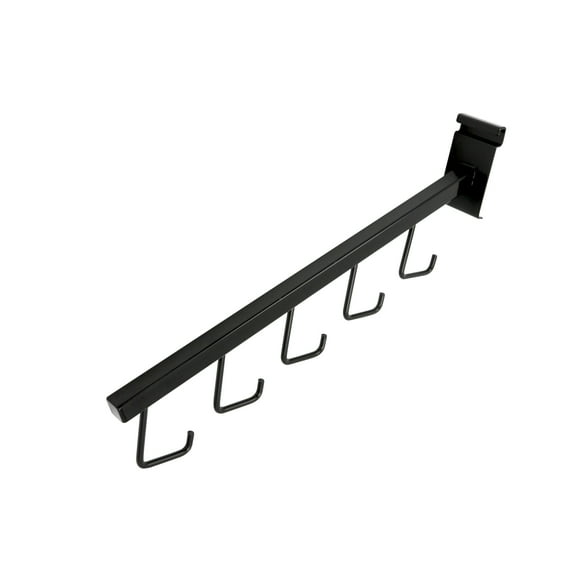
Scanner hooks help you pair hanging inventory with label holders, so your aisle stays easy to read. Waterfall hooks let you stagger apparel or accessories, which gives your display more vertical separation.
- You can match hook length to package depth and the number of items you want on each peg.
- You can choose heavier wire gauge when your display includes denser merchandise or frequent restocking.
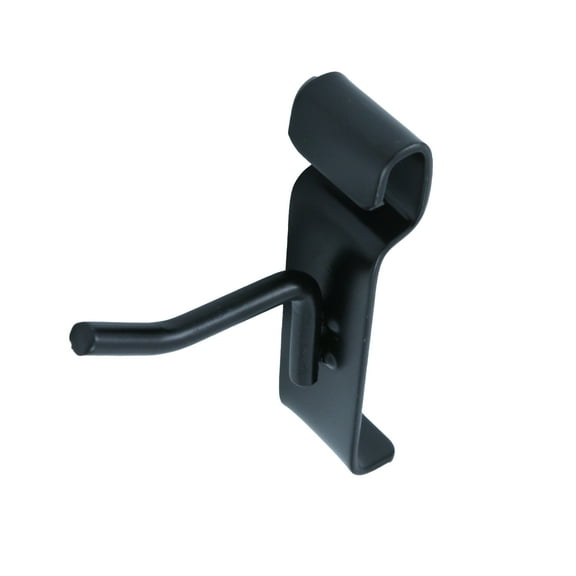
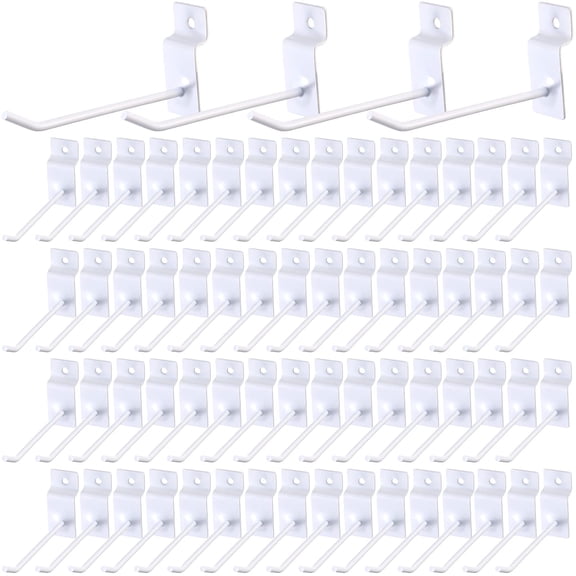
- You can compare chrome, black, and white finishes based on fixture style and day to day wear.
- You can look for cross compatible options when your setup includes gridwall, slatwall, or pegboard sections.
How to compare gridwall hooks by length, gauge, and finish
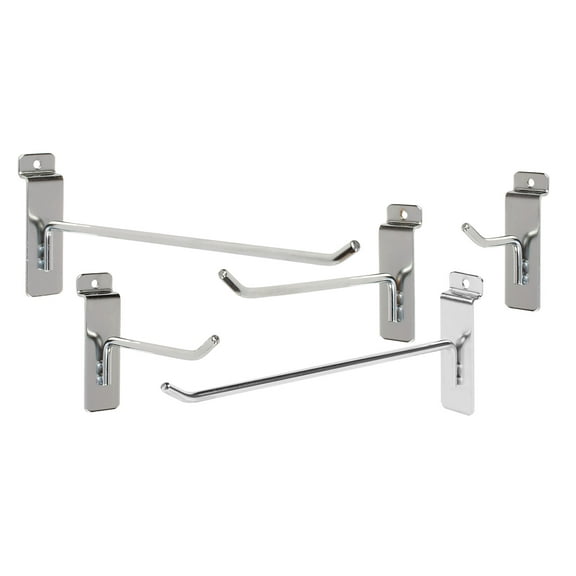
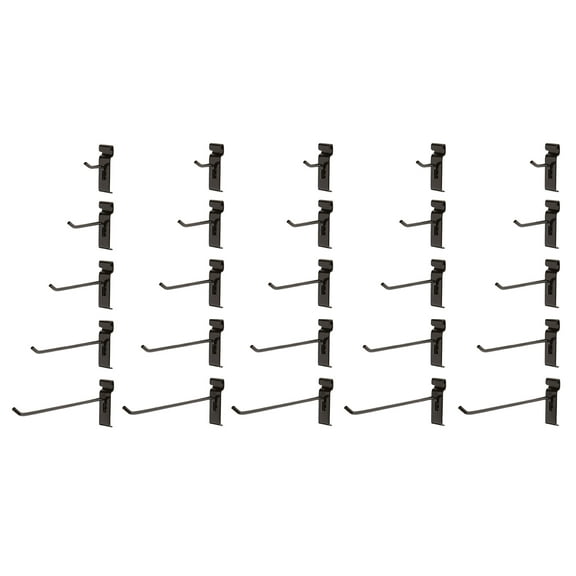
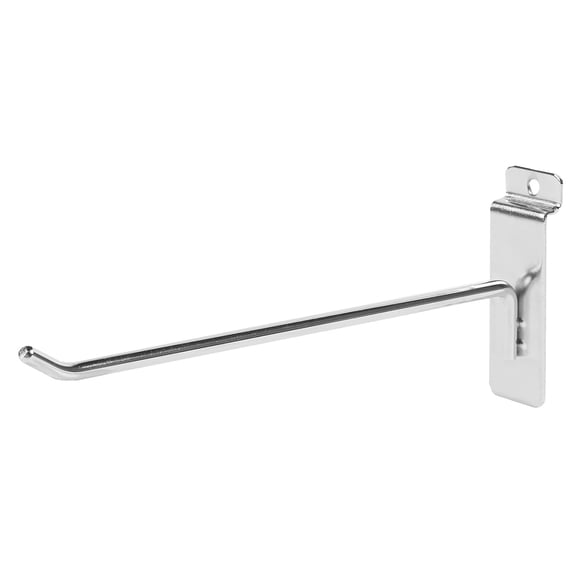
You should choose hook length based on how far products need to extend from the panel. A 4 inch hook suits compact packs, while 6 inch and 8 inch lengths give you more room for common retail items.
If you need deeper presentation, you can move to 10 inch or 12 inch hooks for larger packages. You should measure product depth first, because extra length can affect aisle clearance and display density.
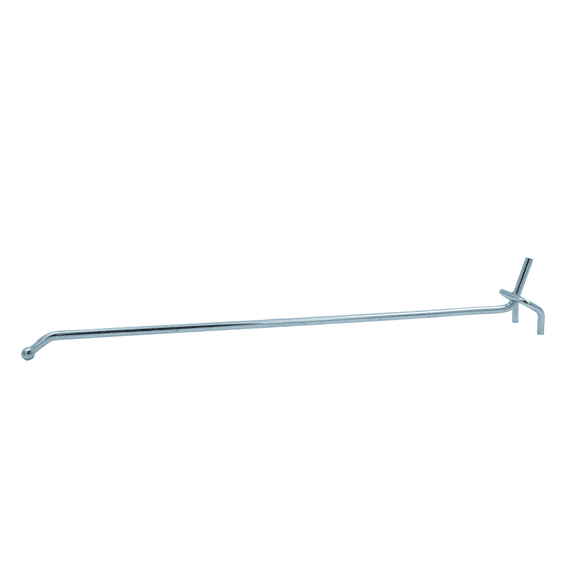
Wire gauge matters when you need a hook that keeps its shape under repeated use. You can think of light duty 1/8 inch wire for lighter items, while heavy duty 1/4 inch wire suits denser merchandise.
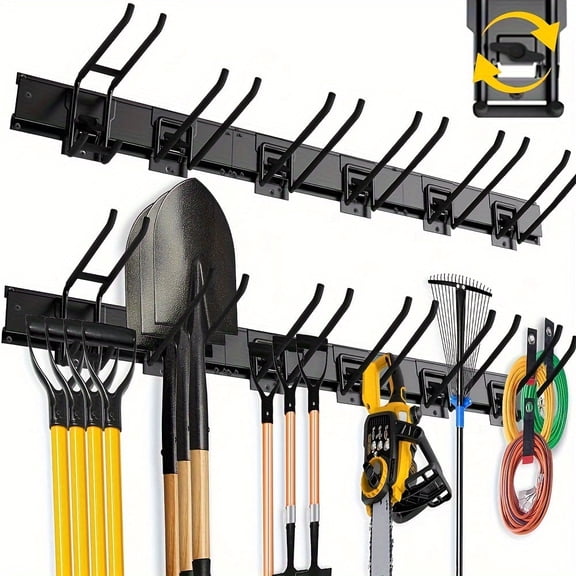
When you review gridwall pegs, you should connect wire thickness to the item category you plan to hang. You can often use thicker hooks for tools, bundled accessories, or products with heavier carded packaging.
Finish also changes how your fixture looks after repeated handling and cleaning. You can choose chrome when you want a bright retail look, while black or white coatings can blend with darker or lighter panel systems.
If you want your hooks looking new longer, you should compare coated surfaces and plated surfaces carefully. You can wipe finishes clean easily when you keep dust, residue, and shelf grime from building up.
How to install gridwall hooks securely
You should install gridwall hooks by aligning the back plate or prongs with the panel openings first. You can press the hook into place and seat it fully so it hangs level across the grid.
After placement, you should confirm the hook sits flush and doesn't tilt under light test weight. You can keep rows neat by spacing hooks evenly and checking that each one points straight outward.
If your display changes often, you should recheck fit after moving hooks between sections. You can maintain a clean presentation when each hook stays aligned with nearby rows and labels.
For peg hooks for gridwall, you should confirm whether the design also supports slatwall or pegboard before you buy. You can avoid setup delays when your hook type matches every fixture in your merchandising plan.
Choosing the right gridwall hangers for real display needs
You can use shorter hooks for travel items, small accessories, or compact packaged goods near checkout zones. You can use mid length hooks when you need a balance between product count and easy front facing.
Longer hooks work well when your display carries larger packs, seasonal merchandise, or backstock for steady traffic areas. You should pair those lengths with thicker wire when item weight rises or replenishment happens often.
If your display includes apparel, scarves, or hanging accessories, you may prefer waterfall hooks for a stepped presentation. You can separate sizes or colors more clearly when each item hangs on a visible tier.
If you need a cleaner label view, scanner hooks make sense for items with barcodes or shelf tags. You can keep pricing strips and product names easier to spot when labels sit directly at the hook.
For mixed fixture rooms, gridwall hangers with broader compatibility can simplify resets and expansion. You can move the same hardware between fixture types instead of managing separate bins of accessories.
When appearance matters, you should choose finish color with the panel and surrounding décor in mind. You can create a consistent retail wall when white, black, or chrome hooks match nearby components.
You can also build a reliable display when your panel hook choice reflects item size, weight, and fixture spacing together. You get a cleaner presentation, steadier support, and simpler replenishment when those details line up.