

4.5 Grinding Wheels & Grinder Wheels for Metal | Walmart






















About 4.5 Grinding Wheels & Grinder Wheels for Metal | Walmart - Walmart.com
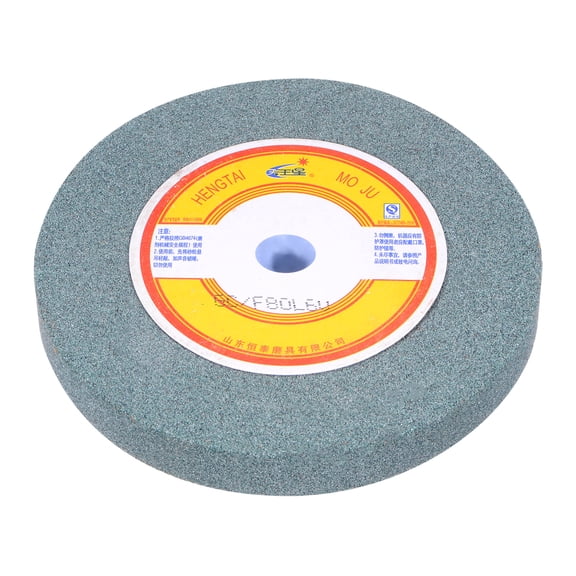
You can narrow your project faster with the right 4.5 grinding wheel for your angle grinder and your workpiece material. You can also spot key differences in diameter, wheel type, and grit that matter during grinding, sanding, or abrasive cutting.
When you compare grinding wheels at the category level, you can match your wheel to metal, steel, or masonry without guesswork. You can also find options in single wheel, kits, and multi-pack formats for repeat shop use.
How to choose a 4.5 grinding wheel
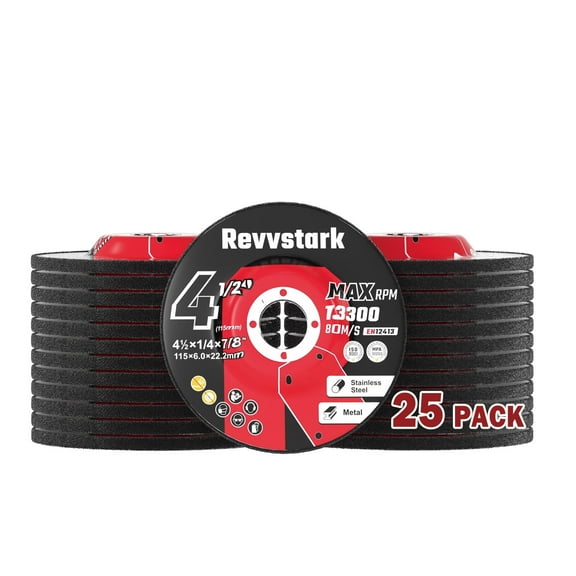
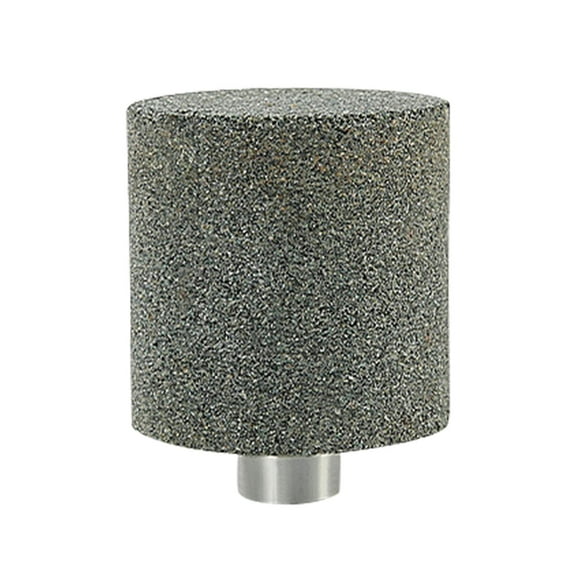
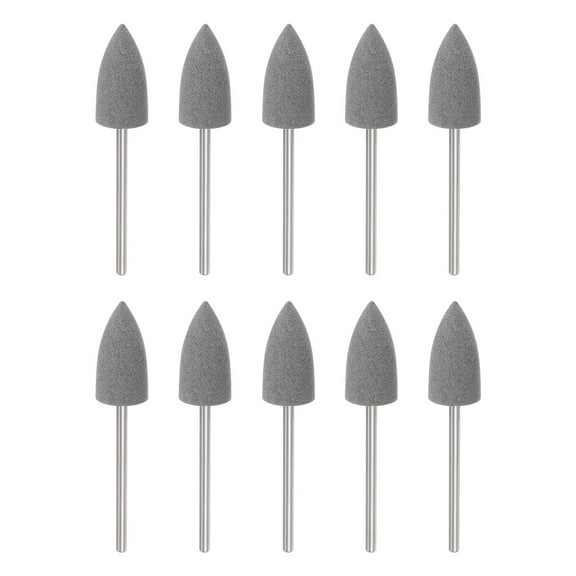
You should start with wheel diameter because your tool guard and spindle setup must match the wheel size. You can often choose a 2 inch grinding wheel for compact detail work, while 3 inch grinding wheels fit smaller tasks.
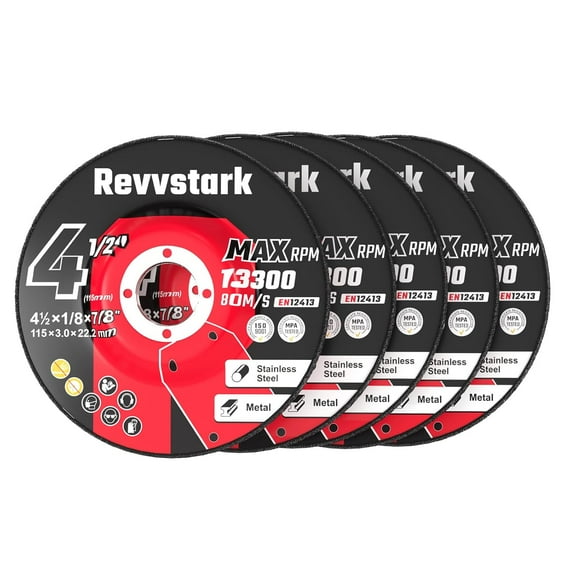
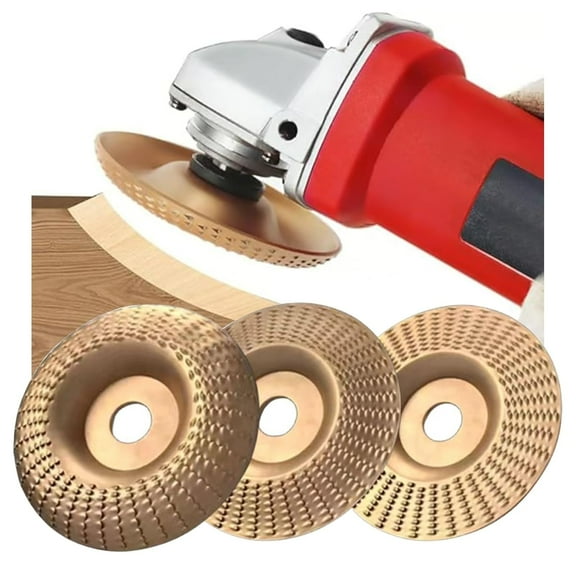
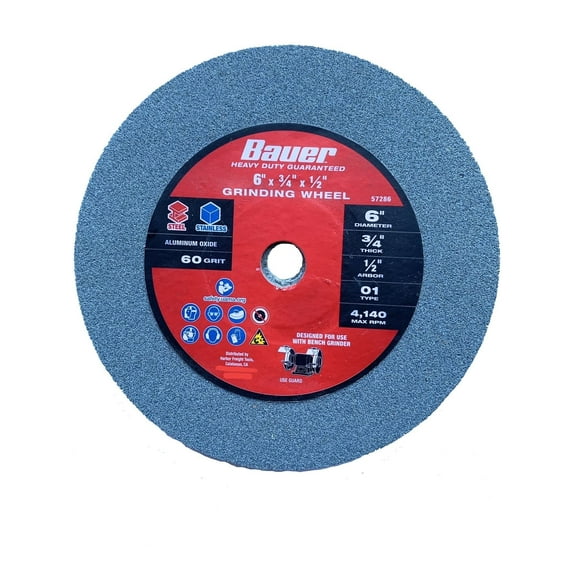
If you use a common angle grinder, you may prefer a 4.5 grinding wheel for broader surface contact and familiar fit. You should also check arbor size and maximum RPM before you mount any grinder wheel.
You can avoid poor fit by comparing the wheel label with your grinder specifications. You can get smoother operation when your arbor size, diameter, and RPM rating align with your tool.
What to look for in grinding wheels for metal
You should match the wheel to your workpiece because metal, steel, and masonry remove differently under pressure. You may want grinding wheels for metal when you’re smoothing welds, cleaning edges, or shaping steel stock.
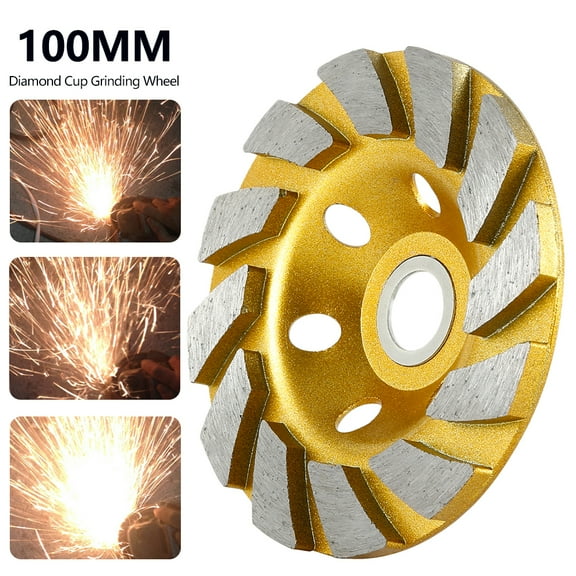
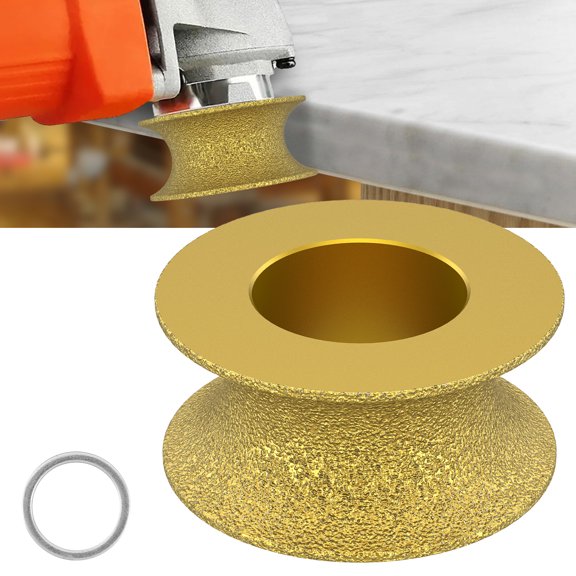
If you’re working on masonry, you should compare wheels made for harder, brittle surfaces instead of general metal use. You can get more consistent results when your abrasive material matches your project surface.
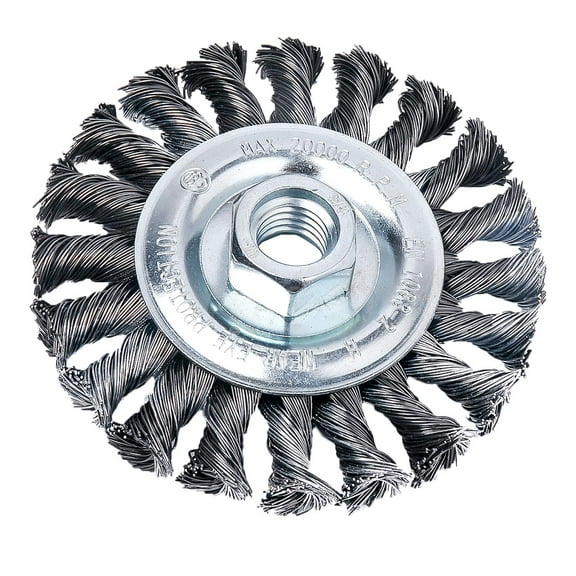
- You can use metal-focused wheels for weld cleanup, edge blending, and rust removal.
- You can compare masonry options when you’re shaping concrete, brick, or stone surfaces.
- You should check abrasive material, such as aluminum oxide or ceramic, for wear pattern and cut feel.
- You can choose single wheel, kits, or multi-pack formats based on how often you replace wheels.
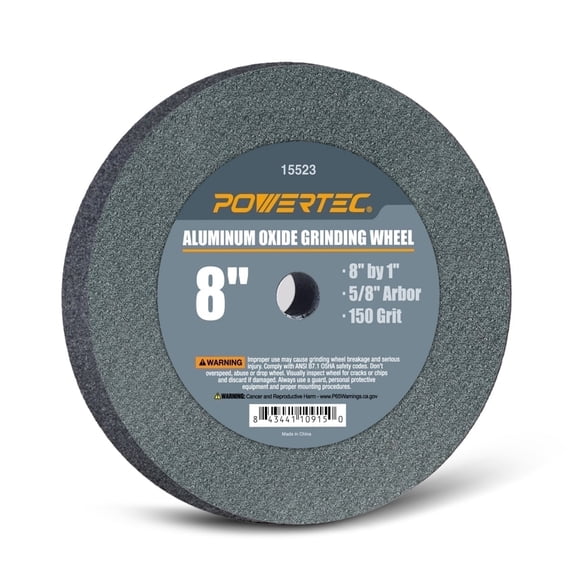
You may notice aluminum oxide wheels work well for many shop tasks and general grinding. You can compare ceramic options when you want longer wheel life during heavier stock removal.
You should think about lifespan in practical terms, not just wheel labels. You can spend less time changing accessories when your abrasive holds shape through repeated passes.
Choosing between grind wheel shapes and thickness
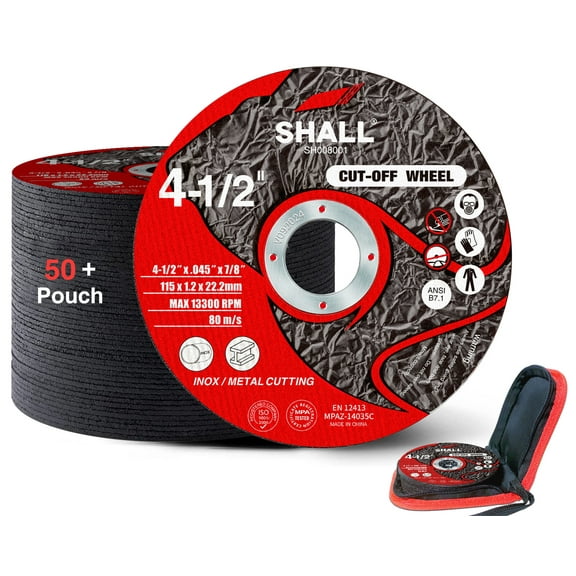
You should compare wheel type before you pick thickness because shape affects contact angle and cutting style. You may see Type 27 depressed center wheels for grinding, while Type 1 flat wheels suit straighter cutting paths.
If you’re blending surfaces, you may prefer a grind wheel with a profile that supports controlled edge contact. You may want a thinner wheel for abrasive cutting and a thicker wheel for tougher grinding passes.
You can also compare a grinder abrasive wheel by grit and bond. You can get faster material removal with coarser grit, while finer grit helps you refine the finish.
Key differences in grinder sanding wheel options
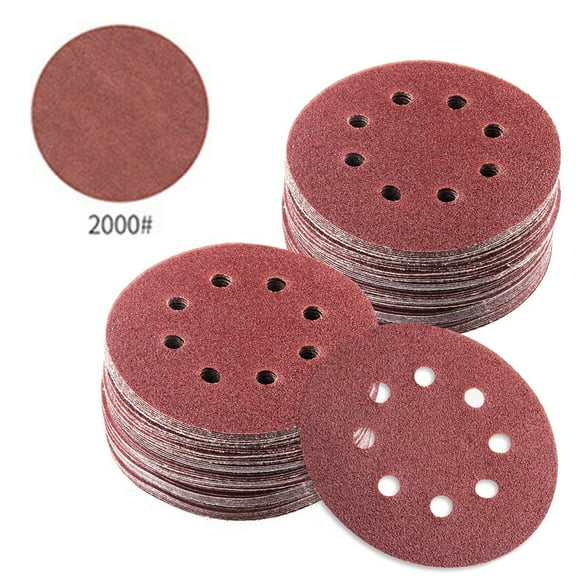
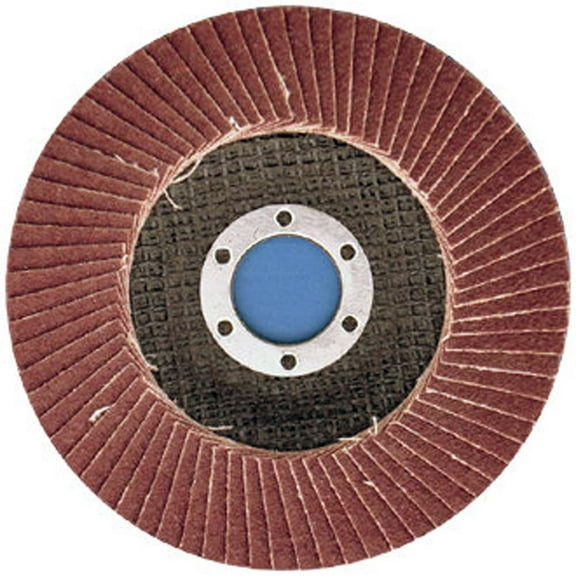
You may be deciding between a grinder sanding wheel and a traditional grinding wheel for surface prep. You may choose sanding styles when you want lighter material removal, smoother blending, or paint preparation.
If your project needs aggressive shaping, you should lean toward wheels built for grinding instead of finishing. You can switch to a sanding wheel for grinder tasks when your surface needs refinement after heavy removal.
You should also compare backing style and intended tool application across the category. You can find options aimed at grinding, sanding, and abrasive cutting, so your choice can follow your exact workflow.
Using wheel sizes and packs for real projects
You can use smaller diameters when your project has tight access points or narrow edges. You may reserve 3 inch grinding wheels or a 2 inch grinding wheel for detail-focused jobs.
If you’re handling common fabrication work, you may keep a 4.5 grinding wheel ready for everyday angle grinder use. You can move from weld cleanup to edge shaping with a size many shoppers already fit to their tool.
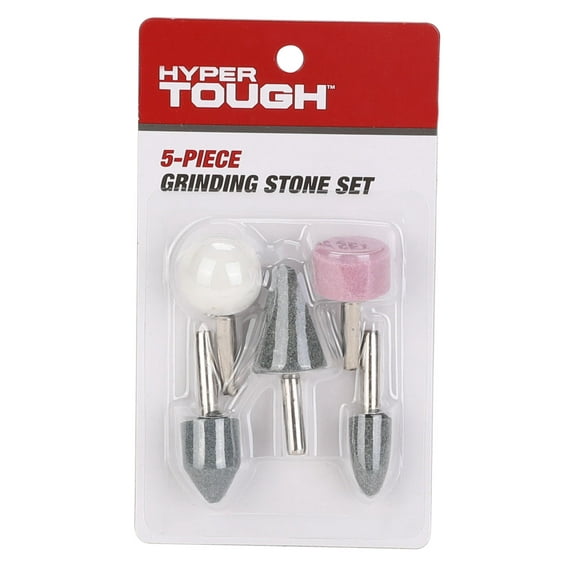
You should consider kits or multi-pack sets when you rotate through several grits or wheel types. You can reduce interruptions when you keep separate wheels for steel grinding, masonry work, and finishing passes.
For repeat garage or jobsite work, you can organize your setup by diameter, application, and material. You can make faster decisions when you sort your grinding wheels by size, grit, and intended use.
You can shop this category with more confidence when you compare diameter, arbor size, RPM rating, and wheel type together. You can end up with a wheel that fits your grinder and gives your surface the finish you expect.