




Hamster Supplies & Accessories


























About Hamster Supplies & Accessories - Walmart.com
Hamsters need a setup that fits daily movement, nesting, and feeding. You can compare hamster supplies by cage size, bedding texture, food type, and play essentials.
How to choose hamsters and hamster supplies
When you shop for hamsters, you should match supplies to breed, life stage, and activity level. You’ll notice Syrian hamsters need larger habitats, while dwarf and robo hamsters need tighter bar spacing.
Before you choose a setup, consider how your hamster will eat, sleep, hide, and explore each day. You can build a highly useful habitat when your cage, bedding, wheel, and toys work together.
Choosing the right product type
You can start with product type because each category supports a different part of your hamster’s routine. You may need hamster cages for housing, hamster food for daily feeding, and hamster bedding for nesting.
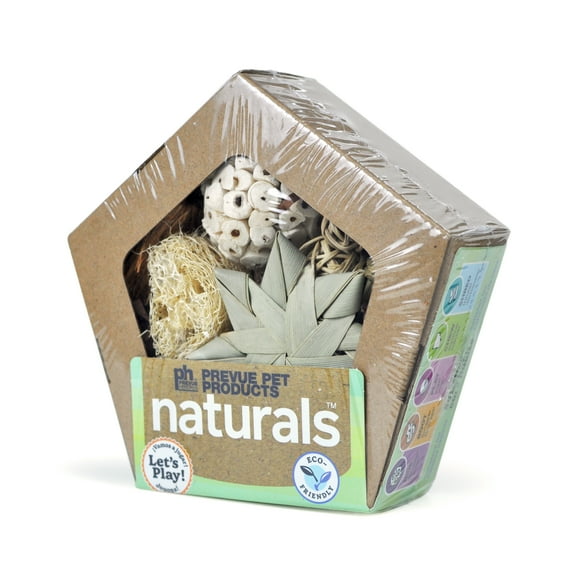
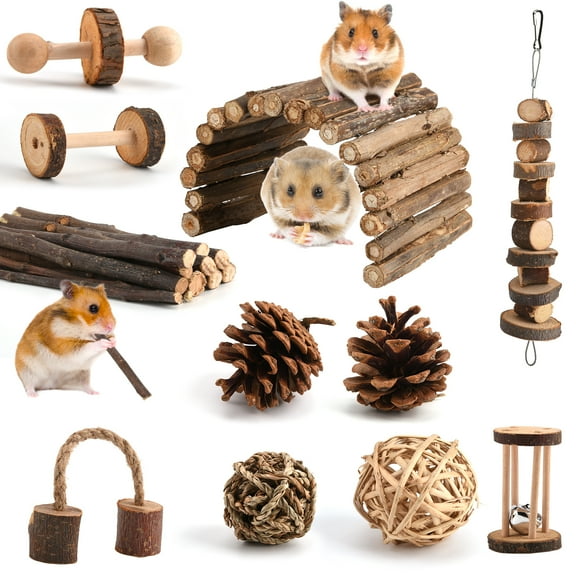
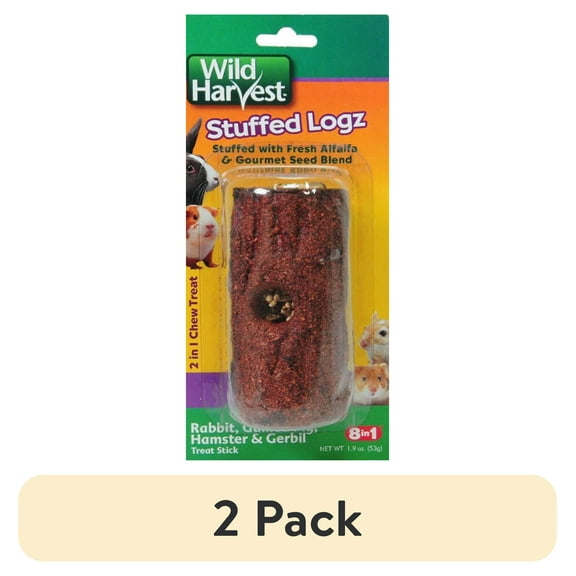
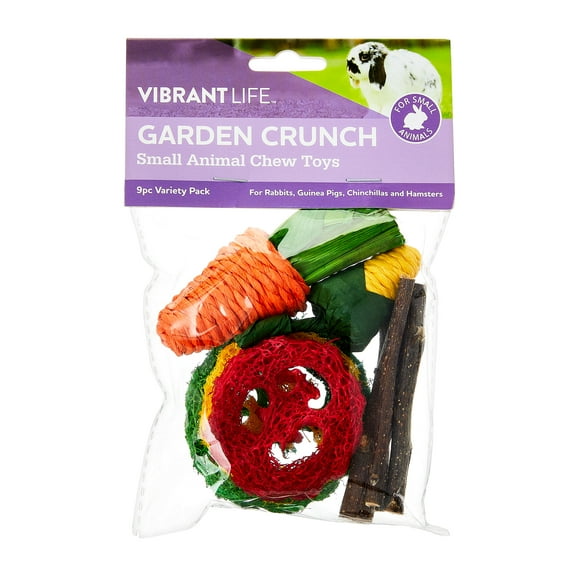
Wheels and toys add movement and enrichment that fit small animal habits. You can also compare tunnels, chew pieces, and dwarf hamster toys when you want added activity options.
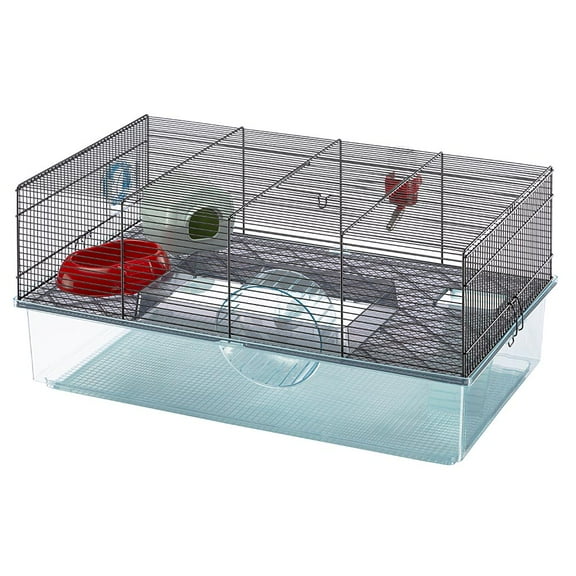
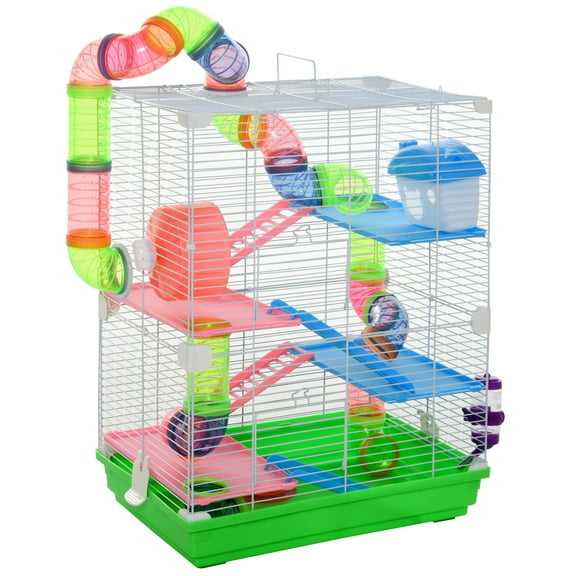
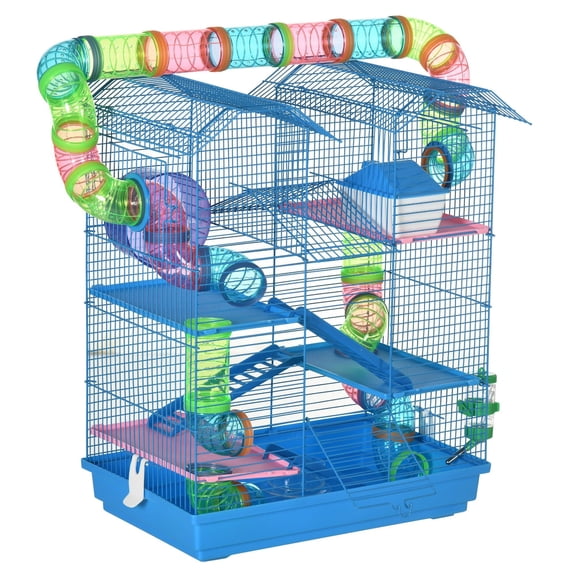
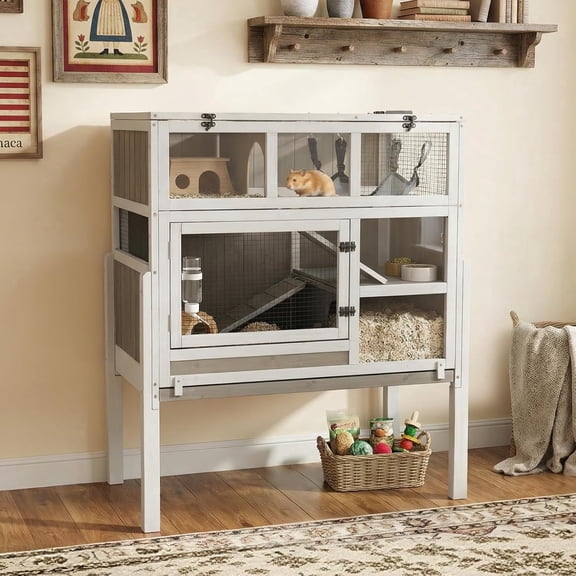
- You can use hamster cages to create room for hideouts, food dishes, and exercise wheels.
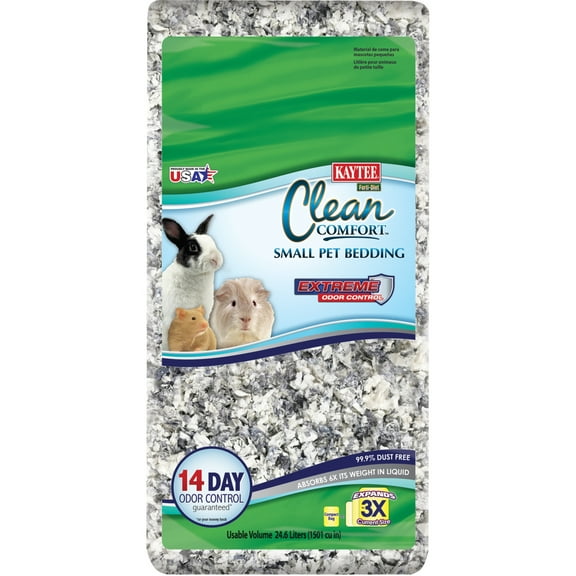
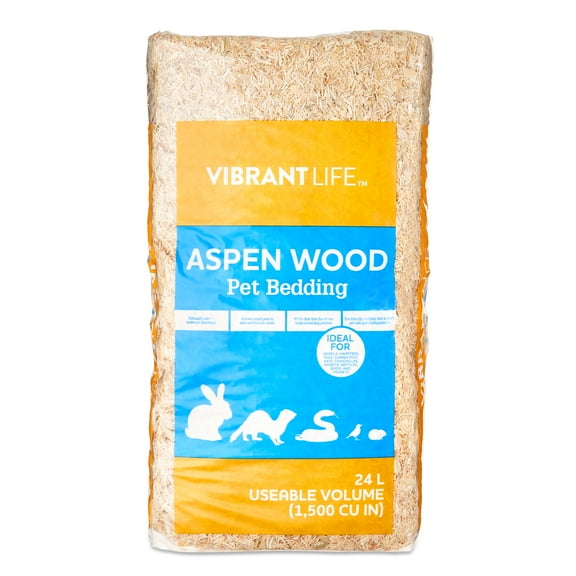
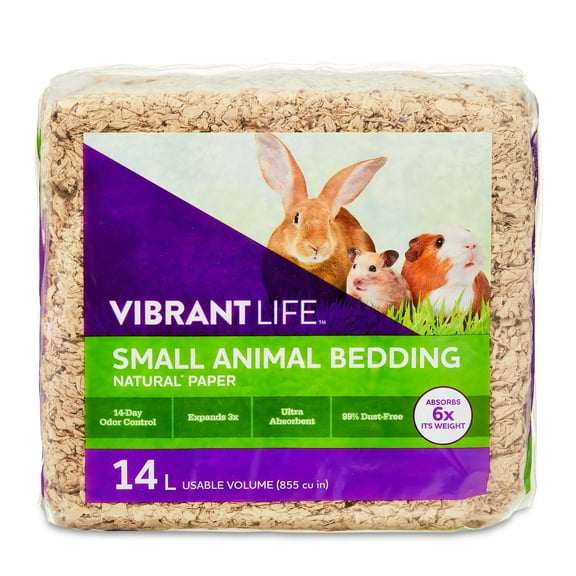
- You can choose hamster bedding that supports burrowing, nesting, and simple spot cleaning.
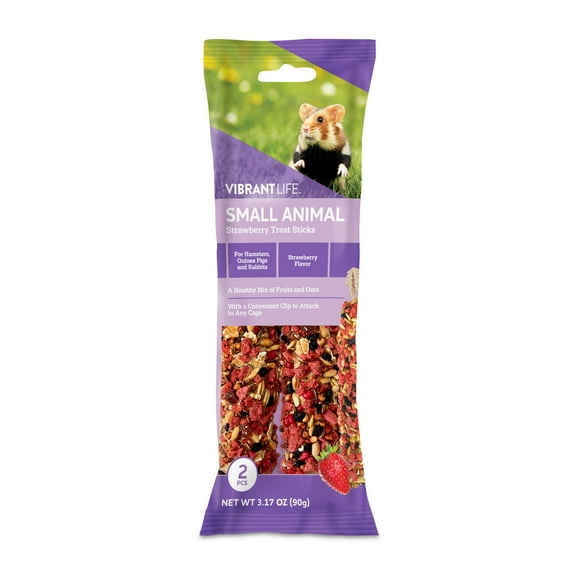
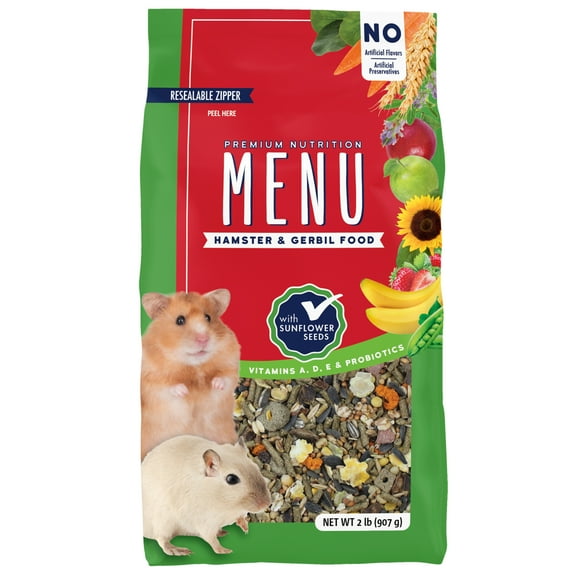
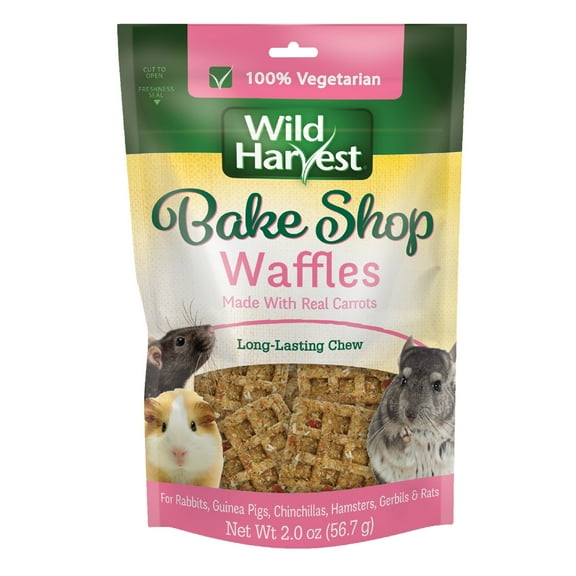
- You can pick hamster food blends with pellets, seeds, or mix-ins for daily feeding.
- You can add wheels and toys that give your hamster places to run, climb, and chew.
Choosing the right hamster cages
You should compare cage size first because floor space changes how your hamster moves each day. You’ll also want to check whether the layout leaves room for a wheel, hideout, and food area.
If you’re buying for dwarf hamsters, look for bar spacing under 0.5 inches. You can reduce escape gaps by checking wire spacing before you choose wire habitats.
You may also compare plastic, wire, glass, and wooden designs by cleaning routine and airflow. You’ll often prefer wire for ventilation, glass for visibility, and plastic bases for deeper bedding.
What to look for in hamster food and bedding
You should compare hamster food by protein and fiber balance, not just package size or shape. You can look for daily feeding options that support steady eating habits and easy portioning.
For baby, adult, and senior pets, you may want food textures that match chewing comfort and feeding style. You can keep routines simpler when food format fits your hamster’s age and preference.
With hamster bedding, you should compare paper-based and aspen options for softness, absorbency, and nesting texture. You should skip cedar and pine choices when you want bedding commonly preferred for hamster habitats.
Paper-based bedding can give you a softer feel and easier burrow shaping. Aspen can give you a natural texture if you want a different nesting material.
How breed affects your choices
You should match supplies to hamster breed because size changes habitat and accessory needs. You’ll usually need added wheel and floor space for Syrian hamsters than for dwarf or robo hamsters.
For dwarf hamster toys, you may prefer smaller tunnels, lighter chew toys, and compact hideouts. You can keep layouts easier to navigate when accessories fit smaller bodies and quicker movement.
If you’re setting up for a Syrian hamster, check whether entrances, houses, and wheels feel roomy enough. You can avoid cramped layouts by measuring accessories before placing them in the habitat.
Comparing materials and wheel sizes
You can compare plastic, wooden, wire, and glass materials by maintenance, look, and use. You may like plastic for simple cleanup, while wooden toys can add texture for chewing and climbing.
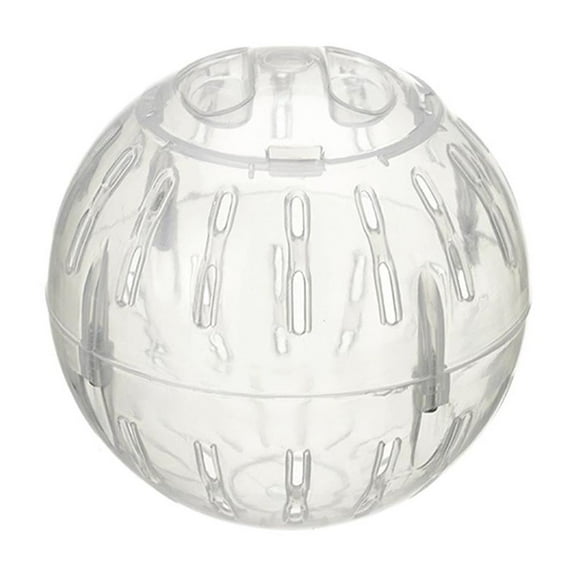
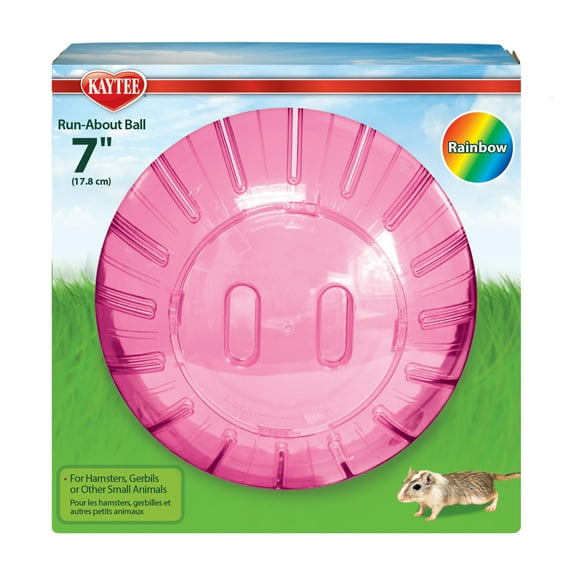
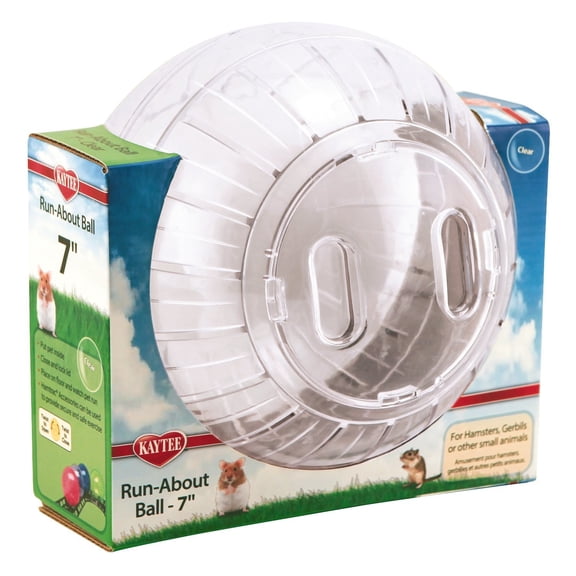
Wheel size matters because your hamster should run with a natural posture. You should look for at least 8-inch wheels for dwarfs and 11-inch wheels for Syrians.
Those measurements give you a practical starting point when you compare exercise options. You can build a comfortable setup when wheel diameter matches your hamster’s body size.
Use cases for daily care and habitat setup
If you’re creating a first habitat, you can start with hamster cages, bedding, food, and one correctly sized wheel. You’ll have an easier setup when core supplies match your hamster’s breed and age.
For active pets, you can rotate toys, tunnels, and chew items to vary the layout. You may also add dwarf hamster toys in smaller footprints when space inside the cage feels limited.
If you’re updating an existing habitat, you can compare new bedding textures or food blends without changing the whole setup. You’ll keep care routines more consistent when changes happen one category at a time.
For multi-part habitats, you can use materials and accessories that fit your cleaning style and space. You’ll make informed long-term choices when you measure cage dimensions, wheel clearance, and bedding depth first.
You can feel confident choosing hamster supplies when each item fits your pet’s breed, age, and daily routine. You’ll create a practical habitat when cage spacing, wheel size, bedding, and food work together.