

Hand Tools
Shop by category
Shop by brand
FAQ
About Hand Tools - Walmart.com
Basic hand tools help you handle everyday fixes, assembly, and repairs with steady control. You can compare tool types, sizing, and set options here for home, garage, and jobsite tasks.
Choosing the right basic hand tools
When you compare basic hand tools, you should start with the jobs you handle most often. You may need screwdrivers for furniture, pliers for gripping, and hammers for hanging or light demolition.
Your toolbox may also need wrenches and sockets for fasteners in appliances, bikes, or vehicles. You can build around those core pieces and avoid gaps that slow down simple repairs.
For many households, manual and hand-powered tools give you direct control in tight spaces. You can turn, grip, strike, and tighten without cords, batteries, or charging downtime.
- You can use screwdrivers for slotted, Phillips, and precision fasteners in furniture, hardware, and electronics.
- You can choose pliers for gripping, bending, and holding small parts during repairs or installation.
- You can rely on hammers for driving nails, removing trim, and handling general home projects.
- You can keep wrenches and sockets ready for bolts, nuts, and routine automotive or equipment work.
How to compare tool types, sizes, and sets
You should match tool type to task before you choose materials or set size. You may want individual tools for replacements, or multi-piece sets for broader household coverage.
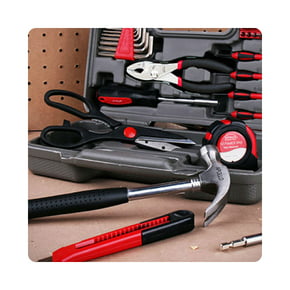
Set completeness matters when you want one kit for common fixes around your home. You can pick homeowner tool kits when you need screwdrivers, pliers, hammers, and sockets in one place.
Sizing is a major decision when you shop hand held tools for assembly or repair. You should compare SAE and metric measurements, because many fasteners fit only one system correctly.
Drive size also shapes how sockets and ratchets fit your projects. You can use common drive sizes to match compact household work or heavier automotive fasteners.
If you work on furniture and wall hardware, you may only need a focused group of essentials. You can choose a few individual tools instead of a large kit.
For garage tasks, you may want broader socket coverage and more wrench sizes. You can avoid repeat trips by choosing a set with compatible pieces.
What to look for in hand tool materials
You should check material and construction because they affect feel, durability, and long-term performance. You may notice chrome vanadium steel and carbon steel listed across many hand tools.
Chrome vanadium steel usually gives you a strong, durable feel for repeated turning and tightening. You can look for it when you want sockets or wrenches that handle frequent use.
Carbon steel can be a practical choice for many everyday tools in your kit. You may prefer it for general household tasks where straightforward strength matters.
Grip design also changes how your tools feel during longer projects. You can look for ergonomic rubber grips when you want a steadier hold and more comfort.
Your comfort matters when you tighten bolts, pull nails, or hold small parts for several minutes. You can keep steady control when handles feel secure and balanced.
You should also compare finish and construction details that affect upkeep in your workspace. You can choose tools that are easy to wipe clean after garage or workshop use.
Matching basic hand tools to your projects
You can match basic hand tools to specific jobs by thinking about surfaces, fasteners, and access. Your home DIY tasks may call for a hammer, pliers, and several screwdriver tips.
For automotive repair, you may need sockets, ratchets, and wrenches in SAE or metric sizes. You can work more smoothly when your sizing system matches the hardware exactly.
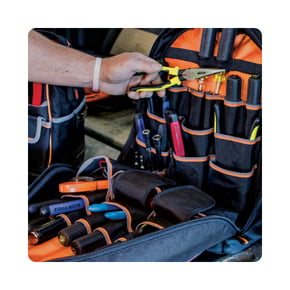
In professional construction, you may want durable hand tools that support repeated daily use. You can focus on sturdy construction, secure grips, and sets that cover common fastening tasks.
For precision electronics, you may want smaller screwdrivers and fine-control gripping tools. You can reach compact components more easily with the right shape and size.
If you move between home and garage projects, a multi-piece set can keep your essentials together. You can store commonly used pieces in one case for faster setup.
When you already own core tools, individual replacements can fill missing sizes or worn favorites. You can expand your kit without duplicating pieces you rarely use.
What are basic hand tools for everyday use
You may ask what are basic hand tools when you're building a first toolbox. You can start with screwdrivers, pliers, a hammer, wrenches, and sockets for common tasks.
Those essentials help you assemble furniture, tighten hardware, hang items, and handle routine fixes. You can cover many everyday projects with a simple, well-matched set.
When you compare tools by type, size system, material, and set format, you can choose with more confidence. Your finished kit supports smoother repairs and more dependable results.