

1 Inch Nails & Hardware Nails















About 1 Inch Nails & Hardware Nails - Walmart.com
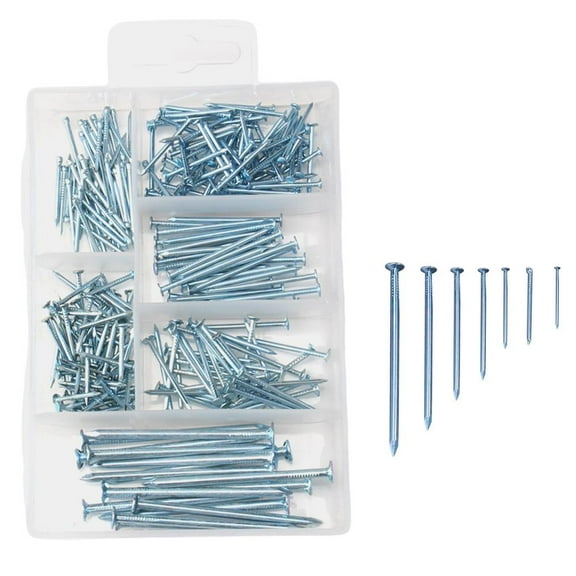
Hardware nails help you match the right fastener to framing, trim, roofing, and outdoor builds. You can compare nail types, finishes, shanks, and sizes, so your project fits together cleanly and securely.
How to choose hardware nails by nail type
You should start with nail type because each design fits a specific building task. You’ll usually see common nails, box nails, finish nails, brad nails, roofing nails, and siding nails.
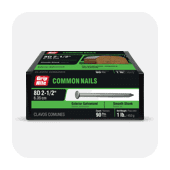
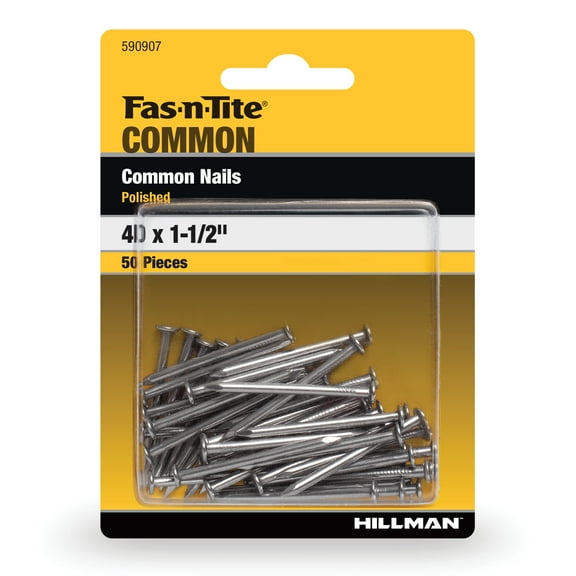
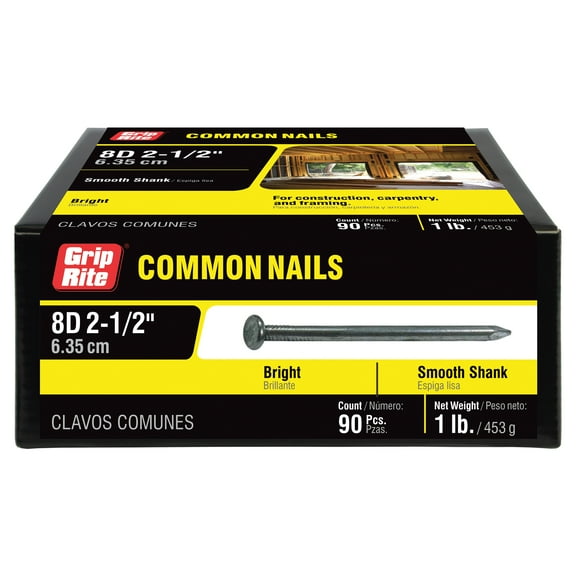
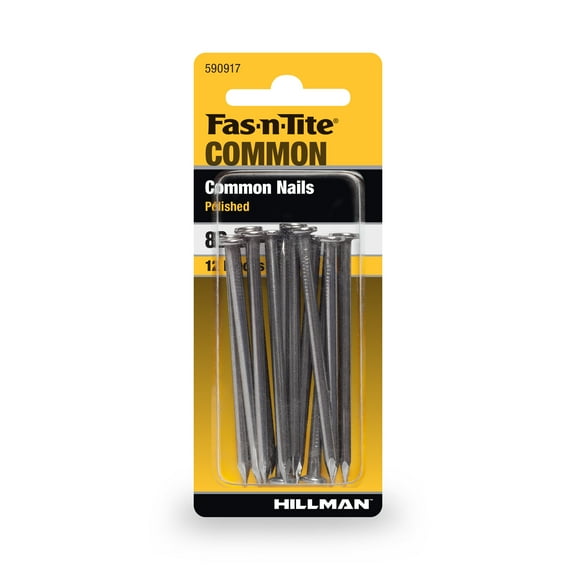
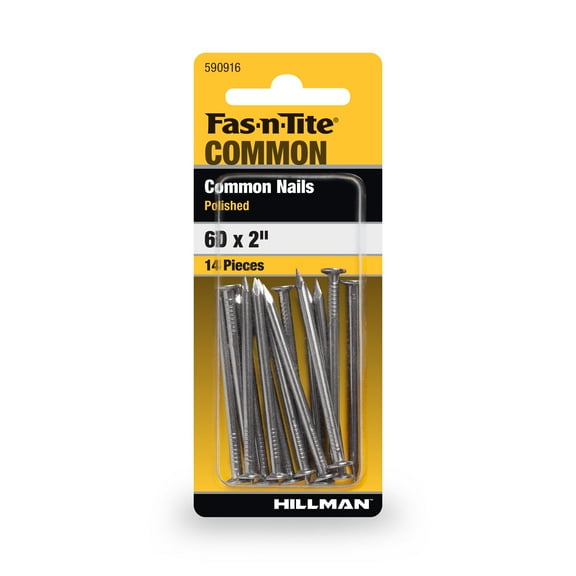
Common nails give you a thicker shank for general wood construction and framing jobs. Box nails give you a thinner shank, so you can reduce splitting in lighter wood pieces.
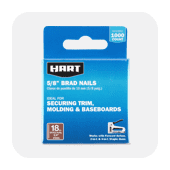
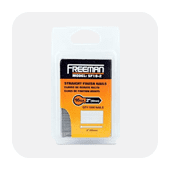
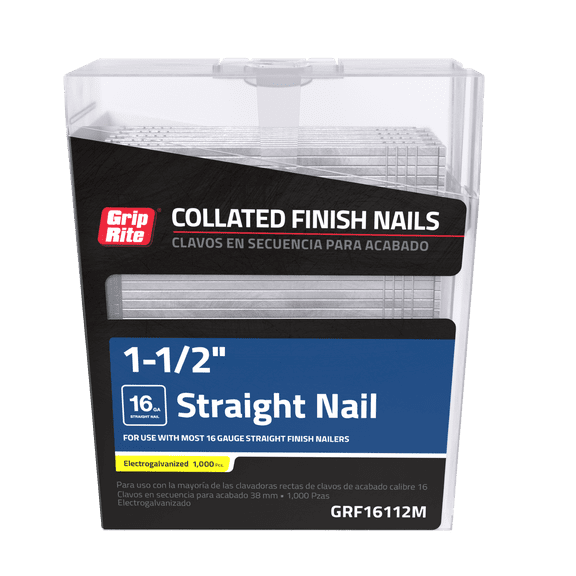
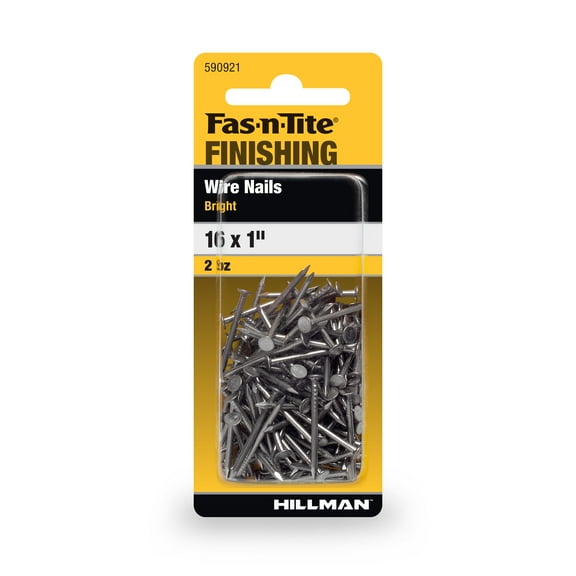
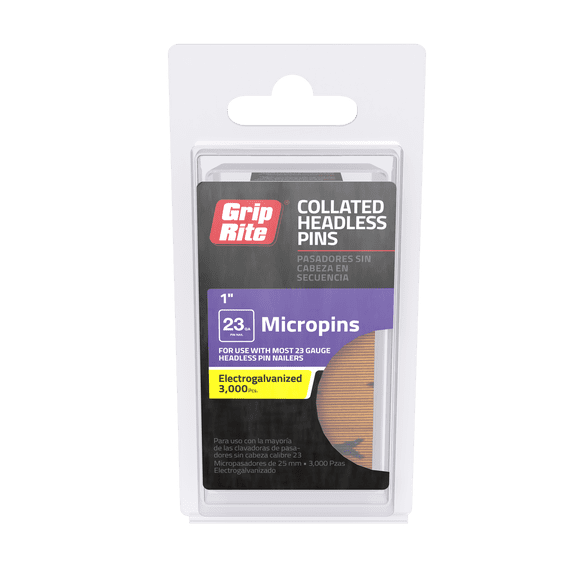
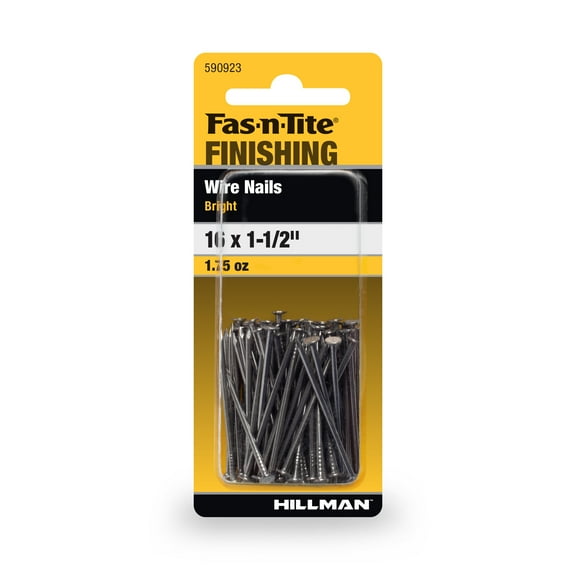
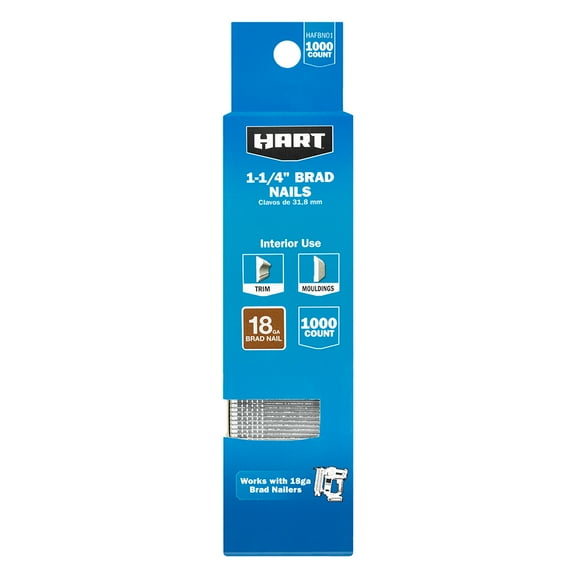
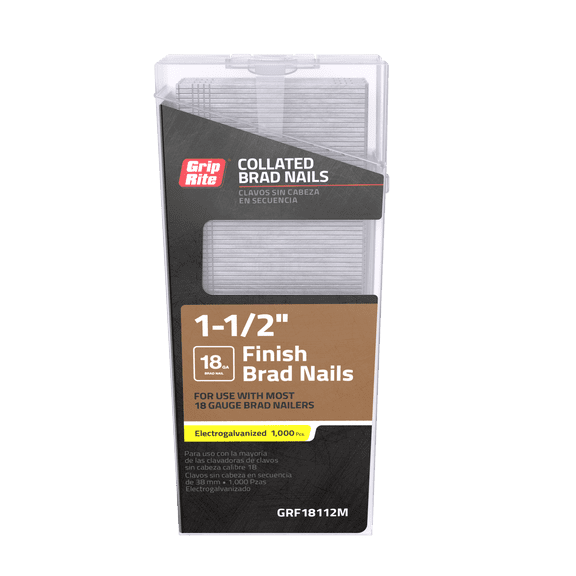
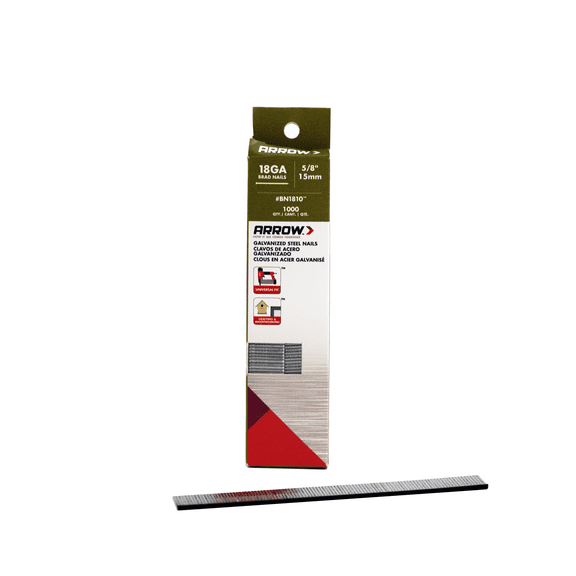
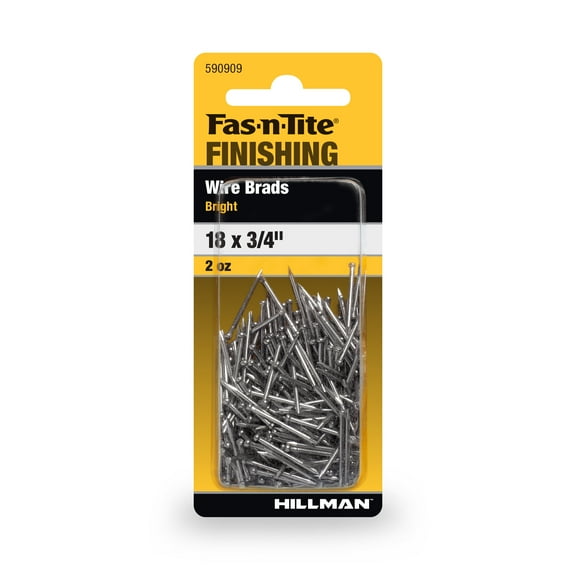
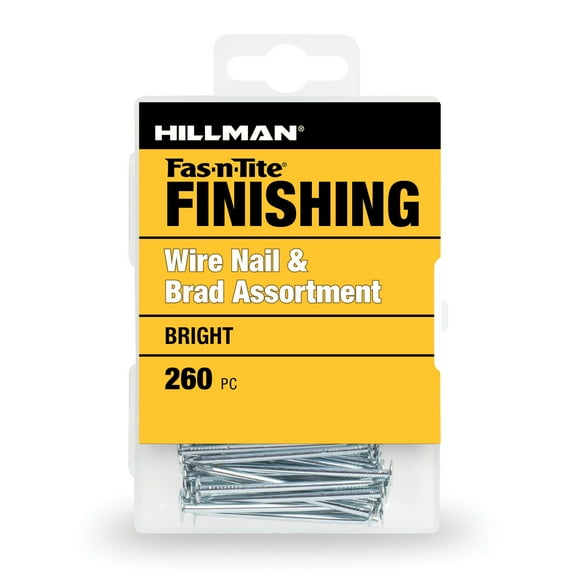
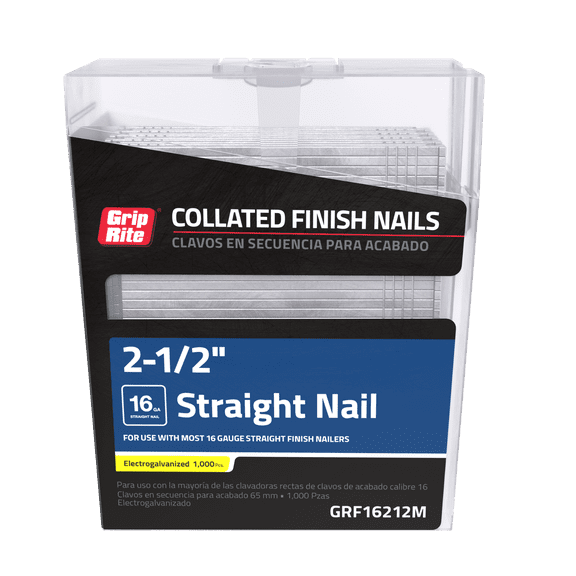
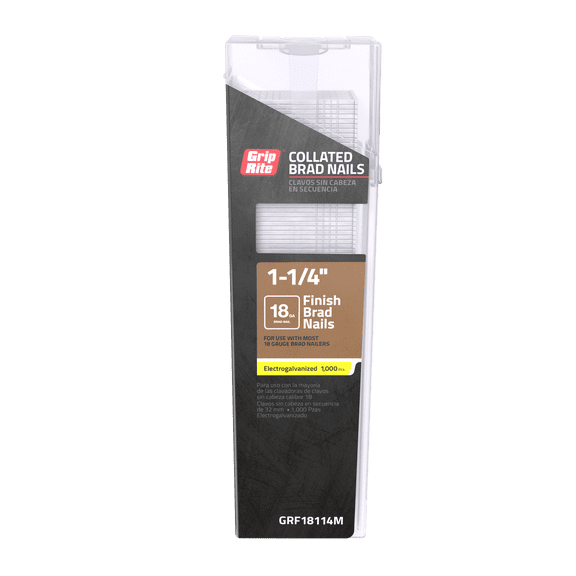
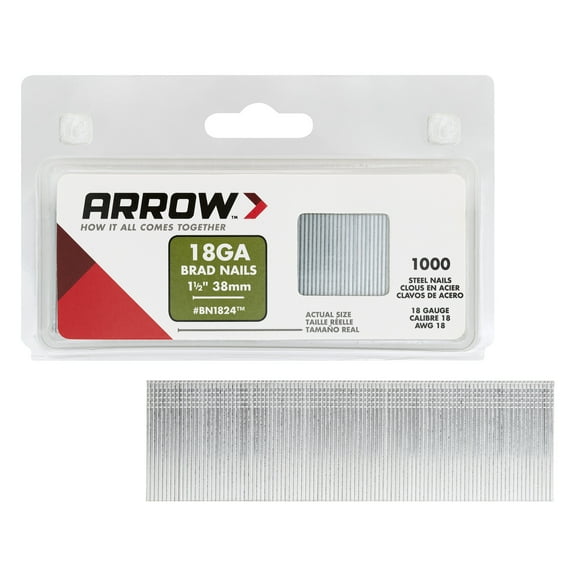
Finish nails help you attach trim, molding, and other visible woodwork with a smaller head. Brad nails suit lighter detail work, where you want a finer fastener for narrow trim pieces.
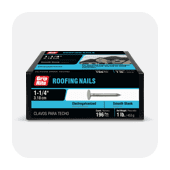
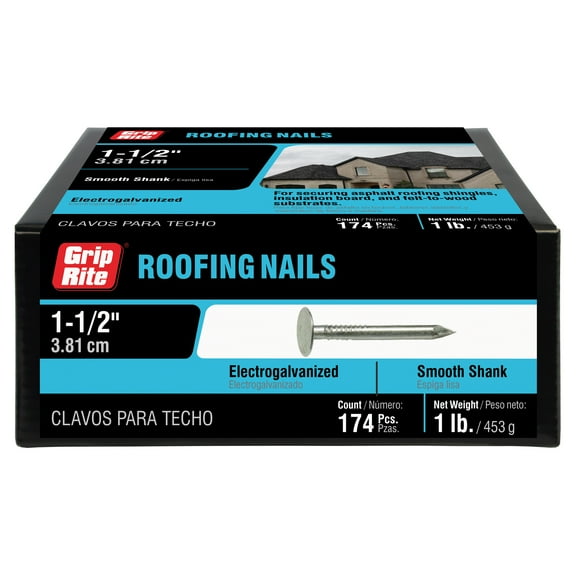
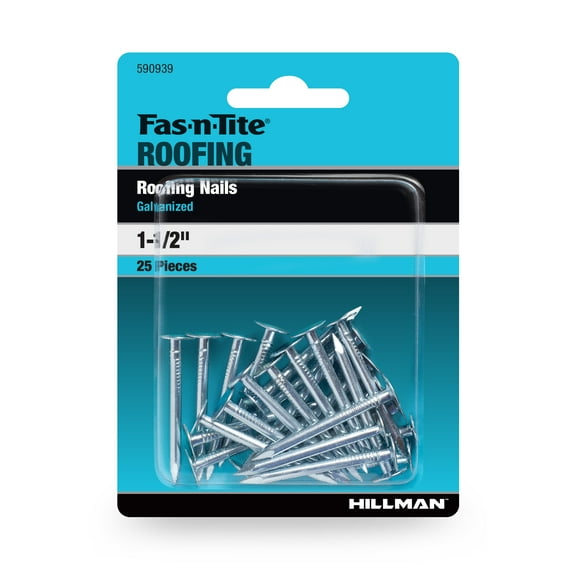
Roofing nails use a wider head that helps you secure shingles and roofing materials. Siding nails help you fasten exterior boards and panels with the hold your outdoor project needs.
- You can use common nails for framing, blocking, and general lumber work.
- You can choose finish nails for baseboards, casing, and interior trim.
- You can pick brad nails for detailed wood pieces and lighter molding.
- You can use roofing nails for shingles, underlayment, and roof repairs.
- You can select siding nails for exterior boards and outdoor trim.
Choosing the right material and finish
You should compare nail finish based on where your project will live. You’ll want bright steel for many indoor tasks, while galvanized nails support outdoor construction nails and exposed builds.
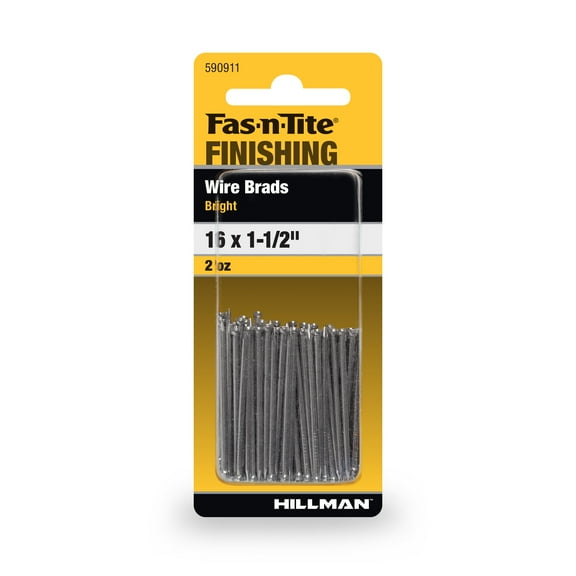
Bright steel nails work well when you need a standard finish for interior wood projects. You should check that your space stays dry, since bright steel isn’t meant for frequent weather exposure.
Galvanized nails add a protective coating that helps with decks, fences, siding, and other exterior jobs. You can use them when your lumber faces rain, humidity, or changing seasons.
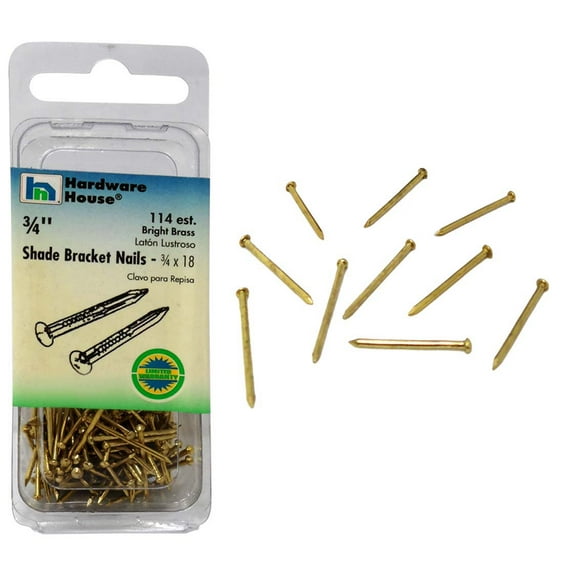
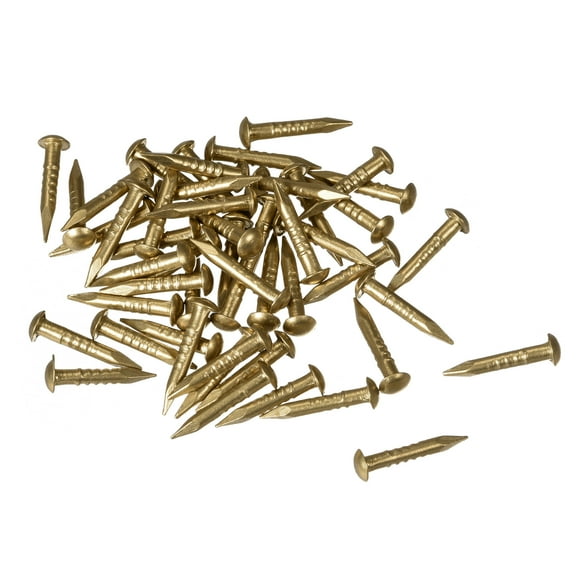
Stainless steel nails make sense when you need extra corrosion resistance in demanding outdoor settings. You may also consider copper or brass nails when your project calls for a specific appearance or material match.
Understanding shank style and holding power
You should look at shank style when you want the right balance of driving ease and grip. You’ll commonly compare smooth, ring, screw, and fluted shanks across many hardware nails.
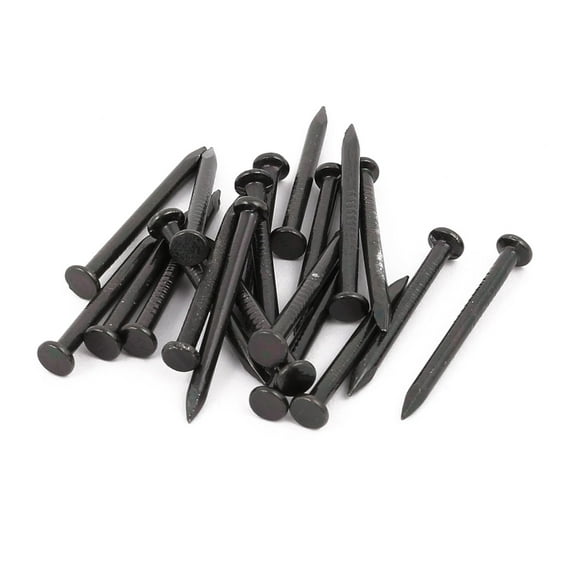
Smooth shank nails drive in quickly and suit many standard building tasks. You can choose them when you want a classic fastener for general wood connections.
Ring shank nails include raised rings along the body for added holding power in wood. You may prefer ring shank nails for subfloors, decking, or siding where movement matters.
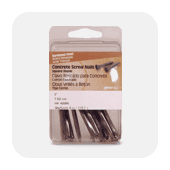
Screw shank nails twist as they drive, which can help you get a firmer grip in certain woods. Fluted nails often fit masonry or specialty applications where you need extra bite.
Checking length, penny size, and gauge
You should measure your material thickness before you choose nail length. You’ll often see one inch, two inch, three inch, and penny size markings from 2d to 16d.
Penny size tells you the nail length category, and it helps you compare common nails and framing nails quickly. You can use that system when plans or project guides list sizes in d markings.
You should also check gauge because nail thickness affects holding strength and wood splitting. A thicker nail may suit framing, while a finer nail may fit trim and finishing work.
Framing nails often come in lengths that support studs, joists, and structural wood connections. Finishing nails and brad nails usually come in smaller gauges for cleaner trim results.
Matching hardware nails to tools and projects
You should confirm whether you’re driving nails by hand or with a power nailer. You’ll need to check tool compatibility details like stick or coil format and collation angle.
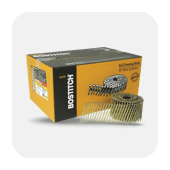
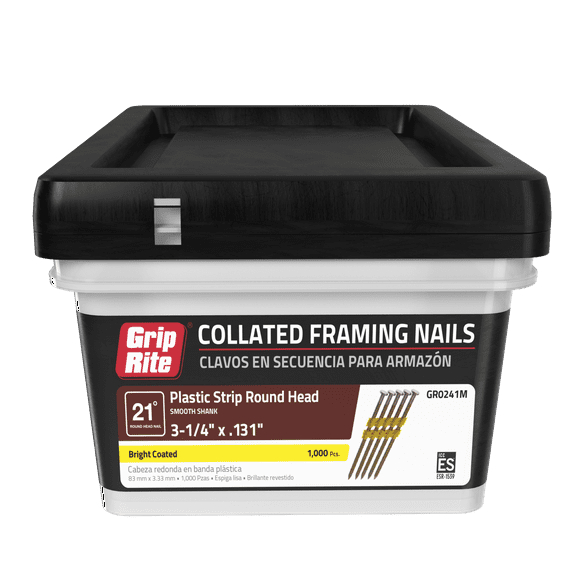
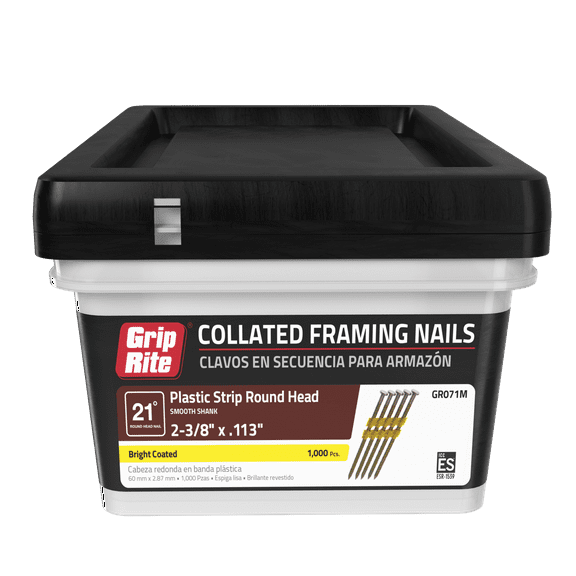
Framing nailers often use specific framing nails with set collation angles for proper loading. Roofing nailers usually take coil roofing nails, which support fast, repeated fastening across roof sections.
You should compare your nailer manual with the nail format before you choose a pack. You can avoid fit issues by checking angle, head style, gauge, and shank type together.
For woodworking and trim, you may reach for finish nails or brad nails that fit finish nailers. For exterior builds, you may choose galvanized nails or stainless steel nails that match weather exposure.
Using hardware nails for common project scenarios
You can use common nails or framing nails when you’re building walls, sheds, or other lumber structures. You’ll usually want a length and gauge that match the thickness of your framing stock.
When you’re installing molding, baseboards, or casing, finishing nails help you keep the surface neat. You can use brad nails for lighter trim pieces and smaller decorative details.
If you’re repairing shingles or working on roof layers, roofing nails give you the head style that roofing materials need. You should also check length so your fastener fits the roof assembly correctly.
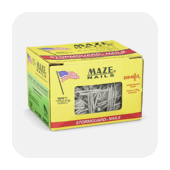
For decks, fences, and siding, galvanized nails support outdoor use with added weather resistance. You may choose ring shank nails when you want stronger grip in boards that face movement.
You can also compare related fasteners when your project calls for a different hold or installation style. You may want wood screws, drywall screws, or staples and brads for specific materials and tools.
With hardware nails, you can choose by type, finish, shank, and size with more confidence. You’ll get a closer match for framing, trim, roofing, and outdoor builds, which helps your project come together cleanly.