




Hearing Aids & Amplifiers: OTC Devices & Accessories































About Hearing Aids & Amplifiers: OTC Devices & Accessories - Walmart.com
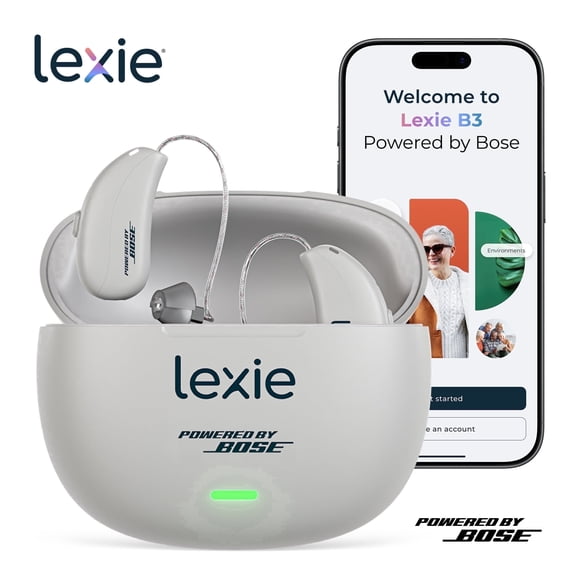
With OTC hearing aids, you can compare regulated hearing support and everyday listening options in one focused category. You can review device types, fit styles, charging choices, and connectivity features that fit your routine.
As you narrow down over the counter hearing aids, you can use clear buying criteria instead of guessing. You can compare FDA-cleared device types, behind-the-ear designs, and app-based controls in one place.
Choosing between OTC hearing aids and hearing amplifiers
One key decision starts with device type. You can compare OTC hearing aids with hearing amplifiers by looking at intended use and medical device classification.
With an OTC hearing aid, you’re choosing a category made for adults with mild-to-moderate hearing loss. You can look for FDA clearance, adjustable listening settings, and self-guided setup tools.
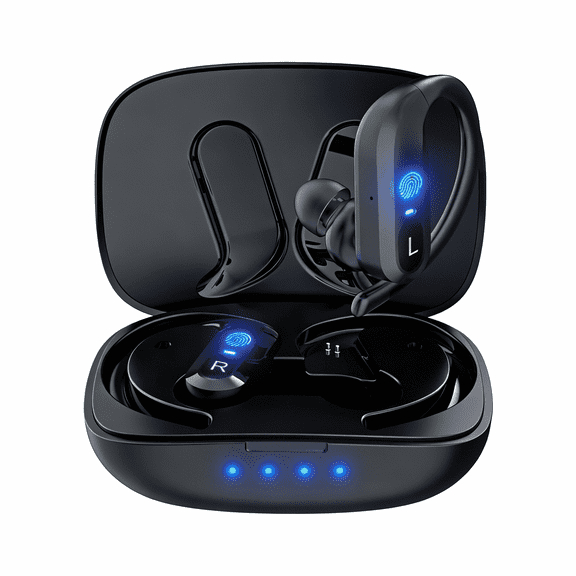
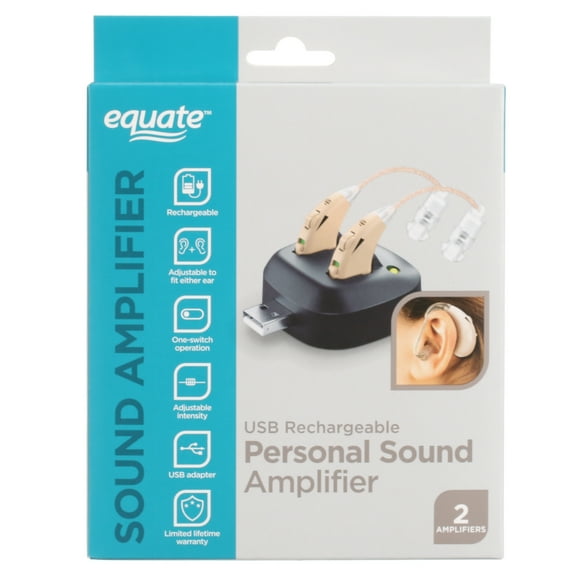
By contrast, hearing amplifiers raise surrounding sound for general listening. You may prefer that format for lectures, birdwatching, or other casual moments where you want added volume.
Another helpful checkpoint is product labeling. You can use package details to tell regulated support apart from sound amplifiers for hearing loss and general sound boosters.
- You can compare regulated OTC devices and general amplifiers with clearer decision points.
- You can narrow choices by speech support, casual listening, or simple controls.
- You can check FDA clearance details when you want a regulated device category.
- You can focus on hearing aids for seniors with easier handling and readable controls.
How to choose OTC hearing aids by fit, power, and controls
Fit style shapes how your device feels and how visible it looks during daily wear. You can compare behind-the-ear, in-the-ear, and in-the-canal options based on comfort and handling.
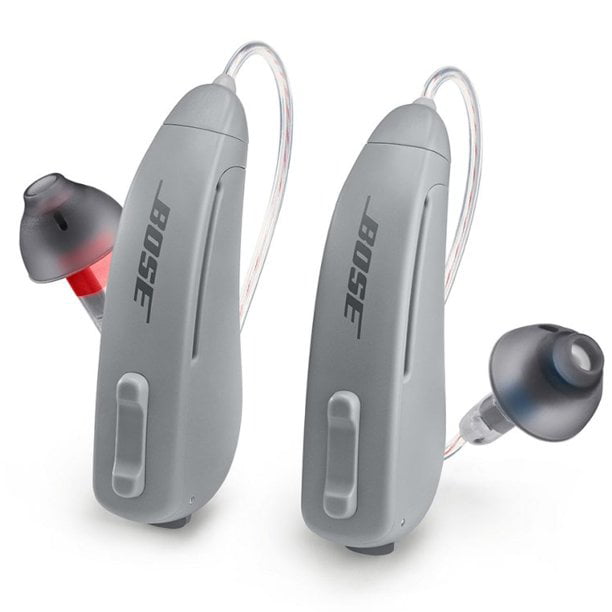
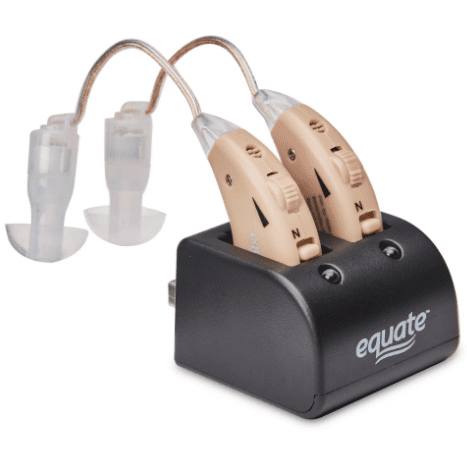
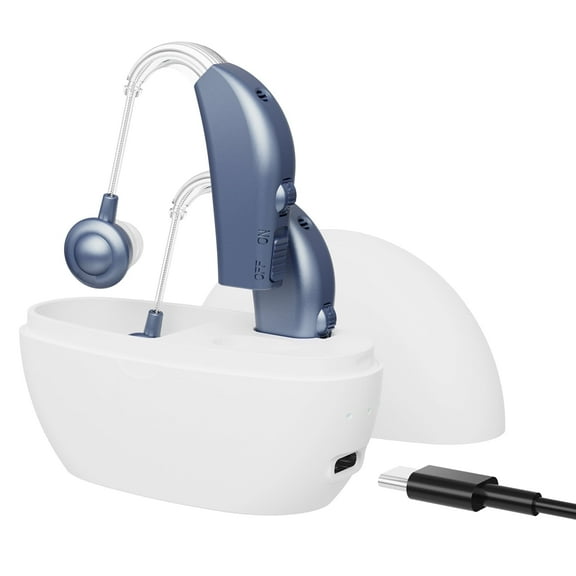
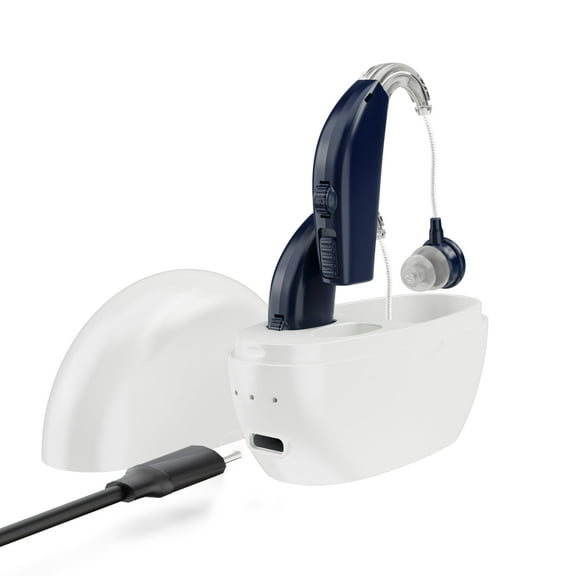
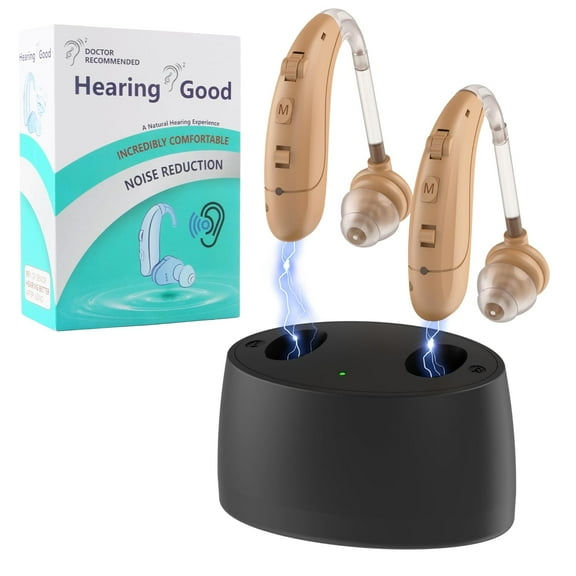
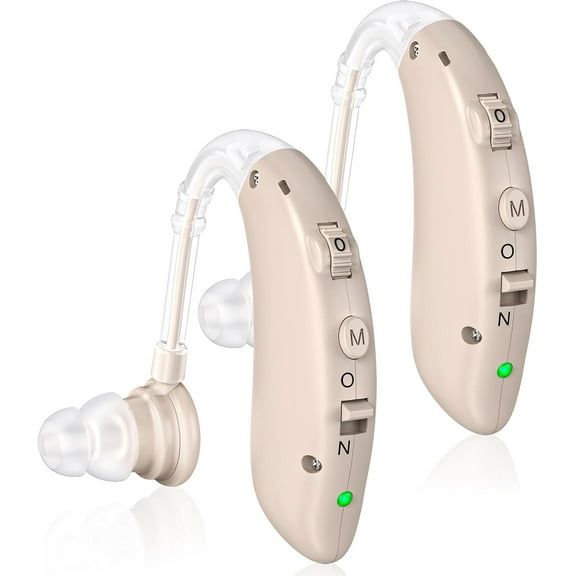
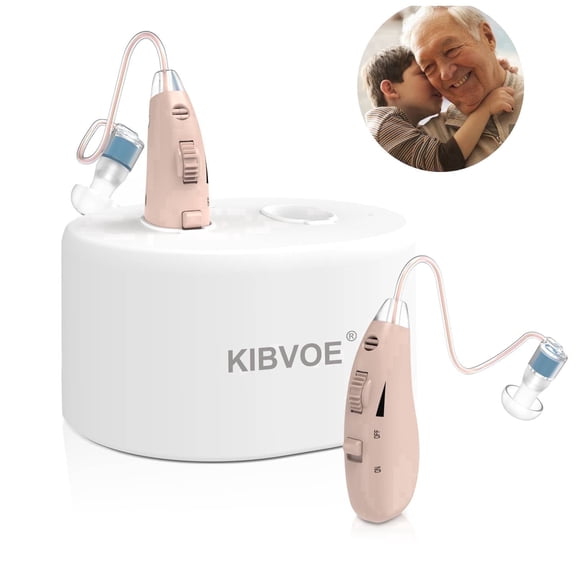
Behind-the-ear styles place the main body outside your ear with a connected earpiece. You may like that format when your priority is steady placement and larger outer controls.
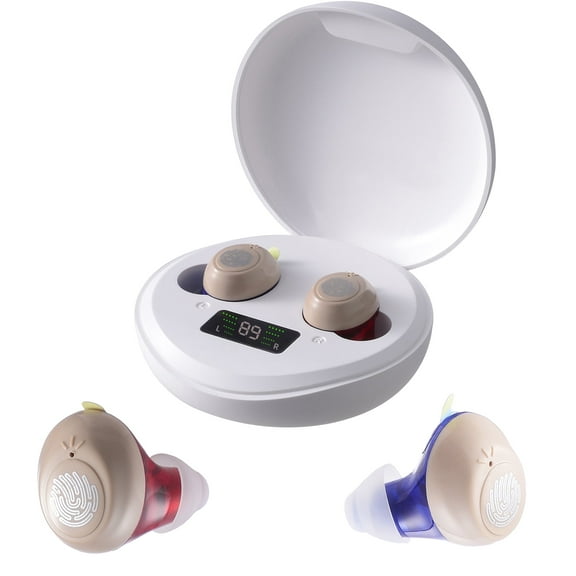
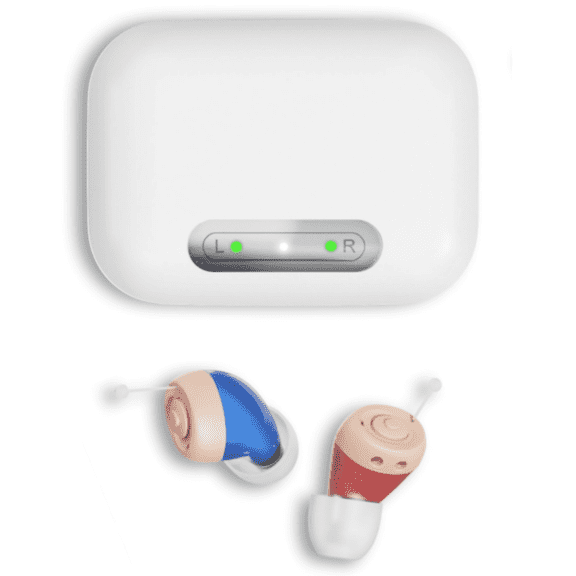
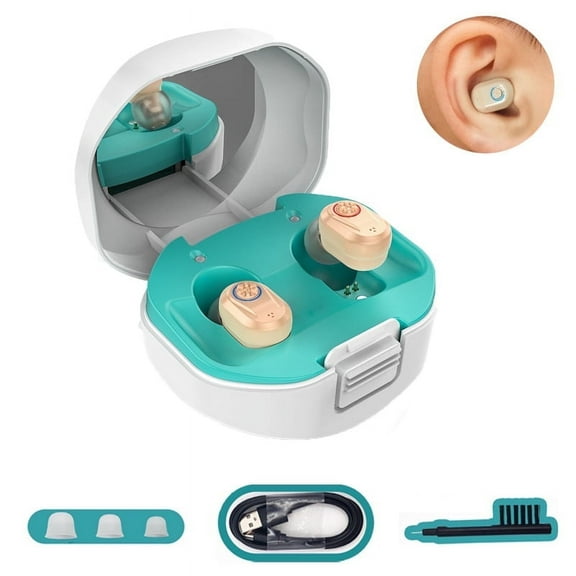
In-the-ear designs sit within the outer ear in a single unit. You can choose this style when you want a compact shape that still feels straightforward to insert.
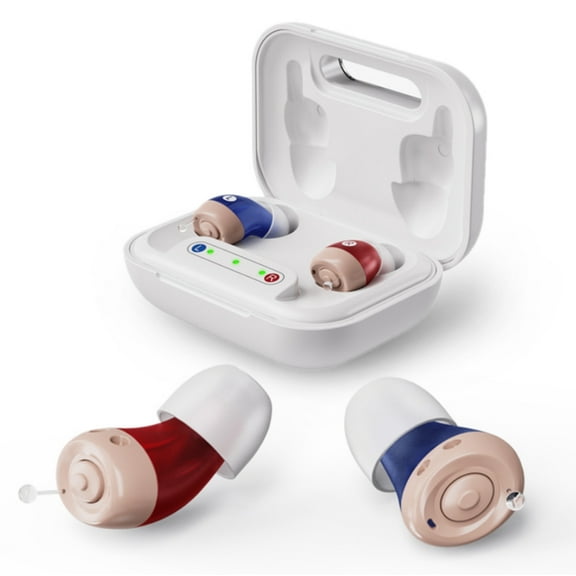
In-the-canal options sit deeper in the ear for a smaller profile. You should check whether that smaller size still feels manageable for your fingers and daily adjustments.
Power source also affects how your routine feels each day. You can compare rechargeable hearing aids with zinc-air battery models by thinking about charging habits and travel needs.
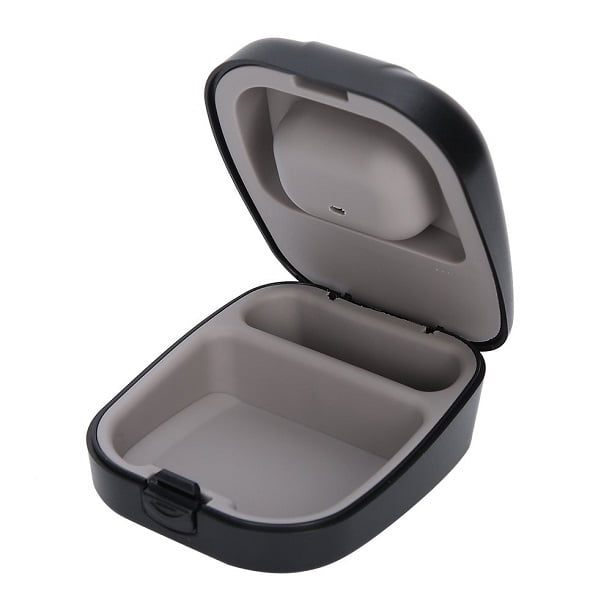
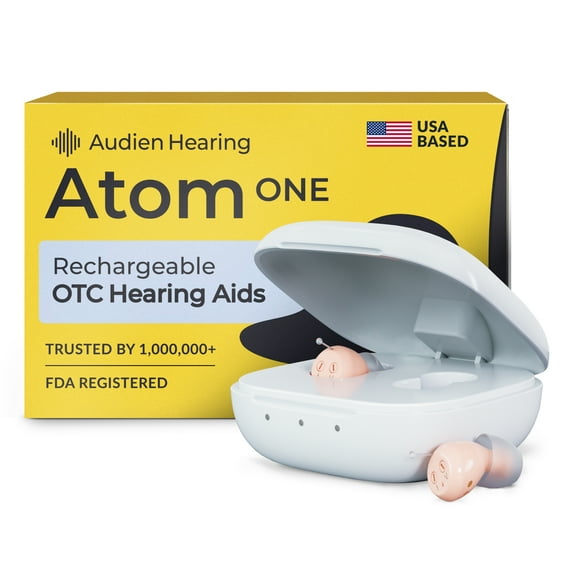
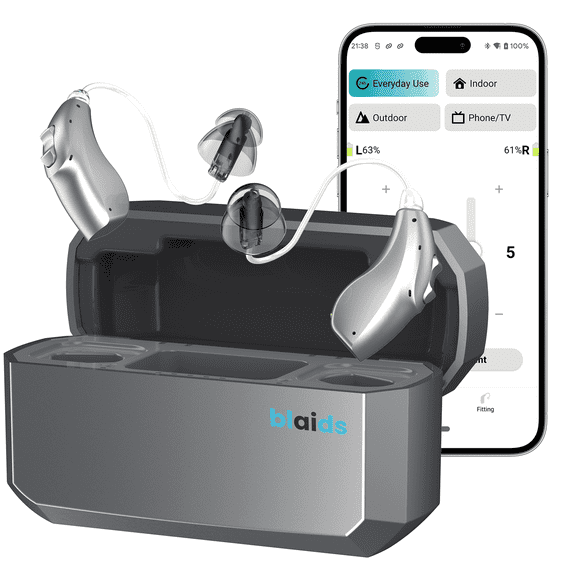
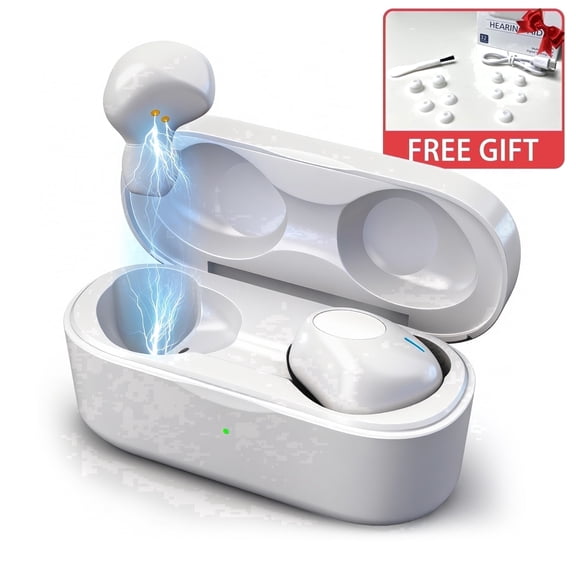
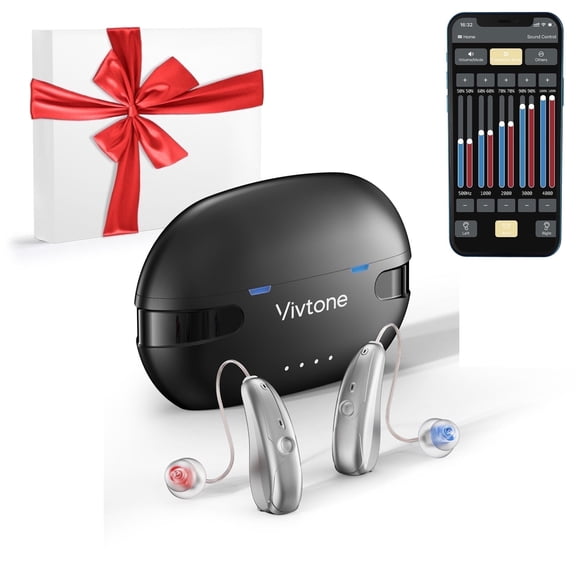
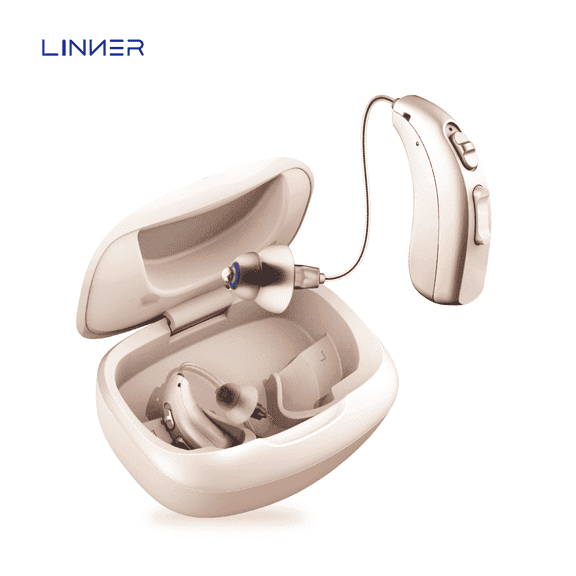
Rechargeable hearing aids let you place the device on a charger between uses. You may prefer that setup when you want fewer battery swaps in your weekly routine.
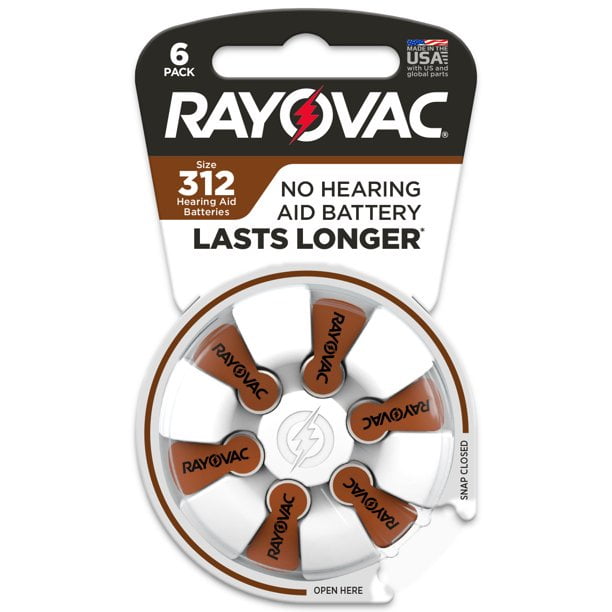
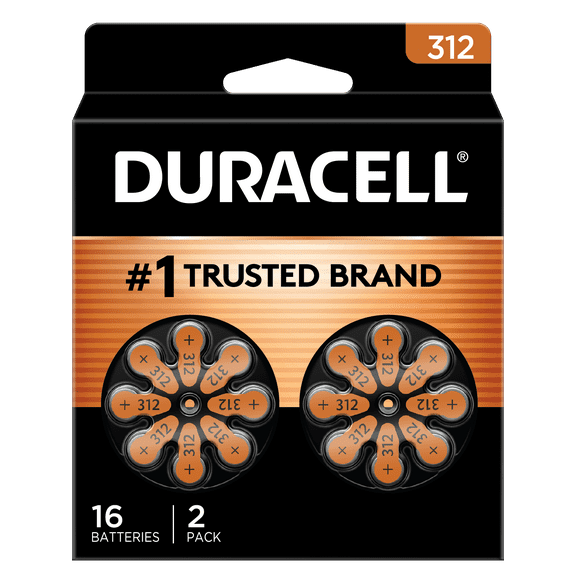
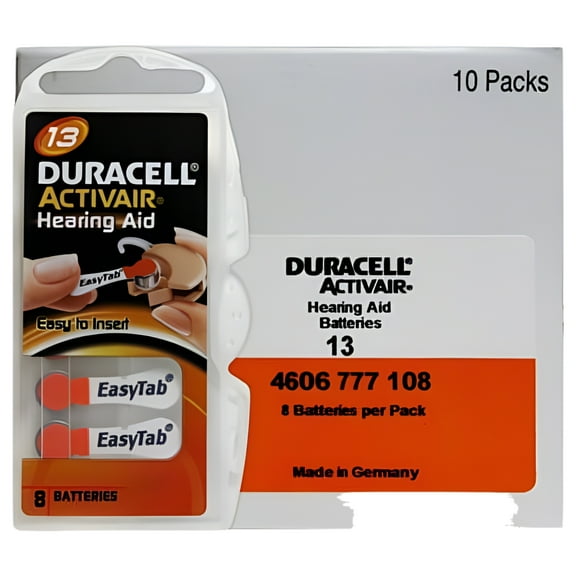
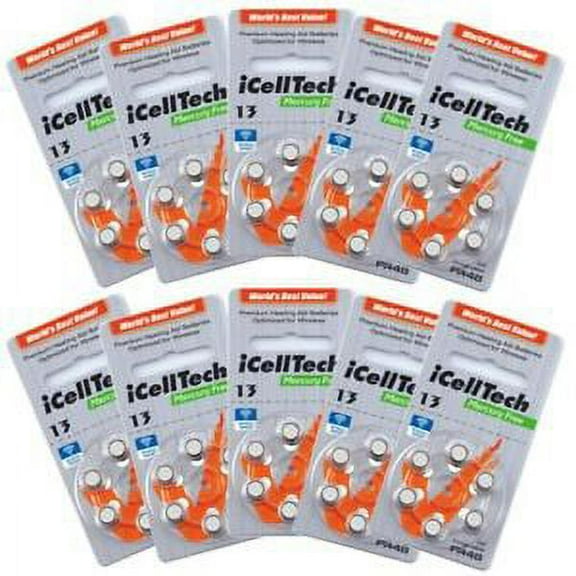
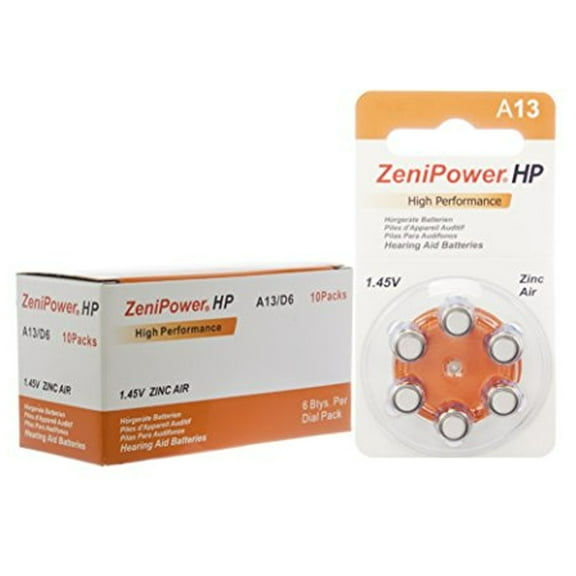
Zinc-air battery models use replaceable batteries instead of charging docks. You can choose that option when you prefer carrying spare batteries during long outings.
Connectivity is another major buying factor in this category. You can compare bluetooth hearing aids with non-Bluetooth models based on how you want to change settings.
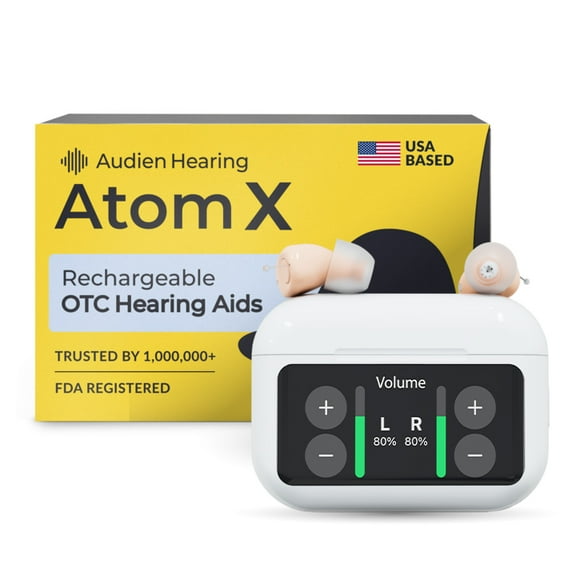
Bluetooth-enabled models may connect with a smartphone app for volume and program changes. You can use that setup when you want phone-based adjustments instead of relying on onboard buttons.
Non-Bluetooth options keep controls on the device with dials or push buttons. You may prefer that format when you want a simpler control style without app steps.
Matching over the counter hearing aids to your routine
Your daily routine can guide the right combination of device type and features. You can start by thinking about where you listen most, how long you wear the device, and how often you adjust it.
For easier handling, you may lean toward behind-the-ear styles with rechargeable power. You can pair that choice with larger controls when you adjust settings several times a day.
A lower-profile look may point you toward in-the-ear or in-the-canal options. You can combine that fit with Bluetooth controls when your phone feels easier than small manual buttons.
Many shoppers looking at hearing aids for seniors focus on comfort and straightforward operation. You can compare charging methods carefully when replaceable batteries feel less convenient in your routine.
Adults with mild-to-moderate hearing loss may look closely at OTC hearing aids with adjustable programs. You can use those settings when your goal is a regulated device category with self-fit features.
Occasional listening needs may lead you toward a personal sound amplifier instead. You can use that route when your priority is boosting environmental sound in select situations.
Once you compare device type, fit style, power source, connectivity, and audience fit, your decision usually gets clearer. You can narrow your options to a setup that feels comfortable to wear and simple to manage.
That category-level approach helps you sort through technical details without losing sight of everyday use. You can choose with more confidence when your features match your hearing goals and routine.