


Find auto parts that fit
Let’s search for parts that fit your vehicle.High-Temp Grease & Automotive Lubricants | Walmart















About High-Temp Grease & Automotive Lubricants | Walmart - Walmart.com
High temp grease helps you protect wheel bearings, disc brake hardware, and chassis parts when your vehicle runs under sustained heat. You can compare thickener type, temperature range, NLGI grade, and application fit to choose the right formula for demanding automotive use.
If you tow, haul, trailer, or drive in stop-and-go traffic, you need grease that stays where you apply it. You’ll also want guidance on drop point, compatibility, and water resistance before you pick a tub, cartridge, or tube.
How to choose high temp grease
You should start with the heat your parts actually see, not just the label headline. You’ll want to compare continuous operating temperature with drop point, because those numbers describe different limits.
When you check temperature range, you may see options rated up to 500°F, up to 600°F, or extreme temp use. You can use that range to narrow choices for wheel ends, brake-adjacent parts, and heavy-duty moving assemblies.
You should also compare where the grease will live after application. If your setup faces splash, road grime, or trailer ramp use, you’ll want a formula that holds up around moisture.
- You can use high temperature wheel bearing grease when you need steady lubrication around hubs and trailers.
- You may choose disc brake grease for hardware points that sit close to repeated heat cycles.
- You can look for automotive grease for chassis fittings, suspension points, and routine service tasks.
- You might prefer marine grease when your parts face frequent water exposure and seasonal towing.
Choosing thickener type and grease compatibility
You’ll notice that thickener type matters because it affects texture, stability, and how the grease handles heat and water. You can compare lithium complex grease, calcium sulfonate, polyurea, and clay-based formulas as separate paths.
If you want a common automotive choice, you may start with lithium complex grease for wheel bearings and general service. You’ll often see it chosen when you need a familiar balance of heat handling and mechanical stability.
If your parts face wet conditions, you may compare calcium sulfonate formulas for stronger water washout resistance. You can consider that option for trailers, marine hardware, and exposed underbody points.
You may look at polyurea when you want a grease often used around long-running bearings and electric motor style applications. You should confirm compatibility before switching from another grease family.
If you’re comparing clay or bentonite formulas, you’ll want to focus on high-heat environments where non-melting behavior matters. You should still verify whether that chemistry matches your equipment guidance and service interval.
You shouldn’t mix incompatible greases unless your equipment guide allows it. When you mix unlike thickeners, you may end up with a softer or separated texture that won’t stay in place.
Comparing temperature range and NLGI grade
You should read temperature claims as a buying guide, not a shortcut. You’ll get a clearer match when you compare the stated range with your actual load, speed, and braking conditions.
Drop point tells you when grease structure begins to change under high heat. Continuous operating temperature tells you the range where you can expect routine use during normal service.
If you service hubs and trailers, you’ll often see NLGI 2 grease as the standard consistency. You can expect it to spread well while still staying put inside many common bearing applications.
You may choose NLGI 1 when you need a softer grease for colder conditions or centralized systems. You should check your manual first, because the wrong grade can affect flow and retention.
If you need synthetic high temp grease, you can compare formulas built for broad temperature swings and extended service intervals. You’ll often consider synthetic options when your driving pattern includes towing, long highway runs, or repeated heat cycles.
You may also want extreme pressure grease when metal parts carry heavy loads under shock or sliding contact. You can use that decision point for chassis joints, loaded bearings, and severe-duty equipment.
Matching high temperature wheel bearing grease to your application
You should match grease to the exact part, because wheel bearings, chassis fittings, and brake hardware don’t ask for the same performance. You’ll get a cleaner fit when you shop by application first.
For wheel bearings, you can focus on high temperature wheel bearing grease with the right NLGI grade and heat range. You’ll want a formula that handles highway speed, trailer use, and repeated hub temperatures.
For disc brake hardware, you may look for disc brake grease made for hot contact points and repeated stop cycles. You should reserve that choice for the locations listed on your vehicle service guidance.
For chassis service, you can choose automotive grease that works through grease fittings and stays consistent under load. You may find this useful for suspension points, joints, and routine maintenance intervals.
If you launch boats or tow through wet seasons, you can compare marine grease with stronger resistance to water washout. You’ll appreciate that focus when your trailer bearings and exposed parts meet regular moisture.
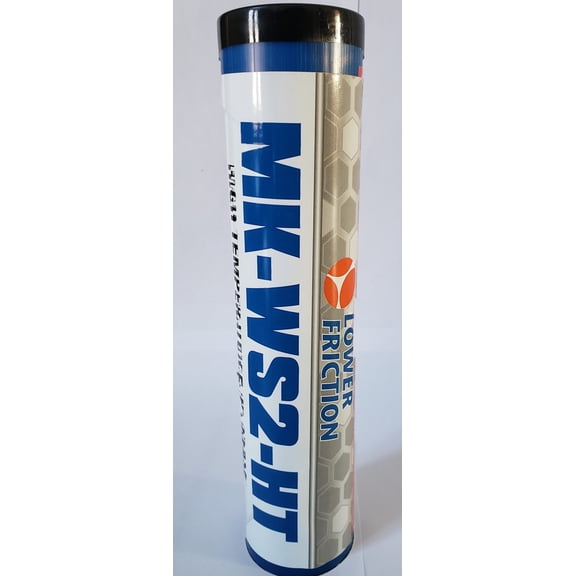
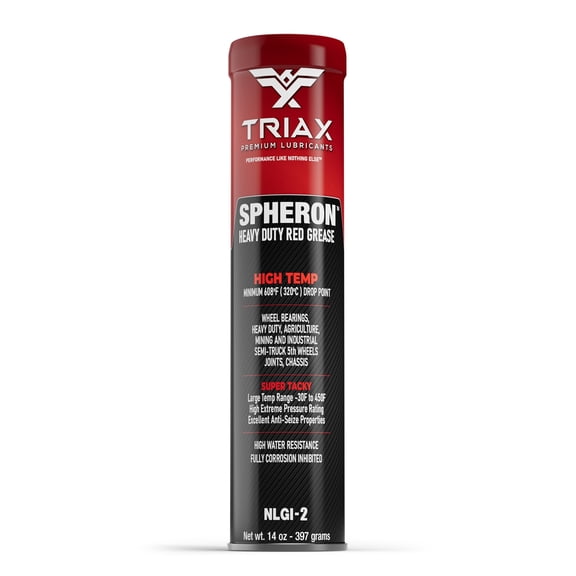
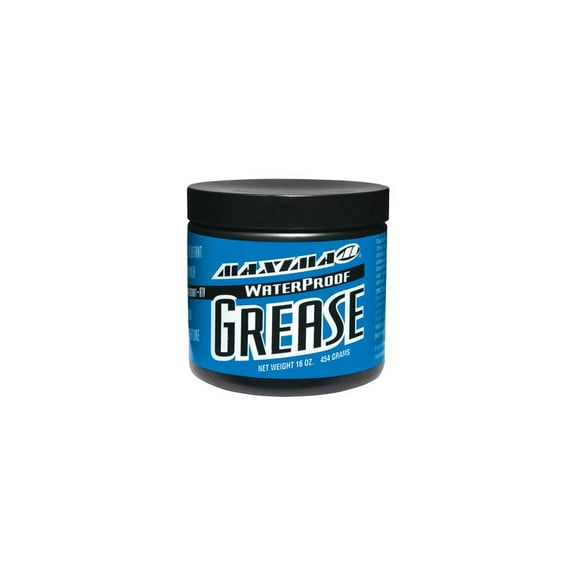
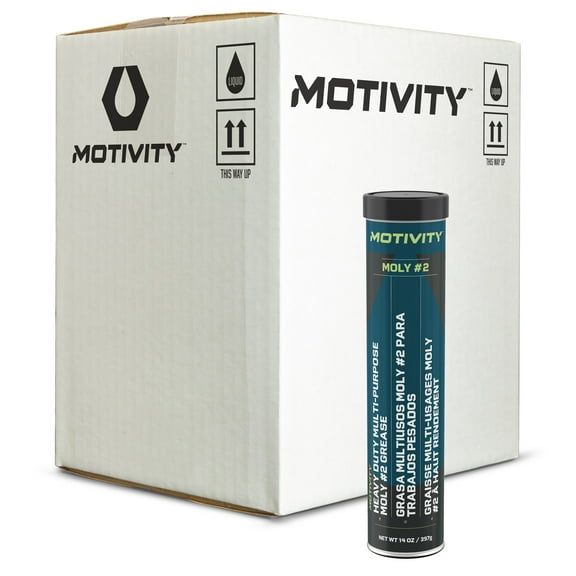
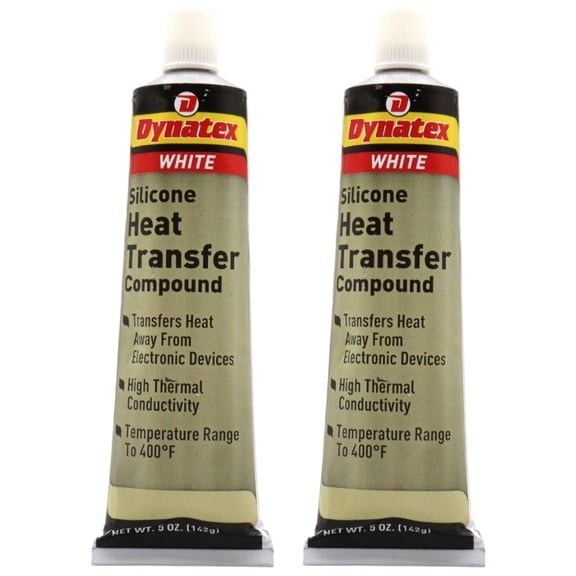
You can also compare packaging based on how you work. If you use a grease gun, you may prefer cartridges, while small tubes can help you handle touch-up jobs neatly.
What to look for before you finish your choice
You should confirm thickener type, temperature rating, and NLGI grade before you commit to a formula. You’ll avoid guesswork when you line those details up with your manual and your actual driving conditions.
With high temp grease, you can narrow options by heat, compatibility, water exposure, and application instead of relying on generic labels. You’ll end up with a grease that stays in place and supports smoother maintenance planning.