


Find auto parts that fit
Let’s search for parts that fit your vehicle.Hitch Locks & Trailer Hitch Pin Locks | Walmart








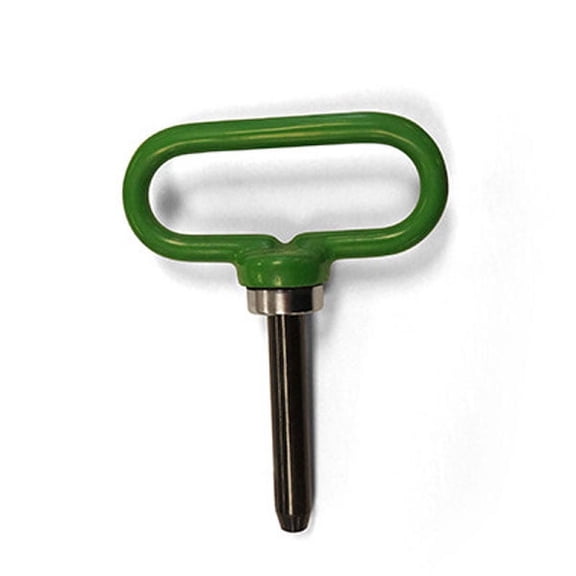
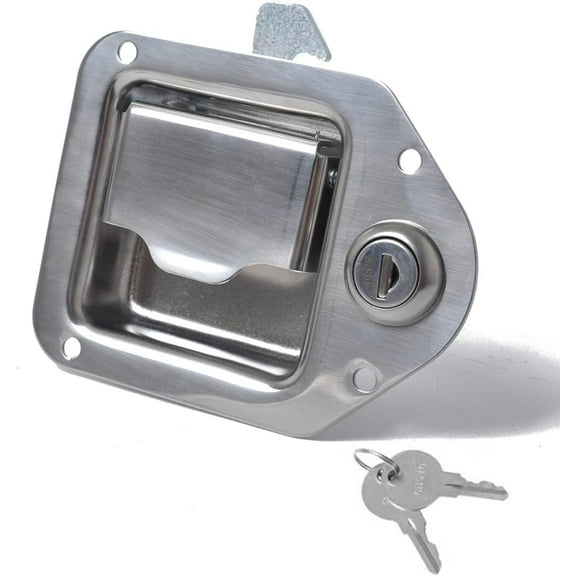

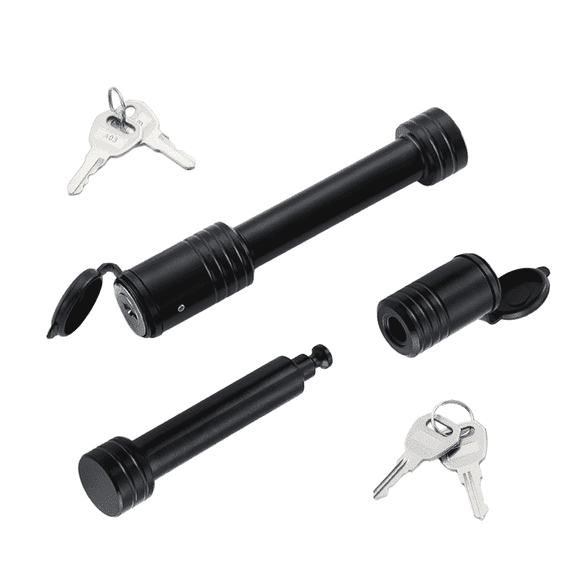
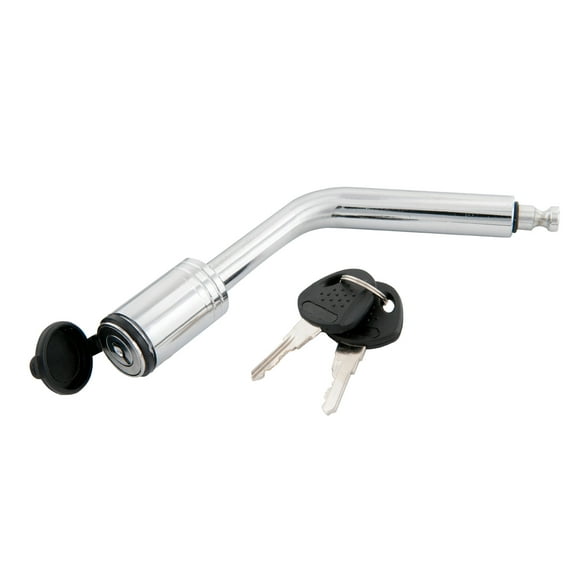







About Hitch Locks & Trailer Hitch Pin Locks | Walmart - Walmart.com
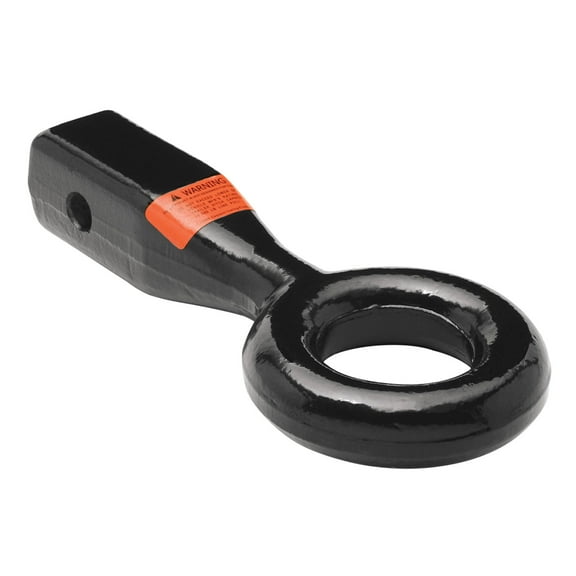
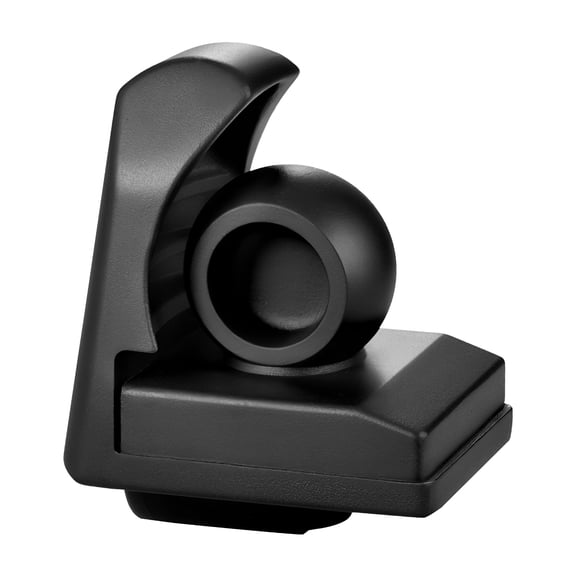
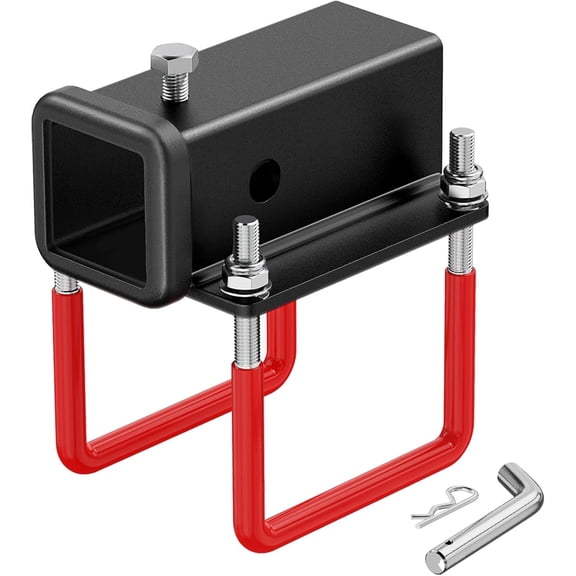
Hitch locks help you secure your trailer connection with fit-focused protection for towing setups, receiver sizes, and pin diameters you use every day. You can compare lock styles, pin measurements, and weather-ready finishes, so your towing gear stays matched to your hitch.
Choosing hitch locks for your receiver size
You should start with receiver size because fit drives every other decision. Your setup may use a 1-1/4 inch, 2 inch, or 2-1/2 inch receiver, and each size changes compatibility.
When you compare receiver hitch locks, you should also check your hitch class and towing hardware. Your lock should align with the receiver hole, so your installation feels straightforward and secure.
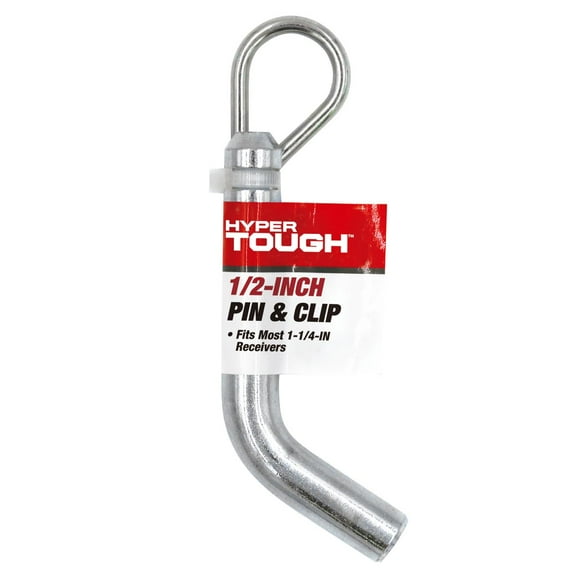
If you tow with smaller vehicles or light-duty setups, you may use a 1/2 inch pin more often. If you tow with larger trucks, your setup may call for a 5/8 hitch lock for Class III, IV, or V receivers.
How to compare trailer hitch locks by lock style
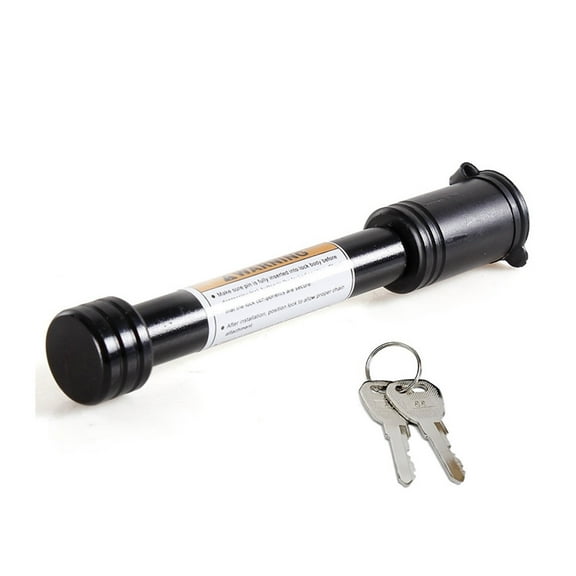
You should compare lock style based on how your trailer connects and how often you remove towing parts. Your options may include barbell locks, bent pin designs, coupler lock styles, and deadbolt constructions.
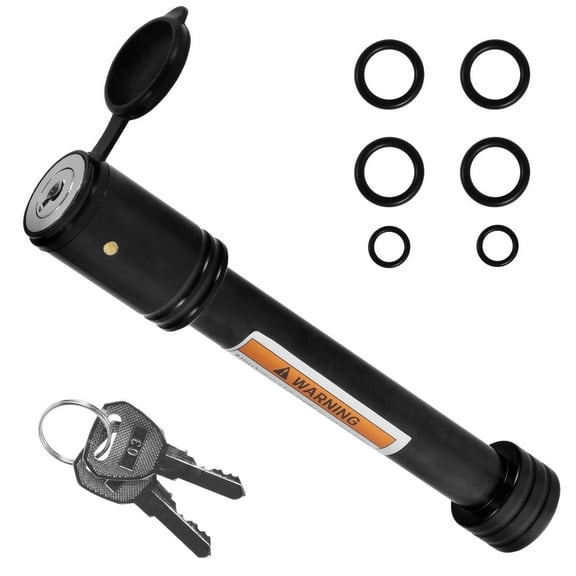
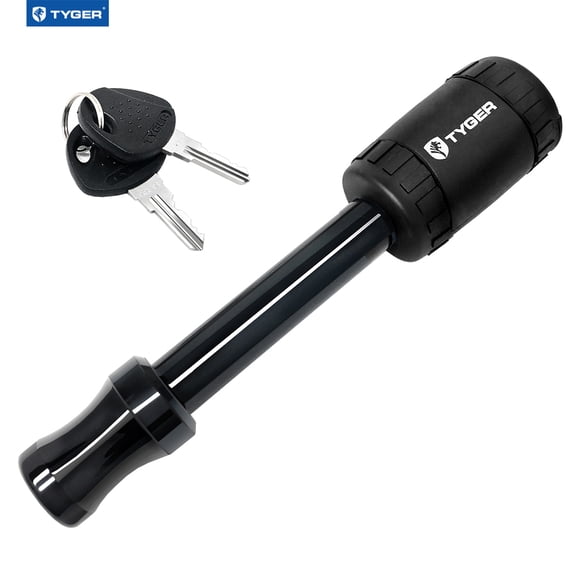
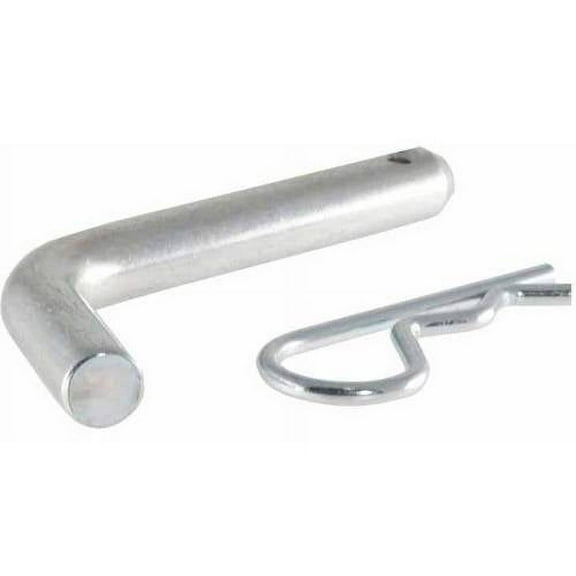
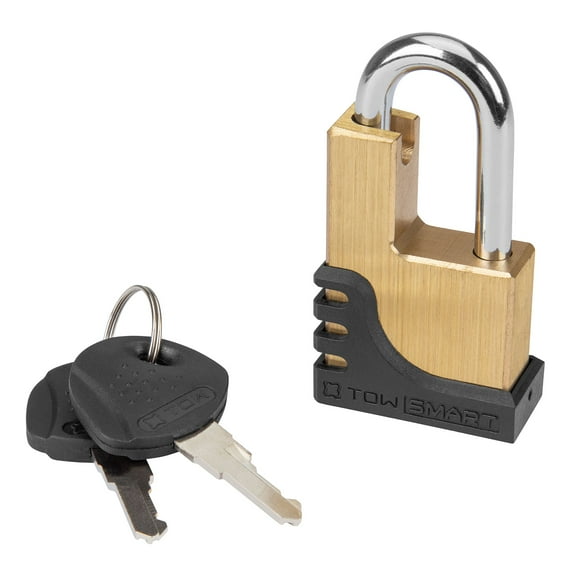
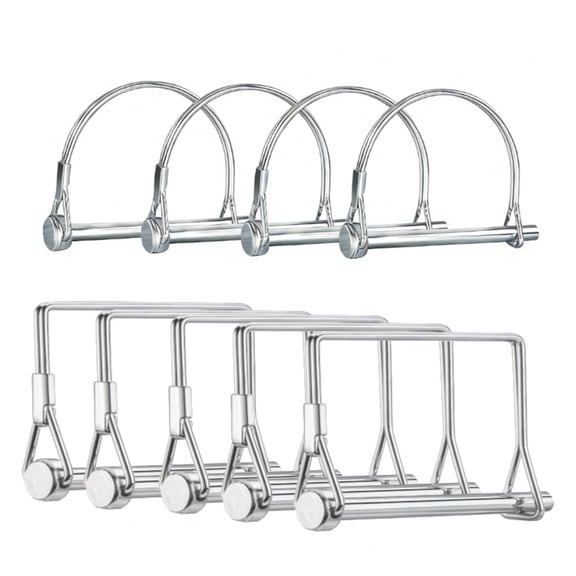
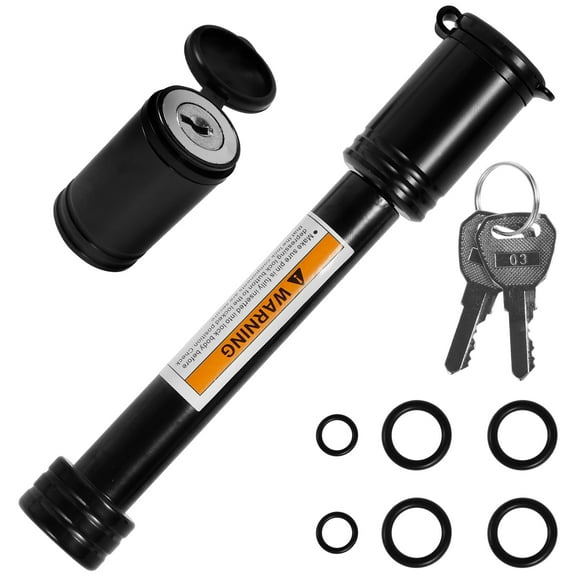
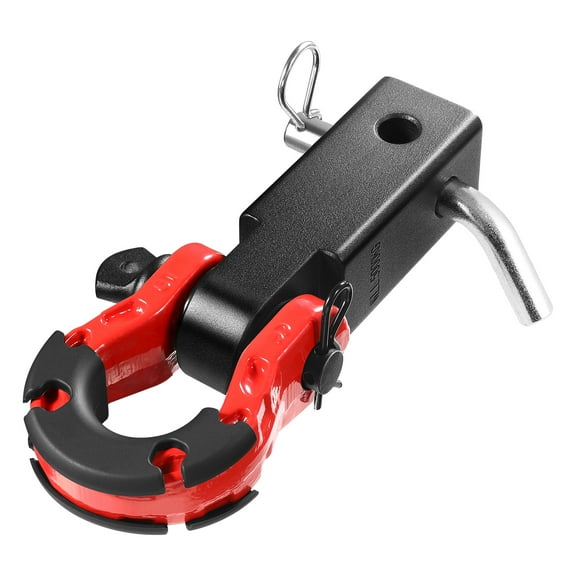
Barbell styles give you a compact shape that many shoppers choose for clean receiver fit. Bent pin hitch pin locks can give you a secure grip during installation, especially when your hitch area feels tight.
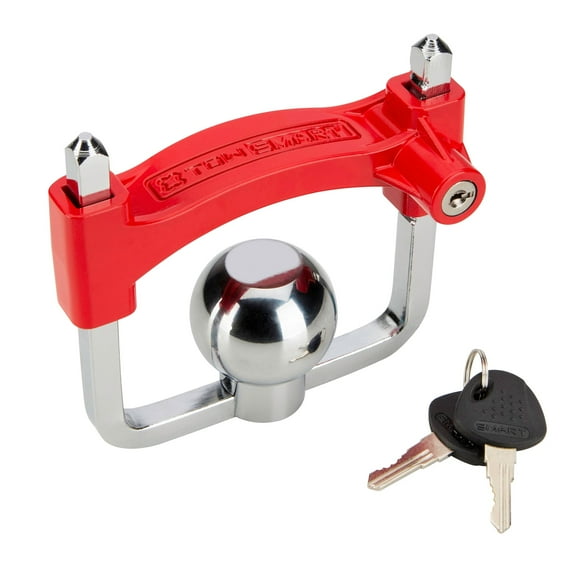
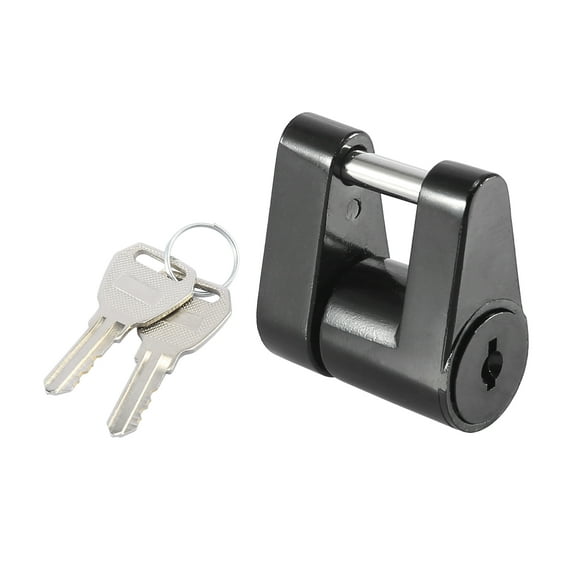
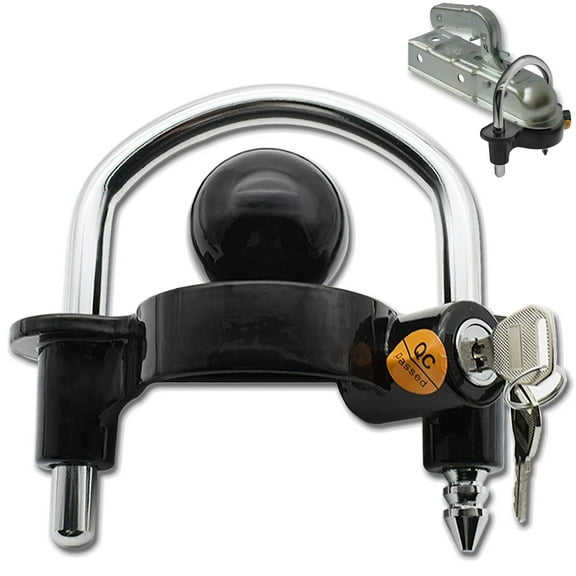
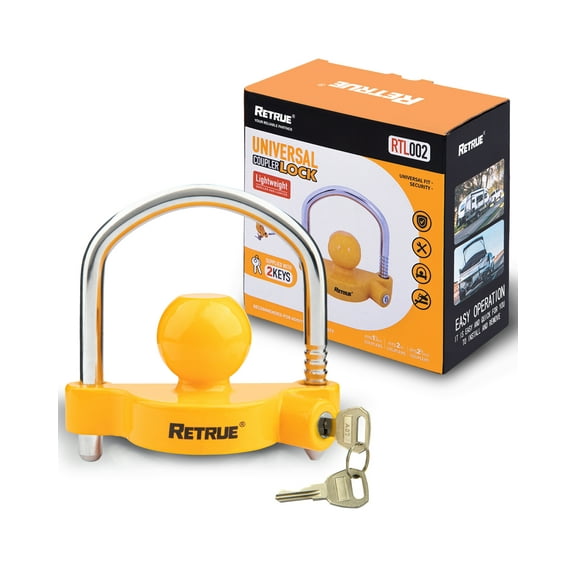
If you secure the trailer tongue, you may also compare a coupler lock with your receiver lock. Keyed-alike sets can help you manage both points with one key, which simplifies your towing routine.
- You can match lock style to how often you hitch and unhitch.
- You can choose keyed-alike sets when your trailer and receiver both need security.
- You can compare compact barbell designs with bent pin options for secure handling.
- You can select coupler lock styles when your trailer tongue needs separate protection.
What to look for in receiver hitch locks and pin diameters
You should measure pin diameter carefully because this detail drives basic compatibility. Your hitch pin locks usually center on 1/2 inch and 5/8 inch sizes, and those sizes fit different receiver classes.
A 1/2 inch pin often fits lighter Class I or Class II applications. A 5/8 inch pin usually fits larger Class III, IV, and V receivers, where your towing hardware needs a wider pin.
You may also want enough usable span for your ball mount, drawbar, or accessory shank. When you check these dimensions first, you reduce guesswork and narrow your choices quickly.
Comparing materials, finishes, and weather protection
You should look for hardened steel when your priority is a heavy duty hitch lock feel. You may also compare stainless steel or chrome plated finishes when your towing gear sees frequent outdoor storage.
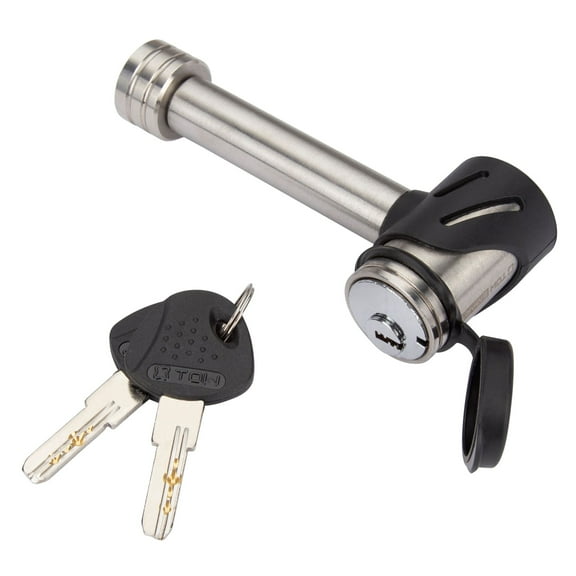
Weather protection matters because your lock cylinder sits exposed during travel and storage. You'll want features like rubber caps or covered keyways, since they help keep out road grime and moisture.
Tubular key systems can also matter when you want a security-focused mechanism. Standard keys may still suit your setup, but you should compare convenience, replacement options, and everyday handling.
Using hitch locks for towing routines and accessories
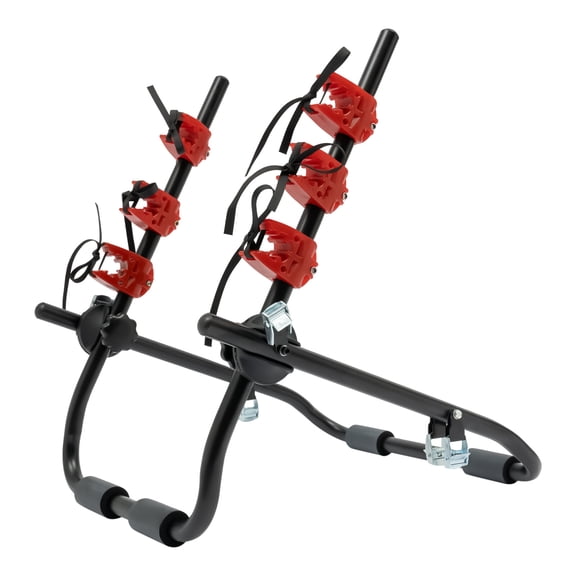
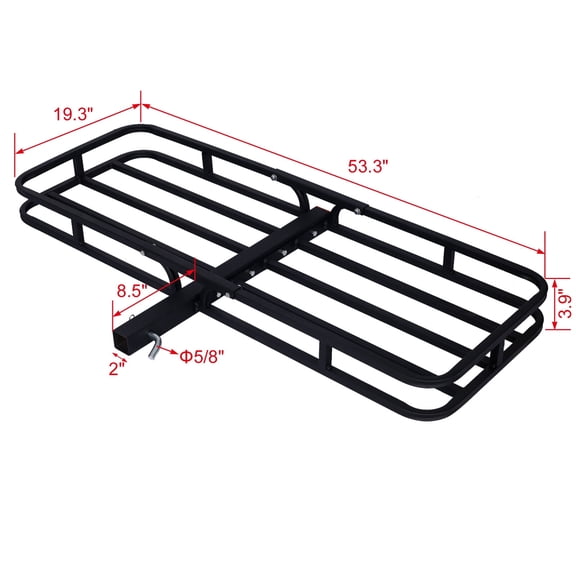
You can use hitch locks when your ball mount stays on your truck between trips. You can also use them when your bike rack, cargo carrier, or hitch step needs a locked connection.
If you tow on weekends, you may want a quick-install bent pin or barbell design. If your trailer stays parked for longer stretches, you may pair receiver hitch locks with a coupler lock.
For multi-trailer households, you should check whether one key can fit several matched locks. That setup helps you keep your receiver and coupler secured without carrying a crowded key ring.
You may also compare finishes based on where your gear spends most of its time. If your setup sees rain, road spray, or storage exposure, you'll want coatings and caps that support reliable long-term use.
Finding the right trailer hitch locks for your setup
You can narrow trailer hitch locks quickly when you start with receiver size, pin diameter, and lock style. When you match those details to your towing routine, your hitch connection feels easy to secure and easy to manage.
Your final choice should reflect how you tow, what you attach, and how often your hardware stays installed. With the right fit and weather-ready design, you get a dependable towing setup every time.