




Boat Hull Cleaners Near Me | Instant Marine Stain Remover

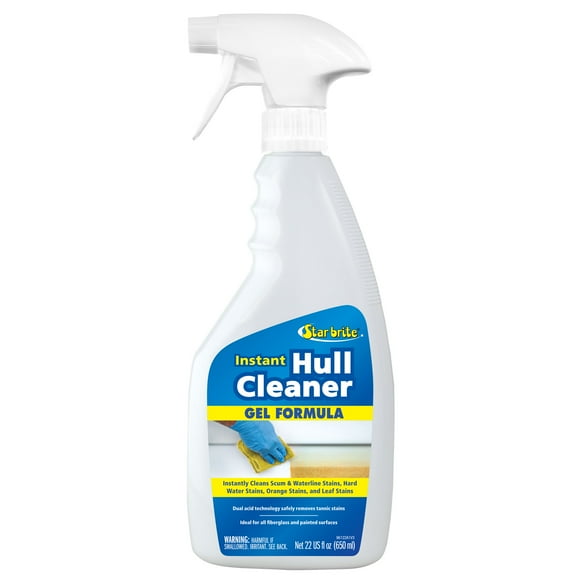

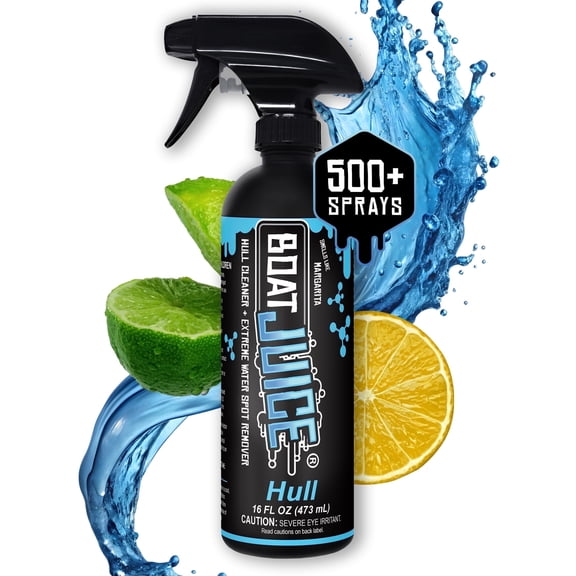


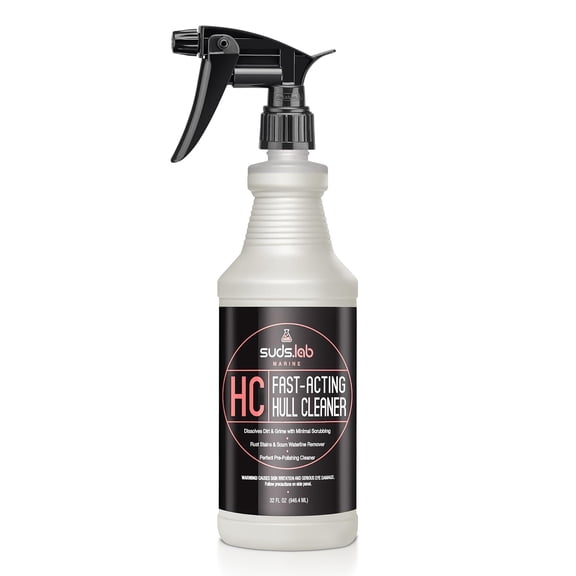


















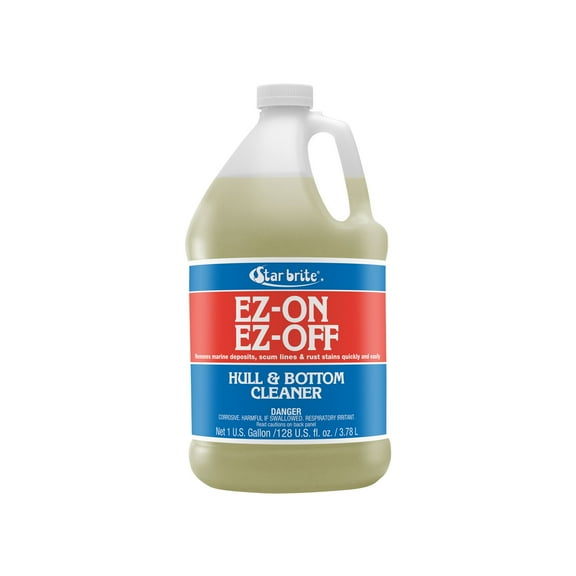


About Boat Hull Cleaners Near Me | Instant Marine Stain Remover - Walmart.com
When you need instant hull cleaner near me results, you’re usually comparing formulas that lift waterline buildup with minimal scrubbing. You can use this guide to compare surface compatibility, stain targets, and application styles that fit your boat care routine.
Because you’re shopping a broad hull cleaner category, you should focus on choices that affect finish, effort, and cleanup time. You’ll also want options that fit fiberglass, gelcoat, painted wood, or aluminum surfaces.
Choosing instant hull cleaner near me options
You should start with surface compatibility, because the right formula depends on the finish on your boat. You’ll often see fiberglass boat hull cleaner options made for gelcoat, while other formulas also support painted wood or aluminum.
If your boat has a glossy gelcoat finish, you should compare non-abrasive formulas that help loosen stains without rough texture. If your boat uses painted wood or aluminum parts, you should check whether the label lists those surfaces clearly.
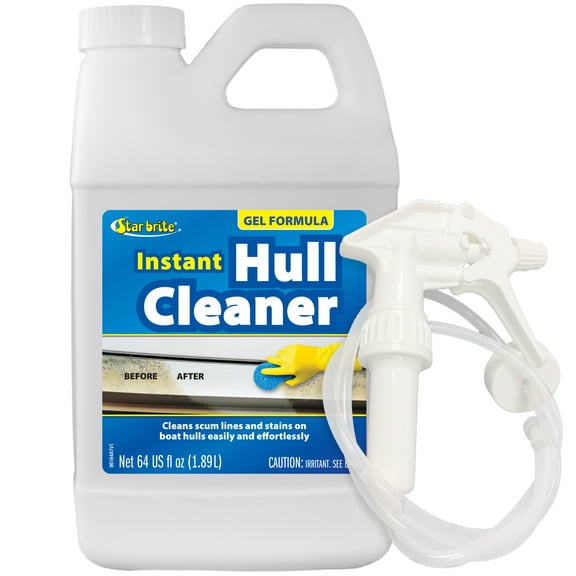
You can also compare formulation type to match how you clean. Liquid formulas help you cover large sections, while gel formulas help you keep product on vertical waterlines.
- You can choose liquid hull cleaner when you want broad coverage on large hull sides.
- You can choose gel formulas when you need cling on tough waterline stains.
- You can choose spray options when you want quick spot treatment on smaller areas.
- You can choose cream formulas when you want more control on targeted stain removal.
You’ll notice that a boat waterline cleaner often focuses on the stripe where mineral residue and scum build up. You can reduce effort by matching the formula style to the exact stain zone.
What to look for in fiberglass boat hull cleaner
You should compare technical details in plain terms before you pick a marine hull cleaner. A non-abrasive fiberglass formula helps you clean stained surfaces while protecting the smooth finish you want to keep.
When you compare acid-free and oxalic acid formulas, you should think about stain intensity and your cleaning method. Acid-free options usually suit light upkeep, while oxalic acid formulas often target stubborn rust and waterline marks.
You may also see heavy-duty formulas for set-in marine growth and dark staining. You should use those options when your hull has thick buildup that standard cleaners may not lift quickly.
Application effort matters just as much as chemical strength when you compare a hull cleaner. You’ll want wipe-on and rinse-off options if you prefer minimal brushing and fast turnaround at the dock.
If you’re cleaning broad fiberglass panels, you should check whether the formula spreads evenly and rinses clean. If you’re handling narrow scum lines, you should look for cling and controlled placement.
Comparing boat stain remover types by stain target
You should match the cleaner to the stain instead of choosing by name alone. A boat stain remover for rust marks may work differently than one designed for algae film or marine growth.
For algae, you should look for formulas described for organic buildup on hull sides and transoms. For rust streaks, you should compare products made for orange or brown staining around fittings and drains.
For waterline stains, you should focus on cleaners built for mineral deposits, scum lines, and discoloration at the surface edge. You’ll often get easy cleanup when you use a dedicated boat waterline cleaner for that exact band.
If your boat sits in the water for long periods, you may need an instant boat hull cleaner for frequent touchups. If you trailer your boat often, you may prefer a general marine hull cleaner for occasional full washes.
You should also think about how much residue remains after rinsing. A cleaner that rinses fast can help you move from stain removal to waxing or regular marine maintenance with minimal interruption.
How to choose for real cleaning situations
If you clean a fiberglass fishing boat, you should start with fiberglass boat hull cleaner options that mention gelcoat compatibility. You’ll likely want a liquid or spray formula for wide coverage across the hull sides.
If you clean a pontoon with mixed materials, you should check compatibility for aluminum and painted surfaces before you apply anything. You can reduce guesswork by choosing formulas with clear surface guidance on the label.
When you’re tackling a stubborn waterline ring, you should compare gel or cream formulas that stay where you apply them. You’ll usually spend minimal time reapplying when the product clings to vertical sections.
If you want a simple routine between deep cleanings, you should consider an instant boat hull cleaner that supports quick spot work. You can use that approach for fresh marks before they spread across large sections.
You may also prefer formulas described as marine-safe or biodegradable when that matters in your maintenance plan. You should still compare stain target and surface fit first, because those details shape cleaning results.
As you narrow options, you can pair your cleaner choice with related upkeep items like boat wax and marine maintenance supplies. You’ll get a smooth finish and a consistent care routine when your products match your surface and stain type.
You can feel confident choosing a hull cleaner when you compare surface compatibility, formulation type, stain target, and strength together. That approach helps you get clean hull sides, clear waterlines, and minimal wasted effort.