


Find auto parts that fit
Let’s search for parts that fit your vehicle.Car AC Tools & Automotive HVAC Repair Kits | Walmart
















About Car AC Tools & Automotive HVAC Repair Kits | Walmart - Walmart.com
HVAC tools help you handle automotive AC service with clearer diagnostics and controlled refrigerant work. You can compare manifold gauge sets, vacuum pumps, leak detectors, and scales by the decisions that matter to your workflow.
If you're servicing a daily driver or equipping a professional bay, you need guidance that matches real repair steps. You can use this overview to compare compatibility, power source, gauge readability, and kit completeness.
How to choose HVAC tools for the job
Start with tool type because each option supports a different part of AC service. You can use manifold gauge sets for pressure checks, vacuum pumps for evacuation, leak detectors for pinpointing escapes, and scales for charging accuracy.
When you compare automotive HVAC tools, you should match the tool to your workflow before you compare extras. You often need gauges and hoses first, then add a pump, detector, or scale for more complete service.
You can narrow your options quickly by focusing on common buyer decisions. You can compare tool type, refrigerant compatibility, power source, and included accessories.
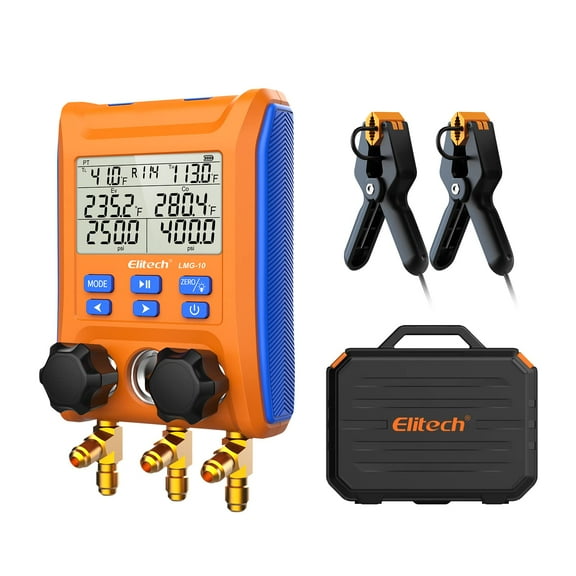
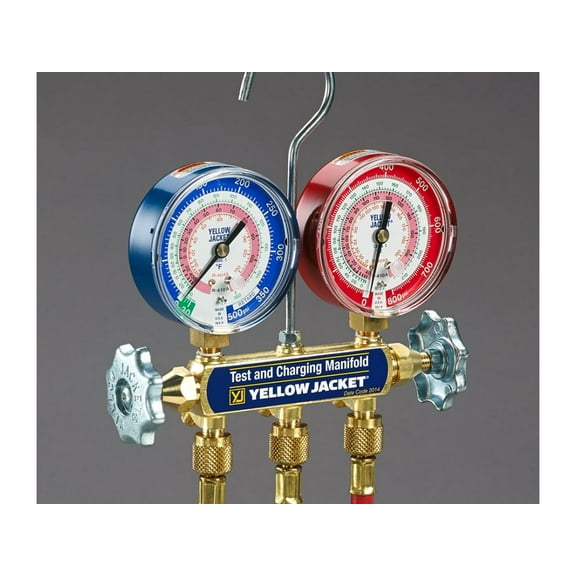
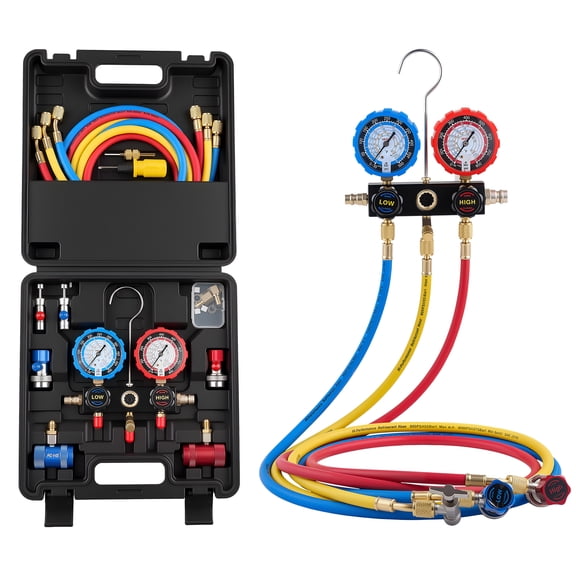
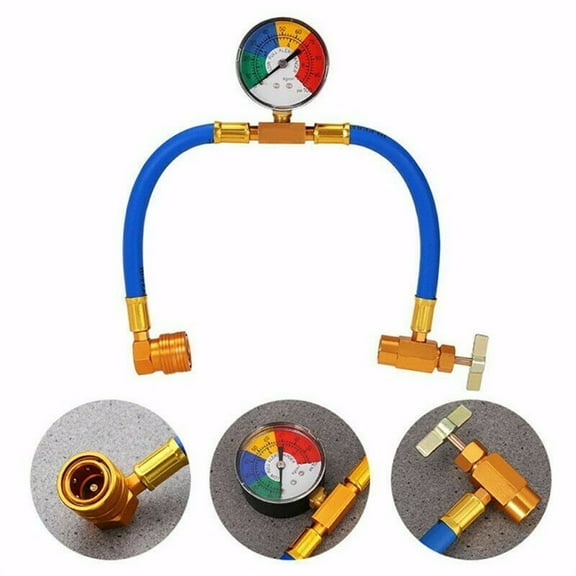
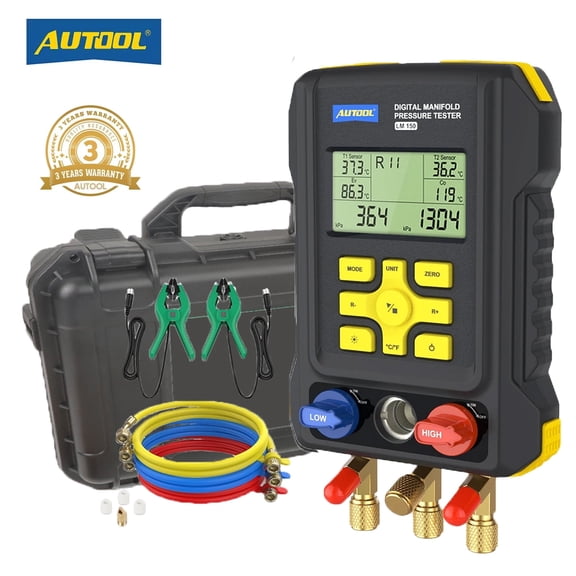
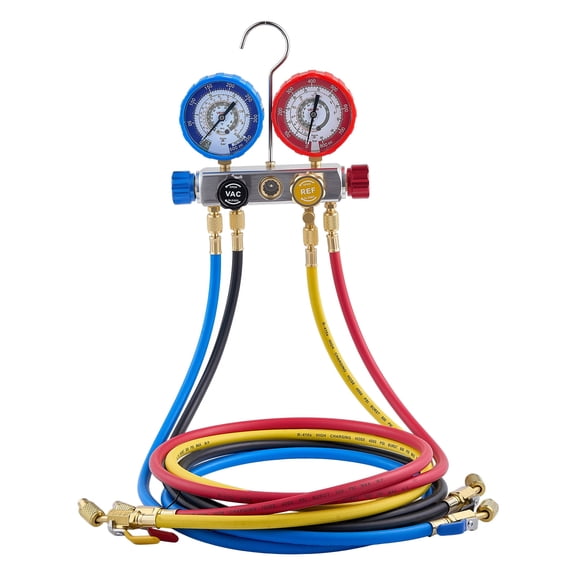
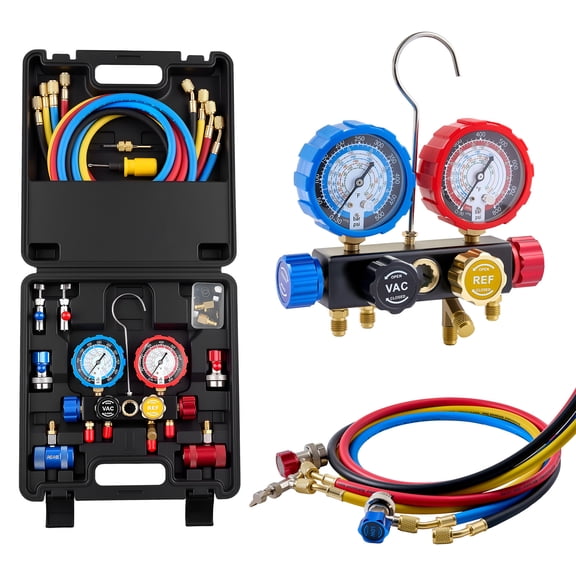
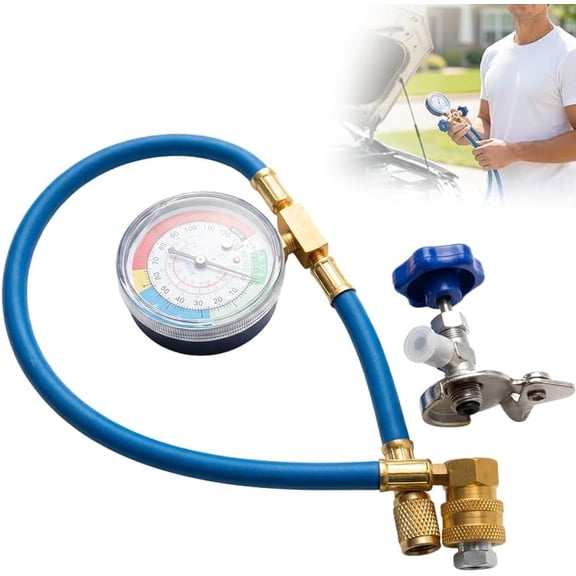
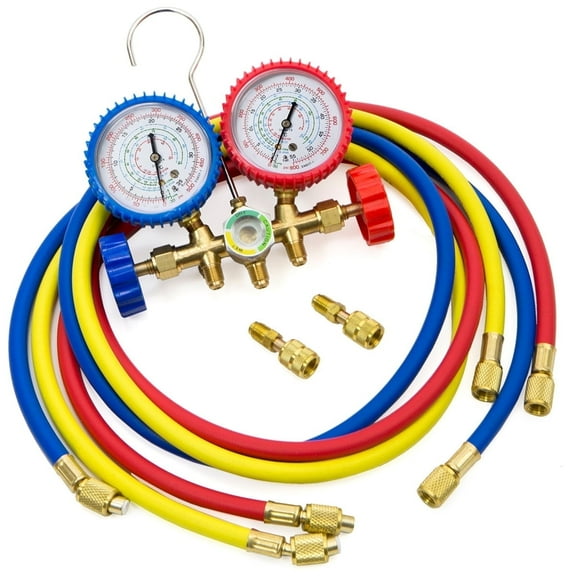
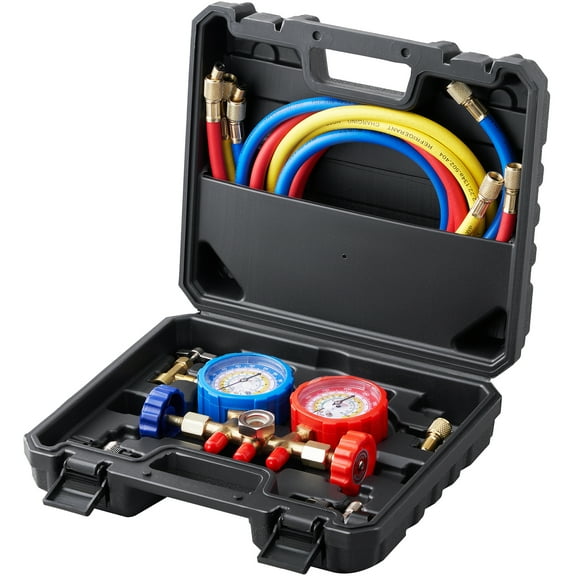
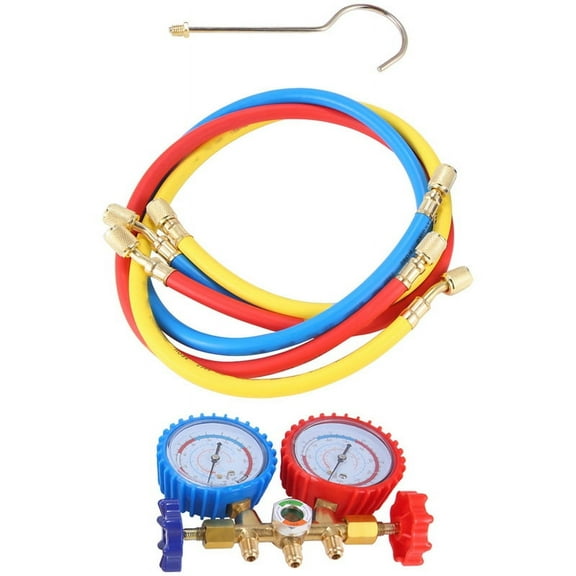
- You can use an ac manifold gauge set to read system pressure during diagnosis and charging.
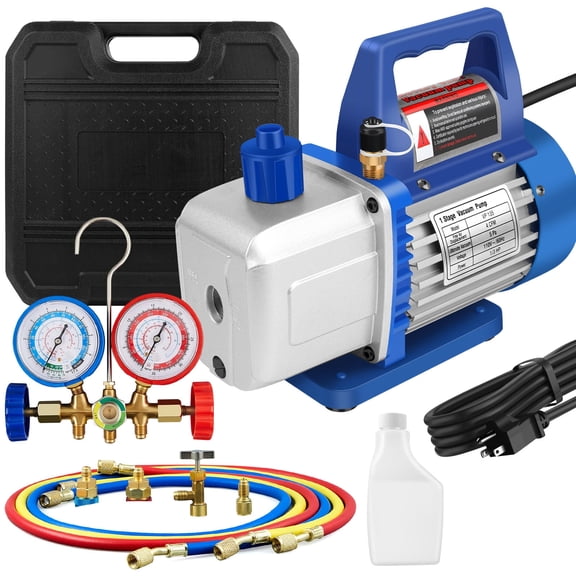
- You can use an hvac vacuum pump to remove air and moisture before charging.
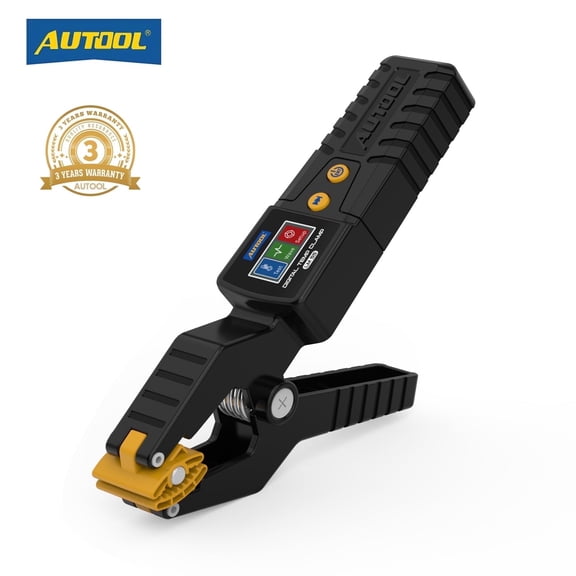
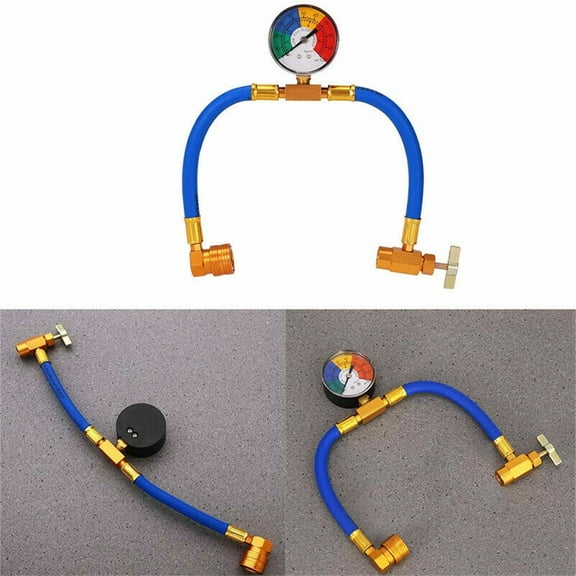
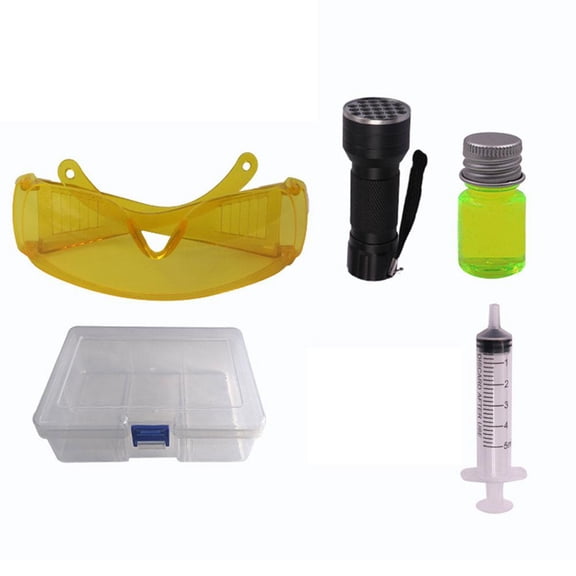
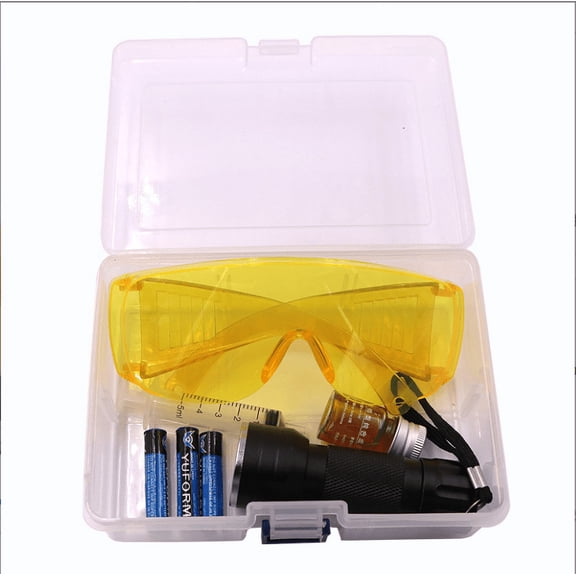
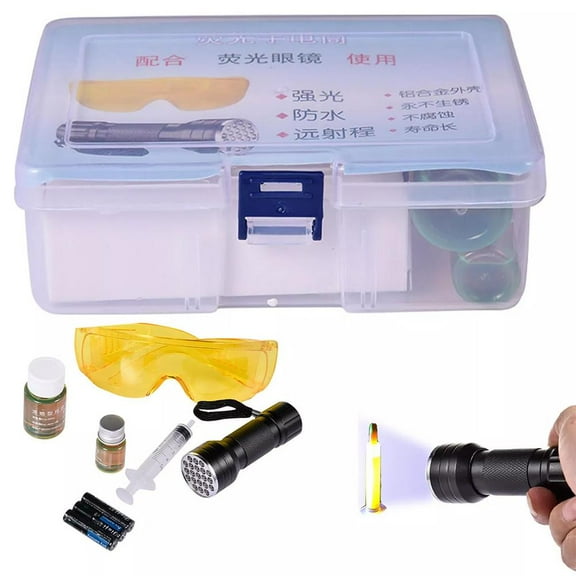
- You can use a refrigerant leak detector to trace small leaks around fittings, hoses, and components.
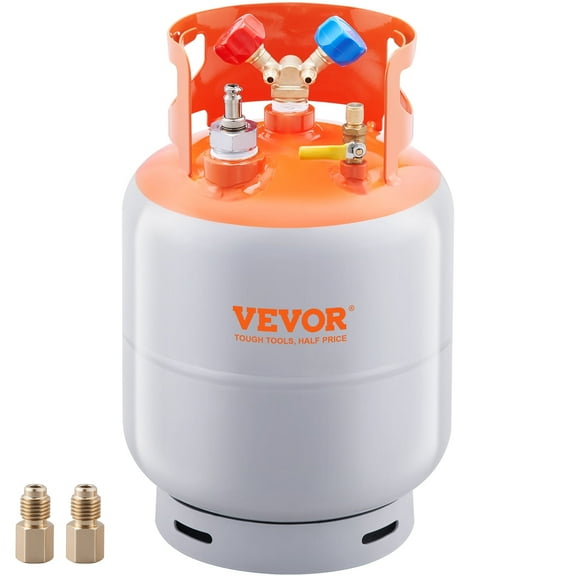
- You can use refrigerant scales when you want controlled charging by measured amount.
Choosing refrigerant compatibility with HVAC tools
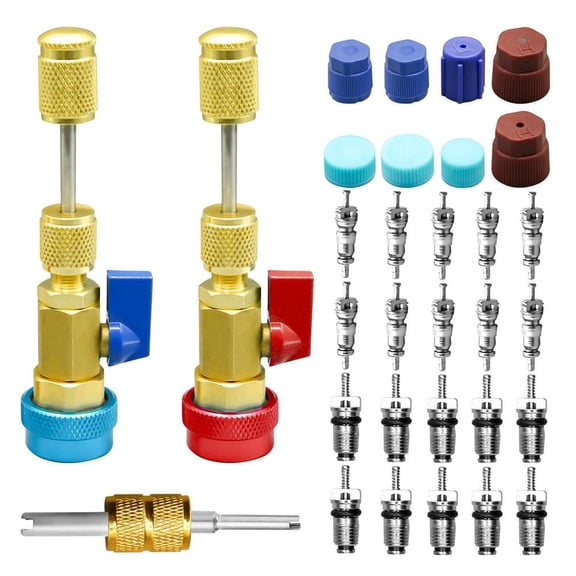
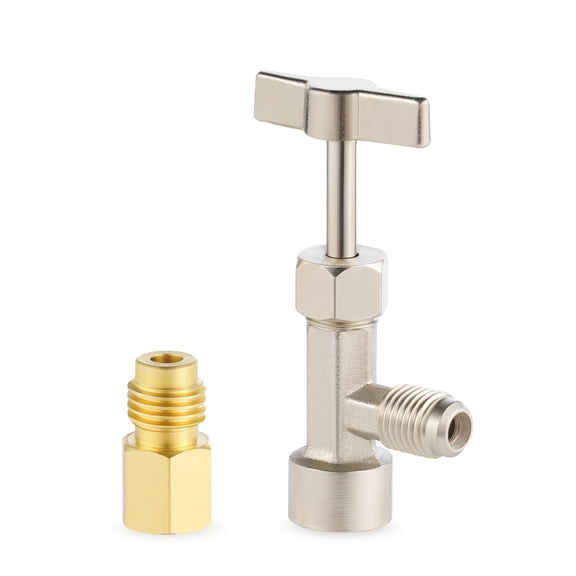
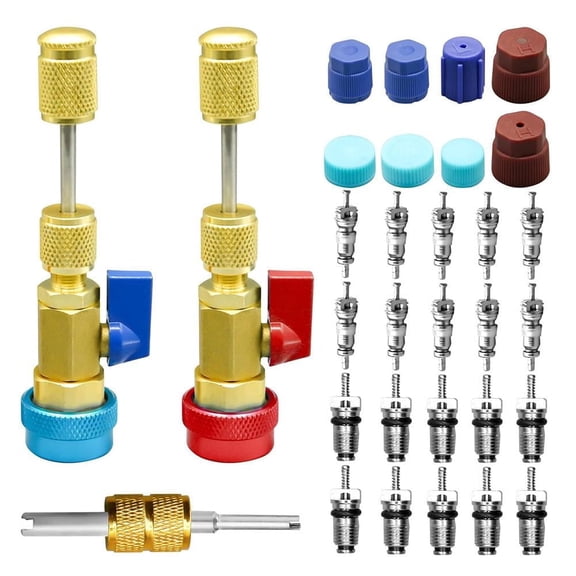
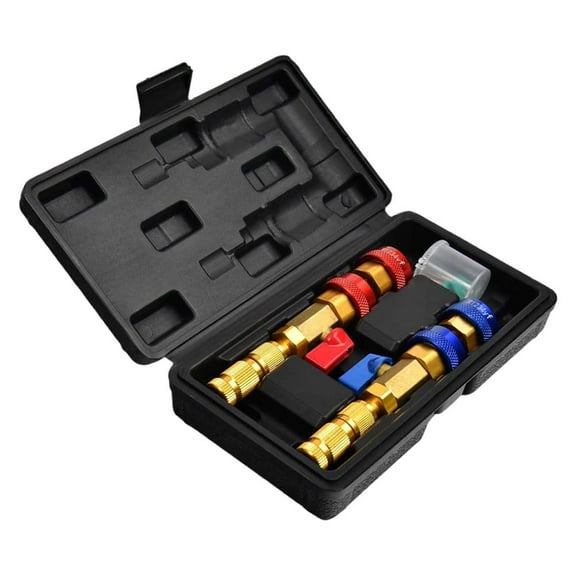
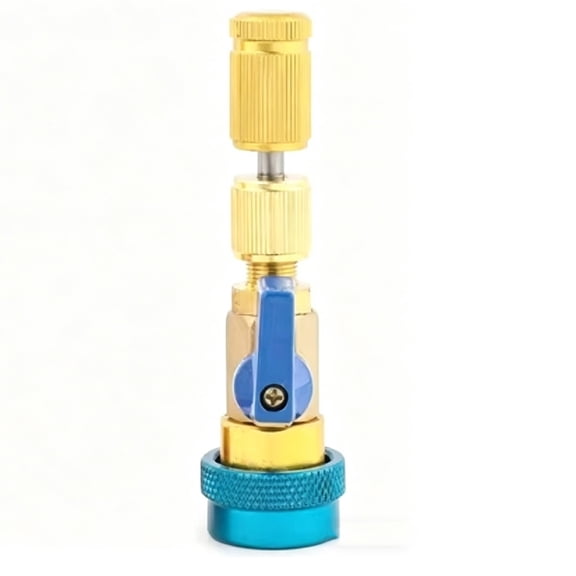
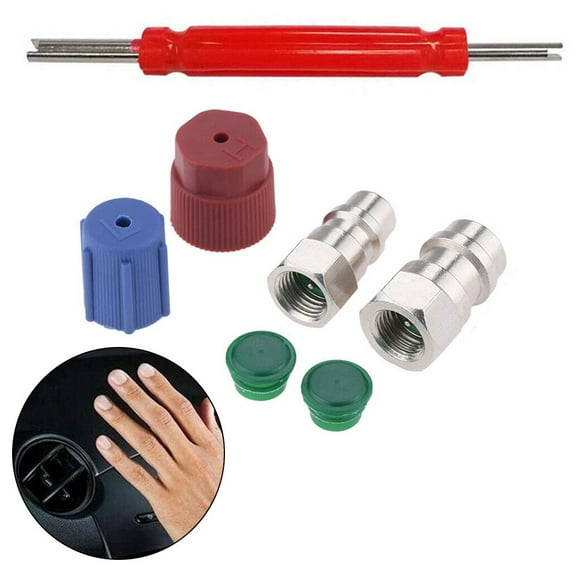
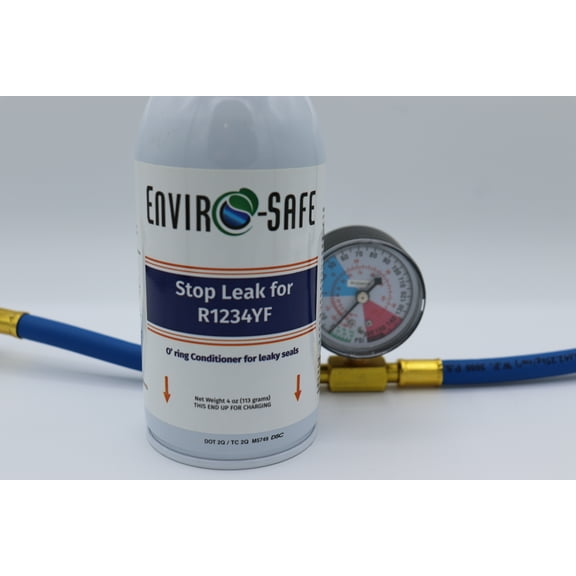
You should check refrigerant compatibility before anything else because coupler fit affects whether your tools connect correctly. You may be comparing R134a, R1234yf, R22, or R410a based on the system you're servicing.
If you're working on many modern vehicles, you should verify whether the kit includes or supports R1234yf couplers. If you're handling older automotive AC repair, you may still need R134a connections and matching hoses.
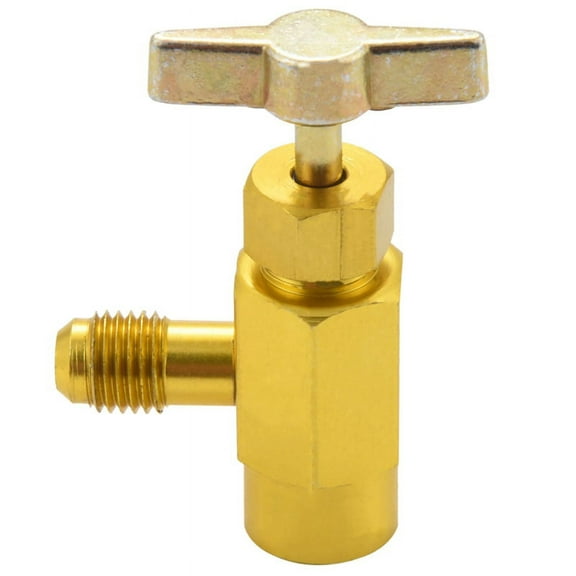
You can avoid frustrating setup issues when you compare coupler style, hose fittings, and label clarity. Look for markings that make refrigerant matching easier during fast shop work or weekend garage projects.
For category browsing, you should treat compatibility as a first filter, not a minor detail. This helps you get a smooth setup when your manifold set, hoses, and couplers align with your target refrigerant.
Comparing vacuum pump power and design
You should compare power source next because it changes where and how you can work. You may prefer corded electric pumps for steady shop use, cordless battery tools for mobility, or manual tools for lighter tasks.
When you review an HVAC vacuum pump, you should check CFM because it reflects how quickly air moves through the pump. You usually need stronger flow when you service larger systems or need fast turnaround.
You should also compare single-stage and dual-stage pump designs. You can choose dual-stage when you want deep evacuation, while single-stage may suit lighter or occasional service.
If you're balancing portability and output, you should weigh battery convenience against run time and duty cycle. You can keep garage setups simple with corded models when outlets stay close to your work area.
Checking gauge readability and kit completeness
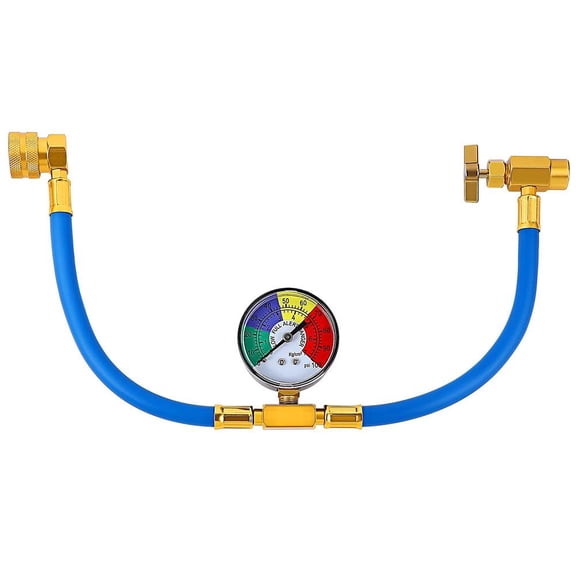
You should look for gauges that give you quick, clear readings without second guessing. You can appreciate color-coded dials, easy-to-read numbers, and stable needles when pressure changes matter.
When you compare an ac manifold gauge set, you should check whether the display stays readable in bright bays or shaded garages. You can work with more confidence when dials feature clear pressure range labels for your application.
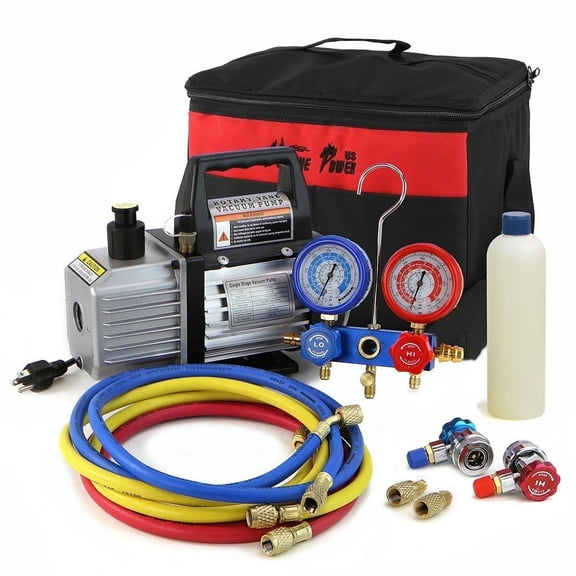
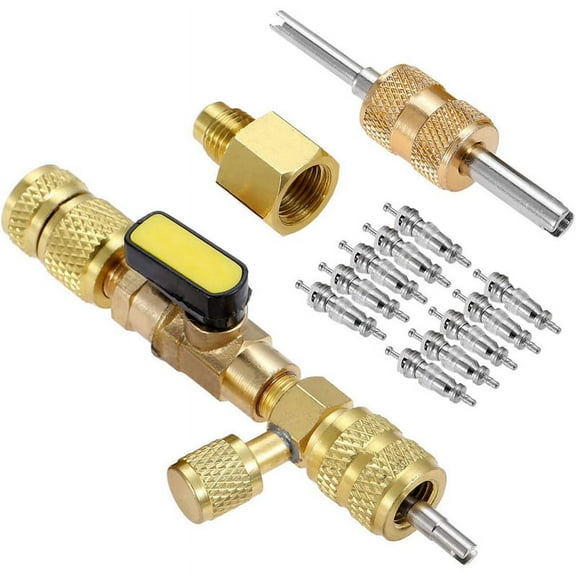
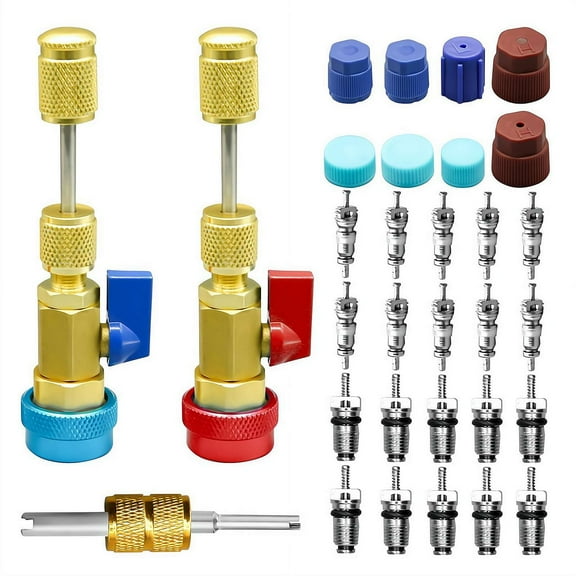
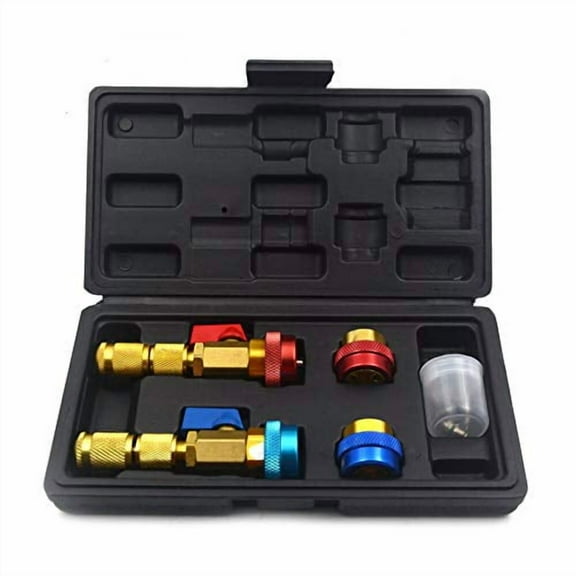
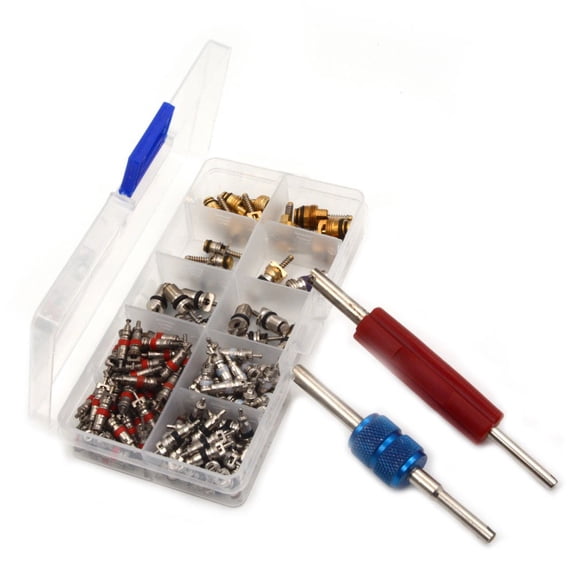
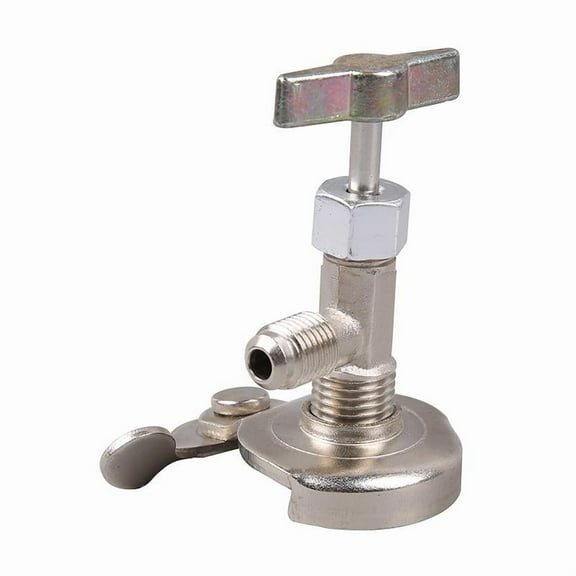
Kit completeness matters because you don't want to pause for missing hoses or couplers. You should check whether your set includes charging hoses, adapters, couplers, valves, and a carrying case.
If you want to minimize separate purchases, you should compare complete kits against standalone tools. You can often find that organized cases and matched accessories make setup and storage easy between jobs.
Matching automotive HVAC tools to your application
You should match your tools to the systems you service frequently. You may need automotive AC repair tools for cars and trucks, or broader options for residential HVAC and commercial refrigeration.
For vehicle work, you should focus on automotive HVAC tools with compatible couplers, readable gauges, and manageable hose lengths. You can move through engine-bay service steps with less guesswork when your setup fits common service ports.
If you're handling residential HVAC, you should compare refrigerant support and pump capacity carefully. You often need a setup that suits larger line volumes and longer service sessions.
For commercial refrigeration, you should look closely at measurement control and repeatable readings. You can benefit from refrigerant scales, durable hoses, and gauges that stay legible during frequent use.
You can also build your setup in stages based on your service routine. You might start with gauges and hoses, then add a leak detector, a pump, and scales as your repair tasks expand.
What to look for before you decide
You should compare compatibility, pump performance, gauge clarity, and included accessories before you choose. This helps you make an informed selection when your tools match your refrigerant, workspace, and repair routine.
With the right HVAC tools, you can diagnose pressure, evacuate systems, and charge with more control. This provides equipment guidance that fits real automotive AC service from the first connection onward.